
How Trade and Economy Influenced the Mauryan Administrative Policies


Welcome to Ancient India History, where we embark on a fascinating journey through the rich tapestry of ancient Indian civilizations. In this exploration, we delve into how the intricate web of Mauryan trade and economy influence shaped the very foundations of administrative policies during one of India’s most illustrious periods. Prepare to uncover the dynamic interplay between commerce and governance that not only transformed the Mauryan Empire but also left a lasting legacy on the subcontinent. Join us as we unlock the secrets of this remarkable era and reveal the profound impact of trade on society and governance.
- Introduction to Mauryan Trade and Economy Influence
- The Role of Trade in the Mauryan Economy
- Economic Policies of the Mauryan Administration
- Influence of Trade on Mauryan Administrative Policies
- Case Studies of Key Trade Cities
- Challenges Faced by Mauryan Trade
- Conclusion: Legacy of Mauryan Trade and Economy on Administrative Policies
- References for Further Reading
- Frequently Asked Questions
- Final Reflection: The Enduring Legacy of Mauryan Trade and Economy Influence
- Unveil the Secrets of Ancient Governance!
Introduction to Mauryan Trade and Economy Influence
The Mauryan Empire, one of the most significant empires in ancient India, thrived from approximately 322 to 185 BCE. Under the leadership of notable emperors such as Chandragupta Maurya and Ashoka the Great, this empire not only expanded vast territories but also established a complex administrative framework that was influenced significantly by trade and economic activities.
Understanding how Mauryan trade and economy influence shaped the administrative policies provides insights into the governance strategies that facilitated the empire's prosperity. This article delves into the intricate relationship between trade, economy, and administration during the Mauryan period, illustrating how these elements worked in tandem to enhance the empire's stability and growth.
Overview of the Mauryan Empire
The Mauryan Empire emerged after the decline of the Nanda Dynasty, marking a pivotal shift in Indian history. Founded by Chandragupta Maurya, the empire quickly expanded its reach across the Indian subcontinent, unifying diverse cultures and regions under a centralized governance model.
The empire is characterized by:
- Diverse Administration: The Mauryan administration was notable for its bureaucratic structure, which included various officials responsible for different regions, ensuring efficient governance.
- Innovative Policies: Under Ashoka's rule, the Mauryan Empire adopted policies that emphasized moral governance and welfare, influenced by his conversion to Buddhism.
- Cultural Flourishing: The period saw advancements in art, architecture, and literature, which were supported by the wealth generated from trade.
Importance of Trade in Ancient India
Trade in ancient India was not merely a means of economic exchange; it was a vital component of the social and cultural fabric of the time. The Mauryan Empire thrived on trade routes that connected it to the far reaches of Asia, the Mediterranean, and beyond.
Key aspects of trade during this period include:
- Major Trade Routes: The empire was strategically located along important trade routes, facilitating the movement of goods such as textiles, spices, and precious stones.
- Economic Prosperity: The influx of goods and wealth from trade allowed the Mauryan state to fund public projects, military campaigns, and administrative operations.
- Cultural Exchanges: Trade not only promoted economic growth but also facilitated cultural exchanges, leading to the spread of ideas, religions, and technologies.
Objective of the Article
This article aims to explore the intricate dynamics between the Mauryan trade and economy influence and the administrative policies of the Mauryan Empire. We will discuss how economic strategies were integrated into governance, the role of trade in shaping policies, and the lasting impacts on the empire's administration. By examining these interconnections, we strive to provide a comprehensive understanding of how trade and economy were pivotal in the formation and sustenance of one of ancient India’s most remarkable empires.
The Role of Trade in the Mauryan Economy

The Mauryan Empire, one of the largest and most powerful empires in ancient India, thrived due to its robust trade networks and economic policies. The influence of Mauryan trade and economy is evident in its administrative strategies, which were designed to facilitate commerce and ensure the efficient distribution of resources. Trade not only contributed to the wealth of the empire but also fostered cultural exchanges and the integration of diverse communities.
The Mauryan administration recognized the importance of trade as a catalyst for economic growth, leading to the establishment of policies that supported merchants and traders. This included the protection of trade routes, the standardization of weights and measures, and the creation of a stable currency system, which facilitated smoother transactions. Additionally, the Mauryan government implemented tax systems that were fair and conducive to trade, further enhancing the economic landscape of the empire.
Major Trade Routes during the Mauryan Period
The Mauryan Empire was strategically located at the crossroads of several vital trade routes, which significantly contributed to its economic prosperity. The primary trade routes included:
- The Grand Trunk Road: This ancient highway connected the eastern and western parts of the empire, facilitating trade between regions like Pataliputra (the capital) and Taxila in the north, and extending to regions of present-day Afghanistan and Persia.
- The Silk Route: Although primarily associated with China, the Silk Route passed through the Mauryan territories, enabling the exchange of silk, spices, and precious stones between India and distant lands.
- Maritime Trade Routes: The Mauryan Empire also engaged in maritime trade through ports along the western coast, such as Bharukachchha (modern-day Bharuch), which linked India to the Middle East and Africa.
The strategic location of these routes allowed the Mauryan administration to exert influence over trade, collect taxes, and promote economic stability.
Key Goods and Commodities Traded
The Mauryan economy was characterized by a diverse array of goods and commodities that were traded both domestically and internationally. Key items included:
- Spices: India was renowned for its spices, such as black pepper, cardamom, and cinnamon, which were highly sought after in international markets.
- Textiles: Cotton and silk textiles were significant exports, with Indian fabrics being prized for their quality and craftsmanship.
- Metals and Minerals: The Mauryans traded in metals like gold, silver, and iron, which were essential for various industries and crafts.
- Agricultural Products: Grains, fruits, and vegetables were staples of both local and trade markets, ensuring food security and contributing to trade surplus.
The variety of goods exchanged not only enriched the Mauryan economy but also enhanced cultural interactions with other civilizations.
Economic Centers and Their Significance
Several economic centers emerged during the Mauryan period, serving as hubs for trade and commerce. Notable centers included:
- Pataliputra: The capital city was a bustling trade center, attracting merchants from different regions, thereby fostering economic activity and cultural exchange.
- Taxila: Known for its educational institutions, Taxila was also a significant trading hub that connected various trade routes, facilitating commerce between the East and West.
- Ujjain: Located at the crossroads of major trade routes, Ujjain played a crucial role in the trade of goods and served as a center for astronomical studies and cultural activities.
These economic centers were instrumental in shaping the Mauryan trade landscape, influencing administrative policies designed to support and regulate trade activities effectively. The Mauryan Empire's focus on trade and economic prosperity allowed it to maintain power and stability, leaving a lasting legacy in the annals of ancient Indian history.
Economic Policies of the Mauryan Administration

The Mauryan Empire, one of the largest and most influential empires in ancient India, developed a sophisticated economic framework that played a crucial role in shaping its administrative policies. The economic policies established during this period were designed to maximize revenue, promote trade, and ensure a stable market environment. The relationship between trade and economy in the Mauryan context reveals how these elements influenced governance and administrative strategies, leading to prosperity and effective control of the vast empire.
Revenue Generation through Trade
Trade was a vital component of the Mauryan economy, contributing significantly to revenue generation. The Mauryan Empire benefited from its strategic location along major trade routes that connected the eastern and western parts of India, as well as facilitating trade with regions such as Central Asia and the Mediterranean.
-
Trade Routes and Connectivity
The Mauryan Empire actively maintained and improved trade routes, enhancing connectivity across its vast territory. Major routes included:
- The Grand Trunk Road: A vital artery for commerce that linked the eastern and western regions.
- River Trade: Navigable rivers, such as the Ganges and Indus, facilitated the movement of goods and people.
-
Export and Import Dynamics
The empire specialized in the production of various goods, including textiles, spices, and precious stones, which were exported to foreign markets. In return, the Mauryans imported luxury items, metals, and raw materials, creating a balanced trade ecosystem. Key exports included:
- Silk and Cotton Textiles
- Spices like Pepper and Cardamom
- Artisan Crafts and Jewelry
-
State Involvement in Trade
The Mauryan administration took an active role in regulating and promoting trade. State-sponsored trade missions and fairs were organized to facilitate exchanges, which contributed to the empire's overall economic growth. The royal patronage of trade also helped in building trust and stability within the market.
Taxation and Its Impact on Trade
Taxation was a crucial tool for the Mauryan administration, impacting various aspects of trade. The economic policies of the Mauryan Empire included a well-structured taxation system designed to generate revenue while promoting trade activities.
-
Types of Taxes
The Mauryan government imposed several forms of taxes on trade, including:
- Customs Duties: Levied on goods entering or leaving the empire, ensuring a steady income for the state.
- Sales Tax: Applied to goods sold in markets, encouraging local trade while generating revenue.
-
Tax Incentives for Traders
To foster trade, the Mauryan administration sometimes offered tax exemptions or reduced rates for specific commodities. This encouraged merchants to engage in trade, thus increasing overall economic activity. For instance:
- Exemptions for Exporters: Goods intended for export could be exempt from certain local taxes, incentivizing traders to participate in international commerce.
-
Impact on Trade Relations
The taxation policies established a framework that regulated trade practices, impacting the relationships between merchants and the state. A balanced taxation system helped in maintaining good relations between traders and the government, which was essential for the stability of the economy.
Regulation of Markets and Trade Practices
The Mauryan Empire implemented comprehensive regulations governing markets and trade practices to ensure fair competition and stability within the economy. These regulations were vital in maintaining order and boosting economic activities.
-
Market Regulations
The Mauryan administration established market regulations that dictated the operation of bazaars and trade fairs. Key features included:
- Standardization of Weights and Measures: Ensuring fairness in transactions and building trust among traders.
- Price Controls: The government sometimes intervened to stabilize prices during times of crisis to prevent exploitation.
-
Trade Guilds and Organizations
Trade guilds played a significant role in the Mauryan economy, acting as associations for merchants and artisans. These guilds were responsible for:
- Setting Standards: Establishing quality standards for goods produced and sold.
- Dispute Resolution: Serving as mediators in trade disputes, thus contributing to a stable trading environment.
-
Surveillance and Enforcement
The Mauryan administration employed officials known as Amatyas to oversee market activities and enforce regulations. This surveillance helped in:
- Preventing Fraud: Ensuring that trade practices adhered to established norms and regulations.
- Promoting Ethical Trading: Encouraging traders to operate honestly, which fostered a healthy economic climate.
The economic policies of the Mauryan administration, particularly regarding revenue generation through trade, taxation, and regulation of markets, significantly influenced the empire's administrative framework. The interplay between Mauryan trade and economy influence ensured not only the prosperity of the state but also the stability and satisfaction of its citizens, laying the foundation for a robust and thriving civilization.
Influence of Trade on Mauryan Administrative Policies

Trade and Diplomatic Relations
The Mauryan Empire, particularly under the reign of Chandragupta Maurya and his grandson Ashoka, recognized the significance of trade as a cornerstone of its economic prowess and diplomatic strength. Trade routes, such as the Grand Trunk Road, facilitated not only commerce but also cultural exchanges that played a vital role in the empire's governance.
Key Aspects of Trade Relations:
- International Trade: The Mauryan Empire engaged in extensive trade with neighboring regions, including Persia, the Mediterranean, and Southeast Asia. This not only enriched the Mauryan economy but also established diplomatic ties that were crucial for stability and peace.
- Bilateral Treaties: To secure trade routes and ensure the safety of merchants, the Mauryan administration often entered into treaties with foreign kingdoms. These agreements helped to avoid conflicts and foster mutual economic benefits.
- Cultural Exchanges: Trade also led to the exchange of ideas, technologies, and cultural practices. For instance, the introduction of Buddhist teachings to Central Asia was facilitated by traders who traveled these routes, promoting the Mauryan influence beyond its borders.
Administrative Reforms Inspired by Trade Needs
The Mauryan administration was highly influenced by trade demands, leading to several reforms that optimized the economic framework of the empire. The need for efficient governance in managing trade activities prompted the following key reforms:
- Standardization of Weights and Measures: To facilitate trade, the Mauryan Empire established a system of standardized weights and measures. This initiative simplified transactions and ensured fairness in trade practices, enhancing the overall economic environment.
- Establishment of Trade Guilds: The Mauryan administration recognized the importance of merchant groups or guilds in regulating trade. These guilds were empowered to set rules, resolve disputes, and even collect taxes, creating a structured environment for commerce to thrive.
- Taxation Policies: The Mauryan rulers implemented taxation systems that were adaptable to the needs of traders. Taxes on trade were collected at strategic points, such as river crossings and marketplaces, ensuring a steady revenue stream while encouraging trade activities.
- Infrastructure Development: Recognizing that trade depended significantly on roads and transportation, the Mauryan administration invested in infrastructure, such as road construction and maintenance, which facilitated the movement of goods and services across the empire.
Integration of Local Economies into a Central System
The Mauryan Empire's approach to integrating local economies into a centralized system was pivotal in enhancing trade efficiency and administrative control. This integration involved several strategic measures:
- Provincial Administration: The empire was divided into provinces, each governed by officials who reported to the central authority. This structure allowed for localized management of trade activities while aligning them with imperial policies.
- Promotion of Local Crafts: The Mauryan administration actively promoted local crafts and industries, which not only generated employment but also increased the variety of goods available for trade. This approach supported local economies while enriching the imperial treasury.
- Market Regulation: The Mauryan government implemented regulations to control market prices and prevent monopolies. By ensuring fair competition and access to markets, local producers could thrive, contributing to the overall economic stability of the empire.
The Mauryan Empire's trade and economy significantly influenced its administrative policies, fostering a robust framework that supported both local and regional economic activities. The strategic integration of trade into governance not only enhanced the empire's wealth but also solidified its position as a key player in ancient global commerce.
Case Studies of Key Trade Cities
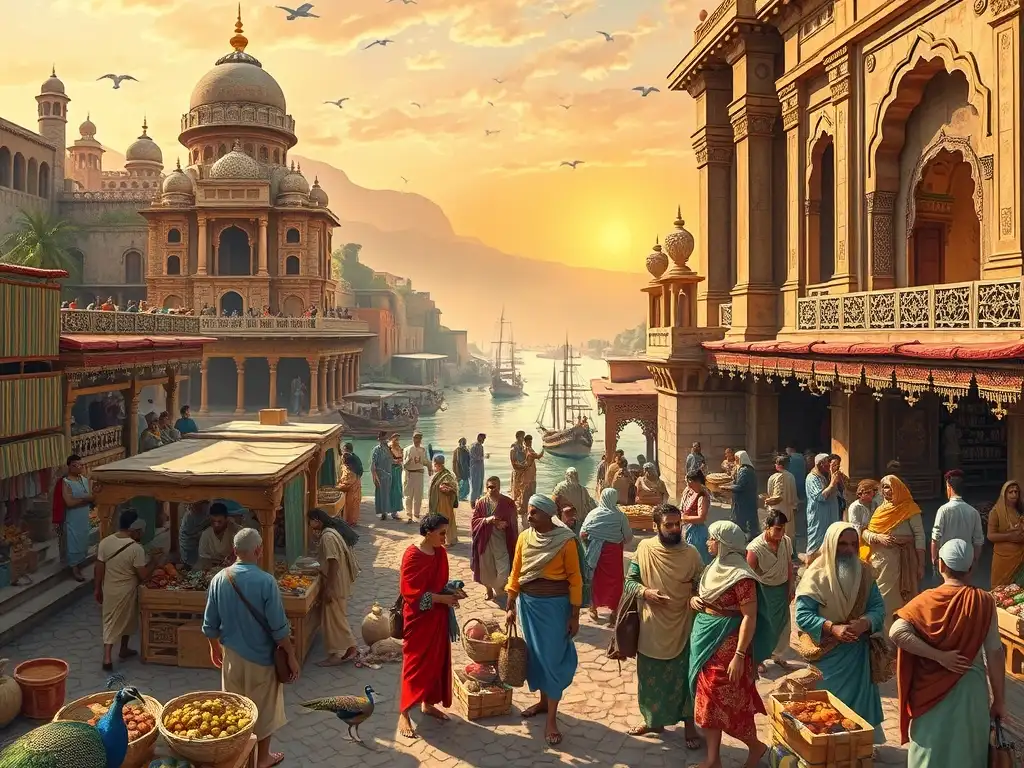
The Mauryan Empire, one of the largest and most powerful empires in ancient India, utilized its key trade cities as crucial centers for economic activity. These cities not only facilitated trade but also shaped the administrative policies of the empire. By examining three pivotal trade cities—Pataliputra, Taxila, and Ujjain—we can better understand how Mauryan trade and economy influenced its governance strategies.
Pataliputra: The Capital's Economic Role
Pataliputra, the capital of the Mauryan Empire, served as a vital economic hub during this period. Its strategic location at the confluence of the Ganges and Son rivers allowed for efficient transportation and trade. The city's economic significance can be summarized as follows:
- Trade Routes: Pataliputra was situated at the crossroads of several important trade routes, connecting the north with the south and the east with the west. This made it a bustling marketplace where goods from various regions were exchanged.
- Market Regulation: The Mauryan administration implemented strict regulations to control trade practices, ensuring that the economic activities within Pataliputra contributed positively to the state revenue. This included setting prices for essential goods and imposing taxes on transactions.
- Cultural Exchange: As a melting pot of diverse cultures, Pataliputra attracted traders from distant lands, leading to a vibrant exchange of ideas, art, and culture. This cultural amalgamation further strengthened the Mauryan economy and its administrative policies.
Taxila: A Hub of Trade and Education
Taxila is renowned not only for its role in trade but also for its educational institutions. This ancient city played a significant role in shaping the Mauryan economy and administration through the following aspects:
- Educational Institutions: Taxila was home to one of the earliest universities in the world, attracting scholars from various regions. The influx of students and scholars bolstered the local economy, creating demand for goods and services, which the Mauryan administration capitalized on.
- Trade Commodities: The city specialized in the production of high-quality goods, such as textiles, metalwork, and jewelry. These commodities were in high demand in both domestic and international markets, significantly contributing to the Mauryan treasury.
- Cultural and Economic Connectivity: Taxila's strategic location on the Silk Road facilitated not only trade but also cultural exchanges with Central Asia. This connectivity allowed the Mauryan Empire to expand its influence and foster diplomatic relationships, which were beneficial for trade.
Ujjain: Strategic Importance in Trade Networks
Ujjain, another key city in the Mauryan Empire, was strategically located on the trade routes connecting the western and eastern regions of India. Its significance in the Mauryan trade and economy can be highlighted through the following points:
- Astronomical Observatory: Ujjain was known for its observatory, which played a crucial role in navigation and timing for trade expeditions. This scientific advancement enhanced trade efficiency and reliability, allowing merchants to plan their routes better.
- Center for Currency and Trade: The city was a major center for currency minting, which facilitated trade transactions. The standardized currency system established by the Mauryan administration helped streamline commerce and reduce disputes over trade value.
- Religious and Cultural Center: Ujjain was also an important religious hub, attracting pilgrims and traders alike. This dual role as a spiritual and commercial center enhanced its economic vitality, leading to increased revenues for the Mauryan state.
The analysis of these key trade cities illustrates the profound influence of Mauryan trade and economy on administrative policies. By leveraging the economic potential of Pataliputra, Taxila, and Ujjain, the Mauryan Empire was able to establish a robust governance framework that facilitated growth and stability.
Challenges Faced by Mauryan Trade

The Mauryan Empire, known for its extensive trade networks and economic prowess, faced several challenges that significantly influenced its administrative policies. These challenges stemmed from both external and internal factors, shaping how the empire managed its resources and trade routes. Understanding these challenges provides insight into the dynamics of Mauryan trade and economy influence.
External Threats to Trade Routes
The Mauryan Empire's trade routes, vital for economic prosperity, were often threatened by various external forces. These threats included:
- Invasions by Foreign Powers: The empire faced invasions from nomadic groups and rival kingdoms, which posed a significant risk to trade caravan safety. For instance, the incursions by the Indo-Greeks disrupted trade in the northwestern regions, leading to heightened security measures along popular routes.
- Geopolitical Conflicts: Territorial disputes with neighboring regions, such as the Seleucid Empire, often resulted in military confrontations that jeopardized trade. The Mauryan administration had to negotiate peace treaties to secure trade routes, a process that showcased their diplomatic strategies.
- Natural Disasters: Natural calamities, such as floods and droughts, could devastate trade routes, impacting the flow of goods. For example, the monsoon season influenced the reliability of maritime trade, and the Mauryan state had to develop contingency plans to mitigate these disruptions.
Economic Disparities and Regional Differences
The Mauryan Empire spanned vast geographical areas, leading to significant economic disparities among regions. These disparities influenced administrative policies in several ways:
- Resource Distribution: Different regions specialized in various products, resulting in uneven wealth distribution. For example, the fertile plains of the Ganges were rich in agricultural produce, while the Deccan plateau was known for its minerals. The Mauryan administration had to implement policies to ensure fair taxation and resource distribution to maintain stability.
- Market Accessibility: Regions with limited access to major trade routes experienced economic stagnation. To address this, the Mauryan government invested in infrastructure, such as roads and ports, to enhance connectivity and stimulate local economies. This initiative not only improved trade efficiency but also reduced regional disparities.
- Cultural Influences on Trade: Each region had distinct cultural practices that influenced trade. For instance, the coastal areas were heavily involved in maritime trade with foreign lands, while the inland areas focused on overland trade. The Mauryan administration had to adapt its policies to cater to these diverse trading practices, ensuring that cultural nuances were respected.
Administrative Responses to Trade Challenges
In response to the challenges faced by trade, the Mauryan administration implemented several strategic measures:
- Strengthening Security Measures: To combat external threats, the Mauryan government established a robust system of patrolling trade routes and fortifications. This included the deployment of military forces to protect merchants and goods, ensuring safer passage and fostering trade confidence.
- Standardization of Weights and Measures: To facilitate smoother trade transactions, the Mauryan administration standardized weights and measures across the empire. This standardization not only promoted fair trade practices but also simplified taxation processes, allowing for a more efficient economic system.
- Diplomatic Engagements: The Mauryan Empire engaged in diplomatic relations with neighboring states to secure trade routes and foster economic ties. Through treaties and alliances, they were able to mitigate external threats and enhance trade opportunities, reflecting a pragmatic approach to governance.
- Investment in Infrastructure: Recognizing the importance of trade for economic stability, the Mauryan administration invested heavily in infrastructure development, including roads, bridges, and ports. This investment not only facilitated trade but also stimulated local economies, creating a more interconnected empire.
The challenges faced by Mauryan trade significantly influenced the administrative policies of the empire. By understanding these challenges and the responses crafted by the Mauryan leadership, one can appreciate the intricate relationship between trade, economy, and governance during this pivotal period in ancient Indian history.
Conclusion: Legacy of Mauryan Trade and Economy on Administrative Policies

The Mauryan Empire, which thrived from approximately 322 BCE to 185 BCE, is notable for its sophisticated administrative policies that were significantly influenced by trade and economic practices. As one of the largest empires in ancient India, the Mauryan state leveraged its extensive trade networks and economic resources to establish a strong centralized governance structure. This legacy is evident in various aspects of its administration, which not only facilitated trade but also ensured economic stability throughout the empire.
Summary of Key Influences
The Mauryan trade and economy influenced administrative policies in several fundamental ways:
- Economic Integration: The Mauryan Empire established trade routes that connected various regions, enhancing economic integration. This allowed for the efficient collection of taxes and resources from different parts of the empire, which was crucial for maintaining a robust administrative framework.
- Regulation of Trade: The Mauryan administration implemented policies to regulate trade, including standardized weights and measures. This standardization not only facilitated commerce but also helped in establishing economic norms that benefited both traders and the state.
- Infrastructure Development: Recognizing the importance of trade, the Mauryan rulers invested in infrastructure such as roads and ports. This investment improved connectivity and reduced trade costs, further stimulating economic activities and enhancing the state’s revenue.
- Market Regulation: The administration was involved in the regulation of markets and prices, ensuring that essential goods remained affordable for the populace. This not only supported the economy but also contributed to social stability.
Lasting Impact on Subsequent Indian Empires
The administrative practices established by the Mauryan Empire had a profound influence on subsequent Indian empires. The emphasis on trade not only shaped governance but also set a precedent for future rulers:
- Adoption of Trade Policies: Following the Mauryan period, later empires such as the Gupta Empire adopted similar trade policies, reinforcing the importance of economic prosperity in governance. This continuity illustrates the enduring impact of Mauryan practices on the administrative frameworks of future dynasties.
- Cultural Exchange: The Mauryan emphasis on trade also fostered cultural exchanges that influenced art, religion, and philosophy across India. The legacy of these exchanges continued to resonate through subsequent empires, enriching Indian civilization as a whole.
- Administrative Innovations: The administrative innovations initiated during the Mauryan period, such as the establishment of provincial governors and a centralized taxation system, became hallmarks of governance in later Indian states. This structure facilitated the efficient management of vast territories.
Reflection on the Importance of Trade in Governance
The Mauryan Empire serves as a prime example of how trade and economy can profoundly influence governance. The integration of economic considerations into administrative policies highlights several key reflections:
- Trade as a Catalyst for Governance: The Mauryan experience shows that a thriving economy can enhance political stability and governance effectiveness. By prioritizing trade, rulers can bolster their revenue and maintain power.
- Interdependence of Economy and Administration: The relationship between economic practices and administrative policies is symbiotic. Effective governance can promote trade, and a prosperous trade environment can reinforce governance structures.
- Lessons for Modern Governance: Today, the principles drawn from the Mauryan Empire's approach to trade and administration remain relevant. Modern states can learn from the Mauryan emphasis on economic integration and infrastructure development as critical components of effective governance.
The Mauryan trade and economy influenced administrative policies in ways that fostered stability and growth, leaving a lasting legacy on the governance of subsequent Indian empires. The importance of trade as a fundamental aspect of administration continues to resonate through history, demonstrating the enduring connection between economic vitality and effective governance.
References for Further Reading
Suggested Books and Articles on Mauryan Trade
-
"The Mauryan Empire" by Romila Thapar
A comprehensive exploration of the Mauryan Empire's political, economic, and cultural landscape. Thapar delves into the intricate trade networks and their impact on governance.
-
"Trade and Politics in the Indian Ocean World: A Historical Perspective" by Isabel Hofmeyr
This book provides insights into the broader context of trade in the Indian Ocean, with a focus on how these dynamics influenced Mauryan administrative policies and economic practices.
-
"India's Ancient Past" by R.S. Sharma
Sharma provides an analysis of how trade shaped the social and economic structures of ancient India, including the Mauryan period. It offers a detailed account of trade routes and practices.
-
"The Economic History of India: 1857-1947" by Romesh Chunder Dutt
Although focused on a later period, this book draws upon earlier trade practices dating back to the Mauryan Empire, providing a contextual understanding of economic evolution.
-
"The Archaeology of Early Historic South Asia: Evolution, Transition, and Change" by Robin Coningham and Ruth Young
This work covers archaeological evidence that illuminates the economic practices of the Mauryan period, providing a critical look at how trade influenced administrative strategies.
Online Resources for Ancient Indian Economic History
-
Digital South Asia Library
An extensive collection of texts, maps, and resources related to the history of South Asia. This library offers primary sources and research materials that focus on the economic aspects of ancient civilizations, including the Mauryan Empire.
-
Ancient India: A Comprehensive Overview
This website features articles and research papers on various aspects of ancient Indian history, including trade and economy. It provides detailed discussions on how these factors influenced the Mauryan administrative policies.
-
The British Museum - Ancient India
The British Museum’s online collection offers access to artifacts from the Mauryan period. The site includes detailed descriptions and analyses of items related to trade, showcasing the economic interactions of the time.
-
Academia.edu - Ancient Indian Trade
A platform where researchers publish papers and articles. A search for "Mauryan trade and economy" yields a variety of scholarly articles that explore the subject in depth.
-
YouTube - Ancient Indian History Channels
Several educational channels focus on the history and economics of ancient India. They often feature discussions on the Mauryan Empire, detailing trade routes, goods exchanged, and their influence on administration.
By utilizing these resources, readers can gain a deeper understanding of the complex interplay between trade, economy, and administrative policies during the Mauryan Empire, enriching their knowledge of this pivotal period in ancient Indian history.
Frequently Asked Questions
What were the main components of the Mauryan trade and economy?
The Mauryan trade and economy included agriculture, craftsmanship, and commerce, which facilitated the growth of urban centers and supported a diverse economic structure.
How did the Mauryan Empire influence trade routes?
The Mauryan Empire established and protected key trade routes, enhancing interregional trade and allowing for the exchange of goods, cultures, and ideas across India and beyond.
What role did administration play in the Mauryan economy?
Administrative policies were crucial in regulating trade, collecting taxes, and ensuring the stability and efficiency of markets, which ultimately fostered economic growth.
How did Mauryan trade impact cultural exchange?
The exchange of goods through trade routes led to significant cultural interactions, spreading ideas, art, and religion throughout the subcontinent and influencing neighboring regions.
What were the consequences of the Mauryan economic policies?
The economic policies of the Mauryan Empire led to increased prosperity, the development of infrastructure, and the establishment of a more centralized authority, which shaped future Indian governance.
Final Reflection: The Enduring Legacy of Mauryan Trade and Economy Influence
The intricate relationship between trade, economy, and administrative policies in the Mauryan Empire remains profoundly relevant today. As we navigate a globalized world where economic strategies shape governance and societal structures, understanding the historical context of the Mauryan trade and economy influence offers invaluable insights. The lessons from this ancient civilization remind us that economic prosperity and effective governance are intertwined, and neglecting one can jeopardize the other.
Clearly, the Mauryan Empire's approach to trade and economy set a precedent that resonates through centuries. The policies established during this era not only facilitated commerce but also fostered social cohesion and stability. This historical framework continues to inspire contemporary discussions about economic policies and their impact on governance. The greatest danger in times of turbulence is not the turbulence; it is to act with yesterday's logic.
– Peter Drucker. This quote encapsulates the need to learn from the past while adapting to the present and future challenges.
As you reflect on the lessons drawn from the Mauryan Empire, consider how you can apply these insights in your own life. Think about the ways in which economic decisions shape your community and the broader world. Embrace the opportunity to engage with economic policies and practices that promote not just wealth, but also equity and sustainability. Let the legacy of the Mauryan trade and economy influence inspire you to contribute positively to your society, ensuring that the lessons of history guide our collective future.
Unveil the Secrets of Ancient Governance!
Thank you for taking the time to explore how trade and economy shaped the administrative policies of the Mauryan Empire. You’ve gained valuable insights into this fascinating intersection of commerce and governance. Now, it’s time to apply that knowledge and dive deeper!
Here’s how you can engage further with this captivating topic:
- Explore primary sources or archaeological findings from the Mauryan era, which will enrich your understanding of trade routes and their administrative impacts.
- Join online forums or local history groups where you can discuss and share your insights on the Mauryan Empire with fellow enthusiasts.
- Consider writing a short article or blog post about your thoughts on how economic policies from ancient times can influence modern governance practices.
What aspects of Mauryan trade and economy intrigue you the most, and how do you believe they can inform today’s administrative strategies?