
Economy and Occupations: A Day in the Life of an Indus Valley Artisan

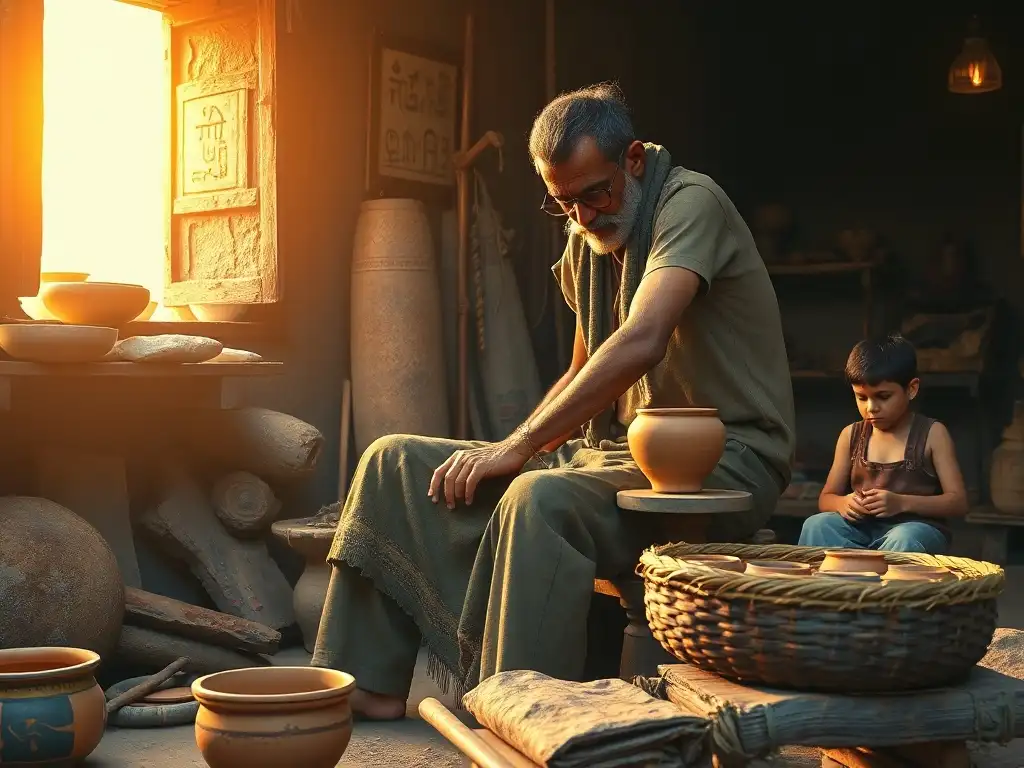
Welcome to Ancient India History, where the tapestry of time unfolds to reveal the rich and diverse heritage of ancient Indian civilizations. In today's exploration, we delve into the Indus Valley artisan daily life, uncovering the intricate economy and vibrant occupations that shaped this remarkable society. Have you ever wondered what a day in the life of an artisan in the bustling streets of the Indus Valley looked like? Join us as we journey back in time to discover the craftsmanship, creativity, and cultural nuances that defined this ancient era. Prepare to be fascinated!
- Introduction to the Indus Valley Artisan Daily Life
- The Role of Artisans in the Indus Valley Civilization
- A Typical Day in the Life of an Indus Valley Artisan
- The Crafting Process: From Raw Materials to Finished Goods
- Social and Economic Aspects of Artisan Life
- Challenges Faced by Indus Valley Artisans
- Conclusion: The Legacy of Indus Valley Artisans
- Further Reading and Resources on Indus Valley Civilization
-
Frequently Asked Questions
- What were the primary occupations of Indus Valley artisans?
- How did artisans in the Indus Valley contribute to the economy?
- What materials did Indus Valley artisans typically use in their work?
- What was a typical day like for an Indus Valley artisan?
- How did the social status of artisans in the Indus Valley affect their daily life?
- Final Reflection: The Enduring Legacy of Indus Valley Artisans
- Unveil the Legacy of Indus Valley Artisans!
Introduction to the Indus Valley Artisan Daily Life
The daily life of an artisan in the Indus Valley Civilization is a fascinating lens through which we can explore the intricate tapestry of ancient Indian society. This civilization, which flourished around 2500 BCE in what is now Pakistan and northwest India, is renowned for its advanced urban planning, sophisticated drainage systems, and vibrant trade networks. At the heart of this thriving culture were skilled artisans, whose craftsmanship contributed significantly to the economy and social structure of the time.
Understanding the roles, responsibilities, and daily activities of these artisans provides insight into not only their individual lives but also the broader context of Indus Valley society. In this article, we will delve into the various aspects of an artisan's life, highlighting their importance in ancient economies and the rich cultural heritage they helped to create.
Overview of the Indus Valley Civilization
The Indus Valley Civilization, also known as the Harappan Civilization, emerged as one of the world's earliest urban cultures, existing approximately from 3300 to 1300 BCE. Spanning across a vast area that included major cities like Harappa and Mohenjo-Daro, the civilization was characterized by:
- Urban Planning: Cities were meticulously planned with grid patterns, sophisticated drainage systems, and standardized brick sizes.
- Agriculture and Trade: The economy was primarily agrarian, supported by trade with neighboring regions, which allowed for a diverse range of goods and resources.
- Writing System: Although still undeciphered, the script found on seals and pottery hints at a complex communication system.
- Artistic Expression: Artifacts such as pottery, jewelry, and sculptures reflect the high level of artistry and craftsmanship that existed in this society.
The artisans of the Indus Valley played a pivotal role in maintaining and advancing these societal achievements, showcasing their skills through various crafts that were essential to everyday life.
Importance of Artisans in Ancient Societies
Artisans were vital to the economic and cultural fabric of the Indus Valley Civilization. Their contributions can be outlined as follows:
- Economic Role:
- Craftsmanship: Artisans specialized in various trades such as pottery, metallurgy, weaving, and bead-making. Their products were not only used locally but also traded extensively, contributing to the economy.
- Employment: Artisans provided employment opportunities within their communities, fostering the growth of related trades and services.
- Cultural Significance:
- Cultural Heritage: Through their crafts, artisans preserved and transmitted cultural values, beliefs, and aesthetics that defined the Indus Valley Civilization.
- Social Status: Skilled artisans often held a respected position in society, as their work was essential for both daily life and ceremonial occasions.
- Innovation and Technology:
- Techniques: The artisans developed and refined various techniques, such as kiln firing for pottery and metal alloying, which reflected their advanced understanding of materials and processes.
- Influence on Future Generations: The innovations of Indus Valley artisans laid the groundwork for subsequent Indian craftsmanship and artistic traditions.
The artisans of the Indus Valley Civilization were not just craftsmen; they were central figures in the development of a complex society that thrived on trade, cultural exchange, and technological advancement. Their daily lives, filled with creativity and productivity, shaped the identity of one of the earliest civilizations in human history.
The Role of Artisans in the Indus Valley Civilization
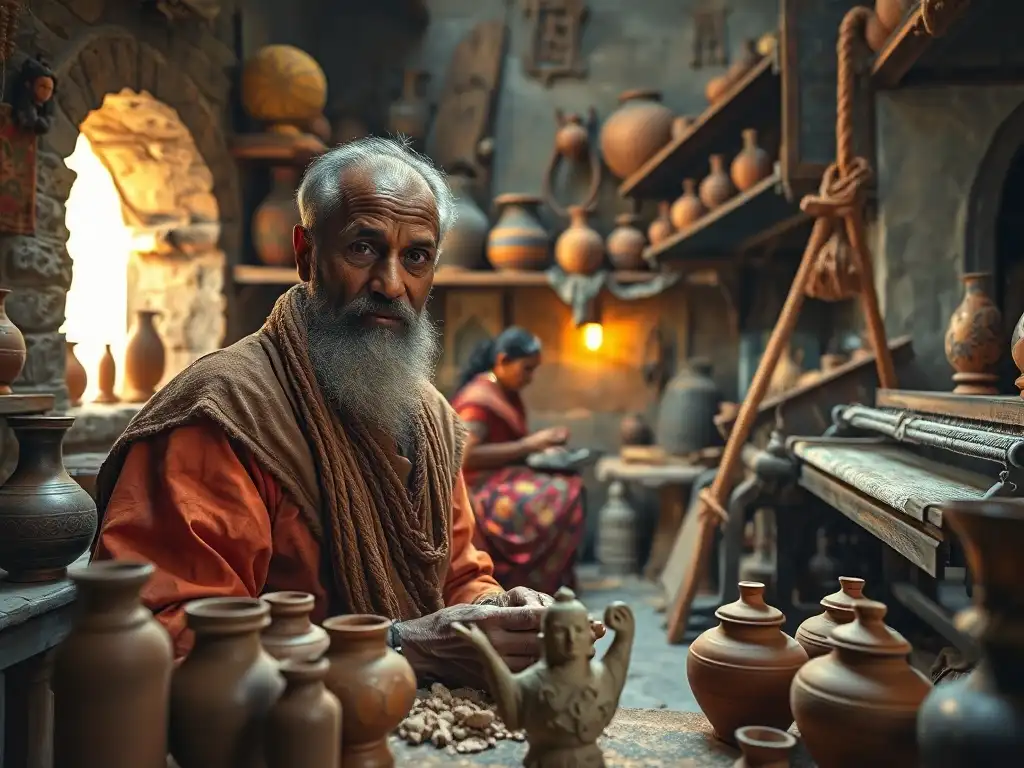
The artisans of the Indus Valley Civilization played a pivotal role in the economic and cultural fabric of their society. Their expertise in various crafts not only contributed to daily life but also facilitated trade and interaction with neighboring regions. The artisans were integral to the development of urban centers such as Harappa and Mohenjo-Daro, where their skills were showcased in the sophisticated products they created. This specialization in crafts fostered a sense of community and identity among the artisans, who often worked in guilds or family groups, passing down their skills through generations.
The economic contributions of artisans were significant, as they engaged in both local and long-distance trade. Their products, ranging from pottery to textiles, found markets in distant lands, demonstrating the advanced trade networks of the Indus Valley. Moreover, the artisans' ability to produce goods in large quantities facilitated a thriving economy, allowing for the exchange of not only goods but also ideas and cultural practices.
Types of Artisans in Ancient India
The Indus Valley Civilization was home to a diverse array of artisans, each specializing in distinct crafts. The major categories of artisans included:
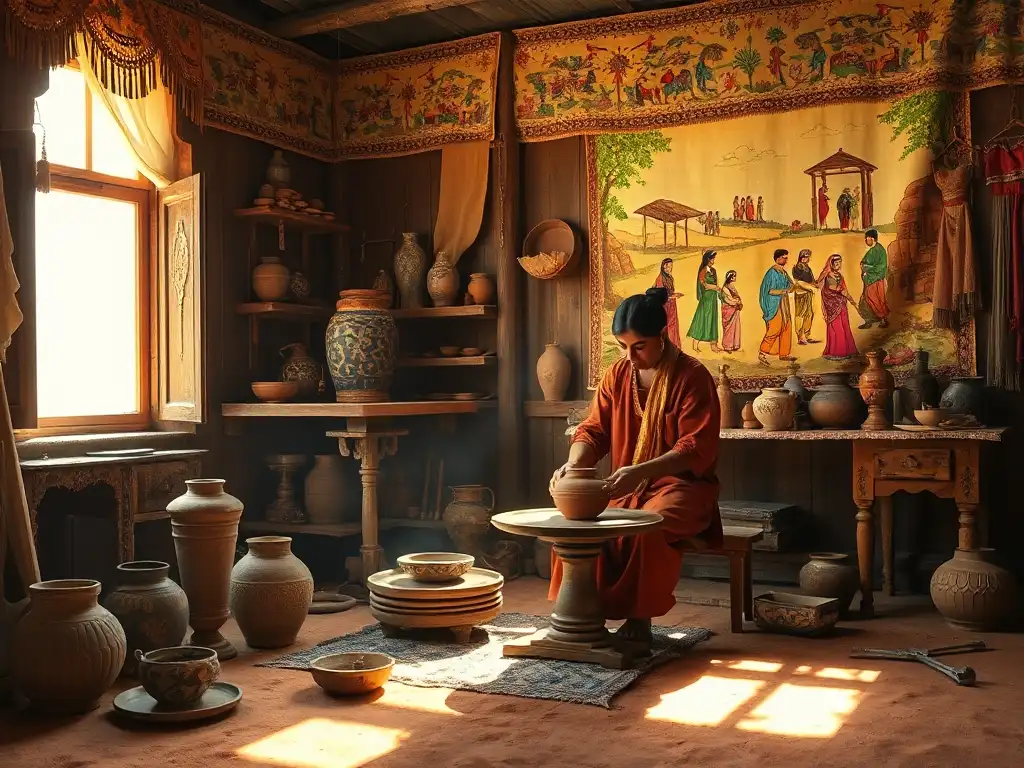
- Potters: These artisans were skilled in creating pottery using advanced techniques such as wheel-throwing. They produced a variety of vessels, from cooking pots to decorative items, often decorated with intricate designs.
- Weavers: Known for their exceptional textile production, weavers crafted cotton and wool fabrics. The cotton textiles, in particular, gained fame and were a significant trade commodity.
- Metallurgists: Artisans skilled in working with metals, particularly copper and bronze, were crucial for creating tools, weapons, and decorative items. Their expertise in metallurgy allowed for innovations that improved both daily life and craft.
- Stone Carvers: These artisans specialized in sculpting and engraving stone, creating intricate seals and sculptures that often held religious or commercial significance.
- Jewelry Makers: Artisans who crafted intricate jewelry from gold, silver, and semi-precious stones. Their work reflected the aesthetic values of the society and was often used in trade.
- Leather Workers: Skilled in processing animal hides, these artisans crafted various goods, including footwear, bags, and other leather products, which were essential for daily life.
Skills and Crafts of Indus Valley Artisans
The artisans of the Indus Valley Civilization possessed a high level of skill and craftsmanship, which is evident in the quality of their products. Each artisan group developed specialized techniques that were passed down through generations. Here are some notable skills and crafts:
- Pottery Techniques: Indus Valley potters utilized a potter's wheel, which was a significant technological advancement of the time. The pottery was often painted with geometric patterns and motifs, showcasing their artistic creativity.
- Textile Production: Weavers employed intricate techniques to create fine fabrics, with evidence suggesting the use of both plain and patterned textiles. The discovery of spindle whorls indicates a sophisticated understanding of spinning and weaving processes.
- Metalworking: Metallurgists demonstrated exceptional knowledge of alloying techniques, particularly in the creation of bronze. This not only improved tool durability but also allowed for more intricate designs in decorative items.
- Seal Carving: The seals created by stone carvers were often inscribed with writing, which remains undeciphered but indicates a complex system of communication. These seals were used for trade and administrative purposes, serving as identifiers for goods.
- Jewelry Design: Jewelry makers combined various materials, employing techniques such as granulation and inlay to create elaborate pieces. Their craftsmanship reflected social status and played a role in cultural practices.
- Leather Crafting: The leather workers used techniques to tan and dye hides, producing durable products that were essential for trade and personal use. Their craft was vital for the daily activities of the people.
The skills and crafts of the Indus Valley artisans not only fulfilled the needs of their society but also contributed to the broader economic systems of ancient India. Their legacy is evident in the artifacts that continue to be unearthed, providing insights into the daily life and culture of this fascinating civilization.
A Typical Day in the Life of an Indus Valley Artisan
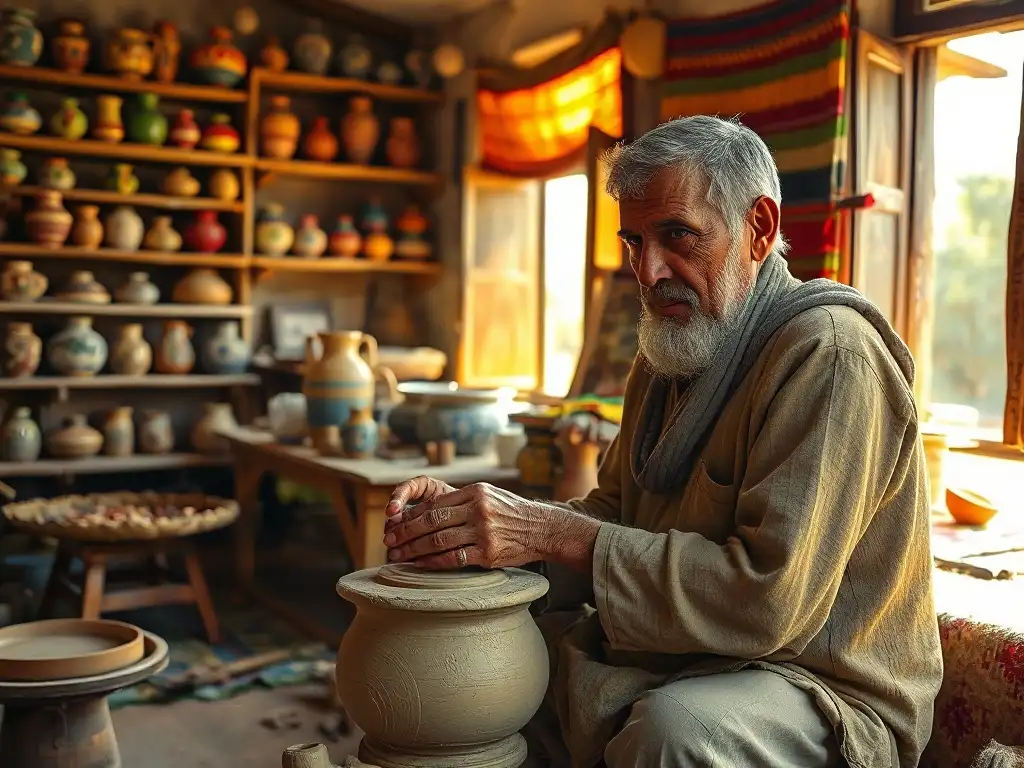
The daily life of an Indus Valley artisan was intricately woven into the fabric of their society, reflecting both the cultural richness and economic complexity of one of the world's earliest urban civilizations. Artisans played a crucial role in the Indus Valley Civilization, contributing to both the local economy and the broader trade networks that connected distant regions. Understanding the daily routine of these skilled individuals offers a deeper insight into their livelihoods and the society they inhabited.
Morning Routine and Preparation for Work
The day for an Indus Valley artisan typically began at dawn. As the sun rose over the horizon, artisans engaged in a series of rituals and tasks to prepare for their workday. Here’s a glimpse into their morning routine:
- Awakening and Personal Care: Artisans would start their day with basic personal grooming, which included washing their faces and hands with water drawn from nearby wells or rivers. This was essential for maintaining hygiene, especially in a bustling urban environment.
- Family and Community Interactions: Mornings were also a time for family bonding. Artisans often took a moment to share breakfast with their families, which could consist of flatbreads and lentils, before heading out to work. This time spent with family was crucial for reinforcing social ties.
- Gathering Tools and Materials: Following breakfast, artisans would gather their tools and raw materials necessary for their craft. This included pottery, textiles, metalwork, or bead-making supplies. The choice of materials often depended on their specific trade.
- Setting Intentions: Many artisans might have taken a moment for reflection or prayer, seeking inspiration and good fortune for the day ahead.
Tools and Materials Used by Artisans
The tools and materials utilized by Indus Valley artisans were diverse and specialized, reflecting the various crafts practiced within the civilization. Key aspects of their toolkit included:
- Pottery:
- Kilns: Used for firing clay to create durable pottery.
- Potter's Wheels: Essential for shaping clay pots and jars with precision.
- Weaving:
- Looms: Employed for weaving textiles, which were a major export of the Indus Valley.
- Spindles and Shuttles: Used for spinning yarn and weaving patterns into fabric.
- Metalwork:
- Hammers and Anvils: For shaping metals into tools, jewelry, and decorative items.
- Molds: Utilized for casting bronze and copper artifacts.
- Bead-making:
- Drills: For creating holes in semi-precious stones and shells.
- Polishing Tools: Used to smooth and enhance the appearance of beads.
- Other Crafts:
- Artisans engaged in various other trades, each requiring specific sets of tools adapted to their unique materials and techniques.
Work Environment: Homes and Workshops
The work environment of Indus Valley artisans was often a blend of home and workshop, highlighting the communal nature of their crafts. Key aspects of their work environment included:
- Houses with Dedicated Spaces: Many artisans lived in well-structured homes that featured separate areas for work. These spaces were often equipped with necessary tools and materials, allowing artisans to balance domestic life with their craft.
- Community Workshops: In more urbanized areas, artisans might gather in communal workshops, fostering collaboration and shared expertise. These workshops were hubs of activity, where multiple artisans could work alongside one another, exchange ideas, and innovate.
- Urban Centers: Major urban centers such as Harappa and Mohenjo-Daro provided an ideal backdrop for artisans, with bustling markets nearby where they could sell their goods. The presence of customers, traders, and fellow artisans created a vibrant atmosphere conducive to commerce and creativity.
- Trade Routes: The strategic location of the Indus Valley facilitated trade with other civilizations, and artisans often prepared for long-distance trade by creating specific items that would appeal to external markets.
The daily life of an Indus Valley artisan was characterized by a rich interplay of routine, craftsmanship, and community. Their contributions to the economy and culture of the Indus Valley Civilization were significant, shaping not only their own lives but also the lives of those around them. Understanding their daily practices provides invaluable insights into the complexities and vibrancy of ancient Indian civilization.
The Crafting Process: From Raw Materials to Finished Goods
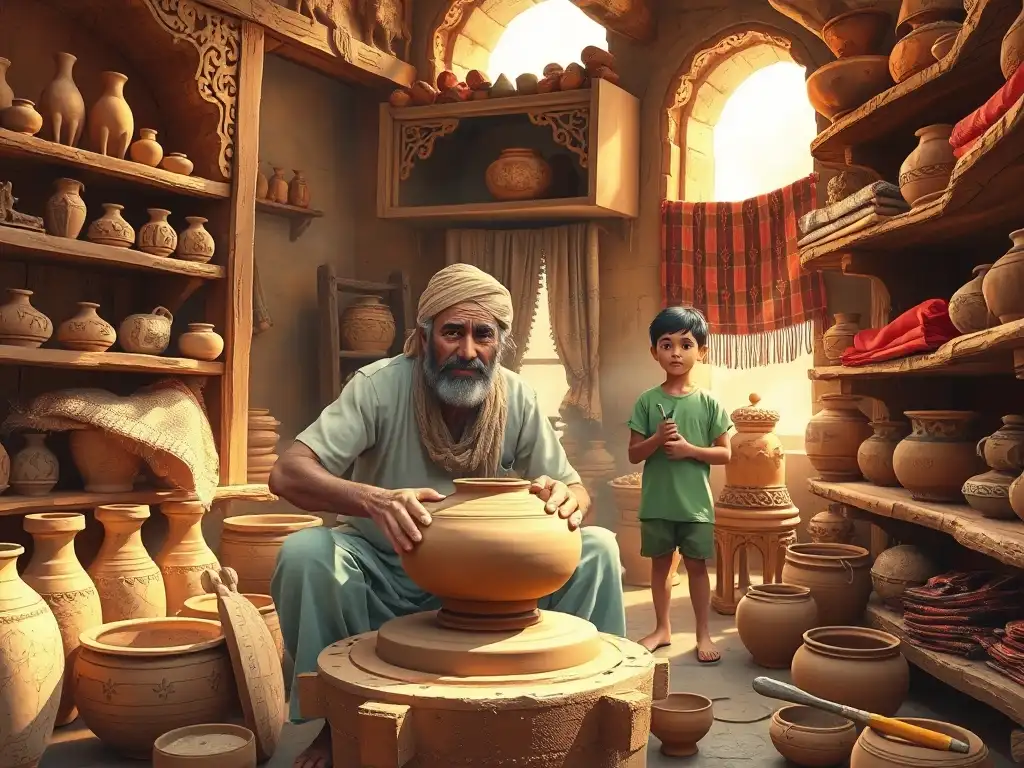
The crafting process of Indus Valley artisans was a sophisticated and essential aspect of their daily lives, intricately linked to the economy and the cultural identity of the civilization. Artisans played a crucial role in transforming raw materials into finished goods, utilizing a blend of skill, creativity, and advanced techniques that reflected the rich heritage of the Indus Valley.
Sourcing Raw Materials in the Indus Valley
The sourcing of raw materials was a fundamental aspect of an Indus Valley artisan's daily life. The region, known for its fertile plains and access to major rivers, provided a variety of natural resources.
- Primary Raw Materials:
- Clay: Used for pottery, bricks, and figurines, clay was abundant due to the riverbanks.
- Metals: Copper, bronze, and gold were sourced from nearby regions, often traded through complex networks.
- Textiles: Cotton and wool fibers were cultivated and processed, with cotton being a significant export.
- Stone: Semi-precious stones like carnelian, agate, and lapis lazuli were utilized in jewelry and decorative items.
Artisans often formed relationships with local farmers and traders, creating a network that ensured a steady supply of high-quality materials. The strategic location of the Indus Valley, with trade routes connecting to distant lands, facilitated the exchange of goods and resources, enriching the artisan's toolkit.
Techniques and Methods Used in Craftsmanship
Indus Valley artisans employed a variety of techniques and methods that showcased their expertise and innovation. These techniques were not only practical but also reflected the artistic sensibilities of the time.
- Pottery Techniques:
- Wheel-Thrown Pottery: The potter's wheel allowed for the production of uniform shapes and sizes.
- Glazing: Artisans developed early glazing techniques, creating vibrant colors and intricate designs.
- Metallurgy:
- Lost-Wax Casting: This technique enabled artisans to create detailed metal sculptures and jewelry, allowing for intricate detailing.
- Alloying: The mixing of metals resulted in stronger and more durable tools and ornaments.
- Textile Production:
- Spinning and Weaving: Utilizing hand looms and spinning wheels, artisans produced high-quality textiles, with patterns that held cultural significance.
- Dyeing: Natural dyes derived from plants were used to color fabrics, showcasing a palette that was both vibrant and diverse.
- Stone Carving:
- Chiseling: Skilled craftsmen carved intricate seals and figurines, often depicting animals or deities, which were used for trade and religious purposes.
- Polishing: Techniques to polish stones enhanced their beauty and durability, making them highly sought after.
These methods not only contributed to the economic stability of the Indus Valley but also demonstrated a high level of craftsmanship that has been admired throughout history.
Types of Products Created by Indus Valley Artisans
The range of products produced by Indus Valley artisans was vast and varied, reflecting both everyday needs and the artistic flair of the civilization.
- Pottery:
- Cooking vessels: Designed for practical use, often decorated with geometric patterns.
- Storage jars: Used for grains and liquids, showcasing functional artistry.
- Jewelry:
- Beaded necklaces: Crafted from semi-precious stones, these pieces were not only decorative but also held cultural significance.
- Metal ornaments: Earrings, bracelets, and rings adorned with intricate designs.
- Textiles:
- Cotton garments: Produced in a variety of styles, often dyed in vibrant colors.
- Woolen products: Including blankets and shawls, showcasing the versatility of local fibers.
- Sculptures and Seals:
- Animal figurines: Often used in religious practices or as toys.
- Seals: Carved with symbols and scripts, they played a crucial role in trade and administration.
The daily life of an Indus Valley artisan was defined by creativity and productivity, with each product reflecting the rich cultural and economic tapestry of the civilization. This vibrant artisan community contributed significantly to the legacy of the Indus Valley, leaving behind a rich heritage that continues to fascinate historians and archaeologists today.
Trade and Commerce: Interaction with Other Civilizations
The artisans of the Indus Valley Civilization were not only skilled craftsmen but also pivotal players in the region's trade networks. Their products—ranging from intricate jewelry to finely crafted pottery—were highly sought after, both locally and in distant lands. The well-planned cities of the Indus Valley, such as Harappa and Mohenjo-Daro, featured advanced trading systems that facilitated the exchange of goods with neighboring civilizations, including Mesopotamia and Persia.
- Trade Routes: The Indus Valley had an extensive network of trade routes that connected it to other regions. These routes enabled the transportation of goods like textiles, beads, and metalwork, creating a vibrant marketplace. Artisans often traveled along these routes to engage in trade, leading to cultural exchanges and the introduction of new materials and techniques.
- Goods and Exports: Some of the primary exports included:
- Cotton textiles, known for their high quality.
- Beads made from semi-precious stones, which were popular in foreign markets.
- Pottery, which displayed unique designs and craftsmanship.
The interaction with other civilizations not only enhanced the artisans' skills through exposure to different techniques but also fostered a sense of community among traders and artisans alike, leading to a rich tapestry of cultural and economic exchange.
The Role of Artisans in Indus Valley Economy
Artisans were integral to the economic framework of the Indus Valley Civilization. Their contributions extended beyond mere craftsmanship; they played a vital role in sustaining economic stability and growth.
- Specialization: The Indus Valley artisans were often specialized in particular crafts, such as:
- Pottery: Skilled potters created various forms of pottery for everyday use and ceremonial purposes.
- Metallurgy: Artisans engaged in the production of tools and ornaments from metals like copper and bronze.
- Textile Production: Weaving was a significant craft, with artisans producing cotton fabrics that were highly valued.
- Economic Interdependence: The artisans’ crafts were interlinked with agriculture and trade. For instance, the production of textiles was dependent on cotton farming, which was prevalent in the region. This interdependence underscored the importance of artisans in maintaining the economic balance of society.
- Employment and Social Status: Artisans often belonged to specific guilds or communities, which provided them with a sense of identity and social structure. Their skills not only earned them a livelihood but also elevated their status within society, as their creations were essential for both daily life and trade.
Community and Family Life of Artisans
The daily lives of Indus Valley artisans were characterized by strong community ties and family dynamics. These elements played a crucial role in shaping their social experiences and professional practices.
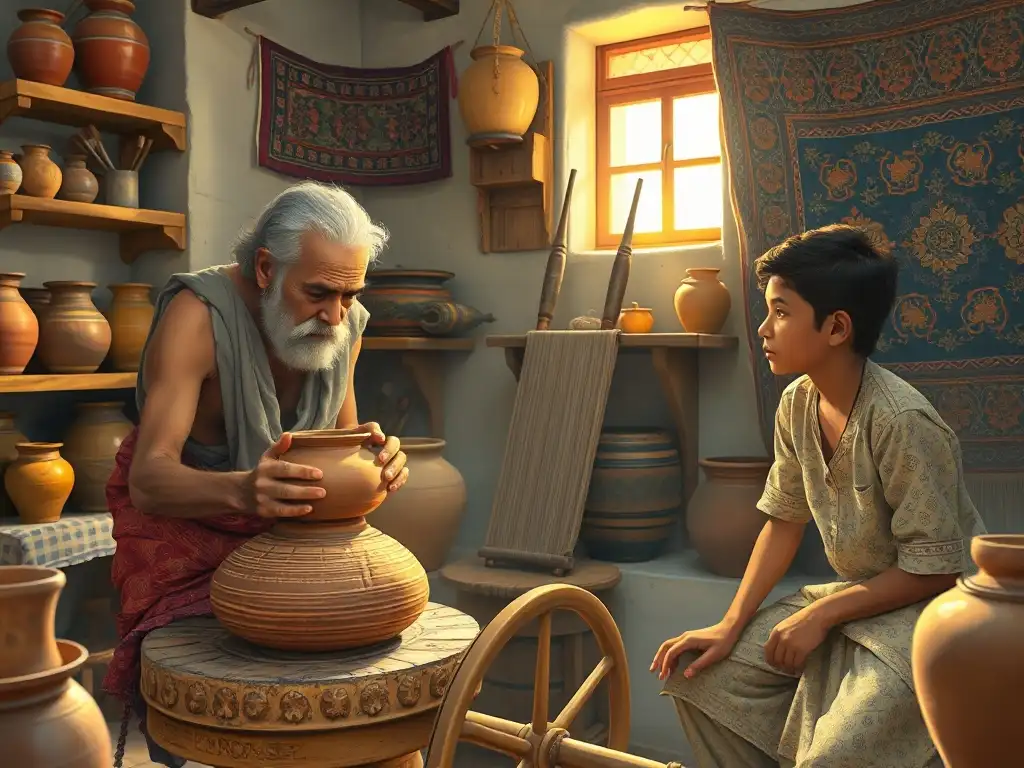
- Family Involvement: Artisan families often worked together, with skills being passed down through generations. This familial involvement ensured the continuity of craft and maintained traditional methods. For example, a father might teach his son the intricacies of pottery, while women in the family could engage in textile production.
- Community Bonds: Artisan communities fostered a sense of belonging and mutual support. They would collaborate on larger projects, share resources, and celebrate cultural festivals together, reinforcing social cohesion. Craft fairs or markets served as communal gatherings where artisans showcased their work, strengthening the community's economic foundation.
- Cultural Practices: The artisans also played a role in the cultural fabric of the Indus Valley, participating in religious and social rituals. Their crafts often held symbolic meanings, with certain items created for specific ceremonies, thus intertwining their daily labor with spiritual and cultural significance.
The daily life of an Indus Valley artisan was a complex interplay of trade, economic roles, and community life. Their contributions were essential not only for the economy but also for the rich cultural landscape of ancient Indian civilization.
Challenges Faced by Indus Valley Artisans
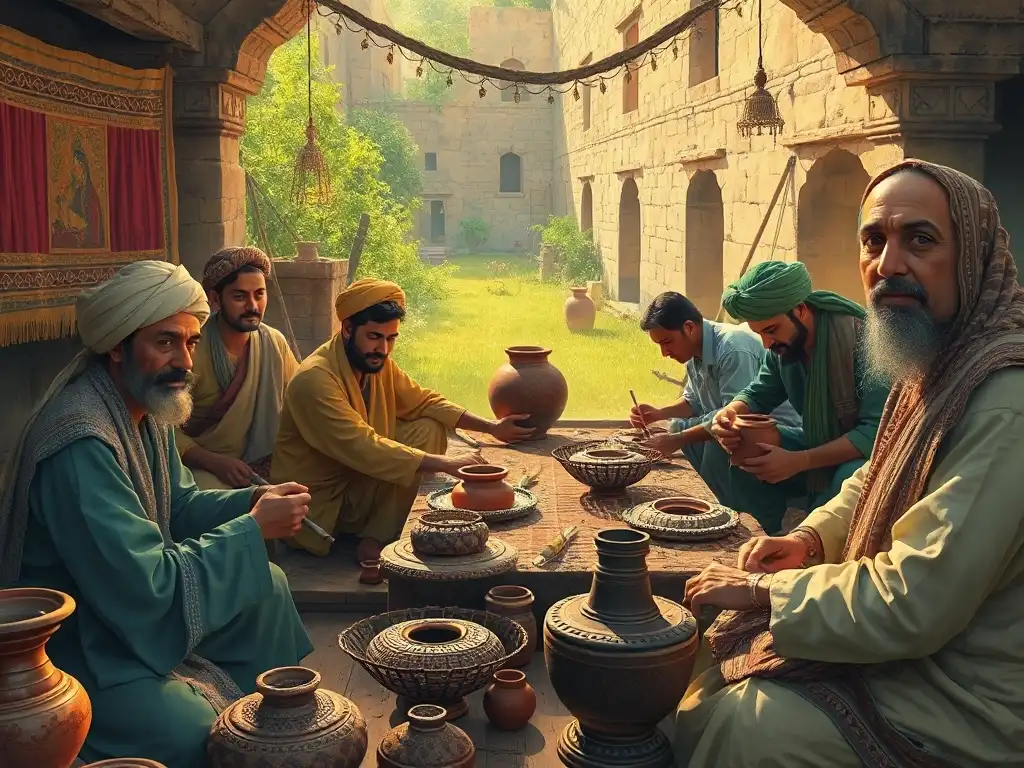
The artisans of the Indus Valley Civilization were integral to the economy and cultural identity of their society. However, their daily lives were not without challenges. This section delves into the various pressures that shaped the experiences of these skilled craftsmen and women in their quest to create and thrive.
Economic Pressures and Competition
Indus Valley artisans operated within a complex economic framework that demanded skill and adaptability. A few key economic pressures included:
- Resource Scarcity: The availability of raw materials such as clay, metals, and stones was crucial for artisans. Limited resources could lead to competition among artisans for the same materials, impacting their production capabilities.
- Market Demand Fluctuations: The demand for artisan goods, such as pottery, textiles, and jewelry, varied based on trade relationships and consumer preferences. Artisans often faced pressure to innovate and diversify their products to maintain market relevance.
- Competition with Other Artisans: The existence of numerous artisans in urban centers like Mohenjo-Daro and Harappa meant that competition was fierce. Artisans needed to continuously improve their techniques and designs to stand out in a crowded marketplace.
- Trade Dynamics: The Indus Valley engaged in extensive trade with neighboring regions, including Mesopotamia. Artisans had to navigate the complexities of trade networks, which could be both an opportunity and a challenge. For instance, while international trade could lead to access to exotic materials, it also meant competing with foreign artisans.
Environmental Challenges Affecting Artisan Work
Environmental factors played a significant role in the daily lives of Indus Valley artisans. Some of the notable challenges included:
- Climate Variability: The Indus Valley experienced fluctuations in climate, impacting agricultural productivity and the availability of materials. Droughts could reduce the supply of clay and other essential resources.
- Natural Disasters: Floods and earthquakes were potential threats that could disrupt production and trade. The artisan communities had to be resilient, often finding ways to adapt their processes in the face of such adversities.
- Transportation Issues: The movement of goods, including artisan products, relied heavily on the river systems and trade routes. Changes in river patterns or the emergence of new trade pathways could affect the distribution of their goods, directly impacting their livelihoods.
The social standing of artisans in Indus Valley society was multifaceted and influenced by various factors:
- Skill and Craftsmanship: Artisans who demonstrated exceptional skills often gained a higher status within their communities. Their ability to create intricate designs and high-quality products could lead to greater respect and recognition.
- Patronage Systems: Artisans were often part of a patronage system where wealthy merchants or local leaders supported their work. This relationship could enhance their social standing but also tied their success to the whims of their patrons.
- Community Roles: Within artisan communities, roles were often defined by specializations (e.g., potters, weavers, metalworkers). While this specialization fostered skill development, it could also create hierarchical relationships, affecting the overall recognition of artisans in society.
- Cultural Significance: The cultural contributions of artisans, particularly in creating goods for religious and ceremonial purposes, enhanced their status. Artisans who produced items for temples or public spaces were often held in higher regard due to the spiritual significance of their work.
The daily life of an Indus Valley artisan was characterized by navigating economic pressures, environmental challenges, and social dynamics. Understanding these factors provides insight into the resilience and adaptability of these craftsmen and women, who played a vital role in shaping the rich tapestry of Indus Valley Civilization.
Conclusion: The Legacy of Indus Valley Artisans
The legacy of Indus Valley artisans is a testament to their exceptional skills, creativity, and the socio-economic structure of their civilization. These artisans played a vital role in shaping not only the economy of the Indus Valley but also its cultural identity. Their craftsmanship—ranging from pottery and textiles to metallurgy and bead-making—reflects a society that valued artistry and innovation. Each piece they created tells a story of the daily life and practices of ancient India, providing us with insights into their rituals, beliefs, and social interactions.
The products of these artisans were not merely functional; they were imbued with aesthetic qualities that spoke to the values and tastes of the time. Their ability to create intricate designs and durable goods laid a foundation for the artistic traditions that would follow in subsequent Indian civilizations.
Contributions of Artisans to Ancient Indian Culture
The artisans of the Indus Valley Civilization contributed significantly to the cultural tapestry of ancient India through their specialized crafts and trade practices.
- Specialized Crafts: Artisans were often specialized in particular crafts, such as pottery, weaving, and metalwork. For instance, the skillful production of terracotta figurines and seals not only served practical purposes but also held religious significance, illustrating the beliefs and values of the society.
- Trade and Economy: The artisans were integral to the economy, participating in trade both locally and with distant regions. The discovery of weights and measures suggests a sophisticated economic system, where artisans produced goods that were traded for raw materials and other products. This trade not only enriched the artisans but also facilitated cultural exchanges, spreading ideas and techniques across regions.
- Social Structure: The role of artisans in society indicates a complex social structure. They often worked within guilds, which fostered a sense of community and collaboration. This organization allowed artisans to pass down skills and techniques through generations, ensuring the continuity of their crafts.
- Cultural Artifacts: The artifacts produced by Indus Valley artisans serve as vital historical sources that provide insights into daily life, religious practices, and social customs. The motifs and designs found on pottery and textiles often carry symbolic meanings, reflecting the spirituality and aesthetics of the society.
Lasting Impact on Future Generations and Crafts
The influence of Indus Valley artisans extends far beyond their own time, impacting future generations and the evolution of crafts in India and beyond.
- Cultural Continuity: The techniques and styles developed by Indus Valley artisans can be traced through various Indian artistic traditions. For example, the intricate bead-making techniques seen in the Indus Valley can still be observed in contemporary Indian jewelry-making practices.
- Inspiration for Future Crafts: The creativity exhibited by these artisans inspired later civilizations, including the Maurya and Gupta Empires, where craftsmanship continued to flourish. The emphasis on artistry and quality in crafts can be seen as a direct lineage from the practices established during the Indus Valley period.
- Heritage and Identity: The contributions of Indus Valley artisans have become a part of India’s cultural heritage. Their works are celebrated not only for their aesthetic appeal but also for their historical significance. This appreciation fosters a sense of identity among modern artisans who draw inspiration from their ancient predecessors.
- Preservation of Skills: The enduring techniques of the Indus Valley artisans have influenced the preservation of traditional crafts in India. Modern artisans often seek to revive these ancient methods, ensuring that the skills and knowledge are passed down through generations, thus maintaining a connection to the past.
The artisans of the Indus Valley Civilization were not just craftsmen; they were pivotal figures in the cultural and economic life of their society. Their contributions laid the groundwork for a rich tradition of artistry that continues to resonate in contemporary Indian culture. By understanding the daily life of an Indus Valley artisan, we gain profound insights into the complexities and vibrancy of ancient Indian civilization.
Further Reading and Resources on Indus Valley Civilization
Recommended Books and Articles
Delving deeper into the daily life of Indus Valley artisans requires a blend of scholarly research and engaging narratives. Here are some valuable resources that provide insights into the intricacies of their economy and occupations:
-
"The Indus Civilization: A Contemporary Perspective" by Gregory L. Possehl
This book offers a comprehensive overview of the Indus Valley Civilization, emphasizing the economic activities and social structures that defined daily life.
-
"The Archaeology of the Indus Valley Civilization" by J. M. Kenoyer
Kenoyer's work is pivotal in understanding the material culture of the Indus Valley, with a focus on artifacts crafted by artisans. The detailed analysis helps paint a vivid picture of their daily routines.
-
"Indus Valley Civilization" (Journal Article)
Published in Ancient India Review, this article explores various facets of Indus Valley life, including trade, craft production, and the roles of artisans within society.
-
"Life in the Indus Valley: A Look at Daily Routines"
A detailed article that examines various aspects of daily life, including the work of artisans, their tools, and the materials they used. It provides a broader context of their contributions to the civilization.
These readings will enhance your understanding of the socio-economic environment of artisans in the Indus Valley and their everyday experiences.
Museums and Sites to Explore Indus Valley Artifacts
To truly appreciate the craftsmanship and daily life of Indus Valley artisans, visiting museums and archaeological sites is invaluable. Here are some key locations where you can explore artifacts and gain further insights:
-
National Museum, New Delhi
Home to an extensive collection of Indus Valley artifacts, including terracotta figurines, seals, and pottery, this museum offers a glimpse into the artistic skills of the artisans.
-
Archaeological Museum, Harappa
Located near the site of the ancient city, this museum showcases numerous findings from the Harappan civilization, including tools and decorative items crafted by artisans.
-
Lahore Museum, Pakistan
This museum features a rich collection of Indus Valley artifacts, highlighting the intricate designs and daily utility of the items produced by artisans.
-
Dholavira Archaeological Site
This UNESCO World Heritage Site provides an opportunity to see the remains of an ancient city where artisans thrived. The site offers insights into urban planning and the economic activities of its inhabitants.
By visiting these locations, you can gain a deeper understanding of the cultural and economic significance of artisans in the Indus Valley Civilization, and how their daily lives contributed to the richness of this ancient society.
Frequently Asked Questions
What were the primary occupations of Indus Valley artisans?
Indus Valley artisans primarily engaged in craftsmanship such as pottery, bead-making, and textile production, showcasing their advanced skills and creativity.
How did artisans in the Indus Valley contribute to the economy?
Artisans played a crucial role in the economy by producing high-quality goods for trade, which enhanced the commercial network and fostered economic growth within the civilization.
What materials did Indus Valley artisans typically use in their work?
Indus Valley artisans utilized a variety of natural materials, including clay, ivory, and semi-precious stones, to create exquisite items that reflected their artistic abilities and resourcefulness.
What was a typical day like for an Indus Valley artisan?
A typical day involved crafting goods, attending to customer orders, participating in workshops, and engaging in trade activities, balancing both work and community life.
Artisans often held a respected position in society, enjoying a degree of social status due to their skills, which allowed them to participate in trade and community events, enhancing their daily lives.
Final Reflection: The Enduring Legacy of Indus Valley Artisans
The daily life of an Indus Valley artisan is not just a glimpse into the past; it serves as a powerful reminder of the intricate connections between economy, culture, and craftsmanship that resonate even today. In an age where mass production often overshadows individual artistry, the stories of these skilled craftsmen remind us of the value of creativity and the importance of preserving traditional skills. Their dedication to their craft and the economic systems they navigated are reflections of a society that thrived on collaboration and innovation.
Cultural heritage is not merely a relic of history; it continues to shape our identities and communities. The legacy of the Indus Valley artisans influences contemporary artisans and craftspeople, inspiring a renewed appreciation for handmade goods and sustainable practices. As we navigate a world increasingly dominated by technology, we can draw wisdom from the past. Art is not what you see, but what you make others see.
– Edgar Degas. This quote encapsulates the essence of the artisan's role in society, emphasizing the profound impact of their work on collective consciousness.
As we reflect on the lives of these artisans, let us consider how we can incorporate their values of craftsmanship and community into our own lives. Take a moment to appreciate the artistry in your surroundings, whether it’s in handmade items or the skills of local craftsmen. By supporting artisans and embracing the principles of creativity and sustainability, we can honor the legacy of the Indus Valley and contribute to a future that values the unique stories behind every creation.
Unveil the Legacy of Indus Valley Artisans!
Thank you for diving into the fascinating world of Indus Valley artisans with us! You’ve explored how their skills shaped the economy and influenced society. Now, it’s time to bring that inspiration into your own life.
Here are some actionable steps you can take right now to connect with this rich heritage:
- Explore Your Craft: Try your hand at a traditional art or craft. Whether it's pottery, weaving, or metalwork, delve into the techniques that have stood the test of time.
- Share Your Journey: Document your experience and share it with friends or on social media. Connect with others who are passionate about ancient crafts and share your insights!
- Discover More: Visit a local museum or attend a workshop to learn about the historical significance of artisanal skills and their impact on modern craftsmanship.
As you embark on these creative activities, consider this: How can the practices of ancient artisans inspire your own creative projects today? We’d love to hear your thoughts!