
Women in Gupta Art: Representation and Empowerment in Ancient Society

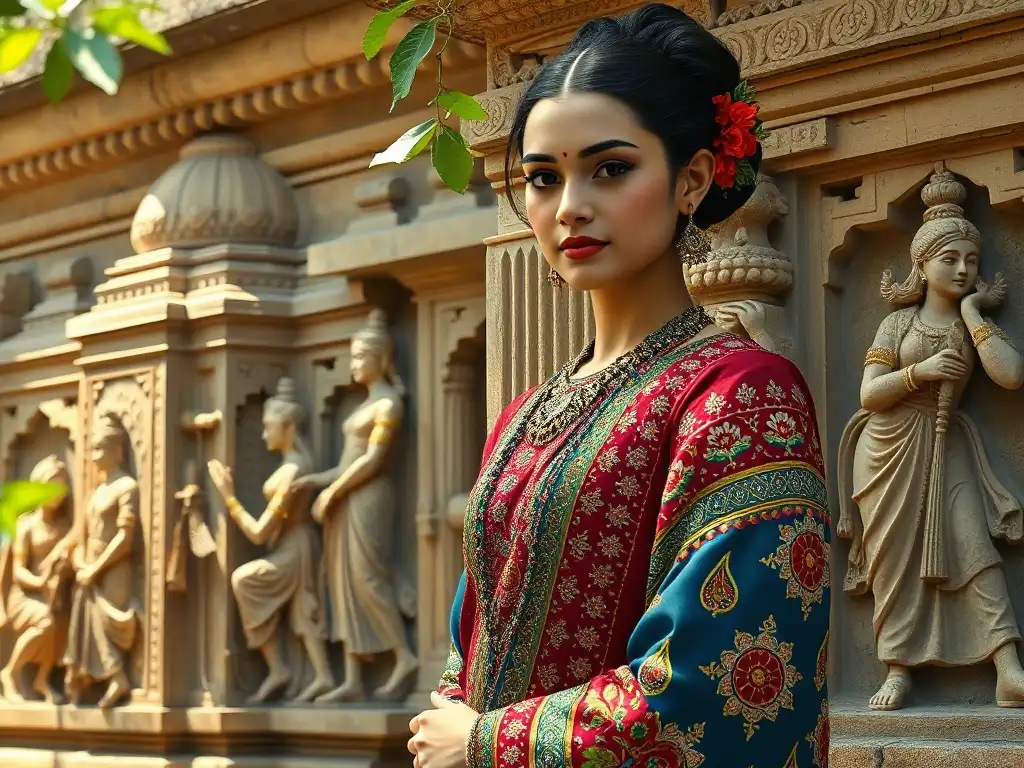
Welcome to Ancient India History, where we embark on a fascinating journey through the rich tapestry of ancient Indian civilizations. Today, we delve into the captivating world of the Gupta Empire, exploring how art served as a powerful medium for women's representation and empowerment in society. What roles did women play in this remarkable era, and how were they depicted in the artistic expressions of the time?
Dive deeper with us as we uncover the intricate narratives woven into Gupta art, revealing stories that have shaped the cultural legacy of India. Prepare to be intrigued and inspired—your exploration begins now!
- Introduction to Gupta Empire Women's Representation
- Historical Context of Women in the Gupta Empire
- Artistic Depictions of Women in Gupta Art
- Empowerment and Agency of Women in Gupta Art
- Comparative Analysis: Women in Gupta Art vs. Other Ancient Civilizations
- Conclusion: Legacy of Gupta Empire Women's Representation
-
Frequently Asked Questions
- What is the significance of women's representation in Gupta art?
- How did the Gupta Empire influence women's status in ancient India?
- What types of artworks depict women in the Gupta period?
- Were women in the Gupta Empire involved in politics or administration?
- How did Gupta art contribute to the understanding of gender roles in ancient India?
- Final Reflection: The Enduring Legacy of Gupta Women's Representation
- Unveil the Legacy: Engage with Gupta Art Today!
Introduction to Gupta Empire Women's Representation
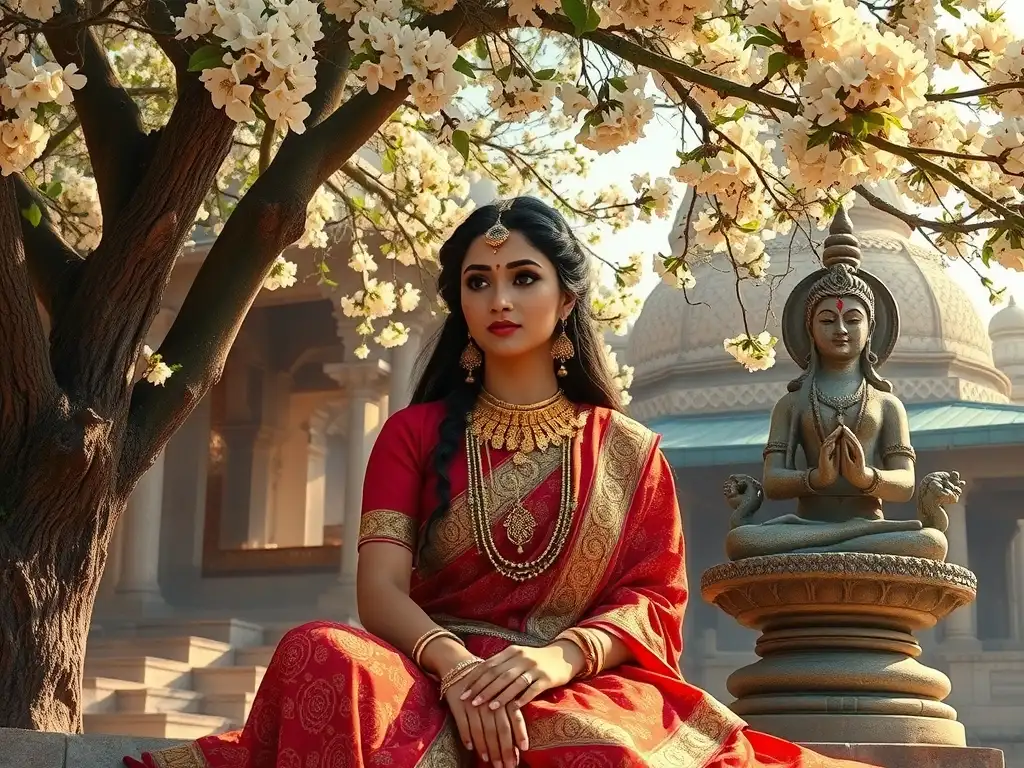
The Gupta Empire, often referred to as a golden age of India, is renowned for its remarkable advancements in art, literature, science, and culture. Among its many facets, the representation of women in Gupta art serves as a critical lens through which we can explore the roles and status of women in ancient Indian society.
This article delves into how women were portrayed in various artistic forms during the Gupta period, highlighting their empowerment and significance in a time when societal norms were rapidly evolving. By examining sculptures, paintings, and inscriptions, we aim to uncover the nuanced depictions of women that reflect their diverse roles—from divine figures to everyday characters—thereby enriching our understanding of the Gupta Empire's cultural heritage.
Overview of the Gupta Empire
The Gupta Empire, which thrived from approximately 320 to 550 CE, marked a pivotal era in Indian history characterized by political stability and economic prosperity. Under the rule of influential emperors like Chandragupta I and Samudragupta, the empire expanded its territory and influence throughout the Indian subcontinent. This period witnessed a flourishing of cultural and intellectual pursuits, leading to extraordinary achievements in various fields, including mathematics, astronomy, and art.
- Key Features of the Gupta Empire:
- Political Unity: The establishment of a centralized administration that fostered trade and commerce.
- Cultural Renaissance: A revival of Hindu philosophy and practice, alongside the promotion of Buddhism and Jainism.
- Artistic Excellence: The emergence of distinctive art forms, especially in sculpture and temple architecture, with an emphasis on intricate detail and symbolism.
Importance of Women in Gupta Art and Culture
Women in Gupta society were often depicted as symbols of beauty, grace, and divinity, reflecting their revered status in both domestic and public spheres. Art from this period frequently illustrates women engaged in various activities, showcasing their multifaceted roles.
Key Aspects of Women's Representation:
- Divine Figures: Many sculptures depict goddesses and female deities, emphasizing the spiritual significance of women.
- Everyday Life: Artworks often portray women in domestic settings, engaging in daily chores, which highlights their central role in family life.
- Cultural Symbols: Women are frequently depicted in traditional attire adorned with jewelry, representing their cultural identity and societal status.
The representation of women in Gupta art not only reflects their roles within the family and society but also suggests an underlying empowerment that resonates through the cultural narratives of the time.
Purpose of the Article
This article aims to provide an in-depth exploration of how women's representation in Gupta art serves as a mirror to their status in society. We will analyze various artistic forms, their symbolic meanings, and the broader implications of these representations in understanding the empowerment of women during the Gupta Empire.
By shedding light on this often-overlooked aspect of ancient Indian history, we hope to foster a greater appreciation of the complexities surrounding gender dynamics in ancient civilizations and encourage further scholarly discussion on the topic. Through this exploration, we seek to highlight the enduring legacy of Gupta women and their contributions to the rich tapestry of Indian culture.
Historical Context of Women in the Gupta Empire
The Gupta Empire, often referred to as the Golden Age of India, flourished from approximately 320 to 550 CE. This period was marked by significant advancements in art, culture, science, and philosophy. Women played a vital role in the social fabric of Gupta society, and their representation in art provides insight into their status and contributions during this era.
Women in the Gupta Empire were depicted in various forms of art, including sculpture, paintings, and inscriptions. The art of this period reflects both the idealized roles assigned to women and the complexities of their real-life experiences. Examining these artistic representations reveals the nuanced understanding of women's status, their integration into social and religious life, and the empowerment they experienced through cultural production.
The social status of women in the Gupta Empire was multifaceted, reflecting a blend of traditional roles and emerging opportunities. While patriarchal norms were prevalent, women could enjoy certain rights and privileges that varied by class, region, and individual circumstances.
- Marriage and Family:
- Women were primarily seen as caretakers of the household. Marriage was an important institution, and women's roles were often defined in relation to their husbands and families.
- The practice of sati (the act of a widow self-immolating on her husband's funeral pyre) was not yet widespread, and widows had more options than in later periods.
- Education and Literacy:
- Education for women was limited, but some women from affluent families received training in arts, literature, and music.
- Historical texts, such as the Arthashastra, mention women engaged in scholarly pursuits, indicating a degree of intellectual empowerment.
- Economic Participation:
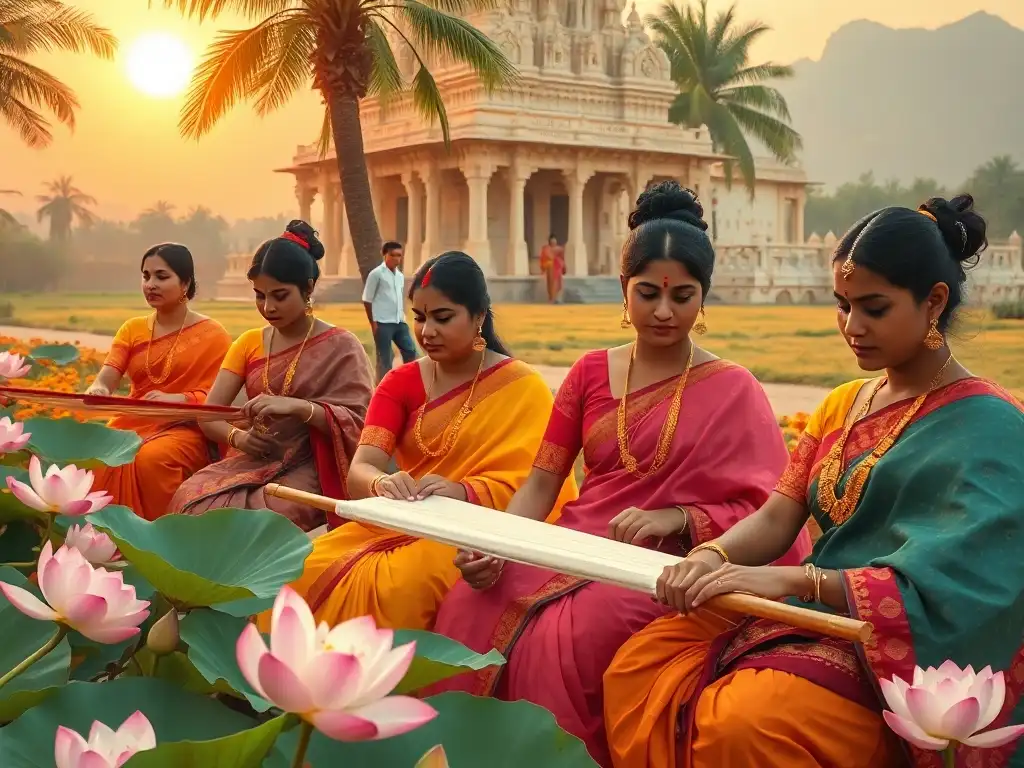
- Women participated in various economic activities, including textile production and small-scale trade.
- Inscriptions from the Gupta period reveal that some women owned property and operated businesses, showcasing their economic agency.
Roles and Responsibilities of Women in Gupta Society
The roles and responsibilities of women during the Gupta period were diverse, often interwoven with religious and cultural practices.
- Domestic Sphere:
- Women were primarily responsible for managing the household, which included cooking, child-rearing, and maintaining family traditions.
- Their significance in family life is echoed in Gupta art, where women are often depicted engaging in domestic activities.
- Cultural Contributions:
- Women contributed to the arts, as seen in dance, music, and poetry. Many female figures in Gupta sculptures reflect artistic idealization, portraying women as graceful and nurturing.
- Temples often included sculptures of female deities, highlighting the veneration of feminine qualities in the spiritual realm.
- Political Involvement:
- Some women in the Gupta Empire held significant political influence, particularly as queens or royal consorts.
- Historical accounts indicate that certain queens played a role in governance and were patrons of arts and literature, thereby enhancing their status beyond domestic confines.
Influence of Religion and Philosophy on Women's Representation
The representation of women in Gupta art was significantly influenced by the prevailing religious and philosophical ideologies.
- Hinduism's Role:
- Hindu texts of the time emphasized the virtues of womanhood, portraying women as embodiments of patience, devotion, and sacrifice. This idealization is reflected in the art, where women are often depicted in reverent poses, suggesting their spiritual significance.
- Deities such as Durga and Lakshmi represented strength and prosperity, respectively, illustrating the duality of feminine representation in religious contexts.
- Philosophical Underpinnings:
- The philosophies of the time often highlighted the concept of Dharma, or duty, which defined women's roles in the family and society.
- Texts such as the Manusmriti offered guidelines on women's conduct and responsibilities, perpetuating the view of women as caretakers while simultaneously acknowledging their potential for spiritual growth.
- Artistic Expression:
- Gupta artists often drew inspiration from religious themes, leading to a nuanced portrayal of women that reflected both reverence and idealization.
- The presence of women in temple art, often depicted alongside male deities, symbolizes their integral role in religious practices and underscores their empowerment within the spiritual domain.
The exploration of women's representation in Gupta art reveals a complex interplay of social status, roles, and religious influences. This multifaceted perspective highlights not only the constraints imposed by a patriarchal society but also the avenues of empowerment and agency available to women during the Gupta Empire.
Artistic Depictions of Women in Gupta Art
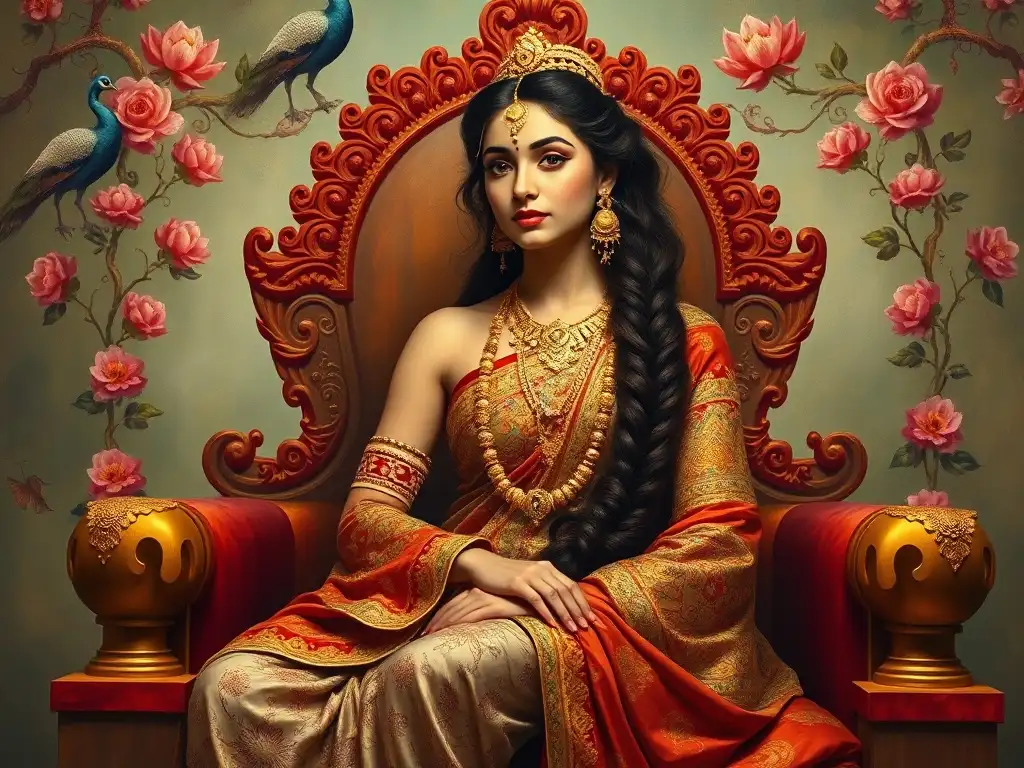
The Gupta Empire, often referred to as the "Golden Age of India," witnessed a flourishing of art that prominently featured women in various forms. This artistic expression not only showcased the aesthetics of the time but also offered insight into the societal roles and perceptions of women. From intricate sculptures to vibrant paintings, the representation of women in Gupta art captures the essence of femininity as perceived in the era, reflecting both empowerment and the constraints imposed by a patriarchal society.
Common Themes in Gupta Art Featuring Women
Gupta art often encapsulated several recurring themes when depicting women. Understanding these themes is crucial to grasping the broader context of women's representation during this period. Some of the most notable themes include:
- Divine Femininity: Many artworks feature women in divine roles, portraying goddesses like Durga and Lakshmi. This representation underscores the reverence for feminine power in spirituality and mythology.
- Domestic Life: Women are frequently depicted in domestic settings, engaging in activities such as cooking, weaving, and playing musical instruments. These scenes reflect the importance of women in the household and their contributions to family life.
- Beauty and Grace: The idealization of beauty is a prominent aspect of Gupta art. Women are often portrayed with delicate features, elaborate hairstyles, and ornate jewelry, embodying the societal ideals of femininity.
- Cultural Rituals: Artworks frequently illustrate women participating in cultural and religious rituals, highlighting their integral role in maintaining traditions and spiritual practices.
Iconography of Women in Sculpture and Paintings
The iconography of women in Gupta sculptures and paintings is rich and varied, often employing specific symbols and motifs to convey deeper meanings. Key elements of this iconography include:
- Postures and Gestures: Women are often depicted in graceful postures, with intricate hand gestures (mudras) that signify various emotions and states of being. For example, the gesture of blessing or the act of playing a musical instrument conveys both grace and skill.
- Attire and Adornments: The clothing worn by women in Gupta art is typically elaborate, featuring elaborate drapery and intricate patterns. Jewelry such as necklaces, bangles, and earrings serves as symbols of wealth and status, enhancing the portrayal of women’s beauty.
- Integration with Nature: Many artworks depict women in harmony with nature, surrounded by flowers, trees, and animals. This connection emphasizes the nurturing qualities associated with femininity and the idea of women as caretakers of the earth.
Analysis of Notable Gupta Artworks Depicting Women
Several key artworks from the Gupta period stand out for their exceptional representation of women, offering valuable insights into the cultural context of the time:
- The Dancing Girl Sculpture: This bronze sculpture depicts a young girl in a dynamic dance pose, showcasing not only the artistry of Gupta metalwork but also the celebration of women's vitality and artistic expression. The figure exudes confidence and grace, symbolizing the empowerment of women in the arts.
- Mural Paintings of Ajanta Caves: The murals found in the Ajanta Caves feature women in various roles, from celestial beings to daily life activities. The vibrant colors and intricate details highlight the cultural significance of women in both spiritual and mundane contexts.
- Goddess Durga Statues: Numerous sculptures of Goddess Durga, who represents strength and power, can be found throughout the Gupta Empire. These artworks not only reflect religious devotion but also signify the recognition of women’s power in both spiritual and societal realms.
The representation of women in Gupta art serves as a window into the complexities of their roles in ancient society. Through divine imagery, depictions of daily life, and cultural rituals, Gupta art enriches our understanding of women's empowerment and societal values during this influential period in Indian history.
Empowerment and Agency of Women in Gupta Art
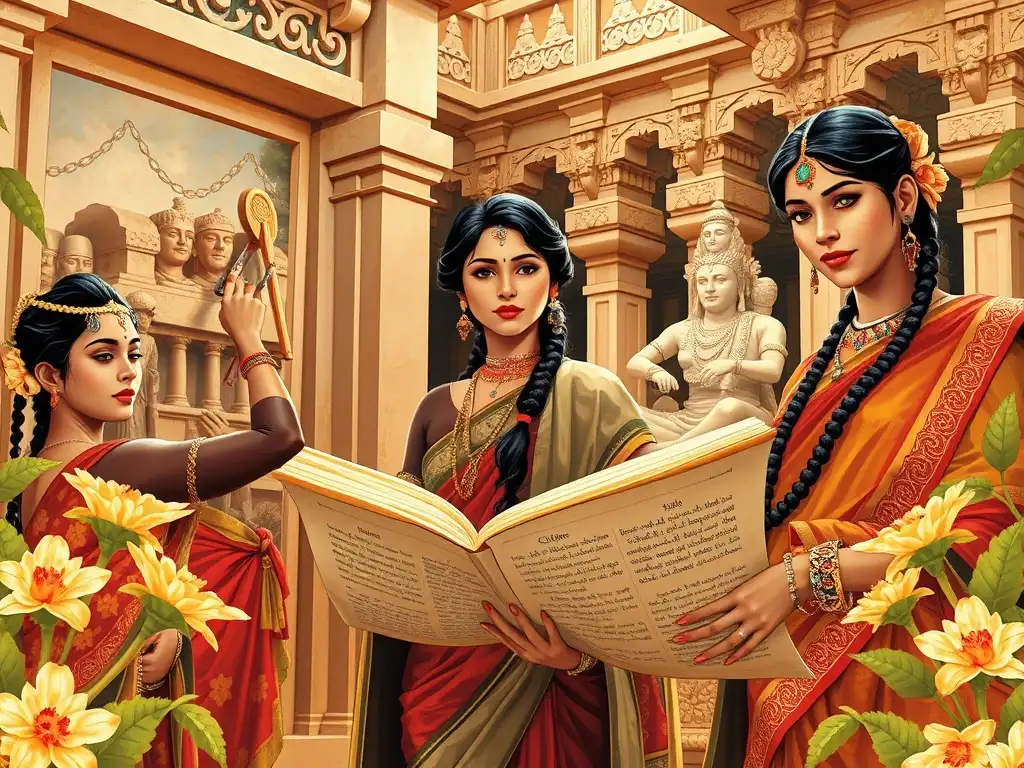
The Gupta Empire, often hailed as the Golden Age of India, stands out for its remarkable achievements in art and culture. Within this vibrant cultural milieu, the representation of women in art serves as a significant lens through which we can examine their empowerment and agency. The artistic depictions from this period reflect not only the aesthetics of the time but also reveal insights into the societal roles and perceptions of women.
Representation of Women as Symbols of Strength
In Gupta art, women are frequently portrayed as embodiments of strength and virtue. This is evident in various sculptures and frescoes where female figures are depicted in dynamic poses, showcasing physical prowess alongside grace.
- Iconography: The representation of women in the form of goddesses, such as Durga and Lakshmi, emphasizes their divine attributes. These figures are often shown in commanding positions, symbolizing power and resilience.
- Everyday Life: Besides divine representations, women engaging in everyday activities—such as music, dance, and crafts—illustrate their multifaceted roles in society. This artistic portrayal signifies that women were not merely passive subjects but active contributors to cultural and social life.
The deliberate emphasis on strength in these representations challenges the notion of women being confined to domestic spheres, instead presenting them as integral to the spiritual and cultural fabric of the Gupta Empire.
Women in Mythology and Their Role in Gupta Art
Mythological narratives play a crucial role in the artistic representation of women during the Gupta period. The intertwining of mythology and art provides a deeper understanding of how women were perceived and valued in society.
- Goddesses and Divine Figures: Many artworks feature goddesses, whose stories inspire and empower. For instance, the depiction of Saraswati, the goddess of knowledge, reflects the reverence for education and intellect among women.
- Heroic Tales: Women also appear in heroic tales, such as that of Savitri, who is celebrated for her determination and loyalty. Such narratives are immortalized in temple sculptures, indicating the cultural admiration for women's virtues and strength.
These mythological representations not only celebrate feminine qualities but also serve as role models, reinforcing the idea that women possess agency and can influence their destinies.
Impact of Artistic Representation on Women's Status in Society
The artistic representations of women during the Gupta Empire had profound implications for their status in society. The visibility of women in art contributed to a broader recognition of their roles and capabilities.
- Cultural Recognition: Art served as a medium for expressing the value of women’s contributions to family, society, and spirituality. This acknowledgment in public spaces helped elevate their status beyond the confines of domestic life.
- Literary Connections: The themes depicted in art often found echoes in contemporary literature, where women's voices and experiences were increasingly acknowledged. This synergy between art and literature fostered a cultural environment that celebrated women's empowerment.
As a result, the artistic representation of women not only reflects the societal values of the Gupta Empire but also plays a pivotal role in shaping and enhancing their status, illustrating that art was a powerful tool for both reflection and change.
The Gupta Empire's artistic legacy showcases women as symbols of strength, integral participants in mythology, and pivotal to cultural recognition, ultimately enhancing their agency in ancient society.
Comparative Analysis: Women in Gupta Art vs. Other Ancient Civilizations
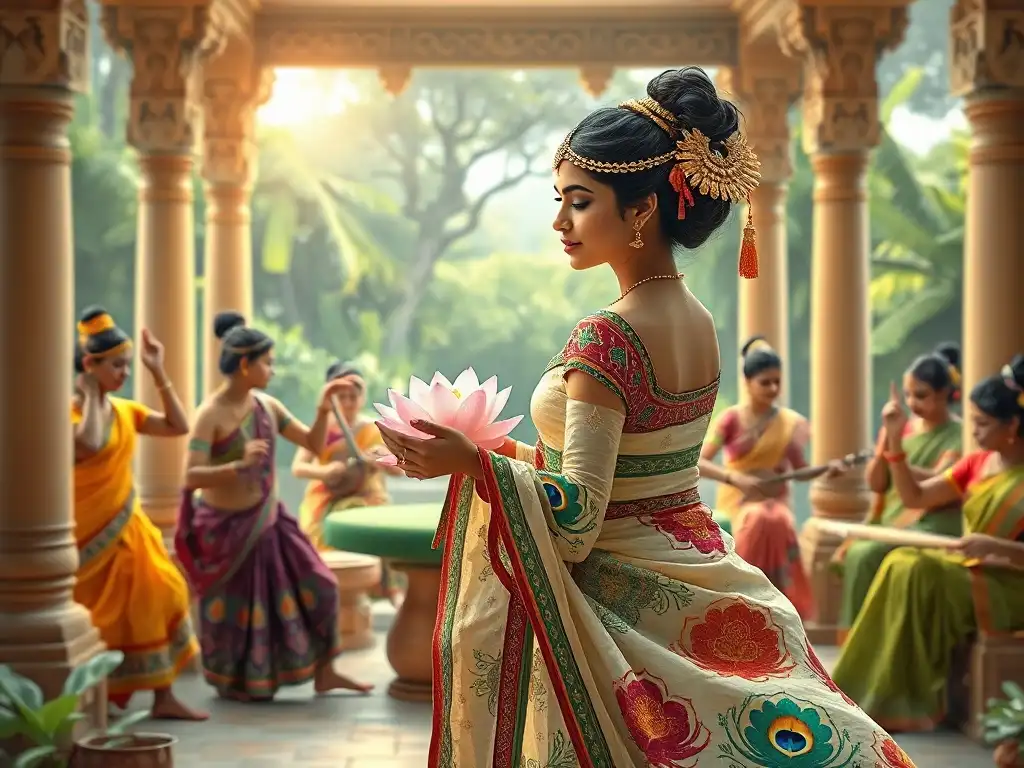
Contrasting Women’s Representation in Gupta Empire and Maurya Empire
The portrayal of women in art from the Gupta Empire presents a nuanced evolution when compared to earlier representations during the Maurya Empire. While both periods celebrated femininity, the Gupta era introduced more intricate depictions that emphasized not only beauty but also agency and empowerment.
Differences in Artistic Style and Themes
- Artistic Techniques: Gupta art is characterized by a refined naturalism and attention to detail, showcasing women with graceful features and elegant attire. In contrast, Mauryan art often depicted women in a more rigid and less individualized manner.
- Themes of Empowerment: Gupta artworks frequently illustrate women in roles that suggest independence, such as scholars, dancers, and musicians. Mauryan depictions primarily focused on women in domestic settings, reinforcing traditional roles.
| Aspect | Gupta Empire | Maurya Empire |
|---|---|---|
| Artistic Style | Naturalism, detailed features | Rigid, less naturalistic |
| Themes | Empowerment, independence | Domestic roles |
| Cultural Influence | Strong influence from Hinduism | Influenced by Buddhism and Jainism |
The enhanced representation of women in Gupta art signifies a shift towards recognizing their contributions beyond the household, reflecting broader social changes in ancient Indian society.
Comparative Depictions of Women in Gupta Art and Contemporary Cultures
When examining Gupta art, it’s fascinating to observe similarities and differences in the representation of women compared to contemporary cultures. Gupta artists skillfully illustrated women, often portraying them as symbols of fertility, grace, and divine beauty, which resonates with how women are depicted in various cultures today.
Similarities in Representation
- Symbolism of Femininity: Much like modern portrayals, Gupta art uses women as symbols of fertility and prosperity. For example, the goddess Lakshmi is often depicted surrounded by women, emphasizing their role in wealth and abundance.
- Diverse Roles: Gupta art presents women in various roles—mothers, dancers, and warriors. Similarly, contemporary representations often strive to showcase women's multifaceted identities.
Differences in Context and Interpretation
- Cultural Norms: In Gupta art, the portrayal of women is deeply intertwined with religious and cultural beliefs, whereas contemporary depictions might focus more on individualism and personal agency.
- Empowerment Narratives: Modern representations often foreground narratives of empowerment and equality, whereas Gupta depictions, while progressive for their time, still reflect the limitations of a patriarchal society.
Lessons from Gupta Women’s Representation for Modern Society
The rich representation of women in Gupta art offers several insights that can be applied to contemporary society. By analyzing these historical depictions, we can draw valuable lessons about the ongoing dialogue surrounding women's roles and empowerment.
Emphasizing Diverse Roles
Gupta art celebrates women in various capacities, encouraging modern society to embrace and promote the diverse roles women can occupy. From leaders in business to artists and educators, recognizing the multifaceted nature of women's contributions can foster greater societal acceptance and support.
Challenging Stereotypes
The nuanced portrayal of women in Gupta art challenges the traditional stereotypes that often limit women's identities. Today, it is crucial to encourage narratives that showcase women's strengths, intellect, and capabilities, moving beyond superficial representations.
Celebrating Cultural Heritage
Understanding the historical context of women's representation in the Gupta Empire can enhance cultural pride and awareness. By celebrating this rich heritage, societies can inspire future generations to appreciate and build upon the legacies left by women of the past.
The examination of women's representation in Gupta art not only highlights the artistic achievements of the era but also serves as a mirror reflecting the complexities and challenges faced by women throughout history. Engaging with these representations can enrich our understanding of gender dynamics, both in ancient and modern contexts.
Conclusion: Legacy of Gupta Empire Women's Representation
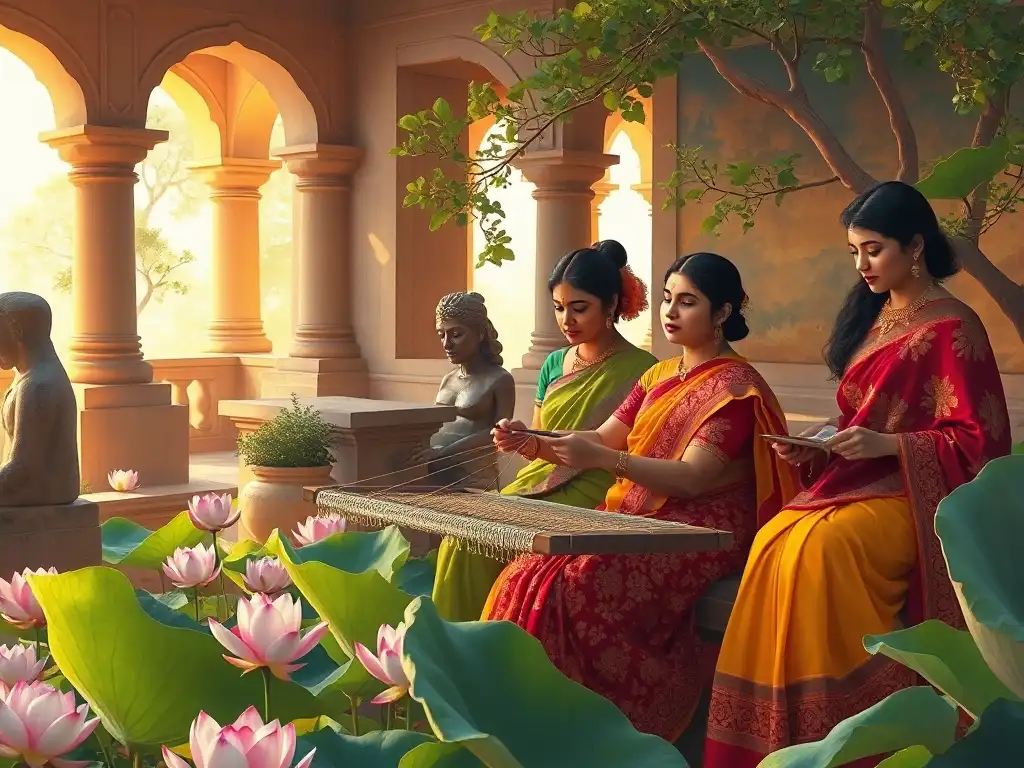
The legacy of women's representation during the Gupta Empire stands as a testament to the multifaceted role women played in ancient society. This period, often heralded as a golden age in Indian history, showcased a vibrant artistic culture that reflected the complexities of gender roles and societal norms. The art of this era not only served aesthetic purposes but also acted as a medium for expressing the status, virtues, and contributions of women.
Lasting Impact on Art and Culture in India
The artwork from the Gupta period, particularly sculptures and frescoes, reveals a rich tapestry of women's representation that has influenced subsequent artistic traditions in India. Key characteristics include:
- Symbolism of Women: Women were often depicted in various roles—goddesses, mothers, and muses—highlighting their significance in both spiritual and social contexts.
- Diversity of Depictions: Artisans portrayed women engaged in diverse activities, from domestic tasks to participation in religious ceremonies, emphasizing their integral role in daily life.
- Innovative Techniques: The Gupta period saw advancements in sculpting and painting techniques, which allowed for more realistic and nuanced portrayals of women. This artistic evolution laid the groundwork for future styles, impacting Indian art for centuries to come.
The enduring influence of Gupta art can be seen in later periods, where similar themes of women's representation continued to be explored, albeit with varying degrees of complexity and interpretation.
Reflection on Women's Empowerment Through Art in Ancient Societies
The portrayal of women in Gupta art serves as a reflection of their empowerment within ancient Indian society. Notable aspects include:
- Cultural Narratives: Artworks often illustrated narratives that celebrated women's virtues, wisdom, and strength, positioning them as pivotal figures in both mythology and everyday life.
- Agency in Representation: The active participation of women in cultural and artistic expressions, as depicted in various artworks, indicates a level of agency that challenges modern perceptions of their historical status. This portrayal can be interpreted as an acknowledgment of women's contributions to society.
- Social Commentary: Many artworks served as social commentaries, subtly addressing the evolving roles and expectations of women. The duality of their representation—both as goddesses and ordinary women—provides insight into the societal values and norms of the time.
This empowerment through art not only validates women's roles but also encourages a re-examination of historical narratives surrounding gender in ancient societies.
Future Research Directions on Gupta Empire Women's Representation
As we delve deeper into the artistic representations of women during the Gupta Empire, several avenues for future research emerge:
- Comparative Analysis: Investigating the differences in women's representation across various Indian regions and cultures during the Gupta period can yield valuable insights into localized practices and beliefs.
- Interdisciplinary Approaches: Combining art history with feminist theory and sociology could enhance our understanding of the implications of these representations, fostering a more nuanced narrative of women's roles.
- Unearthing Lesser-Known Artifacts: Continued archaeological efforts are essential to uncovering new artifacts that may provide additional context and details about women's lives and their artistic representation during this era.
By pursuing these research directions, scholars can further illuminate the complexities of women's representation in Gupta art and deepen our understanding of their impact on ancient Indian society.
Frequently Asked Questions
What is the significance of women's representation in Gupta art?
The representation of women in Gupta art reflects their status and roles in society, showcasing both empowerment and the cultural values of the time.
How did the Gupta Empire influence women's status in ancient India?
The Gupta Empire is known for its cultural flourishing, which included a more prominent representation of women, particularly in art and literature, indicating a degree of social empowerment.
What types of artworks depict women in the Gupta period?
Artworks from the Gupta period, such as sculptures and paintings, often portray women in various roles—goddesses, mothers, and dancers—reflecting both their divine significance and everyday life.
Were women in the Gupta Empire involved in politics or administration?
While most evidence focuses on their domestic roles, some historical accounts suggest that women had limited involvement in political matters, often through marriages that connected powerful families.
How did Gupta art contribute to the understanding of gender roles in ancient India?
Gupta art provides insights into gender roles by depicting women not only as subservient figures but also as active participants in religious and cultural life, highlighting their complex societal position.
Final Reflection: The Enduring Legacy of Gupta Women's Representation
In exploring the rich tapestry of women's representation in Gupta art, we uncover a narrative that resonates deeply with contemporary discussions about gender and empowerment. The Gupta Empire, often celebrated for its artistic and cultural achievements, also provides a lens through which we can examine the complexities of women's roles in ancient society. This historical insight is not just an academic pursuit; it serves as a powerful reminder of how the past informs our present and shapes our future.
The influence of Gupta women's representation extends beyond mere artistic expression; it reflects a broader cultural and social landscape that continues to evolve today. As we navigate modern conversations about gender equality and representation, the stories of these women remind us of the strength and resilience inherent in female identity. Art is the most beautiful of all lies.
This quote underscores the idea that art, while a reflection of reality, also has the power to inspire change and challenge societal norms. The Gupta period's art serves as a testament to the potential for women to be depicted not just as muses but as powerful figures in their own right, influencing the cultural narrative of their time.
As we conclude this exploration, I invite you to reflect on the lessons gleaned from the Gupta Empire's portrayal of women. Consider how these historical representations can inspire us to advocate for greater visibility and empowerment of women in our own society. Let us carry forward the legacy of these ancient figures, ensuring that their stories continue to inspire future generations. Together, we can foster a world where women's representation is celebrated and their contributions recognized, echoing the strength of those who came before us.
Unveil the Legacy: Engage with Gupta Art Today!
Thank you for exploring the fascinating world of Gupta art and its powerful representation of women in ancient society! Your interest in this significant aspect of history highlights the profound impact women had in shaping culture and promoting empowerment during that era. Now, it’s time to take your passion further and actively engage with this rich legacy.
Here are some actions you can take to deepen your connection with Gupta art:
- Explore local museums or galleries that feature exhibits on Gupta art or ancient Indian history, allowing you to experience these incredible pieces firsthand.
- Join a community discussion group or online forum focused on ancient art, where you can share insights and learn from fellow enthusiasts.
- Visit ancient sites to witness the cultural heritage that shaped the lives of women in Gupta society—your experience can inspire new perspectives!
As you embark on this journey, consider this thought-provoking question: How do you think the representation of women in Gupta art can influence contemporary discussions about gender and empowerment in our society today?