
How Buddhism Addresses the Concept of Happiness: The Pursuit of Joy


Welcome to Ancient India History, where we embark on a fascinating journey through the rich tapestry of ancient Indian civilizations. In today’s exploration, we delve into the profound interplay between Buddhism and happiness in India, unearthing how this ancient religion offers unique insights into the pursuit of joy. How did the teachings of the Buddha shape the understanding of happiness in a society so deeply rooted in tradition? Join us as we unravel these timeless philosophies and discover the enduring impact of Buddhism on the quest for fulfillment. Your adventure into the heart of ancient Indian religions begins now!
- Introduction to Buddhism and Happiness in India
- The Teachings of the Buddha on Happiness
- The Relationship Between Buddhism and Happiness in India
- The Pursuit of Happiness Through Buddhist Practices
- Happiness in the Context of Buddhist Philosophy
- Contemporary Perspectives on Buddhism and Happiness in India
- Conclusion: The Enduring Legacy of Buddhism in the Pursuit of Happiness
-
Frequently Asked Questions
- What is the main focus of the article "How Buddhism Addresses the Concept of Happiness: The Pursuit of Joy"?
- How does Buddhism define happiness?
- What role does meditation play in achieving happiness according to Buddhism?
- Can the principles of Buddhism be applied to modern life for achieving happiness?
- How did ancient Indian civilizations contribute to the spread of Buddhism and the concept of happiness?
- Final Reflection: Embracing Happiness Through the Lens of Buddhism
- Embrace Joy: Start Your Journey to Happiness Today!
Introduction to Buddhism and Happiness in India
Buddhism, one of the major religions that emerged from ancient India, has profoundly influenced the understanding of happiness and well-being within its teachings. Rooted in the life and insights of Siddhartha Gautama, known as the Buddha, this philosophy offers a unique perspective on the pursuit of joy that transcends mere materialistic pleasures. In a world increasingly obsessed with external achievements, Buddhism invites individuals to explore the inner dimensions of happiness. This article delves into the intricate relationship between Buddhism and happiness in India, shedding light on how ancient teachings continue to resonate in contemporary discussions about well-being.
Understanding the Concept of Happiness in Buddhism
In Buddhism, happiness is not just an emotional state, but a profound sense of peace and fulfillment that arises from understanding the nature of existence. Central to this understanding is the Four Noble Truths, which outline the nature of suffering (dukkha) and the path towards liberation. Here are some key aspects of how Buddhism perceives happiness:
- Suffering and Its Causes: Recognizing that suffering is an intrinsic part of life is the first step toward achieving happiness. The Buddha taught that attachment and desire lead to suffering.
- The Path to Happiness: The Noble Eightfold Path serves as a guide for overcoming suffering and attaining happiness. This path emphasizes ethical conduct, mental discipline, and wisdom.
- Mindfulness and Presence: Practicing mindfulness enables individuals to remain present, fostering a deeper appreciation for life and its simple joys. This practice encourages a direct experience of happiness that is untainted by external circumstances.
By focusing on inner transformation and the cessation of suffering, Buddhism presents a holistic approach to happiness that remains relevant across centuries.
Importance of Happiness in Ancient Indian Philosophy
The pursuit of happiness has been a fundamental theme in ancient Indian philosophy, with various schools of thought emphasizing its significance. Here’s how happiness is interwoven into the fabric of ancient Indian thought:
- Philosophical Foundations:
- Philosophers like Charvaka advocated for a hedonistic approach, asserting that pleasure is the ultimate goal of life.
- In contrast, Vedanta and other spiritual traditions emphasized the pursuit of spiritual knowledge as a means to attain lasting happiness.
- Cultural Reflections:
- Ancient texts such as the Bhagavad Gita explore the relationship between duty (dharma) and personal happiness, suggesting that true fulfillment comes from selfless actions.
- The Upanishads delve into the nature of the self (Atman) and its connection to ultimate bliss (Ananda), highlighting a spiritual dimension to happiness.
- Integration with Buddhism:
- As Buddhism spread across India, it intermingled with existing philosophical ideas, enriching the discourse on happiness. Buddhist concepts of impermanence and interdependence provided a unique lens through which ancient Indians could reevaluate their understanding of joy.
Through these diverse perspectives, ancient Indian philosophy offers a rich tapestry of ideas that continue to inform contemporary interpretations of happiness, making it a timeless subject worth exploring.
The Teachings of the Buddha on Happiness
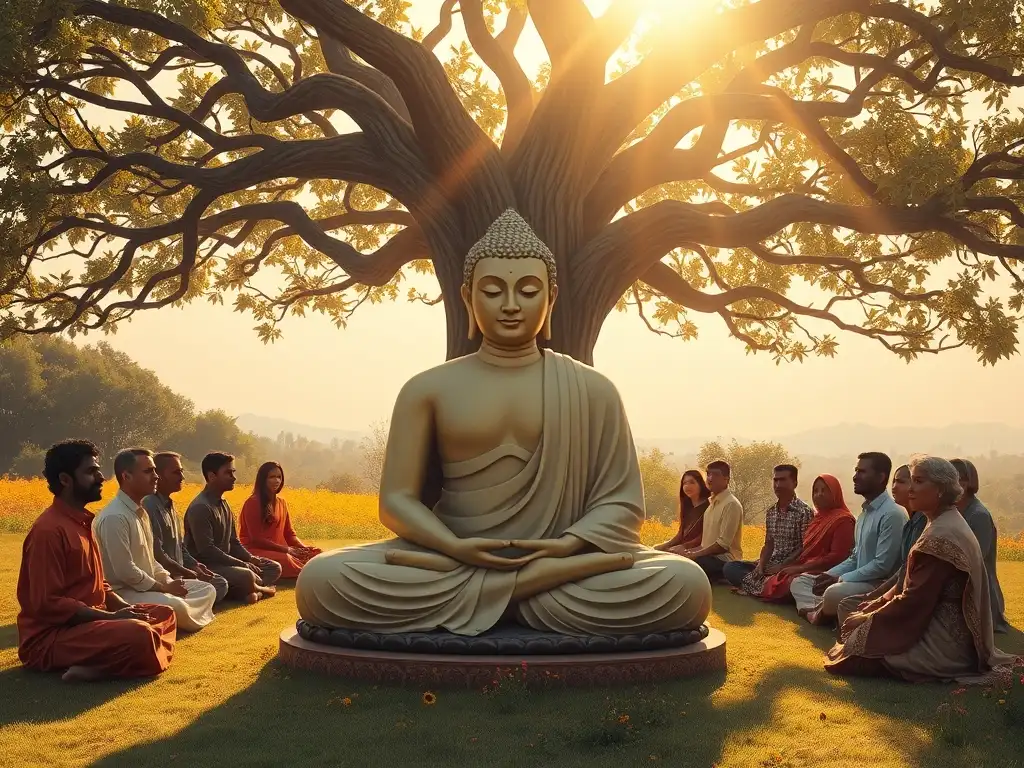
Buddhism offers profound insights into the concept of happiness, emphasizing that true joy is not merely a fleeting emotion but a state of being cultivated through understanding and practice. The teachings of the Buddha provide a framework for individuals seeking to navigate the complexities of life and attain lasting happiness. Central to this framework are key concepts like suffering, the path to liberation, and the importance of mindfulness.
The Four Noble Truths and the Nature of Suffering
The foundation of Buddhist philosophy regarding happiness lies in the Four Noble Truths, which articulate the nature of suffering and the path to its cessation:
- The Truth of Suffering (Dukkha): Buddhism recognizes that suffering is an intrinsic part of existence. This includes not only physical pain but also emotional and existential discomfort. Understanding this truth is the first step toward happiness.
- The Origin of Suffering (Samudaya): Suffering arises from attachment, desire, and ignorance. The craving for temporary pleasures can lead to a cycle of dissatisfaction. By recognizing the sources of suffering, individuals can begin to detach from harmful desires.
- The Cessation of Suffering (Nirodha): The Buddha taught that it is possible to end suffering. This cessation, known as Nirvana, represents a state of ultimate happiness and liberation from the cycle of rebirth.
- The Path to the Cessation of Suffering (Magga): The final truth outlines the method to achieve this freedom through the Noble Eightfold Path, which offers a practical guide for ethical and mental development.
By understanding these truths, practitioners can cultivate a mindset that moves beyond transient pleasures towards a deeper, more meaningful existence.
The Noble Eightfold Path: A Guide to Joyful Living
The Noble Eightfold Path is an essential component of Buddhist teachings that offers a systematic approach to achieving happiness:
- Right Understanding: This involves understanding the nature of reality and the truths of life, particularly the Four Noble Truths.
- Right Intent: Cultivating intentions of love, compassion, and non-attachment fosters a positive mindset.
- Right Speech: Engaging in truthful and harmonious communication promotes peace and joy in relationships.
- Right Action: Ethical conduct, including refraining from harm, supports a life of integrity and happiness.
- Right Livelihood: Choosing a profession that does not cause harm to others aligns one’s life with ethical principles.
- Right Effort: Diligently working towards the cultivation of wholesome qualities and the eradication of unwholesome ones is crucial for personal growth.
- Right Mindfulness: Developing awareness of the present moment enhances clarity and joy.
- Right Concentration: Practicing meditation fosters deep states of mental peace and insight, leading to a profound sense of happiness.
By following this path, individuals can create a life that reflects their values and leads to enduring joy.
The Role of Mindfulness in Cultivating Happiness
Mindfulness is a core practice in Buddhism that plays a pivotal role in the pursuit of happiness. It involves being fully present and aware of one’s thoughts, feelings, and surroundings without judgment. This practice helps in several ways:
- Awareness of Suffering: Mindfulness allows individuals to observe their suffering without becoming overwhelmed. This awareness is the first step in addressing and alleviating pain.
- Reducing Clinging: By recognizing transient thoughts and emotions, practitioners learn not to cling to them, reducing attachment and, consequently, suffering.
- Enhancing Joy: Mindfulness cultivates an appreciation for the present moment, enabling individuals to find joy in everyday experiences.
- Improving Relationships: A mindful approach fosters compassion and empathy, enhancing interpersonal relationships and contributing to overall happiness.
The teachings of Buddhism regarding happiness are deeply intertwined with the understanding of suffering and the cultivation of mindfulness. By embracing these principles, individuals can embark on a transformative journey towards a more joyful and fulfilling life within the context of Buddhism and happiness in India.
The Relationship Between Buddhism and Happiness in India

Historical Context of Buddhism and Its Influence on Indian Culture
Buddhism emerged in the 6th century BCE in India, founded by Siddhartha Gautama, known as the Buddha. This period was marked by significant philosophical and religious experimentation, with many spiritual traditions vying for followers. Buddhism introduced a unique perspective on happiness, distinct from the prevailing views of the time. Central to Buddha's teachings is the concept of Dukkha, often translated as suffering, which encompasses a broader understanding of dissatisfaction. The Four Noble Truths articulate the nature of suffering and its alleviation, fundamentally linking the pursuit of happiness to the cessation of suffering.
As Buddhism spread across India and beyond, it began to influence various cultural aspects, including art, architecture, and literature. The establishment of monastic communities fostered a culture of learning and ethical living, encouraging the integration of Buddhist principles into daily life.
Notably, Emperor Ashoka's patronage of Buddhism in the 3rd century BCE exemplifies the religion's integration into Indian governance and social structure, promoting a message of peace and moral conduct that resonated with the populace. This historical context underscores how Buddhism shaped the perception of happiness in India, emphasizing inner peace and ethical living as vital components of a joyful life.
How Buddhist Practices Enhance Well-Being and Joy
Buddhism offers various practices designed to cultivate happiness and well-being, deeply embedded in its teachings. Meditation stands out as a fundamental practice that promotes mindfulness and self-awareness. By engaging in meditation, practitioners learn to observe their thoughts and emotions without attachment, fostering a sense of calm and clarity. This mental discipline is crucial for enhancing emotional resilience and reducing stress, leading to a more profound sense of joy.
Another essential aspect of Buddhist practice is ethical conduct, embodied in the Five Precepts. These precepts guide individuals towards actions that promote harmony and well-being, such as refraining from harm and practicing generosity. By living ethically, individuals not only contribute to their happiness but also to the happiness of those around them, creating a ripple effect of positive interactions and community well-being.
Moreover, the concept of compassion, or Karuna, is central to Buddhist teachings. Cultivating compassion towards oneself and others fosters a sense of connection and belonging, alleviating feelings of isolation and discontent. Engaging in acts of kindness and service can enhance one's sense of purpose and fulfillment, further enriching the experience of happiness.
Finally, Buddhism encourages the practice of gratitude, which can transform one's outlook on life. Regularly reflecting on positive experiences and the kindness of others nurtures a mindset that appreciates the present moment, thus amplifying feelings of joy and satisfaction.
By integrating meditation, ethical living, compassion, and gratitude into daily practice, Buddhism offers a comprehensive framework for enhancing well-being and joy. These practices not only promote individual happiness but also contribute to a more harmonious society, embodying the essence of Buddhism and happiness in India.
The Pursuit of Happiness Through Buddhist Practices

Meditation: A Pathway to Inner Peace and Joy
Meditation holds a central place in Buddhism, serving as a fundamental practice for achieving happiness and inner peace. Through various forms of meditation, practitioners learn to cultivate mindfulness—an essential skill that promotes awareness of the present moment. This heightened awareness helps individuals detach from fleeting desires and anxieties, allowing for a clearer perspective on life.
- Types of Meditation:
- Samatha (Calm Abiding): Focuses on concentration and tranquility, aiding in mental clarity.
- Vipassana (Insight): Encourages insight into the nature of reality, helping practitioners understand the impermanence of all things.
- Metta (Loving-Kindness): Cultivates feelings of love and compassion toward oneself and others, fostering a profound sense of joy.
The benefits of meditation in fostering happiness are well-documented. Research indicates that regular practitioners of meditation experience lower levels of stress and anxiety and report higher levels of life satisfaction. For instance, a study showed that individuals who practiced mindfulness meditation for just 20 minutes a day for eight weeks had significantly improved emotional well-being and resilience.
Meditation is the discovery that the point of life is always arrived at in the immediate moment.
– Alan Watts
Compassion and Loving-Kindness: Building Happiness for Self and Others
Buddhism teaches that true happiness arises not only from personal fulfillment but also from compassion toward others. The concepts of karuna (compassion) and metta (loving-kindness) are crucial to Buddhist philosophy and practice. By cultivating these qualities, individuals learn to foster positive relationships, which in turn enhances their own sense of well-being.
- Practices to Cultivate Compassion:
- Loving-Kindness Meditation: This involves silently repeating phrases that wish happiness, health, and safety for oneself and others. Over time, this practice can lead to increased empathy and altruistic behavior.
- Acts of Kindness: Engaging in selfless acts, whether small or large, can enhance one’s own happiness while positively impacting the lives of others.
Research has shown that individuals who engage in compassionate behaviors tend to experience a "helper's high," a feeling of joy and fulfillment derived from helping others. This connection between compassion and happiness aligns with the Buddhist understanding that our well-being is interconnected with the well-being of others.
The Impact of Community (Sangha) on Happiness
In Buddhism, the concept of Sangha—the community of practitioners—is vital for sustaining happiness and spiritual growth. The Sangha provides support, encouragement, and a sense of belonging, which are essential components of a fulfilling life.
- Benefits of Sangha:
- Social Support: Being part of a community allows individuals to share experiences, challenges, and insights, promoting emotional resilience.
- Shared Practices: Group meditation and discussions enhance individual practice, creating an environment conducive to learning and personal growth.
- Accountability: Engaging with fellow practitioners fosters a sense of responsibility and motivation to continue on the path of practice.
Studies indicate that social connections are strongly correlated with happiness levels. In Buddhist communities, the shared goal of pursuing enlightenment and happiness not only strengthens bonds but also enhances individual commitment to personal growth. As the Buddha himself stated, "The Sangha is the source of joy."
In essence, the pursuit of happiness in Buddhism is a multifaceted journey that encompasses personal practice, the cultivation of compassion, and the support of community. By engaging in these elements, individuals can find a profound sense of joy that transcends mere momentary pleasures, aligning with the deeper philosophical tenets of Buddhism and happiness in India.
Happiness in the Context of Buddhist Philosophy

Buddhism offers a profound perspective on happiness that is deeply rooted in its philosophical teachings. Central to this perspective is the understanding that happiness is not a mere fleeting emotion but a state of being that can be cultivated through mindful practices and ethical living. The teachings of the Buddha emphasize that true happiness arises from within, rather than from external circumstances.
At the heart of Buddhist philosophy lies the Four Noble Truths, which articulate the nature of suffering and the path to liberation. This framework provides essential insights into how individuals can attain a deeper sense of joy by transforming their relationship with suffering. As such, the pursuit of happiness in Buddhism is intrinsically linked to the concepts of impermanence, non-attachment, and karma.
Impermanence (Anicca) and Its Relation to Joy
One of the fundamental teachings in Buddhism is Anicca, or impermanence. This concept asserts that all conditioned phenomena are transient, and nothing lasts forever. Understanding impermanence is crucial for achieving happiness, as it encourages individuals to let go of their attachments to both pleasurable experiences and aversive situations.
- Acceptance of Change: Recognizing that all things, including joy, are temporary can lead to a more profound appreciation of the present moment. When individuals accept that happiness is not permanent, they can experience joy without clinging to it.
- Emotional Resilience: By embracing the reality of change, individuals can cultivate resilience in the face of life's challenges. This resilience facilitates a more stable sense of happiness that is less affected by external circumstances.
- Mindfulness Practices: Buddhism encourages mindfulness as a means to stay present and acknowledge the transient nature of experiences. Mindfulness practices, such as meditation, allow practitioners to develop a deeper awareness of their thoughts and feelings, leading to greater emotional balance and joy.
The Concept of Non-Attachment and True Happiness
Non-attachment is another cornerstone of Buddhist thought, which teaches that clinging to desires and material possessions can lead to suffering. In contrast, cultivating non-attachment can pave the way for true happiness.
- Freedom from Desire: Non-attachment does not mean renouncing all desires but rather understanding their impermanent nature. By letting go of excessive attachment to outcomes, individuals can experience a sense of freedom and peace.
- Cultivation of Compassion: Non-attachment fosters compassion, allowing individuals to engage with the world more genuinely. When people are less focused on their own desires, they can open their hearts to the needs and suffering of others, leading to a more profound sense of fulfillment.
- Joy in Simplicity: Buddhism promotes a simple lifestyle that encourages finding joy in everyday experiences rather than in material possessions. This simplicity allows individuals to appreciate the beauty of life as it unfolds, nurturing a deeper, more enduring sense of happiness.
Karma and the Pursuit of Lasting Joy
In Buddhism, karma refers to the law of moral causation, where one's actions directly impact future experiences. Understanding karma is essential for those seeking lasting joy, as it emphasizes the importance of ethical conduct and the intention behind actions.
- Positive Actions Yield Joy: Engaging in kind, compassionate, and ethical actions creates positive karma that can lead to future happiness. The cultivation of good deeds fosters a sense of joy that transcends momentary pleasures.
- Responsibility for One's Happiness: Buddhism teaches that individuals are responsible for their own happiness. By making conscious choices and acting with intention, one can create a life filled with joy and fulfillment.
- Long-term Perspective: The pursuit of happiness in Buddhism is not about instant gratification but rather about nurturing a long-term sense of well-being. Understanding the impact of one’s actions encourages individuals to act in ways that promote sustainable happiness for themselves and others.
The teachings of Buddhism offer a rich framework for understanding happiness as a state of being that can be cultivated through mindful awareness, non-attachment, and ethical living. By integrating these principles into their lives, individuals can embark on a transformative journey towards lasting joy.
Contemporary Perspectives on Buddhism and Happiness in India

Modern Interpretations of Buddhist Happiness Teachings
In recent years, there has been a significant resurgence in interest surrounding Buddhism and happiness in India, particularly in how its teachings can be applied to modern life. Contemporary interpretations often focus on the core tenets of mindfulness, compassion, and non-attachment, which are seen as essential components for achieving true happiness.
-
Mindfulness and Presence
Mindfulness, a practice deeply rooted in Buddhist philosophy, emphasizes the importance of being fully present in the moment. This practice allows individuals to cultivate awareness of their thoughts and feelings without judgment. Modern interpretations highlight its effectiveness in reducing anxiety and enhancing overall well-being. Research indicates that regular mindfulness practice can lead to measurable improvements in emotional health, increased levels of happiness, and decreased symptoms of depression.
-
Compassion as a Pathway to Joy
Compassion, a core element of Buddhism, is increasingly recognized as a crucial factor in promoting happiness. By fostering empathy and kindness towards others, individuals can cultivate a sense of connectedness and community. This not only benefits the recipient of compassion but also enhances the giver's sense of fulfillment and joy. Studies have shown that engaging in acts of kindness can trigger the release of oxytocin, often referred to as the "happiness hormone," further reinforcing the link between compassion and happiness.
-
Non-Attachment and Freedom from Suffering
The concept of non-attachment is central to Buddhist teachings, as it encourages individuals to let go of desires and material possessions that lead to suffering. In modern discourse, this principle resonates with the minimalist movement, which advocates for a simpler, more meaningful life. Embracing non-attachment can lead to a profound sense of freedom and contentment, as individuals learn to appreciate life without the burdens of excessive craving.
The Relevance of Buddhist Principles in Today's Society
The teachings of Buddhism offer valuable insights that are increasingly relevant in today's fast-paced and materialistic society. As individuals grapple with stress, discontent, and the relentless pursuit of external validation, the principles of Buddhism provide a counter-narrative focused on internal happiness and peace.
-
Sustainable Happiness
Unlike fleeting moments of joy that arise from external achievements or possessions, Buddhism teaches that true happiness is a sustainable, internal state. This perspective encourages individuals to look inward and cultivate lasting contentment through self-awareness and understanding.
-
Mental Health Awareness
With rising awareness of mental health issues, the principles of Buddhism are finding application in therapeutic settings. Techniques such as mindfulness meditation are being integrated into clinical practices to help individuals cope with stress, anxiety, and depression. This integration underscores the relevance of Buddhist teachings in promoting mental well-being.
-
Community and Connection
In an age of increasing isolation, the emphasis Buddhism places on community and interconnectedness resonates deeply. Communities that practice Buddhist principles often engage in group meditations and compassionate actions, fostering a sense of belonging and support which is essential for emotional health.
The exploration of Buddhism and happiness in India reveals profound insights that are applicable to contemporary life. The enduring wisdom of Buddhist teachings continues to inspire individuals in their pursuit of genuine joy and fulfillment, making it a vital resource for understanding happiness in a modern context.
Conclusion: The Enduring Legacy of Buddhism in the Pursuit of Happiness

The teachings of Buddhism have left an indelible mark on the quest for happiness, shaping not only individual lives but also the broader cultural landscape of India and beyond. Rooted in the understanding that happiness is an internal state rather than a product of external circumstances, Buddhism offers a framework that encourages individuals to cultivate joy through mindfulness, compassion, and ethical living. This enduring legacy continues to influence contemporary perspectives on well-being, emphasizing that true happiness arises from within.
Reflection on the Teachings of Happiness in Buddhism
Buddhism's approach to happiness is multifaceted, encompassing various teachings that encourage self-awareness and the release of suffering. Central to this philosophy is the Four Noble Truths, which outline the nature of suffering and the path to its cessation. The first truth recognizes that suffering is an inherent part of life, while the second identifies attachment and desire as its root causes. The third truth offers hope, stating that liberation from suffering is possible, and the fourth presents the Noble Eightfold Path as a guide to achieving this state.
- Mindfulness: Practicing mindfulness allows individuals to remain present in the moment, reducing anxiety about the past or future. This awareness fosters a deep appreciation for life and enhances overall happiness.
- Compassion: Cultivating compassion for oneself and others is essential in Buddhism. Acts of kindness not only improve interpersonal relationships but also contribute to a sense of fulfillment and joy.
- Ethical Living: Adhering to ethical principles, such as those found in the Five Precepts, helps individuals align their actions with their values, promoting inner peace and happiness.
The teachings of Buddhism provide practical strategies for individuals to navigate life's challenges while maintaining a focus on happiness. These principles have been integrated into various aspects of Indian culture, influencing art, literature, and social practices.
Final Thoughts on Buddhism and Happiness in India
Buddhism's influence on the concept of happiness in India is profound and enduring. From its origins in the 5th century BCE, the religion has evolved yet remained rooted in its core principles that emphasize the importance of inner peace, ethical conduct, and compassionate living. Today, as individuals seek solace amid the complexities of modern life, the teachings of Buddhism offer timeless wisdom that resonates with many.
The integration of Buddhism and happiness in India is evident in various cultural expressions, from poetry and music to meditation practices. As society continues to grapple with the pursuit of joy in an increasingly fast-paced world, the teachings of Buddhism remain a beacon, reminding individuals that happiness is not a destination but a journey cultivated through awareness, compassion, and ethical living.
The legacy of Buddhism in the pursuit of happiness serves not only as a historical reference but as a living guide for those seeking a deeper understanding of joy. As we explore the rich tapestry of ancient Indian civilizations, the wisdom of Buddhism continues to illuminate paths towards a fulfilling and happy life.
Frequently Asked Questions
What is the main focus of the article "How Buddhism Addresses the Concept of Happiness: The Pursuit of Joy"?
The article explores how Buddhism provides insights on happiness and joy, emphasizing the teachings and practices that lead to a fulfilling life.
How does Buddhism define happiness?
In Buddhism, happiness is often linked to inner peace and mindfulness, rather than temporary pleasures. It teaches that true joy comes from understanding and overcoming suffering.
What role does meditation play in achieving happiness according to Buddhism?
Meditation is a key practice in Buddhism that helps cultivate awareness and emotional balance, leading to a deeper sense of contentment and inner happiness.
Can the principles of Buddhism be applied to modern life for achieving happiness?
Yes, many of the principles of Buddhism, such as mindfulness and compassion, can be applied to contemporary life, helping individuals find happiness amid stress and challenges.
How did ancient Indian civilizations contribute to the spread of Buddhism and the concept of happiness?
Ancient Indian civilizations, particularly during the Maurya and Gupta empires, played a crucial role in the dissemination of Buddhist teachings, which emphasized happiness through ethical living and spiritual practice.
Final Reflection: Embracing Happiness Through the Lens of Buddhism
In today's fast-paced world, the quest for happiness often feels elusive, yet Buddhism offers profound insights that resonate deeply with our contemporary struggles. As we navigate the complexities of modern life, the teachings of Buddhism remind us that true happiness is not found in external circumstances but rather within ourselves. This perspective challenges the conventional notion of happiness as a fleeting emotion, urging us to cultivate a deeper, more sustainable sense of joy through mindfulness and self-awareness.
The influence of Buddhism on the cultural and social landscape, particularly in India, is significant and enduring. By integrating Buddhist principles into our daily lives, we can foster a more compassionate society that values inner peace over material gain. The teachings encourage us to reflect on our attachments and desires, ultimately guiding us toward a more fulfilling existence. As the Dalai Lama wisely stated, Happiness is not something ready-made. It comes from your own actions.
This insight emphasizes the importance of personal responsibility in our pursuit of happiness, inspiring us to take actionable steps toward a more joyful life.
As we close this exploration of Buddhism and happiness, I invite you to reflect on your own journey toward joy. Consider how the principles of mindfulness, compassion, and self-reflection can be woven into your daily routine. Embrace the idea that happiness is a practice, not a destination, and take the time to nurture your inner well-being. By doing so, you not only enrich your own life but also contribute to a more harmonious world, embodying the very essence of what it means to pursue joy through the teachings of Buddhism.
Embrace Joy: Start Your Journey to Happiness Today!
Thank you for taking the time to explore how Buddhism illuminates the path to happiness. You've uncovered valuable insights that can transform your perspective on joy and well-being. Now, it's time to put this knowledge into action!
Here are a few steps to help you deepen your practice and connection to the principles discussed:
- Start a daily meditation practice: Dedicate just 10 minutes each morning to reflect on your thoughts and feelings. This will help cultivate mindfulness and presence in your daily life.
- Join a local or online Buddhist community: Find a group where you can share experiences, gain support, and explore Buddhist teachings together.
- Reflect and share: Write down your personal definition of happiness and discuss your insights with friends or on social media to inspire others on their journeys.
What steps will you take to integrate Buddhist teachings into your pursuit of happiness? Let's start a conversation in the comments below!