
The Influence of Tibetan Buddhism: A Unique Branch of the Tradition


Welcome to Ancient India History, where we invite you to embark on a fascinating journey through the rich tapestry of India's past. Delve into the intricate threads of Tibetan Buddhism in Indian history, a unique branch of a tradition that has profoundly influenced the spiritual landscape of the subcontinent. Have you ever wondered how this mystical faith intertwines with the legacies of ancient Indian civilizations? Join us as we uncover the captivating stories, cultural exchanges, and profound contributions that have shaped not only Buddhism but the very essence of Indian heritage. Your exploration begins here!
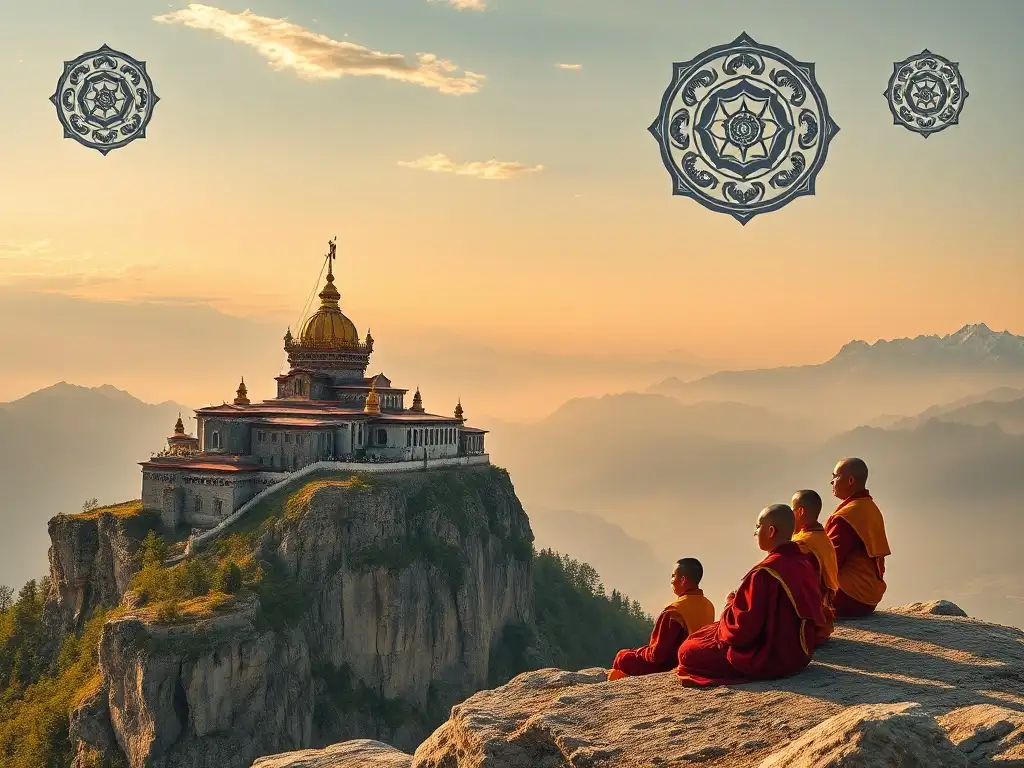
Introduction to Tibetan Buddhism in Indian History
Tibetan Buddhism represents a captivating and distinct branch of the broader Buddhist tradition, deeply intertwined with the historical and cultural fabric of ancient India. Its emergence and development were significantly influenced by the rich traditions of Indian Buddhism, which laid the groundwork for the spiritual practices and philosophical principles that would later flourish in Tibet.
This article aims to explore the intricate connections between Tibetan Buddhism and Indian history, shedding light on how this unique form of Buddhism not only adapted but also evolved in the context of Tibetan culture. By examining its origins, key figures, and the historical context that fostered its development, we can better understand the lasting impact of Tibetan Buddhism on both Tibetan society and the greater Buddhist world.
Overview of Tibetan Buddhism
Tibetan Buddhism, often referred to as Vajrayana or Tantric Buddhism, encompasses a variety of teachings and practices that distinguish it from other Buddhist traditions. It is characterized by its rich symbolism, ritualistic practices, and a strong emphasis on the use of mantras and meditation techniques. Tibetan Buddhism integrates the teachings of the historical Buddha with elements of Mahayana and Vajrayana traditions, offering a unique approach to enlightenment that resonates with its followers.
- Core Concepts: Tibetan Buddhism emphasizes concepts such as emptiness, compassion, and the nature of mind, drawing from Indian philosophical roots.
- Rituals and Practices: The tradition is known for its elaborate rituals, including ceremonies, chanting, and the use of mandalas, which serve to facilitate spiritual growth and connection to the divine.
- Schools: Major schools of Tibetan Buddhism, such as the Gelug, Nyingma, Kagyu, and Sakya, each contribute unique interpretations and practices to the tradition.
Historical Context of Tibetan Buddhism's Development in India
The historical trajectory of Tibetan Buddhism is closely linked to the spread of Buddhism in India during the first millennium CE. As Indian Buddhist scholars and monks traveled to Tibet, they brought with them not only religious teachings but also texts, art, and cultural influences that shaped Tibetan society.
- Early Influences: The initial contact between Indian and Tibetan cultures occurred during the reign of King Songtsen Gampo (c. 605–650 CE), who is credited with establishing Buddhism as the state religion of Tibet.
- Translation Movement: The translation of Buddhist texts from Sanskrit to Tibetan in the 8th century was pivotal, as it allowed for the preservation and dissemination of Indian Buddhist teachings in Tibet. This period was marked by significant figures such as Padmasambhava and Shantarakshita, who were instrumental in the establishment of Buddhism in the region.
The Origins of Tibetan Buddhism
The roots of Tibetan Buddhism can be traced back to the rich tapestry of Indian Buddhism, which provided the foundational philosophies and practices that would later take shape in Tibet. Understanding these origins is essential to appreciating the distinctive features of Tibetan Buddhism.
Influence of Indian Buddhism on Tibetan Thought
The philosophical and spiritual underpinnings of Tibetan Buddhism are deeply rooted in Indian Buddhist thought. The absorption of Indian ideas into Tibetan culture led to the development of a unique blend of practices and beliefs.
- Philosophical Foundations: Key Indian Buddhist concepts, such as Madhyamaka (the Middle Way) and Yogacara (the Mind-Only school), influenced Tibetan philosophical discourse and practice.
- Meditation Practices: The meditation techniques developed in India were adapted and expanded upon in Tibet, leading to the creation of distinctive practices such as deity yoga and phowa (transference of consciousness).
Key Figures in the Introduction of Buddhism to Tibet
Several prominent figures played crucial roles in the introduction and establishment of Buddhism in Tibet, serving as bridges between Indian and Tibetan traditions.
- Padmasambhava: Often regarded as the second Buddha, Padmasambhava's teachings and practices laid the foundation for Vajrayana Buddhism in Tibet. His legendary exploits in subduing local deities and establishing monasteries are central to Tibetan Buddhist lore.
- Shantarakshita: A renowned Indian scholar, Shantarakshita's philosophical contributions and efforts in establishing monastic institutions significantly shaped the early development of Tibetan Buddhism.
Through these historical contexts and influential figures, Tibetan Buddhism evolved into a rich tradition that continues to thrive today, embodying the spirit of ancient Indian teachings while adapting to the unique cultural landscape of Tibet.
The Spread of Tibetan Buddhism

Tibetan Buddhism, often regarded as a unique branch of the broader Buddhist tradition, has a rich history intertwined with the cultural and spiritual evolution of Tibet and its neighboring regions. Its spread beyond Tibet has been influenced by various historical events, key figures, and the establishment of monasteries that serve as centers of learning and spiritual practice. Understanding the spread of Tibetan Buddhism involves examining the historical pathways it traveled and the significant role played by monasteries in promoting its teachings.
Historical Pathways of Tibetan Buddhism's Expansion
The expansion of Tibetan Buddhism can be traced back to the 7th century during the reign of King Songtsen Gampo, who is credited with introducing Buddhism to Tibet after marrying Buddhist princesses from Nepal and China. This monumental shift laid the foundation for the religion's establishment in the region.
In the subsequent centuries, Tibetan Buddhism began to flourish, particularly during the reign of King Trisong Detsen in the 8th century, who invited Indian scholars like Padmasambhava and Shantarakshita to translate Buddhist texts and establish monastic institutions. This led to the establishment of the first Tibetan monastery, Samye, which became a pivotal center for Buddhist learning and practice.
As Tibetan Buddhism developed, it began to spread beyond its native region due to various factors:
- Cultural Exchanges: The Silk Road facilitated trade and cultural exchanges, allowing Tibetan Buddhism to reach Central Asia and parts of China.
- Political Alliances: Diplomatic relations between Tibet and neighboring kingdoms often included the exchange of religious ideas and practices, further encouraging the spread of Tibetan Buddhism.
- Missionary Activities: Monastic leaders and scholars traveled to different regions, establishing new centers of practice and translating texts, which helped disseminate Tibetan Buddhist teachings.
Role of Monasteries in Promoting Tibetan Buddhism
Monasteries have played an integral role in the spread and preservation of Tibetan Buddhism. They serve not only as spiritual centers but also as hubs for education, art, and community engagement. Key aspects of their influence include:
- Education and Translation: Monasteries were crucial in translating and preserving Buddhist texts, ensuring that teachings were accessible to future generations. This scholarly work attracted students and practitioners from various regions.
- Cultural Centers: Many monasteries became focal points for local communities, offering not just spiritual guidance but also engaging in social welfare, education, and cultural preservation.
- Pilgrimage Sites: Monasteries often became pilgrimage destinations, drawing followers from afar, which helped to spread Buddhist practices and beliefs.
As Tibetan Buddhism continued to evolve, these monastic institutions became vital in maintaining the teachings and adapting them to varying cultural contexts, allowing the tradition to flourish in diverse environments.
Core Teachings of Tibetan Buddhism
Tibetan Buddhism is characterized by its rich tapestry of teachings, rituals, and philosophical insights. While it shares foundational beliefs with other schools of Buddhism, such as the Four Noble Truths and the Eightfold Path, it also introduces unique elements that distinguish it within the broader Buddhist landscape.
Unique Philosophical Aspects of Tibetan Buddhism
One of the defining features of Tibetan Buddhism is its emphasis on the practice of Tantra, which integrates meditation, rituals, and visualization techniques aimed at achieving enlightenment more rapidly. This approach is often encapsulated in the following concepts:
- Bodhicitta: The aspiration to attain enlightenment for the benefit of all sentient beings, which is central to Tibetan Buddhist practice.
- Emptiness (Shunyata): The understanding that all phenomena are interdependent and lack inherent existence, a notion that is deeply explored in Tibetan philosophy.
- Deity Yoga: Practitioners engage in deity visualization to embody specific enlightened qualities, facilitating spiritual growth and transformation.
These philosophical tenets, combined with the rich ritualistic practices, contribute to a distinctive spiritual experience within Tibetan Buddhism.
Comparison with Other Schools of Buddhism
When comparing Tibetan Buddhism to other major schools, such as Theravada and Mahayana, several distinctions become evident:
- Ritual and Practice: Tibetan Buddhism incorporates a significant emphasis on ritual and ceremonial practices, which are often less pronounced in Theravada Buddhism, focusing more on individual meditation and ethics.
- Role of the Guru: In Tibetan Buddhism, the relationship between the student and the guru (teacher) is fundamental, viewed as essential for spiritual progress, whereas this relationship is less emphasized in other traditions.
- Philosophical Complexity: Tibetan Buddhism features a more elaborate philosophical framework, integrating various teachings from both Mahayana and Vajrayana traditions, which can include intricate cosmologies and the paths to enlightenment.
These differences highlight the unique contributions of Tibetan Buddhism to the overall tapestry of Buddhist thought, showcasing its dynamic nature and adaptability throughout history.
Tibetan Buddhism's Cultural Impact in India
Tibetan Buddhism has significantly influenced the cultural landscape of India, particularly in regions like Ladakh, Sikkim, and Arunachal Pradesh. Its arrival in India can be traced back to the 7th century CE, primarily through the efforts of Indian scholars and monks who traveled to Tibet. This exchange led to the establishment of vibrant monastic communities that blended Tibetan and Indian cultural elements.
The integration of Tibetan Buddhism into Indian society has manifested in various ways, including language, literature, and educational practices. Tibetan Buddhist texts have been translated into local dialects, enriching the literary traditions of the region. Furthermore, the presence of Tibetan Buddhist monasteries has fostered a sense of community and has become a focal point for cultural festivals and celebrations, which draw people from diverse backgrounds.
Moreover, Tibetan Buddhism’s emphasis on compassion and wisdom resonates with the broader Indian philosophical context, promoting values that align with the teachings of both Hinduism and Jainism. This confluence of ideas has contributed to a unique cultural synthesis that continues to thrive in contemporary India.
Artistic Expressions Influenced by Tibetan Buddhism
The artistic expressions associated with Tibetan Buddhism have made a profound impact on Indian art and architecture. The intricate thangka paintings, which depict various deities, mandalas, and scenes from the life of the Buddha, have inspired local artisans to adopt similar styles, resulting in a unique fusion of Tibetan and Indian artistic traditions.
In addition to painting, Tibetan Buddhist influence can be observed in sculpture, particularly in the depiction of Buddhist figures such as Avalokiteshvara and Padmasambhava. These sculptures often incorporate a blend of Indian iconographic styles and Tibetan motifs, showcasing a rich dialogue between the two traditions.
Furthermore, architecture is another domain where Tibetan Buddhism has left its mark. Monasteries built in the Tibetan style, characterized by colorful frescoes and ornate stupas, can be found in various parts of India. These structures not only serve as religious centers but also as repositories of cultural heritage, attracting scholars and tourists alike.
Contributions to Indian Spiritual Practices and Rituals
The contributions of Tibetan Buddhism to Indian spiritual practices and rituals are noteworthy. Its ritualistic elements, such as the use of mandalas, prayer flags, and specific chanting practices, have enriched the spiritual landscape of Indian Buddhism. The incorporation of these rituals into local customs has led to a deeper engagement with spiritual practices among the Indian populace.
Additionally, Tibetan Buddhism emphasizes meditation techniques that focus on mindfulness and concentration, which have gained popularity among various spiritual communities in India. The practice of visualizations and the use of mantras have also permeated other Indian spiritual traditions, fostering a broader acceptance of these practices across different faiths.
Moreover, the Tibetan Buddhist concept of Bodhicitta (the awakening mind) has inspired many Indian practitioners to pursue altruistic endeavors, promoting social welfare initiatives and community service. This blending of spiritual goals with social responsibility reflects the adaptability and relevance of Tibetan Buddhism within the Indian context.
Tibetan Buddhism and its Relationship with Indian Religions
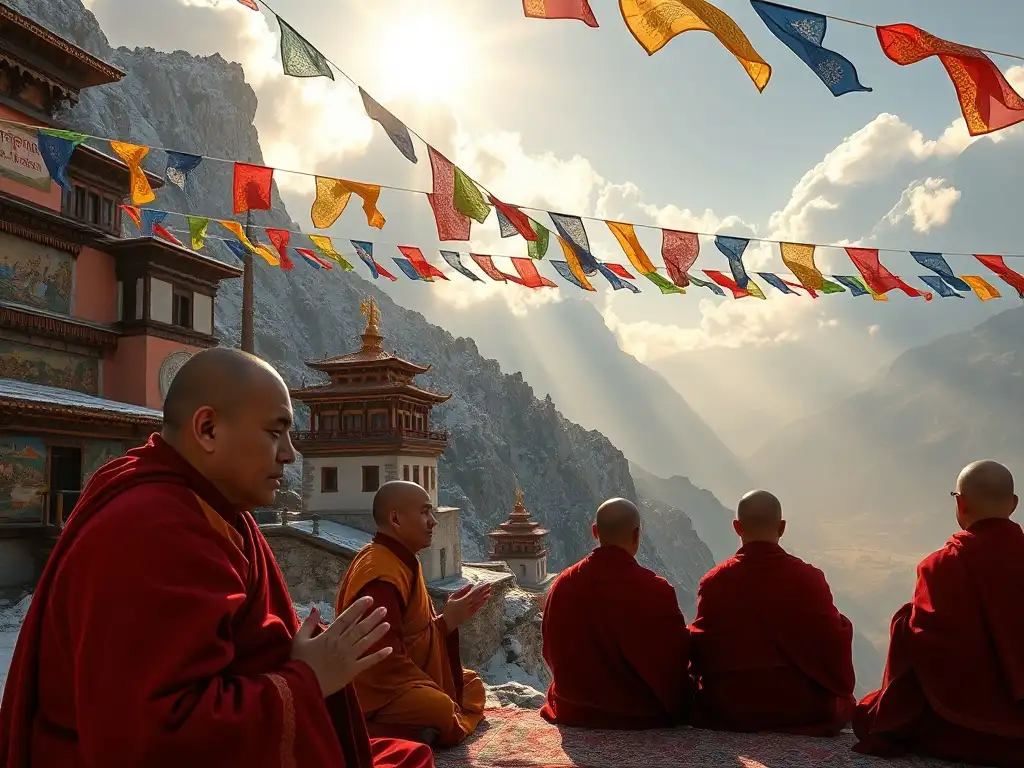
Tibetan Buddhism's relationship with Indian religions is characterized by mutual influence and shared philosophical underpinnings. As Tibetan Buddhism took root in the Indian subcontinent, it engaged in a dialogue with existing religious traditions, particularly Hinduism and Jainism, leading to a rich tapestry of beliefs and practices.
Interactions between Tibetan Buddhism and Hinduism
The interactions between Tibetan Buddhism and Hinduism are significant, as both traditions share a common philosophical heritage rooted in Indian spirituality. The cross-pollination of ideas is evident in the adoption of certain deities and practices from Hinduism into Tibetan Buddhism. For instance, the Tibetan form of Avalokiteshvara is closely associated with the Hindu deity, Guanyin, showcasing the similarities in their representations of compassion and mercy.
Moreover, the concept of Shakti, or divine feminine energy, has been embraced in Tibetan Buddhism, leading to the veneration of female deities such as Tara. This reverence reflects an integration of Hindu beliefs into the Tibetan Buddhist framework, where both traditions celebrate the nurturing aspects of divinity.
Tibetan Buddhist rituals often incorporate elements from Hindu practices, such as the use of mantras and offerings, which highlight the intertwined nature of these religions. This synergy has fostered a spirit of coexistence, contributing to a sense of shared cultural identity among practitioners.
The Influence of Jainism on Tibetan Buddhist Practices
Jainism's influence on Tibetan Buddhist practices is less direct but still noteworthy. Both traditions emphasize non-violence ( ahimsa) and the pursuit of spiritual liberation, which has led to a mutual respect for each other's teachings. Tibetan Buddhism has drawn from Jain philosophical concepts, particularly in its understanding of karma and the cycle of rebirth.
The practice of asceticism, prevalent in Jainism, has also found its way into Tibetan Buddhist monastic life. The emphasis on rigorous discipline and meditation practices mirrors Jain ascetic traditions, reinforcing the importance of self-control and ethical conduct in the spiritual journey.
Furthermore, the Jain focus on the interconnectedness of all beings resonates with the Tibetan Buddhist principle of compassion. This shared value has fostered inter-religious dialogue, encouraging a collaborative approach to ethical living and spiritual growth among adherents of both traditions.
Contemporary Relevance of Tibetan Buddhism in Indian History
Tibetan Buddhism, while rooted in the ancient teachings of the Buddha, has evolved into a unique tradition that significantly influences Indian history and contemporary society. Its relevance today can be seen through various lenses, including cultural, spiritual, and political dimensions. The migration of Tibetan refugees to India in the 20th century, particularly after the Chinese invasion of Tibet in 1950, has led to a flourishing of Tibetan Buddhist practices and teachings within Indian borders. This interplay of cultures has enriched India's spiritual landscape, allowing for a deeper exploration of Buddhist philosophy and practice.
Moreover, Tibetan Buddhism serves as a bridge between the ancient traditions of India and the modern world. The teachings of prominent Tibetan lamas, such as the Dalai Lama, emphasize compassion, mindfulness, and ethical living in a rapidly changing global environment. As such, Tibetan Buddhism remains vital in addressing contemporary issues, such as environmental sustainability and mental well-being, resonating with a wide audience in India and beyond.
Preservation of Tibetan Buddhism in Modern India
The preservation of Tibetan Buddhism in modern India is a remarkable achievement, driven by the efforts of the Tibetan community and Indian supporters alike. Following the Tibetan diaspora, various institutions have been established, including monasteries, cultural centers, and educational institutions that focus on preserving Tibetan language, art, and traditions. Notable examples include the Namgyal Monastery in Dharamshala, which serves as the personal monastery of the Dalai Lama, and the Tibetan Museum, which documents the history and culture of Tibet.
In addition to these institutions, numerous initiatives have been undertaken to promote Tibetan Buddhism through cultural festivals, seminars, and workshops. These events not only serve to educate the broader public about Tibetan Buddhist practices but also foster dialogue between different religious traditions in India. Furthermore, the collaboration between Tibetan and Indian scholars has led to the translation and publication of key Buddhist texts, ensuring that the teachings remain accessible to future generations.
Tibetan Buddhism’s Role in Indian Spiritual Landscape Today
Today, Tibetan Buddhism occupies a unique position within the broader Indian spiritual landscape. It attracts individuals from various backgrounds seeking spiritual growth and personal transformation. The practice of meditation, particularly Tibetan techniques such as Vajrayana and mindfulness, has gained significant popularity, often incorporated into various wellness and therapeutic contexts.
Tibetan Buddhist rituals, art, and philosophy continue to inspire contemporary spiritual seekers in India. The visual aesthetics of Tibetan thangkas (traditional paintings), mandalas, and the intricate practices of ritual chanting and prayer resonate deeply with those interested in spirituality. Moreover, the teachings on compassion and non-attachment provide practical guidance for navigating the complexities of modern life.
Conclusion: The Legacy of Tibetan Buddhism in Indian History
Tibetan Buddhism has left an indelible mark on Indian history, shaping not only the spiritual practices of its adherents but also influencing the broader cultural and philosophical landscape of the subcontinent. Its rich tradition of scholarship, meditation, and ethical living continues to inspire both practitioners and scholars alike.
Recap of Tibetan Buddhism's Contributions to Indian Civilization
The contributions of Tibetan Buddhism to Indian civilization are manifold. From the establishment of vibrant monastic communities that serve as centers for learning and meditation to the preservation of ancient texts and practices, Tibetan Buddhism has played a crucial role in enriching the spiritual heritage of India. The cross-cultural exchanges between Tibetans and Indians have facilitated a deeper understanding of Buddhist philosophy, which has in turn influenced various aspects of Indian society, including art, literature, and religious dialogue.
Future Prospects for Tibetan Buddhism in India
Looking ahead, the future of Tibetan Buddhism in India appears promising. The ongoing interest in mindfulness practices and holistic well-being positions Tibetan Buddhism as a relevant and powerful tradition in contemporary society. As global awareness of Tibetan issues continues to grow, there is potential for greater support for Tibetan cultural preservation efforts within India. Furthermore, the continued engagement between Tibetan lamas and Indian spiritual leaders can foster greater interfaith dialogue, enriching the spiritual tapestry of India while ensuring that the teachings of Tibetan Buddhism remain alive and accessible for generations to come.
- Introduction to Tibetan Buddhism in Indian History
- Overview of Tibetan Buddhism
- Historical Context of Tibetan Buddhism's Development in India
- The Origins of Tibetan Buddhism
- The Spread of Tibetan Buddhism
- Core Teachings of Tibetan Buddhism
- Tibetan Buddhism's Cultural Impact in India
- Tibetan Buddhism and its Relationship with Indian Religions
- Contemporary Relevance of Tibetan Buddhism in Indian History
- Conclusion: The Legacy of Tibetan Buddhism in Indian History
Frequently Asked Questions
What is Tibetan Buddhism?
Tibetan Buddhism is a unique branch of Buddhism that incorporates Tibetan culture and practices, blending elements of Mahayana and Vajrayana traditions.
How did Tibetan Buddhism influence Indian history?
Tibetan Buddhism significantly impacted Indian history by facilitating cultural exchanges, promoting artistic developments, and enhancing spiritual practices through its integration with local traditions.
What are the key teachings of Tibetan Buddhism?
Key teachings include the concepts of compassion, impermanence, and the Bodhisattva path, which emphasizes aiding others in achieving enlightenment.
How did Tibetan Buddhism spread to India?
Tibetan Buddhism spread to India primarily through monastic universities and the efforts of scholars and missionaries who traveled between regions, sharing teachings and texts.
What role did Tibetan Buddhism play in the Gupta Empire?
During the Gupta Empire, Tibetan Buddhism contributed to the intellectual and spiritual landscape, influencing philosophical discourse and promoting artistic expressions within the empire.
Final Reflection: The Enduring Legacy of Tibetan Buddhism in Indian History
The influence of Tibetan Buddhism in Indian history is not merely a relic of the past; it is a vibrant thread that continues to weave through the tapestry of contemporary spiritual and cultural life. Today, as we navigate a world increasingly marked by division and conflict, the teachings and practices of Tibetan Buddhism offer profound insights into compassion, mindfulness, and interconnectedness. This ancient tradition reminds us that the quest for inner peace and understanding is as relevant now as it was centuries ago.
Tibetan Buddhism has significantly shaped the cultural and spiritual landscape of India, fostering a unique dialogue between diverse traditions and communities. Its teachings have inspired countless individuals to seek deeper meaning and connection in their lives. As the Dalai Lama wisely stated, My religion is very simple. My religion is kindness.
This emphasis on compassion resonates deeply in our increasingly complex world, urging us to embrace empathy and understanding in our interactions with others.
As we reflect on the lessons of Tibetan Buddhism, let us consider how we can incorporate its principles into our daily lives. I invite you to explore the teachings of this remarkable tradition and find ways to cultivate compassion and mindfulness in your own journey. By doing so, we not only honor the rich history of Tibetan Buddhism in India but also contribute to a more harmonious and understanding world for future generations.
Unveil the Profound Teachings of Tibetan Buddhism!
Thank you for diving into the fascinating world of Tibetan Buddhism with us! We hope you've gained valuable insights into its unique traditions and philosophies. Now, it's time to take these learnings further and explore the rich tapestry of this incredible path.
Here’s how you can continue your journey:
- Immerse yourself in Tibetan cultural practices by attending a local meditation session or workshop. Experience the meditative techniques firsthand!
- Explore recommended texts or documentaries about Tibetan Buddhism to deepen your understanding of its teachings.
- Share your newfound knowledge with friends or family—start a discussion group about the principles of Tibetan Buddhism!
As you reflect on what you've learned, consider this: How can the teachings of compassion and mindfulness from Tibetan Buddhism enhance your daily life and interactions with others? We’d love to hear your thoughts!