
How Buddhist Philosophy Can Influence Leadership Styles

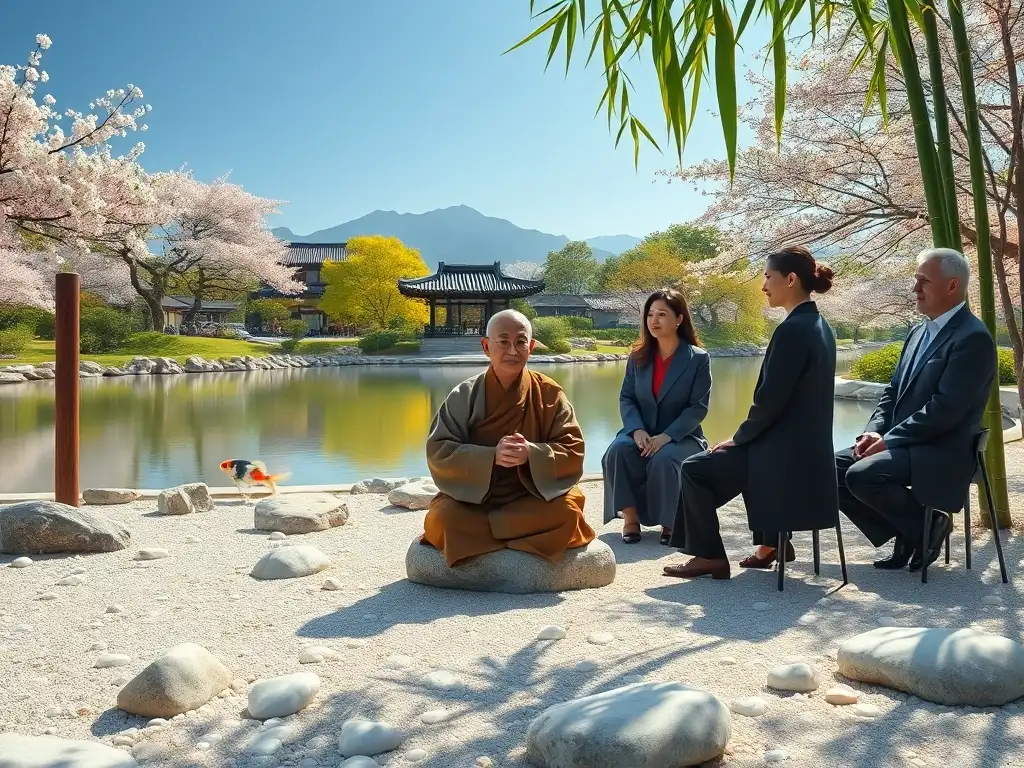
Welcome to Ancient India History, where we embark on a fascinating journey through the rich tapestry of ancient Indian civilizations. Today, we delve into a thought-provoking exploration of Buddhist philosophy in leadership. How can the timeless wisdom of this ancient belief system transform modern leadership styles? As you navigate through our insights, prepare to uncover the profound ways in which Buddhist principles can inspire ethical decision-making and compassionate governance. Join us as we unlock the enduring relevance of these teachings and their potential impact on contemporary leadership. Your quest for knowledge begins here!
- Introduction to Buddhist Philosophy in Leadership
- Core Principles of Buddhist Philosophy Relevant to Leadership
- How Buddhist Philosophy Influences Leadership Styles
- Case Studies: Successful Leaders Embracing Buddhist Philosophy
- Practical Applications of Buddhist Philosophy in Leadership
- Challenges and Misconceptions about Buddhist Philosophy in Leadership
- Conclusion: The Future of Buddhist Philosophy in Leadership
- Frequently Asked Questions
- Final Reflection: Embracing Buddhist Philosophy in Leadership
- Embrace the Wisdom of Buddhist Leadership Today!
Introduction to Buddhist Philosophy in Leadership
Buddhist philosophy, with its deep-rooted emphasis on mindfulness, compassion, and ethical conduct, offers profound insights into contemporary leadership styles. As organizations today grapple with complex challenges and the need for adaptive leadership, the teachings of Buddhism provide a valuable framework for fostering effective and ethical leadership practices. By integrating principles such as non-attachment, interdependence, and the pursuit of wisdom, leaders can cultivate environments that promote collaboration, resilience, and well-being among their teams. This article explores the essence of Buddhist philosophy in leadership, shedding light on how these ancient teachings can influence modern leadership styles and practices.
Understanding Buddhist Philosophy
Buddhist philosophy is centered around the core teachings of Siddhartha Gautama, known as the Buddha. It encompasses a variety of principles that guide individuals towards achieving enlightenment and understanding the nature of existence. Key concepts include:
- The Four Noble Truths:
- The truth of suffering (Dukkha)
- The cause of suffering (Samudaya)
- The cessation of suffering (Nirodha)
- The path leading to the cessation of suffering (Magga)
- The Eightfold Path:
- Right Understanding
- Right Intent
- Right Speech
- Right Action
- Right Livelihood
- Right Effort
- Right Mindfulness
- Right Concentration
These elements not only provide a spiritual roadmap for individuals seeking enlightenment but also offer guiding principles for leaders aiming to create compassionate and effective workplaces. For instance, the emphasis on Right Speech and Right Action encourages leaders to communicate transparently and act ethically, fostering trust and respect within their organizations.
Furthermore, the concept of interdependence highlights the interconnected nature of all beings, prompting leaders to recognize the impact of their decisions on employees, stakeholders, and the broader community. This holistic view helps cultivate a sense of responsibility and ethical decision-making in leadership roles.
Importance of Leadership Styles in Organizations
Leadership styles play a critical role in shaping organizational culture and influencing employee performance. Different styles can lead to varying levels of engagement, motivation, and productivity among team members. Some of the most recognized leadership styles include:
- Autocratic Leadership: Centralized decision-making by the leader, often leading to decreased morale.
- Democratic Leadership: Encourages participation and input from team members, fostering collaboration.
- Transformational Leadership: Inspires and motivates employees to exceed expectations through a shared vision.
Incorporating Buddhist philosophy into leadership can significantly enhance these styles, particularly in promoting a more transformational and democratic approach. By emphasizing compassion and mindfulness, leaders can create an environment where employees feel valued and empowered to contribute their ideas.
Moreover, a leadership approach informed by Buddhist principles can also lead to reduced workplace stress and increased job satisfaction. As leaders practice mindfulness, they become more attuned to the needs of their teams, facilitating better communication and more effective conflict resolution. This not only enhances individual performance but also contributes to a more cohesive and harmonious organizational culture.
Integrating Buddhist philosophy into leadership practices offers a pathway for developing leaders who are not only effective but also compassionate and ethical, ultimately benefiting both organizations and their members.
Core Principles of Buddhist Philosophy Relevant to Leadership

Buddhist philosophy offers a unique perspective on leadership, emphasizing principles that can transform traditional leadership styles. Central to this philosophy are concepts such as non-attachment, compassion, and mindfulness, which can enhance a leader's effectiveness and create a positive organizational culture. By integrating these principles, leaders can cultivate an environment that fosters collaboration, resilience, and well-being among their teams.
The Concept of Non-Attachment in Leadership
Non-attachment, a fundamental tenet of Buddhist philosophy, advocates for a balanced approach to relationships and outcomes. In leadership, this concept encourages leaders to:
- Prioritize the mission over personal gain: By focusing on the collective goals of the organization rather than individual ambitions, leaders can foster a culture of teamwork and shared purpose. This is exemplified in the teachings of the Buddha, who emphasized the importance of selflessness in achieving enlightenment.
- Adapt to change: Non-attachment allows leaders to remain flexible and open-minded in the face of challenges. Instead of clinging to fixed ideas or strategies, they can pivot and adapt their approach based on new information or circumstances, which is crucial in today’s rapidly evolving business landscape.
- Reduce stress and anxiety: Leaders who practice non-attachment are less likely to experience burnout, as they learn to let go of the need for control over every outcome. This not only enhances their well-being but also sets a precedent for their teams, promoting a healthier work-life balance.
Compassion and Empathy in Leadership
Compassion and empathy are core elements of Buddhist philosophy that significantly enhance leadership effectiveness. By incorporating these qualities, leaders can:
- Foster a supportive environment: Compassionate leaders demonstrate genuine care for their team members, which cultivates loyalty and trust. This can lead to higher employee satisfaction and retention rates. For instance, organizations led by empathetic leaders often report improved morale and productivity.
- Enhance decision-making: Empathetic leaders take the time to understand the perspectives and feelings of others, leading to more inclusive and considerate decision-making processes. This can prevent conflicts and promote collaborative solutions that benefit the organization as a whole.
- Encourage personal growth: A compassionate leader invests in the development of their team, recognizing that individual growth contributes to collective success. By mentoring and supporting their employees, they create a culture of continuous learning and improvement.
Mindfulness as a Leadership Tool
Mindfulness, another critical aspect of Buddhist philosophy, involves being fully present and aware of one’s thoughts, feelings, and surroundings. In leadership, mindfulness can be applied in various ways:
- Improved focus and clarity: Mindful leaders are better equipped to concentrate on tasks and make informed decisions. By minimizing distractions, they can analyze situations more critically and respond with intention rather than react impulsively.
- Enhanced emotional intelligence: Practicing mindfulness allows leaders to develop a deeper understanding of their emotions and those of others. This heightened awareness can lead to more effective communication and conflict resolution, as mindful leaders are more in tune with the emotional dynamics of their teams.
- Stress reduction: Mindfulness practices, such as meditation and deep breathing, help leaders manage stress and maintain composure in challenging situations. This resilience not only benefits their own mental health but also sets a calming example for their teams during turbulent times.
The integration of Buddhist philosophy in leadership, particularly through the principles of non-attachment, compassion, and mindfulness, can significantly influence leadership styles. By adopting these practices, leaders can create a more harmonious and productive work environment, ultimately driving their organizations toward greater success.
How Buddhist Philosophy Influences Leadership Styles

Transformational Leadership Inspired by Buddhist Teachings
Transformational leadership is characterized by the ability to inspire and motivate followers to achieve extraordinary outcomes while fostering a culture of innovation and change. Buddhist philosophy significantly contributes to this leadership style through its emphasis on compassion, mindfulness, and self-awareness.
-
Compassion as a Core Value:
In Buddhist teachings, compassion (karuṇā) is paramount. Leaders who embody compassion can create a supportive environment where team members feel valued and understood. This approach not only enhances morale but also encourages collaboration and creativity, leading to transformative outcomes.
-
Mindfulness in Decision-Making:
Mindfulness, a key Buddhist practice, encourages leaders to remain present and fully engaged in their interactions. This awareness enables them to make thoughtful decisions that consider the well-being of their team and the broader impact of their actions. Leaders who practice mindfulness are more likely to foster an atmosphere of trust and open communication.
-
Promoting Personal Growth:
Buddhist philosophy advocates for the continuous development of oneself and others. Transformational leaders inspired by these teachings prioritize the personal and professional growth of their team members, providing opportunities for learning and development. This focus on growth not only benefits individuals but also enhances the overall effectiveness of the organization.
Servant Leadership and Its Roots in Buddhism
Servant leadership, a concept popularized by Robert K. Greenleaf, aligns closely with Buddhist principles, as it emphasizes serving others first. This leadership style is grounded in several core Buddhist concepts:
-
Altruism:
At the heart of Buddhism is the idea of selflessness. Servant leaders prioritize the needs of their followers, fostering a sense of community and collaboration. This altruistic approach resonates with the Buddhist belief in interconnectedness (pratītyasamutpāda), where the well-being of individuals is tied to the well-being of the community.
-
Empathy and Active Listening:
Buddhist teachings encourage leaders to practice empathy and active listening. By genuinely understanding the perspectives and concerns of their team members, servant leaders can address issues more effectively and create a more inclusive environment.
-
Fostering a Sense of Purpose:
Servant leaders inspired by Buddhist philosophy help their followers connect to a greater purpose. This alignment with a shared vision can motivate individuals to contribute more meaningfully, enhancing overall engagement and satisfaction within the organization.
Ethical Leadership Guided by Buddhist Principles
Ethical leadership is crucial in today's complex environments, and Buddhist philosophy offers a framework for ethical decision-making that can guide leaders in their actions and choices.
-
The Five Precepts:
Buddhist ethics are often encapsulated in the Five Precepts, which promote non-harming, truthfulness, and respect for others. Leaders who adhere to these principles are more likely to foster an ethical culture within their organizations, where integrity and transparency are valued.
-
Right Action and Right Intention:
The Noble Eightfold Path emphasizes the importance of right action and intention. Ethical leaders guided by these teachings strive to act with integrity, ensuring that their decisions align with their values and contribute positively to society. This alignment not only builds trust but also enhances the leader's credibility.
-
Long-Term Vision:
Buddhist philosophy encourages a long-term perspective, urging leaders to consider the impact of their decisions on future generations. Ethical leaders who embrace this outlook can promote sustainability and social responsibility, addressing the needs of both their organizations and the communities they serve.
Incorporating Buddhist philosophy into leadership styles such as transformational, servant, and ethical leadership offers a profound approach to enhancing organizational effectiveness and fostering a positive workplace culture. By embracing these principles, leaders can cultivate environments that promote growth, compassion, and ethical decision-making, ultimately leading to more resilient and successful organizations.
Case Studies: Successful Leaders Embracing Buddhist Philosophy

Thich Nhat Hanh and Their Application of Buddhist Philosophy
Thich Nhat Hanh, a renowned Vietnamese Zen master, poet, and peace activist, has significantly influenced contemporary leadership through the application of Buddhist philosophy. His teachings emphasize mindfulness, compassion, and deep listening, which are fundamental principles that can reshape leadership styles across various sectors.
Mindfulness as a Leadership Tool
Thich Nhat Hanh advocates for mindfulness in daily activities and decision-making processes. By cultivating mindfulness, leaders can enhance their focus, clarity, and emotional intelligence. This practice encourages leaders to remain present, allowing them to respond thoughtfully rather than react impulsively.
- Key Practices:
- Breathing Techniques: Leaders are encouraged to practice conscious breathing to maintain calmness and clarity during stressful situations.
- Mindful Meetings: Implementing practices such as silent moments for reflection can lead to more productive discussions and better team dynamics.
Compassionate Communication
Another vital aspect of Thich Nhat Hanh’s philosophy is compassionate communication. He emphasizes the importance of active listening, which fosters trust and openness among team members. By practicing compassionate communication, leaders can create a supportive work environment that nurtures collaboration and innovation.
When we listen deeply to ourselves and to others, we can create a space of understanding and acceptance.
— Thich Nhat Hanh
Jon Kabat-Zinn's Approach to Mindful Leadership
Jon Kabat-Zinn, a pioneer in the field of mindfulness-based stress reduction (MBSR), integrates Buddhist principles into leadership through mindfulness practices. His approach highlights the necessity of self-awareness and emotional regulation for effective leadership.
The Role of Mindfulness in Leadership Development
Kabat-Zinn's work demonstrates that mindfulness can significantly enhance a leader's effectiveness. By incorporating mindfulness practices into leadership training, organizations can cultivate leaders who are not only aware of their own thoughts and emotions but also attuned to the needs of their teams.
- Mindfulness Practices in Leadership:
- Meditation Sessions: Regular meditation can help leaders develop a calm and focused mind, making it easier to navigate complex challenges.
- Reflective Journaling: Encouraging leaders to journal their thoughts and experiences fosters self-reflection and personal growth.
Emotional Intelligence and Resilience
Kabat-Zinn emphasizes that mindfulness enhances emotional intelligence, a crucial trait for leaders. This quality allows leaders to empathize with their teams, handle conflicts constructively, and maintain resilience in the face of adversity.
His Holiness the Dalai Lama's Compassionate Leadership Style
His Holiness the Dalai Lama embodies the principles of Buddhist philosophy in leadership through his emphasis on compassion, ethical conduct, and service to humanity. His leadership style is a profound example of how Buddhist values can guide effective and humane governance.
Compassion as the Core of Leadership
The Dalai Lama teaches that compassion is essential for effective leadership. He believes that leaders should prioritize the welfare of their communities and make decisions that foster well-being for all.
- Compassionate Decision-Making:
- Inclusivity: Decisions should consider the diverse needs of all stakeholders.
- Long-Term Impact: Leaders should weigh the long-term effects of their decisions on the community and environment.
Ethical Leadership and Responsibility
In addition to compassion, the Dalai Lama emphasizes ethical leadership. He advocates for transparency, integrity, and accountability—principles that are rooted in Buddhist teachings.
Leaders must prioritize the happiness of others over their own interests, creating a culture of trust and collaboration.
— His Holiness the Dalai Lama
Service to Humanity
His Holiness exemplifies servant leadership, where the primary goal is to serve others. This approach not only reinforces the leader's moral authority but also inspires others to adopt a similar ethos.
By integrating Buddhist philosophy into their leadership styles, these influential figures demonstrate that compassion, mindfulness, and ethical conduct can lead to more effective, humane, and sustainable leadership practices.
Practical Applications of Buddhist Philosophy in Leadership

Buddhist philosophy offers a wealth of insights and practices that can significantly enhance contemporary leadership styles. By integrating core principles such as mindfulness, compassion, and non-attachment, leaders can cultivate environments that foster creativity, collaboration, and resilience. This section explores practical applications of Buddhist philosophy in leadership, highlighting its transformative potential in various organizational contexts.
Integrating Mindfulness Practices in Leadership Development
Mindfulness, a central tenet of Buddhist philosophy, involves maintaining a moment-to-moment awareness of thoughts, feelings, and surroundings. By incorporating mindfulness practices into leadership development, organizations can enhance the emotional intelligence of their leaders.
- Mindfulness Training Programs: Organizations can implement training programs that teach leaders mindfulness techniques, such as meditation and breathing exercises. These practices help reduce stress, improve focus, and increase self-awareness.
- Real-Time Mindfulness Exercises: Leaders can engage in short mindfulness exercises during meetings or decision-making processes. For example, taking a few moments to breathe deeply before discussing critical issues can foster clearer thinking and more thoughtful interactions.
- Impact on Team Dynamics: Research shows that leaders who practice mindfulness can create more supportive and open work environments. This leads to improved communication, enhanced team collaboration, and increased overall productivity.
Fostering a Culture of Compassion in Organizations
Compassion, another fundamental aspect of Buddhist philosophy, emphasizes empathy and understanding towards others. Leaders who embody compassion can significantly influence their organizational culture.
- Empathetic Leadership: Compassionate leaders prioritize the well-being of their team members. They actively listen to employees' concerns and provide support, which can lead to higher employee satisfaction and retention.
- Creating Supportive Policies: Organizations can foster a culture of compassion by implementing policies that prioritize work-life balance and mental health. Initiatives such as flexible working hours and mental health days show employees that their well-being is valued.
- Compassionate Communication: Encouraging leaders to communicate with kindness and respect can transform workplace dynamics. For instance, using positive reinforcement and constructive feedback can motivate employees and enhance their performance.
Encouraging Non-Attachment to Improve Decision-Making
Non-attachment, a core principle in Buddhist philosophy, encourages individuals to let go of rigid expectations and outcomes. This mindset can lead to more effective and adaptive decision-making in leadership roles.
- Flexibility in Goals: Leaders who practice non-attachment set goals while remaining open to alternative paths. This flexibility allows them to adapt to changing circumstances and seize unexpected opportunities.
- Reducing Fear of Failure: By fostering a non-attached mindset, leaders can create an environment where employees feel safe to take risks and innovate. This can lead to a culture that embraces experimentation and continuous improvement.
- Balanced Perspectives: Non-attachment helps leaders evaluate situations without being clouded by personal biases or emotions. This balanced perspective enhances critical thinking and leads to more informed decision-making.
The practical applications of Buddhist philosophy in leadership emphasize the importance of mindfulness, compassion, and non-attachment. By embracing these principles, leaders can create more harmonious and effective organizations, ultimately contributing to a positive workplace culture and improved outcomes.
Challenges and Misconceptions about Buddhist Philosophy in Leadership

Buddhist philosophy offers a unique perspective on leadership, emphasizing values such as compassion, mindfulness, and ethical conduct. However, the application of these principles in leadership roles often encounters various challenges and misconceptions. Understanding these barriers is essential for leaders who wish to integrate Buddhist philosophy into their leadership styles effectively.
Common Misunderstandings about Buddhist Leadership Styles
One prevalent misconception is that Buddhist leadership is synonymous with passivity or indecisiveness. Many assume that leaders who embrace Buddhist principles may lack the assertiveness required to make tough decisions. However, this view neglects the strength found in mindful decision-making. Leaders informed by Buddhist philosophy are not passive; instead, they approach decision-making with clarity and compassion, weighing the consequences of their actions on both individuals and the broader community.
Another misunderstanding is the belief that Buddhist leadership is only relevant within the context of religious institutions. In reality, the principles of Buddhist philosophy can be applied across various fields, from corporate environments to educational institutions. For instance, companies that adopt a mindful leadership approach can foster a positive work culture, leading to increased employee satisfaction and productivity.
Moreover, some may think that integrating Buddhist philosophy into leadership requires a complete overhaul of existing practices. This idea can be daunting and lead to resistance among traditional leaders. However, embracing Buddhist principles can be a gradual process, allowing leaders to incorporate mindfulness, compassion, and ethical considerations into their existing frameworks without having to abandon their foundational leadership styles.
Addressing the Challenges of Implementing Buddhist Principles
Implementing Buddhist philosophy in leadership is not without its challenges. One significant barrier is the fast-paced nature of modern organizational environments. In many cases, leaders are pressured to make rapid decisions, often prioritizing immediate results over thoughtful consideration. To overcome this, leaders can cultivate a practice of mindfulness, which enables them to pause and reflect before responding to challenges. Techniques such as meditation and reflective journaling can help leaders develop this capacity for mindfulness.
Another challenge is the potential conflict between Buddhist values and corporate cultures that prioritize profit and competition. Leaders who wish to incorporate Buddhist principles may face skepticism from colleagues who prioritize aggressive metrics and short-term gains. To navigate this, leaders can advocate for value-based leadership, demonstrating how compassion and ethical practices can lead to sustainable success, ultimately benefiting both the organization and its stakeholders.
Additionally, leaders may need to address their own biases and preconceived notions about leadership. Embracing vulnerability and openness to feedback is critical in this journey. Leaders can establish a culture of psychological safety where team members feel comfortable expressing diverse ideas and concerns, thus fostering a more inclusive and compassionate work environment.
While there are challenges and misconceptions surrounding the integration of Buddhist philosophy in leadership, these can be addressed through mindfulness practices, advocacy for value-based approaches, and an openness to change. By embracing these principles, leaders can cultivate a more compassionate and effective leadership style that resonates with the core tenets of Buddhist philosophy.
Conclusion: The Future of Buddhist Philosophy in Leadership

The Growing Interest in Buddhist Philosophy in Modern Leadership
In recent years, there has been a noticeable shift in leadership paradigms, with many organizations and leaders turning to Buddhist philosophy for guidance. This interest stems from the foundational principles of Buddhist teachings, which emphasize mindfulness, compassion, and ethical decision-making. These concepts resonate deeply in today's complex organizational environments where leaders face challenges that require a more thoughtful and inclusive approach.
- Mindfulness and Presence: The practice of mindfulness encourages leaders to remain present and fully engaged in their decision-making processes. By adopting this principle, leaders can lead with clarity and focus, fostering better communication and understanding within their teams. Research has shown that mindfulness in leadership can enhance emotional intelligence and improve team dynamics.
- Compassionate Leadership: Central to Buddhist philosophy is the concept of compassion, or karuna. Leaders who embody compassion are more likely to create supportive and nurturing work environments. This can lead to higher employee satisfaction and retention rates, as team members feel valued and understood.
- Ethical Decision-Making: Buddhist teachings advocate for ethical conduct and integrity, which are crucial elements in leadership. Leaders who adhere to these principles can build trust and credibility with their teams, stakeholders, and clients. Ethical leadership fosters a culture of accountability and transparency, encouraging employees to align with the organization’s values.
- Adaptability and Resilience: The Buddhist understanding of impermanence teaches leaders to be adaptable and resilient in the face of change. In a rapidly evolving business landscape, this quality is invaluable. Leaders who embrace this philosophy are better equipped to navigate challenges and guide their organizations through uncertainty.
Final Thoughts on the Impact of Buddhist Philosophy on Leadership Styles
The integration of Buddhist philosophy in leadership offers a transformative approach that transcends traditional leadership models. By prioritizing mindfulness, compassion, ethical decision-making, and adaptability, leaders can cultivate environments that promote well-being and productivity.
As organizations continue to recognize the value of these principles, we can expect to see a growing number of leaders who incorporate Buddhist teachings into their leadership styles. This shift not only benefits individual organizations but also contributes to a broader cultural change that values empathy and ethical behavior in leadership.
Ultimately, the future of leadership may increasingly reflect the insights of ancient wisdom, demonstrating that Buddhist philosophy can play a pivotal role in shaping effective and compassionate leaders for the modern world. As we move forward, it will be essential to observe how these teachings continue to influence leadership practices across various sectors and cultures.
The application of Buddhist philosophy in leadership not only enhances individual effectiveness but also fosters a more humane and ethical corporate culture, paving the way for organizations that prioritize the well-being of all stakeholders.
Frequently Asked Questions
What is Buddhist philosophy in leadership?
Buddhist philosophy in leadership emphasizes principles such as mindfulness, compassion, and ethical decision-making, guiding leaders to foster a positive environment and promote the well-being of their teams.
How can mindfulness improve leadership effectiveness?
By practicing mindfulness, leaders can enhance their self-awareness and emotional intelligence, leading to better communication, improved relationships, and more effective conflict resolution within their organizations.
What role does compassion play in leadership?
Compassion in leadership helps create a supportive workplace culture, encouraging collaboration and trust among team members, ultimately resulting in increased productivity and employee satisfaction.
Are there historical examples of leaders influenced by Buddhist philosophy?
Yes, historical figures such as Ashoka the Great, who ruled during the Maurya Empire, exemplified Buddhist principles in governance by promoting non-violence and social welfare, significantly impacting society.
Can Buddhist principles be applied in modern business contexts?
Absolutely! Many modern businesses are integrating Buddhist principles into their leadership styles to enhance team dynamics, encourage ethical practices, and create a more holistic approach to management.
Final Reflection: Embracing Buddhist Philosophy in Leadership
Buddhist philosophy in leadership is not just an ancient concept; it is a transformative approach that resonates deeply with the challenges leaders face today. In a world increasingly marked by complexity and rapid change, the principles of mindfulness, compassion, and interconnectedness offer a refreshing lens through which to view effective leadership. As we navigate the tumultuous waters of modern organizational dynamics, the wisdom of Buddhist teachings can serve as a guiding star, illuminating paths toward more ethical and effective leadership practices.
The influence of Buddhist philosophy on leadership is profound and ongoing, shaping not only individual leaders but also entire organizational cultures. By fostering a sense of awareness and empathy, leaders who embrace these principles can create environments where collaboration and innovation thrive. As the Dalai Lama once said, ">The ultimate source of a happy life is warm-heartedness." This sentiment underscores the importance of compassion in leadership, reminding us that the well-being of individuals within an organization is paramount to its overall success.
As you reflect on the insights shared in this article, consider how you can integrate the tenets of Buddhist philosophy into your own leadership style. Are you fostering mindfulness in your decision-making? Are you prioritizing compassion in your interactions with others? Embrace the opportunity to lead with intention and purpose, recognizing that your actions can create ripples of positive change within your team and beyond. The journey toward becoming a more mindful and compassionate leader begins with a single step—take that step today.
Embrace the Wisdom of Buddhist Leadership Today!
Thank you for exploring the insightful intersection of Buddhist philosophy and leadership styles with us! You've gained valuable perspectives that can transform your approach to leading others. Now it's time to take this knowledge and put it into action!
Here are a few steps you can take right away:
- Implement mindful practices into your leadership routine: Start with five minutes of meditation each day to enhance your awareness and presence.
- Foster a supportive team environment: Share the principles of compassion and empathy with your colleagues to cultivate deeper connections and understanding.
- Engage in community discussions: Join local forums or groups focused on Buddhist leadership to exchange ideas and insights with like-minded individuals.
What aspect of Buddhist philosophy are you most excited to integrate into your leadership style? We would love to hear your thoughts!