
The Concept of Liberation in Jainism: A Philosophical Exploration

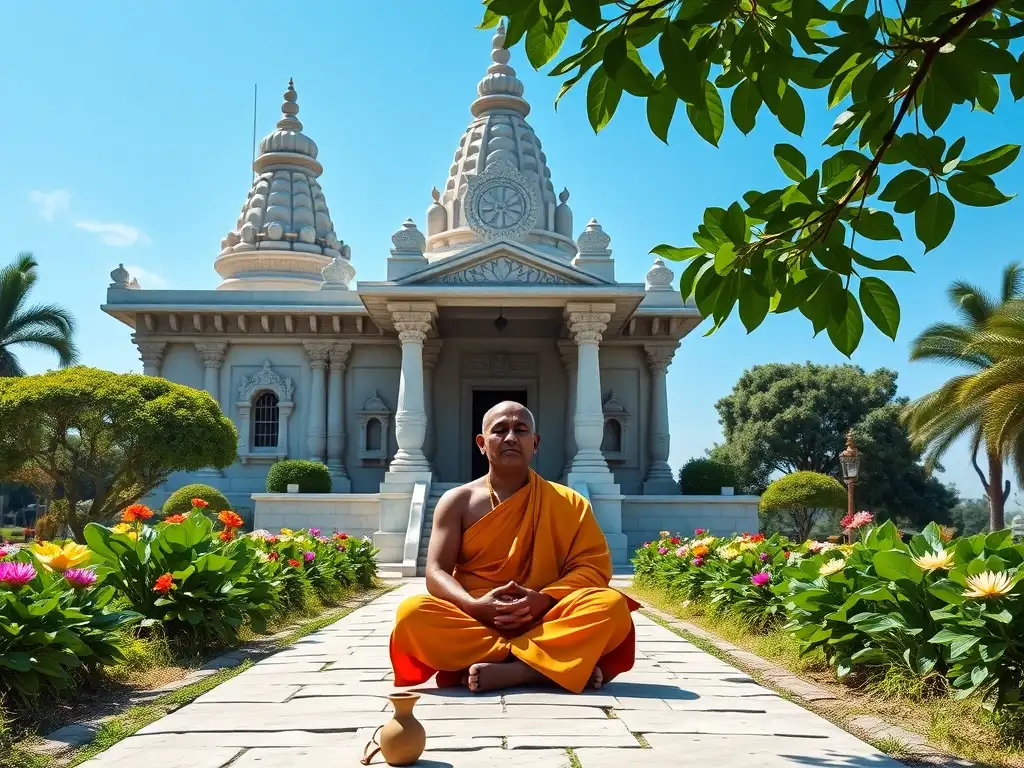
Welcome to Ancient India History, where we embark on a journey through the rich tapestry of ancient Indian civilizations. Today, we delve into the profound and thought-provoking realm of Jainism, particularly focusing on its liberation philosophy insights. What does it mean to achieve liberation in the context of Jain beliefs, and how does this ancient wisdom resonate in our modern lives?
Prepare to uncover the intricate layers of philosophy and spirituality that shaped one of the world's oldest religions. Join us as we explore the essence of freedom and enlightenment within Jainism, inviting you to uncover the wisdom that has transcended time.
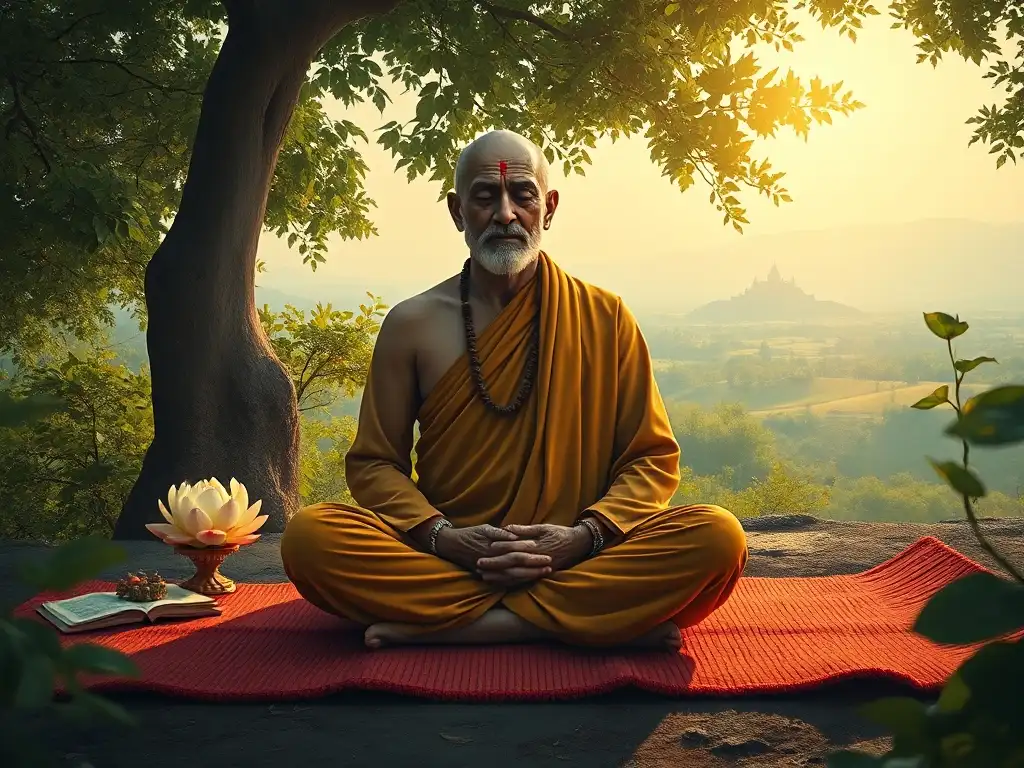
Introduction to Jainism Liberation Philosophy
Jainism, one of the oldest religions in India, offers a profound exploration of the concept of liberation, known as Moksha. This philosophy is deeply intertwined with the historical and cultural fabric of ancient Indian civilizations, reflecting a unique worldview that emphasizes non-violence, truth, and asceticism.
The Jainism liberation philosophy insights illuminate the intricate relationship between the self, the universe, and the ultimate goal of liberation from the cycle of birth and rebirth. This article delves into the core principles of Jainism, examining how these tenets shape the understanding of liberation and contribute to the broader discourse on spirituality and ethics.
Overview of Jainism and Its Historical Context
Jainism has its roots in the ancient Indus Valley civilization, with its philosophical foundations attributed to the teachings of Tirthankaras, the spiritual teachers who attained enlightenment. The most revered of these is Mahavira, who lived in the 6th century BCE and is often regarded as the last Tirthankara. Jainism emphasizes the importance of self-discipline and the pursuit of truth, encouraging adherents to cultivate a deep sense of compassion towards all living beings.
Historically, Jainism coexisted with other major religions in India, such as Hinduism and Buddhism, influencing and being influenced by their philosophies. The teachings of Jainism have played a significant role in shaping Indian thought, particularly in areas concerning non-violence ( ahimsa), ascetic practices, and the pursuit of spiritual purity.
Importance of Liberation in Jainism
In Jainism, liberation is not merely a theological concept but the ultimate goal of human existence. Achieving Moksha represents the end of the soul's cycle of rebirth and suffering, allowing the individual to attain eternal bliss and infinite knowledge. This pursuit of liberation is central to Jain philosophy and practice, driving followers to engage in rigorous ethical and spiritual disciplines.
The significance of liberation in Jainism is underscored by its distinct approach to the nature of the soul, karma, and the universe. By understanding these concepts, adherents can navigate their spiritual journey towards liberation, making it a fundamental aspect of their lives.
Core Principles of Jainism Liberation Philosophy
The Concept of Moksha in Jainism
Moksha is the state of liberation that Jains strive to achieve, characterized by the annihilation of karma and the realization of the soul's true nature. According to Jain beliefs, every soul is inherently pure and possesses the potential for liberation. However, the accumulation of karma through actions, thoughts, and intentions binds the soul to the cycle of samsara (the cycle of birth and rebirth).
To attain Moksha, Jains must engage in practices that purify the soul and reduce karmic attachments. This involves a deep commitment to ethical living, meditation, and self-realization. The ultimate goal is to achieve a state of perfect bliss and knowledge, free from all worldly attachments.
The Role of Karma in Achieving Liberation
Karma is a central tenet in Jain philosophy, functioning as both a moral and metaphysical law that governs the actions of individuals. In Jainism, karma is viewed as a form of subtle matter that attaches to the soul as a result of one's actions, thoughts, and emotions. This accumulation of karma determines the conditions of one's future lives.
To achieve liberation, Jains must actively seek to purify their souls by shedding accumulated karma. This is accomplished through a disciplined lifestyle that emphasizes non-violence, truthfulness, and asceticism. By minimizing harm to all living beings, engaging in self-reflection, and practicing detachment from material possessions, individuals can diminish their karmic load and move closer to Moksha.
The Path of Right Knowledge, Right Faith, and Right Conduct
The Jain philosophy of liberation is encapsulated in the Three Jewels: Right Knowledge ( Samyak Jnana), Right Faith ( Samyak Darshana), and Right Conduct ( Samyak Charitra). These principles serve as a guide for Jains on their spiritual journey towards liberation:
- Right Knowledge: Understanding the true nature of the self and the universe, recognizing the impermanence of material existence.
- Right Faith: Developing a sincere belief in the teachings of the Tirthankaras and the importance of spiritual practice.
- Right Conduct: Engaging in ethical behavior, including adherence to the Five Great Vows ( Mahavratas)—non-violence, truth, non-stealing, chastity, and non-possessiveness.
By embodying these principles, individuals can cultivate the spiritual discipline necessary to achieve Moksha, ultimately realizing their true nature as liberated souls.
Insights into Jain Liberation Philosophy
Jainism presents a profound and intricate philosophy of liberation known as "moksha," which is the ultimate goal for adherents. The liberation philosophy is rooted in the belief that the soul (jiva) is inherently pure but becomes entangled with karmic particles due to actions and desires. To achieve liberation, one must free the soul from these karmic bonds through a disciplined spiritual practice that emphasizes non-violence (ahimsa), truthfulness (satya), and asceticism.
Central to this philosophy is the concept of self-realization. Jain texts assert that through rigorous self-discipline, meditation, and ethical living, individuals can awaken their true nature. The path to liberation involves recognizing the distinction between the eternal soul and the temporary physical body, leading to a profound understanding of the transient nature of worldly attachments. This insight fosters a sense of detachment, encouraging practitioners to pursue spiritual purity over material gain.
Moreover, the Jain liberation philosophy is characterized by its three jewels: right faith, right knowledge, and right conduct. These elements work in synergy to guide practitioners on their spiritual journey. Right faith cultivates a deep reverence for the teachings of the Tirthankaras, while right knowledge involves understanding the nature of reality and the mechanisms of karma. Right conduct manifests as ethical living, which is essential in purifying the soul and attaining moksha.
Distinctive Features of Jainism Liberation Philosophy
The liberation philosophy in Jainism is distinguished by several unique features that set it apart from other religious and philosophical systems:
- Emphasis on Non-violence (Ahimsa): Jainism places the highest value on ahimsa, which extends not only to physical actions but also to thoughts and words. This commitment to non-violence influences the ethical practices of Jains and their interactions with all living beings.
- Karma Theory: In Jain philosophy, karma is seen as a physical substance that attaches to the soul based on one's actions. Unlike in some other Indian philosophies where karma is more abstract, Jains believe that the accumulation of karma directly affects the soul’s purity and its journey towards liberation.
- Ascetic Practices: Jainism advocates for rigorous asceticism as a means to purify the soul. This includes fasting, meditation, and renunciation of worldly possessions, which are believed to help in shedding karmic impurities.
- Multiplicity of Truth (Anekantavada): Jainism teaches that reality is multifaceted and that truth can vary based on perspective. This principle encourages open-mindedness and respect for differing views, which is crucial in the pursuit of liberation.
- Path of Liberation: The Jain path to liberation is systematic and well-defined, comprising stages of spiritual advancement (known as the "Gunasthanas"). Each stage represents a level of spiritual purity and detachment from worldly desires, culminating in the state of moksha.
Comparative Analysis with Other Indian Philosophical Systems
When comparing Jain liberation philosophy with other Indian philosophical systems, several distinctive contrasts emerge. For instance, while Hinduism also embraces the concept of moksha, it often emphasizes devotion (bhakti) and the grace of deities as pathways to liberation. In contrast, Jainism maintains that liberation is primarily achieved through individual effort and ethical living, independent of divine intervention.
Similarly, Buddhism shares elements with Jainism, particularly in its focus on the cessation of suffering and the cycle of rebirth. However, Jainism's strict adherence to non-violence and the belief in an eternal soul (jiva) set it apart from Buddhist philosophy, which emphasizes anatta (non-self) and the impermanence of existence.
Moreover, while both Jainism and Hinduism engage with the concepts of karma and rebirth, Jainism's detailed understanding of karma as a physical substance that binds the soul is unique. This perspective leads to a more profound commitment to ethical conduct and ascetic practices in Jain thought.
Historical Development of Jainism Liberation Philosophy
The historical development of Jain liberation philosophy is marked by the evolution of its core teachings, texts, and influential figures who have shaped its trajectory over the centuries.
Early Texts and Teachings on Liberation
The origins of Jain liberation philosophy can be traced back to the teachings of Mahavira, the 24th Tirthankara, who lived in the 6th century BCE. His discourses, compiled in the Agamas, form the foundational texts of Jainism. These texts outline the principles of ahimsa, karma, and moksha, establishing a framework for understanding liberation.
In addition to the Agamas, other early texts such as the Tattvartha Sutra by Umaswati further elaborate on the nature of the soul, the mechanics of karma, and the paths to liberation. These writings emphasize the importance of ethical conduct and the need for personal effort in achieving moksha.
Evolution of Jain Thought Through the Ages
Over the centuries, Jain liberation philosophy has undergone significant evolution, influenced by socio-political contexts and interactions with other philosophical traditions. During the medieval period, the rise of sects such as the Digambara and Svetambara led to differing interpretations of liberation and ascetic practices, enriching the philosophical discourse within Jainism.
In modern times, Jain thinkers have engaged with contemporary philosophical issues while remaining rooted in their traditional teachings. This ongoing dialogue has allowed Jain philosophy to adapt and resonate with newer generations while maintaining its core principles of non-violence and self-discipline.
Key Figures in Jain Liberation Philosophy
Several key figures have played a pivotal role in shaping Jain liberation philosophy throughout its history:
- Mahavira: The most revered figure in Jainism, Mahavira's teachings on ahimsa, truth, and asceticism laid the groundwork for Jain liberation philosophy. He emphasized the importance of self-realization and ethical living as pathways to moksha.
- Umaswati: An influential philosopher and author of the Tattvartha Sutra, Umaswati synthesized early Jain teachings and provided a systematic exposition of Jain philosophy, including the concepts of liberation and karma.
- Haribhadra: A prominent scholar in the 8th century, Haribhadra's works contributed to the understanding of Jain ethics and metaphysics, further enriching the discourse on liberation.
- Anekaratna: A later philosopher, Anekaratna wrote extensively on the philosophical implications of ahimsa and the nature of reality, influencing contemporary interpretations of Jain liberation thought.
Through these figures and their contributions, Jain liberation philosophy has developed into a rich and nuanced tradition, continuing to inspire adherents and scholars alike in their quest for spiritual freedom.
Practices Supporting Liberation in Jainism
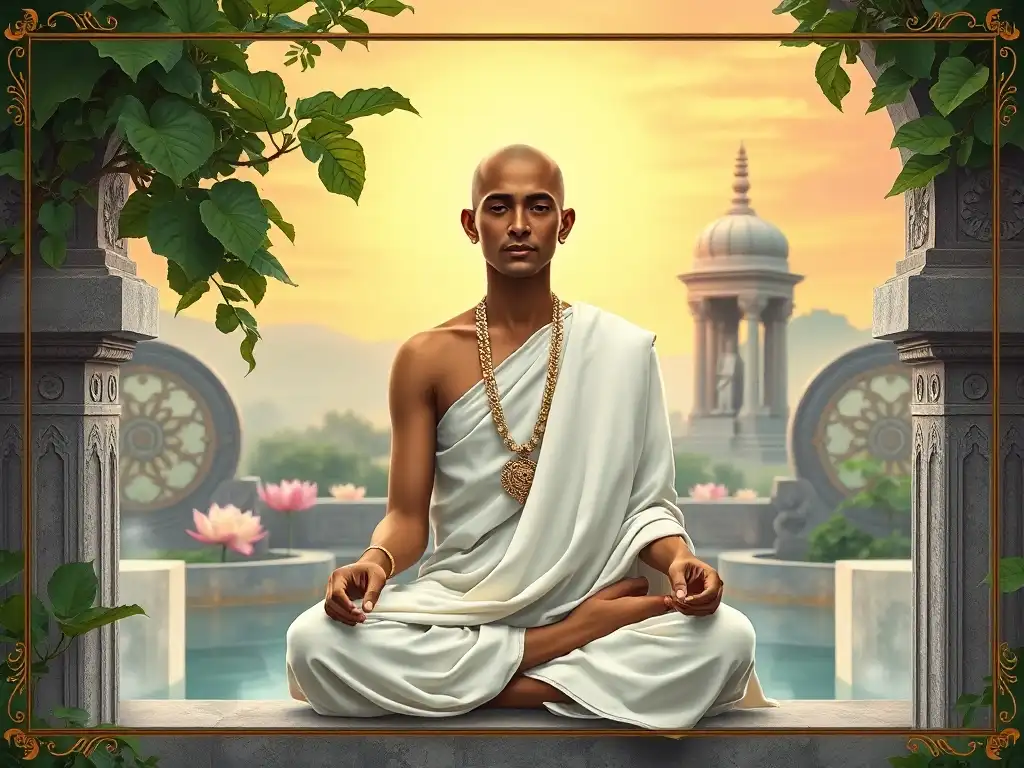
In Jainism, the path to liberation, or moksha, is intricately tied to a series of practices aimed at purifying the soul and transcending worldly attachments. These practices form the foundation of Jain philosophy and are essential for anyone aspiring to achieve spiritual liberation. The core practices include ethical conduct, meditation, and various rituals that collectively cultivate the right mindset and spiritual awareness necessary for liberation.
Ethical Conduct and Non-Violence (Ahimsa)
A cornerstone of Jain philosophy is the principle of Ahimsa, or non-violence, which extends beyond mere physical harm to include thoughts, words, and actions. Jains believe that all living beings possess a soul and are interconnected, thus any harm inflicted upon them hinders one's own spiritual progress.
- Non-Violent Lifestyle: Jains adopt a lifestyle that minimizes harm, often becoming strict vegetarians and avoiding activities that may inadvertently cause harm to living beings. This commitment to Ahimsa fosters compassion and reverence for life.
- Ethical Conduct: The practice of Ahimsa is complemented by other ethical precepts, including truthfulness ( Satya), non-stealing ( Asteya), celibacy ( Brahmacharya), and non-possessiveness ( Aparigraha). Together, these principles guide Jains in their daily lives, promoting moral integrity and spiritual growth.
This ethical framework not only aids individuals in their quest for liberation but also contributes to a harmonious society, illustrating how personal spiritual journeys can align with broader ethical considerations.
Meditation and Spiritual Discipline
Meditation in Jainism is a vital practice that enables individuals to develop self-awareness and focus on their spiritual goals. It serves as a profound means of introspection and liberation from the cycle of birth and rebirth.
- Types of Meditation: Jain meditation typically involves techniques that focus on breath control and visualization of the soul’s purity. Practices such as Samayik (a period of meditation) and Pratikraman (ritual of repentance) are pivotal in fostering mental clarity and emotional balance.
- Spiritual Discipline: Alongside meditation, Jains engage in rigorous spiritual discipline, which may include fasting, observing religious vows, and practicing detachment from material possessions. Such disciplines are believed to purify the soul and reduce karmic bondage, thus facilitating the journey toward moksha.
Through meditation and discipline, practitioners cultivate a deep sense of inner peace and spiritual insight, essential for understanding and realizing the concept of liberation in Jainism.
Rituals and Their Significance in the Pursuit of Liberation
Rituals in Jainism play a significant role in reinforcing spiritual teachings and providing a structured approach to the path of liberation. These rituals serve as reminders of the ultimate goal and facilitate community bonding.
- Daily Rituals: Jains incorporate daily rituals such as Puja (worship) of Tirthankaras, which fosters devotion and reinforces the ethical and philosophical teachings central to Jainism.
- Festivals and Observances: Significant festivals, such as Paryushana and Mahavir Jayanti, serve as opportunities for reflection, community engagement, and recommitment to the principles of Jainism. These events often feature rituals that emphasize forgiveness, charity, and the renunciation of attachments.
By participating in rituals, Jains not only express their spirituality but also cultivate a deeper understanding of liberation, reinforcing their commitment to the path of moksha.
Challenges and Misconceptions about Jainism Liberation
Despite its profound insights, the concept of liberation in Jainism is often surrounded by misconceptions and challenges. These misunderstandings can hinder the appreciation of Jain philosophy and its teachings on liberation.
Common Myths Surrounding Jain Liberation Philosophy
One of the prevalent myths is that Jainism is excessively ascetic, promoting a life devoid of joy or engagement with the world. While ascetic practices are indeed part of Jainism, they are not the sole focus of the faith.
- Misconception of Negativity: Critics often perceive Jainism as pessimistic due to its emphasis on non-attachment and the avoidance of harm. In reality, Jain liberation philosophy promotes a positive outlook, emphasizing the potential for spiritual fulfillment through ethical living and compassion.
- Misunderstanding of Liberation: Another common myth is that Jain liberation is unattainable for the average person. In truth, Jainism teaches that liberation is achievable through sincere effort, ethical conduct, and adherence to spiritual practices, making it accessible to all who earnestly pursue it.
These myths can distort the understanding of Jainism, often leading to an oversimplified or negative portrayal of its teachings.
Clarifying Misunderstandings in Jain Teachings
To address these misconceptions, it's essential to clarify the foundational teachings of Jainism concerning liberation.
- Holistic Approach to Life: Jainism advocates for a balanced approach to life, where material engagement is not inherently wrong but must be approached with mindfulness and ethical awareness. This perspective encourages individuals to live fulfilling lives while remaining committed to their spiritual paths.
- Inclusivity of Practices: Jain liberation is not limited to ascetic practices but includes a wide range of spiritual activities, such as meditation, ethical living, and community service. This inclusivity allows individuals from diverse backgrounds to engage with Jain teachings and strive for liberation.
By fostering a deeper understanding of Jain teachings, practitioners and scholars can appreciate the rich tapestry of insights that Jainism offers regarding liberation, ultimately enriching the discourse on this profound philosophical tradition.
Conclusion: The Relevance of Jainism Liberation Philosophy Today
Jainism's liberation philosophy, rooted in the principles of non-violence (ahimsa), truth (satya), and the quest for self-realization, continues to resonate in contemporary society. In an era marked by conflict and environmental crisis, the teachings of Jainism offer profound insights into ethical living and the importance of personal responsibility. The emphasis on spiritual purity and the liberation of the soul serves as a guide for individuals seeking not only personal enlightenment but also harmony in the broader societal context. This philosophical framework encourages a lifestyle that promotes peace, compassion, and ecological sustainability, making Jainism's liberation philosophy highly relevant today.
Contemporary Applications of Jain Liberation Insights
The principles of Jain liberation are increasingly being applied to modern issues, such as ethical consumerism and environmental activism. Jains advocate for minimalism and sustainability, which align with the notion of reducing harm to all living beings. For instance, the practice of vegetarianism, deeply ingrained in Jain culture, has found wider acceptance as more people recognize the ethical implications of meat consumption. Additionally, the concept of non-possessiveness (aparigraha) encourages individuals to live simply and reduce their material desires, a practice that is gaining traction in movements like minimalism and zero waste.
Moreover, Jain meditation techniques, which focus on self-awareness and inner peace, are being integrated into contemporary wellness practices, promoting mental health and well-being. These insights encourage a holistic approach to living that fosters a sense of interconnectedness with all forms of life, advocating for a lifestyle that is both spiritually fulfilling and environmentally conscious.
Impact on Modern Indian Thought and Spirituality
Jainism has significantly influenced modern Indian thought, particularly in the realms of philosophy, ethics, and spirituality. The tenets of Jain liberation philosophy have permeated various segments of Indian society, inspiring thinkers like Mahatma Gandhi, who incorporated the principles of ahimsa and satya into his philosophy of non-violent resistance. This adoption of Jain ideals has not only shaped political movements but has also fostered a broader cultural appreciation for non-violence and truthfulness.
Furthermore, Jain beliefs have contributed to the rich tapestry of Indian spirituality, encouraging dialogue between various religious traditions. The emphasis on self-discipline and personal transformation resonates with seekers from diverse backgrounds, fostering an environment of mutual respect and understanding. As a result, Jainism continues to play a crucial role in the ongoing evolution of spiritual practices and ethical frameworks in contemporary India.
References and Further Reading on Jainism Liberation Philosophy Insights
For those interested in delving deeper into Jainism's liberation philosophy, a variety of texts and resources can provide further insights into its principles and practices. The following sections highlight suggested readings and notable scholars who have contributed to the understanding of Jain thought.
Suggested Texts and Resources for Deeper Understanding
- "The Jain Path of Purification" by Padmanabh S. Jaini – This text offers a comprehensive examination of Jain beliefs, particularly focusing on the concept of liberation and the practices leading to spiritual purity.
- "Jain Philosophy: A Comparative Study" by P. S. Jaini and N. S. Jaini: – This book explores the philosophical underpinnings of Jainism, comparing it with other Indian philosophies, and elucidating its unique contributions to the notion of liberation.
- "The Essence of Jainism" by Dr. K. R. Cama – A brief yet insightful overview of Jain principles, this book serves as an excellent introduction for those new to Jain philosophy.
- Online resources – Websites and digital archives dedicated to Jain studies often feature scholarly articles, lectures, and seminars on Jain philosophy and its relevance today.
Important Scholars and Their Contributions to Jain Thought
- Acharya Tulsi – A prominent Jain leader and thinker, Acharya Tulsi emphasized the practical application of Jain principles in modern life, advocating for social reform and environmental consciousness.
- Dr. N. L. Jain – Known for his extensive research on Jain philosophy, Dr. Jain has contributed significantly to the understanding of Jain ethics and their relevance in contemporary discourse.
- Dr. A. N. Upadhye – A noted scholar in Jain studies, Dr. Upadhye's works focus on the historical development of Jain thought and its philosophical implications, providing valuable insights into the liberation concept.
- Prof. Chandrika Prasad Jain – His contributions to the philosophy of Jainism have highlighted the significance of liberation in both historical and modern contexts, fostering greater appreciation and understanding of Jain teachings.
Through these scholarly contributions and resources, one can gain a richer understanding of Jainism liberation philosophy insights and their enduring impact on spiritual and ethical discourse today.
- Introduction to Jainism Liberation Philosophy
- Core Principles of Jainism Liberation Philosophy
- Insights into Jain Liberation Philosophy
- Historical Development of Jainism Liberation Philosophy
- Practices Supporting Liberation in Jainism
- Challenges and Misconceptions about Jainism Liberation
- Conclusion: The Relevance of Jainism Liberation Philosophy Today
- References and Further Reading on Jainism Liberation Philosophy Insights
- What is the main focus of Jainism's liberation philosophy?
- How does the concept of ahimsa (non-violence) relate to liberation in Jainism?
- What role does meditation play in Jainism's path to liberation?
- How does Jainism differ from other religions in its approach to liberation?
- What are the three jewels of Jainism that guide practitioners towards liberation?
Frequently Asked Questions
What is the main focus of Jainism's liberation philosophy?
Jainism's liberation philosophy emphasizes the soul's journey to liberation from the cycle of birth and death through self-discipline, non-violence, and truth.
How does the concept of ahimsa (non-violence) relate to liberation in Jainism?
In Jainism, ahimsa is a fundamental principle that plays a crucial role in achieving liberation. Practicing non-violence helps cleanse the soul of karmic bonds that hinder spiritual progress.
What role does meditation play in Jainism's path to liberation?
Meditation is vital in Jainism for achieving inner peace and clarity. It aids practitioners in understanding their true nature and assists in the detachment from worldly desires, essential for liberation.
How does Jainism differ from other religions in its approach to liberation?
Jainism uniquely focuses on individual effort and personal responsibility for achieving liberation, contrasting with other religions that may emphasize divine intervention or grace.
What are the three jewels of Jainism that guide practitioners towards liberation?
The three jewels of Jainism—right faith, right knowledge, and right conduct—are essential for guiding practitioners on their journey towards liberation, promoting a holistic spiritual development.
Final Reflection: Embracing Liberation Through Jainism's Philosophical Insights
The concept of liberation in Jainism is not just a historical or philosophical idea; it is a profound call to action that resonates deeply in our contemporary world. As we navigate the complexities of modern life, the principles of non-violence, self-discipline, and the pursuit of truth become increasingly relevant. In a society often driven by materialism and conflict, Jainism's liberation philosophy offers a refreshing perspective on how we can achieve inner peace and harmony.
Cultural and social landscapes are continuously shaped by the philosophies we embrace, and Jainism's insights into liberation are no exception. The teachings of Jainism encourage us to reflect on our actions and their impact on the world around us. This philosophy promotes a lifestyle that prioritizes compassion and respect for all living beings, fostering a sense of interconnectedness that is essential in today’s globalized society. As Mahatma Gandhi once said, The greatness of a nation and its moral progress can be judged by the way its animals are treated.
This quote encapsulates the essence of Jainism's liberation philosophy, urging us to consider the broader implications of our choices.
As you reflect on the insights shared in this article, I invite you to explore how the principles of Jainism can be integrated into your own life. Consider the ways in which you can practice non-violence, cultivate self-awareness, and seek truth in your daily interactions. By embracing these teachings, you not only contribute to your own liberation but also to the collective well-being of society. Let us embark on this journey of self-discovery and transformation, inspired by the timeless wisdom of Jainism.
Embrace Liberation: Take Your Journey Further!
Thank you for diving into the profound world of Jainism and the concept of liberation. Your curiosity is a step toward deeper understanding and reflection on philosophical insights that can enrich your life. Now that you’ve explored these ideas, it's time to take meaningful action!
- Start your own exploration: Begin a daily practice of mindfulness and self-reflection. This can help you embody the principles of liberation in your everyday life.
- Engage with the community: Join a local or online group that focuses on Jain philosophy. Sharing thoughts and experiences enhances understanding and fosters connection.
- Spread the knowledge: Share this article with friends or on social media to spark discussions about liberation and its significance in our lives.
What aspect of liberation resonates with you the most, and how do you plan to integrate it into your daily routine? We invite you to share your thoughts below!