
The Festival of Vesak: Celebrating the Birth of the Buddha

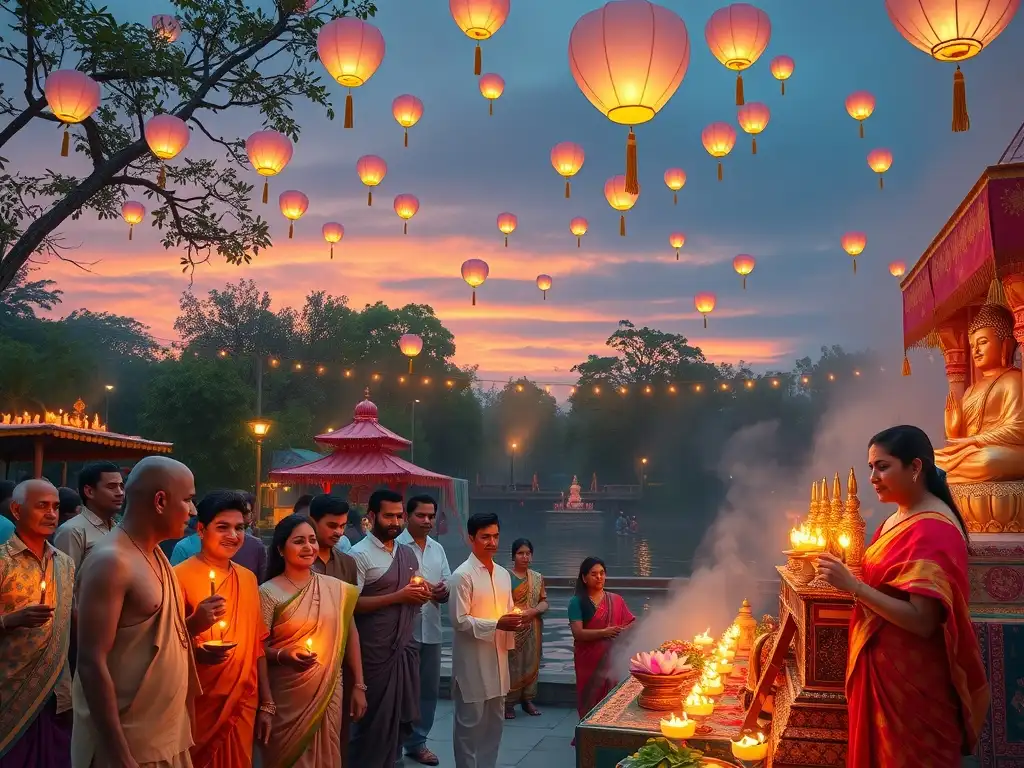
Welcome to Ancient India History, where we embark on a captivating journey through the rich tapestry of ancient Indian civilizations. Today, we delve into the enchanting Vesak Festival in Ancient India, a celebration that marks the birth of the Buddha and showcases the profound spiritual heritage of this extraordinary land. As we explore the vibrant traditions and cultural significance of this festival, you'll uncover the fascinating intersections of religion and society that shaped the lives of millions.
Prepare to be inspired and intrigued as you discover how this ancient celebration continues to resonate through the ages. Dive into the article to experience the splendor of Vesak and its enduring legacy!
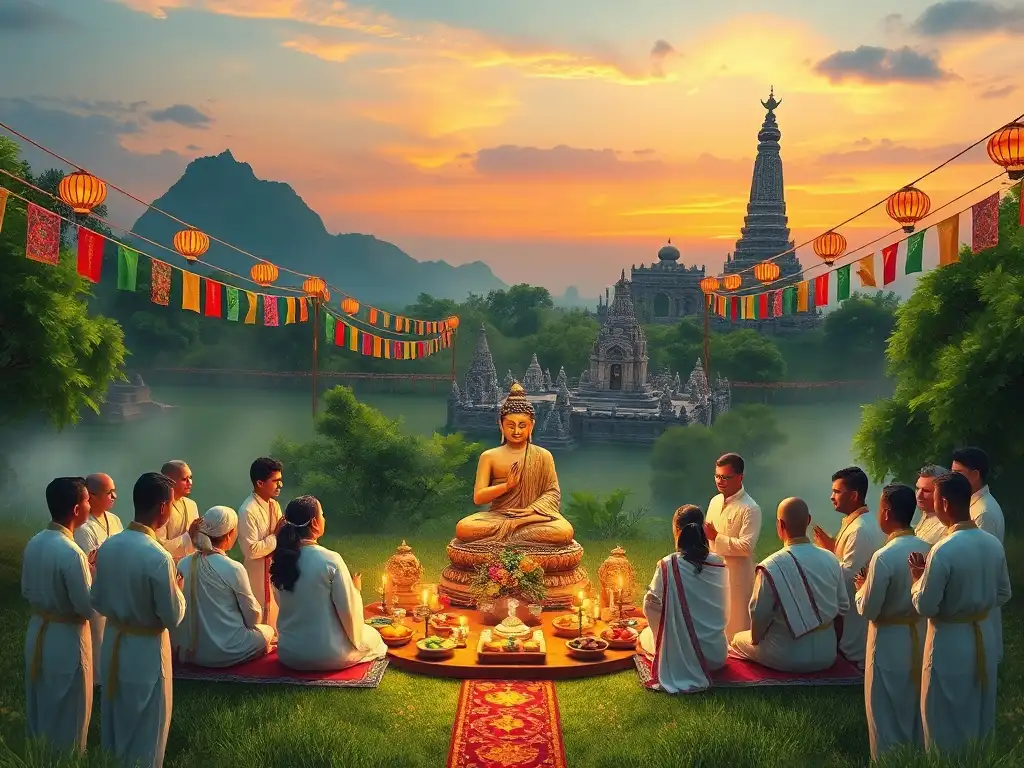
Introduction to the Vesak Festival in Ancient India
The Vesak Festival, also known as Buddha Purnima, is a significant celebration in Buddhism that commemorates the birth, enlightenment, and death of Siddhartha Gautama, who became known as the Buddha. This festival plays a pivotal role in the cultural and spiritual fabric of ancient Indian civilizations, reflecting the teachings of compassion, mindfulness, and enlightenment that emerged from Buddhism.
Understanding the Vesak Festival in the context of ancient India allows us to appreciate the rich tapestry of traditions and beliefs that shaped one of the world's most influential religions. As we explore the Vesak Festival, we uncover not only its historical significance but also its enduring legacy that continues to resonate with millions today.
Overview of Vesak's Significance in Buddhism
The Vesak Festival stands as a cornerstone of Buddhist practice and belief. Celebrated on the full moon in May, it symbolizes the three major events in the life of the Buddha:
- Birth: Siddhartha Gautama was born in Lumbini, Nepal, around the 5th century BCE.
- Enlightenment: At the age of 35, he attained enlightenment under the Bodhi tree in Bodh Gaya.
- Parinirvana: The Buddha passed away at the age of 80 in Kushinagar.
The significance of Vesak transcends mere celebration; it serves as a reminder of the Buddha's teachings and the path to enlightenment. Devotees engage in various practices, including meditation, chanting, and acts of charity, to honor the Buddha's life and teachings. The festival fosters a sense of community among practitioners, reinforcing the principles of compassion and interconnectedness.
Importance of Celebrating the Birth of the Buddha
Celebrating the birth of the Buddha is crucial for several reasons:
- Spiritual Reflection: Vesak provides an opportunity for followers to reflect on their spiritual journey and the teachings of the Buddha.
- Cultural Heritage: The festival embodies the rich cultural heritage of Buddhism, showcasing various traditions and practices across different regions.
- Promotion of Peace and Harmony: Vesak emphasizes the core Buddhist values of peace, kindness, and compassion, encouraging individuals to cultivate these virtues in their daily lives.
As such, the celebration of Vesak is not only a remembrance of the Buddha's historical significance but also an invitation for practitioners to embody his teachings in contemporary society.
Historical Context of Vesak Festival in Ancient India
Origins of Vesak in Ancient Indian Culture
The origins of the Vesak Festival can be traced back to the early days of Buddhism in ancient India. As Buddhism began to take root in the 5th century BCE, the celebration of significant events in the Buddha's life emerged as a way to honor his teachings. The festival likely evolved from various local customs and rituals that marked important lunar events, integrating Buddhist practices over time.
- Cultural Syncretism: The Vesak Festival reflects the blending of Buddhist beliefs with local traditions, creating a unique celebration that varied across regions.
- Influence of Patronage: Historical accounts suggest that royal patronage, particularly during the reign of Emperor Ashoka in the 3rd century BCE, played a significant role in formalizing and promoting the Vesak Festival across ancient India.
These historical roots highlight how Vesak became an integral part of not only religious practice but also social and cultural life in ancient India.
Historical Celebrations of Vesak in Various Regions
Throughout ancient India, the celebrations of the Vesak Festival varied significantly, influenced by regional customs and traditions. Here are some notable examples:
- Bihar: In Bodh Gaya, where the Buddha attained enlightenment, large gatherings and rituals were held, attracting pilgrims and devotees from across the region.
- Sarnath: The site of the Buddha's first sermon became a focal point for Vesak celebrations, with communal prayers and teachings shared among followers.
- Kushinagar: As the site of the Buddha's death, Kushinagar hosted somber yet reflective celebrations, emphasizing the teachings of impermanence and the cycle of life.
These diverse celebrations illustrate the adaptability of the Vesak Festival, demonstrating how ancient Indian culture embraced and elevated the significance of the Buddha's life and teachings across different regions. Each location contributed to a rich mosaic of traditions, ensuring that the essence of Vesak continues to thrive in contemporary Buddhist practice.
Traditions and Rituals of the Vesak Festival
The Vesak Festival, also known as Buddha Purnima, is a significant event in the Buddhist calendar that commemorates the birth, enlightenment, and death of Siddhartha Gautama, who became the Buddha. The festival is celebrated on the full moon in the month of Vaisakha, which typically falls in April or May. Various traditions and rituals are observed during this festival, reflecting the rich tapestry of Buddhist culture and beliefs.
One of the most common traditions during Vesak involves the decoration of temples and homes with flowers, candles, and lanterns. These decorations symbolize purity, light, and the joy of the Buddha's teachings. In many regions, devotees partake in ceremonial rituals that include offering food and flowers at the feet of Buddha statues and participating in chanting sessions that recite the Buddha’s teachings.
Another essential aspect of the Vesak Festival is the practice of giving alms. Monks and laypeople alike engage in acts of charity, offering food, clothing, and other necessities to the less fortunate. This practice not only embodies the spirit of generosity but also serves as a reminder of the interconnectedness of all beings, a core teaching of Buddhism.
Common Practices During the Vesak Festival
During the Vesak Festival, several common practices are observed across different Buddhist communities. Among these, the following stand out:
- Lighting of Lanterns: In many cultures, lighting lanterns is a symbolic act of illuminating the path of wisdom that the Buddha taught. This practice often includes releasing floating lanterns into rivers or the sky, signifying the aspiration for enlightenment.
- Meditation and Reflection: Devotees often engage in meditation to reflect on the Buddha's teachings and their personal spiritual journeys. This time of tranquility allows individuals to cultivate mindfulness and compassion, which are central to Buddhist practice.
- Recitation of Sutras: Chanting specific passages from the Buddhist scriptures, known as sutras, is a common practice during Vesak. These recitations serve to reinforce the teachings of the Buddha and inspire devotees to embody those principles in their daily lives.
- Processions and Festivities: In many regions, vibrant processions take place, featuring traditional music, dance, and colorful displays. These festivities create a communal atmosphere, inviting participation from people of all ages and backgrounds.
Unique Regional Variations of Vesak Celebrations
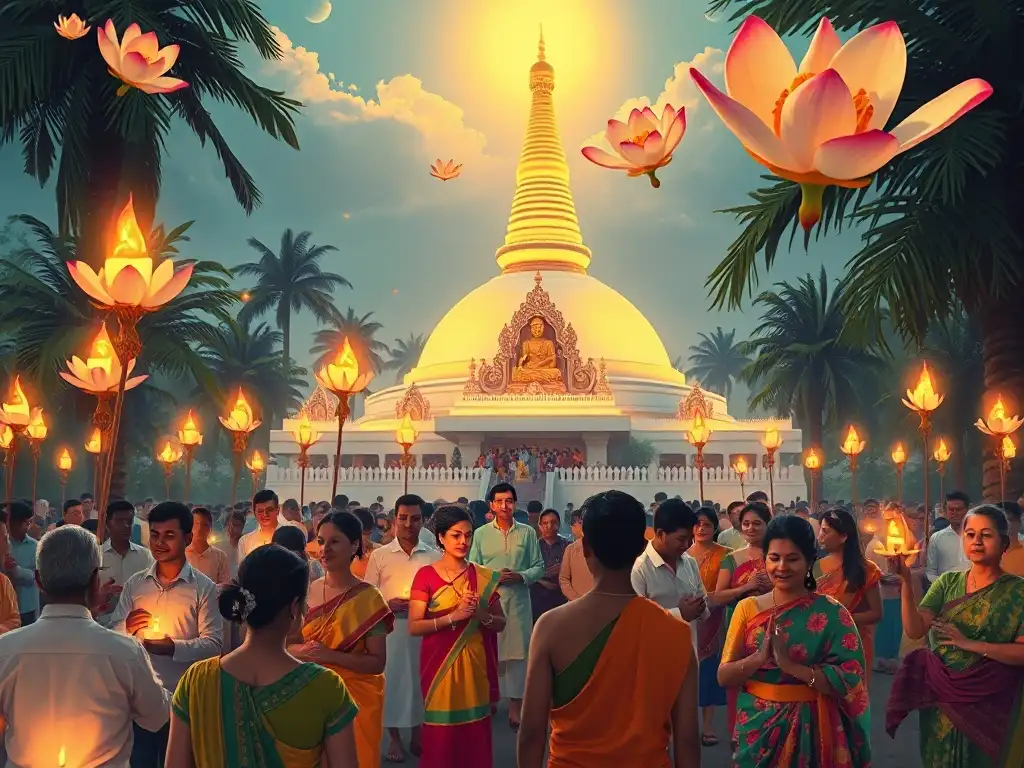
While the core essence of Vesak remains consistent, regional variations add unique flavors to the celebration. Here are some notable differences observed in various cultures:
- Sri Lanka: Vesak in Sri Lanka is marked by the illumination of homes and public places with colorful lanterns. The celebration features large-scale processions known as "Perahera," showcasing traditional dancers, musicians, and beautifully adorned elephants.
- Thailand: In Thailand, Vesak is celebrated with the "Wesak" festival, where people visit temples to make merit. A significant highlight is the ritual of pouring water over Buddha statues as a symbol of purification and blessing.
- Nepal: In Nepal, where the Buddha was born, Vesak is a public holiday. Celebrations often include the reenactment of the Buddha's life events, and many people visit Lumbini, the Buddha's birthplace, to pay homage.
- Vietnam: The festival is known as "Phật Đản" and is celebrated with elaborate ceremonies, including the offering of incense, flowers, and fruits. In many areas, colorful floats depicting scenes from the Buddha's life are paraded through the streets.
The Teachings of Buddha Reflected in Vesak Celebrations
Vesak is not only a time of celebration but also serves as a powerful reminder of the core teachings of the Buddha. The festival encapsulates the essence of the Buddha's messages, emphasizing compassion, mindfulness, and the pursuit of enlightenment.
Key Teachings Observed During Vesak
Several key teachings of the Buddha become particularly evident during Vesak celebrations:
- Compassion (Karuna): The act of giving alms and engaging in charitable acts during Vesak highlights the importance of compassion in Buddhist practice. It serves as a reminder to extend kindness and support to all beings, fostering a sense of community and interdependence.
- Mindfulness (Sati): The emphasis on meditation and reflection during the festival encourages practitioners to cultivate mindfulness in their daily lives. This practice is essential for developing awareness and understanding of oneself and the world.
- Impermanence (Anicca): Celebrating the Buddha’s enlightenment and death reinforces the teaching of impermanence. It serves as a reminder to cherish the present moment and recognize that all things are transient.
How Vesak Reinforces Buddhist Values and Community
The Vesak Festival plays a crucial role in reinforcing Buddhist values and fostering a sense of community among practitioners.
- Collective Participation: The communal nature of Vesak celebrations, characterized by gatherings in temples and public spaces, strengthens bonds among Buddhists. This collective participation nurtures a sense of belonging and shared purpose.
- Renewal of Commitment: Vesak serves as an opportunity for individuals to renew their commitment to the Buddha's teachings. Through participation in rituals and reflection, devotees often emerge with a renewed sense of purpose in their spiritual journeys.
- Educational Opportunities: The festival also provides a platform for teaching and sharing knowledge about Buddhism. Many temples organize talks and discussions that educate attendees about the significance of Vesak and the teachings of the Buddha, promoting a deeper understanding of the faith.
The Vesak Festival is a rich tapestry of traditions, rituals, and teachings that celebrates the life and legacy of the Buddha. Its observance fosters a profound connection among practitioners and reinforces the essential values of compassion, mindfulness, and community within Buddhism.
The Spread of Vesak Celebrations Beyond Ancient India
The festival of Vesak, also known as Buddha Purnima, originated in ancient India, marking the birth, enlightenment, and death of Siddhartha Gautama, the Buddha. As Buddhism spread beyond the Indian subcontinent, so too did the celebrations of Vesak. This expansion began around the 3rd century BCE, during the reign of Emperor Ashoka, who played a pivotal role in the propagation of Buddhism throughout Asia.
As the teachings of the Buddha traveled through trade routes and missionary activities, various cultures began to adopt and adapt Vesak to their local customs and traditions. In countries like Sri Lanka, Thailand, Myanmar, and Japan, Vesak celebrations evolved, reflecting the unique cultural contexts while maintaining the core principles of honor and reverence for the Buddha. Each region incorporated its own rituals, decorations, and communal activities, making Vesak a diverse celebration of shared Buddhist heritage.
Vesak's Influence on Buddhism Across Asia
The influence of Vesak on Buddhism in various Asian cultures is profound. In Sri Lanka, for instance, Vesak is a national holiday marked by colorful lanterns and processions that symbolize enlightenment. The event serves as a reminder of the Buddha's teachings and encourages acts of kindness and charity. In Thailand, the festival is celebrated with merit-making activities, including the release of caged birds, symbolizing the release from suffering.
In East Asia, particularly in countries like China and Japan, Vesak is celebrated in conjunction with the teachings of Mahayana Buddhism. Here, it often coincides with other significant festivals, such as the Lotus Lantern Festival in Korea, where people light lanterns to symbolize the light of the Buddha's wisdom. This regional adaptation showcases the flexibility and resilience of Buddhist traditions as they integrate into different cultural landscapes.
Modern Celebrations of Vesak Around the World
Today, Vesak is celebrated worldwide, transcending its ancient Indian roots. In countries with significant Buddhist populations, such as Thailand, Cambodia, and Vietnam, the festival is marked by public holidays, processions, and various community events. In modern urban settings, Vesak celebrations have also taken on a more global character, with interfaith dialogues and cultural exchanges that promote understanding and peace.
In addition to traditional practices, contemporary Vesak celebrations often include community service initiatives, environmental awareness campaigns, and educational programs that emphasize the values of compassion and mindfulness. This evolution reflects a blend of ancient traditions with modern sensibilities, making Vesak a relevant and dynamic festival that resonates with people across different backgrounds.
Conclusion: The Enduring Legacy of the Vesak Festival in Buddhism
The Vesak festival embodies the enduring legacy of the Buddha's teachings and their impact on cultures around the world. From its origins in ancient India to its global adaptations, Vesak serves as a catalyst for community engagement, spiritual reflection, and cultural exchange. The festival's emphasis on compassion, wisdom, and mindfulness continues to inspire millions, fostering a sense of unity among diverse Buddhist communities.
Reflection on the Cultural Impact of Vesak in Ancient India
In ancient India, Vesak was not just a religious observance but also a significant cultural event that brought communities together. It served as a platform for sharing knowledge, promoting social welfare, and reinforcing the values of Buddhism. The rituals associated with Vesak, including meditation, chanting, and acts of charity, shaped the moral and ethical framework of ancient Indian society, highlighting the interconnectedness of spirituality and daily life.
Moreover, the celebration facilitated the exchange of ideas and practices, contributing to the rich tapestry of Indian culture. It played a crucial role in disseminating Buddhist philosophy, influencing art, literature, and social norms. The cultural impact of Vesak in ancient India laid the groundwork for the festival's evolution in the centuries that followed, solidifying its importance within the broader context of Indian heritage.
The Modern Relevance of Vesak Celebrations Today
In the contemporary world, the relevance of Vesak celebrations is more pronounced than ever. The festival has become a platform for promoting peace, tolerance, and understanding in an increasingly polarized society. By emphasizing the core teachings of the Buddha—compassion, non-violence, and mindfulness—Vesak offers a timely reminder of the values that can bridge cultural and religious divides.
Additionally, the modern observance of Vesak encourages individuals and communities to engage in social justice and environmental stewardship. As global challenges such as climate change and inequality persist, the principles embodied in Vesak inspire collaborative efforts towards creating a more harmonious and equitable world. Through education, community service, and interfaith dialogues, the Vesak festival continues to resonate with contemporary audiences, affirming its significance as a beacon of hope and inspiration for generations to come.
- Introduction to the Vesak Festival in Ancient India
- Historical Context of Vesak Festival in Ancient India
- Traditions and Rituals of the Vesak Festival
- Common Practices During the Vesak Festival
- Unique Regional Variations of Vesak Celebrations
- The Teachings of Buddha Reflected in Vesak Celebrations
- The Spread of Vesak Celebrations Beyond Ancient India
- Conclusion: The Enduring Legacy of the Vesak Festival in Buddhism
Frequently Asked Questions
What is the Vesak Festival?
The Vesak Festival is a significant celebration in Buddhism, marking the birth, enlightenment, and death of the Buddha. It is observed during the full moon in May.
How was Vesak celebrated in ancient India?
In ancient India, the Vesak Festival involved rituals such as offerings, meditation, and processions to honor the Buddha. It was a time for communal gatherings and spiritual reflection.
What contributions did ancient Indian civilizations make to the Vesak Festival?
Ancient Indian civilizations contributed to the Vesak Festival by establishing Buddhist temples and monastic communities, which became centers for celebration and spiritual teachings.
How does the Vesak Festival reflect ancient Indian culture?
The Vesak Festival embodies the values of compassion, peace, and community prevalent in ancient Indian culture. It served to strengthen social bonds among followers of Buddhism.
In what ways has the Vesak Festival evolved over time?
While the core significance of the Vesak Festival remains, it has evolved to include diverse rituals and traditions across different countries, reflecting local cultures and practices influenced by ancient India.
Final Reflection: Embracing the Spirit of Vesak in Modern Times
The Vesak Festival in Ancient India serves as a profound reminder of the values of compassion, mindfulness, and enlightenment that continue to resonate in our contemporary society. In a world often overshadowed by chaos and division, the celebration of the Buddha's birth invites us to pause and reflect on the teachings that promote peace and understanding. This ancient festival is not merely a historical event; it is a living tradition that inspires us to cultivate inner harmony and foster connections with others.
The impact of the Vesak Festival extends far beyond its origins, influencing cultural practices and social values across the globe. As we witness the growing emphasis on mindfulness and compassion in various aspects of life, the teachings of the Buddha remind us of our shared humanity. Peace comes from within. Do not seek it without.
This quote encapsulates the essence of Vesak, urging us to look inward for the peace we seek in our external world. The festival encourages communities to come together, transcending barriers and celebrating diversity, while also nurturing individual growth and self-awareness.
As we reflect on the significance of the Vesak Festival, let us embrace its teachings in our daily lives. I invite you, dear reader, to take a moment to consider how you can embody the spirit of compassion and mindfulness in your interactions with others. Whether through acts of kindness, moments of reflection, or simply being present in the moment, each of us has the power to contribute to a more peaceful and harmonious world. Together, let us carry forward the legacy of Vesak, ensuring that its light continues to shine brightly for generations to come.
Thank you for exploring the vibrant traditions of the Festival of Vesak with us! We hope you discovered the profound significance of this celebration and how it brings communities together in mindfulness and compassion. Now, let's put that inspiration into action!
Here are some meaningful steps you can take to fully embrace the spirit of Vesak:
- Join a Local Celebration: Seek out a nearby event or temple that hosts Vesak festivities and participate in the rituals, prayers, and community gatherings.
- Reflect and Meditate: Create a personal moment of peace and reflection; try a short meditation or journaling exercise focusing on gratitude and compassion, inspired by the teachings of the Buddha.
- Share Your Experience: Document your Vesak celebration on social media to connect with others and inspire them to join in the festivities!
As you contemplate these actions, we encourage you to think about this: How can you incorporate the teachings of compassion and mindfulness from Vesak into your daily life? We’d love to hear your thoughts!