
The Role of the Bodhisattvas: Key Figures in the Mahayana Tradition


Welcome to Ancient India History, where we embark on a captivating journey through the intricate tapestry of ancient Indian civilizations. Here, we delve into the profound cultural and historical contributions that shaped the subcontinent, from the enigmatic Indus Valley to the illustrious Gupta Empire. In our featured article, “The Role of the Bodhisattvas: Key Figures in the Mahayana Tradition,” we uncover the significance of Bodhisattvas in Mahayana Buddhism—figures of compassion and wisdom who play a pivotal role in spiritual enlightenment.
Join us as we explore these remarkable entities and their enduring impact on the evolution of ancient Indian religions. Prepare to be inspired and intrigued as you uncover the depths of this remarkable tradition!
- Introduction to Bodhisattvas in Mahayana Buddhism
- Historical Context of Bodhisattvas in Mahayana Buddhism
- Key Characteristics of Bodhisattvas
- Prominent Bodhisattvas in Mahayana Buddhism
- The Role of Bodhisattvas in Mahayana Practices
- The Impact of Bodhisattvas on Buddhist Philosophy
- Conclusion: The Enduring Legacy of Bodhisattvas in Mahayana Buddhism
- References and Further Reading on Bodhisattvas in Mahayana Buddhism
- Frequently Asked Questions
- Final Reflection: The Enduring Legacy of Bodhisattvas in Mahayana Buddhism
- Embark on Your Journey to Enlightenment!
Introduction to Bodhisattvas in Mahayana Buddhism
The concept of Bodhisattvas is central to Mahayana Buddhism, representing a profound aspect of its philosophy and practice. Unlike the traditional notion of an Arhat, who seeks personal enlightenment and liberation from the cycle of birth and rebirth, a Bodhisattva is motivated by compassion and altruism, aspiring to attain Buddhahood not only for themselves but for all sentient beings. This selfless path emphasizes the interconnectedness of all life and the importance of helping others achieve their spiritual goals.
Bodhisattvas serve as guiding figures within the Mahayana tradition, embodying virtues such as compassion, wisdom, and dedication, which are essential for practitioners on their spiritual journeys. Their stories and teachings provide inspiration and a clear example of how one can live a life committed to the welfare of others while striving for enlightenment.
Definition of Bodhisattvas
In Mahayana Buddhism, a Bodhisattva is defined as an individual who has generated the Bodhicitta, the intention to attain enlightenment for the benefit of all beings. The term itself combines "bodhi," meaning enlightenment, and "sattva," meaning sentient being. Bodhisattvas are often viewed as enlightened beings who delay their own full enlightenment in order to assist others in achieving it. This path is characterized by the cultivation of the Six Perfections ( Paramitas), which include:
- Generosity (Dana) - The practice of giving and sharing.
- Ethical Conduct (Sila) - Upholding moral precepts and living virtuously.
- Patience (Kshanti) - Developing tolerance and forbearance.
- Diligence (Virya) - Cultivating energy and enthusiasm in practice.
- Concentration (Dhyana) - Fostering mental focus and meditation.
- Wisdom (Prajna) - Gaining insight into the nature of reality.
Bodhisattvas can be seen as embodiments of these virtues, illustrating the profound ethical and philosophical underpinnings of Mahayana Buddhism.
Importance of Bodhisattvas in Mahayana Tradition
Bodhisattvas hold a pivotal role in the Mahayana tradition, shaping its teachings and practices. They are not only revered as ideal figures but also serve as the central focus of devotion and inspiration for practitioners. Their significance can be summarized in several key points:
- Compassionate Role Models: Bodhisattvas exemplify the ideal qualities of compassion and altruism, encouraging practitioners to cultivate these attributes in their own lives.
- Spiritual Guidance: Many Bodhisattvas are associated with specific virtues and qualities, offering guidance to followers. For instance, Avalokiteshvara, the Bodhisattva of compassion, embodies the essence of empathy and mercy, while Manjushri, the Bodhisattva of wisdom, represents the pursuit of knowledge and understanding.
- Intercession and Assistance: In Mahayana belief, Bodhisattvas actively assist sentient beings in their spiritual journeys, providing support, protection, and inspiration through prayer and intervention.
- Symbol of Hope: The existence of Bodhisattvas symbolizes the potential for all beings to attain enlightenment and underscores the belief in the possibility of collective liberation.
The Bodhisattva path encourages practitioners to move beyond self-centered aspirations, fostering a community-oriented mindset that is vital in Mahayana Buddhism. By embodying the principles of compassion and wisdom, Bodhisattvas serve as both guides and guardians on the path to enlightenment, making their role indispensable in the rich tapestry of Mahayana teachings.
Historical Context of Bodhisattvas in Mahayana Buddhism

Origins of the Bodhisattva Ideal
The concept of the Bodhisattva emerges from the early teachings of Buddhism, particularly in the context of the life of Siddhartha Gautama, who became the Buddha. Initially, the term referred to the Buddha-to-be, emphasizing the journey toward enlightenment. This ideal is rooted in the Jataka tales, stories of the Buddha's previous lives that highlight his compassion and self-sacrifice. The Bodhisattva path is characterized by the commitment to attain enlightenment not just for oneself but for the benefit of all sentient beings.
The Bodhisattva ideal became more pronounced with the rise of Mahayana Buddhism around the 1st century CE. Unlike the Hinayana (or Theravada) tradition, which prioritizes individual enlightenment, Mahayana emphasizes the importance of altruism. The Bodhisattvas embody this altruistic spirit, vowing to delay their own nirvana in order to assist others in achieving liberation. This shift reflects a broader philosophical evolution within Buddhism, highlighting the interconnectedness of all beings and the importance of compassion.
Evolution of Bodhisattvas in Early Buddhism
As Mahayana Buddhism developed, the role and representation of Bodhisattvas underwent significant transformation. Initially, Bodhisattvas were seen as historical figures, such as Avalokiteshvara, the Bodhisattva of compassion, and Manjushri, the Bodhisattva of wisdom. These figures began to be revered not only as ideals to aspire to but also as deities in their own right, representing various aspects of enlightenment.
The Mahayana Sutras, such as the Lotus Sutra and the Heart Sutra, played a crucial role in articulating the characteristics and virtues of Bodhisattvas. The Lotus Sutra, in particular, presents the Bodhisattva as a universal savior, capable of responding to the needs of countless beings across different realms. This text introduced the notion of the Bodhisattva vow, a solemn commitment to work towards the enlightenment of all sentient beings.
The evolution of Bodhisattvas also brought about a diversification of their roles and attributes. Various forms of Bodhisattvas began to embody specific qualities or functions, leading to an intricate pantheon within Mahayana Buddhism. For example:
- Avalokiteshvara: Represents compassion and mercy.
- Manjushri: Symbolizes wisdom and insight.
- Ksitigarbha: Protector of beings in hell and guardian of children.
As these figures gained prominence, their worship became more widespread, with rituals and practices emerging around them. The Bodhisattvas became central to Mahayana devotional practices, reflecting the evolving understanding of enlightenment as a communal rather than an individual endeavor.
Through these developments, Bodhisattvas in Mahayana Buddhism illustrate the rich tapestry of beliefs and practices that define this tradition, emphasizing the importance of compassion, altruism, and collective liberation.
Key Characteristics of Bodhisattvas
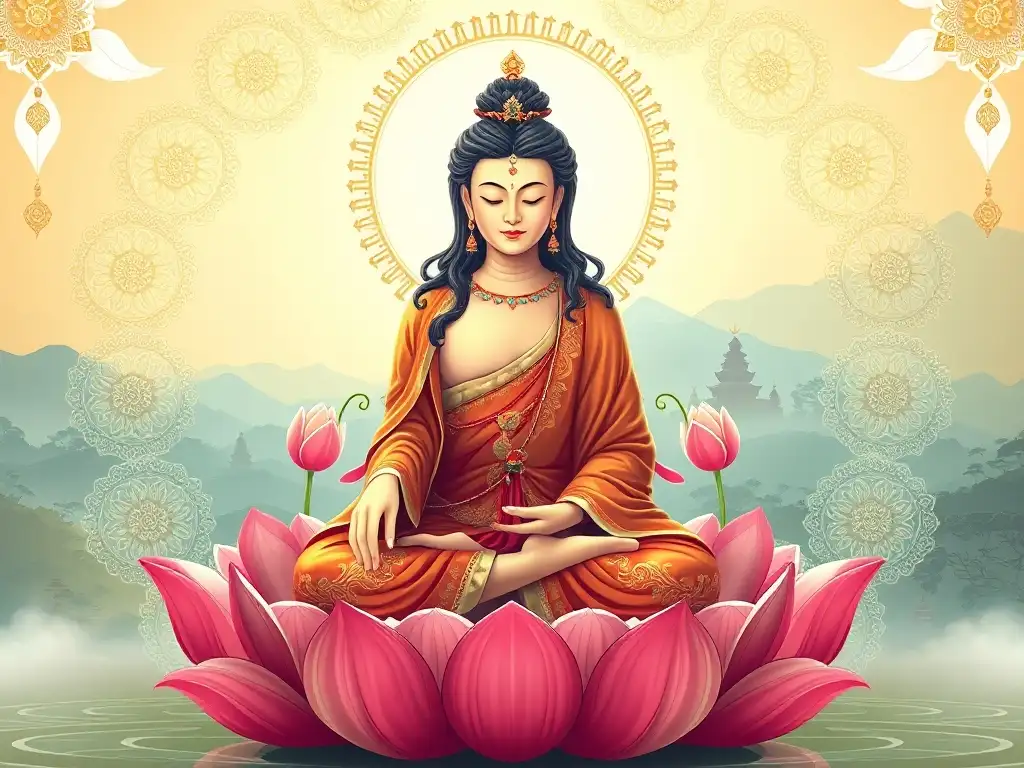
Bodhisattvas in Mahayana Buddhism embody essential characteristics that distinguish them as pivotal figures within this spiritual tradition. These beings are not merely practitioners on the path to enlightenment; they represent a profound commitment to the welfare of all sentient beings. The essence of their role can be captured in three key traits: compassion, the Bodhisattva vow, and the application of wisdom and skillful means.
Compassion and Altruism in Bodhisattvas
At the heart of the Bodhisattva ideal is compassion (karuṇā). This deep sense of empathy drives Bodhisattvas to alleviate the suffering of others. Unlike the Arhat in Theravada Buddhism, who seeks personal enlightenment, Bodhisattvas actively delay their own entry into Nirvana to assist others in achieving liberation.
- Manifestations of Compassion:
- Acts of Service: Bodhisattvas engage in various altruistic activities, such as teaching the Dharma, providing guidance, and performing charitable acts.
- Universal Responsibility: They embrace the notion that all beings are interconnected, which underlines their commitment to helping even the most marginalized.
- Compassionate Figures in Mahayana Buddhism:
- Avalokiteshvara: Often referred to as the embodiment of compassion, this Bodhisattva is depicted with multiple arms, symbolizing the ability to reach out and assist countless beings simultaneously.
- Manjushri: Although primarily recognized for his wisdom, as a Bodhisattva, he also embodies compassion, wielding a sword that cuts through ignorance.
The Bodhisattva Vow: Commitment to Enlightenment
The Bodhisattva vow serves as a formal commitment to achieving enlightenment for the sake of all beings. This vow is a declaration that one will work towards Buddhahood while assisting others on their spiritual journeys.
- Structure of the Vow:
- The essence of the vow can be distilled into two primary commitments:
- To attain enlightenment: Bodhisattvas aspire to become Buddhas, fully awakening to the truth.
- To assist all sentient beings: They pledge to help others overcome suffering and ignorance.
- The essence of the vow can be distilled into two primary commitments:
- Significance of the Vow:
- This vow not only reinforces the altruistic nature of Bodhisattvas but also emphasizes the interdependence of all beings. By committing to this path, Bodhisattvas cultivate qualities such as patience, perseverance, and generosity.
The Role of Wisdom and Skillful Means
In Mahayana Buddhism, wisdom (prajñā) is paramount, and Bodhisattvas utilize it alongside skillful means (upaya) to guide others effectively towards enlightenment.
- Wisdom as a Tool:
- Wisdom enables Bodhisattvas to discern the true nature of reality, including the impermanent and interconnected aspects of existence. This insight allows them to identify the most effective ways to assist others.
- Skillful Means:
- Bodhisattvas tailor their teachings and actions to suit the unique needs of different beings. This adaptability is crucial, as it recognizes that individuals may require distinct approaches based on their circumstances and level of understanding.
- Examples of Skillful Means:
- Using parables and metaphors to convey complex spiritual concepts.
- Engaging in practices that resonate with the cultural and social contexts of various communities.
The Bodhisattvas in Mahayana Buddhism are characterized by their compassion, commitment through the Bodhisattva vow, and the application of wisdom and skillful means. These traits not only define their personal journey towards enlightenment but also underline their essential role as compassionate guides for all sentient beings.
Prominent Bodhisattvas in Mahayana Buddhism
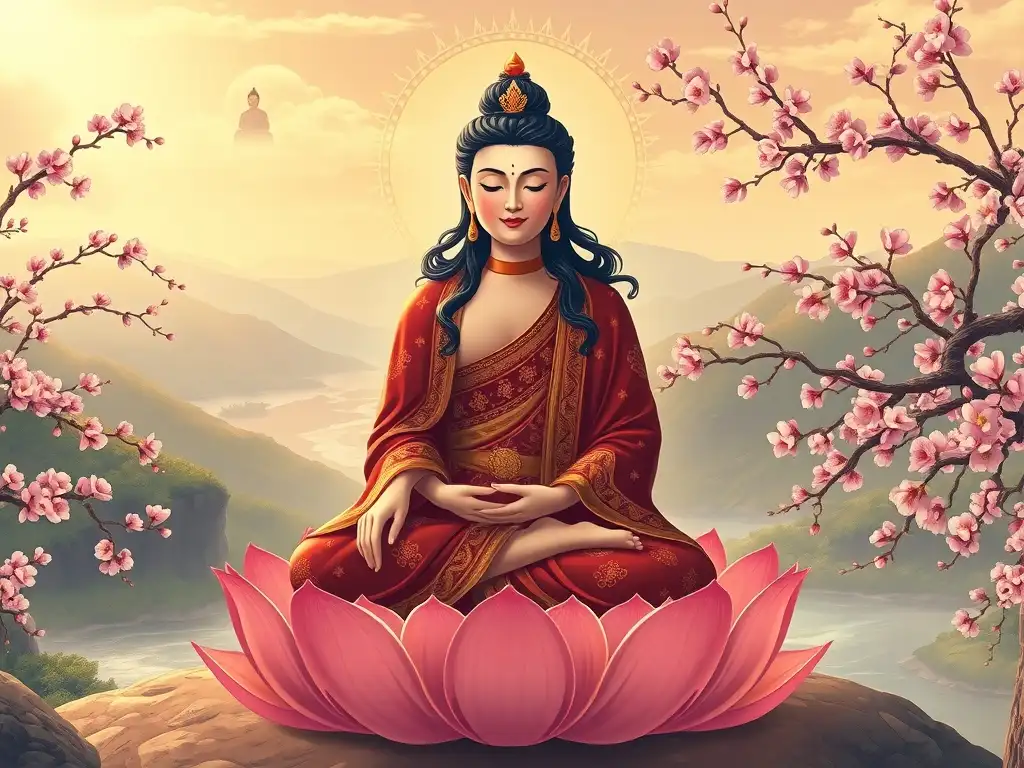
In Mahayana Buddhism, Bodhisattvas play an essential role in guiding sentient beings toward enlightenment. These figures embody the virtues of compassion, wisdom, and dedication to the welfare of others. Below are some of the most prominent Bodhisattvas recognized within the Mahayana tradition.
Avalokiteshvara: The Bodhisattva of Compassion
Avalokiteshvara, known as the Bodhisattva of Compassion, is perhaps the most revered figure in Mahayana Buddhism. Often depicted with multiple arms, symbolizing his ability to reach out to all beings in need, Avalokiteshvara embodies the essence of compassion and mercy.
Attributes and Iconography:
- Multiple Arms: Each arm represents a different aspect of compassion, reaching out to help those in suffering.
- Thousand Eyes: These symbolize his ability to see the suffering of all beings, ensuring no one is overlooked.
- Mantra: His mantra, "Om Mani Padme Hum," is central to his practice, believed to invoke his compassionate energy.
Avalokiteshvara is particularly significant in various cultures, including Tibetan Buddhism, where he is known as Chenrezig. The Dalai Lama is considered an incarnation of Avalokiteshvara, further demonstrating his importance within this tradition.
Manjushri: The Bodhisattva of Wisdom
Manjushri, the Bodhisattva of Wisdom, represents the enlightened wisdom that transcends mere knowledge. He is often depicted wielding a sword that cuts through ignorance and delusion, illuminating the path toward understanding and insight.
Attributes and Iconography:
- Sword: Symbolizes the power of wisdom to sever ignorance and delusion.
- Lotus Flower: Often found in his other hand, representing purity and the blossoming of wisdom.
- Text: Frequently shown holding a scripture, signifying the importance of teachings in attaining wisdom.
In Mahayana teachings, Manjushri is often invoked for clarity and insight, making him a popular figure among scholars and practitioners seeking deeper understanding. His teachings emphasize the necessity of wisdom in the quest for enlightenment.
Kshitigarbha: The Bodhisattva of the Earth
Kshitigarbha, known as the Bodhisattva of the Earth, is recognized for his vow to assist beings in the hell realms and those who have not yet attained enlightenment. His compassion extends to all realms of existence, emphasizing the importance of helping those in the most dire circumstances.
Attributes and Iconography:
- Staff: Kshitigarbha is often depicted with a staff that has a jewel on the top, symbolizing his ability to guide beings out of suffering.
- Earthly Connection: His name translates to "Earth Store," highlighting his role in nurturing and protecting all sentient beings.
- Bodhisattva Vows: He is known for his vows to not attain Buddhahood until all beings are liberated from suffering.
Kshitigarbha's compassion and dedication to those in lower realms make him a unique figure within the Mahayana tradition. His teachings remind practitioners of the importance of selfless service and the potential for redemption for all beings.
The Bodhisattvas in Mahayana Buddhism serve as inspirational figures, exemplifying the values of compassion, wisdom, and selfless commitment to the welfare of others. Their teachings and attributes provide profound insights into the practice of Buddhism and the path toward enlightenment.
Samantabhadra: The Bodhisattva of Universal Virtue
Samantabhadra, known as the Bodhisattva of Universal Virtue, holds a significant place within Mahayana Buddhism. He is often depicted as the embodiment of altruistic action and the ideal practitioner of the Bodhisattva path. His name translates to "Always Good," which reflects his role as a figure who encourages virtuous actions and the cultivation of moral conduct among practitioners.
One of the most distinctive features of Samantabhadra is his association with the practice of the Ten Great Vows. These vows emphasize the importance of selfless acts, compassion, and the aspiration to achieve Buddhahood not just for oneself, but for the benefit of all sentient beings. This selfless dedication is a core tenet of Mahayana Buddhism, positioning Samantabhadra as a model for followers who seek to emulate his virtues.
In iconography, Samantabhadra is typically depicted riding a white elephant, symbolizing strength, wisdom, and the capacity to overcome obstacles. This imagery reinforces his role as a protector of the Dharma and a guide for practitioners on their spiritual journey. Furthermore, he is often shown alongside other key figures, such as Manjushri, the Bodhisattva of Wisdom, highlighting the interconnectedness of wisdom and ethical conduct in the path to enlightenment.
Samantabhadra's teachings and practices are particularly emphasized in texts such as the "Samantabhadra's Aspiration to Enlightenment", which outlines the importance of generating the wish to attain Buddhahood for all beings. His influence extends beyond theoretical teachings; he is revered in various Mahayana traditions and is especially significant in the context of Tibetan Buddhism, where he is often invoked in rituals and prayers.
Samantabhadra stands as a pivotal figure in Mahayana Buddhism, representing the essential virtues of compassion, moral integrity, and the drive to benefit all beings. His teachings continue to inspire practitioners to cultivate a spirit of universal virtue, making him a beloved and respected Bodhisattva in the Mahayana tradition.
The Role of Bodhisattvas in Mahayana Practices
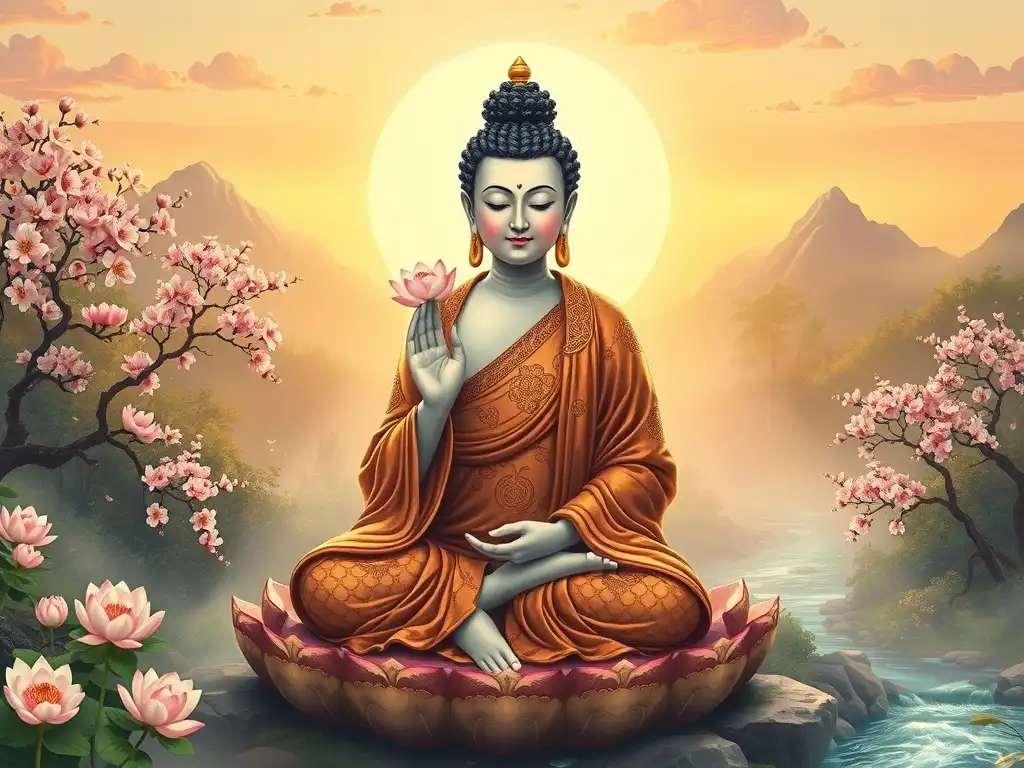
Bodhisattvas hold a central place in Mahayana Buddhism, embodying the ideal of compassion and selfless service. Unlike the Arhat ideal prominent in Theravada Buddhism, which focuses on individual enlightenment, the Bodhisattva path emphasizes the collective liberation of all beings. This distinction influences various practices, teachings, and cultural expressions within Mahayana traditions.
Bodhisattvas are often depicted in various forms, each representing specific qualities or virtues. Some of the most revered Bodhisattvas include Avalokiteshvara, the embodiment of compassion; Manjushri, symbolizing wisdom; and Ksitigarbha, known for his vow to assist beings in lower realms. These figures not only serve as spiritual guides but also as sources of inspiration for practitioners seeking to cultivate the same qualities in their own lives.
Bodhisattvas in Mahayana Sutras
Mahayana Sutras are foundational texts that articulate the teachings and principles of the Bodhisattva path. Key scriptures such as the Lotus Sutra, Heart Sutra, and Avatamsaka Sutra extensively discuss the role of Bodhisattvas, emphasizing their vows, practices, and the qualities they embody.
- The Lotus Sutra presents the concept of the Bodhisattva as a universal savior, illustrating how Bodhisattvas can manifest in various forms to help sentient beings. It encourages practitioners to aspire to the Bodhisattva ideal, highlighting the importance of compassionate action.
- The Heart Sutra encapsulates profound teachings on emptiness and wisdom, often associated with the Bodhisattva Manjushri. It emphasizes the interdependence of all phenomena and the necessity of cultivating wisdom to attain enlightenment for oneself and others.
- The Avatamsaka Sutra provides elaborate descriptions of the Bodhisattva's practice and the intricate network of relationships among all beings. It portrays the Bodhisattva's journey as one of profound interconnectedness, revealing how their actions ripple through the fabric of existence.
The teachings in these sutras not only guide individual practitioners but also shape the broader Mahayana Buddhist community's understanding of compassion and altruism.
Rituals and Devotional Practices Involving Bodhisattvas
Rituals and devotional practices centered around Bodhisattvas are integral to Mahayana Buddhism, serving as expressions of faith and avenues for spiritual development. Common practices include:
- Bodhisattva Vows: Practitioners often take vows to become Bodhisattvas, committing themselves to work for the enlightenment of all beings. These vows are typically recited in ceremonies, reinforcing the individual’s dedication to the Bodhisattva path.
- Chanting and Mantras: Many Mahayana Buddhists engage in chanting the names of Bodhisattvas, such as Avalokiteshvara’s mantra, "Om Mani Padme Hum." This practice is believed to invoke the Bodhisattva's compassion and blessings, aiding practitioners in their spiritual journey.
- Offering Rituals: Devotional offerings, such as flowers, incense, and food, are made at Bodhisattva altars. These acts symbolize the practitioner's gratitude and the aspiration to cultivate virtues represented by the Bodhisattvas.
- Meditation on Bodhisattvas: Guided meditations focusing on the qualities of Bodhisattvas help practitioners internalize their attributes, fostering compassion, wisdom, and a deeper understanding of interconnectedness.
These rituals not only enhance personal practice but also strengthen community bonds, as practitioners gather to collectively express devotion and support each other’s spiritual aspirations.
The Influence of Bodhisattvas on Buddhist Communities
The presence of Bodhisattvas significantly influences the dynamics of Buddhist communities within the Mahayana tradition. Their ideals encourage a communal approach to spirituality, fostering an environment of mutual support and collective responsibility.
Bodhisattvas serve as role models, inspiring practitioners to adopt compassionate attitudes and engage in altruistic actions. Communities often organize activities focused on social service, reflecting the Bodhisattva commitment to the welfare of others. This can include:
- Charitable Works: Many Buddhist organizations emphasize service-oriented activities, such as providing food, education, and healthcare to marginalized communities, embodying the Bodhisattva's compassionate spirit.
- Interfaith Dialogues: Bodhisattvas promote the ideals of understanding and compassion across different faiths, leading to collaborative efforts that seek peace and harmony in diverse societies.
- Mentorship Programs: Experienced practitioners often take on mentorship roles, guiding newer members in practicing Bodhisattva ideals, thus ensuring the continuity and evolution of these values within the community.
Bodhisattvas play a pivotal role in shaping Mahayana Buddhism, influencing not only individual practitioners but also the broader community through their teachings, rituals, and the embodiment of compassion. Their impact extends beyond religious practices into societal realms, fostering a culture of care and interconnectedness that remains relevant in contemporary Buddhist life.
The Impact of Bodhisattvas on Buddhist Philosophy

The role of Bodhisattvas in Mahayana Buddhism profoundly influenced Buddhist philosophy, emphasizing compassion and altruism. Unlike the earlier Theravada tradition, which primarily focused on individual enlightenment, Mahayana Buddhism expanded the notion of spiritual attainment to include the aspiration to help others achieve enlightenment. This shift is pivotal in understanding the transformative impact of Bodhisattvas on Buddhist thought.
Bodhisattvas and the Concept of Emptiness
One of the central tenets of Mahayana Buddhism is the concept of emptiness ( śūnyatā), which posits that all phenomena are devoid of inherent existence. Bodhisattvas personify this principle, illustrating that they, too, are not separate entities but rather interconnected with all sentient beings. This understanding encourages practitioners to cultivate compassion and wisdom, leading to the alleviation of suffering.
Bodhisattvas such as Avalokiteshvara and Manjushri exemplify this idea. Avalokiteshvara, often associated with compassion, embodies the wish to relieve the suffering of others. His mantra, "Om Mani Padme Hum," is a call for compassion that resonates deeply within the Mahayana tradition. In contrast, Manjushri, representing wisdom, teaches that true understanding of emptiness leads to the realization of interconnectedness and compassion.
The teachings surrounding Bodhisattvas serve to deepen practitioners’ understanding of emptiness by emphasizing that the realization of one's own emptiness must be coupled with the commitment to help alleviate the suffering of all beings. Thus, the Bodhisattva path becomes a profound journey of both personal and collective enlightenment.
The Interconnectedness of All Beings
The philosophy surrounding Bodhisattvas highlights the interconnectedness of all beings, emphasizing that individual enlightenment is intertwined with the well-being of others. This perspective fosters a sense of responsibility among practitioners to engage in actions that benefit not only themselves but also the larger community of sentient beings.
The Bodhisattva Vow, a fundamental commitment within Mahayana Buddhism, encapsulates this interconnectedness. By taking the vow, practitioners pledge to attain Buddhahood for the sake of all beings, thus prioritizing collective liberation over individual gain. This commitment encourages a shift in focus from personal desires to the welfare of others, promoting a culture of compassion and altruism.
Moreover, the stories and teachings of famous Bodhisattvas, such as Ksitigarbha, who vows to assist beings in the hell realms, exemplify the deep commitment to interconnection. Ksitigarbha’s compassion is a powerful reminder that spiritual growth cannot be separated from the suffering of others; his actions inspire practitioners to act with kindness and empathy.
The Bodhisattvas in Mahayana Buddhism play a crucial role in shaping Buddhist philosophy by emphasizing emptiness and the interconnectedness of all beings. Their teachings inspire followers to cultivate compassion, wisdom, and a profound commitment to the liberation of all sentient beings, marking a significant evolution in the understanding of spiritual practice within the tradition.
Conclusion: The Enduring Legacy of Bodhisattvas in Mahayana Buddhism
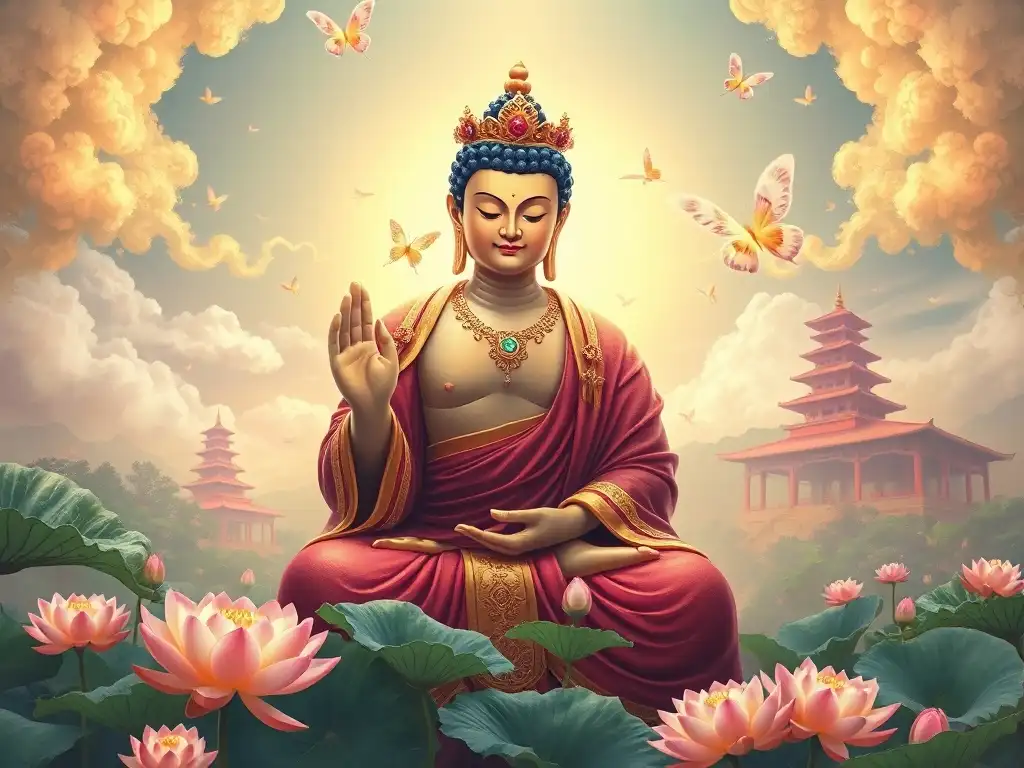
The legacy of Bodhisattvas in Mahayana Buddhism is profound and multi-faceted, shaping not only the religious practices within the tradition but also influencing broader cultural and philosophical discourses. As embodiments of compassion and altruism, Bodhisattvas serve as ideal figures who inspire practitioners to cultivate qualities that lead toward enlightenment for the benefit of all sentient beings. Their narratives, teachings, and representations in art and literature continue to resonate with both followers of Mahayana Buddhism and those outside the tradition, highlighting the universal values they embody.
The Bodhisattva path emphasizes the importance of selflessness and the commitment to helping others achieve liberation from suffering. This commitment is reflected in the various vows taken by Bodhisattvas, such as the aspiration to attain Buddhahood for the sake of all beings. The enduring legacy of these ideals can be seen in the practices of compassion and service that have become integral to Mahayana communities around the world.
Bodhisattvas in Contemporary Buddhist Practice
In contemporary Buddhist practice, Bodhisattvas remain central figures, representing the ideal qualities that practitioners strive to emulate. Rituals and devotional practices often involve invoking the names of Bodhisattvas such as Avalokiteshvara (Kannon) and Manjushri, who symbolize compassion and wisdom, respectively. These figures are not only revered in temples but also play a significant role in the daily lives of practitioners.
- Meditation Practices: Many meditation techniques focus on the qualities of Bodhisattvas. For instance, practitioners may engage in compassion meditation (metta), visualizing the Bodhisattva Avalokiteshvara and cultivating loving-kindness toward all beings.
- Community Engagement: Modern Mahayana communities often embody Bodhisattva ideals through social engagement and activism. Initiatives that focus on alleviating poverty, promoting education, and fostering inclusivity reflect the Bodhisattva commitment to service.
- Art and Literature: The portrayal of Bodhisattvas in contemporary art and literature continues to inspire and educate. Their stories are often retold in ways that resonate with modern sensibilities, emphasizing the relevance of their teachings in addressing current social issues.
The presence of Bodhisattvas in these practices underscores their role as guiding lights for practitioners navigating the complexities of contemporary life.
The Relevance of Bodhisattva Ideals in Modern Society
The ideals of the Bodhisattva resonate deeply within modern society, transcending cultural and geographical boundaries. In an era marked by increasing challenges such as climate change, social injustice, and global health crises, the Bodhisattva commitment to compassion and service is more relevant than ever.
- Compassion in Action: The Bodhisattva's dedication to alleviating suffering aligns with contemporary movements that emphasize humanitarian efforts and social responsibility. Initiatives that prioritize collective well-being reflect the Bodhisattva spirit, urging individuals and communities to act with empathy and care.
- Interconnectedness: The Bodhisattva path teaches the importance of interconnectedness, which is increasingly recognized in discussions around sustainability and global citizenship. Understanding that personal well-being is tied to the well-being of others encourages collaborative efforts toward a more equitable world.
- Mental Health and Well-being: The emphasis on compassion and mindfulness rooted in Bodhisattva ideals offers valuable insights into mental health and well-being. Practices that promote self-compassion and kindness toward others can contribute to a more harmonious society, addressing issues such as anxiety and isolation.
The teachings and ideals of Bodhisattvas in Mahayana Buddhism continue to inspire individuals and communities, fostering a commitment to compassion and altruism that is crucial in addressing the complexities of modern life. The legacy of Bodhisattvas transcends time and culture, reminding us of the potential for collective enlightenment through selfless service to others.
References and Further Reading on Bodhisattvas in Mahayana Buddhism
Recommended Texts and Sutras
The study of Bodhisattvas in Mahayana Buddhism is enriched by a variety of texts and sutras that provide insights into their roles, virtues, and the practices associated with them. Here are some essential texts that are foundational to understanding Bodhisattvas:
- Lotus Sutra (Saddharma Pundarika Sutra)
- This text is arguably one of the most influential in Mahayana Buddhism, emphasizing the concept of the Bodhisattva and the universal potential for Buddhahood. It presents the figure of Avalokiteshvara and details the path of compassion and wisdom.
- Heart Sutra (Prajnaparamita Hridaya)
- A concise yet profound text that encapsulates the essence of Mahayana philosophy, emphasizing emptiness and the interdependence of all beings. The Bodhisattva Avalokiteshvara plays a pivotal role in this sutra, illustrating the embodiment of compassion.
- Bodhicaryavatara (Guide to the Bodhisattva's Way of Life) by Shantideva
- This seminal text outlines the practices and principles that guide a Bodhisattva on their path to enlightenment, including the cultivation of compassion, wisdom, and altruism.
- Avatamsaka Sutra (Flower Garland Sutra)
- This extensive and intricate text presents a vision of the universe filled with interconnectedness, showcasing the Bodhisattvas' roles in aiding sentient beings.
- Lankavatara Sutra
- Although primarily known for its teachings on mind and perception, it also provides valuable insights into the nature and qualities of Bodhisattvas.
Each of these texts serves as a crucial resource for understanding the diverse aspects of Bodhisattvas in Mahayana Buddhism, offering teachings that inspire practitioners to embody the Bodhisattva ideal.
Key Scholars and Commentaries on Bodhisattvas
Numerous scholars have contributed to the understanding of Bodhisattvas in Mahayana Buddhism, providing critical analysis and commentaries that have shaped contemporary interpretations. Notable figures include:
-
Nagarjuna
A pivotal philosopher in Mahayana Buddhism, Nagarjuna's works, particularly the Mulamadhyamakakarika (Fundamental Verses on the Middle Way), delve into the nature of reality and the concept of emptiness, which is essential for understanding the Bodhisattva's path.
-
Shantideva
His Bodhicaryavatara remains one of the most important texts. Various commentaries on his work, including those by scholars like Atisha and Tsongkhapa, have expanded on his teachings regarding the ethical conduct and practices of Bodhisattvas.
-
Dharmakirti
An influential figure in the development of Buddhist epistemology, his works contribute to understanding the cognitive aspects of compassion and the Bodhisattva's intention.
-
Hirakawa Akira
A contemporary scholar whose writings provide valuable insights into the historical and cultural contexts of Bodhisattvas, as well as their relevance in modern practice.
-
Kazuaki Tanahashi
Known for his translations and interpretations of key Mahayana texts, Tanahashi's works offer accessible insights into the Bodhisattva ideal and its applications in contemporary Buddhism.
These scholars and their commentaries serve as crucial resources for anyone seeking a deeper understanding of the Bodhisattvas in Mahayana Buddhism, illustrating the profound impact these figures have on the tradition's development and practice.
Frequently Asked Questions
What are Bodhisattvas in Mahayana Buddhism?
Bodhisattvas are enlightened beings who delay their own nirvana to help others achieve enlightenment. They embody compassion and are central figures in the Mahayana tradition.
How do Bodhisattvas differ from Buddhas?
While Buddhas have attained complete enlightenment and nirvana, Bodhisattvas choose to remain in the cycle of samsara to assist others on their spiritual journeys.
Can anyone become a Bodhisattva?
Yes, anyone can aspire to become a Bodhisattva by cultivating compassion and the intention to help others attain enlightenment. This path is open to all practitioners of Mahayana Buddhism.
What are some famous Bodhisattvas?
Prominent Bodhisattvas include Avalokiteshvara, known for their compassion, and Manjushri, who symbolizes wisdom. Each plays a crucial role in Mahayana teachings and practices.
How do Bodhisattvas influence Mahayana practices?
Bodhisattvas inspire devotional practices and rituals in Mahayana Buddhism. Practitioners often invoke their names and qualities in prayers, seeking guidance in their own spiritual development.
Final Reflection: The Enduring Legacy of Bodhisattvas in Mahayana Buddhism
The Bodhisattvas stand as beacons of compassion and wisdom in the Mahayana tradition, embodying the profound commitment to alleviating suffering for all beings. In today's world, where individualism often overshadows collective well-being, the teachings and examples set by Bodhisattvas remind us of the importance of selflessness and the interconnectedness of our lives. Their stories resonate deeply, urging us to cultivate compassion in our daily interactions and to strive for a more harmonious existence.
Culturally and socially, the influence of Bodhisattvas extends far beyond religious practices; they inspire art, literature, and social movements that advocate for justice and compassion. The ideals of the Bodhisattva challenge us to reconsider our roles within our communities and the broader world. As the Dalai Lama once said, Love and compassion are necessities, not luxuries. Without them, humanity cannot survive.
This sentiment encapsulates the ongoing relevance of Bodhisattvas, as their teachings encourage us to act with kindness and empathy in a time when such values are desperately needed.
As we reflect on the lessons imparted by the Bodhisattvas, let us embrace their call to action. I invite you to consider how you can embody the spirit of a Bodhisattva in your own life. Whether through small acts of kindness or larger commitments to social justice, each step we take toward compassion can create ripples of positive change. Together, let us honor the legacy of the Bodhisattvas by fostering a world where love and understanding prevail, inspiring others to join us on this transformative journey.
Embark on Your Journey to Enlightenment!
Thank you for diving into the fascinating world of Bodhisattvas within the Mahayana tradition. Your curiosity opens the door to profound wisdom and compassionate action! Now, let's take meaningful steps together to deepen your understanding and practice.
- Explore the teachings of a Bodhisattva: Choose a figure that resonates with you, delve into their stories, and reflect on how their principles can inspire your daily life.
- Engage with the community: Join forums or social media groups dedicated to Mahayana Buddhism to share your insights and learn from others in the field.
- Practice compassion: Challenge yourself to perform a random act of kindness this week, embodying the spirit of a Bodhisattva in your daily interactions.
Which lesson from the Bodhisattvas resonates with you the most, and how do you plan to incorporate it into your life?