
Jain Festivals: Celebrating Spirituality Through Ancient Traditions

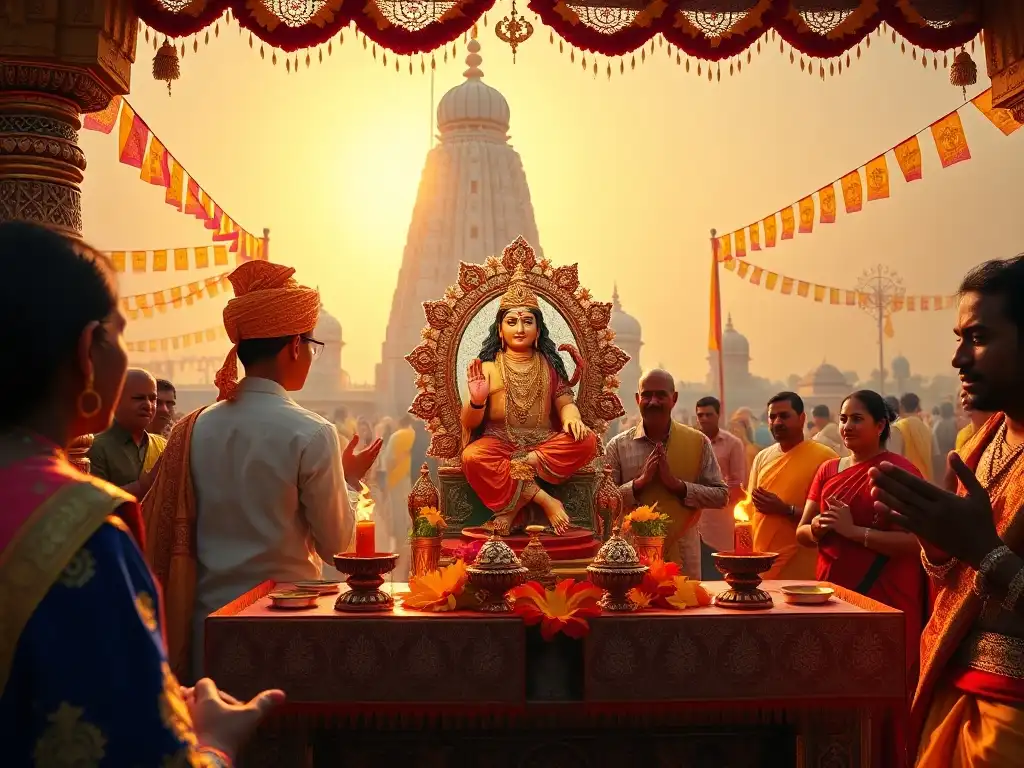
Welcome to Ancient India History, where we embark on a fascinating journey through the vibrant tapestry of ancient Indian civilizations. In this exploration, we delve into the rich culture and enduring legacies that continue to shape our understanding of history today. Our featured article, “Jain Festivals: Celebrating Spirituality Through Ancient Traditions,” invites you to uncover the profound significance of Jain festivals and traditions that echo the values of peace and spirituality.
Prepare to be captivated by the stories that reveal how these ancient practices still influence millions today. Join us as we unravel the mysteries of ancient Indian religions and their timeless celebrations!
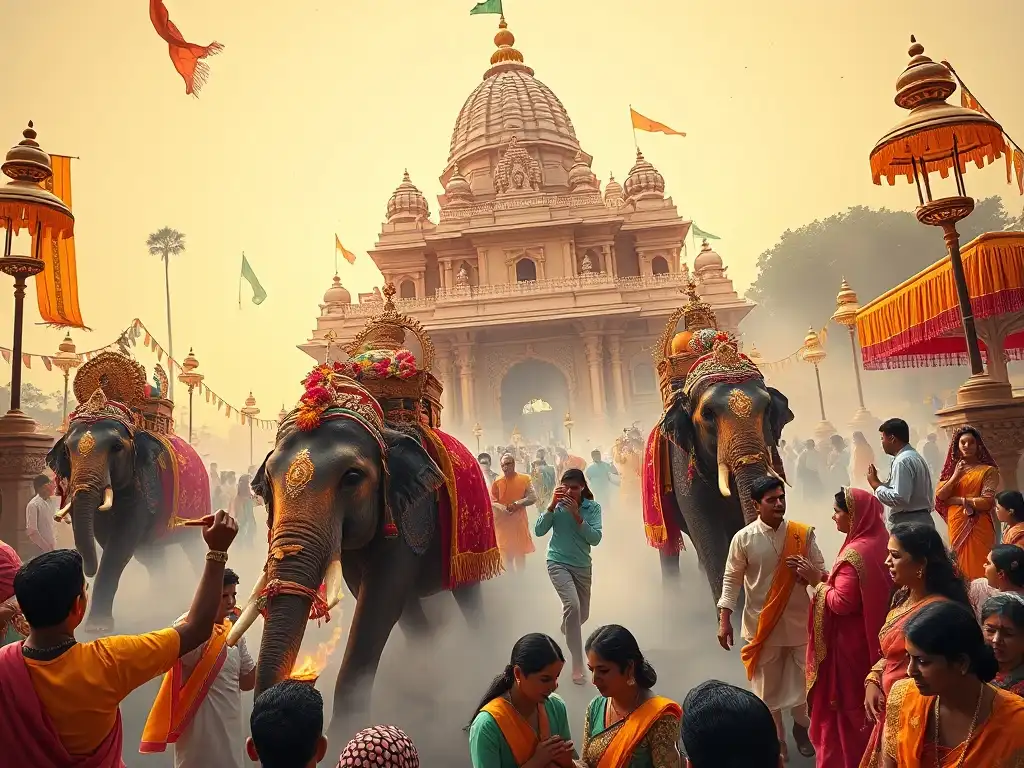
Introduction to Jain Festivals and Traditions
Jain festivals are not merely occasions for celebration; they are profound expressions of the rich spiritual heritage and ethical teachings that underpin Jainism. Rooted in ancient traditions, these festivals reflect the core principles of non-violence, truth, and asceticism that define Jain philosophy.
As we explore the diverse Jain festivals and traditions, we uncover the layers of history, devotion, and community that have shaped the Jain way of life over millennia. From the vibrant rituals to the deep spiritual significance of each celebration, Jain festivals serve as vital touchpoints for the community, fostering a sense of belonging and reinforcing spiritual values among practitioners.
Overview of Jainism and Its Significance
Jainism, one of the oldest religions in India, emphasizes the path of non-violence (Ahimsa) towards all living beings. Founded in the 6th century BCE, it teaches that the soul can attain liberation (Moksha) through right knowledge, right faith, and right conduct. The teachings of Lord Mahavir, the last Tirthankara, are central to Jain beliefs, guiding followers in their quest for spiritual purity and ethical living.
The significance of Jainism lies not only in its philosophical depth but also in its contributions to Indian culture, art, and society. Jains have historically played a crucial role in promoting trade, education, and social welfare, making their impact felt across various spheres of life in ancient India.
Importance of Festivals in Jain Culture
Festivals in Jain culture serve multiple purposes: they are times for communal gathering, spiritual reflection, and the renewal of faith. Each festival is steeped in rituals that are often tied to historical events, mythological narratives, or the lives of revered Tirthankaras.
The observance of festivals encourages Jains to engage in practices such as fasting, meditation, and prayer, enhancing their spiritual discipline. Moreover, these occasions provide opportunities for social bonding and community service, reinforcing the values of compassion and altruism that are central to Jain teachings.
Major Jain Festivals Celebrated Worldwide
Jain festivals are celebrated with great fervor around the world, particularly in India and among the Jain diaspora. Here, we delve into some of the most significant festivals that exemplify the spiritual richness of Jain traditions.
Paryushana: The Festival of Forgiveness
Paryushana is considered the most important festival for Jains. Celebrated over eight days, it marks a time for introspection and self-purification. During this period, Jains engage in fasting, prayer, and the practice of forgiveness, culminating in the ritual of seeking forgiveness from one another. This festival emphasizes the importance of humility and reconciliation in the spiritual journey.
Mahavir Jayanti: Celebrating the Birth of Lord Mahavir
Mahavir Jayanti commemorates the birth of Lord Mahavir, the 24th Tirthankara and a pivotal figure in Jainism. Celebrated with processions, prayers, and charitable activities, this festival inspires Jains to reflect on the teachings of Lord Mahavir. It is a time to reinforce the principles of non-violence, truth, and asceticism, encouraging followers to embody these values in their daily lives.
Diwali: A Unique Celebration in Jainism
While Diwali is widely recognized as a Hindu festival, Jains also celebrate it with unique significance. For Jains, Diwali marks the attainment of Nirvana by Lord Mahavir. The festival is observed with prayers, lighting of lamps, and the sharing of sweets, symbolizing the victory of light over darkness and the triumph of spiritual knowledge over ignorance.
Akshaya Tritiya: Significance and Observance
Akshaya Tritiya, known as a day of endless prosperity, holds special significance in Jainism. It is believed that this day is auspicious for new beginnings, making it a popular choice for starting new ventures or investments. Jains often engage in charitable acts and rituals to honor this day, reflecting their commitment to generosity and community service.
As we delve deeper into the various Jain festivals, we unveil the intricate tapestry of spirituality and tradition that defines Jain culture, illustrating how these celebrations continue to inspire and guide followers in their quest for spiritual fulfillment.
Spiritual Practices During Jain Festivals
Jain festivals are deeply rooted in spiritual practices that embody the core principles of Jainism, such as non-violence (ahimsa), truth (satya), and asceticism. During these festivals, devotees engage in a range of spiritual activities that reinforce their commitment to these values.
One of the most significant practices during Jain festivals is the recitation of sacred texts, particularly the Agamas, which are the canonical scriptures of Jainism. These readings often occur in communal settings, fostering a sense of unity and shared devotion among participants. Additionally, many Jains partake in meditation and reflection, allowing them to deepen their spiritual understanding and connection to the divine.
Another vital aspect of spiritual practice during Jain festivals is the performance of rituals and ceremonies that honor Tirthankaras, revered spiritual teachers in Jainism. These rituals may include the decoration of idols, offering of prayers (puja), and the singing of devotional hymns (bhakti). Such practices not only express reverence but also serve to educate participants about the rich historical and philosophical teachings of Jainism.
Rituals and Ceremonies Associated with Jain Festivals
The rituals and ceremonies associated with Jain festivals are intricate and vary depending on the specific festival being celebrated. For instance, during Paryushana, one of the most important Jain festivals, adherents participate in a series of rituals aimed at spiritual purification. This includes the practice of forgiveness, where individuals seek and grant forgiveness to others, reflecting the principle of non-violence and the importance of harmony within the community.
The festival of Diwali also holds a special place in Jain tradition, where it is celebrated as the day of Lord Mahavira’s attainment of nirvana. Jains perform special prayers and rituals to commemorate this event, including the lighting of lamps, which symbolizes the dispelling of ignorance and the illumination of knowledge.
In addition to these festivals, the ritual of Samvatsari, which occurs at the end of Paryushana, is particularly significant. It is a day dedicated to self-reflection and penance, where Jains perform rituals of atonement and engage in communal prayers for peace and forgiveness.
The Role of Fasting and Prayer in Jain Celebrations
Fasting is a common practice during Jain festivals and serves as a means of spiritual discipline and purification. Jains may choose to observe fasts in various forms, ranging from complete fasting (upvas) to partial fasting, where specific foods are avoided. This act of restraint is believed to enhance self-control and foster a deeper connection with the spiritual realm.
Prayer plays an equally crucial role during these celebrations. Jains engage in collective prayers, often reciting the Namokar Mantra, which is a central prayer in Jainism that acknowledges and pays homage to the Tirthankaras. The communal aspect of prayer reinforces the sense of community and shared spiritual goals among participants.
Moreover, during festivals, many Jains make it a point to visit temples, where they engage in rituals and prayers that elevate their spiritual consciousness. These practices collectively contribute to the overall ambiance of devotion and contemplation that characterizes Jain festivals.
Community Involvement and Charity During Festivals
Community involvement and acts of charity are fundamental to Jain festivals, reflecting the religion's emphasis on compassion and service to others. During these celebratory times, Jains organize various charitable activities, such as food distribution, clothing drives, and health camps, aimed at helping the less fortunate.
For instance, during the festival of Paryushana, many communities come together to provide meals to the needy, ensuring that the spirit of giving is at the forefront of their celebrations. This practice not only aids those in need but also instills a sense of responsibility and gratitude within the community.
Jain festivals also serve as a platform for strengthening social bonds, as families and friends come together to participate in communal prayers and events. This collective involvement fosters a sense of belonging and reinforces the values of empathy and altruism that are central to Jain philosophy.
Regional Variations of Jain Festivals
Jain festivals exhibit remarkable regional variations across India and beyond, reflecting the diverse cultural contexts in which Jain communities exist. These variations manifest in the ways festivals are celebrated, the specific rituals performed, and the local customs that are integrated into the celebrations.
Jain Festivals Celebrated in India
In India, several Jain festivals are celebrated with great enthusiasm, each reflecting unique regional characteristics. For example, in Gujarat, the festival of Navratri is celebrated with a special emphasis on the worship of the Tirthankaras, along with traditional dance and music. In Rajasthan, the festival of Mahavir Jayanti, marking the birth of Lord Mahavira, features elaborate processions and community gatherings that highlight cultural heritage.
In Maharashtra, the festival of Paryushana is celebrated with a focus on fasting and spiritual reflection. Devotees often engage in the practice of “Pratikraman,” which involves introspective prayers and rituals aimed at seeking forgiveness.
Jain Festivals Celebrated Globally
Outside of India, Jain festivals are celebrated in various countries, notably in regions with significant Jain diaspora communities, such as the United States, Canada, and the United Kingdom. In these locations, festivals like Diwali and Mahavir Jayanti are observed with a blend of traditional and contemporary practices, allowing the community to maintain their cultural identity while adapting to new environments.
Global celebrations often include cultural performances, educational seminars, and interfaith dialogues that promote understanding and appreciation of Jain traditions. This adaptability not only strengthens community ties but also fosters a greater awareness of Jainism among diverse audiences.
Cultural Influences on Jain Celebrations
Cultural influences play a significant role in shaping Jain celebrations, as local customs and traditions are often integrated into the festival practices. This syncretism enriches the celebrations and allows Jain communities to resonate with their surroundings while maintaining their core spiritual beliefs.
For example, during festivals in southern India, Jains may incorporate local music and dance forms into their celebrations, creating a vibrant atmosphere that reflects the broader cultural context. Similarly, in Western countries, Jains often participate in multicultural festivals, showcasing their traditions and fostering dialogues with other faiths.
These cultural exchanges not only enhance the vibrancy of Jain festivals but also promote a deeper understanding of Jain values, allowing them to thrive in diverse settings while remaining true to their spiritual heritage.
The Symbolism Behind Jain Festivals and Traditions
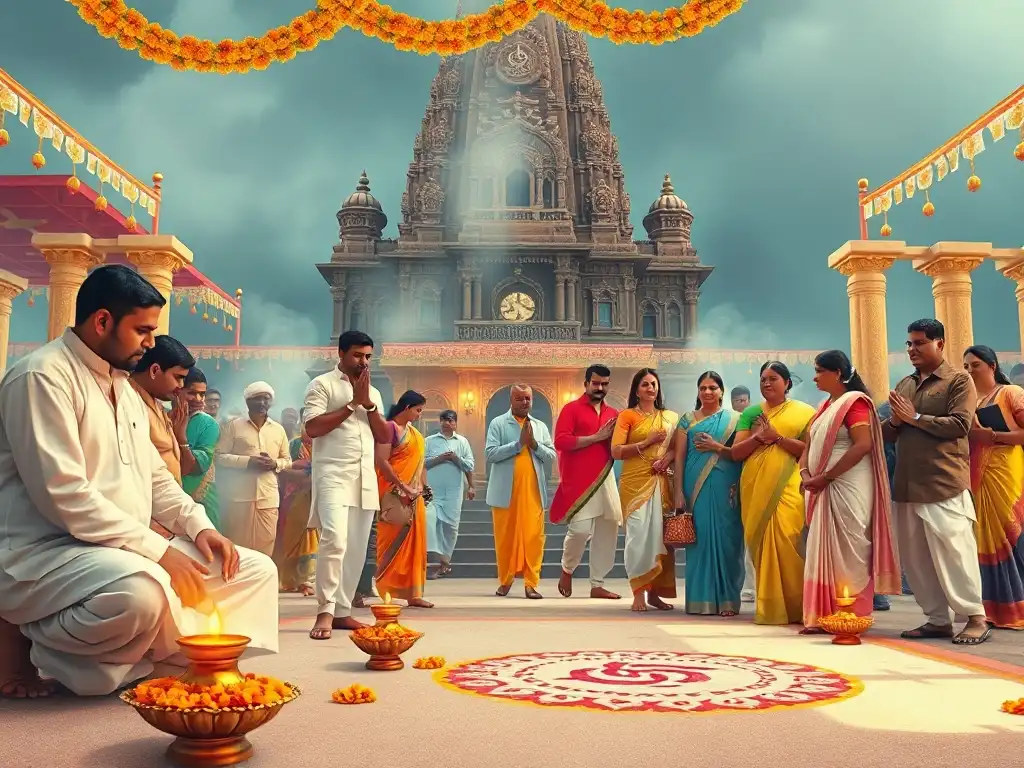
Jain festivals are rich in symbolism, reflecting the core tenets of Jainism, such as non-violence (ahimsa), truth (satya), and asceticism (tapas). Each festival is imbued with meanings that resonate with the spiritual journey of a Jain practitioner. For instance, the festival of Paryushana symbolizes self-reflection and spiritual purification. It encourages followers to introspect, seek forgiveness, and cultivate compassion.
Moreover, many Jain festivals are centered around the Tirthankaras, the revered spiritual teachers in Jainism. Celebrations often include rituals and prayers dedicated to these figures, symbolizing the quest for enlightenment and liberation from the cycle of birth and rebirth. Through these symbolic acts, adherents reinforce their commitment to the principles of Jainism, fostering a deeper connection to their faith.
Understanding the Spiritual Significance of Jain Festivals
The spiritual significance of Jain festivals is profound, as they serve as moments for devotees to deepen their understanding of Jain philosophy and practice. Festivals like Mahavir Jayanti, which commemorates the birth of Lord Mahavira, the 24th Tirthankara, are occasions for reflection on his teachings regarding non-violence, truthfulness, and the importance of self-discipline.
During these celebrations, Jains engage in various practices, including fasting, prayer, and communal gatherings, which foster a sense of community and shared purpose. The rituals performed during these festivals are not merely ceremonial; they are designed to cultivate a spiritual ambiance, encourage moral conduct, and inspire individuals to lead a life aligned with Jain values. This spiritual engagement helps reinforce the teachings of Jainism, providing guidance and inspiration for everyday living.
The Connection Between Festivals and Jain Teachings
Jain festivals are intrinsically linked to the teachings of Jainism, encapsulating the essence of its philosophy. Each festival is a manifestation of the core principles of Jainism, promoting values such as compassion, humility, and respect for all living beings. For example, during the festival of Diwali, Jains celebrate the attainment of moksha (liberation) by Lord Mahavira, reinforcing the importance of striving for spiritual liberation.
Additionally, the practice of fasting during various festivals serves as a reminder of the significance of self-control and moderation, crucial elements in Jain teachings. The festivals also provide an opportunity to engage in charitable acts, reflecting the principle of generosity (dana), which is highly esteemed in Jain culture. Through these celebrations, Jains not only honor their spiritual heritage but also actively embody their teachings in daily life.
Conclusion: The Enduring Legacy of Jain Festivals
The enduring legacy of Jain festivals lies in their ability to preserve and promote the rich traditions of Jainism while adapting to contemporary contexts. These festivals serve as vital cultural touchstones that connect current generations to their spiritual ancestry. They encapsulate the philosophical depth of Jainism and provide a platform for communal engagement, learning, and spiritual growth.
As Jains around the world celebrate these festivals, they reinforce their identity and continue to share their values with broader society. The legacy of Jain festivals is not only historical but also a living tradition that inspires individuals to uphold the principles of Jainism while fostering respect and understanding among diverse communities.
The Impact of Jain Festivals on Modern Society
Jain festivals have a significant impact on modern society by promoting values of peace, tolerance, and environmental consciousness. As Jains engage in practices such as vegetarianism and ahimsa during these festivals, they contribute to a broader dialogue about sustainability and ethical living. The emphasis on non-violence resonates strongly in today's world, where discussions about ethical consumption and animal rights are increasingly relevant.
Furthermore, Jain festivals often involve community service and charitable initiatives, which help address social issues and support those in need. This spirit of giving not only strengthens community bonds but also inspires others to contribute positively to society. By embodying these principles during their festivals, Jains play a crucial role in fostering harmony and understanding in a diverse world.
Preserving Ancient Traditions in Contemporary Jain Practices
The preservation of ancient traditions in contemporary Jain practices is evident during festivals, where age-old rituals are upheld even in modern contexts. Many Jains continue to observe traditional customs related to their festivals, such as specific prayers, fasting, and temple visits, ensuring that their spiritual heritage remains alive.
Additionally, contemporary Jains are also finding innovative ways to celebrate their festivals, incorporating modern technology and social media to reach wider audiences. Virtual gatherings and online teachings have become popular, allowing individuals to connect and participate in festival celebrations regardless of their geographical location. This blend of tradition and modernity not only ensures the survival of Jain customs but also makes them accessible to younger generations, helping them appreciate and engage with their rich cultural heritage.
- Introduction to Jain Festivals and Traditions
- Major Jain Festivals Celebrated Worldwide
- Spiritual Practices During Jain Festivals
- Regional Variations of Jain Festivals
- The Symbolism Behind Jain Festivals and Traditions
- Understanding the Spiritual Significance of Jain Festivals
- The Connection Between Festivals and Jain Teachings
- Conclusion: The Enduring Legacy of Jain Festivals
Frequently Asked Questions
What are Jain festivals?
Jain festivals are significant religious events celebrated by the Jain community, commemorating important historical events and teachings of Tirthankaras, the spiritual teachers in Jainism.
How do Jain festivals reflect spirituality?
Jain festivals emphasize spiritual growth and self-discipline, often involving rituals that promote non-violence, compassion, and austerity, which are core values of Jain philosophy.
What are some major Jain festivals?
Major Jain festivals include Paryushana, Mahavir Jayanti, and Diwali, each celebrating key events in Jain history and promoting community gatherings and spiritual reflection.
How do traditions vary among different Jain communities?
Traditions can vary between Shvetambara and Digambara sects, influencing the way festivals are celebrated, the rituals performed, and the dietary practices observed during these times.
Why are Jain festivals important for cultural heritage?
Jain festivals play a crucial role in preserving cultural identity and heritage, fostering a sense of community among Jains, and ensuring the transmission of ancient traditions to future generations.
Final Reflection: Embracing Spirituality Through Jain Festivals and Traditions
Jain festivals and traditions serve as a profound reminder of the importance of spirituality in our fast-paced modern world. As we navigate through our daily lives, often consumed by material pursuits, these ancient celebrations invite us to pause, reflect, and reconnect with our inner selves. The vibrant rituals and deep-rooted philosophies of Jainism not only enrich the spiritual landscape but also offer a sanctuary of peace and mindfulness that resonates with our contemporary struggles.
Celebrating Jain festivals fosters a sense of community and belonging, transcending time and cultural boundaries. The teachings and practices encapsulated in these traditions continue to inspire countless individuals to seek harmony and compassion in their lives. As Mahatma Gandhi once said, “The best way to find yourself is to lose yourself in the service of others.” This sentiment echoes the essence of Jain festivals, which emphasize selflessness, non-violence, and the interconnectedness of all living beings, shaping a more compassionate society.
As you reflect on the significance of Jain festivals in your own life, consider how you can incorporate their values into your daily routine. Embrace the spirit of these ancient traditions by fostering compassion, mindfulness, and community in your interactions. Let the teachings of Jainism guide you toward a more fulfilling and spiritually enriched existence, reminding you that every celebration is an opportunity to deepen your connection with yourself and the world around you.
Embrace the Vibrancy of Jain Festivals Today!
Thank you for diving into the rich world of Jain festivals and exploring the spiritual traditions that have shaped this beautiful culture. Your journey through the customs and celebrations has revealed the profound values of spirituality and community. Now, let’s take this inspiration and turn it into action!
Here are some steps you can take to further immerse yourself in Jain traditions:
- Join a Local Jain Community or Event: Seek out a nearby Jain temple or cultural gathering to participate in. Experience the festivals firsthand and connect with others who share this vibrant heritage.
- Share the Knowledge: Spread the word about Jain festivals within your social circles. Whether it's hosting a small gathering to discuss what you've learned or sharing articles on social media, you can help cultivate awareness and appreciation for these ancient celebrations.
- Explore Jain Cuisine: Try your hand at cooking traditional Jain recipes at home. Invite friends or family over for a Jain-themed dinner to engage them in a culinary adventure that celebrates the traditions of this religion.
Which festival inspires you the most, and how will you celebrate its values in your life?