
Jainism's Influence on Indian Culture: Art, Architecture, and Beyond

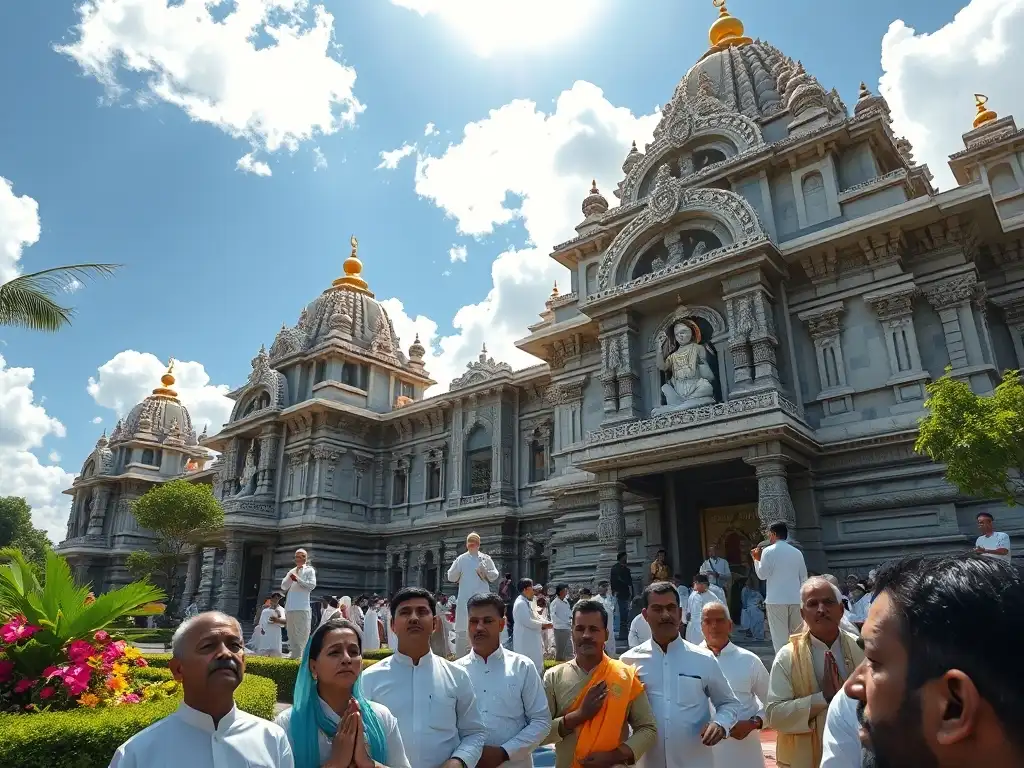
Welcome to Ancient India History, where we take you on a captivating journey through the rich tapestry of Indian civilization. In this exploration, we delve into the profound influence of Jainism on Indian culture—a force that has shaped not just the spiritual landscape, but also the realms of art, architecture, and so much more.
As you navigate through our insights, prepare to uncover the intricate ways in which this ancient religion has left its mark on the heart of India. Join us as we unravel the threads of history and discover the enduring legacy of Jainism— you won't want to miss what lies ahead!
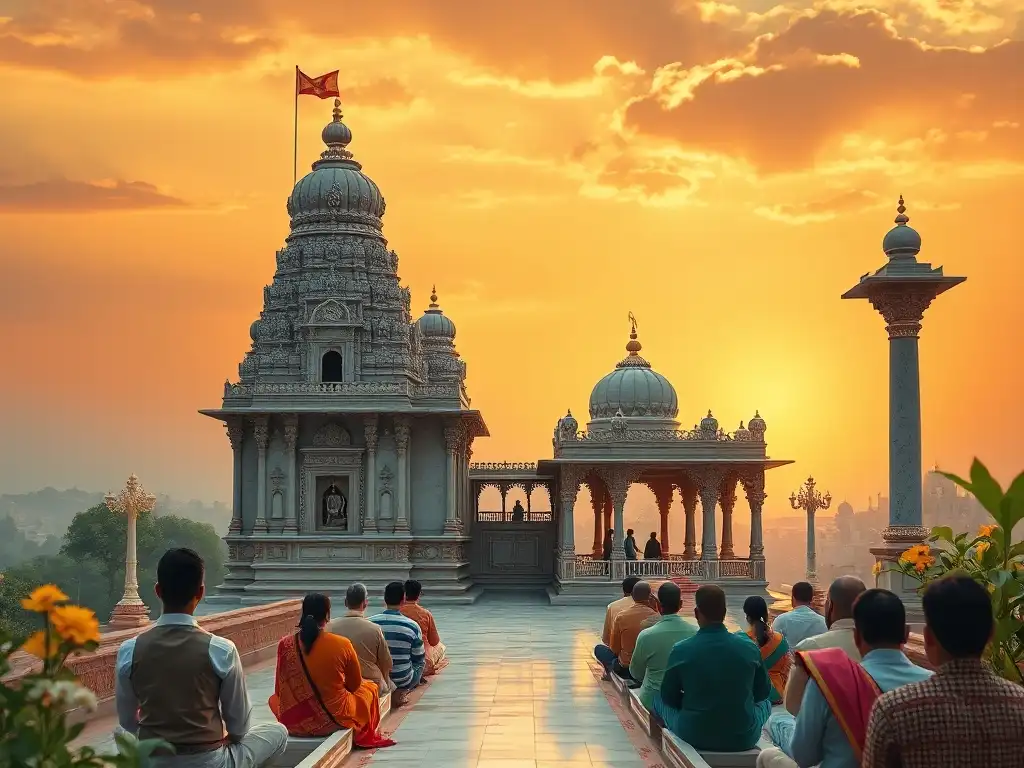
Introduction to Jainism and Its Cultural Significance
Jainism is one of the oldest religions in India, with roots that can be traced back to the 6th century BCE. It promotes a path of non-violence (ahimsa), truth, and asceticism, significantly shaping the social, cultural, and philosophical landscape of ancient Indian civilization. The influence of Jainism on Indian culture is profound, permeating various aspects such as art, architecture, literature, and ethical discourse. This article aims to delve into the myriad ways in which Jainism has left an indelible mark on Indian culture, particularly focusing on its artistic and architectural contributions.
Overview of Jainism's Core Principles
The core principles of Jainism revolve around the concepts of ahimsa (non-violence), satya (truth), asteya (non-stealing), brahmacharya (celibacy), and aparigraha (non-possessiveness). These tenets guide the ethical conduct of Jains and have influenced broader Indian philosophical thought.
- Ahimsa: The principle of non-violence is paramount, advocating for the sanctity of all living beings.
- Satya: Truthfulness is emphasized not just in words but in thoughts and actions.
- Aparigraha: This principle encourages detachment from material possessions, fostering a sense of spiritual wealth over material wealth.
These principles are not merely religious precepts but have also inspired artistic expressions that embody these values, reflecting Jainism's deep integration into the cultural fabric of India.
Historical Context of Jainism in India
Jainism emerged during a time of significant spiritual and philosophical questioning in ancient India, coinciding with the period of the Upanishads and the rise of Buddhism. It gained prominence in various regions, particularly in Western India, and played a crucial role in shaping the societal norms and cultural practices of the time.
- Early Influences: The teachings of Mahavira, the 24th Tirthankara, were pivotal in establishing Jainism as a structured religion.
- Patronage: Jainism received support from various royal dynasties, including the Mauryas and the Guptas, which facilitated its growth and the establishment of numerous temples and art forms.
- Cultural Exchange: The interaction between Jainism and other religions, such as Hinduism and Buddhism, led to a rich exchange of ideas, further enhancing its cultural impact.
The Impact of Jainism on Indian Art

Jainism's influence on Indian art is visible in its unique iconography, temple architecture, and various artistic expressions that communicate its core philosophies and narratives.
Jain Iconography: Symbols and Their Meanings
Jain iconography is rich with symbolism that conveys deep spiritual meanings. Central to Jain art are the Tirthankaras, revered spiritual teachers who symbolize the path to liberation.
- Tirthankaras: Each Tirthankara is depicted with specific attributes and symbols, such as the lotus, elephant, and cow, which hold significant meanings related to purity, wisdom, and compassion.
- Use of Color: The vibrant colors used in Jain artwork often signify virtues and spiritual qualities, enhancing the viewer’s understanding of the subject matter.
The Role of Jain Temples in Artistic Expression
Jain temples are architectural marvels that serve as centers of worship and community. The intricate designs and carvings reflect the artistic prowess of ancient Indian craftsmen.
- Architectural Styles: Jain temples often exhibit a combination of intricate carvings, marble inlay work, and elaborate sanctums, showcasing the meticulous attention to detail characteristic of Jain architecture.
- Pilgrimage Sites: Many Jain temples are located in prominent pilgrimage sites, attracting devotees and tourists alike, which further enhances their cultural significance.
Notable Jain Artworks and Artists
Throughout history, many artists and artisans have contributed to the rich tapestry of Jain art.
- Famous Works: The Dilwara Temples in Rajasthan and the carvings at Ranakpur are prime examples of Jain artistic expression.
- Influential Artists: Artisans like the Shilpkaras played a crucial role in the creation of these enduring works, with techniques passed down through generations.
Jainism's influence on Indian culture is multifaceted, encompassing a broad range of artistic and architectural achievements that continue to resonate within the cultural landscape of India today.
Jainism's Architectural Contributions
Jainism has significantly influenced Indian architecture, particularly through its distinct temple designs and construction techniques. The architectural contributions of Jainism reflect not only the religious values of the faith but also the socio-cultural context of the time. Jain temples are characterized by intricate carvings, ornate facades, and a unique blend of artistic styles that showcase the devotion and craftsmanship of the artisans. These temples often serve as centers for community gatherings and spiritual practice, embodying the principles of non-violence and reverence for all living beings that are central to Jain philosophy.
Distinctive Features of Jain Temple Architecture
Jain temple architecture is renowned for its distinctive features that set it apart from other religious structures in India. Some key characteristics include:
- Intricate Carvings: Jain temples are adorned with detailed sculptures of Tirthankaras (spiritual teachers), celestial beings, and scenes from Jain mythology. These carvings are often executed with remarkable precision and artistry.
- Marble Construction: Many Jain temples are built using high-quality marble, which adds to their aesthetic appeal. The use of white marble symbolizes purity, aligning with Jain beliefs.
- Elaborate Facades: The entrances to Jain temples are often grand, with elaborately designed pillars and doorways that reflect the skill of artisans. These facades frequently feature intricate floral patterns and geometric designs.
- Unique Layouts: Jain temples typically have a central shrine (garbhagriha) that houses the idol of the Tirthankara, surrounded by a series of smaller shrines. The layout often includes a main hall (mandapa) for worshippers.
- Symbolism: Architectural elements in Jain temples often carry symbolic meanings, such as the lotus motif, which represents spiritual purity and enlightenment.
Famous Jain Temples and Their Historical Importance
Several Jain temples across India hold significant historical and cultural importance, illustrating the rich heritage of Jain architecture. Some notable examples include:
- Shikharji Temple: Located in Jharkhand, this temple is a pilgrimage site dedicated to the 24 Tirthankaras. Its serene surroundings and architectural elegance make it a revered location for Jains.
- Ranakpur Temple: Situated in Rajasthan, the Ranakpur Temple is famous for its stunning marble architecture, featuring over 1,400 intricately carved pillars, each uniquely designed. It is a prime example of the exquisite craftsmanship of Jain artisans.
- Dilwara Temples: Located in Mount Abu, these temples are celebrated for their exceptional marble carvings and architectural brilliance. The intricate designs and serene ambiance attract visitors from all over, highlighting Jainism's artistic legacy.
- Sambhavnath Temple: This temple, located in the town of Kutch, Gujarat, is an important pilgrimage site dedicated to the first Tirthankara, Sambhavnath. Its historical significance and architectural style reflect the regional variations in Jain temple construction.
Influence of Jain Architecture on Other Indian Architectural Styles
The influence of Jain architecture extends beyond its own temples, impacting various other architectural styles in India. The following aspects illustrate this influence:
- Integration of Elements: Many Hindu and Buddhist temples adopted architectural elements from Jain designs, particularly in their use of intricate carvings and elaborate facades. This cross-pollination highlights the shared cultural and religious heritage of the time.
- Regional Variations: Jain architectural styles can be seen influencing regional temple designs across India, particularly in states like Rajasthan and Gujarat, where the detailed craftsmanship became a hallmark of local architecture.
- Artisan Techniques: The skills and techniques developed by Jain craftsmen often found their way into broader Indian architecture, enriching the overall artistic landscape. The emphasis on symmetry and detailed ornamentation in Jain temples set a standard that many later temples aspired to achieve.
Jain Literature and Its Influence on Culture
Jain literature plays a crucial role in the cultural and philosophical landscape of India. It encompasses a wide range of texts that reflect the teachings, principles, and historical narratives of Jainism. This literature not only preserves the essence of Jain philosophy but also serves as a vital source of cultural heritage, influencing various aspects of life, including ethics, art, and societal norms.
Overview of Jain Literary Works
Jain literature is vast and diverse, consisting of various texts written in multiple languages, including Prakrit, Sanskrit, and Apabhramsha. Key literary works include:
- Agamas: These are canonical scriptures containing the teachings of Mahavira, the 24th Tirthankara. They serve as the foundation of Jain philosophy and ethics.
- Tattvartha Sutra: Written by Umaswati, this text is a comprehensive treatise on Jain philosophy that synthesizes various doctrines and is widely studied by Jains.
- Commentaries and Sub-commentaries: Numerous commentaries on the Agamas and other texts have been produced over the centuries, contributing to the understanding and interpretation of Jain philosophy.
- Poetry and Prose: Jain poets have composed works that explore themes of devotion, ethics, and the natural world, reflecting the Jain worldview.
Jain Philosophy in Literature: Themes and Ideas
Jain literature is rich with philosophical themes and ideas that resonate with its core principles. Some significant themes include:
- Ahimsa (Non-violence): The principle of non-violence is a recurring theme in Jain texts, emphasizing compassion towards all living beings.
- Syadvada (Relativity of Truth): This philosophical concept highlights the complexity of truth and encourages a multi-faceted understanding of reality, which is reflected in various literary works.
- Renunciation and Asceticism: Jain literature often explores the ideals of renunciation and the ascetic lifestyle, highlighting the path to liberation and spiritual growth.
- Interconnectedness: Many Jain texts emphasize the interconnectedness of all life forms, advocating for a sustainable and harmonious existence with nature.
The Role of Jain Literature in Preserving Culture
Jain literature has played a pivotal role in preserving and disseminating Jain culture throughout history. Its contributions include:
- Cultural Transmission: Jain texts serve as repositories of cultural knowledge, passing down traditions, rituals, and ethical practices from one generation to the next.
- Educational Influence: Jain literature has been instrumental in educating the community about its values and philosophy, fostering a sense of identity and belonging among Jains.
- Promotion of Arts: Many aspects of Jain culture, including music, dance, and visual arts, have been influenced by literary themes. Jain texts have inspired countless artistic expressions that celebrate Jain values.
- Historical Documentation: Jain literature provides invaluable historical insights into the socio-political context of ancient India, helping researchers and historians understand the evolution of Jainism and its impact on Indian culture.
Jain Festivals and Their Cultural Significance
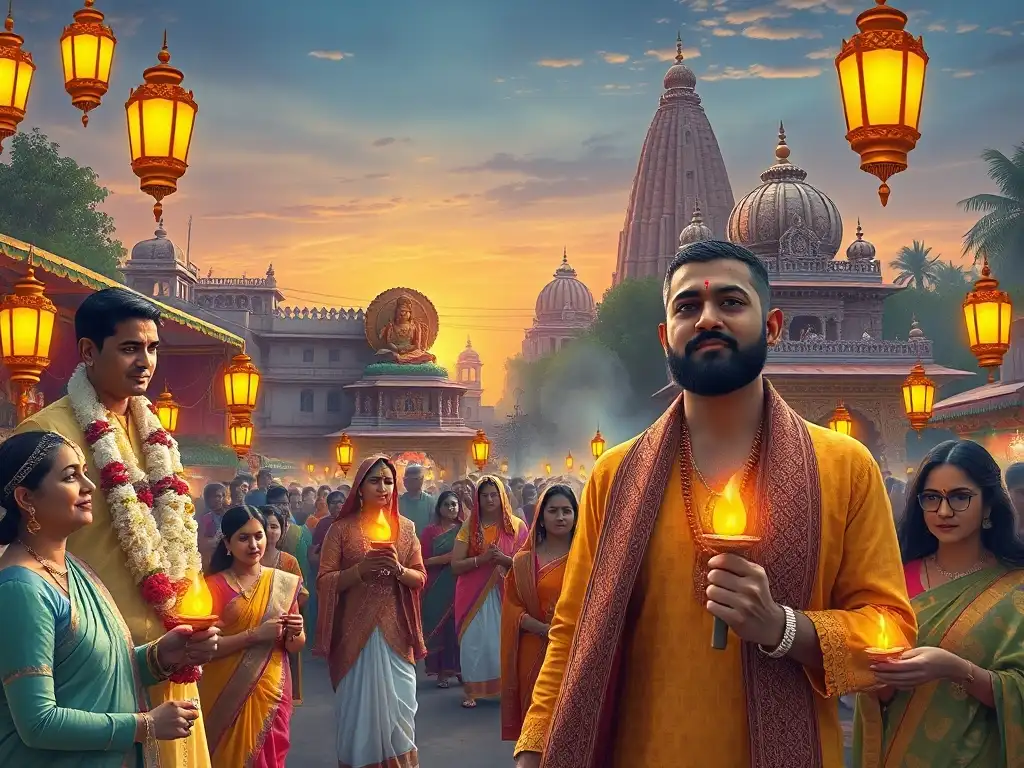
Jain festivals play a crucial role in the cultural tapestry of India, reflecting the deep-rooted traditions and spiritual beliefs of the Jain community. These festivals are not merely religious observances; they serve as occasions for social gatherings, cultural expressions, and the reinforcement of community ties. The rich symbolism and rituals associated with these festivals encapsulate the core principles of Jainism, such as non-violence (ahimsa), truth (satya), and asceticism. They also highlight the community's commitment to preserving and promoting its values, which resonate beyond religious boundaries and influence broader Indian culture.
The celebration of these festivals often includes elaborate rituals, prayers, and communal feasts, fostering a sense of unity among Jains. Additionally, they attract participation from non-Jain communities, promoting awareness and appreciation for Jain traditions. Through these festivals, the teachings of Jainism are imparted to younger generations, ensuring the continuity of their rich heritage and values.
Major Jain Festivals and Their Celebrations
Several festivals are particularly significant within Jainism, with each offering unique insights into the community's beliefs and practices:
- Paryushana: This is one of the most important festivals, occurring annually in late summer. It is a time for spiritual reflection, fasting, and forgiveness. Jains engage in prayer and the recitation of sacred texts, culminating in the ritual of seeking forgiveness from others.
- Mahavir Jayanti: Celebrated to honor the birth of Lord Mahavira, the 24th Tirthankara, this festival features processions, prayers, and devotional activities. It emphasizes the teachings of non-violence and truth, drawing large crowds from within and outside the Jain community.
- Diwali: While this festival is widely recognized in various Indian cultures, Jains celebrate it to mark the attainment of nirvana by Lord Mahavira. The lighting of lamps symbolizes the triumph of light over darkness and knowledge over ignorance.
- Akshaya Tritiya: This festival is significant for Jains as it marks the day when the first Tirthankara, Rishabhanatha, attained liberation. It is considered an auspicious day for new ventures and investments, showcasing the intertwining of spirituality with daily life.
Each of these festivals is characterized by specific rituals, communal activities, and an emphasis on moral values, reinforcing the cultural significance of Jainism in India.
The Influence of Jain Festivals on Indian Society
Jain festivals have a profound impact on Indian society, transcending their religious origins to foster communal harmony and cultural exchange. These events often serve as platforms for inter-community interactions, where Jains and non-Jains alike participate in celebrations, thereby promoting understanding and tolerance.
The emphasis on non-violence and compassion during these festivals resonates with broader societal values, encouraging individuals to reflect on their own actions and relationships. Furthermore, the communal aspect of these celebrations strengthens social bonds, creating networks of support and cooperation among diverse groups.
Additionally, Jain festivals contribute to the local economies, particularly in regions with significant Jain populations. The influx of visitors during these celebrations can boost tourism and elevate local businesses, demonstrating the economic influence of Jain traditions.
Interfaith Interactions During Jain Celebrations
Interfaith interactions during Jain celebrations highlight the inclusive spirit of Jainism. Festivals such as Mahavir Jayanti and Paryushana often attract participation from people of various faiths, showcasing a commitment to communal harmony. Such interactions not only promote mutual respect but also provide opportunities for dialogue and learning between different religious communities.
During these celebrations, non-Jains are often welcomed to partake in rituals, feasts, and discussions, fostering a sense of shared community. This openness reflects Jainism’s foundational principle of tolerance, encouraging a broader understanding of diverse cultural practices.
Moreover, the celebration of Jain festivals in public spaces can lead to greater visibility for Jain traditions, allowing for an appreciation of their rich history and values among the wider Indian populace. This cross-cultural engagement enhances the social fabric of India, promoting peace and understanding in a diverse society.
The Broader Influence of Jainism on Indian Society
Jainism's influence extends beyond its own community, shaping various aspects of Indian society, culture, and philosophy. The teachings and practices of Jainism have left a lasting imprint on the ethical, economic, and social frameworks of India, contributing to the subcontinent's rich cultural heritage.
Jainism and Its Role in Promoting Non-Violence and Tolerance
One of the most significant contributions of Jainism to Indian society is its advocacy for non-violence (ahimsa) and tolerance. These principles resonate deeply in Indian culture, influencing the ideologies of various leaders, including Mahatma Gandhi, who drew inspiration from Jain teachings in his approach to social and political reform.
In everyday life, the emphasis on non-violence has encouraged individuals to adopt compassionate lifestyles, fostering a culture of peaceful coexistence. This commitment to ahimsa has also influenced dietary practices among many Indians, leading to a broader acceptance of vegetarianism and respect for all living beings.
The Economic Contributions of Jain Communities
The Jain community has made significant economic contributions to India, particularly in trade, finance, and industry. Historically, Jains have been prominent merchants and businessmen, establishing networks that facilitated commerce across regions. Their commitment to ethical business practices, rooted in Jain principles, has contributed to the establishment of a reputation for integrity in business dealings.
Jains have also been instrumental in philanthropic efforts, funding educational institutions, hospitals, and cultural initiatives. This economic influence has not only bolstered the community’s status but has also played a vital role in the socio-economic development of the regions where they reside.
Jainism's Impact on Indian Ethics and Morality
Jainism has significantly shaped the ethical and moral landscape of Indian society. Its teachings promote virtues such as truthfulness, non-possessiveness, and compassion, which resonate with many Indian philosophical traditions. These principles have been integrated into various aspects of life, influencing legal systems, social norms, and individual conduct.
The impact of Jain ethical teachings can be seen in literature, art, and education, where themes of morality and virtue are prevalent. The moral framework established by Jainism continues to inspire individuals and communities, encouraging a reflective and principled approach to life.
Jainism's influence on Indian culture is profound and multifaceted, permeating various aspects of society, from festivals and community interactions to ethical principles and economic contributions. The legacy of Jainism is not only a testament to its historical significance but also a vital part of India's ongoing narrative of cultural richness and diversity.
Conclusion: The Lasting Legacy of Jainism on Indian Culture
Jainism has left an indelible mark on Indian culture that transcends time and continues to shape various aspects of life in the subcontinent. Its principles of non-violence, truth, and asceticism have not only influenced spiritual practices but have also permeated the realms of art, architecture, and ethics. The legacy of Jainism is evident in the intricate designs of temples, the delicate craftsmanship of sculptures, and the profound philosophical discourses that encourage a harmonious coexistence with nature and fellow beings. As society evolves, the values espoused by Jainism remain relevant, providing guidance and inspiration for future generations.
Summary of Jainism's Cultural Contributions
The contributions of Jainism to Indian culture are multifaceted and extensive. Notably, the architectural marvels of Jain temples stand as a testament to the religion's aesthetic sensibilities and devotion. Temples such as the Dilwara Temples in Rajasthan showcase exquisite marble work and intricate carvings, reflecting deep spiritual significance and artistic excellence.
In literature, Jain texts and scriptures, including the "Tattvartha Sutra," have enriched Indian philosophy and ethical thought. Jainism's emphasis on non-violence (ahimsa) has also significantly influenced various social and political movements in India, advocating for compassion and peace.
Moreover, Jain festivals and rituals contribute to the vibrancy of Indian culture, promoting community values and social cohesion. The celebration of Paryushana, for example, encourages reflection and self-discipline, resonating with the universal quest for inner peace.
The Future of Jainism's Influence in Modern India
As India navigates the complexities of modernity, the principles of Jainism continue to offer valuable lessons in sustainability and ethical living. The contemporary world faces challenges such as environmental degradation and social unrest, which align closely with Jain teachings on respect for all living beings and the importance of ecological balance.
In urban settings, the revival of Jain values can inspire movements towards ethical consumerism and responsible living, advocating for a lifestyle that minimizes harm to the environment. Educational institutions, both secular and religious, are increasingly incorporating Jain philosophies into their curricula, fostering a new generation that appreciates these ancient teachings.
Furthermore, as globalization encourages cultural exchange, Jainism's emphasis on pluralism and tolerance stands as a beacon for fostering mutual respect among diverse communities. The future of Jainism's influence in modern India seems promising, as its tenets resonate with the current societal needs for compassion, ethical governance, and sustainable practices.
- Introduction to Jainism and Its Cultural Significance
- Overview of Jainism's Core Principles
- Historical Context of Jainism in India
- The Impact of Jainism on Indian Art
- Jainism's Architectural Contributions
- Jain Literature and Its Influence on Culture
- Jain Festivals and Their Cultural Significance
- The Broader Influence of Jainism on Indian Society
- Conclusion: The Lasting Legacy of Jainism on Indian Culture
Frequently Asked Questions
What is Jainism and its core beliefs?
Jainism is an ancient Indian religion emphasizing non-violence, truth, and asceticism. Its followers believe in the concept of soul purity and the importance of ahimsa (non-harm) towards all living beings.
How has Jainism influenced Indian art?
Jainism has significantly influenced Indian art through its intricate sculptures, paintings, and temple architecture. The detailed carvings and iconography found in Jain temples reflect the religion's philosophy and aesthetic values.
What architectural features are associated with Jainism?
Jain architecture is characterized by elaborate temples adorned with intricate carvings, spires, and ornate pillars. Notable examples include the Dilwara Temples in Rajasthan, showcasing the artistic mastery of Jain builders.
How did Jainism contribute to Indian culture beyond religion?
Jainism has contributed to Indian culture by promoting literature, philosophy, and ethical practices. Its emphasis on non-violence and tolerance has influenced social norms and contributed to the cultural diversity of India.
What is the significance of Jain festivals in Indian culture?
Jain festivals, such as Paryushana and Mahavir Jayanti, are significant for promoting community bonding and spiritual reflection. They serve as occasions for rituals, feasting, and educational discussions, reinforcing Jain values within the broader Indian cultural context.
Final Reflection: Embracing the Legacy of Jainism in Indian Culture
Jainism's influence on Indian culture is not just a historical footnote; it is a vibrant thread woven into the very fabric of contemporary society. The principles of non-violence, truth, and asceticism that Jainism espouses continue to resonate in today's world, shaping ethical frameworks and artistic expressions. As we navigate an increasingly complex global landscape, the teachings of Jainism remind us of the importance of compassion and mindfulness in our daily interactions.
The enduring impact of Jainism on art and architecture is a testament to its profound cultural significance. From the intricate carvings of Jain temples to the serene beauty of its sculptures, these artistic expressions serve as a reflection of the values that Jainism promotes. The reverberations of these influences can be seen in modern Indian society, where the quest for harmony and respect for all living beings remains paramount. The greatness of a nation and its moral progress can be judged by the way its animals are treated.
– Mahatma Gandhi. This quote encapsulates the essence of Jainism's teachings and their relevance in fostering a compassionate society.
As we conclude this exploration of Jainism's influence on Indian culture, I invite you to reflect on how these timeless principles can be integrated into your own life. Consider how the values of non-violence and respect for all forms of life can guide your actions and decisions. Let us carry forward the legacy of Jainism, not only as a historical influence but as a living philosophy that inspires us to create a more compassionate and harmonious world for future generations.
Embrace the Legacy of Jainism in Your Life!
Thank you for exploring the rich tapestry of Jainism's influence on Indian culture! You have discovered the profound ways in which this ancient tradition has shaped art, architecture, and much more. Now, it’s time to bring that inspiration into your own life.
Here are some steps you can take to deepen your connection and appreciation:
- Visit local Jain temples or cultural exhibitions to experience their breathtaking artistry and architecture firsthand.
- Participate in workshops or seminars focused on Jain philosophy—discover how its values can enhance your daily routine.
- Share your insights! Comment below with your thoughts on how Jainism has influenced your understanding of Indian culture, or share this article with friends who might find it interesting.
Which aspect of Jain culture do you believe holds the most relevance in today’s world? Let’s discuss!