
The Origins of Jainism: A Journey Through Ancient India


Welcome to Ancient India History, where we delve into the rich tapestry of civilizations that shaped our world. In this exploration, we invite you to embark on a fascinating journey through the origins of Jainism in ancient India. As we uncover the spiritual and cultural threads woven into this remarkable religion, you’ll discover how Jainism not only reflects the values and beliefs of its time but also continues to influence modern thought.
Prepare to be captivated by the stories and insights that await you, and let the legacy of ancient Indian religions inspire your curiosity. Dive in and uncover the profound impact of Jainism on the cultural landscape of ancient India!
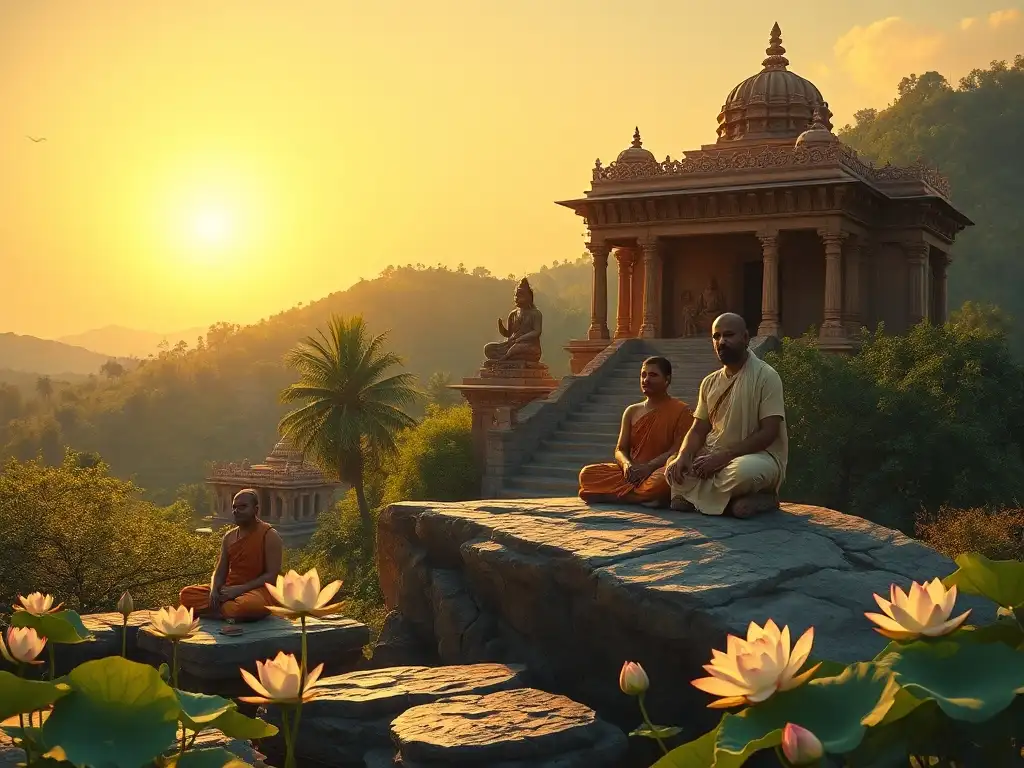
Introduction to Jainism in Ancient India
The origins of Jainism are deeply intertwined with the fabric of ancient Indian civilization, offering a unique glimpse into the spiritual and philosophical developments that shaped the subcontinent. Jainism, one of the oldest religions in India, is characterized by its teachings on non-violence, truth, and asceticism. It emphasizes the importance of individual spiritual development and the pursuit of liberation (moksha) through ethical living and self-discipline. Understanding the origins of Jainism not only provides insight into its foundational principles but also reveals the rich tapestry of cultural and historical influences that contributed to its emergence.
Overview of Jainism and Its Significance
Jainism is defined by its core tenets, which advocate for ahimsa (non-violence), anekantavada (non-absolutism), and aparigraha (non-possessiveness). These principles have had a profound impact on Indian society, influencing various aspects of life, including ethics, politics, and art. Jain monks and nuns have played a pivotal role in preserving and transmitting these teachings through centuries of change and turmoil, ensuring that the essence of Jain philosophy remains relevant even in modern times.
The essence of Jainism lies in its commitment to non-violence and respect for all living beings.
This commitment has made Jainism a vital part of the broader narrative of ancient Indian religions, fostering an environment of tolerance and coexistence among diverse faiths.
Importance of Understanding Jainism Origins in Ancient India
Exploring the origins of Jainism allows for a deeper appreciation of its role in shaping the spiritual landscape of ancient India. Understanding how Jainism developed alongside other religious traditions, such as Hinduism and Buddhism, provides valuable insights into the philosophical dialogues and cultural exchanges that occurred during this period. Furthermore, investigating the historical context of Jainism's emergence helps clarify its enduring relevance in contemporary discussions about ethics, environmentalism, and social justice.
Historical Context of Jainism
To fully grasp the significance of Jainism, it is essential to examine the historical backdrop against which it arose. Ancient India was a melting pot of diverse cultures and belief systems, and Jainism emerged as a distinct path within this vibrant milieu.
Ancient Indian Civilizations and Their Influence on Jainism
The Indus Valley Civilization, with its advanced urban planning and complex social structures, set the stage for the religious and philosophical developments that would follow. Later, during the Vedic period, the rise of new spiritual ideas and practices further enriched the religious landscape. Jainism drew from these early influences while carving out its unique identity, emphasizing ascetic practices and the quest for liberation.
| Civilization | Influence on Jainism |
|---|---|
| Indus Valley | Early concepts of spirituality and community living |
| Vedic Period | Introduction of philosophical dialogues and rituals |
| Maurya Empire | Promotion of non-violence and tolerance |
The Social and Cultural Landscape of Ancient India
The social and cultural dynamics of ancient India also played a crucial role in shaping Jainism. The emphasis on trade and commerce during this period fostered a network of interactions that facilitated the spread of Jain teachings. Jains often held influential positions in society, contributing to the arts, literature, and architecture. The vibrant cultural exchanges and the flourishing of various art forms also provided a fertile ground for the principles of Jainism to take root and thrive.
By understanding the historical context and the interplay of various influences, we can appreciate how Jainism emerged as a significant spiritual tradition, rooted in the rich soil of ancient Indian civilization.
Key Figures in the Development of Jainism
The development of Jainism is intrinsically linked to several key figures whose teachings and actions shaped the religion's foundational beliefs and practices. These figures, primarily Tirthankaras, played a vital role in establishing the philosophical underpinnings of Jainism and ensured its growth and continuity through the ages.
Mahavira: The 24th Tirthankara and His Contributions
Mahavira, also known as Vardhamana, is recognized as the 24th Tirthankara of Jainism and is often regarded as the most significant figure in the religion's history. Born in 599 BCE in Kundagrama (near modern-day Bihar), Mahavira was a contemporary of the Buddha and is credited with consolidating and reformulating Jain teachings.
His life was marked by profound spiritual experiences. At the age of 30, Mahavira renounced his worldly possessions and embarked on a path of intense asceticism, which lasted for 12 years. After achieving Kevala Jnana (absolute knowledge), he began to teach his insights, emphasizing the importance of ahimsa (non-violence), truth, and ascetic practices.
Mahavira's contributions to Jainism include:
- Establishment of the Fourfold Community: Mahavira organized the Jain community into four groups—monks, nuns, laymen, and laywomen—allowing for a structured approach to spiritual practice.
- Elaboration of Jain Ethics: He articulated a complex ethical system based on non-violence, truthfulness, and non-possessiveness, which became core tenets of Jainism.
- Promotion of Spiritual Liberation: Mahavira taught that liberation (moksha) is achievable through disciplined living and adherence to Jain principles, thereby influencing countless followers.
Parshva: The Predecessor of Mahavira and His Teachings
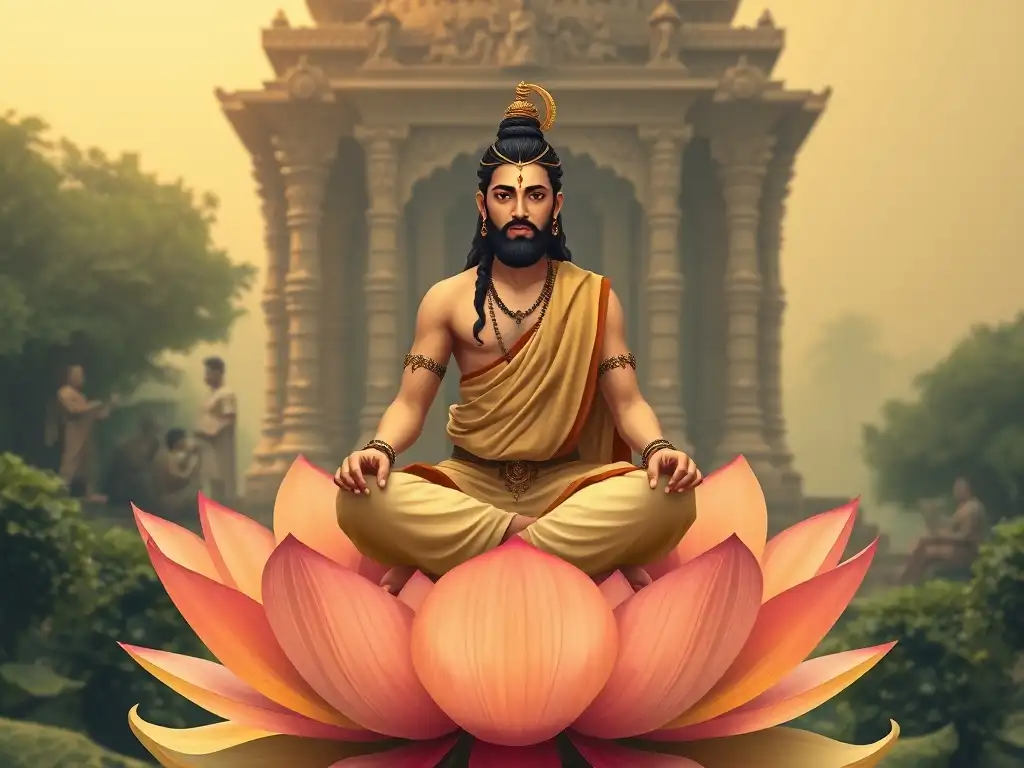
Parshva, the 23rd Tirthankara, precedes Mahavira in the Jain tradition and is believed to have lived in the 9th century BCE. Although less is known about him compared to Mahavira, Parshva's contributions were crucial in laying the groundwork for the Jain faith.
His teachings emphasized four primary vows, which would later be expanded upon by Mahavira:
- Ahimsa: Non-violence towards all living beings.
- Satya: Truthfulness in thought, word, and deed.
- Asteya: Non-stealing or respecting the possessions of others.
- Brahmacharya: Chastity or celibacy in both thought and action.
Parshva is often depicted as a meditative figure, and his life is marked by significant events that illustrate the path of renunciation and asceticism. His emphasis on non-violence and ethical living laid a foundation that Mahavira further developed, making Parshva a pivotal figure in the origins of Jainism.
Other Influential Personalities in Jainism’s Early History
In addition to Mahavira and Parshva, several other influential personalities contributed to the early history of Jainism, helping to shape its doctrines and practices. Some notable figures include:
- Neminatha: The 22nd Tirthankara, who is often associated with the ideal of non-violence, as he was a prince who renounced his kingdom for spiritual pursuits.
- Bhadrabahu: A prominent monk and leader of the Jain community in the 4th century BCE, he is credited with the compilation of Jain scriptures and played a significant role in the propagation of Jainism, especially in the Southern regions of India.
- Umaswati: An important philosopher and author of the Tattvartha Sutra, which is a comprehensive text on Jain philosophy and ethics, uniting various aspects of the faith into a coherent structure.
These figures, among others, contributed to the philosophical and ethical framework of Jainism, ensuring its teachings were preserved and transmitted through generations.
Philosophical Foundations of Jainism
The philosophical foundation of Jainism is built upon a unique understanding of reality, ethics, and the nature of existence. This framework is characterized by several core principles that guide the beliefs and practices of its followers.
Core Principles of Jainism: Ahimsa, Anekantavada, and Aparigraha
Jainism is distinguished by its emphasis on three core principles:
- Ahimsa (Non-violence): Ahimsa is the most fundamental principle in Jainism, advocating non-violence in thought, word, and deed. Jains believe that all living beings possess a soul and thus deserve respect and protection. This commitment to non-violence extends to dietary practices, leading many Jains to adopt strict vegetarianism.
- Anekantavada (Non-absolutism): This principle asserts that truth is multifaceted, and different perspectives can coexist. Anekantavada teaches that one should approach understanding with humility and openness, recognizing that one's view is not the sole truth. This principle fosters tolerance and dialogue among diverse viewpoints.
- Aparigraha (Non-possessiveness): Aparigraha emphasizes the importance of detachment from material possessions and desires. By practicing non-attachment, individuals can cultivate a sense of inner peace and spiritual progress. This principle encourages simplicity and minimalism, allowing Jains to focus on spiritual development rather than material accumulation.
The Concept of Karma and Its Role in Jain Beliefs

The concept of karma is central to Jain philosophy, shaping the understanding of life, death, and spiritual progression. In Jainism, karma is viewed as a physical substance that binds to the soul due to one's actions—both good and bad.
Key points regarding the concept of karma in Jain beliefs include:
- Karma as a Material Entity: Unlike other religious traditions where karma is often viewed as a mere moral law, Jains consider karma to be a tangible substance that affects the soul's journey through cycles of birth and rebirth (samsara).
- Types of Karma: Jains classify karma into various types, including:
- Ghatiya Karma: This affects the soul's intrinsic qualities and its ability to attain liberation.
- Aghatiya Karma: This influences external conditions, such as health and social status.
- Liberation from Karma: Jains believe that through right knowledge, right faith, and right conduct, individuals can purify their souls and ultimately attain liberation (moksha), freeing themselves from the cycle of rebirth.
The intricate relationship between karma and the principles of Jainism underscores the religion's focus on ethical living, promoting a lifestyle that seeks to minimize harm and cultivate spiritual growth.
The Evolution of Jainism in Ancient India
The origins of Jainism can be traced back to the period of the Indus Valley Civilization, around 2500 BCE, where one can observe early practices that resonate with Jain principles such as non-violence and respect for all living beings. Historical evidence suggests that Jainism evolved as a distinct religious tradition around the 6th century BCE, during a time when various spiritual movements flourished in ancient India. This was the era of significant philosophical discourses, with figures like Mahavira, the 24th Tirthankara, playing a pivotal role in shaping Jainism into a structured faith.
Mahavira's teachings emphasized the core principles of ahimsa (non-violence), satya (truth), asteya (non-stealing), brahmacharya (celibacy), and aparigraha (non-possessiveness). These principles laid the foundation for Jain ethics and lifestyle. Following Mahavira’s death, Jainism began to gain followers, leading to the establishment of monastic communities and institutions that preserved and propagated Jain teachings. The religion's emphasis on asceticism and spiritual purity attracted many individuals seeking liberation from the cycle of birth and death.
Over the centuries, Jainism developed into two primary sects: Digambara and Svetambara, each interpreting the teachings of Mahavira through different lenses. This evolution reflects the dynamic nature of ancient Indian spirituality, where philosophical debates and differing practices coexisted, allowing Jainism to flourish and adapt in various regions.
Early Practices and Rituals of Jain Followers
In the early stages of Jainism, followers engaged in various rituals and practices that underscored their commitment to spiritual purity and asceticism. These practices included fasting, prayer, and meditation, which were integral to their daily lives. Jain monks and nuns, adhering to strict codes of conduct, would often partake in prolonged fasting as a form of spiritual discipline, seeking to purify both body and soul.
Rituals such as the Paryushana festival, which emphasizes forgiveness and reflection, were established to foster community bonds and reinforce the teachings of non-violence and compassion. During this festival, Jains engage in introspection, seeking to atone for their misdeeds and reaffirm their commitment to Jain values.
Additionally, rituals involving puja (worship) of Tirthankaras were common, where devotees would offer prayers and perform symbolic acts of devotion. These early practices not only reinforced Jain beliefs but also laid the groundwork for the rich tapestry of Jain rituals that continue to be observed today.
The Split Between Digambara and Svetambara Traditions
The split between the Digambara and Svetambara traditions occurred around the 1st century BCE, primarily due to differences in beliefs regarding ascetic practices and the interpretation of Jain scriptures. Digambaras, meaning "clothed in sky," advocate complete renunciation of worldly possessions, including clothing, which symbolizes their commitment to extreme asceticism. They believe that true liberation can only be attained through rigorous self-discipline and detachment from all material forms.
In contrast, the Svetambaras, or "white-clad," allow their monks to wear simple white robes. This sect emphasizes the importance of community involvement and believes that laypersons can also achieve spiritual progress through devotion and righteous living. The Svetambaras maintain that Mahavira did not intend for absolute nakedness to be a requirement for liberation, thereby creating a more inclusive approach to spiritual practices.
This division was not merely a matter of differing ascetic practices but also extended to interpretations of Jain scriptures and the role of women in spiritual life. While both sects share core Jain beliefs, their divergent paths have enriched the overall tradition, allowing for a variety of practices and interpretations that cater to a broader audience.
Key Texts and Scriptures of Jainism
The sacred texts of Jainism play a crucial role in preserving the teachings and philosophies of the faith. These texts not only provide guidance for spiritual practice but also offer insight into the historical development of Jain thought. The most significant scriptures are the Agamas, which form the foundation of Jain religious literature and philosophy.
The Agamas: Sacred Texts of Jainism
The Agamas are a collection of canonical texts that contain the teachings of Mahavira, compiled by his disciples after his nirvana. These texts are divided into two main categories: Svetambara Agamas and Digambara Agamas, reflecting the beliefs and practices of the respective sects.
The Svetambara Agamas consist of texts such as the Samavaya, Sutra, and Niryukti, which elaborate on various aspects of Jain philosophy, ethics, and rituals. They serve as a guide to understanding the core principles of Jainism, including the nature of the soul, karma, and the path to liberation.
In contrast, the Digambara tradition has its own set of texts, including the Shatkhandagama, which delves into the intricacies of Jain cosmology and ethics. The Agamas are revered as the ultimate authority in Jainism, providing a roadmap for followers on their spiritual journey toward liberation.
Other Important Writings and Their Historical Context
Beyond the Agamas, several other texts have significantly contributed to Jain literature and thought. Tattvartha Sutra, authored by Umaswati, is one of the most influential texts in Jain philosophy, synthesizing various teachings and concepts into a coherent framework. This work serves as a pivotal reference point for both sects and is often studied in conjunction with the Agamas.
Another notable text is the Niyamasara, written by Acharya Kundakunda, which emphasizes the importance of self-realization and the inner path to enlightenment. Such texts reflect the evolving nature of Jain thought and its adaptation to the socio-political context of ancient India.
Additionally, various commentaries and philosophical treatises emerged throughout history, enriching Jain literature and offering diverse interpretations of foundational concepts. These writings not only document the theological perspectives of Jain thinkers but also engage with broader philosophical debates occurring in ancient India, showcasing the dynamic interplay between Jainism and other religious traditions.
Through these texts, the historical development of Jainism is preserved, allowing contemporary followers to connect deeply with their rich spiritual heritage and the profound teachings that have guided generations in their quest for liberation.
Jainism's Impact on Ancient Indian Society
Jainism played a significant role in shaping ancient Indian society. Its core principles, emphasizing non-violence (ahimsa), truth (satya), and asceticism, permeated various aspects of social life. The rigorous moral code advocated by Jain teachings influenced the everyday behaviors of individuals, promoting a lifestyle of compassion and respect for all living beings. This commitment to non-violence not only transformed personal interactions but also impacted broader societal norms, leading to reduced conflict and fostering a culture of tolerance.
Moreover, Jain communities often established educational institutions and libraries, contributing to the preservation and dissemination of knowledge. The emphasis on learning within Jainism nurtured a literate society, which was pivotal during ancient times when oral traditions prevailed. This intellectual environment allowed for the flourishing of philosophy, mathematics, and astronomy, with many Jain scholars making substantial contributions to these fields.
Jainism’s Influence on Art, Architecture, and Literature
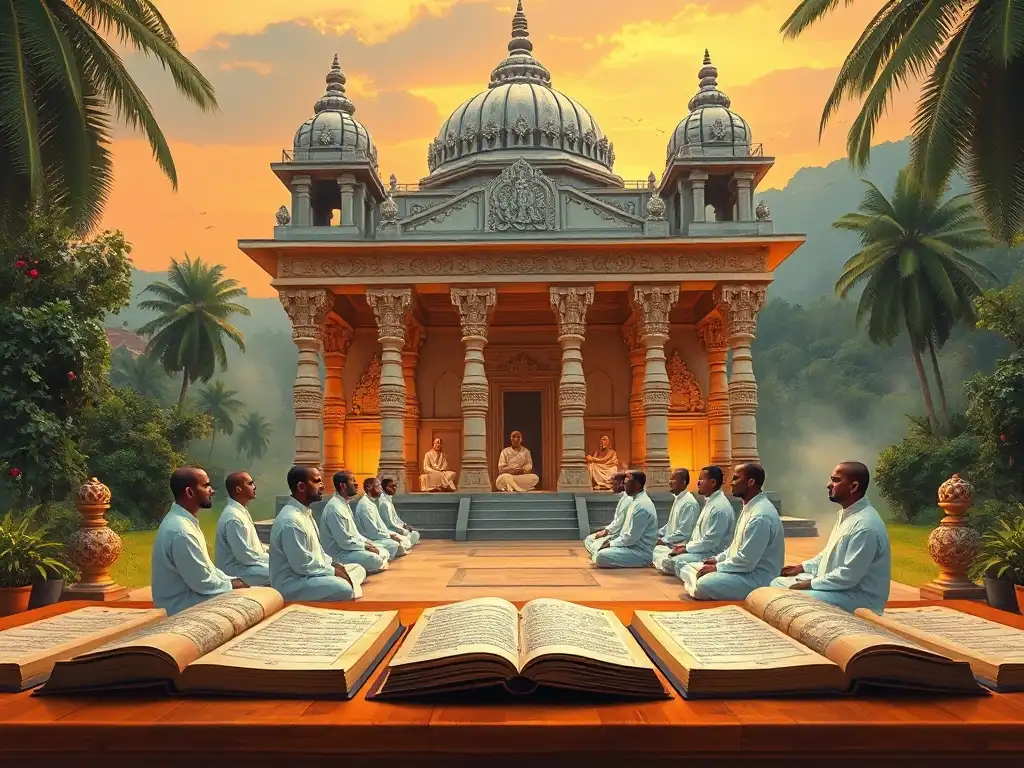
Jainism's impact on art and architecture is profound and can be observed through intricate sculptures, temples, and manuscripts that characterize ancient Indian heritage. Jain temples, known for their elaborate carvings and exquisite design, serve as a testament to the religious devotion and artistic skill of their architects. Notable examples include the Dilwara Temples in Mount Abu, which feature stunning marble inlay work and detailed frescoes depicting Jain tirthankaras (spiritual teachers).
In literature, Jain texts such as the "Tattvartha Sutra" and various commentaries have been pivotal in documenting Jain philosophy and ethics. Jain authors contributed significantly to the body of Sanskrit literature, enriching the cultural tapestry of ancient India. The themes of morality, duty, and the quest for liberation found in Jain writings resonate with broader Indian spiritual and philosophical traditions, showcasing the interconnectedness of Jainism with other ancient Indian religions.
The Role of Jain Merchants and Their Contributions to Economy
Jain merchants played a crucial role in the economic landscape of ancient India. Renowned for their business acumen, they were instrumental in trade, commerce, and the establishment of vibrant market networks. Jain communities often engaged in long-distance trade, connecting various regions and facilitating the exchange of goods such as textiles, spices, and precious stones.
The economic success of Jain merchants allowed them to become patrons of art, culture, and religious institutions. Their wealth facilitated the construction of temples and educational establishments, which in turn supported the proliferation of Jain teachings. Furthermore, their commitment to ethical business practices, rooted in Jain principles, promoted fair trade and fostered trust among trading partners, contributing to a stable economy.
Conclusion: The Legacy of Jainism in Ancient India
Summary of Jainism Origins in Ancient India
The origins of Jainism in ancient India trace back to the 6th century BCE, around the time of the Buddha. Founded by Mahavira, the 24th tirthankara, Jainism emerged as a reform movement that sought to purify the existing religious practices and promote a path of non-violence and asceticism. Its principles resonated with many, leading to the establishment of a distinct religious community that emphasized personal spiritual development and ethical living.
Jainism's teachings on karma, rebirth, and liberation from the cycle of life and death have left an indelible mark on the spiritual landscape of ancient India. The religion's growth was supported by influential patrons and a network of dedicated followers, ensuring its survival and evolution through centuries.
The Enduring Influence of Jainism on Modern Indian Culture
The legacy of Jainism continues to be felt in modern Indian culture. Its principles of non-violence and respect for all living beings have inspired various social reform movements and continue to promote a culture of peace and coexistence. The celebration of Paryushana, a significant Jain festival, exemplifies the community's commitment to self-reflection and forgiveness, values that resonate widely in contemporary society.
Furthermore, Jain contributions to art, architecture, and literature remain integral to India's cultural heritage. The teachings of Jainism have influenced not only followers of the religion but also broader societal attitudes towards ethics, environmentalism, and social responsibility. As India navigates the complexities of modernity, the enduring influence of Jainism serves as a guiding light, encouraging a return to values of compassion and mindfulness in an increasingly fragmented world.
Further Reading on Jainism and Ancient Indian Religions
As the study of Jainism and its origins unfolds, readers may wish to explore further to gain a deeper understanding of this ancient tradition and its place within the broader context of Indian religions. Engaging with a variety of resources can provide a more comprehensive view of Jainism’s principles, history, and its contributions to Indian culture and philosophy. Here are some recommended books and resources, along with a look at related topics in ancient Indian religions.
Recommended Books and Resources on Jainism Origins and History
-
"The Jains" by Paul Dundas
This book serves as an excellent introduction to Jainism, covering its origins, beliefs, practices, and historical development. Dundas's accessible writing style makes it suitable for both scholars and general readers.
-
"Jainism: An Introduction" by Jeffery D. Long
Long provides a concise overview of Jain philosophy and ethics, exploring the significance of non-violence (ahimsa) and truth in Jain teachings. This book is particularly useful for understanding the moral framework that governs Jain life.
-
"History of Jainism" by Dr. R. C. Jain
This resource delves into the historical development of Jainism, tracing its evolution from ancient times to the present day. It offers insights into key figures, texts, and the impact of Jainism on Indian society.
-
"The Sacred Books of the Jainas" translated by Hermann Jacobi
This collection includes translations of important Jain texts, providing valuable context for the philosophical and theological foundations of Jainism.
-
Online Resources:
Websites such as the Jainpedia and The Jaina Community offer extensive information on Jain history, festivals, and contemporary practices. These platforms also include scholarly articles, videos, and discussions that can enrich understanding.
Related Topics in Ancient Indian Religions
Exploring Jainism also invites a consideration of related topics within the tapestry of ancient Indian religions. Here are some key areas of interest:
-
Buddhism:
Jainism and Buddhism share historical roots and philosophical similarities, particularly in their emphasis on non-violence and the pursuit of enlightenment. Understanding their interactions can illuminate the spiritual landscape of ancient India.
-
Hinduism:
As one of the predominant religions in ancient India, Hinduism has influenced and been influenced by Jain beliefs and practices. The exploration of common themes, such as karma and dharma, can provide further insights into Jainism’s development.
-
Indus Valley Civilization:
The origins of Jainism can be traced back to the cultural and spiritual practices of the Indus Valley Civilization. Studying this ancient civilization can shed light on the early influences that shaped Jain thought.
-
Philosophical Texts:
The study of ancient Indian philosophy, including the works of thinkers such as Adi Shankaracharya and the Nyaya school, can enrich the understanding of Jain philosophical concepts and their place within the broader intellectual traditions of ancient India.
By delving into these resources and related topics, readers can embark on a comprehensive journey through the origins of Jainism, enhancing their appreciation of its profound impact on the history and culture of ancient India.
- Introduction to Jainism in Ancient India
- Historical Context of Jainism
- Key Figures in the Development of Jainism
- Mahavira: The 24th Tirthankara and His Contributions
- Parshva: The Predecessor of Mahavira and His Teachings
- Other Influential Personalities in Jainism’s Early History
- Philosophical Foundations of Jainism
- Core Principles of Jainism: Ahimsa, Anekantavada, and Aparigraha
- The Concept of Karma and Its Role in Jain Beliefs
- The Evolution of Jainism in Ancient India
- Key Texts and Scriptures of Jainism
- Jainism's Impact on Ancient Indian Society
- Jainism’s Influence on Art, Architecture, and Literature
- The Role of Jain Merchants and Their Contributions to Economy
- Conclusion: The Legacy of Jainism in Ancient India
- Further Reading on Jainism and Ancient Indian Religions
Frequently Asked Questions
What are the origins of Jainism in ancient India?
Jainism originated in ancient India, with its roots tracing back to the Indus Valley Civilization around 3000 BCE. It emphasizes non-violence and truth, with teachings attributed to Tirthankaras, particularly Mahavira.
Who was Mahavira and what was his role in Jainism?
Mahavira is regarded as the 24th Tirthankara and a key figure in the establishment of Jainism. His teachings in the 6th century BCE revitalized Jain principles, emphasizing asceticism and the path to liberation.
How did Jainism influence ancient Indian culture?
Jainism significantly contributed to various aspects of ancient Indian culture, including art, architecture, and literature. It promoted values of ahimsa (non-violence) that permeated other Indian religions as well.
What are the main beliefs of Jainism?
The core beliefs of Jainism include the Three Jewels: Right Faith, Right Knowledge, and Right Conduct. Jains follow strict codes of conduct aimed at achieving spiritual purity and liberation from the cycle of rebirth.
How is Jainism practiced today in modern India?
Today, Jainism continues to thrive in modern India, with millions of followers practicing its teachings. Festivals, rituals, and community service play a vital role in Jain communities, preserving their rich heritage and values.
Final Reflection: The Enduring Legacy of Jainism's Origins
The exploration of Jainism's origins in ancient India reveals not only a rich tapestry of spiritual and philosophical thought but also its profound relevance in today's world. As we navigate the complexities of modern life, the principles of non-violence, truth, and asceticism that Jainism embodies resonate deeply, urging us to reconsider our interactions with each other and the environment. The teachings of Jainism remind us that the journey toward enlightenment is as significant as the destination itself.
Culturally and socially, Jainism has left an indelible mark on the Indian subcontinent and beyond, influencing art, ethics, and community living. Its emphasis on compassion and respect for all living beings continues to inspire movements for peace and sustainability. The greatest gift is to give people your enlightenment, to share it.
This quote encapsulates the essence of Jainism's teachings, highlighting the importance of sharing wisdom and fostering a compassionate society.
As we reflect on the origins of Jainism, let us take a moment to consider how we can integrate its timeless values into our daily lives. I invite you to explore the principles of Jainism and think about how they can guide your actions and decisions. In a world that often prioritizes conflict over harmony, embracing the teachings of Jainism could be a transformative step toward creating a more peaceful and compassionate future for ourselves and generations to come.
Embrace the Wisdom of Jainism: Take Action Today!
Thank you for immersing yourself in the fascinating origins of Jainism; we hope you found insights that deepen your understanding of this ancient tradition. Now, let’s transform that knowledge into meaningful action!
Here are a few steps you can take:
- Explore a local Jain community: Attend an event or visit a temple to experience the principles of Jainism in practice.
- Share your newfound knowledge with friends and family – initiate an enlightening conversation about the richness of Jain culture and philosophy.
- Dive deeper into Jain literature: pick up an introductory book or watch a documentary to learn more about its teachings on non-violence and spirituality.
Which aspect of Jainism resonates with you the most, and how do you plan to integrate its teachings into your daily life?