
The Upanishads as a Source of Inspiration for Artists and Thinkers

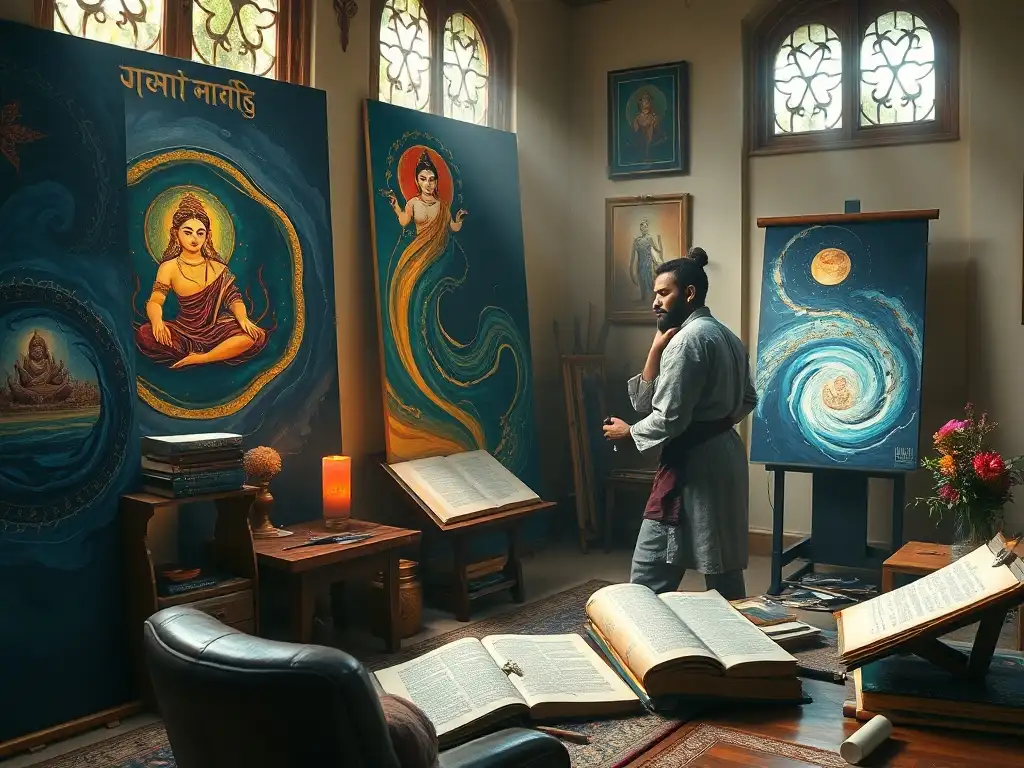
Welcome to Ancient India History—a portal into the rich tapestry of cultures and civilizations that shaped one of the world's oldest societies. Here, we invite you to delve deep into the profound influence of the Upanishads on art, exploring how these sacred texts inspired creativity and philosophical thought throughout the ages. As you navigate through our articles, you'll uncover the intricate connections between spirituality and artistic expression, revealing insights that continue to resonate today. Prepare to embark on a journey that not only informs but ignites your curiosity about the remarkable legacy of ancient Indian religions.
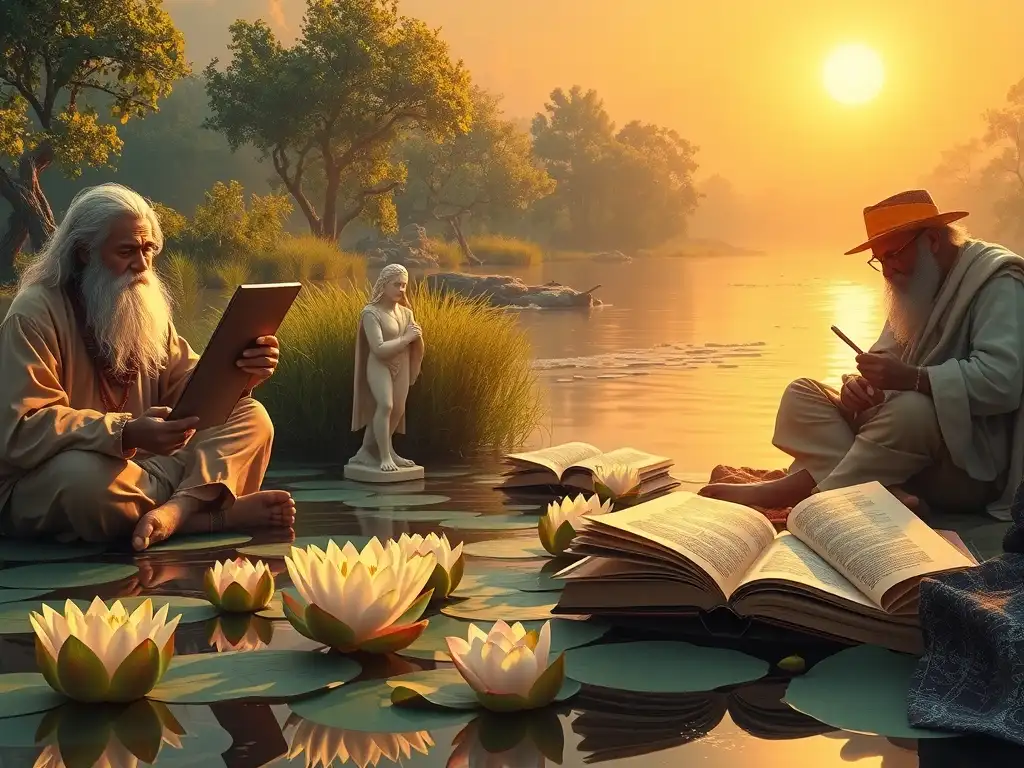
The Upanishads, revered as some of the most profound texts of ancient Indian philosophy, have left an indelible mark not only on spiritual thought but also on the realms of art and creativity. Composed between 800 and 400 BCE, these scriptures explore the nature of reality, the self, and the universe, offering insights that transcend mere philosophical discourse.
Their teachings have inspired countless artists, poets, and thinkers throughout history, fostering a unique interplay between spiritual wisdom and artistic expression. This article delves into the influence of the Upanishads on art, examining how these sacred texts have shaped various forms of creative expression and continue to resonate in contemporary culture.
Introduction to the Upanishads
Overview of the Upanishads’ Historical Context
The Upanishads form the concluding part of the Vedic literature, marking a significant shift from ritualistic practices to introspective philosophy. They emerged during a period of profound transformation in ancient India, characterized by the questioning of established norms and the pursuit of deeper truths. This era saw the rise of various philosophical schools, all striving to understand the essence of existence. The Upanishads, with their poetic verses and dialogues, encapsulated the spiritual inquiries of the time, inviting individuals to explore the mysteries of life and consciousness.
Significance of the Upanishads in Hindu Philosophy
The Upanishads hold a central place in Hindu philosophy, often regarded as the culmination of Vedic thought. They introduce key concepts such as Brahman (the ultimate reality) and Atman (the individual soul), emphasizing the interconnectedness of all existence. The teachings encourage self-realization and the pursuit of knowledge, serving as a guide for both spiritual seekers and artists. By articulating ideas of unity, transcendence, and the nature of the self, the Upanishads inspire creative minds to explore the depths of human experience and express it through various artistic mediums.
The Upanishads Influence on Art
Exploring the Concept of Art in Ancient Indian Culture
Art in ancient India was not merely a form of aesthetic expression; it was deeply intertwined with spirituality and philosophy. The Upanishads, with their exploration of metaphysical themes, provided fertile ground for artistic creation. Artists sought to capture the essence of divine truths and the human experience, often drawing upon the rich imagery and allegorical narratives found within these texts. From sculpture to painting, the artistic expressions of ancient India reflect the philosophical inquiries posed by the Upanishads, embodying a holistic understanding of life.
How the Upanishads Shaped Artistic Expression
The influence of the Upanishads on artistic expression is evident in various forms, including literature, visual arts, and performance. Poets and playwrights have drawn inspiration from the metaphysical themes of the Upanishads, creating works that resonate with audiences on both emotional and intellectual levels. In visual arts, the intricate depictions of deities and cosmic elements echo the Upanishadic teachings about the nature of reality.
Furthermore, traditional dance forms often incorporate the philosophical concepts of the Upanishads, transforming physical movement into a spiritual dialogue. By exploring these connections, we can appreciate how the Upanishads continue to inspire and inform artistic endeavors across cultures and epochs.
The Impact of the Upanishads on Literature and Philosophy
The Upanishads, as ancient Indian texts that delve into profound philosophical questions and spiritual insights, have had a significant impact on both literature and philosophy. They provide not only a foundation for Hindu thought but also resonate with universal themes that have influenced countless writers, poets, and philosophers across various cultures. Their exploration of concepts such as the nature of reality, the self (Atman), and the ultimate reality (Brahman) has inspired intellectual discourse and artistic expression, making them a vital part of the spiritual and literary landscape.
The influence of the Upanishads extends beyond Indian borders, reaching Western thinkers and contributing to a global dialogue on spirituality and existence. The rich metaphors and allegorical narratives found within these texts have been a source of inspiration for many literary works, prompting writers to explore themes of self-realization, the quest for knowledge, and the interconnectedness of all beings.
Influence on Poets and Writers Throughout History
Throughout history, numerous poets and writers have drawn inspiration from the Upanishadic texts, integrating their profound philosophical insights into their works. For example, the 19th-century poet Rabindranath Tagore was deeply influenced by Upanishadic thought, which is evident in his poems that reflect on the nature of the self and the universe. Tagore's work often embodies the themes of unity and transcendence found in the Upanishads, showcasing how these ancient texts continue to resonate with contemporary literary figures.
In addition, modern writers like Hermann Hesse and Aldous Huxley have acknowledged the influence of the Upanishads on their literary creations. Hesse’s novel "Siddhartha" encapsulates the journey of self-discovery and enlightenment, mirroring the philosophical explorations of the Upanishads. Huxley, too, references these texts in his discussions on spirituality and consciousness in works such as "The Perennial Philosophy." This lineage of inspiration illustrates how the Upanishads have maintained their relevance and appeal across diverse literary traditions.
Philosophical Movements Influenced by Upanishads
The Upanishads have significantly shaped various philosophical movements, both in India and globally. In India, they laid the groundwork for the development of Vedanta, a philosophical system that explores the nature of reality and the relationship between the individual soul and the ultimate reality. Vedanta thinkers, such as Adi Shankaracharya, have drawn heavily from the Upanishads, emphasizing concepts like non-duality (Advaita) and the unity of Atman and Brahman.
Beyond India, the Upanishads have influenced Western philosophical thought, particularly during the transcendentalist movement in the 19th century. Figures like Ralph Waldo Emerson and Henry David Thoreau were inspired by Upanishadic ideas, which emphasized individual intuition and the divine presence in nature. This cross-cultural exchange has enriched philosophical discourse, demonstrating the Upanishads' enduring impact on human thought.
Artistic Interpretations of Upanishadic Themes
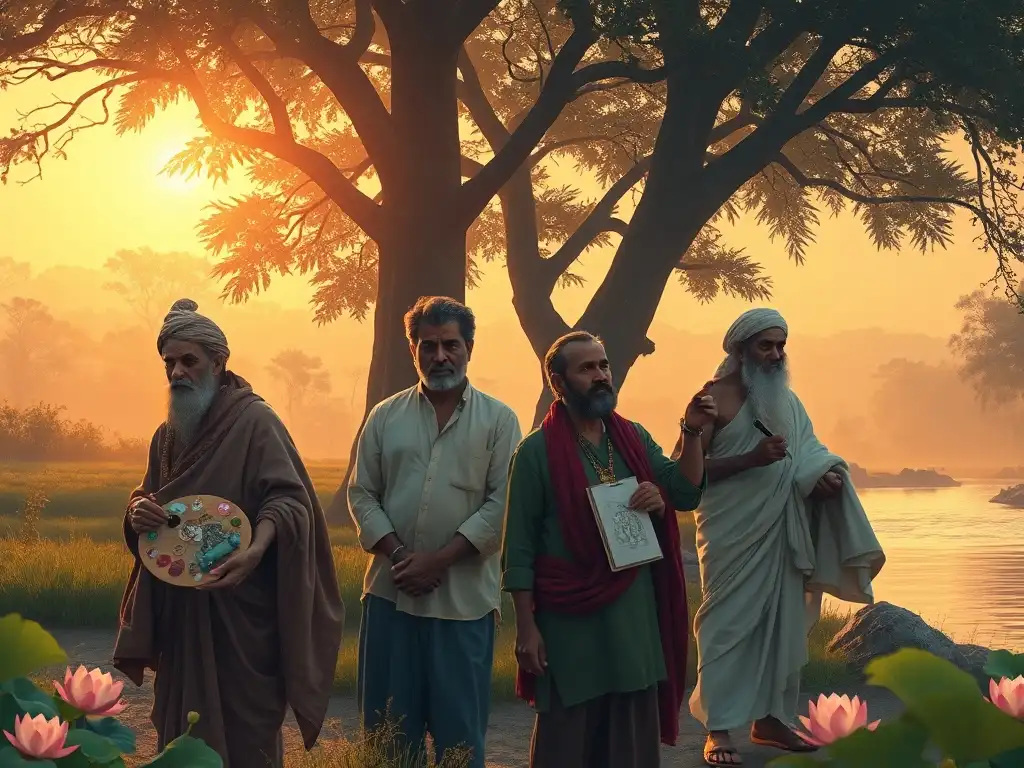
The profound themes found within the Upanishads have not only inspired literature and philosophy but have also permeated various forms of art. Artists across generations have sought to express the spiritual and philosophical concepts articulated in these texts through visual and performing arts. The abstraction of the self, the quest for enlightenment, and the nature of existence have been translated into artistic expressions that resonate with audiences on multiple levels.
Visual Arts and the Upanishads
Visual arts have long been a medium through which the themes of the Upanishads have been explored and represented. Traditional Indian paintings, sculptures, and frescoes often depict scenes and symbols inspired by Upanishadic philosophy. For instance, the concept of Brahman as the ultimate reality is frequently illustrated through intricate designs and motifs that symbolize the cosmos and divinity.
Contemporary artists, too, have engaged with Upanishadic themes, creating works that reflect the philosophical inquiries of these ancient texts. Artists like Anish Kapoor and Subodh Gupta have infused their creations with elements that evoke the transcendental qualities found in the Upanishads, encouraging viewers to contemplate the deeper meanings of existence and the interconnectedness of life. This ongoing dialogue between art and philosophy highlights the timelessness and universality of Upanishadic ideas.
Performing Arts and the Influence of Upanishads
The influence of the Upanishads extends into the realm of performing arts, particularly in dance, theater, and music. Classical Indian dance forms, such as Bharatanatyam and Kathak, often incorporate themes and stories derived from Upanishadic teachings. Dancers express philosophical concepts through intricate movements and storytelling, allowing audiences to experience the spiritual essence of the texts in a dynamic way.
In theater, plays and performances inspired by the Upanishads explore themes of self-realization and existential inquiry. Contemporary playwrights have adapted the teachings of the Upanishads into modern narratives, fostering a deeper understanding of these ancient philosophies while making them accessible to new audiences. Similarly, music, especially genres rooted in Indian classical traditions, often draws upon the rich metaphors and spiritual themes of the Upanishads, creating an auditory experience that resonates with the essence of these age-old philosophies.
The Upanishads have profoundly influenced not only the realms of literature and philosophy but also the visual and performing arts. Their deep exploration of existence, consciousness, and spirituality continues to inspire artists and thinkers, ensuring their legacy endures in various creative expressions across cultures and time periods.
Modern Interpretations and Continued Influence
The Upanishads, ancient texts that delve into the philosophical underpinnings of Hindu thought, continue to resonate with modern artists and thinkers. Their exploration of concepts such as the nature of reality, self-awareness, and the interconnectedness of all beings provides fertile ground for creative expression. As contemporary society grapples with existential questions and seeks deeper meanings in life, the teachings of the Upanishads emerge as a beacon of inspiration. This influence spans various artistic mediums, including visual arts, literature, music, and performance art, reflecting the timeless relevance of these ancient scriptures.
Contemporary Artists Drawing Inspiration from Upanishads
Numerous contemporary artists draw upon the wisdom of the Upanishads to inform their work. For instance, renowned painter and sculptor Anish Kapoor has often referenced the philosophical themes inherent in these texts. His works explore notions of space, perception, and the void—concepts that parallel the Upanishadic idea of Brahman, the ultimate reality that transcends the physical world. Similarly, Indian filmmaker Satyajit Ray incorporated Upanishadic themes in his narratives, particularly the exploration of the human condition and the quest for understanding one's place in the universe.
Moreover, performance artists like Shankar Mahadevan have utilized the lyrical and rhythmic aspects of ancient texts, integrating them into contemporary music. His compositions often invoke the spiritual depth and emotional resonance found in the Upanishads, creating a bridge between the past and the present.
The Relevance of Upanishadic Teachings in Today's Art Scene
In today's art scene, the Upanishads offer a profound commentary on the human experience, addressing themes such as consciousness, morality, and the pursuit of truth. Many modern artists engage with these teachings to explore the depths of human emotion and the complexities of existence. The concept of Atman, or the true self, serves as a critical source of inspiration, prompting artists to reflect on identity and personal narratives.
Moreover, the Upanishads emphasize the importance of meditation and introspection, which resonate with the contemporary emphasis on mindfulness and wellness. Artists often incorporate these practices into their creative processes, enhancing their ability to channel deeper insights into their work. This engagement not only enriches the artistic dialogue but also encourages audiences to reflect on their spiritual journeys and existential inquiries.
Conclusion: The Enduring Legacy of the Upanishads in Creative Expressions
The legacy of the Upanishads as a source of inspiration for artists and thinkers remains robust and dynamic. Their teachings offer profound insights that transcend time and cultural boundaries, inviting creative individuals to explore the depths of their own understanding and expression. As we delve into the realms of art, literature, and performance, the influence of these ancient texts continues to shape our perceptions of the world.
Summary of Upanishads as a Source of Inspiration
The Upanishads serve as a wellspring of inspiration for contemporary artists by providing philosophical frameworks that address fundamental questions about existence, self, and the cosmos. Their teachings foster a deeper connection between spirituality and creativity, encouraging artists to explore universal themes through their unique lenses. This ongoing dialogue between ancient wisdom and modern expression highlights the enduring relevance of the Upanishads in our cultural landscape.
Final Thoughts on the Intersection of Spirituality and Art
As we reflect on the intersection of spirituality and art, it becomes clear that the Upanishads play a crucial role in shaping the narratives of contemporary creative expression. The ability of these ancient texts to inspire innovation and introspection underscores their timeless nature. By engaging with the Upanishads, artists not only honor a rich tradition but also contribute to the ongoing exploration of humanity's most profound questions, creating a tapestry of art that speaks to the soul. In this way, the Upanishads continue to illuminate paths of creativity and understanding, enriching both the artist and the audience alike.
- Introduction to the Upanishads
- The Upanishads Influence on Art
- The Impact of the Upanishads on Literature and Philosophy
- Artistic Interpretations of Upanishadic Themes
- Modern Interpretations and Continued Influence
- Conclusion: The Enduring Legacy of the Upanishads in Creative Expressions
Frequently Asked Questions
What are the Upanishads?
The Upanishads are ancient Indian texts that form the philosophical basis of Hinduism. They explore the nature of reality, the self, and the relationship between the individual and the universal spirit.
How have the Upanishads influenced art?
The Upanishads have significantly influenced various art forms by inspiring themes related to spirituality, transcendence, and the inner self, leading artists to explore deeper philosophical concepts in their work.
Which artists have drawn inspiration from the Upanishads?
Many contemporary and traditional artists have drawn inspiration from the Upanishads, incorporating their philosophical themes into paintings, sculptures, and literature, showcasing a blend of spiritual and aesthetic elements.
What is the significance of the Upanishads in Indian culture?
The Upanishads hold a vital place in Indian culture, influencing not only spiritual practices but also literature, music, and dance, enriching the cultural tapestry of ancient and modern India.
How do the Upanishads relate to modern philosophical thought?
The Upanishads have contributed to modern philosophical discussions by introducing concepts of self-realization and the nature of consciousness, which resonate with contemporary inquiries in both Eastern and Western philosophies.
Final Reflection: The Enduring Influence of the Upanishads on Art and Thought
The Upanishads serve as a profound wellspring of inspiration that resonates deeply in today's artistic and intellectual landscapes. Their teachings, which explore the nature of reality and the self, continue to challenge and inspire artists and thinkers alike, urging them to delve into the depths of existence and creativity. In an age where superficiality often reigns, the timeless wisdom of the Upanishads reminds us of the importance of introspection and the pursuit of deeper truths.
Cultural movements and artistic expressions across the globe have been significantly shaped by the philosophies found within the Upanishads. From the evocative brushstrokes of painters to the poignant verses of poets, the influence of these ancient texts is palpable. As we navigate a world filled with noise and distraction, the Upanishads encourage us to seek clarity and authenticity in our creations. Art is the most beautiful of all lies,
said Picasso, and the Upanishads guide us to uncover the truths that lie beneath those lies, urging us to create from a place of profound understanding.
As you reflect on the insights shared in this article, I invite you to consider how the teachings of the Upanishads can inspire your own artistic or intellectual journey. What truths do you seek to express in your work? Let the wisdom of these ancient texts guide you in your quest for authenticity and depth, encouraging you to explore the interconnectedness of all things. Embrace the challenge of creating art that not only reflects your inner self but also resonates with the universal truths that bind us all.
Unleash Your Creative Potential Today!
Thank you for joining us on this journey exploring how ancient philosophies inspire artists and thinkers alike. You've gained insights into profound ideas that have shaped creative expressions throughout history. Now, it’s time to take these inspirations and bring them into your own life and work!
Here are some actionable steps you can take right now:
- Dive Deep: Select a specific philosophical text that resonates with you; spend time reflecting on its themes and jot down your thoughts.
- Create and Share: Use the insights gained from your exploration to produce a piece of art, writing, or music. Share your creation on social media to inspire others.
- Engage with a Community: Join or start a discussion group focused on the application of such philosophies in art and thought, fostering collaboration and inspiration among peers.
What inspirational themes have you discovered that could transform your creative expression?