
The Role of Guru in Hindu Philosophy: Guiding the Spiritual Journey

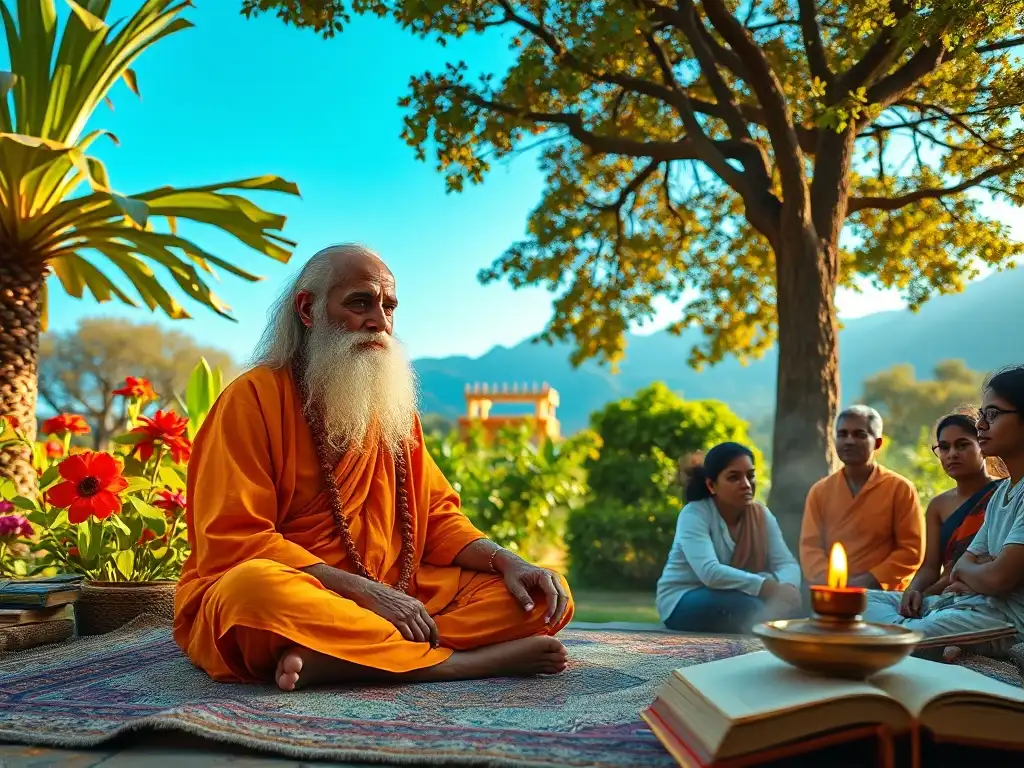
Welcome to Ancient India History! Here, we invite you to embark on a fascinating journey through the rich tapestry of ancient Indian civilizations, where every thread tells a story of cultural brilliance and spiritual depth. In our featured article, we delve into the pivotal role of the Guru in Hindu philosophy, illuminating how these revered figures shape the spiritual journeys of countless seekers.
What wisdom do these ancient teachings hold for us today? Join us as we explore the profound connections between knowledge, guidance, and enlightenment, and discover how the legacy of the Guru continues to resonate through the ages. Dive deeper and unveil the mysteries that await!

Introduction to the Concept of Guru in Hinduism
In the rich tapestry of Hindu philosophy, the concept of the Guru holds a paramount position, regarded as a pivotal figure in guiding individuals on their spiritual journey. The Guru is not merely a teacher; rather, he or she embodies a profound source of wisdom, knowledge, and enlightenment, facilitating the seeker’s quest for truth and self-realization.
The role of the Guru transcends the boundaries of traditional education and enters the realm of spiritual mentorship, where the teachings imparted lead to profound transformations in the disciple’s life. Understanding the multifaceted role of the Guru in Hindu philosophy is essential for grasping the deeper meanings of spiritual practices, ethical values, and personal development within this ancient tradition.
Definition of Guru in the Context of Hindu Philosophy
The term Guru derives from the Sanskrit roots "gu" meaning darkness and "ru" meaning light. Thus, the Guru is often described as one who dispels the darkness of ignorance, illuminating the path toward knowledge and enlightenment. In the context of Hindu philosophy, a Guru is revered as a spiritual teacher who imparts wisdom through teachings and personal guidance.
The relationship between a Guru and a disciple, or shishya, is often characterized by profound respect, devotion, and commitment. This relationship is not only academic but also deeply spiritual, emphasizing the transmission of sacred knowledge and practices from one generation to the next.
Historical Evolution of the Guru Tradition in Ancient India
The tradition of the Guru in ancient India can be traced back to the Vedic period, where sages and seers played a crucial role in the transmission of spiritual knowledge. Over the centuries, this tradition evolved, incorporating various aspects of spiritual and philosophical inquiry.
- Vedic Era: Gurus known as Rishis guided their disciples in understanding the Vedas, the foundational texts of Hindu philosophy.
- Upanishadic Period: The Guru-disciple relationship deepened, with teachings often conveyed through dialogues exploring the nature of reality and the self.
- Bhakti Movement: During this period, the role of the Guru expanded to include not only philosophical teachings but also emotional and devotional guidance, emphasizing a personal connection with the divine.
The Guru tradition thus reflects the dynamic interplay between spiritual transmission and cultural evolution in ancient Indian society.
The Significance of the Guru in Hindu Spirituality
The Guru as a Spiritual Guide and Teacher
In Hindu spirituality, the Guru serves as a beacon of light, guiding seekers through the complexities of existence. The teachings of the Guru are not limited to theoretical knowledge; they encompass practical wisdom that aids disciples in navigating life's challenges. Through various methodologies such as shravana (listening), manana (reflection), and nididhyasana (meditative absorption), the Guru facilitates a comprehensive learning experience that fosters a deep understanding of spiritual truths.
The Guru's Role in Shaping Moral and Ethical Values
The influence of the Guru extends beyond mere spiritual teachings to encompass the moral and ethical framework within which a disciple operates. Gurus instill values such as compassion, humility, and integrity, shaping the character of their disciples. This ethical grounding is essential in Hindu philosophy, where personal conduct is viewed as integral to spiritual progress. The Guru's guidance in ethical matters helps disciples cultivate virtues that contribute to a harmonious life and community.
The Guru's Influence on Personal Development and Self-Realization
The journey of self-realization is often fraught with obstacles, and the Guru plays a crucial role in assisting seekers in overcoming these challenges. Through personalized mentorship, the Guru helps disciples identify their strengths and weaknesses, encouraging them to embark on a path of self-discovery. The transformative power of this relationship fosters not only spiritual growth but also personal development, leading disciples toward the ultimate goal of moksha (liberation) and union with the divine.
The role of the Guru in Hindu philosophy is profound and multifaceted, intertwining guidance, moral education, and personal development into a holistic spiritual journey. Understanding this role is essential for anyone seeking to grasp the depths of Hindu philosophical thought and practice.
Different Types of Gurus in Hindu Philosophy
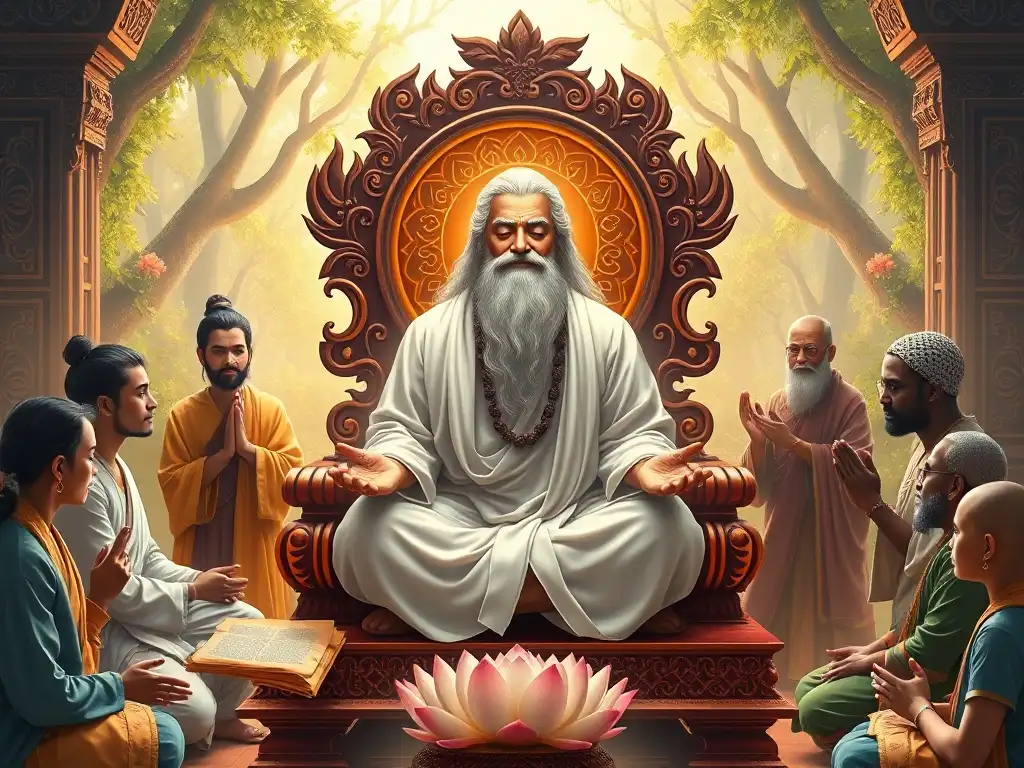
In Hindu philosophy, the concept of the Guru encompasses various types of teachers, each with distinct roles and significance. The Guru is not merely a teacher but is often seen as a spiritual guide who leads followers on their path to enlightenment. The different types of Gurus can be categorized based on their functions and the traditions they represent.
- Satguru: The term Satguru refers to a true Guru who embodies the ultimate truth and reality. This type of Guru is revered as the highest spiritual authority, possessing profound wisdom and insight into the nature of existence. Satgurus often emphasize the importance of direct experience of the divine and serve as a bridge between the disciple and the ultimate truth.
- Jagatguru: This title translates to "World Teacher," often bestowed upon Gurus who have a significant influence on a large number of followers across various regions. Jagatgurus are typically recognized for their teachings that transcend cultural and geographical boundaries, promoting universal values and understanding within Hindu philosophy.
- Shishya Guru: This type of Guru focuses on the personal relationship with the disciple (Shishya). They cater to individual needs and guide their disciples based on their unique spiritual journeys, often customizing teachings to suit the disciple's understanding and progress.
- Siddha Guru: A Siddha Guru is someone who has attained a high level of spiritual realization and is capable of imparting this knowledge to others. They are often regarded as enlightened beings with the ability to perform miraculous acts, serving as a source of inspiration for their disciples.
- Karma Guru: This Guru emphasizes the importance of action (karma) in spiritual practice. They guide their disciples on how to integrate spiritual principles into daily life, focusing on righteous action as a means to achieve spiritual growth.
Satguru vs. Jagatguru: Understanding Different Roles
The distinction between Satguru and Jagatguru is significant in understanding the diverse roles Gurus play in Hindu philosophy.
- Satguru is viewed as the ultimate guide to truth, representing the essence of spiritual knowledge. They often possess a deep understanding of metaphysical concepts and are seen as direct manifestations of divine wisdom. Their teachings encourage disciples to seek inner realization and self-discovery.
- Jagatguru, on the other hand, operates within the broader context of society and culture. They focus on disseminating knowledge and ethical teachings that are accessible to a wider audience. Jagatgurus often address contemporary issues and offer guidance on how to navigate the complexities of life while adhering to spiritual principles.
The relationship between these two types of Gurus enriches the spiritual landscape of Hinduism, providing both deep philosophical insights and practical teachings.
The Role of Gurus in Various Hindu Traditions and Schools of Thought
Hindu philosophy encompasses a multitude of traditions and schools of thought, each with its interpretation of the Guru's role.
- In Advaita Vedanta, the Guru is crucial for imparting knowledge that leads to self-realization. The teachings emphasize the non-duality of Atman (self) and Brahman (ultimate reality), where the Guru helps the disciple understand their true nature.
- Bhakti traditions place the Guru as an intermediary between the devotee and the divine. The Guru's love and guidance are essential for fostering devotion and surrender, often seen as leading the disciple to God through intense emotional connection.
- In Tantric practices, the Guru is viewed as a guide in the esoteric arts. They initiate disciples into complex rituals and meditative practices, ensuring the correct transmission of sacred knowledge.
- Yoga schools, particularly Hatha and Raja Yoga, emphasize the Guru's role in physical and mental discipline. The Guru guides practitioners in techniques that cultivate both body and mind for spiritual development.
Each tradition reflects the multifaceted nature of the Guru's role, highlighting their importance in shaping spiritual experiences and philosophical understanding.
The Guru in Bhakti Movement and Its Impact on Society
The Bhakti Movement, which emerged in medieval India, marked a significant shift in the spiritual landscape, emphasizing personal devotion to a deity over ritualistic practices. Gurus played a pivotal role in this movement by acting as spiritual guides and catalysts for social change.
- Personal Connection: Gurus in the Bhakti tradition fostered a personal relationship with the divine, encouraging devotees to express their emotions through poetry, music, and dance. This deepened the spiritual experience and made devotion more accessible to the masses.
- Social Reform: Many Gurus challenged societal norms and cast hierarchies, promoting inclusivity and equality among their followers. They preached against discrimination based on caste, gender, and social status, advocating for a more egalitarian society.
- Cultural Synthesis: The Bhakti Movement facilitated the blending of various cultural elements, as Gurus often incorporated local traditions and languages into their teachings. This helped create a rich tapestry of devotional literature and practices that resonated with diverse audiences.
- Spiritual Awakening: Through their teachings, Gurus inspired a spiritual awakening among the masses, leading to the establishment of numerous devotional sects that continue to thrive today. Their emphasis on love and devotion fostered a sense of community and collective spiritual growth.
The Guru-Disciple Relationship
The relationship between a Guru and disciple is foundational in Hindu philosophy, serving as a sacred bond that facilitates spiritual growth and enlightenment. This relationship is characterized by mutual respect, love, and a deep commitment to the spiritual journey.
The Importance of the Guru-Disciple Bond in Hindu Philosophy
The Guru-disciple bond is often viewed as one of the most sacred relationships in Hindu philosophy. This bond transcends mere teacher-student dynamics, embodying spiritual mentorship and guidance.
- Transmission of Knowledge: The Guru imparts spiritual wisdom and teachings, while the disciple receives and internalizes this knowledge. This process often involves intense personal interaction and guidance tailored to the disciple's spiritual needs.
- Spiritual Support: The Guru provides emotional and spiritual support, helping disciples navigate challenges and obstacles on their spiritual journey. This support is crucial for personal growth and overcoming doubts.
- Encouragement of Devotion: The bond fosters an environment of devotion and surrender, where the disciple learns to trust the Guru's guidance. This trust is fundamental in facilitating deeper spiritual experiences.
- Continuity of Tradition: The Guru-disciple relationship ensures the continuity of spiritual traditions and practices, as disciples often go on to become Gurus themselves, passing on the teachings to future generations.
Responsibilities of the Disciple Towards the Guru
While the Guru plays a crucial role in guiding the disciple, the disciple also holds specific responsibilities within this sacred relationship.
- Respect and Reverence: The disciple must approach the Guru with humility, respect, and devotion. This attitude is essential for fostering a fruitful learning environment.
- Dedication to Learning: Commitment to the teachings and practices imparted by the Guru is vital. The disciple should actively engage in study, meditation, and self-reflection to deepen their understanding.
- Surrender: The disciple is encouraged to surrender their ego and personal desires to the Guru's guidance. This surrender is seen as a path to spiritual liberation and growth.
- Service: Many traditions emphasize the importance of Seva (selfless service) to the Guru. Engaging in service not only cultivates humility but also solidifies the disciple's connection with the Guru.
The Process of Initiation and Spiritual Transmission
Initiation, or Diksha, is a pivotal process in the Guru-disciple relationship, marking the formal beginning of the disciple's spiritual journey under the Guru's guidance.
- Ceremonial Initiation: This process often involves a formal ceremony where the Guru bestows blessings upon the disciple. Rituals may include chanting, offerings, and symbolic acts that signify the transfer of spiritual energy.
- Spiritual Transmission: During initiation, the Guru transmits spiritual knowledge and energy to the disciple. This transmission can lead to profound experiences that catalyze the disciple's spiritual awakening.
- Guidance on Practice: Post-initiation, the Guru provides specific practices and teachings tailored to the disciple's spiritual path. This guidance is crucial for personal development and understanding the deeper aspects of spirituality.
- Ongoing Relationship: The initiation process establishes an ongoing relationship where the disciple continues to seek guidance from the Guru, ensuring a continuous flow of knowledge and support throughout the spiritual journey.
The Guru's role in Hindu philosophy, particularly in the context of the Guru-disciple relationship, remains a fundamental aspect of spiritual practice, guiding seekers toward enlightenment and self-realization.
The Philosophical Teachings of Gurus
The teachings of Gurus in Hindu philosophy are laden with layers of wisdom, emphasizing the pursuit of knowledge, self-realization, and the significance of a spiritual guide in one’s life. The essence of these teachings often revolves around concepts like dharma (righteous duty), karma (action and its consequences), and moksha (liberation from the cycle of birth and death). Gurus serve as beacons of light, illuminating the path for their disciples, and helping them navigate the complexities of life through a philosophical lens.
Central to the philosophical teachings of Gurus is the idea that ultimate truth and knowledge cannot be fully grasped through mere intellectual understanding; rather, they require experiential learning and guidance. This experiential aspect is where the Guru's influence becomes indispensable. Gurus encourage seekers to cultivate a personal connection with the divine, fostering practices such as meditation, devotion, and self-discipline, which are essential for attaining higher states of consciousness.
Core Teachings and Principles Advocated by Prominent Gurus
Prominent Gurus throughout history have introduced various teachings and principles that have shaped Hindu philosophy. For instance, Advaitha Vedanta, propagated by Adi Shankaracharya, emphasizes the non-duality of Atman (soul) and Brahman (universal consciousness), teaching that realizing this oneness is fundamental to spiritual enlightenment. On the other hand, Ramakrishna Paramahamsa highlighted the importance of devotion and love for God, advocating that different paths can lead to the same divine truth.
Additionally, Mahatma Gandhi, influenced by his interpretation of the Gita, advocated for ahimsa (non-violence) and satyagraha (truth-force), principles that extend beyond spiritual practice into everyday life and societal interactions. Each Guru, with their unique insights, contributes to a rich tapestry of philosophical thought that encourages seekers to explore diverse pathways to enlightenment.
The Guru's Role in Interpreting Sacred Texts
In Hinduism, sacred texts such as the Vedas, Upanishads, and the Bhagavad Gita hold profound philosophical significance. Gurus play a crucial role in interpreting these texts, offering insights that make ancient wisdom relevant to contemporary seekers. Their interpretations often consider historical, cultural, and spiritual contexts, allowing disciples to grasp the essence of these teachings in a way that resonates with their personal experiences.
Moreover, through discourses, commentaries, and teachings, Gurus demystify complex concepts, making them accessible to the layperson. This interpretive role not only preserves the integrity of these texts but also promotes a deeper understanding of spiritual principles, guiding followers in their quest for knowledge and self-realization.
How Gurus Influence Contemporary Hindu Philosophical Thought
The influence of Gurus on contemporary Hindu philosophical thought is significant, as they adapt traditional teachings to address modern challenges. Many Gurus today integrate ancient wisdom with contemporary issues such as mental health, social justice, and environmental sustainability, offering holistic approaches that resonate with younger generations.
Gurus often utilize modern communication platforms, expanding their reach and impact. Through social media, online courses, and public discourses, they engage with a global audience, encouraging dialogue and exploration of spiritual concepts that are relevant today. This evolution fosters a dynamic interplay between tradition and modernity, ensuring that the teachings continue to inspire and guide future generations.
Challenges and Critiques of the Guru System
The Guru system, while revered, is not without its challenges and critiques. Issues surrounding authority, authenticity, and the potential for exploitation have emerged, prompting re-evaluation of the traditional Guru-disciple relationship.
Misuse of Authority: Addressing Contemporary Issues
Instances of abuse of power by certain Gurus have raised concerns within the community, leading to a critical examination of the Guru's role. Some Gurus have been accused of exploiting the trust and devotion of their followers, which undermines the fundamental principles of guidance and altruism that should characterize the Guru-disciple dynamic.
To address these contemporary issues, there is a growing call for accountability and transparency within spiritual organizations. Discourses on ethics and the responsibilities of a Guru are becoming increasingly relevant, emphasizing the need for a well-defined moral framework that governs the Guru-disciple relationship.
The Evolution of the Guru's Role in Modern Hinduism
In modern Hinduism, the role of the Guru is evolving in response to societal changes and the demands of contemporary life. Traditional notions of authority are being challenged, leading to a more democratized understanding of spiritual leadership. Today, many seekers are inclined to explore various spiritual paths, often choosing multiple Gurus or engaging in self-study alongside traditional guidance.
This evolution encourages a more inclusive approach to spirituality, where the emphasis is placed on personal experience and discernment. As a result, the Guru is increasingly viewed as a facilitator of personal growth rather than an authoritarian figure, paving the way for a more diverse spiritual landscape.
Balancing Tradition and Modern Spiritual Needs
The challenge for Gurus in the contemporary landscape is to balance the preservation of traditional teachings with the spiritual needs of modern seekers. This involves adapting ancient wisdom to address modern dilemmas while ensuring that the core essence of these teachings remains intact.
Many Gurus are now focusing on practical applications of spiritual principles, integrating mindfulness, self-awareness, and emotional intelligence into their teachings. This balance not only honors the rich heritage of Hindu philosophy but also resonates with the aspirations of contemporary practitioners, fostering a spiritual journey that is both relevant and fulfilling.
Conclusion: The Enduring Legacy of the Guru in Hindu Philosophy
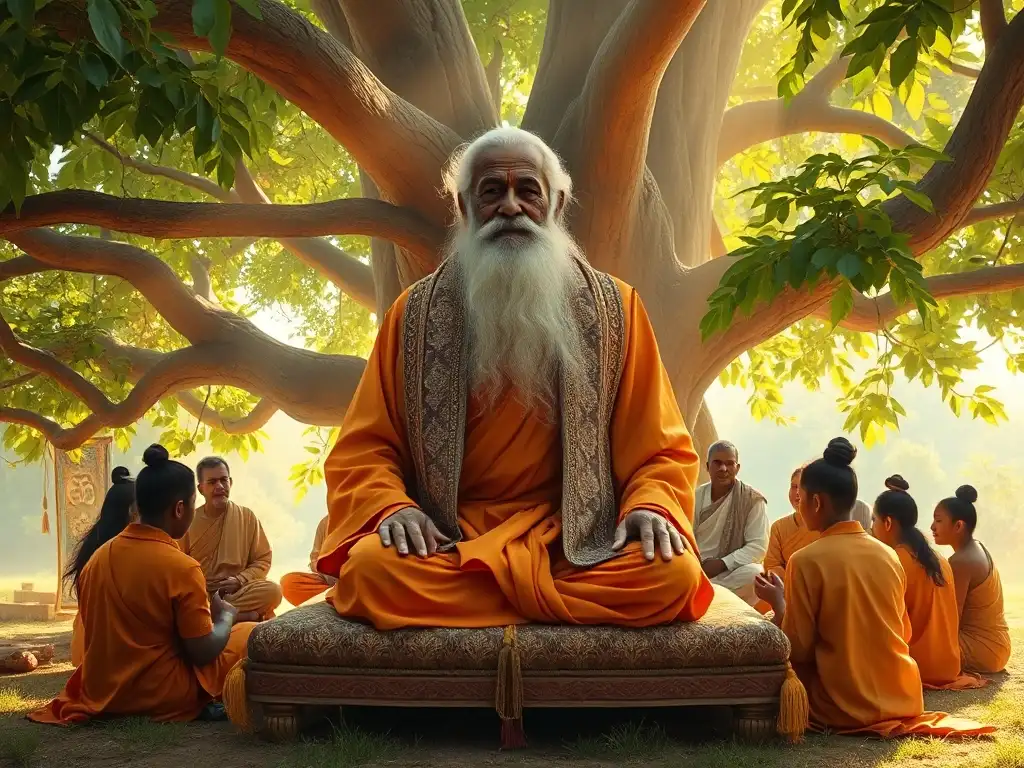
The concept of the Guru holds a pivotal place in Hindu philosophy, symbolizing the transmission of knowledge, wisdom, and spiritual insight across generations. This enduring legacy is not merely confined to the ancient texts or practices but continues to influence contemporary spiritual seekers. The Guru's role as a teacher, mentor, and spiritual guide embodies the essence of learning, fostering a deep connection between the disciple and the divine.
The relationship between a Guru and disciple is often depicted as a sacred bond, emphasizing the importance of trust, respect, and surrender in the spiritual journey. This dynamic encourages an environment where transformative learning occurs, enabling individuals to navigate the complexities of life with greater understanding and purpose. As society evolves, the foundational principles laid by ancient Gurus remain relevant, offering timeless wisdom that addresses modern-day challenges.
Reflections on the Guru's Role in Today's Society
In today's fast-paced world, the role of the Guru resonates with many individuals seeking clarity and direction amidst uncertainty. As people grapple with existential questions and the quest for meaning, Gurus serve as beacons of guidance, advocating for self-exploration and inner peace. Their teachings often emphasize the importance of mindfulness, compassion, and ethical living, which are crucial in fostering harmonious relationships in a diverse society.
Moreover, the proliferation of digital platforms has transformed the way Gurus impart knowledge. Online teachings, webinars, and social media presence allow for a broader reach, connecting seekers with spiritual leaders across geographical boundaries. However, this shift also necessitates discernment, as the availability of information can lead to both genuine insights and misinformation. Thus, the Guru's role becomes increasingly significant in helping individuals navigate this landscape with wisdom and discernment.
The Future of the Guru Tradition in Hindu Philosophy
The future of the Guru tradition in Hindu philosophy appears promising, with an increasing recognition of its value in addressing contemporary spiritual needs. As more individuals seek authentic spiritual experiences, the timeless teachings of Gurus are likely to attract renewed interest. This resurgence offers an opportunity for traditional practices to adapt and integrate with modern sensibilities, creating a dynamic interplay between ancient wisdom and contemporary thought.
Furthermore, the global interest in spirituality and holistic well-being can foster cross-cultural exchanges, allowing the Guru tradition to evolve while retaining its core principles. This evolution can lead to innovative interpretations of ancient texts and practices, enriching the spiritual landscape and making it accessible to a wider audience. Ultimately, the resilience of the Guru tradition underscores its essential role in guiding seekers on their spiritual journeys, ensuring its relevance for generations to come.
References and Further Reading on Guru's Role in Hindu Philosophy
To gain a deeper understanding of the Guru's role in Hindu philosophy, the following texts and resources are invaluable:
| Title | Author | Description |
|---|---|---|
| The Guru: A New Perspective | Swami Sivananda | Explores the multifaceted role of the Guru in spiritual practice. |
| What is a Guru? | Osho | Provides insights into the essence and importance of Gurus. |
| The Philosophy of the Guru | Radhakrishnan | Discusses the philosophical implications of the Guru-disciple relationship. |
| Living with the Guru | Sri Sri Ravi Shankar | Shares personal experiences and teachings that highlight the relevance of the Guru. |
Suggested Texts and Resources for Deeper Understanding
- The Upanishads: These ancient texts delve into various philosophical concepts, including the nature of the Guru.
- Bhagavad Gita: A dialogue that emphasizes the significance of guidance and the role of the divine teacher.
- The Yoga Sutras of Patanjali: Discusses the importance of a teacher in the practice of yoga and meditation.
Recommended Scholars and Philosophers in the Field
- Swami Vivekananda: A key figure in introducing Hindu philosophy to the West, emphasizing the transformative power of the Guru.
- Ananda Coomaraswamy: His works provide a deep insight into the philosophical and cultural significance of Gurus in Indian traditions.
- Eknath Easwaran: Renowned for his translations and interpretations of spiritual texts, he highlights the Guru's role in personal growth.
By exploring these resources and scholars, readers can cultivate a richer understanding of the Guru's role in Hindu philosophy and its implications for personal and spiritual development.
- Introduction to the Concept of Guru in Hinduism
- Definition of Guru in the Context of Hindu Philosophy
- Historical Evolution of the Guru Tradition in Ancient India
- The Significance of the Guru in Hindu Spirituality
- Different Types of Gurus in Hindu Philosophy
- The Guru-Disciple Relationship
- The Philosophical Teachings of Gurus
- Challenges and Critiques of the Guru System
- Conclusion: The Enduring Legacy of the Guru in Hindu Philosophy
- Reflections on the Guru's Role in Today's Society
- The Future of the Guru Tradition in Hindu Philosophy
- References and Further Reading on Guru's Role in Hindu Philosophy
Frequently Asked Questions
What is the significance of the Guru in Hindu philosophy?
The Guru plays a crucial role in guiding disciples on their spiritual journey, imparting wisdom and knowledge about Hindu teachings.
How does the concept of Guru differ from other spiritual leaders?
Unlike other spiritual figures, the Guru in Hindu philosophy is seen as a personal guide, often embodying the divine and helping individuals attain self-realization.
What are the key teachings associated with a Guru?
A Guru emphasizes the importance of meditation, self-discipline, and understanding the scriptures to foster spiritual growth and enlightenment.
How has the role of the Guru evolved over time in Indian history?
Historically, the Guru's role has expanded from traditional mentorship to include modern interpretations, adapting to contemporary contexts while maintaining spiritual integrity.
Can anyone become a Guru in Hindu philosophy?
While anyone can aspire to be a Guru, it typically requires a deep understanding of Hindu texts, a commitment to spiritual practices, and the ability to inspire others on their path.
Final Reflection: Embracing the Guru's Wisdom in Our Spiritual Journey
The role of the Guru in Hindu philosophy is not just a historical concept; it is a living tradition that resonates deeply in today's world. As we navigate the complexities of modern life, the wisdom imparted by Gurus serves as a beacon of light, guiding us through the tumultuous waters of uncertainty and confusion. The teachings of these spiritual leaders remind us that the path to enlightenment is not a solitary journey but one enriched by the presence and guidance of those who have walked the path before us.
Culturally and socially, the influence of the Guru extends far beyond the confines of religious practice; it permeates our understanding of mentorship, leadership, and personal growth. The Guru's role as a teacher and guide fosters a sense of community and belonging, encouraging individuals to seek knowledge and wisdom from one another. As Swami Vivekananda once said, "> The greatest service which one can render to God is to serve one's fellow beings." This sentiment underscores the importance of the Guru's teachings, which inspire us to uplift each other on our spiritual journeys.
As we reflect on the profound impact of the Guru in our lives, I invite you to consider how you can incorporate these teachings into your own spiritual practice. Take a moment to seek out a mentor or a guiding figure in your life, or perhaps become a source of guidance for someone else.
By embracing the wisdom of the Guru, we can not only enrich our own spiritual journeys but also contribute to the collective enlightenment of our communities. Let us honor this timeless tradition and carry its lessons forward into the future, illuminating the path for ourselves and others.
Embrace Your Spiritual Path Today!
Thank you for diving into the profound insights on the role of a spiritual teacher in Hindu philosophy! By exploring this topic, you’ve taken a pivotal step toward deepening your understanding of spiritual guidance and personal growth. Now, let’s take that knowledge and transform it into action!
Here are some specific steps you can take right now:
- Find a Mentor: Reach out to a trusted spiritual teacher who can help guide your journey. Don’t hesitate to ask questions and share your aspirations!
- Join a Community: Seek out local or online groups that discuss Hindu philosophy. Engaging with others can enrich your understanding and provide support on your path.
- Reflect Through Journaling: Take a moment to write about your personal spiritual journey. What do you hope to gain from working with a spiritual teacher? Which practices resonate with you?
As you explore these opportunities, consider this: What qualities do you seek in a spiritual guide, and how can you embody these in your own life? Feel free to share your thoughts in the comments below!