
The Role of Jainism in Shaping Indian Identity Through the Ages


Welcome to Ancient India History, where we embark on a fascinating journey through the rich tapestry of India’s past. As we delve into the role of Jainism in shaping Indian identity through the ages, you'll uncover how this profound philosophy and religion has influenced art, culture, and societal values throughout history.
From the intricate teachings of Mahavira to the enduring impact on modern Indian life, each thread woven into the narrative reveals the depth and diversity of ancient Indian civilizations. Get ready to ignite your curiosity and explore the many layers of Jainism's influence on Indian culture—your adventure into the heart of ancient wisdom begins now!
Introduction to Jainism and Its Cultural Significance
Jainism, one of the oldest religions of India, has played a pivotal role in shaping the cultural and spiritual landscape of the Indian subcontinent. Originating over 2,500 years ago, Jainism is not merely a religious belief system but a profound way of life that emphasizes non-violence, truth, and asceticism. The influence of Jainism on Indian culture is deeply woven into various aspects of life, including art, philosophy, ethics, and social structure. This article delves into the multifaceted contributions of Jainism to the Indian identity, exploring its historical roots and enduring legacy through the ages.
Overview of Jainism as an Ancient Indian Religion
Jainism emerged in a context characterized by a quest for spiritual truth and ethical living. It presents an alternative to the Vedic traditions and promotes a distinct set of beliefs centered around the concept of ahimsa (non-violence) and the pursuit of liberation (moksha). Jainism's rich philosophical framework encourages followers to seek self-realization through rigorous discipline and ethical conduct.
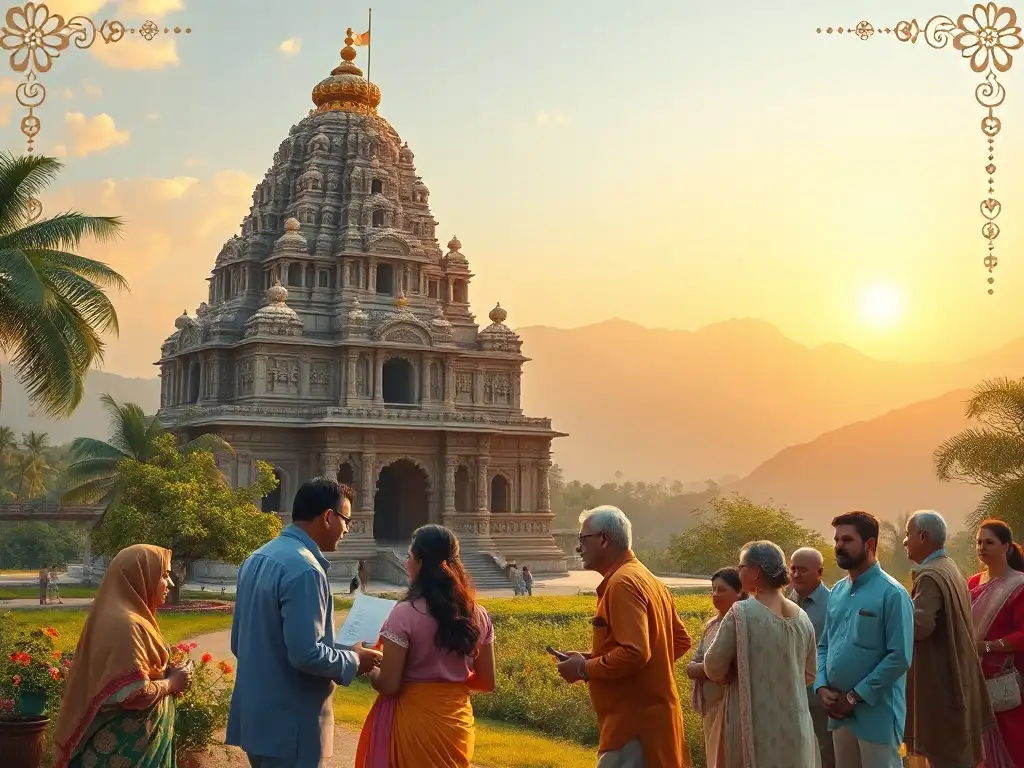
The Jain community, known for its commitment to non-violence, has made significant contributions to Indian society, particularly in fields such as commerce, art, and architecture. Temples adorned with intricate carvings serve as a testament to Jain artistic expression and the community's dedication to their faith.
The Essence of Jainism: Core Principles and Beliefs
At the heart of Jainism lie its core principles, which guide the lives of its followers:
- Ahimsa (Non-violence): The fundamental tenet, advocating for compassion towards all living beings.
- Satya (Truth): The commitment to honesty and integrity in thought, word, and deed.
- Asteya (Non-stealing): Respect for others' property and the prohibition of theft.
- Brahmacharya (Celibacy): Control over sensual desires and pursuit of spiritual goals.
- Aparigraha (Non-attachment): The practice of detachment from material possessions and desires.
These principles not only shape individual conduct but also influence societal norms, promoting a culture of peace and coexistence.
The Historical Context of Jainism in India
Early Development of Jainism and Its Philosophical Roots
The roots of Jainism can be traced back to the ancient Indian philosophical traditions of the 6th century BCE. It is often associated with Mahavira, the 24th Tirthankara, who is credited with revitalizing and reforming Jain doctrines. However, Jain beliefs and practices likely predate Mahavira, with early influences evident in texts and oral traditions.
The teachings of Jainism emphasized the importance of self-discipline and introspection, setting the stage for a philosophical discourse that would resonate through the ages. The establishment of monastic communities played a crucial role in preserving and disseminating Jain thought, contributing to the tradition's resilience and adaptability.
Key Figures in Jainism: Tirthankaras and Their Contributions
The Tirthankaras, revered spiritual teachers in Jainism, are central to its teachings and historical narrative. Among them, Mahavira stands out for his profound impact on the religion and its principles. His life and teachings not only shaped Jain philosophy but also left an indelible mark on Indian culture.
Other notable Tirthankaras, such as Parshva and Rishabha, have also played significant roles in the evolution of Jain thought. Each contributed uniquely to the establishment of core doctrines, rituals, and ethical guidelines that continue to influence Jain practices today.
Jainism's Influence During the Maurya Empire
The Maurya Empire (c. 322-185 BCE) marked a significant period for the proliferation of Jainism. Under the rule of Emperor Chandragupta Maurya and his grandson Ashoka, Jainism experienced a period of patronage and growth. The Mauryan rulers embraced principles of non-violence and ethical governance that resonated with Jain teachings.
Ashoka's edicts, which promoted ahimsa and welfare for all living beings, reflect the influence of Jainism on statecraft during this period. The religion's emphasis on compassion and moral conduct found expression in various policies and practices, further embedding Jain values into the fabric of Indian identity.
Through these explorations, we will uncover how Jainism has not only influenced individual lives but has also contributed to the broader tapestry of Indian culture and identity through the ages.
Jainism Influence on Indian Culture: Art and Architecture
Jainism has profoundly influenced various aspects of Indian culture, especially in the realms of art and architecture. The principles of Jainism, emphasizing non-violence, truth, and asceticism, have been beautifully translated into intricate designs and structures that reflect the spiritual ethos of this ancient religion. The aesthetic expressions found in Jain art and architecture not only demonstrate technical skill but also embody the philosophical teachings of Jainism, making them integral to understanding India's cultural heritage.
The elaborate carvings, sculptures, and paintings found in Jain temples present narratives from Jain scriptures, showcasing historical figures and events central to the faith. These artistic endeavors are not merely decorative; they serve as didactic tools that educate devotees and visitors about Jain teachings. The emphasis on harmony with nature can also be observed in Jain art, where flora and fauna are depicted alongside religious motifs, further illustrating the religion's deep respect for all living beings.
Jain Temples: Architectural Marvels and Their Significance
Jain temples are considered architectural marvels, exemplifying the richness of Indian temple architecture. Distinguished by their ornate detailing and unique designs, these temples often feature intricate carvings that tell stories from Jain texts. The temples are usually constructed using light-colored stones, such as marble, which add to their aesthetic appeal and spiritual ambiance.
One of the most famous examples is the Jain temple complex at Ranakpur, renowned for its stunning marble pillars and detailed sculptures. With over 1,400 intricately carved pillars, no two are alike, each telling a story that resonates with Jain philosophy. These temples serve not only as places of worship but also as centers of community life, where festivals and rituals foster a sense of belonging among the Jain community.
The Dilwara Temples in Mount Abu are another significant example, displaying exceptional craftsmanship and artistry. Constructed between the 11th and 13th centuries, these temples encapsulate the essence of Jain architectural brilliance, featuring elaborate stonework that draws visitors from around the world. The spiritual significance of these temples is profound, as they embody the ideals of purity, non-attachment, and asceticism central to Jain belief.
Iconography in Jain Art: Symbolism and Cultural Representation
Jain art is rich in iconography, with each symbol and depiction carrying profound significance. Figures of Tirthankaras, the revered spiritual teachers of Jainism, are often central in Jain art, symbolizing the path to liberation. Their serene expressions and postures not only represent spiritual ideals but also serve as inspiration for followers.
The use of symbolic colors is prevalent in Jain art as well. For example, the color white symbolizes purity and renunciation, often associated with the Tirthankara Mahavira. In contrast, vibrant colors are used to depict the heavenly realms inhabited by liberated souls. This thoughtful color scheme enhances the spiritual narratives conveyed through the art.
Additionally, motifs of nature and the cosmos reflect Jainism's deep respect for all life and the universe. For instance, the presence of peacocks, lotus flowers, and other natural elements in Jain artworks emphasizes the interconnectedness of life and the importance of living in harmony with nature. These representations not only enrich the artistic landscape of India but also reinforce the core tenets of Jain philosophy that advocate for the sanctity of all living beings.
Jainism's Contribution to Indian Philosophy and Ethics
Jainism has made significant contributions to Indian philosophy and ethics, particularly through its unique perspectives on morality, truth, and the nature of reality. The ethical framework established by Jain principles has permeated various aspects of Indian thought, influencing other philosophical schools and contributing to the broader discourse on ethics and morality in the subcontinent.
Ahimsa (Non-Violence) and Its Impact on Indian Society
The principle of Ahimsa, or non-violence, is perhaps the most notable ethical contribution of Jainism to Indian culture. This tenet promotes the idea of avoiding harm to any living being, shaping the moral fabric of Indian society. The influence of Ahimsa can be observed in various social and religious movements throughout Indian history, including the teachings of Mahatma Gandhi, who adopted Jain principles in his advocacy for non-violent resistance.
Jainism's commitment to non-violence extends beyond mere abstention from physical harm; it encompasses thoughts, words, and actions. This holistic approach has encouraged a culture of compassion and empathy, fostering peaceful coexistence among diverse communities. The impact of Ahimsa is also evident in the vegetarianism practiced by many Indians, a lifestyle choice rooted in the Jain ethos of minimizing harm to living beings.
The Concept of Anekantavada: Multiple Perspectives in Indian Thought
Anekantavada, or the doctrine of multiple viewpoints, is a fundamental concept in Jain philosophy that emphasizes the complexity of truth. This principle teaches that reality is multifaceted and can be understood from various perspectives, promoting tolerance and open-mindedness. Anekantavada challenges dogmatism and encourages individuals to seek a deeper understanding of truth through dialogue and exploration of differing viewpoints.
The influence of Anekantavada extends beyond Jainism, impacting various philosophical and religious traditions in India. It has fostered an environment of intellectual exchange and debate, allowing for a richer understanding of philosophical concepts across different schools of thought. This pluralistic approach reinforces the values of respect and understanding, which are vital in a diverse society like India.
Jainism's contributions to Indian culture, art, architecture, philosophy, and ethics have played a crucial role in shaping the Indian identity through the ages. The enduring legacy of these principles continues to resonate within contemporary Indian society, highlighting the timeless relevance of Jain teachings.
Jainism's Role in Shaping Indian Literature and Language

Jainism has significantly influenced Indian literature and language, particularly through its extensive body of religious texts and contributions to the literary landscape of ancient India. The principles of Jainism, emphasizing non-violence (ahimsa), truth (satya), and asceticism, resonate through the writings produced by Jain scholars and thinkers. These texts not only served religious purposes but also enriched the cultural and linguistic fabric of the Indian subcontinent.
The Jain community has been pivotal in the preservation and development of several regional languages, with their texts often being some of the earliest examples of written works in those languages. This engagement with language and literature has fostered a deeper understanding and appreciation of cultural nuances among various Indian communities.
Jain Texts and Their Influence on Indian Literature
Jain literature encompasses a wide range of texts, including philosophical treatises, ethical discourses, and narratives that detail the lives of Tirthankaras, revered figures in Jainism. Among the most notable works are the Agamas, which serve as canonical scriptures, and the vast array of commentaries and interpretations that followed.
The Kalpasutra, authored by Bhadrabahu, is one such influential text that offers insight into the principles of Jain monastic life and ethics. It has been instrumental in shaping the narrative traditions within Indian literature, influencing not only Jain writers but also poets and playwrights from other religious backgrounds.
Moreover, the stories and parables from Jain texts have permeated popular literature, inspiring works in various languages, including Sanskrit, Prakrit, and later in regional languages such as Gujarati and Hindi. The moral and philosophical teachings contained within these texts continue to resonate today, contributing to the ethical discourse and literary heritage of India.
The Role of Jain Scholars in Promoting Indian Languages
Jain scholars have played a crucial role in the development and promotion of several Indian languages, particularly during the medieval period. They were among the first to compose works in regional vernaculars, thereby making literature accessible to a broader audience.
Notable figures such as Hemachandra and Jinaprabha Suri not only contributed original writings but also compiled glossaries and dictionaries to aid in the understanding of Prakrit and Sanskrit. Their efforts laid the groundwork for the flourishing of regional languages, encouraging a literary renaissance that celebrated cultural diversity.
Additionally, Jain communities established libraries and educational institutions dedicated to the study of language and literature. These centers became hubs of learning, where languages were not only taught but also developed through the creation of poetry, prose, and philosophical texts, further enhancing the linguistic landscape of India.
Jainism and Its Interactions with Other Religions
Jainism's interactions with other religions in India, particularly Hinduism and Buddhism, highlight its syncretic nature and commitment to coexistence. Throughout history, Jainism has navigated its relationships with these faiths, promoting a culture of dialogue and mutual respect.
Syncretism: Jainism's Relationship with Hinduism and Buddhism
The relationship between Jainism, Hinduism, and Buddhism is characterized by both distinct differences and significant overlaps. Jainism shares common philosophical tenets with these religions, such as the concepts of karma and rebirth. However, its unique emphasis on non-violence and strict ascetic practices sets it apart.
Jain texts often reference Hindu deities and integrate elements from Hindu mythology, showcasing a blend of beliefs that enrich both traditions. Similarly, Jain monks and scholars have engaged in dialogues with Buddhist thinkers, contributing to the evolution of ideas surrounding ethics and metaphysics.
These interactions have fostered a spirit of syncretism, wherein shared values and beliefs have created a more inclusive cultural environment. This mutual respect has allowed Jainism to coexist alongside other religions while preserving its distinct identity.
The Role of Jainism in Promoting Religious Tolerance in India
Jainism's core principles advocate for non-violence and respect for all living beings, which have profound implications for religious tolerance in India. The emphasis on ahimsa not only pertains to actions but also extends to thoughts and words, creating a framework for peaceful coexistence.
Throughout history, Jain communities have exemplified this commitment to tolerance by engaging in interfaith dialogues and participating in broader social and cultural activities. Jain leaders have often taken initiatives to mediate conflicts and promote harmony among conflicting religious groups.
Moreover, the teachings of Jainism have inspired broader movements for peace and non-violence in Indian society. The impact of these teachings can be seen in various reform movements and in the philosophies of prominent figures like Mahatma Gandhi, who drew upon Jain principles in advocating for social change and justice.
Jainism has played a significant role in shaping Indian identity through its contributions to literature, language, and religious tolerance, demonstrating the profound impact of its teachings on the cultural landscape of India.
The Modern-Day Influence of Jainism on Indian Identity
Jainism, one of the world's oldest religions, has profoundly influenced Indian culture and society throughout history. In the modern era, its principles continue to shape various aspects of Indian identity, including ethics, social values, and cultural practices. The emphasis on non-violence (ahimsa) and truth (satya) resonates deeply in contemporary discussions around sustainability, vegetarianism, and ethical living. This enduring influence is evident in the lifestyles of many Indians who adopt Jain principles, even if they do not formally identify as Jains.
The principles of Jainism have also found their way into Indian political discourse, promoting ideas of peace and tolerance. Leaders and public figures often invoke Jain ideals when addressing issues of communal harmony and environmental conservation. This reflects the broader acceptance of Jain teachings in shaping moral frameworks that guide personal and collective behavior in India today.
Jainism's Role in Contemporary Indian Society and Culture
In contemporary Indian society, Jainism's teachings manifest in various cultural practices, festivals, and community events. The celebration of festivals like Paryushana and Mahavir Jayanti not only highlights the religious significance of Jainism but also fosters a sense of unity among diverse groups within Indian society. These festivals promote values of forgiveness, reflection, and community service, which resonate with the broader Indian ethos of spirituality and moral responsibility.
Moreover, Jain contributions to art, literature, and architecture continue to be celebrated. Jain temples, with their intricate carvings and unique architectural styles, attract tourists and scholars alike, serving as a reminder of the rich heritage of Jainism. The promotion of Jain literature, including philosophical texts and commentaries, further enriches India's cultural tapestry, making Jainism a vital part of the intellectual discourse in contemporary India.
Preservation of Jain Heritage: Challenges and Initiatives
Despite its rich history, Jainism faces several challenges in preserving its heritage in modern India. Urbanization, globalization, and the rapid pace of change in society pose threats to traditional practices and lifestyles. Younger generations may feel disconnected from their heritage, leading to a decline in active participation in community events and rituals.
To counter these challenges, various initiatives are underway to preserve Jain heritage. Organizations and community leaders are working to educate youth about Jain principles through workshops, seminars, and cultural programs. The establishment of Jain museums and heritage centers aims to document and showcase the history and contributions of Jainism, ensuring that this legacy is not lost to future generations. Additionally, the promotion of Jain values in educational institutions fosters an understanding of the importance of non-violence and ethical living among students.
Conclusion: The Lasting Legacy of Jainism on Indian Identity
Jainism's influence on Indian culture is profound and multifaceted. Its teachings have permeated various aspects of life, from ethical considerations in personal behavior to broader societal norms. As India continues to evolve, the principles of Jainism provide a moral compass that guides individuals and communities towards a more compassionate and sustainable future.
Summarizing Jainism's Influence on Indian Culture Through the Ages
Throughout the ages, Jainism has contributed significantly to the shaping of Indian identity. Its emphasis on non-violence, truth, and asceticism has influenced not only religious practices but also social dynamics and cultural expressions. Jain art and architecture stand testament to the rich contributions of this faith, while its philosophical teachings continue to inspire moral discourse in contemporary society.
As we reflect on the enduring legacy of Jainism, it becomes clear that its principles have woven themselves into the fabric of Indian culture, enriching it with values that promote peace and respect for all living beings.
Future Perspectives: Jainism's Role in Shaping Modern Indian Identity
Looking ahead, Jainism is poised to play a crucial role in the ongoing dialogue about identity in a rapidly changing India. As global challenges such as climate change and social inequality come to the forefront, Jain teachings on sustainability and ethical living are increasingly relevant. The potential for Jainism to influence modern Indian identity lies in its ability to adapt and resonate with contemporary concerns while remaining rooted in its rich historical context.
In a diverse and pluralistic society like India, Jainism can serve as a bridge between different communities, fostering mutual respect and understanding. By promoting its core values, Jainism can contribute to a more harmonious society that values both tradition and progress.
- Introduction to Jainism and Its Cultural Significance
- The Historical Context of Jainism in India
- Jainism Influence on Indian Culture: Art and Architecture
- Jainism's Contribution to Indian Philosophy and Ethics
- Jainism's Role in Shaping Indian Literature and Language
- Jainism and Its Interactions with Other Religions
- The Modern-Day Influence of Jainism on Indian Identity
- Conclusion: The Lasting Legacy of Jainism on Indian Identity
Frequently Asked Questions
What is Jainism and its significance in Indian culture?
Jainism is an ancient Indian religion that emphasizes non-violence, truth, and asceticism. Its teachings have significantly influenced various aspects of Indian culture, including art, philosophy, and social values.
How has Jainism contributed to Indian philosophy?
Jainism has introduced concepts like ahimsa (non-violence) and anekantavada (non-absolutism), which have enriched Indian philosophy and shaped ethical discussions in both spiritual and secular contexts throughout history.
In what ways did Jainism impact art and architecture in India?
Jainism has inspired intricate art forms and architectural styles, particularly in the construction of temples and sculptures that reflect its ideals. The Dilwara Temples are a prime example of this artistic influence.
Jainism has played a key role in promoting social equality and advocating for the rights of individuals. Its principles have contributed to the establishment of various community practices that emphasize ethical living and compassion.
What is the modern relevance of Jainism in India?
Today, Jainism continues to influence Indian identity through its philosophical teachings and cultural practices, encouraging a lifestyle centered around sustainability and non-violence, resonating with contemporary global challenges.
Final Reflection: The Enduring Influence of Jainism on Indian Identity
Jainism's profound influence on Indian culture remains a cornerstone of the nation’s identity, shaping its ethical frameworks, artistic expressions, and social values. In a world increasingly defined by globalization and cultural homogenization, the principles of non-violence, respect for all living beings, and the pursuit of truth that Jainism espouses resonate more than ever. The teachings of Jainism remind us that cultural roots can provide a strong foundation for navigating contemporary challenges, emphasizing the importance of preserving our diverse heritage.
Culturally, Jainism has woven itself into the very fabric of Indian society, influencing everything from cuisine to festivals, and even the principles of governance. Its impact is evident in the way communities prioritize compassion and sustainability, reflecting a deep-seated respect for life. As Mahatma Gandhi once said, “The greatness of a nation and its moral progress can be judged by the way its animals are treated.” This quote encapsulates the essence of Jainism’s teachings and their relevance in fostering a more humane society, urging us to reflect on our own values and actions.
As we look to the future, let us embrace the lessons of Jainism and integrate them into our daily lives. I invite you to reflect on how the principles of Jainism can inspire you to cultivate compassion, mindfulness, and ethical living in your own journey. By doing so, we not only honor the rich tapestry of Indian culture but also contribute to a more harmonious world, where the teachings of our ancestors guide us toward a brighter, more inclusive future.
Unveil the Rich Legacy of Jainism in Your Journey!
Thank you for taking the time to explore the profound influence of Jainism on Indian identity throughout history. Your curiosity opens the door to a deeper understanding of our shared heritage. Now, let’s transform that knowledge into action!
- Dive Deeper: Explore literature or documentaries on Jain philosophy to immerse yourself in its principles.
- Engage with Community: Connect with a local Jain community or online platform to share insights and learn from others who appreciate this rich tradition.
- Spread the Wisdom: Disseminate this article among your friends to spark discussions about the significance of diverse cultural influences in shaping identities.
What impact do you think Jainism has had on modern Indian society, and how can its teachings guide us today?