
The Role of Mahayana and Hinayana: Key Figures in the Evolution of Buddhism

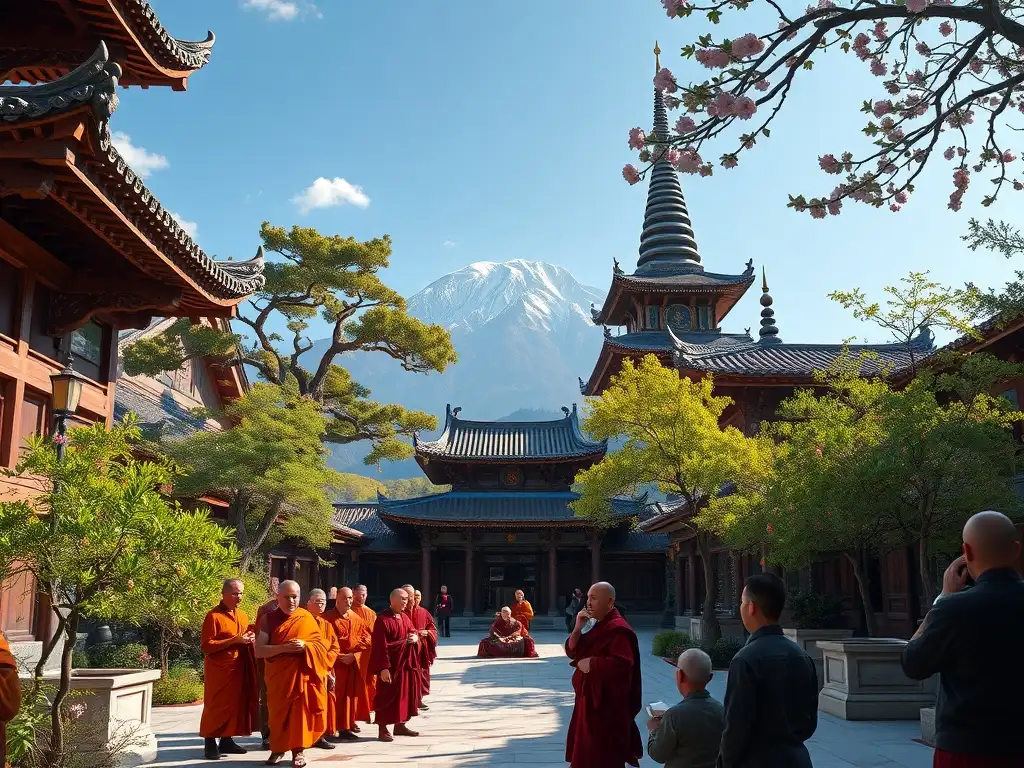
Welcome to Ancient India History, where we embark on a captivating journey through the rich tapestry of Indian civilization. Today, we delve into the Mahayana and Hinayana Buddhism history, exploring the profound influences these two branches of Buddhism have had on spiritual thought and cultural practices in ancient India. Who were the key figures that shaped their evolution, and how did their teachings resonate through time? Prepare to uncover the layers of history and philosophy that continue to inspire millions, inviting you to explore further into the remarkable world of ancient Indian religions.
Introduction to Mahayana and Hinayana Buddhism History
Mahayana and Hinayana Buddhism represent two significant branches of Buddhist thought that have evolved over centuries, each contributing uniquely to the rich tapestry of Buddhist philosophy and practice. Understanding their history is essential for grasping the broader developments within Buddhism and its cultural implications in ancient India and beyond. Mahayana, often referred to as the "Great Vehicle," emphasizes the potential for all beings to achieve enlightenment and presents a more expansive interpretation of the Buddha's teachings.
In contrast, Hinayana, or the "Lesser Vehicle," focuses on individual enlightenment and adheres closely to the original teachings of the Buddha. This article will explore the historical development of these two schools, examining their key figures and the impact they had on the evolution of Buddhism.
Overview of Buddhism's Historical Context
Buddhism emerged in the 5th century BCE in ancient India, founded by Siddhartha Gautama, known as the Buddha. The socio-political landscape of the time was characterized by a rich diversity of religious and philosophical thought, including Hinduism, Jainism, and various local traditions. The early Buddhist community, called the Sangha, initially spread primarily through oral teachings and monastic practices.
As the centuries progressed, Buddhism began to branch into various schools, reflecting the dynamic nature of its teachings and the cultural contexts in which they were practiced. The period following the Buddha's death saw the formation of various councils, where teachings were codified and different interpretations emerged. By the 1st century CE, Mahayana Buddhism began to take shape, introducing new texts, ideas, and practices that appealed to a broader audience, while Hinayana Buddhism remained more conservative and focused on the original doctrines.
Significance of Mahayana and Hinayana in Ancient Indian Religions
The significance of Mahayana and Hinayana Buddhism extends beyond their theological differences; it lies in their profound influence on the spiritual, cultural, and social fabric of ancient Indian society.
- Mahayana Buddhism:
- Inclusivity: This branch emphasized compassion and altruism, encouraging followers to work towards the enlightenment of all beings.
- Literary Contributions: The introduction of various Mahayana sutras expanded the Buddhist canon and provided new teachings, often focusing on the bodhisattva ideal, which became central to Mahayana practice.
- Cultural Exchange: Mahayana's spread throughout Asia facilitated cultural exchanges that influenced art, philosophy, and religious practices in regions such as China, Japan, and Tibet.
- Hinayana Buddhism:
- Focus on Individual Practice: Hinayana emphasized personal meditation, ethical conduct, and the attainment of individual enlightenment, which appealed to those seeking a more ascetic path.
- Preservation of Early Teachings: By adhering to the original teachings of the Buddha, Hinayana played a crucial role in preserving the foundational doctrines and practices of Buddhism, ensuring their continuity.
Both branches contributed significantly to the development of ancient Indian religions, shaping the spiritual landscape of the time and influencing countless generations to come. Understanding their roles provides valuable insights into the complexities of Buddhist evolution and the enduring legacy of ancient Indian civilization.
- Introduction to Mahayana and Hinayana Buddhism History
- Overview of Buddhism's Historical Context
- Significance of Mahayana and Hinayana in Ancient Indian Religions
Understanding Mahayana Buddhism
Definition and Core Beliefs of Mahayana Buddhism
Mahayana Buddhism, one of the two major branches of Buddhism, emerged around the 1st century CE and has since played a pivotal role in shaping the religious landscape of Asia. The term "Mahayana" translates to "Great Vehicle," symbolizing its broad and inclusive nature. Unlike its counterpart, Hinayana (often referred to as Theravada), which emphasizes individual enlightenment, Mahayana centers on the collective salvation of all beings.
Core Beliefs:
- Bodhisattva Ideal: Central to Mahayana Buddhism is the concept of the Bodhisattva, an enlightened being who delays their own Nirvana to assist others in achieving enlightenment. This altruistic aspiration fosters a sense of community and compassion.
- Emptiness (Shunyata): Mahayana philosophy teaches that all phenomena are empty of inherent existence. This concept encourages practitioners to develop a deeper understanding of reality and reduce attachment to the self.
- Multiple Paths to Enlightenment: Mahayana Buddhism recognizes various methods to achieve enlightenment, accommodating diverse practices and beliefs. This inclusivity allows for a broader interpretation of the teachings of the Buddha.
Mahayana Buddhism emphasizes the interconnectedness of all beings, urging followers to cultivate compassion and wisdom in their spiritual journey.
Historical Development of Mahayana Buddhism
The historical evolution of Mahayana Buddhism can be traced back to the first few centuries CE, gaining significant traction in regions such as India, Central Asia, and eventually East Asia.
- Early Formation:
- Mahayana teachings began to take shape in India during the 1st century CE, diverging from earlier Buddhist traditions.
- The movement was characterized by the composition of new texts known as the Mahayana sutras, which introduced novel ideas and practices.
- Spread Across Asia:
- By the 2nd century CE, Mahayana Buddhism spread to Central Asia, influencing local cultures and merging with indigenous beliefs.
- From the 4th century onwards, it reached China, Korea, and Japan, leading to the establishment of distinct schools such as Chan (Zen) and Pure Land Buddhism.
- Cultural Integration:
- As Mahayana Buddhism spread, it adapted to local customs and philosophies. This syncretism can be seen in the incorporation of Daoist and Confucian elements in China, enriching the tradition further.
- The establishment of monastic communities and universities, such as Nalanda, facilitated the exchange of ideas and teachings, contributing to Mahayana's growth.
Mahayana Buddhism's historical development showcases its resilience and adaptability, allowing it to thrive in diverse cultural contexts.
Key Figures in Mahayana Buddhism
Mahayana Buddhism has been shaped by numerous influential figures throughout its history. These individuals have contributed to its teachings, texts, and practices, helping to define the tradition's core principles.
Bodhisattva Ideal and Its Influencers
The Bodhisattva ideal serves as a cornerstone of Mahayana Buddhism, embodying the spirit of compassion and selflessness. Prominent figures who exemplify this ideal include:
- Avalokiteshvara (Guanyin): Known as the Bodhisattva of compassion, Avalokiteshvara represents the ideal of alleviating suffering for all beings. This figure underscores the importance of empathy and active engagement in the world.
- Manjushri: Symbolizing wisdom, Manjushri is often depicted wielding a sword that cuts through ignorance. This Bodhisattva encourages practitioners to cultivate insight and understanding as part of their spiritual journey.
- Bodhidharma: As the founder of Chan Buddhism, Bodhidharma emphasized direct experience and meditation, aligning with Mahayana's focus on individual practice within the broader framework of the Bodhisattva path.
These key figures not only inspire followers but also embody the principles that define Mahayana Buddhism's compassionate approach to enlightenment.
Important Texts in Mahayana Tradition
Mahayana Buddhism is rich in literature, with various texts that elucidate its teachings and practices. Some of the most significant texts include:
- Lotus Sutra: This foundational text emphasizes the universality of Buddhahood and the importance of the Bodhisattva path. It serves as a source of inspiration and guidance for practitioners.
- Heart Sutra: A concise yet profound scripture, the Heart Sutra encapsulates the concept of emptiness and is revered for its philosophical depth. It is widely chanted and studied within Mahayana communities.
- Diamond Sutra: This text presents teachings on the nature of reality and the path to enlightenment. Its emphasis on non-attachment aligns with the core Mahayana belief in the impermanence of all things.
These texts are not merely religious scriptures; they are living documents that continue to inspire and shape the understanding of Mahayana Buddhism across cultures and generations.
Understanding the historical and philosophical framework of Mahayana Buddhism is crucial for appreciating its impact and evolution within the broader context of ancient Indian religions.
Understanding Hinayana Buddhism
Definition and Core Beliefs of Hinayana Buddhism
Hinayana Buddhism, often referred to as "Lesser Vehicle," is a term that encompasses the early schools of Buddhism that focus on personal enlightenment and the attainment of Nirvana. It is primarily associated with the Theravada tradition, which is predominant in countries like Sri Lanka, Thailand, and Myanmar. The core beliefs of Hinayana Buddhism are centered around the Four Noble Truths and the Eightfold Path, which provide a framework for understanding suffering and the path to liberation.
- Four Noble Truths:
- Dukkha: The existence of suffering in life.
- Samudaya: The origin of suffering, primarily through desire and attachment.
- Nirodha: The cessation of suffering can be achieved.
- Magga: The path leading to the cessation of suffering, which is the Eightfold Path.
- Eightfold Path:
- Right Understanding
- Right Intent
- Right Speech
- Right Action
- Right Livelihood
- Right Effort
- Right Mindfulness
- Right Concentration
Hinayana Buddhism emphasizes the importance of individual effort in achieving enlightenment, advocating for a monastic lifestyle that fosters meditation and ethical conduct. Through the practice of these principles, adherents seek to attain Arhat status, which signifies a person who has reached enlightenment and is free from the cycle of rebirth.
Historical Development of Hinayana Buddhism
The origins of Hinayana Buddhism can be traced back to the teachings of Siddhartha Gautama, known as the Buddha, around the 5th to 4th century BCE. After the Buddha's death, his teachings began to spread across the Indian subcontinent, leading to the formation of several early schools of thought. The First Buddhist Council, convened shortly after the Buddha's passing, aimed to preserve his teachings and establish a unified doctrine.
As Buddhism spread, it encountered various cultural contexts, leading to the establishment of distinct schools. Hinayana Buddhism, primarily represented by the Theravada tradition, became prominent in regions with a strong monastic culture, emphasizing strict adherence to the original teachings of the Buddha.
Key developments in Hinayana Buddhism include:
- Establishment of Monastic Communities: Early monks played a crucial role in preserving and disseminating the teachings.
- Formation of the Pali Canon: The scriptures of Hinayana Buddhism, written in Pali, encapsulate the teachings and rules for monastic life.
- Regional Spread: By the 3rd century BCE, Hinayana Buddhism had spread to Sri Lanka and Southeast Asia, where it adapted to local customs while retaining its core beliefs.
Key Figures in Hinayana Buddhism
The Role of Early Monastic Communities
Early monastic communities were instrumental in the preservation and propagation of Hinayana Buddhism. The Sangha, or community of monks, provided a structured environment where individuals could dedicate themselves to the practice of Buddhism. Important figures in this context include:
- Ananda: One of the Buddha's closest disciples, Ananda played a pivotal role in the oral transmission of the Buddha's teachings and was instrumental in the First Buddhist Council.
- Mahakasyapa: Known for his ascetic practices, he was a key figure in establishing monastic discipline and served as the leader of the First Buddhist Council.
These monastic communities facilitated the establishment of educational centers, where monks would study and debate Buddhist philosophy, ensuring the continuity of Hinayana teachings through generations.
Important Texts in Hinayana Tradition
The Hinayana tradition is rich in important texts that outline its teachings and guidelines for practice. The most significant of these is the Pali Canon, also known as the Tipitaka, which consists of three "baskets" of teachings:
- Vinaya Pitaka: This section outlines the monastic rules and ethical guidelines for monks and nuns.
- Sutta Pitaka: This contains the discourses attributed to the Buddha, covering a wide array of topics including ethics, meditation, and philosophy.
- Abhidhamma Pitaka: A complex analysis of Buddhist teachings, focusing on the philosophical and psychological aspects of the Dharma.
These texts serve not only as religious scriptures but also as historical documents that offer insights into the early development of Buddhist thought and practice. The Pali Canon remains a foundational element for Theravada Buddhists, guiding their spiritual journey and community life.
By understanding the foundations, historical development, key figures, and essential texts of Hinayana Buddhism, we gain valuable insight into its role in the broader context of Buddhist history and its continuing influence on modern practices.
Comparative Analysis of Mahayana and Hinayana Buddhism

Mahayana and Hinayana represent two significant branches within the broader spectrum of Buddhism, each contributing uniquely to its evolution and adaptation over time. This comparative analysis delves into their philosophical differences, ritual divergences, and the influence they exerted on Buddhist art and culture.
Differences in Philosophical Approaches
Mahayana and Hinayana Buddhism are distinguished primarily by their philosophical orientations. Hinayana, often referred to as the "Lesser Vehicle," emphasizes individual enlightenment and the strict adherence to the original teachings of the Buddha. It is characterized by a more conservative interpretation of the scriptures, focusing on the historical Buddha, Siddhartha Gautama, and his path to nirvana.
In contrast, Mahayana, or the "Greater Vehicle," promotes a more expansive view of enlightenment. It introduces the concept of the bodhisattva, an enlightened being who postpones their own nirvana to assist others in achieving enlightenment. This philosophical shift emphasizes compassion and altruism as central tenets.
| Aspect | Hinayana Buddhism | Mahayana Buddhism |
|---|---|---|
| Goal of Practice | Personal enlightenment (Nirvana) | Universal enlightenment (Bodhisattva) |
| Main Texts | Pali Canon | Mahayana Sutras |
| View of Buddha | Historical figure | Celestial being and eternal presence |
| Key Concepts | Arhat ideal, individual effort | Bodhisattva ideal, compassion |
The differences in these philosophical approaches reflect broader views on the nature of reality and the path to spiritual fulfillment. While Hinayana adheres to a more individualistic approach, Mahayana embraces a communal and compassionate perspective.
Divergence in Practices and Rituals
The divergence between Mahayana and Hinayana extends to their practices and rituals. Hinayana Buddhism tends to focus on monastic life, emphasizing meditation, ethical conduct, and the study of scriptures. Practices include:
- Meditation: A core practice aimed at attaining insight and enlightenment.
- Monastic Discipline: Strict adherence to the Vinaya, or monastic rules.
- Meditative Retreats: Time spent in solitude for deep reflection.
Conversely, Mahayana practices are more varied and inclusive, often integrating devotional elements and community participation. Key practices include:
- Bodhisattva Vows: Commitments made by practitioners to work for the enlightenment of all beings.
- Devotional Practices: Chanting, offerings, and rituals dedicated to bodhisattvas and celestial Buddhas.
- Community Engagement: Encouragement of lay participation in religious activities.
This divergence in practices not only shapes the spiritual lives of their adherents but also reflects their philosophical differences, with Mahayana emphasizing community and compassion, while Hinayana focuses on personal discipline.
Influence on Buddhist Art and Culture
The impact of Mahayana and Hinayana Buddhism on art and culture is profound and enduring. Hinayana Buddhism, with its emphasis on the historical Buddha, often manifests in art that focuses on the life of Siddhartha Gautama. This is evident in:
- Stupas: Monumental structures built to house relics.
- Relief Sculptures: Depicting scenes from the Buddha's life, often in a more austere style.
Mahayana Buddhism, on the other hand, has led to a rich tradition of artistic expression that reflects its broader cosmological views. Key influences include:
- Bodhisattva Iconography: Elaborate representations of bodhisattvas, often adorned with elaborate jewelry and colorful attire, symbolizing compassion and accessibility.
- Mandala Art: Complex geometric designs that represent the universe and serve as tools for meditation and devotion.
- Literary Contributions: The emergence of Mahayana texts led to a flourishing of Buddhist literature, influencing poetry, philosophy, and storytelling.
The artistic expressions of both branches not only illustrate their teachings but also serve as cultural artifacts that reflect the values and beliefs of their respective communities.
The comparative analysis of Mahayana and Hinayana Buddhism reveals significant differences in philosophy, practice, and cultural influence. Understanding these distinctions is crucial for appreciating the rich tapestry of Buddhist history and its enduring legacy in ancient Indian civilization.
The Evolution of Mahayana and Hinayana Buddhism Over Time

Adaptation and Transformation in Different Regions
Mahayana and Hinayana Buddhism, two pivotal branches of Buddhism, reflect the dynamic evolution of religious thought and practice as they spread across various regions. The term "Hinayana," often considered a pejorative, refers primarily to the early schools of Buddhism, particularly the Theravada tradition, which is prevalent in Sri Lanka and Southeast Asia. In contrast, Mahayana Buddhism emphasizes the concept of the Bodhisattva, advocating for the enlightenment of all beings.
- Geographic Spread: As Buddhism expanded beyond India, it adapted to local cultures and traditions.
- In Central Asia, Mahayana Buddhism incorporated elements from Zoroastrianism and local practices.
- In China, it merged with Daoism and Confucianism, leading to unique schools like Chan (Zen).
- Tibetan Buddhism synthesized Mahayana with indigenous Bon practices, creating a distinctive spiritual tradition.
- Cultural Influences: The adaptation of Buddhist teachings was often influenced by the local context.
- Art and Iconography: Mahayana art, characterized by grand depictions of Bodhisattvas, flourished in places like Japan, resulting in the creation of intricate temples and sculptures.
- Language and Texts: The translation of Buddhist texts into local languages facilitated a deeper understanding and integration into various societies.
This adaptability has allowed both Mahayana and Hinayana traditions to thrive, reflecting the flexibility and resilience of Buddhism as it encountered diverse cultural landscapes.
The Impact of Key Historical Events on Both Traditions
The history of Mahayana and Hinayana Buddhism has been shaped significantly by pivotal historical events that influenced their development and spread.
- The Council of Vaishali (circa 3rd century BCE): This assembly marked a critical moment for the Hinayana tradition, leading to a schism that resulted in the formation of various sects. The emphasis on the monastic community (Sangha) and adherence to the original teachings of the Buddha became more pronounced.
- The Rise of the Mauryan Empire (322-185 BCE): Emperor Ashoka's patronage of Buddhism played a crucial role in promoting both Mahayana and Hinayana traditions. His edicts, which espoused Buddhist principles, were inscribed across his empire, facilitating the spread of Buddhist teachings.
- Silk Road Trade (2nd century BCE onwards): The Silk Road served as a conduit for cultural exchange, leading to the introduction of Mahayana Buddhism into Central Asia and beyond. The interactions between traders and Buddhist monks resulted in the fusion of ideas, practices, and artistic expressions.
- Decline in India (7th century CE): The decline of Buddhism in India, attributed to the resurgence of Hinduism and the rise of Islamic empires, significantly impacted both Mahayana and Hinayana traditions. However, Mahayana Buddhism continued to flourish in regions such as Tibet, China, and Japan, where it adapted to new contexts.
These events not only shaped the trajectory of Mahayana and Hinayana Buddhism but also contributed to the rich tapestry of religious diversity in Asia.
Modern Interpretations of Mahayana and Hinayana
In contemporary society, the interpretations of Mahayana and Hinayana Buddhism continue to evolve, reflecting the diverse perspectives and practices of modern practitioners.
- Engaged Buddhism: This movement, which finds its roots in Mahayana principles, emphasizes social activism and humanitarian efforts. Influential figures like Thich Nhat Hanh advocate for mindfulness and compassion in addressing social issues, blending traditional teachings with modern concerns.
- Theravada Revival: In regions where Hinayana (Theravada) Buddhism predominates, there has been a revival of interest in the original teachings of the Buddha. This is often accompanied by a focus on meditation practices and monastic discipline, seen as essential for attaining enlightenment.
- Interfaith Dialogues: In an increasingly interconnected world, practitioners from both traditions engage in dialogues that highlight shared values and practices. These conversations foster mutual understanding and respect, allowing for a richer exploration of Buddhist teachings.
- Cultural Syncretism: In countries like Japan, Mahayana Buddhism has integrated elements from Shinto, creating a unique spiritual landscape that reflects both religious traditions. This syncretism showcases the adaptability of Buddhism and its relevance in contemporary life.
Through these modern interpretations, Mahayana and Hinayana Buddhism continue to inspire and guide individuals, demonstrating their enduring significance in the landscape of spiritual thought.
Conclusion: The Lasting Impact of Mahayana and Hinayana on Buddhism

The evolution of Buddhism through Mahayana and Hinayana schools has had a profound influence on religious thought, cultural practices, and philosophical discourse across Asia. Understanding their distinct characteristics and contributions provides insight into how Buddhism adapted and thrived in various contexts.
Mahayana Buddhism, with its inclusive approach and emphasis on the Bodhisattva path, has inspired countless followers to engage in altruistic actions and foster compassion. In contrast, Hinayana Buddhism, often considered the more ascetic and individualistic path, has preserved the original teachings of the Buddha, focusing on personal enlightenment and monastic discipline. Together, these two schools illustrate the rich tapestry of Buddhist thought, showcasing a spectrum of beliefs and practices that cater to diverse spiritual needs.
The impact of Mahayana and Hinayana extends beyond mere theological distinctions; it has shaped art, literature, and social structures within societies that embraced Buddhism. The intricate sculptures of Bodhisattvas in Mahayana temples and the serene representations of the Buddha in Hinayana art reflect the spiritual aspirations of their respective followers.
Reflections on the Ongoing Legacy of Mahayana and Hinayana Buddhism History
The ongoing legacy of both Mahayana and Hinayana schools is evident in contemporary Buddhist practices and the continued relevance of their teachings. Mahayana Buddhism has particularly thrived in East Asia, influencing cultures in China, Japan, and Korea, where its emphasis on compassion and community has resonated deeply. The proliferation of Zen and Pure Land schools exemplifies how Mahayana principles have adapted to different cultural contexts, fostering new interpretations and practices.
Conversely, Hinayana Buddhism, particularly represented by Theravada traditions, has remained influential in Southeast Asia, where it emphasizes the monastic community and the pursuit of individual enlightenment. Countries like Sri Lanka, Thailand, and Myanmar continue to uphold Hinayana values, reflecting a commitment to the original teachings of the Buddha.
Future Directions in the Study of Ancient Indian Religions
As scholars continue to explore the complexities of Mahayana and Hinayana Buddhism history, several future directions emerge for the study of ancient Indian religions:
- Interdisciplinary Approaches: Combining insights from anthropology, sociology, and history can deepen our understanding of how these Buddhist schools interacted with local cultures and influenced societal structures.
- Comparative Studies: Examining Mahayana and Hinayana alongside other contemporary religious movements can provide a broader context for understanding their evolution and impact.
- Digital Humanities: Utilizing digital tools and resources can facilitate the preservation and dissemination of ancient texts, making them accessible for new generations of scholars and practitioners.
- Focus on Local Practices: Investigating localized expressions of Mahayana and Hinayana can highlight the diversity within these traditions, shedding light on how regional beliefs and practices have shaped their development.
By pursuing these avenues, researchers can continue to unravel the intricate history of Mahayana and Hinayana Buddhism, ensuring that their legacies remain vibrant and relevant in the ongoing exploration of ancient Indian religions.
Frequently Asked Questions
What are Mahayana and Hinayana Buddhism?
Mahayana and Hinayana represent two major branches of Buddhism, with Mahayana focusing on the universal accessibility of enlightenment, while Hinayana emphasizes individual practice and personal salvation.
Who are some key figures in Mahayana Buddhism?
Key figures in Mahayana Buddhism include Bodhisattvas like Avalokiteshvara and Manjushri, who embody the compassionate ideals of this branch, encouraging others to achieve enlightenment.
How does Hinayana Buddhism differ from Mahayana?
Hinayana Buddhism, often referred to as Theravada, adheres strictly to the original teachings of the Buddha, emphasizing self-discipline and individual enlightenment, contrasting Mahayana's broader, more inclusive approach.
What historical factors contributed to the evolution of these two branches?
The cultural exchanges along trade routes and the influence of local traditions helped shape the evolution of Mahayana and Hinayana, leading to a diversification of practices and beliefs within Buddhism.
How did the Gupta Empire influence Buddhism?
The Gupta Empire, known as the Golden Age of India, significantly promoted Buddhism through patronage, art, and scholarship, fostering the growth of both Mahayana and Hinayana traditions across the region.
Final Reflection: Embracing the Diversity of Mahayana and Hinayana Buddhism
The exploration of Mahayana and Hinayana Buddhism history reveals the profound impact these two branches have had on the evolution of Buddhist thought and practice. In a world increasingly characterized by division and misunderstanding, understanding the nuances of these traditions is more relevant than ever. The teachings of compassion, wisdom, and the quest for enlightenment resonate deeply in our contemporary society, reminding us that the journey toward spiritual awakening is both personal and communal.
Cultivating an appreciation for the distinct yet interconnected paths of Mahayana and Hinayana Buddhism enriches our cultural and social landscape. The teachings of key figures within these traditions encourage dialogue and understanding, fostering a sense of unity amidst diversity. As the Dalai Lama wisely stated, My religion is very simple. My religion is kindness.
This sentiment encapsulates the essence of both Mahayana and Hinayana, urging us to embrace compassion as a guiding principle in our interactions with others.
As we reflect on the lessons drawn from the rich history of Mahayana and Hinayana Buddhism, I invite you to consider how these teachings can be woven into your own life. Take a moment to reflect on the values of compassion and wisdom that these traditions advocate. How can you embody these principles in your daily interactions?
By embracing the diversity of thought and practice within Buddhism, we can cultivate a more harmonious world, one where understanding and kindness prevail. Let us carry forward the legacy of these teachings, allowing them to inspire our actions and shape our communities for the better.
Embrace the Journey of Understanding Buddhism!
Thank you for exploring the fascinating evolution of Buddhism through the lenses of Mahayana and Theravada. We hope you’ve gained valuable insights into the key figures and ideas that shape this profound tradition. Now, it’s time to take your newfound knowledge a step further!
- Dive deeper into the teachings of Mahayana or Theravada by selecting a specific text or philosophy to study this week.
- Share your thoughts and favorite insights in your social circles, using #BuddhismJourney to connect with others on this path.
- Consider joining a local or online group focused on Buddhist discussions to engage with like-minded individuals and broaden your understanding.
What aspect of Buddhist philosophy resonates most with you, and how do you plan to incorporate it into your daily life?