
Decoding the Samaveda: Music and Rituals in Ancient Hinduism

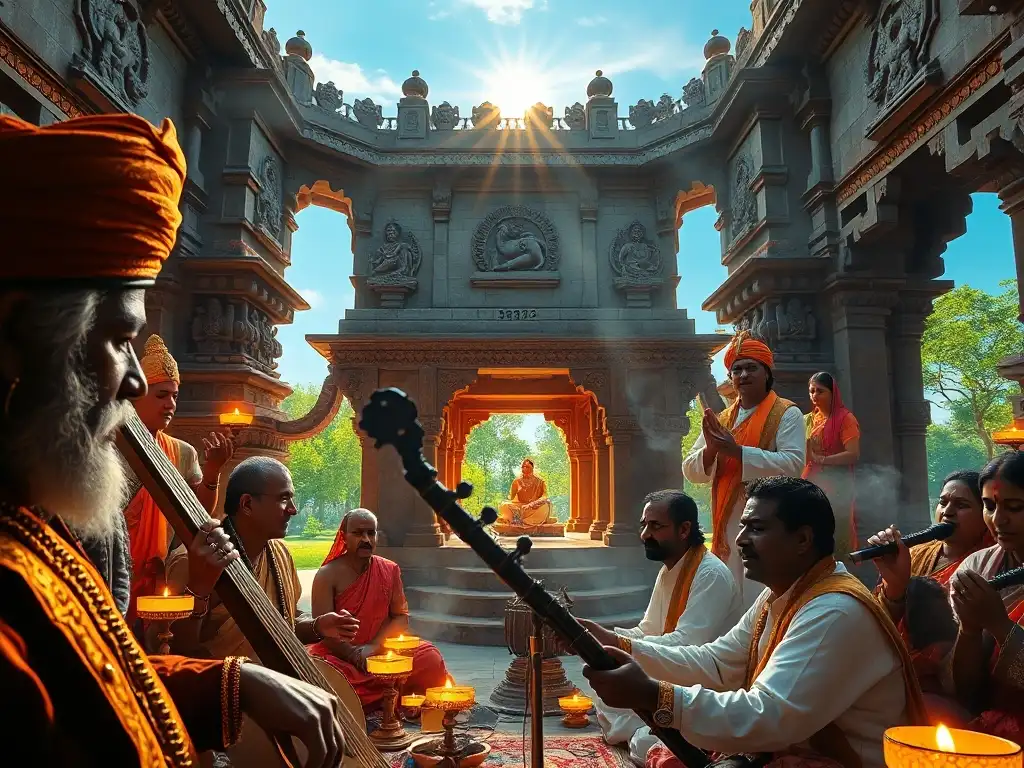
Welcome to Ancient India History, where we embark on an extraordinary journey through time to uncover the rich tapestry of ancient Indian civilizations. As we delve into the fascinating world of Samaveda music in ancient India, you'll discover not only the melodic traditions that shaped rituals and spirituality but also the profound impact of music on societal values and cultural identity.
Prepare to unravel the mysteries of this ancient text and its role in Hinduism, igniting your curiosity and inviting you to explore the profound connections between sound, ritual, and the divine. Join us as we decode the Samaveda and illuminate the enduring legacy of music in the fabric of ancient Indian life.
Introduction to the Samaveda
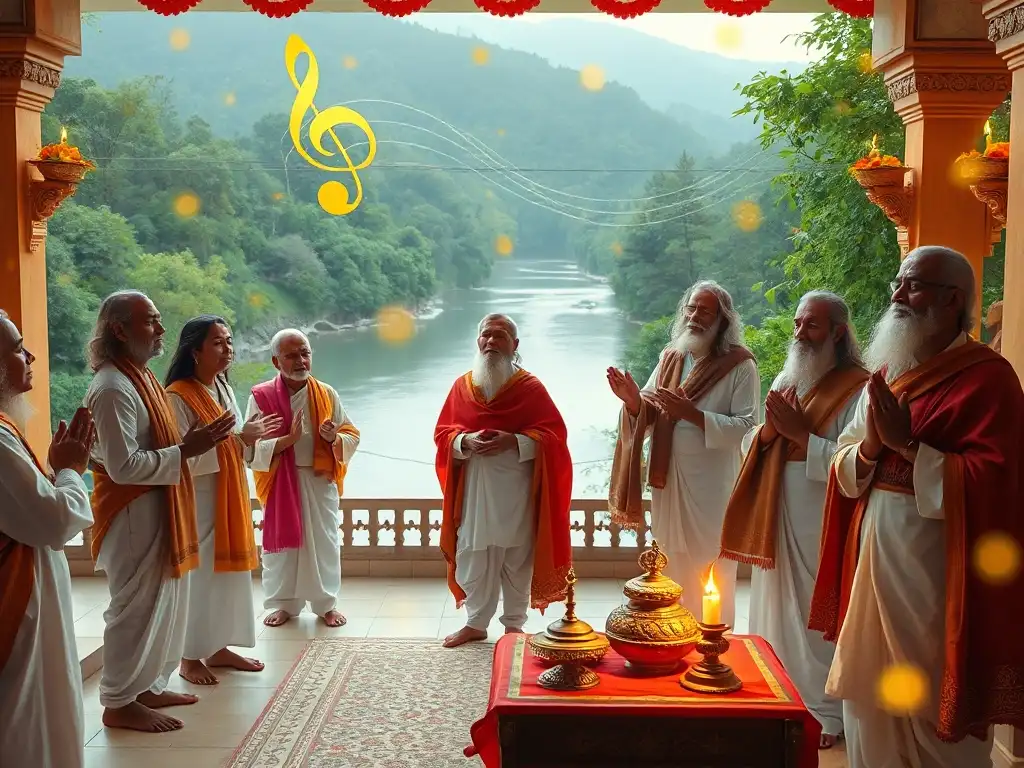
The Samaveda holds a significant place in the tapestry of ancient Indian scriptures, particularly within the context of Hinduism. Often referred to as the "Veda of Melodies," it is one of the four Vedas, alongside the Rigveda, Yajurveda, and Atharvaveda. The Samaveda is distinguished by its focus on music and chanting, integrating these elements deeply into the rituals and practices of ancient Hinduism. This unique characteristic not only reflects the cultural richness of ancient Indian civilization but also highlights the essential role that music played in spiritual and ceremonial life.
The exploration of Samaveda music in ancient India reveals a profound connection between sound, spirituality, and community rituals. Through its verses, the Samaveda offers insights into the ways in which music was employed to enhance religious experiences and foster a sense of unity among practitioners. By delving into the themes and practices associated with this ancient text, we can better understand the intricate relationship between music and the rituals that shaped early Hinduism.
Overview of the Samaveda in Ancient Indian Scriptures
The Samaveda is primarily composed of melodies (sama) derived from the Rigveda, alongside additional verses that were specifically crafted for musical recitation. Its structure is predominantly lyrical, consisting of verses meant to be sung during various rituals, particularly those associated with sacrifice (yajna). The text is divided into two main parts: the Archika, which contains hymns for rituals, and the Ghana, which includes musical notations and instructions for chanting.
In addition to its musical dimensions, the Samaveda serves as a critical source for understanding the development of Indian classical music and the evolution of various musical forms. Scholars believe that the Samaveda helped lay the groundwork for the systematic study of music in India, influencing both aesthetics and performance traditions that continue to thrive today.
Importance of Samaveda Music in Ancient Hindu Rituals
The music of the Samaveda was not merely an artistic expression; it was an integral part of the sacred rituals that connected the material and spiritual worlds. Chanting the Samaveda during rituals was believed to invoke divine presence, making the ceremonies more potent and meaningful. The melodies served as a means of communication between the worshippers and the deities, facilitating a spiritual dialogue that was both profound and transformative.
Moreover, the rhythmic patterns and melodic structures found in Samaveda music are thought to have therapeutic effects, promoting harmony not only within the rituals but also among the participants. It is noted that the repetitive nature of these chants fostered a meditative state, allowing worshippers to transcend the mundane and engage with the divine in a deeper way.
Historical Context of the Samaveda
To fully appreciate the Samaveda's role in ancient Indian culture, it is essential to explore its historical context. The origins and development of this important scripture reflect the broader trends in religious and social life during ancient times.
Origins of the Samaveda in Ancient India
The origins of the Samaveda can be traced back to around 1200 BCE, during a period when Vedic culture was flourishing in the Indian subcontinent. It is believed that the Samaveda emerged from the need for a structured musical component in Vedic rituals, which were predominantly verbal in nature. As rituals became more elaborate, the incorporation of music was seen as a way to enhance the overall experience and efficacy of the ceremonies.
The Samaveda's connection to the Rigveda indicates a continuity of thought and tradition, suggesting that the use of music in rituals was an established practice long before the formal codification of the Samaveda itself. Over time, the text became a central component of the Vedic canon, influencing not just religious practices but also cultural expressions across ancient India.
Influence of the Samaveda on Early Hindu Practices
The influence of the Samaveda extended beyond its immediate context, impacting various aspects of early Hindu practices. Its emphasis on music and sounds led to the creation of diverse musical genres and styles that are still celebrated today. The principles laid out in the Samaveda can be seen in the performance of classical music, dance, and even in modern devotional practices.
Additionally, the Samaveda helped shape the community's social fabric, as communal singing and ritual chanting fostered a sense of belonging among participants. Thus, the legacy of the Samaveda continues to resonate through the centuries, reminding us of the profound connection between music, ritual, and spirituality in ancient Indian civilization.
Structure and Composition of the Samaveda
The Samaveda is one of the four Vedas in Hindu scripture, renowned for its unique focus on music and chant. Composed primarily of hymns, the Samaveda consists of approximately 1,875 verses that are derived from the Rigveda, showcasing a distinct structure that emphasizes musical notation. Unlike other Vedic texts, the Samaveda is not merely a collection of prayers; it is designed specifically for chanting during rituals.
The verses are organized into two main sections: the Samhita, which contains the actual hymns, and the Brahmana, which includes prose explanations and guidelines for the rituals associated with the hymns. The Samaveda is notable for its musical notation, which allows priests to perform these hymns with specific melodies, enhancing the auditory experience of the rituals. This musical aspect underscores the belief that sound and rhythm can invoke divine presence, making the Samaveda integral to Vedic worship.
Key Elements of Samaveda Music in Ancient India
Samaveda music is characterized by several key elements that distinguish it from other forms of ancient Indian music. At its core, the Samaveda emphasizes melody and intonation, which are crucial for the proper recitation of hymns. Each hymn is set to a particular raga or melodic framework, which dictates the emotional and spiritual tone of the chant. This melodic structure is essential, as the effectiveness of the ritual is believed to be influenced by the quality of the music.
Another significant aspect is the use of sama, or the repetition of melodic phrases, which creates a meditative atmosphere conducive to spiritual reflection. The music of the Samaveda also incorporates intricate rhythmic patterns, enhancing the chant and creating a dynamic auditory experience. Additionally, the syllabic structure of the verses is crafted to align with the musical scale, ensuring that the delivery of each hymn is both rhythmically and melodically precise.
Types of Chants and Melodies in the Samaveda
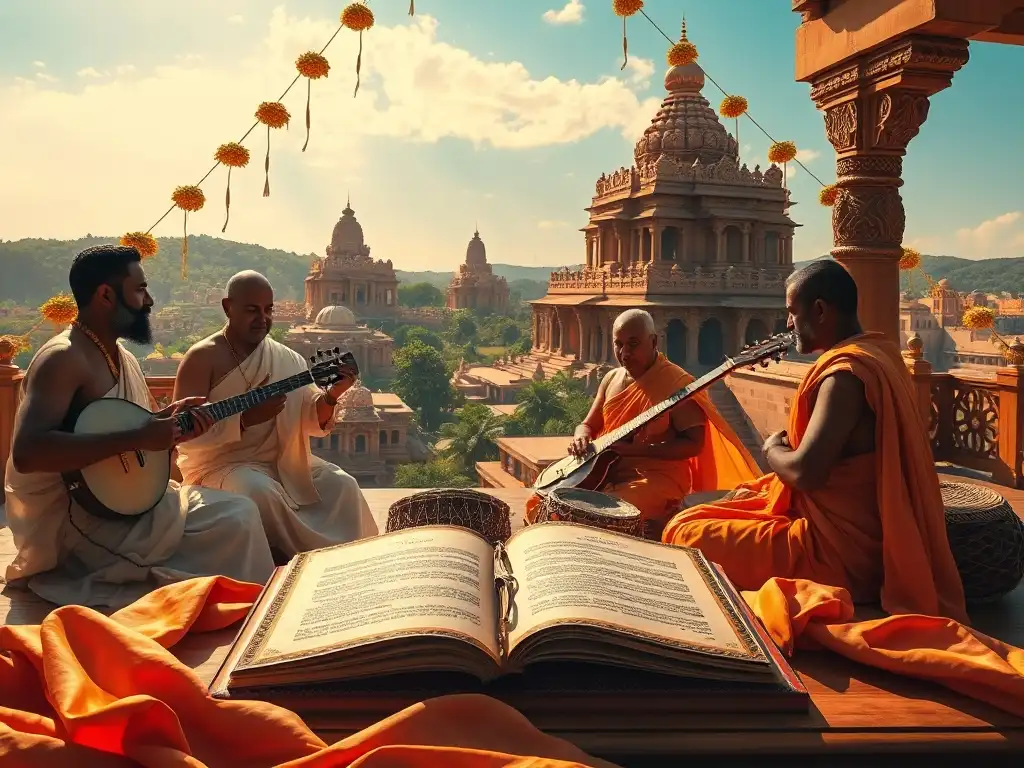
The Samaveda features various types of chants and melodies that serve different purposes within Vedic rituals. Some of the prominent types include:
- Sāman: These are melodic chants primarily used in rituals, which can be further categorized into Udgītha (the chanting of the Sāman) and Prastava (the introductory chants). Each has its own specific melodies and is used in particular contexts during ceremonies.
- Geeta: This refers to the sung verses that are more lyrical and emotive, often invoking specific deities or themes. The melodies here are designed to evoke a sense of devotion and connection to the divine.
- Upanishadic Chants: These are philosophical hymns that explore deeper spiritual concepts, often set to music that reflects their contemplative nature.
The diversity of melodies within the Samaveda not only showcases the rich musical tradition of ancient India but also highlights the importance of music in communicating sacred ideas and emotions during rituals.
Rituals Associated with Samaveda Music
Samaveda music plays a crucial role in various Vedic rituals, serving as a bridge between the material and spiritual realms. The hymns are typically chanted during sacrificial ceremonies known as Yajnas, where priests invoke gods through offerings. The performance of these chants is believed to activate spiritual energies and ensure the success of the rituals.
Rituals often involve a specific sequence of hymns that correspond to different stages of the ceremony. For instance, certain chants may be designated for the Agni (fire) offerings, while others are reserved for invoking deities like Indra or Soma. The precise execution of these musical elements is thought to ensure the rituals' efficacy and the priests' connection with the divine.
Role of Samaveda in Vedic Rituals
The Samaveda is an essential component of Vedic rituals, as it guides the ceremonial practices and enhances the spiritual atmosphere. Its hymns are designed to be recited during specific occasions, such as sacrificial rites, life-cycle ceremonies, and seasonal festivals. The chanting of the Samaveda is believed to accompany the offerings made to the deities, thereby establishing a direct connection between the worshipper and the divine.
Moreover, the Samaveda's melodies are not merely for aesthetic purposes; they are imbued with spiritual significance. The act of chanting itself is viewed as a form of worship, where the sound vibrations are believed to resonate with the cosmos, facilitating a harmonious relationship between the earthly and the divine.
Connection Between Music and Spiritual Practices in Ancient Hinduism
In ancient Hinduism, music and spiritual practices are deeply intertwined. The Samaveda exemplifies this connection, as its hymns are not only meant for ritualistic purposes but also serve as a means of spiritual elevation. Music is considered a powerful tool for meditation and introspection, allowing practitioners to transcend ordinary consciousness and connect with the divine.
The rhythmic and melodic aspects of Samaveda music create a conducive environment for spiritual experiences, where devotees can immerse themselves in devotion. This practice is reflected in the concept of Nada Brahma, which translates to "the sound is God." Here, sound and music are viewed as manifestations of the divine, reinforcing the belief that engaging with the Samaveda through music can lead to profound spiritual insights and experiences.
Samaveda music in ancient India serves as a vital link between music, ritual, and spirituality, enriching the Vedic tradition and contributing to the broader tapestry of ancient Hindu worship practices.
The Significance of Samaveda in Cultural Heritage
The Samaveda, one of the four Vedas in ancient Hindu scriptures, holds a monumental place in the cultural heritage of India. It is primarily a collection of hymns intended for chanting during rituals, particularly in the context of Vedic sacrifices. The significance of the Samaveda is multifaceted, encompassing its role in the development of music, its spiritual dimensions, and its influence on rituals.
At its core, the Samaveda is often referred to as the "Veda of Chants." Unlike the Rigveda, which consists of prose hymns, the Samaveda primarily focuses on melodies and musical notations. This unique characteristic emphasizes the importance of music not just as an art form but as an integral part of Hindu worship and spirituality. The rhythmic and melodic structures found in the Samaveda have laid the groundwork for various musical traditions in India, highlighting the interconnection between spirituality and artistry.
Moreover, the Samaveda's influence extends beyond music. It encapsulates the philosophical concepts and rituals central to Vedic practices, offering insights into the early beliefs and cultural practices of ancient Indian society. The rituals prescribed in the Samaveda are not merely ceremonial; they embody a worldview that emphasizes harmony, balance, and the relationship between the individual and the cosmos.
Influence of Samaveda Music on Later Indian Music Traditions
The musical traditions established by the Samaveda have had a profound impact on the evolution of Indian classical music. The melodic patterns and rhythmic structures found in the Samaveda can be traced through various forms of Indian music, including Hindustani and Carnatic styles, both of which are rooted in ancient practices.
One of the most significant contributions of Samaveda music is its use of sama, a form of chant that involves singing the hymns with particular emphasis on intonation and modulation. This practice has influenced the development of ragas, which are the melodic frameworks in Indian classical music. Scholars have noted that many ragas can be linked back to the saman chants of the Samaveda, illustrating a direct lineage that showcases the Vedic roots of Indian music.
Furthermore, the Samaveda's emphasis on musical notation has laid the foundation for the theoretical aspects of music in ancient India. The codification of musical scales and the exploration of swaras (musical notes) in the Samaveda contributed to the systematic study of music, which became more pronounced in later texts such as the Natya Shastra and the Sangeeta Ratnakara.
Preservation of Samaveda Traditions in Contemporary India
In contemporary India, the traditions of the Samaveda continue to be preserved and celebrated, though often in adapted forms. Various religious and cultural organizations actively engage in the recitation and performance of Samaveda hymns, ensuring that this ancient musical heritage remains alive.
Institutions dedicated to Vedic studies offer courses and programs aimed at teaching the recitation techniques and musical elements of the Samaveda. These efforts not only aim to maintain the traditional practices but also to inspire new generations to explore the spiritual and artistic dimensions of this ancient text.
Additionally, the resurgence of interest in Indian classical music has led to a revival of interest in the Samaveda's contributions. Musicians and scholars alike are examining the connections between the Samaveda and contemporary musical forms, fostering a dialogue that bridges ancient traditions with modern expressions.
Conclusion
The Samaveda's significance in ancient Indian culture extends far beyond its role as a religious text; it is a vital link between spirituality, music, and ritual practice. Its melodies have not only shaped the religious landscape of ancient Hinduism but have also left an indelible mark on the arts and culture of India.
Recap of the Importance of Samaveda Music in Ancient Indian Culture
The Samaveda's music is an essential element of ancient Indian culture, representing a synthesis of artistry and spirituality. The musical traditions rooted in the Samaveda have influenced various forms of Indian music, enriching the cultural tapestry of the country. Its hymns and melodies serve as a reminder of the profound connection between sound, ritual, and the divine in ancient Hinduism.
Future Implications of Samaveda Studies in Understanding Ancient Hinduism
Looking ahead, the study of the Samaveda offers exciting prospects for understanding ancient Hinduism more deeply. As scholars continue to explore its musical and ritualistic dimensions, new insights may emerge regarding the socio-cultural contexts of the time. This research holds the potential to illuminate the ways in which music and spirituality intertwined in ancient India, providing a clearer picture of the early foundations of Hindu thought and practice. The ongoing exploration of the Samaveda will surely contribute to a richer appreciation of the complex legacy of Indian civilization.
- Introduction to the Samaveda
- Historical Context of the Samaveda
- Structure and Composition of the Samaveda
- Key Elements of Samaveda Music in Ancient India
- Types of Chants and Melodies in the Samaveda
- Rituals Associated with Samaveda Music
- The Significance of Samaveda in Cultural Heritage
- Conclusion
Frequently Asked Questions
What is the Samaveda and its significance in ancient India?
The Samaveda is one of the four Vedas in ancient Indian scriptures, primarily focused on music and melodies used in rituals, emphasizing the importance of chanting and musical expression in spiritual practices.
How did the Samaveda influence ancient Indian music?
The Samaveda laid the foundation for classical Indian music, introducing various ragas and talas that are still integral to Indian musical traditions today, showcasing the interconnection between music and spirituality.
What role did rituals play in the context of the Samaveda?
Rituals in the Samaveda were performed to invoke divine blessings, with music serving as a medium for communication with the divine, highlighting its significance in Hindu worship and ceremonies.
How is the Samaveda different from the other Vedas?
Unlike the Rigveda, which is more focused on hymns, the Samaveda is primarily centered on the musical aspects of these hymns, making it unique in its emphasis on the melodic and rhythmic interpretation of the sacred verses.
What impact did the Samaveda have on later Indian cultural developments?
The Samaveda influenced not only music but also dance and theatre in ancient India, contributing to the rich tapestry of cultural expressions that evolved over centuries, ultimately shaping Indian classical arts.
Final Reflection: The Enduring Legacy of Samaveda Music in Ancient India
The intricate relationship between music and ritual in the Samaveda continues to resonate profoundly in today’s world. As we explore the depths of ancient Hinduism, we uncover how the melodies and chants of the Samaveda not only served spiritual purposes but also shaped cultural identities and communal bonds. The power of music as a vehicle for transcendence and connection remains as relevant now as it was thousands of years ago.
Culture is a living tapestry woven from the threads of its history, and the Samaveda is a vibrant strand in this fabric. The echoes of its melodies can still be felt in contemporary practices, reminding us of the importance of preserving our heritage. As noted by musicologist Dr. Ananda K. Coomaraswamy, The music of the Samaveda is not merely a collection of notes; it is a sacred language that speaks to the soul.
This observation highlights how the Samaveda's influence extends beyond mere sound, shaping the spiritual and cultural landscape of India and beyond.
As we reflect on the significance of Samaveda music, I invite you to consider how the lessons of ancient rituals can inspire your own life. Embrace the power of music to elevate your spirit and connect with those around you. Whether through personal practice, community gatherings, or simply appreciating the beauty of sound, let the timeless rhythms of the Samaveda guide you in your journey toward harmony and understanding. The past holds valuable insights for our present and future—let us honor it by integrating its wisdom into our daily lives.
Unveil the Rhythm of Ancient Rituals!
Thank you for diving into the fascinating world of the Samaveda and its profound connection to music and rituals in ancient Hinduism. We hope you’ve uncovered insights that inspire you to explore this rich cultural heritage further! Now, let’s take those insights and turn them into action.
Here are some engaging steps you can take next:
- Participate in a local workshop or online course focused on Vedic music—experience the melodies that shaped ancient rituals firsthand!
- Join a community of enthusiasts—connect with forums or social media groups dedicated to ancient Indian music and share your thoughts.
- Challenge yourself to read a passage from the Samaveda aloud and reflect on how its musicality enhances your understanding of its teachings.
What aspect of the Samaveda do you find most intriguing, and how do you believe it can influence modern spirituality or music today?