
The Role of Pilgrimage in Jainism: Exploring Sacred Sites in Ancient India

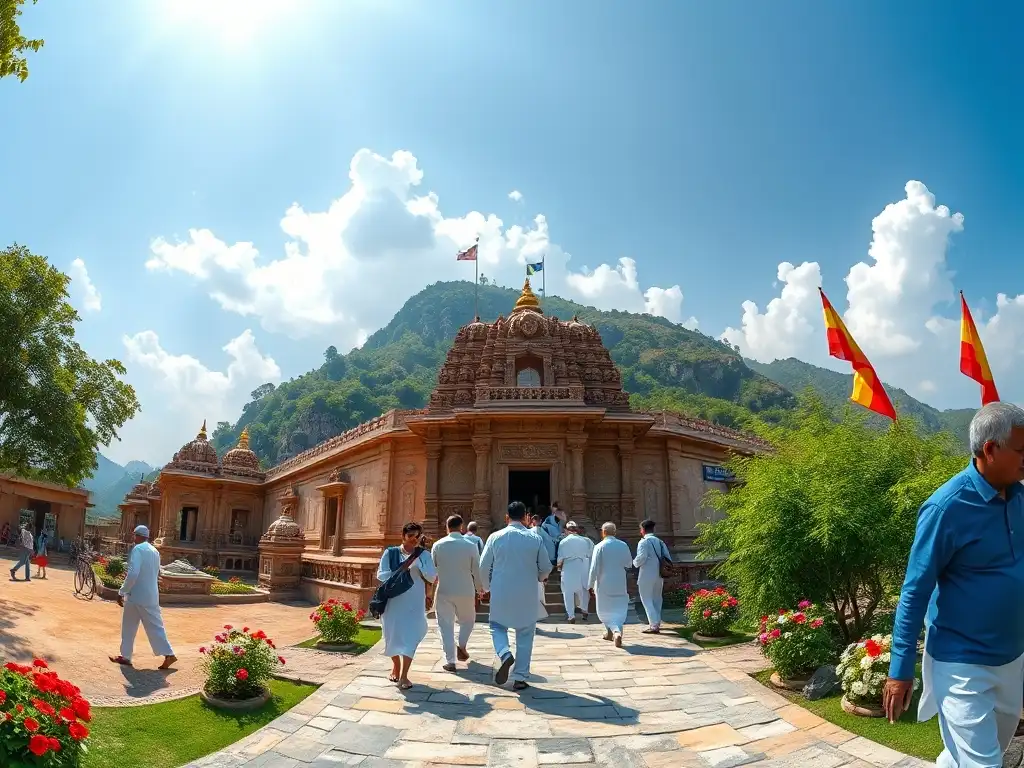
Welcome to Ancient India History, where we embark on a fascinating journey through time to uncover the rich tapestry of India's past. In this exploration, we delve into the profound significance of Jain pilgrimage sacred sites in India, revealing how these ancient locations serve as vital connections to spirituality and heritage. What draws countless devotees to these sacred grounds?
Join us as we uncover the intricate relationship between pilgrimage and Jainism, and discover the cultural treasures embedded within these revered sites. Your adventure into ancient India's spiritual legacy begins here—read on to unlock the secrets of a civilization that continues to inspire!

Introduction to Jain Pilgrimage
Pilgrimage holds a profound significance in Jainism, serving as a vital aspect of spiritual practice and community identity. Jain pilgrimage sacred sites in India are not mere locations; they are revered spaces imbued with historical, cultural, and spiritual meaning. These sites, ranging from ancient temples to natural landmarks, reflect the deep-rooted traditions and beliefs of the Jain community, which emphasizes non-violence, truth, and asceticism. As we explore the intricate tapestry of Jain pilgrimage, we will uncover how these sacred sites not only connect devotees to their spiritual heritage but also contribute to the broader narrative of ancient Indian civilization.
Understanding Jainism and its Spiritual Significance
Jainism, one of the oldest religions in India, promotes the idea of ahimsa (non-violence) and the pursuit of spiritual enlightenment. The core tenets of Jain philosophy—right faith, right knowledge, and right conduct—guide its followers toward liberation. Pilgrimage in Jainism is viewed as a transformative journey that allows individuals to engage with their spiritual beliefs, seek forgiveness, and attain a higher state of consciousness.
- Core Principles of Jainism:
- Ahimsa: Non-violence in thought, word, and deed.
- Anekantavada: The doctrine of manifold aspects, promoting tolerance and understanding.
- Aparigraha: Non-possessiveness and detachment from material possessions.
By visiting sacred sites, Jains cultivate a deeper understanding of these principles, reinforcing their commitment to spiritual growth and community values.
Importance of Pilgrimage in Jain Culture
Pilgrimage serves multiple purposes in Jain culture, ranging from spiritual rejuvenation to social cohesion. It provides an opportunity for individuals to connect with fellow believers, share experiences, and strengthen communal bonds. Moreover, the act of pilgrimage is often accompanied by rituals, prayers, and meditation, enhancing the spiritual experience.
- Key Functions of Pilgrimage:
- Spiritual Renewal: Engaging in rituals and prayers fosters a sense of tranquility and purpose.
- Community Building: Pilgrimages often involve group travel, promoting social interaction among followers.
- Cultural Preservation: Visiting sacred sites helps preserve the rich heritage and teachings of Jainism.
Through these experiences, pilgrims deepen their faith and reinforce the values that define Jain identity.
Historical Context of Jain Pilgrimage in Ancient India
Understanding the historical context of Jain pilgrimage requires a look back at its origins and subsequent developments throughout ancient Indian history. The evolution of sacred sites reflects the changing dynamics of religious practices and societal values within Jainism.
Origins of Jain Pilgrimage Practices
The roots of Jain pilgrimage can be traced back to the teachings of Mahavira, the 24th Tirthankara, who emphasized the importance of spiritual discipline and the pursuit of enlightenment. Initially, pilgrimage practices revolved around key events in the lives of Tirthankaras and sacred places associated with their teachings.
- Early Pilgrimage Sites:
- Pawapuri: The site of Mahavira's nirvana.
- Shravanabelagola: Known for the monumental statue of Bahubali, symbolizing renunciation.
These early pilgrimage sites became focal points for devotees, serving as places of worship and reflection.
Key Historical Development of Jain Sacred Sites
Over centuries, Jain pilgrimage evolved alongside the rise of various dynasties and cultural movements in India. Significant historical developments contributed to the establishment of numerous sacred sites, which continue to attract pilgrims today.
- Major Developments:
- Construction of Temples: The establishment of grand temples during the reign of the Western Ganga dynasty in Karnataka, such as the temples at Shravanabelagola.
- Patronage by Rulers: Kings and emperors often supported the construction of pilgrimage sites and temples, enhancing their significance.
This historical journey highlights the interplay between Jainism and broader societal changes, illustrating how sacred sites remain vital to the spiritual landscape of ancient India.
Major Jain Pilgrimage Sacred Sites in India
Jainism, one of the oldest religions in India, is characterized by its strong emphasis on non-violence, truth, and asceticism. Central to Jain practice is the concept of pilgrimage, where devotees visit sacred sites that are significant in the history and teachings of Jainism. These pilgrimage sites, known as Tirthas, serve as spiritual centers and are often associated with revered Tirthankaras, the spiritual teachers of Jainism.
Some of the most prominent Jain pilgrimage sacred sites in India include:
- Shravanabelagola: Located in Karnataka, it is famous for the colossal statue of Gommateshwara Bahubali, a revered Tirthankara. The site attracts thousands of pilgrims, especially during the Mahamastakabhisheka festival, held every 12 years.
- Ranakpur: Renowned for its stunning marble Jain temple dedicated to Tirthankara Adinatha, Ranakpur is an architectural marvel. The intricate carvings and serene ambiance make it a significant pilgrimage destination.
- Palitana: Situated in Gujarat, Palitana is home to a series of temples atop the Shatrunjaya hill. Believed to be the first pilgrimage spot of Jainism, it holds immense spiritual significance, with thousands of devotees climbing the hill annually.
- Kshatrapal: Found in Madhya Pradesh, this site is known for its ancient temples and inscriptions, reflecting the history of Jainism in the region.
These sites not only serve as places of worship but also as venues for community gatherings, festivals, and spiritual discourses, making them vital to Jain culture.
Overview of Prominent Jain Sacred Sites
The overview of Jain sacred sites reveals a rich tapestry of history and spirituality. Many of these sites are strategically located in picturesque settings, often atop hills or near rivers, symbolizing the journey of the soul towards liberation. Each site is steeped in legend and history, with temples showcasing exquisite architecture that reflects Jain artistic traditions.
- Mount Abu: The only hill station in Rajasthan, Mount Abu is home to the famous Dilwara Temples, known for their stunning marble carvings. These temples attract not only Jains but also tourists interested in architecture and history.
- Nashik: This site holds significance for its ancient temples dedicated to various Tirthankaras and its connection to the Jain community in Maharashtra.
- Sihor: Located in Gujarat, it features ancient temples and is a pilgrimage site for Jains from nearby regions.
Each site has its unique characteristics and draws pilgrims for various reasons, including spiritual rejuvenation, historical interest, and community bonding.
The Spiritual and Cultural Importance of Jain Pilgrimage
Jain pilgrimage transcends mere physical travel; it embodies a journey towards spiritual enlightenment. The act of pilgrimage is deeply rooted in the Jain ethos, emphasizing core values such as self-discipline, penance, and devotion. Pilgrims engage in rituals, prayers, and meditative practices that foster a sense of connection to the divine and promote inner peace.
Pilgrimage as a Means of Spiritual Growth

For Jains, pilgrimage represents a vital pathway to spiritual growth. The journey to sacred sites is often filled with challenges that test one's resolve and commitment to the principles of Jainism. This transformative experience allows pilgrims to:
- Reflect on their actions and intentions.
- Cultivate virtues such as humility and compassion.
- Seek forgiveness and perform penance for past misdeeds.
The physical act of traveling to these sacred sites is accompanied by spiritual practices, which together contribute to a deeper understanding of the self and the universe.
Pilgrimage in Jainism is not solely an individual endeavor; it plays a crucial role in fostering community bonds. The shared experience of visiting sacred sites brings together Jains from diverse backgrounds, promoting unity and collective identity.
- Social Interactions: Pilgrims often travel in groups, engaging in discussions about Jain teachings and sharing personal experiences, which strengthens communal ties.
- Charity and Service: Many pilgrimage sites emphasize the importance of charitable acts, encouraging visitors to contribute to local communities and support religious institutions.
The communal aspect of pilgrimage not only reinforces religious identity but also enhances social solidarity among Jains, fostering a sense of belonging.
Festivals and Events Surrounding Jain Pilgrimage Sites
Jain pilgrimage sites are often vibrant centers of festivals and events, making them lively places of worship. These gatherings attract thousands of devotees and provide opportunities for cultural expression and spiritual practice.
- Mahamastakabhisheka: Held once every 12 years at Shravanabelagola, this grand festival includes elaborate rituals and is a major event for Jains worldwide.
- Paryushana: This is one of the most important festivals for Jains, marked by fasting, prayer, and reflection. Many pilgrims choose this time to visit sacred sites, making it a bustling period at pilgrimage destinations.
- Local Celebrations: Each sacred site has its unique festivals, often linked to historical events or specific Tirthankaras, creating a rich tapestry of cultural and religious life.
These festivals not only enhance the spiritual experience of pilgrimage but also serve to disseminate Jain teachings and traditions to a broader audience.
Pilgrimage Practices and Rituals in Jainism
Jain pilgrimage is a profound expression of devotion and spirituality for followers of Jainism. It is intricately woven into the fabric of Jain beliefs, emphasizing the importance of visiting sacred sites (tirthas) associated with the Tirthankaras, revered figures in Jain tradition. These pilgrimages serve as both spiritual journeys and opportunities for personal reflection, allowing Jains to connect deeply with their faith while honoring the teachings of their spiritual predecessors.
The act of pilgrimage in Jainism involves various practices and rituals designed to enhance the spiritual experience. Pilgrims often engage in fasting, meditation, and prayer, which are integral to the pilgrimage experience. The journey to sacred sites is often undertaken with a sense of humility and reverence, as pilgrims seek to purify their souls and attain spiritual merit (punya). This practice not only fosters a sense of community among Jains but also strengthens individual faith and commitment to the principles of non-violence (ahimsa) and truth (satya).
Common Pilgrimage Practices Among Jains
Jain pilgrims typically follow a set of common practices that enhance their spiritual experience during pilgrimage. These practices include:
- Fasting: Many Jains observe fasting during their pilgrimage, which serves as a way to purify the body and mind. Fasting can range from abstaining from specific foods to complete fasting.
- Meditation and Prayer: Pilgrims often spend time in meditation and prayer at sacred sites, seeking inner peace and connection with the divine. Chanting of mantras, particularly the Navkar Mantra, is a common practice.
- Community Involvement: Group pilgrimages are popular, fostering a sense of camaraderie and collective spirituality. Pilgrims often travel with family and friends, sharing experiences and reinforcing communal bonds.
- Offering Rituals: At sacred sites, pilgrims present offerings such as flowers, fruits, and incense to the Tirthankaras and other deities. These offerings symbolize gratitude and devotion.
Rituals Associated with Sacred Sites
Rituals at Jain pilgrimage sites are deeply symbolic and serve to enhance the spiritual significance of these locations. Key rituals include:
- Pratikraman: This is a ritual of repentance performed by Jains, often conducted at sacred sites. It involves reflecting on one’s actions and seeking forgiveness for any harm caused to living beings.
- Tirtha Puja: Pilgrims perform specific worship rituals at tirthas, which may include the ceremonial washing of the idol of the Tirthankara, accompanied by recitations and offerings.
- Parikrama: A common practice involves walking around the sacred site or the idol. This act of circumambulation is a form of respect and devotion, symbolizing the cycle of birth and rebirth in Jain philosophy.
- Vows and Pledges: Many pilgrims take vows or make pledges during their pilgrimage, committing to uphold certain principles or engage in specific acts of charity upon their return.
Challenges Facing Jain Pilgrimage Today
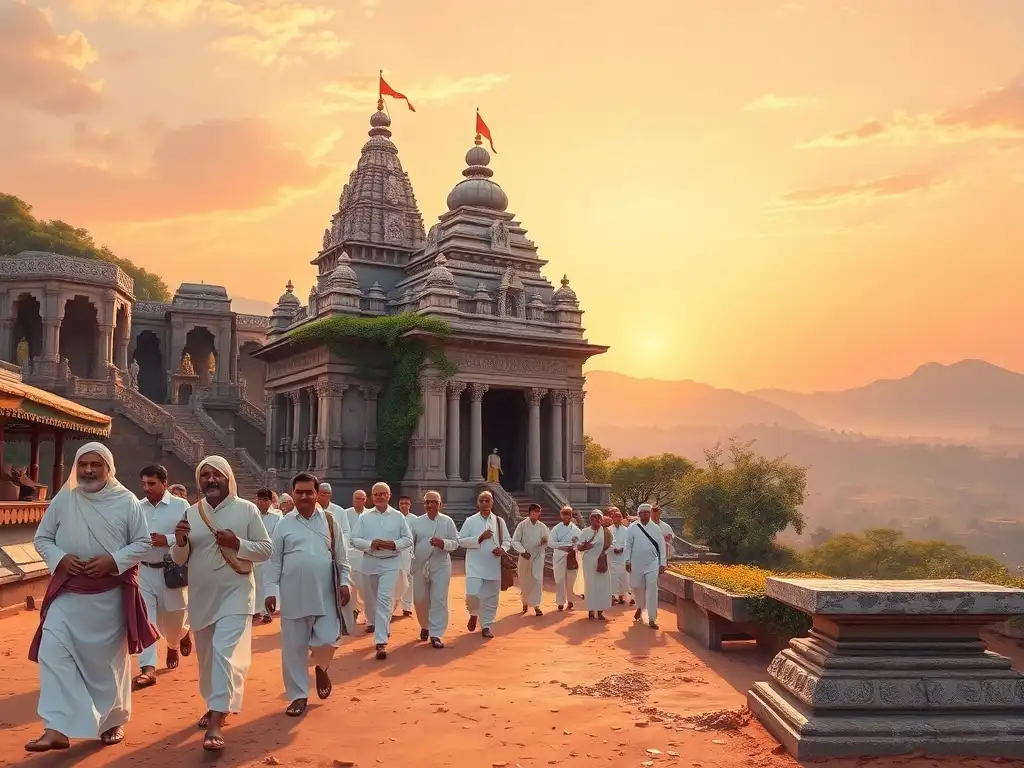
Despite the enduring significance of pilgrimage in Jainism, several challenges confront Jains today, impacting both the practice and preservation of these sacred sites.
Modernization and Its Impact on Sacred Sites
The rapid pace of modernization poses significant risks to Jain pilgrimage sites. Urban development often encroaches on these sacred areas, leading to:
- Environmental Degradation: Increased construction and tourism can result in pollution and degradation of the natural environment surrounding sacred sites, undermining their spiritual ambiance.
- Commercialization: The commercialization of pilgrimage sites may detract from their spiritual significance, transforming sacred spaces into mere tourist attractions, which can compromise the authenticity of the pilgrimage experience.
- Accessibility Issues: While modernization can improve infrastructure, it can also disrupt traditional practices and the essence of pilgrimage, leading to a loss of cultural heritage.
Conservation Efforts for Jain Pilgrimage Sites
Recognizing the challenges posed by modernization, various conservation efforts are underway to protect Jain pilgrimage sites. Some key initiatives include:
- Heritage Conservation Programs: Many Jain organizations are actively involved in preserving historical temples and artifacts, ensuring that these sacred sites maintain their integrity and cultural significance.
- Community Engagement: Local communities are increasingly engaged in preserving their heritage, with initiatives aimed at raising awareness about the importance of these sites and the need for sustainable practices.
- Restoration Projects: Restoration projects aim to repair and maintain ancient temples and pilgrimage sites, often funded by donations from Jains around the world, ensuring these places remain accessible for future generations.
Balancing Tradition and Contemporary Practices
As Jainism navigates the complexities of modern life, there is an ongoing dialogue about balancing traditional practices with contemporary realities. Key considerations include:
- Adaptation of Practices: Many Jains are finding innovative ways to adapt pilgrimage practices to modern lifestyles while retaining their spiritual essence, such as incorporating technology for virtual pilgrimages.
- Intergenerational Exchange: Engaging younger generations in traditional practices is essential for the continuity of Jain pilgrimage culture. This can be achieved through education and community programs that emphasize the significance of pilgrimage.
- Sustainable Pilgrimage Practices: Encouraging sustainable practices among pilgrims, such as responsible tourism and environmental stewardship, is vital for preserving the sanctity of sacred sites while accommodating modern visitor expectations.
By addressing these challenges and embracing change, the Jain community can ensure that pilgrimage remains a vibrant and transformative experience, deeply rooted in their rich cultural heritage.
Conclusion: The Enduring Legacy of Jain Pilgrimage in Ancient India
The role of pilgrimage in Jainism has profoundly shaped the religious landscape of ancient India, establishing a rich tapestry of sacred sites that continue to inspire devotion and reverence. The pilgrims' journeys to these sites, often marked by rigorous ascetic practices and profound spiritual reflection, underscore the significance of faith in the Jain tradition. These sacred places, such as Shravanabelagola and Mount Abu, are not only historical landmarks but also vibrant centers of spiritual learning and community engagement.
The enduring legacy of Jain pilgrimage is evident in the preservation of ancient texts and rituals that continue to be practiced by modern Jains. These sites serve as reminders of the values of non-violence, truth, and asceticism that are central to Jain philosophy. Furthermore, the architectural marvels associated with these sacred sites, including intricately carved temples and monolithic statues, reflect the cultural and artistic achievements of ancient Indian civilization.
Reflection on the Importance of Jain Pilgrimage in Modern Context
In today's context, the significance of Jain pilgrimage extends beyond mere religious observance; it plays a crucial role in cultural identity and community cohesion among Jains. Modern pilgrims often revisit these ancient sites not only to seek spiritual fulfillment but also to connect with their heritage and history. The communal aspect of pilgrimage fosters a sense of belonging and reinforces the ethical principles that guide Jain life.
Moreover, the ecological and ethical teachings of Jainism, particularly the principle of ahimsa (non-violence), resonate with contemporary global concerns about environmental sustainability and ethical living. Pilgrimage sites often promote awareness and practices that align with these values, encouraging pilgrims to engage in environmentally friendly behaviors and social responsibility. Thus, the modern pilgrimage experience can be seen as a bridge between the ancient teachings of Jainism and current societal challenges.
Future of Jain Sacred Sites and Pilgrimage Practices in India
The future of Jain sacred sites and pilgrimage practices in India appears promising, albeit with challenges that need to be addressed. As globalization and modernization continue to influence religious practices, there is an opportunity for Jain communities to innovate while preserving their rich traditions. Efforts to maintain and restore ancient temples and pilgrimage routes will be essential in ensuring that these sacred sites remain accessible and relevant to future generations.
Additionally, the integration of technology can enhance the pilgrimage experience, allowing for virtual tours or augmented reality experiences that educate pilgrims about the historical and spiritual significance of these sites. This approach can attract a younger audience, ensuring that the principles of Jainism and the importance of pilgrimage are passed down through generations.
However, the preservation of pilgrimage sites also requires attention to environmental sustainability and the impact of tourism. Balancing the influx of pilgrims with the need to protect these sacred spaces will be crucial. Community involvement in managing these sites can foster a sense of stewardship and responsibility, ensuring that the legacy of Jain pilgrimage continues to thrive in modern India.
- Introduction to Jain Pilgrimage
- Historical Context of Jain Pilgrimage in Ancient India
- Major Jain Pilgrimage Sacred Sites in India
- The Spiritual and Cultural Importance of Jain Pilgrimage
- Pilgrimage as a Means of Spiritual Growth
- Community and Pilgrimage: Social Aspects of Jainism
- Festivals and Events Surrounding Jain Pilgrimage Sites
- Pilgrimage Practices and Rituals in Jainism
- Challenges Facing Jain Pilgrimage Today
- Conclusion: The Enduring Legacy of Jain Pilgrimage in Ancient India
- Reflection on the Importance of Jain Pilgrimage in Modern Context
- Future of Jain Sacred Sites and Pilgrimage Practices in India
Frequently Asked Questions
What are the major Jain pilgrimage sacred sites in India?
The major Jain pilgrimage sacred sites include Shravanabelagola, Palitana, and Ranakpur, which are known for their historical significance and stunning architectural beauty.
Why are pilgrimages important in Jainism?
Pilgrimages in Jainism serve as a means of spiritual purification and a way to connect with sacred traditions, enhancing one's faith and understanding of Jain teachings.
How does Jain pilgrimage reflect the culture of ancient India?
Jain pilgrimage reflects the culture of ancient India by showcasing the art, architecture, and philosophy of Jainism, illustrating the interconnectedness of spirituality and cultural practices.
What is the significance of Shravanabelagola in Jainism?
Shravanabelagola is significant as it houses the Gomateshwara statue, the world's tallest monolithic statue, symbolizing non-violence and self-control, key principles of Jain philosophy.
How do Jain sacred sites contribute to tourism in India?
Jain sacred sites attract both devotees and tourists, contributing to local economies and promoting awareness of Jain culture and history, thereby enhancing the cultural tourism landscape of India.
Final Reflection: The Enduring Significance of Jain Pilgrimage Sacred Sites in India
The exploration of Jain pilgrimage sacred sites in India reveals a profound connection between spirituality and geography that remains relevant today. As we navigate a world increasingly marked by disconnection and distraction, the ancient practices of pilgrimage remind us of the importance of seeking purpose and meaning in our lives. The sacred sites of Jainism serve not only as historical landmarks but also as beacons of spiritual reflection and community, urging us to reconnect with our roots and values.
The impact of these pilgrimage sites extends beyond their physical presence; they continue to shape cultural and social landscapes in contemporary India. The rituals and traditions associated with these sacred journeys foster a sense of belonging and identity among practitioners, transcending generations. As Mahatma Gandhi once said, “The best way to find yourself is to lose yourself in the service of others.” This sentiment resonates deeply within the Jain community, where pilgrimage is not merely a personal endeavor but a collective journey towards enlightenment and compassion.
As you reflect on the insights shared in this article, consider how the principles of Jain pilgrimage can inspire your own life. Embrace the opportunity to embark on your personal journey of discovery, whether through physical travel to sacred sites or through introspective practices that cultivate mindfulness and compassion. Let the lessons of Jainism guide you in fostering a deeper connection with yourself and the world around you, encouraging you to seek out the sacred in your everyday experiences.
Embark on Your Journey of Discovery!
Thank you for taking the time to delve into the fascinating role of pilgrimage in Jainism and its significance in Ancient India. You've gained insights into the sacred sites that not only shape spiritual journeys but also connect us to rich histories. Now, it's time to take action and deepen your understanding!
Here’s how you can explore further and engage with this profound topic:
- Join a local Jain community or temple to participate in discussions or events, uncovering spiritual practices firsthand.
- Plan a visit to one of the significant sacred sites; immerse yourself in the culture and history that surrounds these holy places.
- Share your newfound knowledge with friends or on social media—initiate a conversation about the importance of pilgrimage across various cultures.
Which sacred site would you most like to visit, and why? We invite you to explore your thoughts in the comments below!