
The Role of Buddhist Art: Key Figures Who Shaped Iconography

Welcome to Ancient India History, where we embark on a fascinating journey through the ages to uncover the rich tapestry of India’s ancient civilizations. In this exploration, we delve into how Buddhist art emerged as a powerful expression of spirituality and culture, shaped by key figures who influenced its iconic imagery. Have you ever wondered who these pivotal characters were and how their contributions resonate in today’s world?
Join us as we unveil the stories behind the art, inviting you to discover the profound connections between religion, culture, and creativity that defined an era. Dive in to learn more about these extraordinary figures and their lasting impact on ancient Indian religions!
Buddhist art has played a pivotal role in the expression and dissemination of Buddhist teachings, beliefs, and practices throughout history. Emerging around the 3rd century BCE, this art form reflects the profound philosophical and spiritual values of Buddhism, serving as both a means of worship and a medium for storytelling.
As we delve into the intricate world of Buddhist art, we will explore the influential figures who have significantly shaped its iconography. From the early representations of the Buddha to the sophisticated forms of the Gupta period, these key figures have not only contributed to the aesthetic evolution of Buddhist art but have also impacted the broader cultural landscape of ancient India and beyond.
In this article, we will examine several key figures whose contributions were instrumental in the development of Buddhist art. By analyzing their roles and the contexts in which they operated, we will uncover how their artistic choices and theological insights have left a lasting legacy in the visual representation of Buddhist narratives. The journey through the realms of Buddhist art will also highlight the interplay between religion and artistry, showcasing the rich tapestry of beliefs that have shaped the iconographic traditions we recognize today.
The Origins of Buddhist Art
The origins of Buddhist art can be traced back to the Indus Valley Civilization, where early symbols and motifs began to emerge. However, it was during the Mauryan Empire, particularly under the rule of Emperor Ashoka, that Buddhist art truly began to flourish. Ashoka's patronage led to the creation of stupas, pillars, and relief sculptures that depicted various aspects of the Buddha's life and teachings.
- Key Developments:
- Stupas: These dome-shaped structures served as reliquaries containing sacred relics.
- Pillars of Ashoka: Inscribed with edicts promoting Buddhist values and moral principles.
Key Figures in Buddhist Art
Several influential figures have played a crucial role in shaping Buddhist art and its iconography throughout the centuries. Their artistic innovations and religious fervor have significantly influenced the visual language of Buddhism.
- Buddha Shakyamuni: The historical Buddha, whose life and teachings are central to Buddhist iconography.
- Bodhisattvas: Figures such as Avalokiteshvara and Manjushri, who embody compassion and wisdom, respectively, and have inspired numerous artistic representations.
- Patrons and Monks: Various kings and monastic communities contributed to the proliferation of Buddhist art, commissioning works that communicated their beliefs and values.
The Influence of Regional Styles
As Buddhism spread across Asia, it encountered diverse cultures, resulting in the evolution of distinct regional styles in Buddhist art. Each region adapted the iconography to reflect local traditions and artistic practices.
- Gandhara Style: Known for its Greco-Buddhist influences, characterized by realistic human forms and intricate drapery.
- Mathura Style: Emphasized spiritual symbolism over realism, with a focus on the divine qualities of the figures depicted.
Conclusion
The exploration of Buddhist art key figures reveals a rich tapestry of historical, cultural, and spiritual narratives. Through their contributions, these figures have shaped not only the aesthetic dimensions of Buddhist art but also the way in which Buddhist teachings are communicated and understood. As we continue to investigate the intricate details of this art form, we will gain deeper insights into the profound impact these key figures have had on the legacy of Buddhism throughout history.
- What is the significance of Buddhist art in ancient civilizations?
- Who are some key figures in the development of Buddhist iconography?
- How did Buddhist art evolve over time?
- What materials were commonly used in creating Buddhist art?
- How does Buddhist art reflect the cultural diversity of ancient India?
Introduction to Buddhist Art and Iconography
Buddhist art has played a pivotal role in the expression and dissemination of Buddhist teachings, beliefs, and practices throughout history. Emerging around the 3rd century BCE, this form of art not only reflects the spiritual and philosophical tenets of Buddhism but also illustrates the cultural exchanges that occurred as Buddhism spread across Asia. The visual representations found in Buddhist art, including sculptures, murals, and architecture, are deeply intertwined with the religion's core themes of enlightenment, compassion, and the cycle of life and death.
Definition of Buddhist Art
Buddhist art encompasses a wide array of artistic expressions that depict the life, teachings, and symbols associated with Buddhism. This includes:
- Sculpture: Statues of Buddha and Bodhisattvas, often made of stone, bronze, or clay, which serve as focal points for worship and meditation.
- Painting: Murals and scroll paintings that narrate Buddhist stories, such as the Jataka tales, illustrating the previous lives of the Buddha.
- Architecture: Stupas and monasteries that embody Buddhist cosmology and serve as places for meditation and communal worship.
Buddhist art is characterized by its symbolic representations and adherence to specific iconographic conventions, often dictated by regional developments and historical contexts. The use of colors, postures (mudras), and attributes associated with various figures is essential in conveying deeper meanings within the art.
Importance of Iconography in Buddhism
Iconography in Buddhism serves multiple functions, enriching the practice and understanding of the religion:
- Teaching Tool: Iconographic elements provide visual narratives that convey complex philosophical ideas and moral lessons, making them accessible to diverse audiences.
- Cultural Identity: Iconography reflects local traditions and beliefs, allowing Buddhism to integrate into various cultures while maintaining its core principles.
- Spiritual Connection: The depiction of sacred figures invites devotees to engage in worship and meditation, fostering a personal connection with the teachings of Buddhism.
The adherence to established iconographic norms ensures that the images resonate with spiritual significance and assist practitioners in visualizing their path towards enlightenment.
Overview of the Influence of Key Figures
Throughout history, numerous key figures have significantly influenced Buddhist art and its iconography. Some of the most impactful include:
- Emperor Ashoka (c. 268–232 BCE): Ashoka's patronage of Buddhism led to the construction of stupas and the spread of Buddhist symbols, such as the Dharma Chakra (Wheel of Law), which became central to Buddhist iconography.
- Bodhidharma (c. 5th or 6th century CE): As the founder of Zen Buddhism, Bodhidharma's teachings emphasized meditation, leading to the development of new artistic representations that focused more on abstract forms and less on traditional iconography.
- Padmasambhava (8th century CE): Known as the Second Buddha, Padmasambhava played a crucial role in the establishment of Vajrayana Buddhism in Tibet. His iconography, often depicted with unique attributes and symbols, enriched Tibetan Buddhist art and practice.
- Gupta Artists (c. 4th–6th centuries CE): The Gupta period is often referred to as the Golden Age of Indian art, during which intricate sculptures and frescoes flourished. Artists of this era refined the representation of the Buddha and Bodhisattvas, emphasizing idealized forms and serenity.
These figures exemplify how individual contributions can shape the development of Buddhist art and iconography, influencing the visual culture of Buddhism across regions and time periods. Understanding their roles provides insight into the dynamic interplay between art, spirituality, and cultural identity within the Buddhist tradition.
Historical Context of Buddhist Art

Buddhist art serves as a window into the spiritual and cultural milieu of ancient India, reflecting the profound philosophical thoughts and historical developments of the time. Emerging shortly after the life of Siddhartha Gautama (the Buddha) around the 5th century BCE, Buddhist art evolved in tandem with the spread of Buddhism beyond its Indian roots. This rich artistic tradition not only conveys religious narratives but also illustrates the socio-political dynamics of ancient Indian civilizations.
The Origins of Buddhist Art in Ancient India
The inception of Buddhist art can be traced back to the early stupas and monastic complexes established during the reign of Emperor Ashoka in the 3rd century BCE. Ashoka's conversion to Buddhism led to the commissioning of numerous stupas and pillars, adorned with intricate carvings and inscriptions that depicted key events from the Buddha's life and teachings.
Key Characteristics of Early Buddhist Art
- Aniconic Representation: Early Buddhist art often avoided direct depictions of the Buddha, instead using symbols such as the lotus, wheel, and stupa to represent his teachings. This aniconic phase was significant in laying the foundations for later iconographic developments.
- Stone Carvings: The rock-cut caves of Ajanta and Ellora serve as prime examples of early Buddhist art, showcasing elaborate carvings and paintings that illustrate Jataka tales—stories of the Buddha's previous lives.
The gradual acceptance of human representation in Buddhist art can be attributed to cultural exchanges with Hellenistic influences following Alexander the Great's incursions into India, leading to a syncretic blend of styles.
Evolution of Iconography Through Different Periods
The evolution of Buddhist iconography can be categorized into distinct periods, each reflecting the changing artistic styles and cultural contexts.
1. Mauryan Period (3rd Century BCE)
During this time, the emphasis was on aniconic representations. The art primarily focused on symbols rather than figures, with the Ashoka Pillars being notable examples.
2. Kushana Period (1st to 3rd Century CE)
- Introduction of Human Representation: This period marks a significant shift, with the first physical representations of the Buddha appearing. The Gandhara and Mathura schools emerged, blending Greco-Roman and Indian artistic influences.
- Iconographic Elements: The depiction of the Buddha began to include specific attributes, such as the ushnisha (top knot) and the urna (dot on the forehead), which became standardized over time.
3. Gupta Period (4th to 6th Century CE)
Characterized by a flourish of artistic expression, the Gupta period is often regarded as the golden age of Indian art.
- Refinement of Styles: The iconography became more sophisticated, with the Buddha depicted in various mudras (hand gestures) symbolizing different teachings.
- Buddhist Narrative Scenes: The bas-reliefs and frescoes at sites like Sarnath and Ajanta captured vivid narratives of the Buddha's life, enriching the viewer's understanding of Buddhist philosophy.
Major Influences on Buddhist Artistic Expression
Buddhist art did not develop in isolation; it was significantly influenced by various factors, resulting in a dynamic and diverse artistic expression.
- Religious and Philosophical Influences: The integration of local beliefs and practices, along with the interaction with other religions such as Hinduism and Jainism, enriched the iconographic repertoire.
- Cultural Exchanges: The Silk Road facilitated cultural exchanges between India and Central Asia, allowing new artistic techniques and ideas to permeate Buddhist art.
- Political Patronage: The support of various dynasties, especially during the Mauryan, Kushana, and Gupta periods, was crucial in the proliferation of Buddhist art. Patronage led to the construction of stupas, monasteries, and temples, providing spaces for artistic expression.
The rich tapestry of Buddhist art is woven from the threads of diverse influences, iconographic evolution, and historical contexts. The key figures who contributed to this artistic legacy have left an indelible mark on the spiritual and cultural heritage of ancient India, making Buddhist art a vital area of study for understanding the region's history.
Key Figures in the Development of Buddhist Art
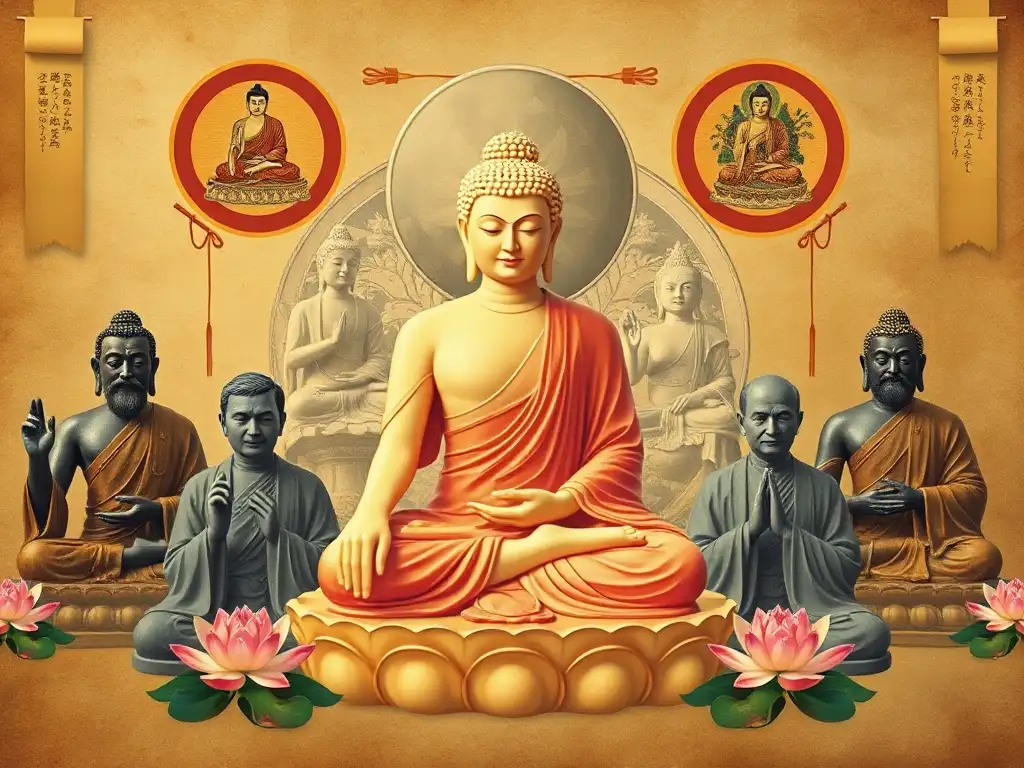
The evolution of Buddhist art has been significantly influenced by key figures who have shaped its iconography and thematic expressions. Among these figures, Siddhartha Gautama, the Buddha himself, and Ashoka the Great stand out as pivotal players in the development and dissemination of Buddhist artistic traditions. Their contributions not only defined the visual representations of Buddhist beliefs but also helped in propagating the religion across vast regions, leading to the rich tapestry of Buddhist art we study today.
Siddhartha Gautama (Buddha) and His Iconographic Representation
Siddhartha Gautama, known as the Buddha, is the central figure in Buddhism, and his life and teachings have inspired a vast array of artistic expressions throughout history. The representation of the Buddha in art serves as a visual embodiment of his philosophical teachings and spiritual significance.
Early Representations of Buddha
The early representations of the Buddha were predominantly aniconic, meaning they did not depict the Buddha in human form. Instead, symbols such as the lotus flower, the dharma wheel, and footprints (Buddhapada) were utilized to convey his presence and teachings.
- Lotus Flower: Symbolizes purity and enlightenment, emerging from muddy waters yet remaining unstained.
- Dharma Wheel: Represents the cycle of birth, life, death, and rebirth, as well as the teachings of the Buddha.
- Buddhapada: Footprints of the Buddha serve as a reminder of his earthly journey and enlightenment.
By the 1st century CE, human representations of the Buddha began to emerge, particularly in the Gandhara and Mathura schools of art. These early sculptures depicted the Buddha in various postures (mudras) such as:
- Dharmachakra Mudra: Symbolizing the turning of the wheel of Dharma.
- Bhumisparsha Mudra: Representing the moment of enlightenment.
Symbolism in Buddha's Imagery
Buddhist art is rich with symbolism that conveys deeper meanings associated with the Buddha's life and teachings. Key elements include:
- Mudras: Hand gestures that convey specific spiritual meanings. For instance, the Abhaya Mudra signifies fearlessness.
- Attributes: Objects associated with the Buddha, such as the begging bowl, which represents renunciation and simplicity.
- Physical Features: The elongated earlobes symbolize the renunciation of wealth, while the ushnisha (a topknot) signifies spiritual wisdom.
These artistic representations not only serve religious purposes but also reflect the cultural and philosophical contexts in which they were created.
Ashoka the Great and the Spread of Buddhist Art
Ashoka the Great, the third Mauryan emperor, played an instrumental role in promoting Buddhism and its artistic expressions. His reign marked a significant turning point in the history of Buddhism, leading to its expansion beyond India.
Ashoka's Role in Promoting Buddhism
After his conversion to Buddhism following the Kalinga War, Ashoka became a fervent proponent of Buddhist teachings, emphasizing non-violence and compassion. He took several measures to spread Buddhism, including:
- Edicts and Inscriptions: Ashoka's edicts were inscribed on pillars and rocks across his empire, advocating for moral governance and the principles of Buddhism.
- Missionary Activities: He dispatched missionaries to various regions, including Sri Lanka and Central Asia, to spread the teachings of the Buddha.
Through these efforts, Ashoka not only promoted the religion but also encouraged the development of Buddhist art as a means to communicate Buddhist ideals.
Artistic Achievements Under Ashoka's Reign
Ashoka's reign witnessed significant advancements in Buddhist art, particularly through the construction of stupas, monastic complexes, and the famous Ashoka pillars. Key artistic achievements include:
- The Sanchi Stupa: One of the oldest stone structures in India, adorned with intricate carvings depicting Jataka tales and scenes from the Buddha's life.
- The Great Stupa at Amaravati: An important site known for its elaborate sculptures that narrate Buddhist legends.
- Ashoka Pillars: These monumental pillars are characterized by their polished stone and intricate animal capitals, symbolizing the spread of Buddhism and its values.
The artistic legacy of Ashoka not only enriched Buddhist art but also laid the foundation for subsequent artistic developments in various regions influenced by Buddhism. Through his efforts, the visual language of Buddhism became a powerful tool for communicating the core tenets of the faith, reaching diverse audiences across time and space.
Padmasambhava: The Mystic and His Artistic Legacy
Padmasambhava, often revered as the "Lotus Born," is a seminal figure in the history of Buddhist art, particularly within Tibetan Buddhism. He is credited with introducing Tantric Buddhism to Tibet in the 8th century and is considered a key teacher who helped establish the Nyingma school of Tibetan Buddhism. His influence extends beyond religious teachings, permeating the realm of art and iconography, which reflect his spiritual significance.
Padmasambhava's artistic legacy is deeply intertwined with the development of temple architecture, murals, and sculptures in Tibet. His life story, filled with mysticism and miraculous feats, became a source of inspiration for many artists. Temples dedicated to him often display vibrant murals depicting his life events, which serve both as artistic expressions and as didactic tools for teaching Buddhist principles. His iconography has also inspired countless artists, leading to a rich tradition of artistic expression that incorporates themes of devotion, protection, and enlightenment.
Contributions to Tibetan Buddhist Art
Padmasambhava's contributions to Tibetan Buddhist art can be seen in various forms, including thangkas (traditional Tibetan paintings on cotton or silk), sculptures, and frescoes. His teachings emphasized the importance of visual representations in conveying spiritual concepts, which spurred the creation of numerous artistic works that serve as both devotional objects and educational tools.
One of the most notable contributions is the depiction of Padmasambhava himself in various forms, such as the wrathful and peaceful manifestations. These representations not only capture his essence but also serve to guide practitioners in their spiritual journeys. The emergence of these artistic forms has significantly influenced the iconography within Tibetan Buddhism, creating a distinct visual language that resonates with practitioners.
Iconography Associated with Padmasambhava
The iconography associated with Padmasambhava is rich and varied, often incorporating symbolic elements that convey deeper spiritual meanings. He is typically depicted wearing a monastic robe, adorned with a crown symbolizing his status as a spiritual king, and holding a vajra (a symbol of compassion and wisdom) and a bell (representing the feminine aspect of enlightenment).
In many artistic representations, Padmasambhava is shown surrounded by various deities, illustrating his role as a protector and teacher. The imagery of the eight manifestations of Padmasambhava is particularly significant, each representing different aspects of his teachings and spiritual qualities. These iconographic elements not only enhance the visual appeal of the art but also serve to instruct and inspire practitioners on their path toward enlightenment.
Other Influential Figures in Buddhist Art
Buddhist art has been shaped by numerous other key figures who contributed to its development and evolution across different regions. These figures have influenced various artistic styles and themes in Buddhist iconography, enriching the cultural tapestry of Buddhism.
Nagarjuna and the Philosophical Influence on Art
Nagarjuna, a pivotal figure in Mahayana Buddhism, is not only known for his philosophical contributions but also for his indirect influence on Buddhist art. His teachings on emptiness and the interdependent nature of reality have inspired artists to explore themes of impermanence and the nature of existence in their works.
The philosophical underpinnings of Nagarjuna's thought encouraged artists to delve deeper into the meaning behind their creations, leading to a more profound representation of Buddhist ideals in art. His influence can be seen in the way artists approach the depiction of Buddhist deities, emphasizing their transcendent qualities and the interconnectedness of all beings.
Avalokiteshvara: The Bodhisattva of Compassion
Avalokiteshvara, known as the Bodhisattva of Compassion, holds a significant place in Buddhist art. As a symbol of compassion and mercy, Avalokiteshvara has been depicted in numerous forms across different cultures, with each representation embodying the essence of compassion in unique ways.
The most well-known iconographic form is that of Avalokiteshvara with multiple arms, symbolizing his ability to reach out to suffering beings. This portrayal has inspired countless artisans to create intricate sculptures and paintings that convey the profound nature of compassion. Avalokiteshvara’s visual representations serve as a reminder of the importance of compassion in the Buddhist path and have become central to the devotional practices of many Buddhists.
Historical Artists and their Contributions
Throughout history, various artists have emerged as key figures in the development of Buddhist art, each contributing their unique styles and interpretations to the tradition. Notable artists, such as the renowned 11th-century Tibetan artist Atisha, played a crucial role in shaping the visual language of Buddhist art through their teachings and works.
These artists not only created physical representations of Buddhist teachings but also infused their works with spiritual intent, allowing viewers to connect with the divine. Their contributions have laid the foundation for subsequent generations of artists, ensuring that the essence of Buddhist teachings continues to be conveyed through art.
The contributions of these influential figures have collectively enriched the landscape of Buddhist art, making it a vital aspect of Buddhist culture and practice. The interplay between philosophy, iconography, and artistic expression has resulted in a diverse and dynamic tradition that remains significant to this day.
Iconographic Themes in Buddhist Art
Buddhist art is rich with iconographic themes that reflect the spiritual and philosophical teachings of Buddhism. These themes include representations of key figures, symbols, and narratives that convey the essence of Buddhist principles and beliefs. Understanding these themes is crucial for appreciating the depth and diversity of Buddhist art, which evolved over centuries across different regions of Asia.
Symbolism of Key Figures in Buddhist Art
Key figures in Buddhist art, such as the Buddha, Bodhisattvas, and various deities, play a significant role in conveying complex spiritual concepts. Each figure is imbued with specific symbolic meanings that enhance the viewer's understanding of Buddhist teachings.
- The Buddha: Often depicted in various mudras (hand gestures), each posture symbolizes different aspects of his teachings. For instance:
- Dharmachakra Mudra: Represents the turning of the wheel of Dharma, signifying the Buddha's first teaching.
- Bhumisparsha Mudra: Illustrates the moment of enlightenment when the Buddha called the Earth to witness his achievement.
- Bodhisattvas: These enlightened beings embody compassion and altruism. For example:
- Avalokiteshvara: Known as the Bodhisattva of compassion, often depicted with multiple arms to symbolize his ability to help many beings simultaneously.
- Manjushri: Represents wisdom, frequently shown holding a sword, which symbolizes the cutting of ignorance.
- Deities: Various deities in Buddhist art represent different aspects of the path to enlightenment. Their depictions are often elaborate and rich in symbolism, serving as inspiration for practitioners.
Common Motifs and Their Meanings
Buddhist art is characterized by several recurring motifs that convey significant philosophical ideas and teachings. Understanding these motifs is essential for interpreting the artwork accurately.
- Lotus Flower: Symbolizes purity and spiritual awakening, as it rises from muddy waters to bloom beautifully above the surface.
- Wheel of Dharma (Dharmachakra): Represents the teachings of the Buddha and the cycle of birth, life, death, and rebirth. Its eight spokes symbolize the Noble Eightfold Path.
- Tree of Enlightenment: Often depicted as the Bodhi tree under which the Buddha attained enlightenment, it signifies the connection between nature and spiritual awakening.
These motifs are not merely decorative; they serve to reinforce the teachings of Buddhism and provide a visual narrative that guides practitioners on their spiritual journey.
The Role of Mandalas and Thangkas in Iconography
Mandalas and thangkas are integral components of Buddhist art, serving both a decorative and a spiritual purpose. Each plays a unique role in the broader context of iconography.
- Mandalas: These intricate designs represent the universe and are used as tools for meditation. They often consist of geometric patterns and deities arranged in a circular format, symbolizing the interconnectedness of all life. The creation of a mandala is a sacred act that can involve elaborate rituals.
- Thangkas: These are traditional Tibetan scroll paintings that depict various Buddhist themes, including deities, mandalas, and teachings. Thangkas serve as visual aids for meditation and are often used in teaching contexts. They are typically painted on cotton or silk and can be rolled up for easy transport.
Both mandalas and thangkas are essential in conveying the spiritual messages of Buddhism, allowing practitioners to engage with the teachings on a deeper level through visualization and contemplation.
By understanding these iconographic themes, symbolism, and the roles of mandalas and thangkas, one can gain a more profound appreciation for the rich tapestry of Buddhist art and the key figures that have shaped its development throughout history.
The Impact of Buddhist Art on Culture and Society
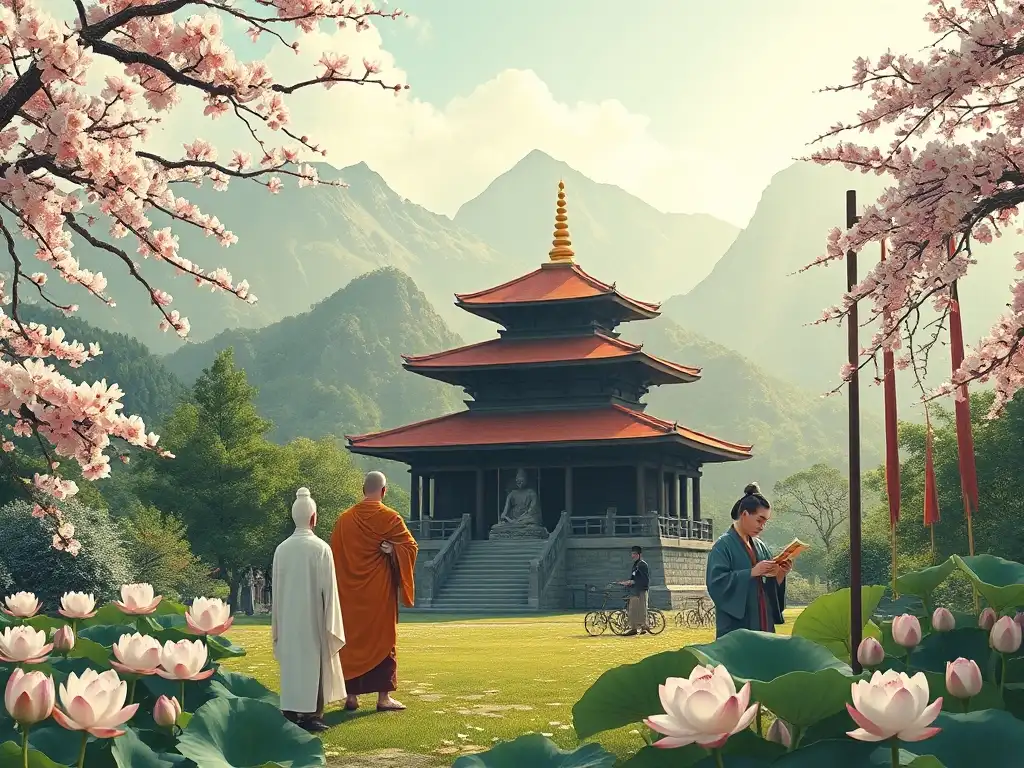
Influence on Indian Society and Beyond
Buddhist art has played a pivotal role in shaping not only the spiritual landscape of ancient India but also its cultural, social, and political spheres. Originating from the teachings of Siddhartha Gautama, known as the Buddha, this art form served as a medium to convey profound philosophical messages and foster spiritual growth.
- Cultural Integration:
- Buddhist art facilitated the integration of diverse cultures across India and neighboring regions. The Gandhara and Mathura schools of art are prime examples where local and foreign artistic influences merged, producing a unique style that embodied both Indian and Hellenistic elements.
- This cross-cultural amalgamation helped disseminate Buddhist teachings, promoting tolerance and understanding among various communities.
- Symbolism and Iconography:
- The intricate iconography found in Buddhist art is rich with symbolism that reflects key tenets of Buddhism, such as impermanence, suffering, and the path to enlightenment.
- For instance, the lotus flower, often depicted in sculptures and paintings, symbolizes purity and spiritual awakening, resonating with followers and enhancing their devotion.
- Political Patronage:
- Many rulers and emperors, such as Ashoka, actively patronized Buddhist art as a means of legitimizing their reign and promoting social harmony. Ashoka’s edicts, inscribed on pillars and rock faces, not only advocated for Buddhist principles but also showcased the artistry of the time.
- This patronage led to the establishment of stupas, monasteries, and elaborate sculptures that enriched the cultural heritage of India and influenced subsequent artistic traditions.
- Spread Beyond India:
- The influence of Buddhist art extended beyond India, affecting regions such as Central Asia, China, Japan, and Southeast Asia. The Silk Road played a crucial role in this diffusion, facilitating trade and cultural exchanges that allowed Buddhist iconography to thrive in new environments.
- The adaptation of styles, such as Chinese Buddhist sculpture and Japanese temple architecture, illustrates the enduring legacy of Indian Buddhist art across cultures.
The Role of Buddhist Art in Modern Interpretations
In contemporary society, Buddhist art continues to be a source of inspiration and reflection. The revival and reinterpretation of ancient styles serve both aesthetic and spiritual purposes.
- Contemporary Artists:
- Modern artists often draw from Buddhist iconography and themes, creating works that resonate with today’s audience. Artists like Yayoi Kusama and Tenzing Rigdol incorporate Buddhist symbols into their works, prompting discussions about mindfulness, existence, and the human condition.
- These reinterpretations bridge the gap between ancient traditions and modern sensibilities, allowing for a renewed appreciation of Buddhist philosophy.
- Art Therapy and Mindfulness:
- The principles of mindfulness inherent in Buddhist teachings have led to the incorporation of Buddhist art into therapeutic practices. Art therapy programs often utilize Buddhist art forms to promote relaxation, self-discovery, and emotional healing.
- By engaging with the meditative aspects of creating or appreciating art, individuals can find peace and clarity in their lives.
- Cultural Festivals and Exhibitions:
- Various cultural festivals and art exhibitions showcase Buddhist art, highlighting its historical significance and contemporary relevance. Events such as the Buddhist Art Festival in India foster dialogue between artists, scholars, and the public, promoting awareness of this rich heritage.
- These platforms not only celebrate Buddhist art but also encourage intercultural exchanges and collaborations.
Preservation of Buddhist Art and Its Significance Today
The preservation of Buddhist art is essential for understanding the cultural and spiritual heritage of ancient India. Numerous challenges and initiatives exist in this domain:
- Conservation Efforts:
- Organizations and governments are working tirelessly to conserve ancient Buddhist sites and artifacts. Projects such as the restoration of the Ajanta Caves and the conservation of the Sanchi Stupa exemplify the commitment to preserving this invaluable heritage.
- These efforts are crucial for maintaining the integrity and authenticity of Buddhist art, ensuring that future generations can appreciate its beauty and significance.
- Digital Preservation:
- With advancements in technology, digital preservation methods have emerged, allowing for the documentation and virtual representation of Buddhist art. High-resolution imaging and 3D modeling provide access to artworks that may be physically distant or fragile.
- This digital outreach not only preserves the art but also makes it accessible to a global audience, fostering a deeper understanding of its historical context and cultural value.
- Educational Initiatives:
- Educational programs and workshops aimed at raising awareness about Buddhist art encourage public engagement and appreciation. Institutions like the National Museum in New Delhi offer exhibitions and lectures that highlight the significance of Buddhist art in history and contemporary society.
- By educating the public, these initiatives contribute to a broader appreciation and respect for the cultural heritage of ancient India.
The role of Buddhist art is multifaceted, impacting Indian society historically and continuing to influence modern interpretations. Its preservation is vital not only for heritage conservation but also for fostering a deeper understanding of the philosophical and cultural values embedded within this artistic tradition.
Conclusion
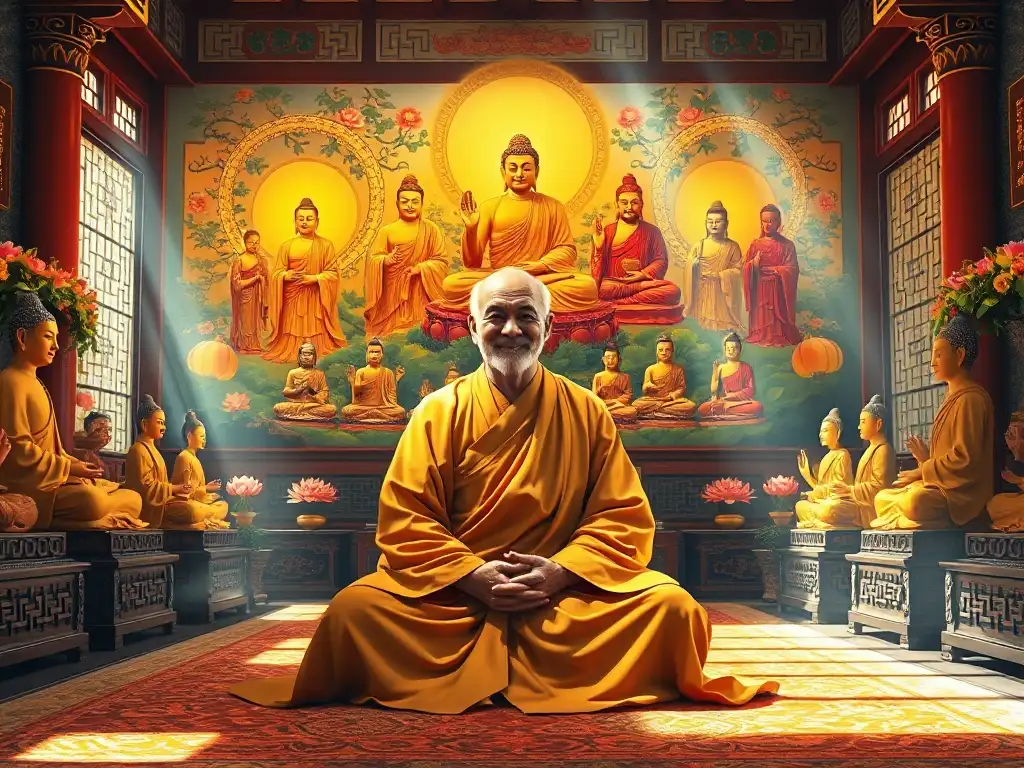
Recap of Key Figures and Their Impact on Buddhist Art
Throughout the evolution of Buddhist art, several key figures have played pivotal roles in shaping its iconography and visual representation. These individuals not only contributed to the stylistic development of Buddhist art but also helped in disseminating its philosophical underpinnings across different regions.
- Gautama Buddha: As the central figure of Buddhism, the visual representations of Gautama Buddha have profoundly influenced the iconography of Buddhist art. His depictions vary from the early aniconic symbols, such as the Bodhi tree and the lotus, to later anthropomorphic forms that convey his teachings and spiritual essence.
- Ashoka the Great: The Mauryan emperor Ashoka is credited with the spread of Buddhism beyond India. His edicts, inscribed on pillars and rocks, often incorporate symbols and motifs that later became integral to Buddhist art. Ashoka's role in promoting the Dharma and establishing stupas laid the foundation for subsequent artistic expressions.
- Buddhist Artists and Sculptors: Various artisans and craftsmen, such as those who worked at Ajanta and Ellora, contributed to the development of intricate sculptures and frescoes that depicted Jataka tales and other Buddhist narratives. Their mastery of stone and paint allowed for a rich visual storytelling tradition that resonates to this day.
- Patrons of Buddhism: Kings and wealthy merchants who supported the construction of monasteries and stupas served as crucial patrons of Buddhist art. Their financial backing enabled the creation of magnificent artworks that not only served religious purposes but also became symbols of power and devotion.
The interplay between these figures and their contributions has led to a diverse and rich tapestry of Buddhist art, reflecting the complex cultural exchanges that occurred throughout ancient India and beyond.
The Lasting Legacy of Buddhist Iconography in History
Buddhist art and its key figures have left an indelible mark on not only religious practices but also on cultural and artistic traditions across Asia. The lasting legacy of Buddhist iconography can be observed in various dimensions:
- Cultural Exchange: As Buddhism spread to regions like Central Asia, China, and Japan, the iconography evolved, absorbing local artistic styles and influences. This cultural exchange enriched both Buddhist art and the host cultures, showcasing the adaptability and universality of Buddhist themes.
- Artistic Techniques and Styles: The techniques developed by ancient artisans, such as the use of mudras (hand gestures) and symbolic representations, continue to influence contemporary religious art. Modern artists still draw inspiration from the intricacies of ancient sculptures and paintings, ensuring that these traditions are kept alive.
- Philosophical Interpretations: The visual language of Buddhist art carries deep philosophical meanings that continue to resonate with practitioners. Iconography serves as a means of conveying complex teachings, making the principles of Buddhism accessible through visual representation.
- Tourism and Heritage: Sites like the Ajanta and Ellora Caves, as well as numerous stupas and monasteries, attract millions of visitors each year, serving as crucial links to the past. These sites not only preserve the artistic heritage but also foster a deeper understanding of Buddhist philosophy and history among global audiences.
The contributions of key figures in Buddhist art have not only shaped the aesthetic dimensions of this ancient tradition but have also ensured its relevance and resonance through the ages. The rich iconography of Buddhism continues to inspire, educate, and connect individuals across diverse cultures, reinforcing the enduring legacy of this profound spiritual path.
Further Reading and References
Suggested Books and Articles on Buddhist Art
To deepen your understanding of Buddhist art and the key figures who shaped its iconography, consider exploring the following books and articles:
- "The Art of Buddhism: An Introduction to its History and Meaning" by Denise Patry Leidy
- This comprehensive guide provides an overview of Buddhist art, tracing its evolution from the early Indian period to contemporary interpretations.
- "Buddhist Art and Architecture" by Robert E. Fisher
- Fisher’s work focuses on the intricacies of Buddhist architecture and sculpture, highlighting major figures like Ashoka and their influence on art.
- "Buddhism and Art: An Introduction" by Elizabeth Horton-Edwards
- A detailed exploration of how Buddhism influenced artistic expression across different cultures, with a focus on key artists and their contributions.
- "The Historical Buddha: The Times, Life, and Teachings of the Founder of Buddhism" by H.G. Coward
- This book gives insights into the life of the Buddha, which is crucial for understanding the context behind many artistic depictions.
- "Iconography of Buddhist Art" by R. C. Sharma
- An in-depth analysis of the symbols and motifs commonly found in Buddhist art, valuable for those looking to decipher iconographic elements.
Online Resources for Exploring Buddhist Iconography
The digital age has made a wealth of information about Buddhist art and iconography readily accessible. Here are some valuable online resources:
- The Buddhist Art Archive
- A comprehensive online resource that hosts a collection of images, articles, and essays related to Buddhist art across different cultures and periods.
- Buddhist Heritage: Art and Culture
- This website offers a plethora of resources including scholarly articles, visual galleries, and interviews with experts in the field of Buddhist art.
- The British Museum: Buddhism
- The British Museum’s dedicated section on Buddhism includes artifacts, images, and detailed descriptions that highlight key figures and their contributions to Buddhist art.
- Asia Society: Buddhist Art and Culture
- Asia Society provides educational materials, articles, and videos that explore the nuances of Buddhist art and its historical significance.
- YouTube: Lectures on Buddhist Art
- Various universities and museums upload lectures and discussions on Buddhist art, featuring insights from leading scholars and practitioners.
By utilizing these resources, you can further your exploration of Buddhist art key figures and their lasting impact on the development of this rich artistic tradition.
Frequently Asked Questions
What is the significance of Buddhist art in ancient civilizations?
Buddhist art played a crucial role in communicating religious beliefs and values, serving as a visual medium to convey spiritual teachings and the life of the Buddha across various cultures.
Who are some key figures in the development of Buddhist iconography?
Several key figures include the Buddha himself, as the central icon, and influential artists like Ashoka and Kanishka, who promoted artistic expressions that shaped Buddhist iconography.
How did Buddhist art evolve over time?
Buddhist art evolved significantly, transitioning from simple symbolic forms in the Indus Valley to more elaborate depictions during the Gupta Empire, reflecting changes in cultural influences and religious practices.
What materials were commonly used in creating Buddhist art?
Artists utilized materials such as stone, bronze, and paint to create sculptures and murals that depicted Buddhist themes, often emphasizing naturalism and spiritual symbolism.
How does Buddhist art reflect the cultural diversity of ancient India?
Buddhist art encompasses a variety of styles and influences, showcasing the rich cultural tapestry of ancient India, including regional variations in iconography that highlight the interaction between different communities.
Final Reflection: The Enduring Legacy of Buddhist Art and Its Key Figures
The exploration of Buddhist art and its key figures reveals a profound connection between spirituality and creativity that remains relevant today. As we navigate a world increasingly defined by rapid change and cultural exchange, the timeless principles embodied in Buddhist art continue to resonate, reminding us of the power of visual expression in conveying complex philosophical ideas. The artists and figures who shaped this iconography have not only influenced religious practices but have also left an indelible mark on global art movements, demonstrating that creativity can transcend boundaries and foster understanding.
The impact of Buddhist art extends far beyond its aesthetic appeal; it serves as a bridge connecting diverse cultures and beliefs. The narratives and symbols crafted by key figures in this tradition invite us to reflect on our own spiritual journeys and the ways in which art can inspire personal transformation. As the Dalai Lama once said, Art is the expression of the human spirit, and it can bring us closer to understanding ourselves and each other.
This ongoing dialogue between art and spirituality continues to shape our cultural landscape, encouraging us to seek deeper meanings in the world around us.
As you contemplate the themes presented in this article, I invite you to reflect on how the principles of Buddhist art can influence your own life. Consider how creativity can serve as a tool for personal growth and connection with others.
Whether through creating your own art, engaging with the works of others, or simply allowing the beauty of these traditions to inspire your daily life, remember that the legacy of these key figures is not just in the past but alive in each of us today. Embrace the opportunity to explore and express your own spiritual journey through the lens of art, and let it guide you toward greater understanding and compassion.
Unveil the Beauty of Buddhist Art Today!
Thank you for diving into the fascinating world of Buddhist art and the key figures who transformed its iconography! Your curiosity has unlocked insights into this rich heritage, and now it's time to take the next steps in your journey.
Here’s how you can explore further and connect with this incredible tradition:
- Dive Deeper: Visit a local museum or explore online galleries showcasing Buddhist art to experience its beauty firsthand.
- Share the Inspiration: Engage in conversations about your favorite artworks with friends or on social media to spread the wonder of Buddhist art and its significance.
- Create Your Own: Try your hand at crafting a piece inspired by Buddhist themes—creating art can be a powerful way to connect with history!
What impact do you think Buddhist art has on contemporary spiritual practices and expressions?