
The Role of Rituals in Buddhism: Connecting the Mundane to the Sacred

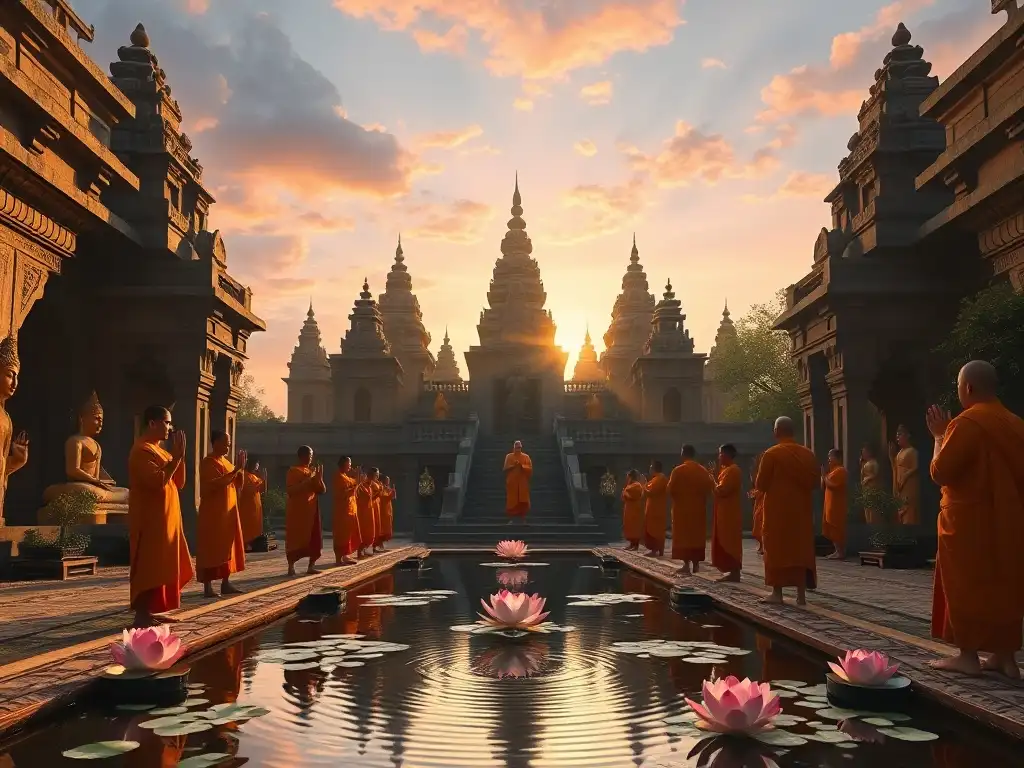
Welcome to Ancient India History, where we delve into the fascinating tapestry of India's past, celebrating the rich and diverse civilizations that have shaped the subcontinent. In this exploration, we invite you to uncover the profound significance of Buddhism rituals in ancient India.
Our featured article, "The Role of Rituals in Buddhism: Connecting the Mundane to the Sacred," will take you on a journey through time, revealing how these sacred practices linked daily life to spiritual transcendence. Get ready to ignite your curiosity and deepen your understanding of ancient Indian religions as we guide you through this captivating chapter of history!
Introduction to Buddhism Rituals in Ancient India
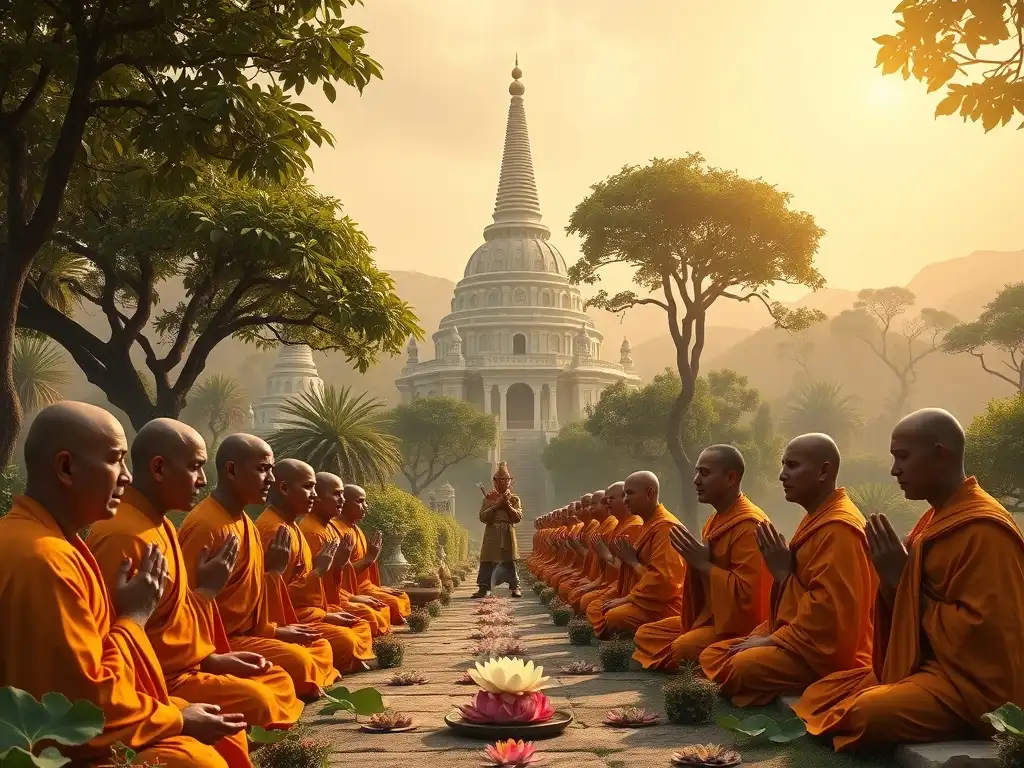
Buddhism, one of the most significant religions to emerge from ancient India, is deeply intertwined with various rituals that serve as a bridge between the mundane and the sacred. These rituals not only enrich the spiritual lives of practitioners but also reflect the rich cultural tapestry of ancient Indian society. Understanding Buddhism rituals in ancient India is crucial for appreciating how these practices shaped the religious landscape and fostered community connections among followers.
From the ceremonial acts performed in temples to the meditative practices that define personal spirituality, rituals in Buddhism encapsulate a wide array of beliefs and traditions that have evolved over centuries. This exploration will delve into the multifaceted nature of these rituals and their profound impact on both individual and collective spiritual journeys.
Definition of Rituals in Buddhism
In the context of Buddhism, rituals can be defined as structured activities that are imbued with symbolic meaning and are often performed in specific contexts. These rituals can encompass a variety of practices, including:
- Ceremonial Offerings: Such as the offering of flowers, incense, and food to the Buddha or bodhisattvas, symbolizing respect and devotion.
- Meditative Practices: Rituals that involve mindfulness and meditation techniques aimed at achieving enlightenment.
- Chanting and Recitation: The recitation of scriptures and mantras that serve to focus the mind and invoke spiritual energies.
These rituals serve as a means for practitioners to connect with the teachings of the Buddha, express their devotion, and cultivate a deeper understanding of the nature of existence.
Importance of Rituals in Ancient Indian Culture
Rituals have always held a pivotal role in ancient Indian culture, serving as a means of social cohesion and spiritual expression. In the context of Buddhism, rituals were essential for several reasons:
- Cultural Identity: Rituals helped to solidify the identity of Buddhist communities within the diverse tapestry of ancient Indian religions.
- Transmission of Teachings: They acted as a medium for transmitting the teachings of the Buddha, ensuring that core principles were preserved and passed down through generations.
- Community Engagement: Rituals fostered a sense of belonging among practitioners, creating a supportive community that shared in both the joys and challenges of spiritual practice.
Thus, the significance of rituals extends beyond individual practice; they are integral to the communal and cultural identity of Buddhism in ancient India.
Historical Context of Buddhism Rituals
Understanding the historical context of Buddhism rituals requires a look into the origins of Buddhism and how these practices have evolved over time.
Origins of Buddhism and Early Practices
Buddhism originated in the 5th century BCE with the teachings of Siddhartha Gautama, known as the Buddha. Early Buddhist practices were largely influenced by the existing spiritual traditions in India, including:
- Vedic Traditions: Many early rituals in Buddhism shared similarities with Vedic practices, emphasizing the importance of meditation and ethical living.
- Ascetic Practices: The Buddha himself engaged in ascetic practices before his enlightenment, which laid the foundation for many meditative rituals that would emerge in the tradition.
As Buddhism began to take root, the early rituals focused on meditation, ethical conduct, and community gatherings, which were essential in laying the groundwork for the more elaborate rituals that would follow.
Evolution of Rituals in Ancient Indian Buddhism
As Buddhism spread across ancient India and further into Asia, its rituals began to evolve. Key developments included:
- Integration of Local Beliefs: As Buddhism encountered various cultures, it adapted and incorporated local rituals and customs, enriching its own practices.
- Formalization of Rituals: Over time, rituals became more structured and formalized, leading to the establishment of monastic codes and community ceremonies.
- Diversity of Practices: Different schools of Buddhism developed unique rituals, reflecting their distinct interpretations of the Buddha's teachings and the cultural contexts in which they thrived.
This evolution of rituals not only highlights the adaptability of Buddhism but also illustrates the dynamic interactions between religion, culture, and community in ancient India. Thus, Buddhism rituals serve as both a historical record and a living tradition that continues to resonate with practitioners today.
Types of Buddhism Rituals in Ancient India
Buddhism rituals in ancient India were diverse and multifaceted, reflecting a blend of local traditions and the core teachings of the Buddha. These rituals served various purposes, including enhancing spiritual practice, fostering community, and connecting practitioners with the teachings of Buddhism. The main types of rituals can be categorized into daily rituals and practices, festivals and religious observances, and meditation and mindfulness practices.
Daily Rituals and Practices
Daily rituals in Buddhism often involve simple yet profound acts that help practitioners maintain mindfulness and focus on spiritual development. Common practices include:
- Morning and Evening Chanting: Reciting sutras and mantras serves as a reminder of the Buddha's teachings and the impermanence of life.
- Offerings: Making offerings of flowers, incense, and food at home shrines or temples symbolizes devotion and respect for the Buddha and the Dharma.
- Mindfulness Exercises: Engaging in mindful breathing or walking meditation throughout the day aids in cultivating awareness and presence in daily activities.
These daily rituals are essential for grounding practitioners in their faith and consistently reminding them of their spiritual goals.
Festivals and Religious Observances
Buddhist festivals in ancient India were vibrant occasions that brought communities together to celebrate key events in the life of the Buddha and the teachings of Buddhism. Important festivals include:
- Vesak (Buddha Purnima): Celebrated on the full moon in May, this festival marks the birth, enlightenment, and death of the Buddha, featuring ceremonies, processions, and communal prayers.
- Asalha Puja (Dharma Day): This observance commemorates the Buddha's first sermon at Sarnath and is a time for reflecting on the core teachings of Buddhism.
- Uposatha Days: These are regular observances that occur four times each lunar month, where lay followers enhance their practice through meditation and ethical conduct.
These festivals not only strengthen communal bonds but also provide an opportunity for deeper engagement with Buddhist teachings.
Meditation and Mindfulness Practices
Meditation is central to Buddhism, serving as a vital ritual that connects practitioners to the sacred. Various forms of meditation practiced in ancient India include:
- Samatha (Calm Abiding): This practice focuses on developing concentration and tranquility through breath awareness and visualization.
- Vipassana (Insight Meditation): Aimed at cultivating insight into the nature of reality, this practice involves observing thoughts and sensations without attachment.
- Loving-kindness Meditation (Metta): This ritual emphasizes the cultivation of compassion and goodwill towards oneself and others.
These practices are integral to the Buddhist path, helping practitioners to achieve mental clarity, emotional balance, and a deeper understanding of the interconnectedness of all beings.
The Significance of Rituals in Connecting the Mundane to the Sacred

Rituals in Buddhism play a crucial role in bridging the gap between everyday life and spiritual practice. They provide a structured way for individuals to express their beliefs and connect with the sacred aspects of existence. By engaging in rituals, practitioners can transform ordinary actions into meaningful expressions of their faith, allowing them to cultivate a sense of purpose and connection to the divine.
How Rituals Enhance Spiritual Experience
Rituals enhance the spiritual experience by creating a sacred space where individuals can focus on their inner journey. Through repetition and intention, rituals help cultivate a deep sense of devotion and mindfulness. This structured approach allows practitioners to step away from the distractions of daily life, fostering a heightened awareness of their spiritual goals and a deeper connection to the teachings of the Buddha.
The Role of Community in Ritual Practices
Community plays a significant role in the practice of rituals in Buddhism. Participating in communal rituals fosters a sense of belonging and unity among practitioners. Group rituals, such as chanting or meditation sessions, enhance the collective spiritual energy and support individual practice. This communal aspect not only strengthens ties within the community but also amplifies the impact of the rituals, making the experience more profound and transformative for all involved.
Symbolism and Meaning Behind Rituals
Each ritual in Buddhism is laden with symbolism, enhancing its significance and meaning. For example:
- Offerings: The act of giving symbolizes generosity and the relinquishing of attachment to material possessions.
- Chanting: The sounds produced during chanting are believed to carry the vibrations of the teachings, creating a sacred atmosphere that facilitates spiritual growth.
- Meditative Postures: Different postures in meditation symbolize various states of awareness and focus, serving as physical representations of the practitioner's inner state.
These symbols serve as reminders of the deeper truths of Buddhism, reinforcing the connection between the mundane and the sacred and enriching the overall spiritual experience.
Rituals and the Spread of Buddhism
The spread of Buddhism across Asia was closely intertwined with various rituals that served not only as religious practices but also as conduits for cultural exchange and community building. Rituals in Buddhism acted as a bridge connecting practitioners to the core teachings of the Buddha, facilitating a shared understanding of the faith. As Buddhism expanded from its origins in ancient India to regions like Sri Lanka, Southeast Asia, and Tibet, these rituals adapted to local customs while retaining their foundational significance.
The ritualistic aspect of Buddhism played a crucial role in attracting new followers. By incorporating local traditions and practices, Buddhist rituals became accessible and relatable to diverse populations. For instance, the incorporation of local deities and cultural elements helped in easing the transition from indigenous beliefs to Buddhist principles, making the new religion more palatable to potential adherents. This adaptability not only enhanced the spread of Buddhism but also enriched its practice as it evolved in various cultural contexts.
Influence of Rituals on Buddhist Teachings
Buddhist rituals are deeply rooted in the teachings of the Buddha, reflecting key philosophical concepts such as impermanence, suffering, and the path to enlightenment. These rituals serve as practical applications of Buddhist principles, allowing practitioners to express their understanding of core teachings through action. For example, the ritual of meditation embodies the practice of mindfulness and concentration, which are essential components of the Eightfold Path.
Moreover, rituals like the recitation of sutras and the performance of puja (worship) reinforce the importance of community and collective practice in Buddhism. These communal rituals promote a sense of belonging and shared purpose among practitioners, helping to cultivate a supportive environment for spiritual growth. By participating in these rituals, individuals not only deepen their personal practice but also contribute to the continuity and transmission of Buddhist teachings across generations.
Rituals as a Tool for Cultural Exchange
Rituals in Buddhism have historically served as powerful tools for cultural exchange, facilitating interactions between different cultures and traditions. As Buddhism spread along trade routes, rituals often blended with local customs, creating unique syncretic practices. This fusion is evident in the various forms of Buddhism that emerged in different regions, such as Tibetan Buddhism, which incorporates elements of Bon, the indigenous religion of Tibet.
Additionally, the sharing of rituals between Buddhist communities fostered dialogue and understanding among diverse populations. For instance, the pilgrimage to sacred sites, such as Bodh Gaya, where the Buddha attained enlightenment, attracted followers from various cultural backgrounds. These shared experiences not only reinforced the universality of Buddhist teachings but also promoted intercultural interactions that enriched both Buddhist and local traditions.
Case Studies of Key Rituals in Buddhism
The Ritual of Taking Refuge
The ritual of taking refuge, or “going for refuge,” is one of the foundational practices in Buddhism. It involves a formal declaration of commitment to the Three Jewels: the Buddha, the Dharma (the teachings), and the Sangha (the community). This ritual signifies a person’s intention to embrace the Buddhist path and seek guidance from these sources.
Taking refuge is often marked by a ceremonial recitation, where individuals express their dedication and desire to cultivate wisdom and compassion. This ritual not only reinforces personal commitment but also serves as a significant communal event, inviting new practitioners to join the Buddhist community. By participating in this ritual, individuals cultivate a sense of belonging and shared purpose, strengthening the bonds within the Sangha.
The Importance of Offerings and Almsgiving
Offerings and almsgiving are central rituals in Buddhism, symbolizing generosity and the practice of letting go of attachment. These rituals typically involve presenting food, flowers, incense, or other items at altars or to monastics. The act of offering is seen as both a devotional practice and a means of accumulating merit, which is believed to positively influence one’s future rebirths.
Almsgiving, particularly the daily practice of laypeople offering food to monks, exemplifies the interdependent relationship between the Sangha and the lay community. This ritual not only provides sustenance for monastics but also serves as an opportunity for laypeople to practice generosity and humility. Through these acts, practitioners cultivate a deeper understanding of impermanence and the interconnectedness of all beings.
The Role of Chanting and Mantras
Chanting and the recitation of mantras are important rituals in Buddhism, utilized for meditation, devotion, and the cultivation of focus. These practices involve repeating specific phrases or texts, often in the original Pali or Sanskrit, which are believed to have intrinsic spiritual power. Chanting serves multiple purposes: it enhances concentration, fosters a sense of community during collective practices, and acts as a means of connecting with the sacred.
In addition to personal benefits, chanting also plays a role in ritual ceremonies, such as funerals and blessings, where the recitation of mantras is thought to invoke protective energies and blessings for the deceased or the participants. This multifaceted practice illustrates how chanting and mantras are integral to the spiritual life of Buddhists, reinforcing their beliefs while enriching their communal and individual experiences.
Contemporary Relevance of Ancient Buddhism Rituals
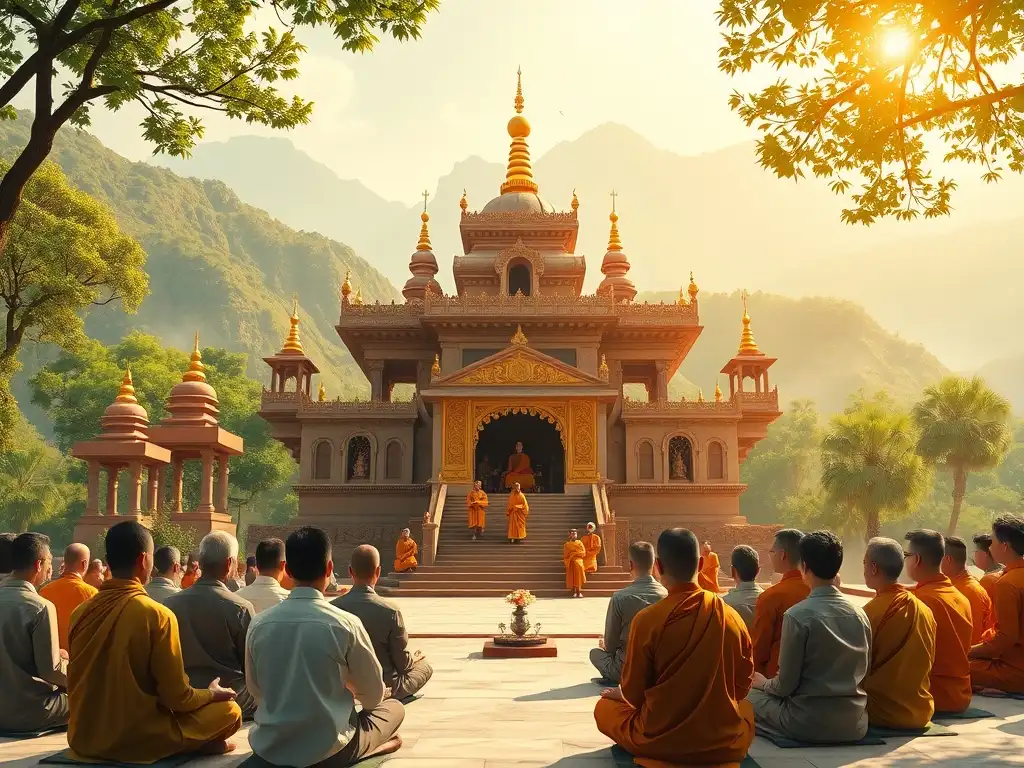
The rituals of ancient Buddhism have maintained a significant presence in contemporary practices, reflecting a continuity that bridges historical and modern interpretations. These rituals, which include meditation, chanting, and various ceremonies, serve not only as a means of spiritual expression but also as a method of fostering community among practitioners. The enduring relevance of these ancient rituals in modern Buddhism can be seen in their adaptation and integration into everyday life, helping individuals connect with the teachings of the Buddha while navigating the complexities of contemporary existence.
In various Buddhist traditions, such as Theravada and Mahayana, rituals continue to play a pivotal role in the spiritual journey of practitioners. They provide structure, create a sense of belonging, and facilitate the transmission of teachings across generations. The communal aspect of these rituals reinforces social bonds, offering support to individuals on their path toward enlightenment. Through celebrations of significant events—like Vesak, which commemorates the birth, enlightenment, and death of the Buddha—followers connect with the foundational stories of their faith, thereby nourishing their spiritual lives.
Preservation of Rituals in Modern Buddhism
The preservation of ancient Buddhism rituals in modern contexts can be attributed to several factors. First, the deep-rooted cultural significance of these practices has ensured their transmission through oral and written traditions. Monastic communities, as custodians of Buddhist teachings, play a crucial role in maintaining these rituals, often passing them down through generations. By participating in rituals, laypeople and monastics alike reinforce their commitment to the teachings of the Buddha and the community.
Moreover, the rise of global interest in mindfulness and meditation has led to a resurgence of ancient Buddhist practices. Many contemporary practitioners are drawn to the simplicity and depth of these rituals, which offer a pathway to greater awareness and inner peace. As Buddhism spreads beyond its traditional borders, adaptations of ancient rituals merge with local customs, creating new forms of practice that respect historical roots while being relevant to diverse cultures.
The Impact of Ancient Rituals on Current Practices
The impact of ancient rituals on contemporary Buddhist practices is profound and multifaceted. At a foundational level, these rituals help maintain the integrity of Buddhist teachings, ensuring that the core philosophies remain accessible and applicable to modern life. For instance, meditation techniques that originated in ancient India continue to be central to many modern Buddhist practices, demonstrating their effectiveness in promoting mindfulness and emotional well-being.
Additionally, ancient rituals often serve as a source of inspiration for contemporary teachings and practices. For example, the practice of offering alms, which dates back to the time of the Buddha, is still observed in various forms today, reinforcing the values of generosity and community support. This connection to ancient traditions not only enriches the spiritual life of practitioners but also helps to cultivate a sense of historical continuity, reminding them of the shared journey of all Buddhists through time.
Conclusion: The Enduring Legacy of Buddhism Rituals in Ancient India
The enduring legacy of Buddhism rituals in ancient India is a testament to the resilience and adaptability of these practices. As Buddhism evolved and spread across different regions, the core elements of its rituals remained intact, allowing them to resonate with practitioners across cultures and eras. This legacy is not just a historical artifact; it actively shapes contemporary spiritual practices and community engagement, demonstrating the timeless relevance of these rituals.
Reflection on the Connection Between the Mundane and the Sacred
In Buddhism, the connection between the mundane and the sacred is intricately woven through rituals. These practices serve as a bridge, transforming ordinary activities into moments of spiritual significance. For example, daily rituals such as offering food to monks or engaging in meditation elevate the mundane into acts of devotion and mindfulness. This transformation allows practitioners to find meaning and purpose in their everyday lives, reinforcing the notion that the sacred is present in all aspects of existence.
The ability of ancient rituals to connect the mundane and the sacred underscores the holistic nature of Buddhist practice. By engaging in these rituals, practitioners cultivate a deeper awareness of their thoughts, actions, and the interconnectedness of all beings. This awareness fosters compassion and mindfulness, essential elements of the Buddhist path, and encourages individuals to live with intention and purpose.
Future of Rituals in Buddhism and Cultural Practices
Looking ahead, the future of rituals in Buddhism and their integration into cultural practices will likely continue to evolve. As Buddhism adapts to contemporary contexts, new rituals may emerge while honoring the essence of ancient practices. The interplay between tradition and modernity will shape how rituals are practiced, ensuring that they remain relevant to the lives of practitioners.
Furthermore, as Buddhism gains popularity in the West and other regions, there is potential for cross-cultural exchanges that enrich both ancient traditions and modern expressions of spirituality. This dynamic evolution may lead to innovative practices that reflect the diverse backgrounds of practitioners while maintaining a connection to the foundational teachings of the Buddha. Ultimately, the future of Buddhism rituals will hinge on their ability to resonate with the aspirations and challenges of modern life, fostering a deeper connection between the sacred and the everyday.
References and Further Reading on Buddhism Rituals in Ancient India
To deepen your understanding of the role and significance of rituals in Buddhism, particularly within the context of ancient India, the following references and resources are recommended:
-
Books:
-
"Buddhism: A Very Short Introduction" by Damien Keown
This concise text provides an overview of Buddhism's core teachings and practices, including rituals and their significance in connecting practitioners to the sacred.
-
"The Essence of Buddhism" by Traleg Kyabgon
This book explores the fundamental aspects of Buddhist practice, including rituals, and their roles in personal and communal spirituality.
-
"Buddhist Rituals of Death and Rebirth: Contemporary Sri Lankan Practice in Global Perspective" by Christopher M. Clark
Although it focuses on contemporary practices, this work offers valuable insights into the continuity of rituals from ancient traditions to modern expressions.
-
-
Journal Articles:
-
"Ritual and the Formation of Buddhist Community: The Role of Rituals in the Development of Early Buddhism" in the Journal of Buddhist Ethics
This article analyzes how rituals helped shape early Buddhist communities and their spiritual practices.
-
"The Role of Ritual in Early Buddhism: A Historical Perspective" in the Journal of Indian Philosophy
This scholarly piece delves into the historical evolution of rituals in Buddhism, highlighting their significance in ancient Indian society.
-
-
Online Resources:
-
Buddhism.org
This website offers a wealth of articles and resources about various aspects of Buddhism, including the importance of rituals in the spiritual practice.
-
The Buddhist Publication Society
A repository of texts and studies on Buddhist teachings, including those focusing on rituals and their meanings.
-
-
Documentaries and Lectures:
-
"Buddhism: The Path to Enlightenment" (available on educational platforms)
This documentary explores the historical development of Buddhism and includes segments on ritual practices in ancient India.
-
Lectures by prominent scholars on platforms like YouTube
Many universities and scholars offer free lectures discussing the role of rituals in Buddhism, providing valuable insights into their historical context.
-
-
Theses and Dissertations:
-
"The Role of Ritual in the Development of Early Buddhist Practices"
This academic thesis can often be found in university libraries or online databases, providing in-depth research on the subject.
-
These resources will not only enhance your knowledge about Buddhism rituals in ancient India but also provide a broad perspective on their impact on spiritual practices and community formation throughout history. By exploring these texts and materials, readers can gain a deeper appreciation for the intricate relationship between the mundane and the sacred in the practice of Buddhism.
- Introduction to Buddhism Rituals in Ancient India
- Historical Context of Buddhism Rituals
- Types of Buddhism Rituals in Ancient India
- The Significance of Rituals in Connecting the Mundane to the Sacred
- Rituals and the Spread of Buddhism
- Case Studies of Key Rituals in Buddhism
- Contemporary Relevance of Ancient Buddhism Rituals
- Conclusion: The Enduring Legacy of Buddhism Rituals in Ancient India
- References and Further Reading on Buddhism Rituals in Ancient India
Frequently Asked Questions
What are Buddhism rituals in ancient India?
Buddhism rituals in ancient India refer to the ceremonial practices and traditions that were integral to the spiritual life of early Buddhists, aimed at connecting the mundane with the sacred.
How did rituals influence the practice of Buddhism?
Rituals played a significant role in shaping the community, creating a sense of identity, and providing a framework for spiritual development among followers of Buddhism in ancient India.
What are some examples of early Buddhism rituals?
Examples of early Buddhism rituals include meditation, offerings, chanting, and pilgrimages to sacred sites, all of which fostered a deeper connection to the Buddha's teachings.
Did Buddhism rituals evolve over time?
Yes, Buddhism rituals have evolved significantly, influenced by cultural exchanges, the spread of Buddhism across Asia, and the integration of local customs, leading to diverse practices seen today.
What is the significance of rituals in understanding ancient Indian culture?
Rituals provide valuable insights into the social structures, values, and belief systems of ancient Indian civilizations, highlighting the interconnection between everyday life and spiritual pursuits.
Final Reflection: The Enduring Significance of Buddhism Rituals
The exploration of Buddhism rituals in ancient India reveals their profound relevance in today’s world. As we navigate the complexities of modern life, these rituals serve as a bridge connecting the mundane to the sacred, offering a pathway to mindfulness and spiritual growth. In a time where distractions abound, the structured practices of Buddhism remind us of the importance of intentionality and presence in our daily lives.
Cultural and social landscapes are continually shaped by the enduring influence of these rituals. They not only foster community and connection among practitioners but also provide a framework for individual reflection and transformation. As the Dalai Lama once said, The purpose of our lives is to be happy.
This happiness, deeply rooted in the practices of Buddhism, underscores the significance of rituals in cultivating a sense of peace and fulfillment in our lives, even amidst chaos.
As you reflect on the teachings of Buddhism and the rituals that accompany them, I invite you to consider how you can incorporate these practices into your own life. Take a moment to pause, breathe, and engage in a ritual that resonates with you—be it meditation, chanting, or simply a mindful walk. By embracing these ancient practices, you can cultivate a deeper connection to yourself and the world around you, transforming the ordinary into the extraordinary.
Embrace the Sacred: Transform Your Everyday Life
Thank you for diving into the profound world of rituals in Buddhism! We hope you found inspiration in how these practices connect the mundane to the sacred in our lives. Now, it’s time to take what you've learned and weave these rituals into your daily routine.
Here are some practical steps to enhance your spiritual journey:
- Incorporate a Daily Mindfulness Practice: Dedicate just 5 minutes each day to quiet reflection or meditation. This practice can help you center yourself and bring a sense of calm to your routine.
- Establish a Personal Ritual: Create a simple ritual that resonates with you, such as lighting a candle each morning to set your intentions for the day ahead.
- Share Your Insights: Engage with friends or family about your experiences. Start a conversation or form a small discussion group to explore the role of rituals in personal growth.
Which ritual will you begin to incorporate today to connect your everyday life with sacred moments?