
The Spiritual Practices of Buddhism: Rituals for Everyday Life

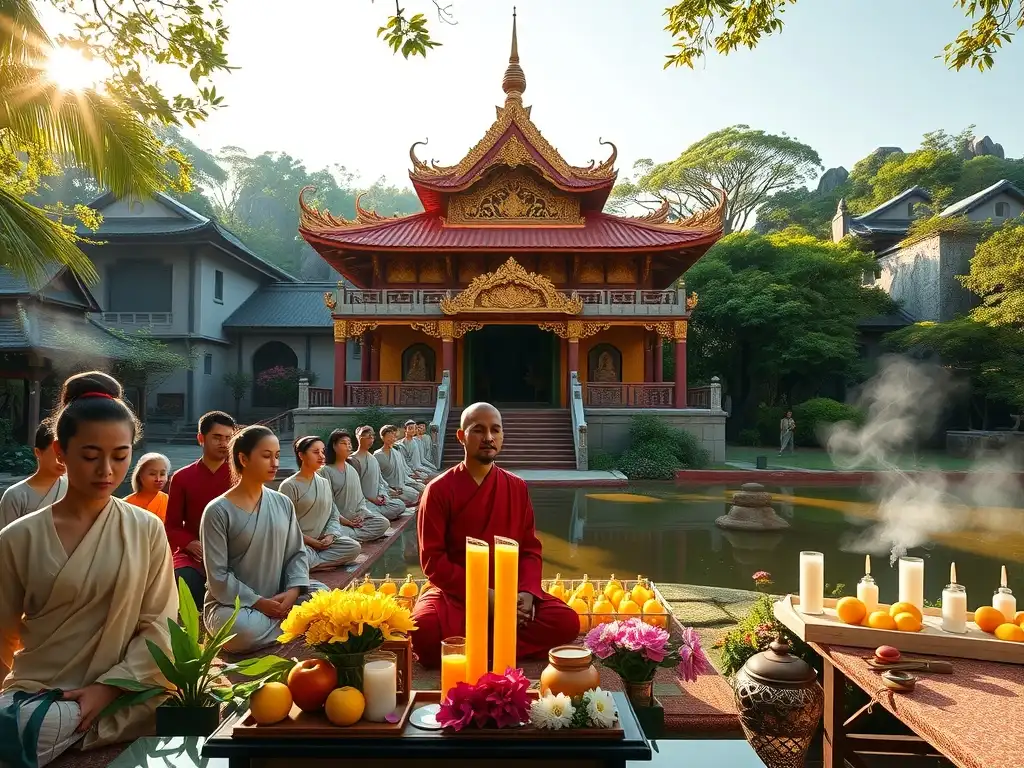
Welcome to Ancient India History, where we embark on a fascinating journey through the rich tapestry of ancient Indian civilizations. Here, we delve into the profound cultural and spiritual legacy that has shaped the world we know today. In our featured article, “The Spiritual Practices of Buddhism: Rituals for Everyday Life,” we invite you to uncover the transformative power of Buddhism rituals that can enrich your daily experiences.
Discover how these ancient practices can guide you toward mindfulness and serenity, offering a glimpse into the wisdom of a civilization that has influenced millions. Join us as we explore the depths of history and spirituality that await you!

Introduction to Buddhism and Daily Life
Buddhism, one of the world's oldest religions, offers profound insights not only into the nature of existence but also into the daily lives of its practitioners. Originating in ancient India, Buddhism emphasizes a path of spiritual awakening through understanding, ethical living, and mental discipline.
As we explore the rituals associated with Buddhism, it is essential to recognize how these practices are intricately woven into the fabric of daily life, providing guidance and support for individuals seeking peace and enlightenment. The concept of Buddhism rituals for daily life is not merely a collection of practices but rather a holistic approach to living that nurtures the mind, body, and spirit.
Understanding Buddhism as a Way of Life
At its core, Buddhism is not just a set of beliefs but a comprehensive way of life that encourages mindfulness and presence in every moment. Practitioners engage in various rituals that serve to reinforce their commitment to the teachings of the Buddha. These rituals can range from meditation and chanting to offerings and mindfulness practices. Each ritual serves a specific purpose, helping individuals cultivate compassion, wisdom, and inner peace.
- Key aspects of Buddhism as a way of life include:
- Mindfulness: Being fully present in each moment.
- Compassion: Developing empathy and kindness towards all beings.
- Detachment: Understanding the nature of impermanence and reducing attachment to material things.
Importance of Buddhism Rituals in Everyday Life
Buddhism rituals play a crucial role in integrating spiritual practices into daily routines. These rituals are not just ceremonial; they are practical tools that help practitioners navigate the complexities of modern life. Engaging in rituals can create a sense of community, foster self-discipline, and enhance overall well-being.
- Benefits of incorporating Buddhism rituals into daily life:
- Stress Reduction: Rituals can promote relaxation and reduce anxiety.
- Enhanced Focus: Regular practices improve concentration and mental clarity.
- Emotional Balance: Rituals encourage emotional regulation and resilience.
Core Principles of Buddhism
Understanding the core principles of Buddhism is essential to grasp the significance of its rituals. These principles provide a foundation for the practices that shape the lives of practitioners.
The Four Noble Truths
The Four Noble Truths are central to Buddhist teachings, outlining the nature of suffering and the path to liberation. They are:
- Dukkha (Suffering): Recognizing that suffering is an inherent part of existence.
- Samudaya (Origin of Suffering): Understanding the causes of suffering, primarily desire and attachment.
- Nirodha (Cessation of Suffering): Realizing that it is possible to end suffering.
- Magga (Path to the Cessation of Suffering): Following the Eightfold Path as a means to achieve this cessation.
By internalizing these truths, practitioners can better appreciate the purpose behind various rituals and their role in alleviating suffering.
The Eightfold Path
The Eightfold Path is a practical guideline to ethical and mental development with the goal of freeing individuals from attachments and delusions. The eight components are:
- Right Understanding: Comprehending the nature of reality and the path of transformation.
- Right Intent: Cultivating thoughts of love and non-violence.
- Right Speech: Engaging in truthful and harmonious communication.
- Right Action: Acting in ways that are ethical and beneficial.
- Right Livelihood: Earning a living in a manner that does not harm others.
- Right Effort: Cultivating positive states of mind and overcoming negative ones.
- Right Mindfulness: Developing awareness of the body, feelings, and thoughts.
- Right Concentration: Practicing meditation to achieve deeper states of awareness.
Together, these principles not only guide the rituals of Buddhism but also offer a pathway for integrating spiritual practices into everyday life, enriching the lives of those who follow this ancient tradition.
Buddhism Rituals for Daily Life
Buddhism rituals for daily life serve as practical tools for practitioners to cultivate mindfulness, compassion, and insight. These rituals are not merely ceremonial; they are integral to Buddhist practice and are designed to help individuals align their daily activities with the core teachings of Buddhism. By incorporating these rituals into everyday life, practitioners can create a spiritual framework that fosters personal growth and community well-being.
Daily rituals often involve simple actions that encourage awareness and reflection. From morning prayers to evening meditations, these practices are meant to remind individuals of the impermanence of life and the importance of living with intention. Engaging in such rituals allows practitioners to connect deeply with their spiritual path, fostering a sense of peace and purpose amidst the chaos of daily life.
Daily Practices in Buddhist Traditions
Daily practices in Buddhist traditions vary widely, reflecting the diverse cultures and sects within Buddhism. However, some common elements are found across different schools and regions.
- Morning Rituals: Many Buddhists begin their day with morning prayers or chants. This may include reciting the Three Refuges, which involves taking refuge in the Buddha, the Dharma (the teachings), and the Sangha (the community). These affirmations set a positive tone for the day.
- Mindful Eating: Practicing mindfulness during meals is another essential daily ritual. This involves paying attention to the taste, texture, and aroma of food, appreciating each bite as a gift of life. Mindful eating is not only about nourishment but also about recognizing the interconnectedness of all beings.
- Gratitude Practices: Expressing gratitude is a cornerstone of Buddhist practice. Many practitioners take a moment each day to reflect on what they are thankful for, which cultivates a positive mindset and reduces feelings of dissatisfaction.
- Evening Reflections: At the end of the day, practitioners often engage in reflection or journaling about their actions, thoughts, and feelings. This practice encourages self-awareness and personal accountability, allowing individuals to learn from their experiences.
Key Rituals in Buddhism
Key rituals in Buddhism serve to reinforce the teachings of the Buddha and to foster a sense of community and belonging among practitioners. These rituals can be divided into several categories, each with its significance and purpose.
- Puja: A form of worship that often includes offerings of flowers, incense, and food to the Buddha and bodhisattvas. Puja can be performed at home or in a temple and is a way to express devotion and gratitude.
- Meditation: Central to Buddhist practice, meditation rituals vary from mindfulness techniques to more structured forms like Zen meditation or Vipassana. These practices help cultivate inner peace and clarity.
- Rituals for Life Events: Important life events such as births, weddings, and funerals often involve specific rituals. For example, a naming ceremony for a newborn may include blessings and offerings, while funerals may focus on prayers for the deceased's rebirth.
The Role of Chanting and Mantras
Chanting and the use of mantras play a pivotal role in Buddhist rituals. These practices help focus the mind, cultivate positive emotions, and connect practitioners with the teachings of the Buddha.
- Chanting: Reciting texts or prayers aloud is a common practice in many Buddhist traditions. It can be a communal activity in temples or a solitary practice at home. Chanting serves to reinforce teachings and create a sense of rhythm and calm.
- Mantras: Specific phrases or sounds, known as mantras, are repeated to enhance concentration and spiritual connection. For example, the mantra "Om Mani Padme Hum" is associated with compassion and is widely chanted in Tibetan Buddhism. The repetition of mantras can help practitioners focus their minds and invite positive energy into their lives.
Offerings and Altar Practices
Offerings are an essential aspect of Buddhist rituals, serving as a way to show respect and appreciation to the Buddha, the Dharma, and the Sangha. These practices help cultivate generosity and mindfulness.
- Creating an Altar: Many Buddhists maintain a personal altar at home, adorned with images of the Buddha, candles, incense, and offerings such as flowers or fruit. This space serves as a focal point for daily rituals and meditation.
- Making Offerings: Regularly making offerings at the altar is a common practice. These offerings symbolize the giving up of attachment and the sharing of one's abundance. Practitioners may also participate in community offerings during temple ceremonies, further strengthening their connection to the Sangha.
Meditation Techniques in Daily Life
Incorporating meditation into daily life is crucial for deepening one's understanding of Buddhist teachings and enhancing overall well-being. Various techniques can be adapted for busy schedules, making meditation accessible to everyone.
- Mindfulness Meditation: This practice involves paying attention to the present moment, observing thoughts and sensations without judgment. It can be practiced anywhere—during a walk, while eating, or even while working.
- Breath Awareness: Focusing on the breath is a foundational meditation technique that can be utilized at any time. Practitioners can take a few moments throughout the day to breathe deeply, helping to reduce stress and increase clarity.
- Walking Meditation: This form of meditation involves mindful walking, where each step is taken with awareness and intention. It is a great way to practice meditation while staying engaged with the world around you.
Incorporating these meditation techniques into daily routines not only enhances spiritual growth but also promotes mental health and emotional resilience, making them vital components of Buddhist rituals for daily life.
Festivals and Ceremonies in Buddhism
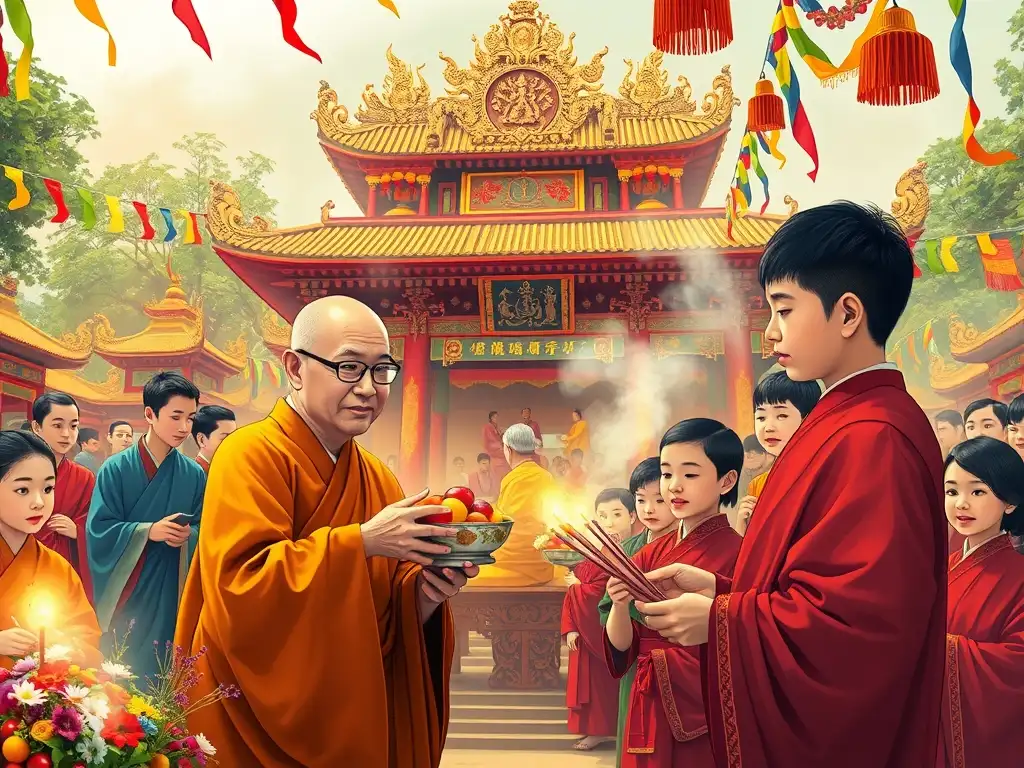
Buddhism is rich in festivals and ceremonies that play a pivotal role in the spiritual lives of practitioners. These occasions are not merely celebrations; they serve as significant markers in the Buddhist calendar, offering opportunities for reflection, community engagement, and spiritual growth. Major festivals often commemorate key events in the life of the Buddha, such as his birth, enlightenment, and death, known collectively as the Three Great Events.
One of the most widely observed festivals is Vesak, which celebrates the birth, enlightenment, and passing of the Buddha. This day is usually marked by rituals that include meditation, prayer, and offerings to the monastic community. Another important festival is Asalha Puja, which commemorates the Buddha's first sermon at Sarnath, where he set in motion the Wheel of Dharma. During this time, practitioners often engage in teachings about the Four Noble Truths and the Eightfold Path, reinforcing the core tenets of Buddhism.
Celebrations and Their Significance
The significance of these celebrations extends beyond mere observance; they help reinforce the teachings of Buddhism and create a sense of belonging among practitioners. Festivals like Vesak promote moral values such as compassion, generosity, and mindfulness. During these occasions, Buddhists engage in acts of charity, such as providing food and necessities to the less fortunate, thereby embodying the principles of dana (generosity).
Moreover, these celebrations serve as communal gatherings, allowing practitioners to connect with fellow members of the Sangha (community). This collective participation fosters a sense of unity and shared purpose, enabling individuals to reinforce their commitment to the Buddha’s teachings. The communal aspect of these festivals also offers support and encouragement for individuals on their spiritual journeys, reminding them that they are part of a larger whole.
How Festivals Influence Daily Rituals
Festivals and ceremonies profoundly influence daily rituals within Buddhism. The heightened sense of spirituality during festivals often leads practitioners to incorporate specific rituals into their everyday lives. For instance, the practice of puja (worship) may become more prominent as individuals engage in offerings and prayers, inspired by the communal celebrations.
The teachings and reflections during these festivals can also translate into daily mindfulness practices. For example, the lessons learned during Vesak about compassion may inspire individuals to perform acts of kindness in their daily interactions. Likewise, the teachings on the Four Noble Truths during Asalha Puja can serve as reminders for practitioners to incorporate these insights into their decision-making processes and daily reflections.
Overall, the influence of festivals on daily rituals promotes a continuous cycle of learning and growth, helping practitioners to integrate the core values of Buddhism into their lives in meaningful ways.
Integrating Buddhism Rituals into Modern Life
As society evolves, the integration of Buddhism rituals into modern life presents both challenges and opportunities. Many practitioners seek to maintain traditional practices while adapting them to fit contemporary lifestyles. This integration is essential for ensuring that Buddhism remains relevant and accessible to new generations.
Adapting Traditional Practices for Contemporary Living
Adapting traditional practices involves finding ways to incorporate rituals into busy schedules and urban lifestyles. For instance, many Buddhists are now practicing mindfulness meditation in shorter, more accessible formats, allowing them to engage with these teachings without the need for extensive time commitments. This shift ensures that individuals can still benefit from the calming and grounding effects of meditation, even amidst the chaos of modern life.
Additionally, the use of technology has facilitated the integration of Buddhist teachings into everyday routines. Online platforms provide access to guided meditations, virtual teachings, and community discussions, helping practitioners maintain their spiritual practices regardless of geographical constraints. This innovation allows for the preservation of traditional rituals while making them more adaptable to contemporary living.
Community and Sangha: The Role of Collective Rituals
The role of community, or Sangha, is crucial in integrating Buddhism rituals into modern life. Collective rituals, such as group meditations, chanting sessions, and community service, provide a vital support system for individuals seeking to deepen their spiritual practices. Participating in these group activities fosters a sense of belonging and accountability, encouraging practitioners to maintain their commitment to their rituals.
Moreover, community support can enhance the experience of individual rituals, providing motivation and inspiration. For example, engaging in community service during festivals reinforces the concepts of compassion and generosity, making these values more tangible for practitioners. Such collective efforts not only strengthen the bonds among community members but also enhance the overall impact of ritual practices in daily life.
The integration of Buddhist rituals into modern life is a dynamic process that requires flexibility, creativity, and community involvement. By adapting traditional practices to contemporary contexts and emphasizing the importance of Sangha, practitioners can cultivate a rich spiritual life that resonates with the teachings of Buddhism while addressing the realities of modern existence.
Conclusion
The spiritual practices and rituals of Buddhism play a vital role in shaping the daily lives of its practitioners. By engaging in these rituals, individuals not only connect with the teachings of the Buddha but also cultivate mindfulness, compassion, and a deeper understanding of themselves and the world around them.
From simple acts such as meditation and mindfulness to more elaborate ceremonies and community gatherings, these rituals serve as anchors that help maintain balance and peace in the midst of life's challenges. As Buddhism continues to spread and evolve, the relevance of these rituals in contemporary society highlights their importance in fostering personal and communal harmony.
The Impact of Buddhism Rituals on Personal Growth
Buddhism rituals for daily life are deeply intertwined with personal growth and self-improvement. Engaging in these practices allows individuals to develop essential qualities such as:
- Mindfulness: Regular meditation, a central practice in Buddhism, fosters a heightened awareness of thoughts and emotions, enabling practitioners to respond to life's situations with clarity rather than react impulsively.
- Compassion: Rituals such as the Metta Bhavana (loving-kindness meditation) encourage practitioners to cultivate love and compassion not only for themselves but also for others, enhancing interpersonal relationships and promoting a sense of community.
- Detachment: Through rituals that emphasize the impermanence of life, individuals learn to let go of attachments and expectations, which can lead to reduced suffering and increased emotional resilience.
- Moral Conduct: Engaging in ethical rituals, such as the Five Precepts, instills a sense of responsibility and integrity, guiding practitioners in their interactions with others and the environment.
These elements contribute to an ongoing journey of personal transformation, making the practice of Buddhism a powerful tool for fostering a fulfilling and purposeful life.
Embracing Buddhism for a Harmonious Daily Life
Incorporating Buddhism rituals into daily life can lead to a more harmonious and balanced existence. Here are several ways to embrace these practices:
- Daily Meditation: Setting aside time for meditation each day helps cultivate mindfulness and inner peace. Even a few minutes can make a significant difference.
- Mindful Breathing: Incorporating mindful breathing techniques throughout the day, especially during stressful moments, can help ground practitioners and refocus their thoughts.
- Ritual Offerings: Simple acts of offering, such as lighting a candle or incense, can be a way to express gratitude and connect with spiritual intentions.
- Community Engagement: Participating in group meditations or Dharma talks fosters a sense of belonging and shared purpose, enhancing the spiritual experience.
- Reflection and Journaling: Taking time to reflect on daily experiences and lessons learned can deepen understanding and reinforce the teachings of Buddhism.
By integrating these rituals into everyday routines, individuals can cultivate a life filled with peace, purpose, and profound connection to themselves and others, ultimately leading to a more harmonious existence.
- Introduction to Buddhism and Daily Life
- Core Principles of Buddhism
- Buddhism Rituals for Daily Life
- Key Rituals in Buddhism
- Festivals and Ceremonies in Buddhism
- Integrating Buddhism Rituals into Modern Life
- Conclusion
Frequently Asked Questions
What are the main Buddhism rituals for daily life?
Buddhism rituals include meditation, chanting, and offerings, which are practiced to cultivate mindfulness and deepen one’s spiritual understanding.
How can meditation be incorporated into daily routines?
You can integrate meditation by setting aside a specific time each day, even if just for a few minutes, to practice mindfulness and awareness of the present moment.
What role do offerings play in Buddhist rituals?
Offerings are a way to express gratitude and generosity. They can include flowers, food, or incense, symbolizing respect and appreciation for the teachings of the Buddha.
Why is mindfulness important in Buddhism?
Mindfulness allows practitioners to live in the moment, reducing stress and enhancing overall awareness, leading to a more meaningful and compassionate life.
How can I start practicing Buddhism rituals at home?
Begin with simple practices like daily meditation, creating a small altar for offerings, and dedicating time to read and reflect on Buddhist teachings.
Final Reflection: Embracing Buddhism Rituals for Daily Life
In a world that often feels chaotic and overwhelming, the spiritual practices of Buddhism provide a grounding force that can transform our everyday experiences into moments of mindfulness and connection. As we navigate the complexities of modern life, the rituals of Buddhism offer us a pathway to cultivate inner peace and resilience, reminding us that spirituality is not just reserved for special occasions but can be woven into the fabric of our daily routines.
Cultural and social landscapes are continuously shaped by the practices we choose to embrace. The rituals of Buddhism, such as meditation, mindful eating, and gratitude, have permeated various aspects of contemporary life, influencing everything from wellness trends to corporate mindfulness programs. These practices encourage us to slow down, reflect, and appreciate the present moment. The mind is everything. What you think you become.
– Buddha. This quote encapsulates the essence of how our thoughts and rituals can shape our reality, urging us to adopt practices that foster a more compassionate and aware existence.
As you reflect on the insights shared in this article, consider how you can integrate Buddhism rituals for daily life into your own routine. Whether it's taking a few moments each day to meditate, practicing gratitude, or simply being more present in your interactions, these small changes can lead to profound transformations. Embrace the opportunity to cultivate mindfulness and compassion in your life, and watch as it ripples out to positively impact those around you.
Embrace the Transformative Power of Buddhism Today!
Thank you for joining us on this enlightening journey through the spiritual practices of Buddhism. We hope you found valuable insights that inspire you to incorporate these rituals into your daily life. Now, it's time to take action and deepen your connection to these transformative practices!
- Start a daily meditation practice: Dedicate just 10 minutes each morning to meditate. Set an intention and cultivate mindfulness to enhance your day.
- Explore a local temple or Buddhist center: Experience the community and learn firsthand about the teachings and rituals that resonate with you.
- Share your journey: Connect with friends and family by sharing what you’ve learned. Consider starting a discussion group to explore Buddhism together.
Which practice are you most eager to incorporate into your life, and in what ways do you believe it will enhance your daily experience?