
The Role of Women in Jainism: Historical Perspectives and Contributions

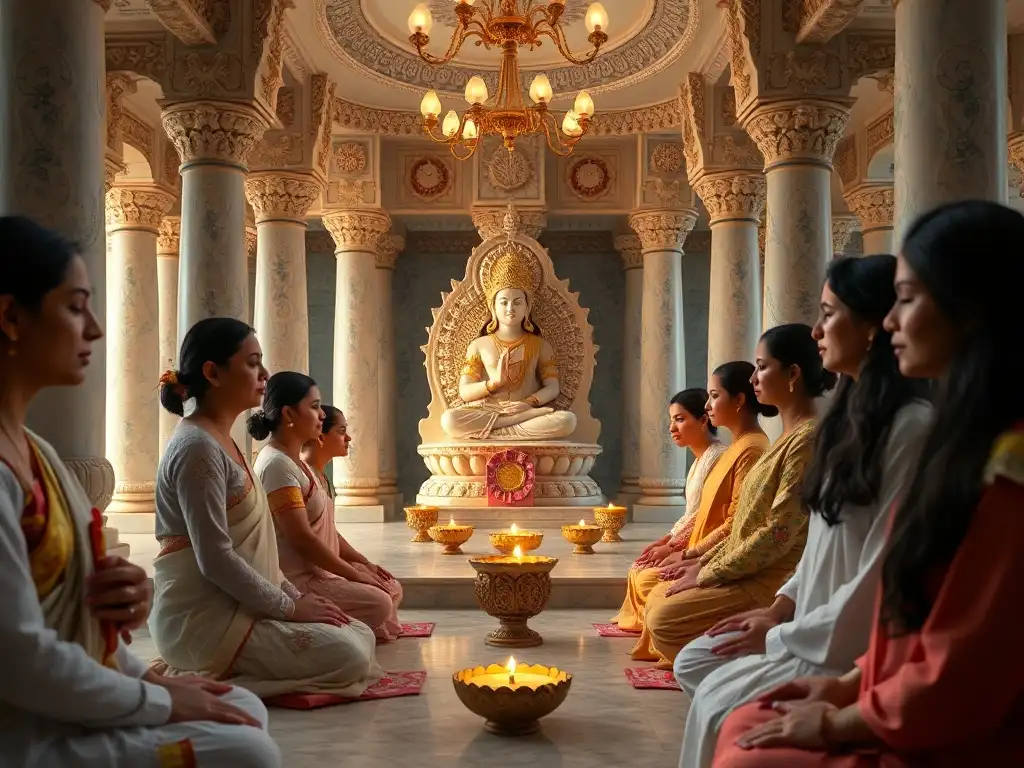
Welcome to Ancient India History, where we embark on a captivating journey through the rich tapestry of ancient Indian civilization. Today, we delve into the historical perspectives and contributions of women in Jainism, an often-overlooked aspect of this profound religion. What roles did women play in shaping Jain beliefs and practices? How did their contributions influence the spiritual and cultural landscape of ancient India? Join us as we uncover the fascinating narratives that highlight the significance of women's roles in Jainism, inviting you to explore deeper into the remarkable stories that await.
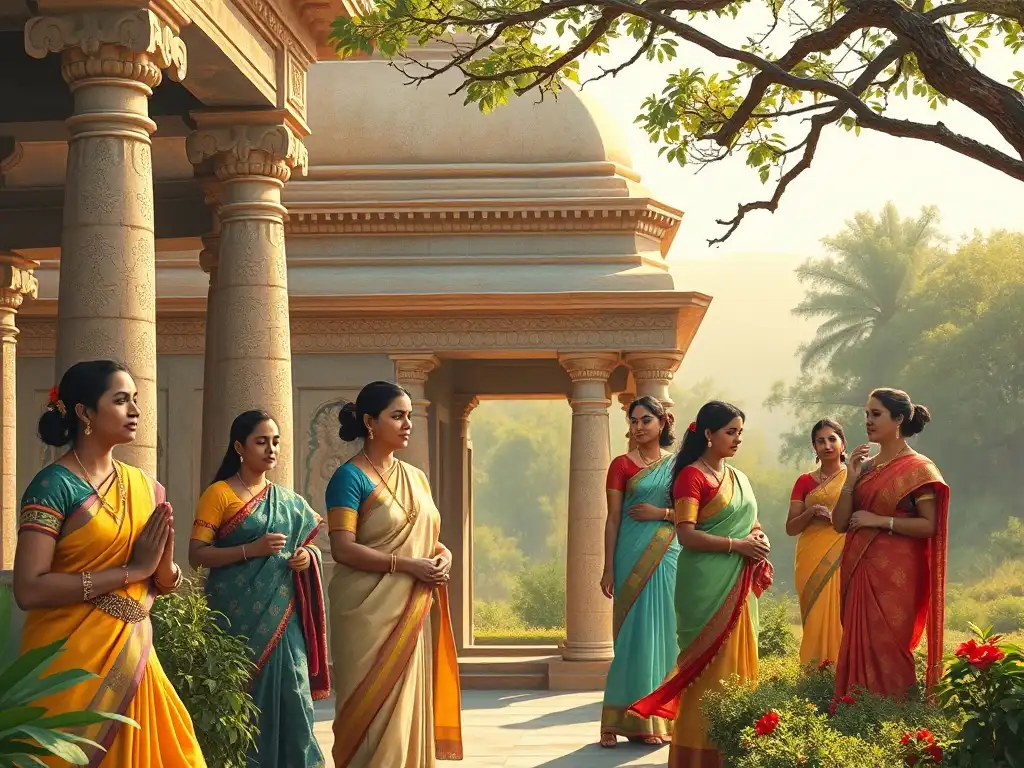
Introduction to Jainism and Women's Role
Jainism, one of the oldest religions originating from India, has a profound philosophical framework centered on the principles of non-violence (ahimsa), truth (satya), and asceticism. As we explore the role of women in Jainism, it becomes apparent that their contributions have been pivotal throughout the religion's evolution. This article aims to delve into the historical perspectives and contributions of women within Jainism, highlighting their significance in the context of ancient Indian civilization and the continuing relevance of their roles today.
Overview of Jainism as an Ancient Indian Religion
Jainism traces its roots back to the 6th century BCE and is characterized by its unique beliefs and practices. The religion emphasizes the importance of individual soul's liberation (moksha) through ethical living and spiritual development. Key tenets of Jainism include:
- Ahimsa (Non-violence): The ethical principle of minimizing harm to all living beings.
- Aparigraha (Non-possessiveness): Encouragement of detachment from material possessions.
- Satya (Truthfulness): Upholding truth in thought, word, and deed.
Women, as integral members of Jain society, have historically engaged with these principles, influencing both religious practices and community life.
Importance of Understanding Women's Contributions in Jainism
Understanding the role of women in Jainism provides a richer perspective on the religion's development and its societal structures. Women have not only participated in spiritual practices but have also held influential positions within the community. Their contributions are crucial to appreciating the holistic narrative of Jain history and the evolution of its principles. Recognizing these roles sheds light on the progressive aspects of Jainism, especially in contrast to the often patriarchal narratives found in many other ancient religions.
Historical Context of Women in Jainism
Women in Early Jain Texts and Scriptures
Early Jain texts, such as the Agamas and Tattvartha Sutra, reflect the presence and significance of women in Jain society. These scriptures document various roles women played, from spiritual practitioners to lay followers. Key takeaways include:
- Spiritual Roles: Women were often depicted as devoted ascetics, engaging in rigorous spiritual practices and achieving high levels of spiritual realization.
- Moral Teachings: Many texts emphasize the importance of women as moral exemplars, reinforcing the notion that women could attain spiritual liberation just like men.
- Community Leaders: Historical accounts suggest that women occasionally assumed leadership roles within local Jain communities, guiding spiritual and ethical practices.
Notable Historical Figures: Women in Jain History
Throughout Jain history, several women have emerged as notable figures, contributing significantly to the religion's legacy. Some key personalities include:
- Vimaladevi: A revered nun credited with extensive commentaries on Jain scriptures, promoting women's education in Jain philosophy.
- Siddhartha's Mother, Trishala: Known for her virtuous character and strong moral guidance, she is celebrated for nurturing the spiritual leader Mahavira.
- Sarasvati: A prominent figure in medieval Jain texts, she played a crucial role in promoting Jain art and literature.
These women exemplify the diverse contributions of female figures in shaping Jain thought and practice.
Evolution of Women's Roles Through Different Jain Eras
The roles of women in Jainism have evolved through various historical periods. Notable trends include:
- Early Period: Women enjoyed greater freedom in spiritual pursuits, often participating in ascetic practices alongside men.
- Medieval Era: The emergence of sects led to more defined roles for women, with some factions advocating for increased participation in rituals and community activities.
- Modern Era: Contemporary Jain women are increasingly involved in social reform, education, and community service, reflecting a resurgence of interest in women's contributions to Jain ethics and philosophy.
By examining this evolution, we can appreciate the dynamic nature of women's roles in Jainism and their enduring impact on the religion's development.
Spiritual Contributions of Women in Jainism
Women have played a pivotal role in the spiritual landscape of Jainism, contributing significantly to its philosophies, practices, and community life. Historically, Jain texts and oral traditions highlight the spiritual achievements of women, showcasing their influence not just as followers but as esteemed practitioners of the faith. Women in Jainism have been recognized for their spiritual insights and moral virtues, often embodying the principles of non-violence (ahimsa) and truth (satya).
The spiritual contributions of women can be seen through their roles as ascetics, lay practitioners, and even as revered figures within the Jain cosmology. These contributions have paved the way for a more inclusive understanding of spirituality within Jainism, emphasizing that spiritual enlightenment is not confined to gender. This perspective has allowed women to occupy significant positions within Jain communities, fostering an environment that values their spiritual journeys.
Female Tirthankaras: Their Significance
The concept of female Tirthankaras, though not as widely recognized as their male counterparts, plays an essential role in Jain theology. Tirthankaras are revered spiritual teachers who have achieved liberation and guide others on the path to enlightenment. Jain texts mention female Tirthankaras, such as the legendary figure, Tirthankara Mallinath, who is often depicted with unique attributes that signify her spirituality and compassion.
The significance of these female Tirthankaras lies in their symbolic representation of the potential for all beings, regardless of gender, to attain liberation. Their stories challenge conventional narratives that often prioritize male figures in religious contexts, thereby inspiring women to aspire to spiritual greatness. The acknowledgment of female Tirthankaras in Jainism thus reflects an intrinsic understanding of equality and the universal nature of spiritual pursuit.
Women as Ascetics: Historical Accounts and Importance
Throughout Jain history, women have taken on the role of ascetics, embracing a life of renunciation and spiritual discipline. Historical accounts reveal that numerous women chose the path of asceticism, often demonstrating exceptional dedication to the principles of Jainism. These ascetics, known as "sadhvis," have been instrumental in disseminating Jain teachings and practices, contributing to the faith's endurance and growth.
The importance of women ascetics in Jainism extends beyond personal spiritual achievements; they serve as role models for the community, illustrating the possibilities for women within the religious framework. Their practices often include rigorous fasting, meditation, and adherence to strict ethical codes, which highlight their commitment to the principles of non-violence and self-restraint. These historical narratives reinforce the idea that women have always been integral to the spiritual fabric of Jainism.
Influence of Women in Jain Religious Practices and Rituals
Women in Jain communities have historically been actively involved in religious practices and rituals, shaping the cultural and spiritual life of the faith. Their participation ranges from daily prayers and rituals to significant life events, such as weddings and festivals. Women often play central roles in performing pujas (worship rituals), leading prayers, and organizing community events, showcasing their leadership within the religious domain.
The influence of women in these rituals is profound, as they not only preserve traditions but also adapt them to meet contemporary needs and challenges. Their roles often emphasize the interconnectedness of family and community, illustrating how religious observance is a collective endeavor. By engaging in these practices, women help to sustain Jain values and beliefs, ensuring the transmission of spiritual heritage to future generations.
The social status of women in Jain communities has evolved over time, reflecting broader societal changes and the inherent values of Jainism. Traditionally, Jain teachings advocate for respect and dignity towards women, which is evident in many aspects of community life. While challenges remain, the emphasis on moral virtues has contributed to a relatively empowered status for women within the Jain framework.
Women are often seen as custodians of family values and cultural heritage, playing crucial roles in both domestic and community spheres. Their participation in decision-making processes, particularly in family matters, highlights a degree of autonomy that is noteworthy within the context of ancient Indian societies. This evolving social status continues to shape the narrative of women's roles in Jainism today.
Role of Women in Jain Family Structures
In Jain family structures, women typically assume significant responsibilities that extend beyond traditional expectations. They are often the primary caretakers of spiritual and cultural education within the family, instilling Jain values in their children and fostering a sense of community. This role places women at the center of family life, where their influence is both profound and far-reaching.
Moreover, the role of women in Jain families often includes participation in financial and social decisions, especially in families that run businesses or engage in community service. Their involvement in these areas underscores the importance of collaboration and mutual respect within family dynamics, reflecting Jain principles of harmony and cooperation.
Education and Empowerment of Women in Jain Society
Education has been a crucial factor in the empowerment of women within Jain society. Historically, there has been a strong emphasis on educating girls, which distinguishes Jain communities from many others in ancient India. This commitment to education has allowed women to access knowledge and skills that enhance their roles in both the family and the community.
With increased educational opportunities, women have emerged as leaders in various fields, including education, business, and social services. Their empowerment through education not only benefits individual women but also strengthens the entire community as they contribute to societal progress. This focus on women's education aligns with Jain values of knowledge and truth, reinforcing the belief that enlightenment is accessible to all.
Women’s Participation in Jain Festivals and Community Events
Women actively participate in Jain festivals and community events, playing crucial roles in the organization and celebration of these significant occasions. Festivals such as Paryushana and Mahavir Jayanti are marked by women's contributions, from preparing traditional food to leading prayers and rituals. Their involvement ensures the vibrancy and continuity of these cultural practices.
Additionally, women's participation in community events fosters a sense of unity and shared identity among Jains. By engaging in these celebrations, women not only uphold tradition but also create opportunities for intergenerational bonding and community engagement. This active participation reflects the dynamic role women play in shaping Jain communal life, highlighting their importance in preserving and promoting Jain culture.
Contemporary Perspectives on Women's Role in Jainism
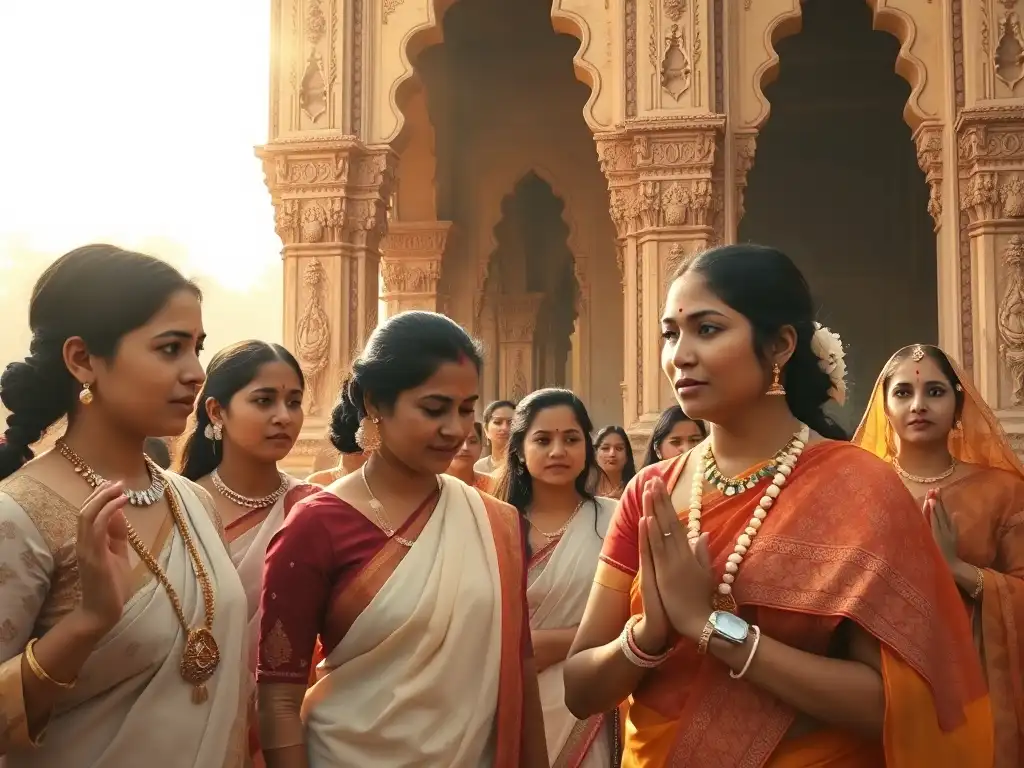
In contemporary society, the role of women in Jainism is increasingly acknowledged and celebrated. The historical contributions of women to Jain philosophy, practices, and community life have laid a strong foundation for current discussions about gender equality within the religion. Many modern Jain communities are re-evaluating traditional roles and seeking to empower women, both spiritually and socially. This evolution reflects broader changes in societal attitudes toward gender roles across India and the world.
The dialogue around women's roles in Jainism today often emphasizes both the historical context and the need for progressive change. While some traditional practices may still persist, there is a growing recognition of the importance of women's voices and leadership within the community. This shift is not only significant for Jain women but also contributes to the broader discourse on women's rights and empowerment in India.
Modern Jain Women Leaders and Their Contributions
Modern Jain women leaders are making significant strides in various fields, including education, social justice, and philanthropy. Figures such as Kiran Bedi, the first female Indian Police Service officer, and Dr. Pankaj Jain, an environmentalist and professor, exemplify the impactful roles women can play in society while remaining rooted in Jain principles. These leaders leverage their influence to advocate for women's rights, education, and social reform, often drawing on Jain teachings to support their initiatives.
Moreover, organizations such as the Jain Women’s Federation have emerged to provide a platform for women to collaborate, share experiences, and promote their interests. They focus on leadership development, health awareness, and educational opportunities, thereby empowering women to take active roles in their communities. The contributions of these leaders and organizations highlight the vital role that modern Jain women play in shaping the future of Jainism and addressing contemporary issues.
Challenges Faced by Women in Contemporary Jain Communities
Despite the progress made, women in contemporary Jain communities still face numerous challenges. Traditional gender roles often limit their participation in religious activities and leadership positions. In some cases, cultural practices may reinforce patriarchal structures that hinder women's empowerment. Additionally, there are instances where women may be discouraged from pursuing higher education or professional careers, as societal expectations prioritize domestic responsibilities.
Moreover, the intersection of modernity and tradition can create tension for Jain women, especially those who wish to balance their cultural identity with contemporary aspirations. This duality often leads to conflicts, as women navigate expectations from both their families and the broader society. Addressing these challenges requires concerted efforts from community leaders, families, and women themselves to foster an environment conducive to equality and empowerment.
Empowerment Initiatives for Women in Jainism Today
To counter the challenges faced by women in Jain communities, various empowerment initiatives have emerged. Educational programs aimed at young girls encourage them to pursue academic and professional aspirations, emphasizing the importance of education in achieving independence. Workshops and seminars focusing on leadership skills, entrepreneurship, and self-development are also gaining popularity, equipping women with the tools needed to thrive in various spheres of life.
Community organizations are also working to raise awareness about women's rights and health issues, promoting discussions around topics such as reproductive health and mental well-being. Furthermore, initiatives that encourage women's participation in religious rituals and community leadership are being developed, aiming to create a more inclusive environment where women can exercise their spiritual agency.
Conclusion
Summary of Women's Historical Contributions in Jainism
The historical contributions of women in Jainism are profound and multifaceted. From the revered figures of Jain Tirthankaras to the influential laywomen who played crucial roles in the preservation and dissemination of Jain texts and teachings, women have significantly shaped the religious landscape. Their participation in rituals, community service, and philosophical discourse has been central to the development of Jainism throughout history. Acknowledging these contributions is essential for understanding the rich tapestry of Jain culture and spirituality.
The Continuing Evolution of Women's Roles in Jain Society
The evolution of women's roles in Jain society is an ongoing journey marked by both challenges and triumphs. As modern Jain communities continue to grapple with the complexities of tradition and contemporary life, the push for greater gender equality remains strong. The active participation of women in leadership, education, and social initiatives is paving the way for a more equitable future. By honoring the historical contributions of women and addressing present challenges, Jainism can foster an inclusive environment that values the voices and talents of all its members, ensuring the religion's vibrant future.
References
The role of women in Jainism is a multifaceted subject that has been explored through various scholarly works and historical texts. The following references provide a comprehensive overview of women's contributions, their status, and the evolving perceptions of gender roles within the Jain community. These texts serve as foundational resources for understanding the intricate dynamics of gender in Jainism.
Recommended Readings on Women in Jainism
-
"Women in Jainism" by J. L. Jaini
This book delves into the historical status of women in Jain society, examining their roles and responsibilities in both religious and social contexts. Jaini provides insights into the practices and beliefs that shaped women's experiences in ancient India.
-
"Gender and Religion in the Jain Tradition" by Anne Vallely
Vallely explores the intersection of gender and religious practices within Jainism, highlighting the unique contributions of women throughout history. This work analyzes how Jain teachings influence the lives of women in contemporary society.
-
"The Jain Path: A Guide to the Jain Way of Life" by R. K. Jain
This guide provides an overview of Jain philosophy and ethics, with specific sections dedicated to the roles of women. R. K. Jain discusses how women engage with the principles of non-violence and truth in their daily lives.
-
"The Status of Women in Jainism: A Historical Perspective" by S. M. Jain
This research paper provides a historical analysis of women's status in Jainism, tracing their rights and social standing from ancient texts to modern times. S. M. Jain offers a critical appraisal of the changes in societal attitudes towards women.
-
"Voices of Women in Jainism: Perspectives and Practices" edited by Kamleshwar Chaturvedi
This edited volume gathers various scholarly essays that provide insights into women's voices within Jain traditions. It covers personal narratives, rituals, and the evolving role of women in contemporary Jain communities.
Key Texts and Resources for Further Exploration
-
Tattvartha Sutra
This foundational text of Jain philosophy offers insights into the ethical and spiritual teachings of Jainism, including sections that reference the roles of women in spiritual practice.
-
Acharanga Sutra
An ancient Jain scripture that discusses the ethical conduct expected from followers, including teachings relevant to women in Jain society.
-
Shatkhandagama
This text provides details about the spiritual and social responsibilities of women, illustrating their integral role in Jain rituals and practices.
-
Jain Agamas
The canonical scriptures of Jainism contain various references to women and their roles, providing a vital resource for understanding gender dynamics in religious practices.
-
Academic Journals
Journals such as the Journal of Jain Studies and the International Journal of Hindu Studies frequently publish articles focused on the role of women in Jainism, offering contemporary scholarly perspectives and research findings.
These resources not only enhance the understanding of women's roles in Jainism but also contribute to a broader comprehension of gender in ancient Indian religions.
- Introduction to Jainism and Women's Role
- Historical Context of Women in Jainism
- Spiritual Contributions of Women in Jainism
- Social Status of Women in Jain Communities
- Contemporary Perspectives on Women's Role in Jainism
- Conclusion
- References
Frequently Asked Questions
What was the role of women in ancient Jain society?
Women in ancient Jain society played a significant role in religious and domestic life. They were often involved in spiritual practices and contributed to the preservation of Jain culture.
How did Jainism impact women's rights in ancient India?
Jainism provided women with greater autonomy compared to some other ancient Indian religions. They could participate in religious rituals and even attain spiritual liberation.
Were there notable female figures in Jain history?
Yes, there were several prominent women in Jain history, such as Sadhvi Kanakprabha, who made important contributions to Jain literature and philosophy, showcasing women's intellectual capabilities.
What were the educational opportunities for women in Jainism?
In ancient Jainism, women had the opportunity to gain education and knowledge, particularly in scriptures and philosophy, which was considered essential for their spiritual development.
How do modern Jain communities view women's roles?
Modern Jain communities continue to emphasize the importance of women in both spiritual and social spheres, advocating for gender equality and empowerment within the framework of Jain principles.
Final Reflection: Embracing the Legacy of Women in Jainism
The role of women in Jainism has been pivotal, shaping both the spiritual and cultural landscapes of the faith. As we delve into the rich history and contributions of women in Jainism, it becomes clear that their influence is not merely a relic of the past but a vibrant thread woven into the fabric of contemporary Jain practice. Today, as we strive for gender equality across various spheres, the stories of these remarkable women serve as a powerful reminder of the strength and resilience inherent in the pursuit of spiritual and social justice.
Clearly, the contributions of women in Jainism have transcended time, leaving an indelible mark on the community and its values. The historical perspectives we explored highlight how women have been instrumental in preserving and promoting Jain teachings, often acting as custodians of tradition and advocates for ethical living. As we reflect on their enduring impact, we are reminded of the words of Mahatma Gandhi: The best way to find yourself is to lose yourself in the service of others.
This sentiment resonates deeply within the context of Jainism, where the selfless service of women has been foundational to the faith's principles of non-violence and compassion.
As we look to the future, let us honor the legacy of these women by actively engaging in conversations about their roles and contributions in our communities. I invite you to reflect on how you can embody the principles of Jainism in your own life, championing equality and inclusivity.
By recognizing and celebrating the vital role of women in Jainism, we not only pay homage to their past but also pave the way for a more equitable future, where every voice is heard and valued. Together, we can continue to uplift the teachings of Jainism, ensuring that the contributions of women are acknowledged and celebrated for generations to come.
Unveil the Legacy of Women in Jainism!
Thank you for taking the time to explore the remarkable legacy of women in Jainism through our article. You've gained insight into their historical perspectives and invaluable contributions, highlighting a vital aspect of Jain culture. Now, let's take the next steps to deepen your understanding and celebrate this legacy further!
- Dive Deeper: Read additional resources on prominent Jain women to broaden your perspective.
- Share & Inspire: Spread awareness by sharing this article on social media—let's illuminate the history of these incredible women together!
- Join the Conversation: Engage with our community in the comments below, and consider visiting local Jain temples to witness their rich heritage.
How can the inspiring stories of Jain women influence your understanding of gender roles in contemporary society?