
The Transformation of Jain Rituals Through Time: From Ancient to Modern

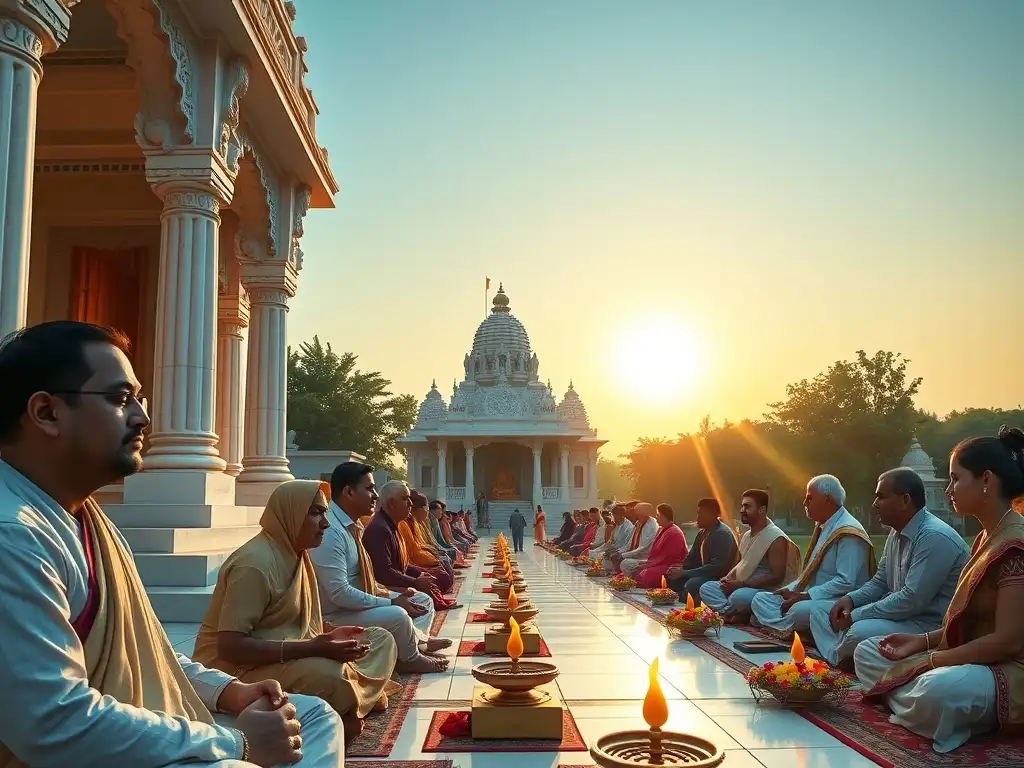
Welcome to Ancient India History, where we embark on a riveting journey through time to uncover the rich tapestry of ancient Indian civilizations. Dive deep into the evolution of Jain rituals in India, a fascinating exploration that reveals how these sacred practices have transformed from their ancient origins to contemporary expressions.
As you navigate through our articles, allow your curiosity to guide you; each section is a doorway to the captivating stories that shaped India's cultural legacy. Join us as we unravel the intricate threads of spirituality, tradition, and change that define the remarkable history of Jainism and its enduring impact on Indian society.
- Introduction to Jain Rituals Evolution in India
- Historical Context of Jain Rituals
- The Evolution of Jain Rituals Through Time
- Key Features of Jain Rituals Across Different Eras
- The Impact of Historical Events on Jain Ritual Evolution
- Conclusion: The Future of Jain Rituals in India
- References
- Additional Resources
- Frequently Asked Questions
- Final Reflection: The Evolution of Jain Rituals in India – A Journey Through Time
- Unveil the Richness of Jain Rituals Today!
Introduction to Jain Rituals Evolution in India
The evolution of Jain rituals in India represents a profound journey through time, reflecting the rich tapestry of beliefs, practices, and cultural shifts within Jainism. From its inception in the ancient Indus Valley civilization to its modern expressions, Jain rituals have undergone significant transformations that highlight the adaptability and resilience of this faith.
Understanding the evolution of these rituals is paramount, as they not only embody the spiritual essence of Jainism but also illustrate its response to the changing socio-political landscape of India. This article delves into the intricate history of Jain rituals, tracing their origins, developments, and contemporary practices, while emphasizing the keyword Jain rituals evolution in India.
Overview of Jainism in Ancient India
Jainism, one of the oldest religions in India, has roots that can be traced back to the 6th century BCE, with its teachings attributed to Lord Mahavira, the 24th Tirthankara. However, the tradition itself is believed to have existed even before Mahavira, with earlier Tirthankaras like Parsvanatha playing significant roles in shaping its doctrines. The philosophy of Jainism is grounded in the principles of ahimsa (non-violence), satya (truth), and aparigraha (non-possessiveness), which have influenced not only its rituals but also the ethical and moral framework of its followers.
In ancient India, Jainism flourished alongside other religious traditions, such as Hinduism and Buddhism, contributing to the rich cultural milieu of the time. The early Jains established monastic communities and laid down the foundations of their rituals, which were deeply intertwined with their philosophical beliefs. Temples dedicated to Tirthankaras became central to Jain worship, and rituals such as puja (adoration) and pratikraman (repentance) emerged as essential practices that would evolve over centuries.
Importance of Rituals in Jain Culture
Rituals hold a pivotal place in Jain culture, serving as a means of expressing devotion, fostering community bonds, and instilling ethical values among followers. They are not merely ceremonial acts but are imbued with deep spiritual significance.
- Expression of Faith: Rituals in Jainism allow devotees to express their reverence for the Tirthankaras and seek spiritual purification. Practices such as fasting and meditation are integral to personal growth and enlightenment.
- Community Cohesion: Jain rituals often involve communal participation, strengthening the sense of belonging within the community. Festivals, such as Paryushana, bring together Jains from diverse backgrounds to celebrate shared values and beliefs.
- Moral Instruction: Through rituals, followers are reminded of the core tenets of Jainism, including non-violence and truth, reinforcing the ethical framework that governs their lives. Ritual practices serve as a constant reminder of the path to liberation (moksha).
The evolution of these rituals, from ancient times to the present, reflects the adaptability of Jainism in the face of changing cultural and social dynamics, ensuring that the essence of the faith remains intact while allowing for contemporary interpretations and practices. Understanding this evolution is essential for appreciating the rich heritage of Jainism and its enduring impact on Indian spirituality.
Historical Context of Jain Rituals
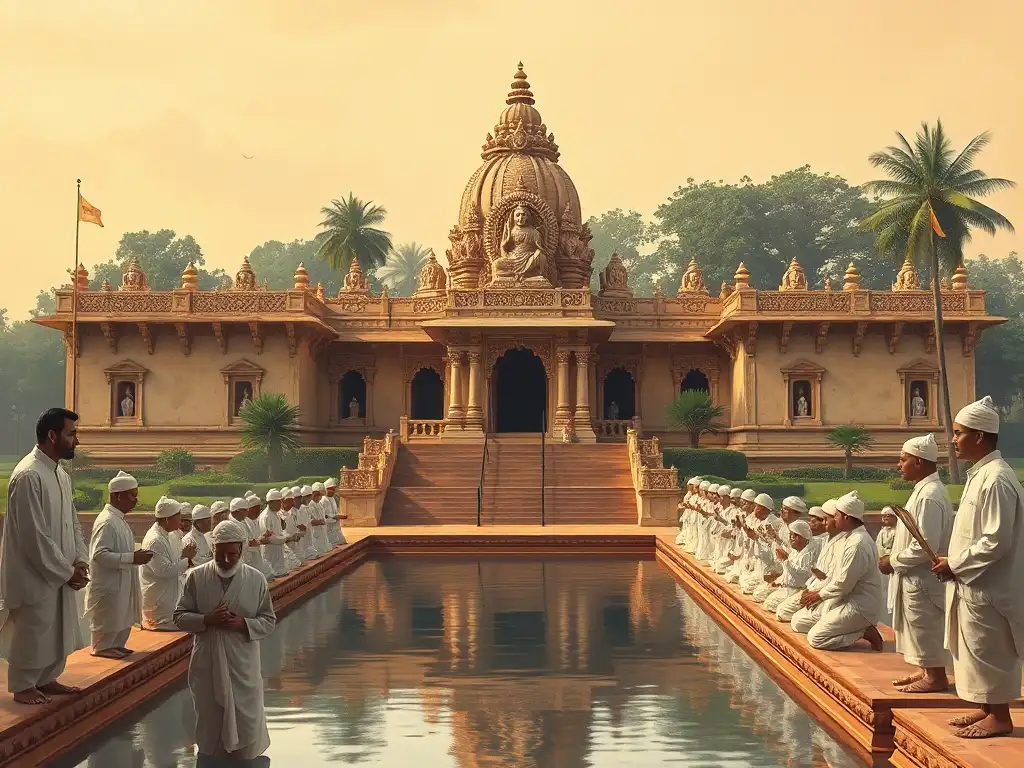
Ancient Jain Practices and Their Significance
Jain rituals have evolved significantly over time, rooted in the practices of ancient Jain communities. In the early phases of Jainism, rituals were closely linked to the spiritual goals of the practitioners, emphasizing the core Jain principles of non-violence (ahimsa), truth (satya), and asceticism (tapas).
Ancient Jain practices often included:
- Puja (Worship): Rituals centered around the worship of Tirthankaras, the revered spiritual teachers in Jainism. These included offerings of flowers, food, and prayers, which served as expressions of devotion and gratitude.
- Meditation and Contemplation: Practitioners engaged in meditation to achieve spiritual clarity and inner peace, reflecting the belief that true understanding comes from introspection.
- Fasting and Vows: Fasting was a common practice among Jains, seen as a means to purify the soul and detach from material possessions. The significance of these acts lies in their ability to foster discipline and self-control.
The significance of these practices is multifaceted. They not only served to reinforce the individual’s commitment to the Jain path but also helped in building a sense of community among practitioners. The rituals acted as communal gatherings, strengthening social bonds and collective identity through shared spiritual experiences.
Key Texts and Scriptures Influencing Jain Rituals
The evolution of Jain rituals is profoundly influenced by several key texts, which provide both doctrinal foundations and practical guidelines for religious practice. The most notable scriptures include:
- Agamas: These are canonical texts that form the basis of Jain teachings, containing extensive details about rituals, ethics, and philosophy. They provide a framework for understanding the rituals' spiritual significance and practical applications.
- Tattvartha Sutra: Composed by Umāsvāti, this text synthesizes various Jain teachings and emphasizes the importance of ritual in achieving spiritual liberation (moksha). It discusses the nature of the soul and the universe, providing a philosophical context for ritual practices.
- Siddhanta texts: These texts delve into the specifics of Jain rituals and ethics, detailing the significance of rituals in daily life and their connection to achieving spiritual goals.
These scriptures not only guide the rituals performed by contemporary Jains but also serve as historical records of how these practices have transformed over time. The interpretations of these texts have led to diverse ritual practices across different sects of Jainism, reflecting the adaptability and resilience of Jain traditions in the face of changing societal norms.
The Role of Asceticism in Early Jain Rituals
Asceticism plays a pivotal role in the evolution of Jain rituals, deeply embedded in the teachings of Jainism. Early Jain practitioners viewed asceticism as a fundamental pathway to spiritual advancement. Key aspects of asceticism influencing Jain rituals include:
- Renunciation: The act of renouncing worldly possessions and desires is central to Jain asceticism. This practice is reflected in rituals that emphasize simplicity and detachment from material goods.
- Self-discipline: Ascetic practices often involved rigorous self-discipline, including fasting and meditation. These elements are integral to many Jain rituals, reinforcing the belief that physical austerity leads to spiritual purification.
- Community of Ascetics: The presence of ascetics in Jain communities has historically shaped ritual practices. Their teachings and lifestyles influence lay practitioners, fostering a culture of reverence for ascetic ideals within ritual contexts.
The integration of asceticism into rituals underscores the interconnectedness of personal discipline and communal religious practices. As Jain rituals evolved, they retained these ascetic principles, ensuring that the essence of Jainism remained intact even as the forms and expressions of rituals changed over time.
The evolution of Jain rituals in India is a complex interplay of historical context, scriptural guidance, and the enduring influence of asceticism. These elements collectively shape the rich tapestry of Jain religious life, offering insights into the transformation of practices from ancient times to the present.
The Evolution of Jain Rituals Through Time
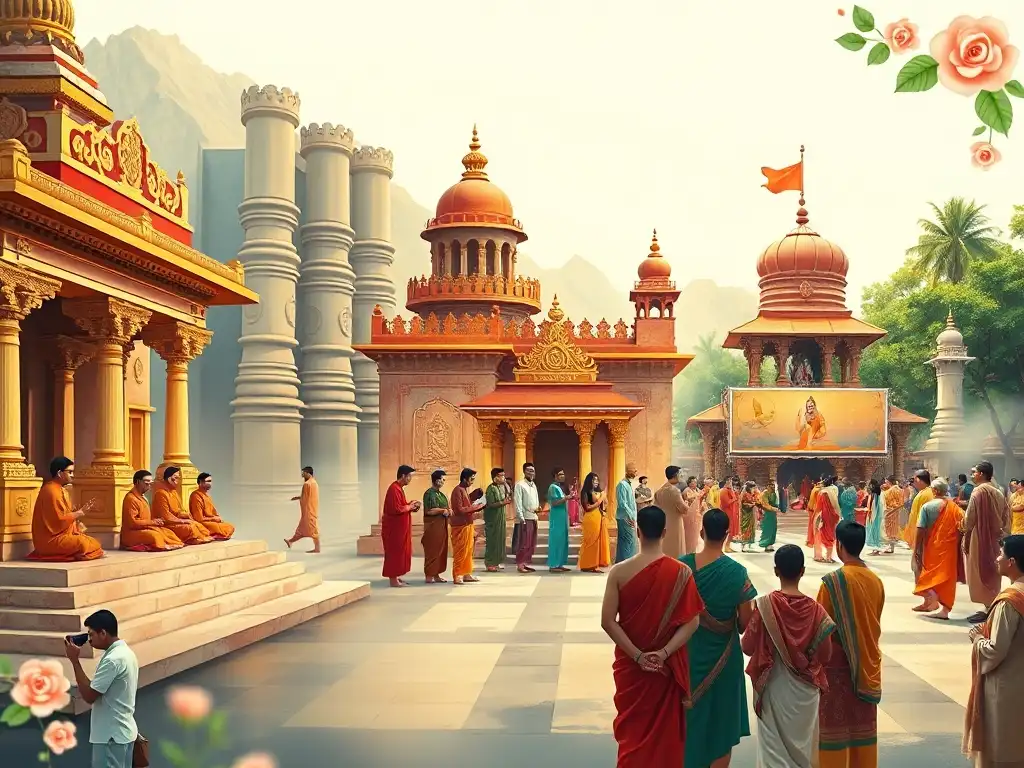
Transition from Ancient to Medieval Jain Practices
The transition from ancient to medieval Jain practices marks a significant evolution in the Jain rituals evolution in India. Early Jainism, emerging around the 6th century BCE, was characterized by a focus on asceticism and personal spiritual discipline. Rituals during this period were relatively simple, emphasizing meditation, fasting, and non-violence (ahimsa) as core principles.
As Jainism spread across regions and interacted with other cultures, its rituals began to adapt. The establishment of monastic communities (sanghas) led to more organized practices. The introduction of temples and communal worship marked a shift from solitary practices to community-oriented rituals. Temples became centers for ritualistic activities, where offerings (puja) and ceremonies were performed.
Changes in Rituals During the Medieval Period
The medieval period, approximately from the 8th to the 15th century, introduced profound changes in Jain rituals. This era saw a diversification of practices influenced by regional variations and socio-political contexts.
- Temple Worship: The construction of grand temples, such as the Dilwara Temples in Rajasthan, became prominent. These temples not only served as places of worship but also as repositories of art and culture. Rituals became more elaborate, often involving intricate ceremonies and festivals.
- Ritual Texts: The medieval period also witnessed the codification of rituals through texts like the Tattvarthasutra and Samayasara. These texts provided detailed guidelines on ritual practices, ethics, and philosophy, ensuring a structured approach to worship.
- Festivals and Community Celebrations: Festivals such as Paryushana gained prominence, where community members came together to observe fasting, prayer, and penance. These communal rituals fostered a sense of belonging and reinforced the collective identity of Jains.
- Influence of Regional Cultures: The assimilation of local customs and traditions led to the incorporation of new rituals, enhancing the richness of Jain practices. For instance, the worship of local deities alongside traditional Jain deities became common in various regions.
Modern Adaptations of Jain Rituals
In contemporary times, Jain rituals have continued to evolve, adapting to modern societal changes while maintaining their core principles.
- Simplification of Rituals: As urbanization and modern lifestyles have become prevalent, many Jains have simplified their rituals. The focus has shifted towards essential practices, making them more accessible to the broader community.
- Digital Influence: The advent of technology has introduced new platforms for practicing Jain rituals. Online services for conducting prayers and rituals have emerged, allowing practitioners to engage with their faith from anywhere in the world.
- Environmental Awareness: Modern Jainism has increasingly integrated environmental consciousness into its rituals. Rituals now often include components that emphasize sustainability and respect for all living beings, reflecting contemporary global concerns.
Influence of Contemporary Society on Jain Practices
The influence of contemporary society on Jain practices is multifaceted.
- Globalization: As Jains migrate and settle in various parts of the world, rituals have adapted to reflect the diverse cultural contexts of their new environments. This has led to a blend of traditional practices with local customs, creating unique expressions of Jainism.
- Interfaith Dialogues: Increased interaction with other religions has prompted Jains to reevaluate and sometimes modify their rituals to promote inclusivity and understanding among different faiths.
- Youth Engagement: The younger generation plays a vital role in shaping the future of Jain rituals. Their involvement in social causes, technological advancements, and contemporary issues ensures that rituals remain relevant and resonate with modern values.
The Jain rituals evolution in India illustrates a dynamic interplay between tradition and change, where ancient practices have been thoughtfully adapted to meet the needs of contemporary society while preserving the foundational beliefs of Jainism.
Key Features of Jain Rituals Across Different Eras
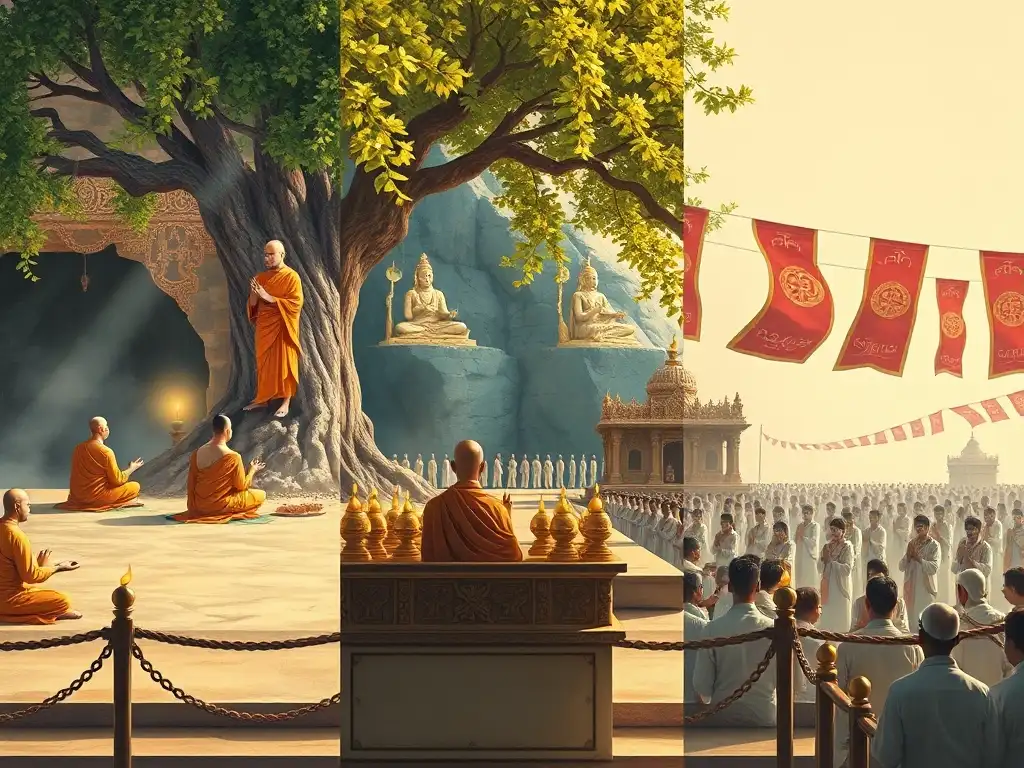
The evolution of Jain rituals in India reflects the profound philosophical underpinnings and cultural shifts that have occurred throughout history. Across different eras, several key features emerge that characterize the nature and significance of these rituals.
Core Principles of Jain Rituals
At the heart of Jain rituals lies a commitment to ahimsa (non-violence), satya (truthfulness), and aparigraha (non-attachment). These core principles guide the conduct of daily rituals and ceremonial practices, emphasizing the importance of inner purity and ethical living.
- Ahimsa: This principle is paramount in Jainism, influencing rituals that seek to minimize harm to living beings. For instance, during festivals like Paryushana, Jains engage in fasting and introspection, highlighting their dedication to non-violence.
- Meditation and Prayer: Rituals often include meditative practices aimed at purifying the mind and spirit. The recitation of Navkar Mantra, the most revered prayer in Jainism, is central to ritualistic practices across different sects, promoting spiritual elevation.
- Offering and Worship: Rituals typically involve offerings to Tirthankaras (spiritual teachers), such as flowers, fruits, and water. These offerings symbolize devotion and gratitude, reinforcing the connection between the devotee and the divine.
The evolution of these principles has been influenced by historical contexts and social dynamics, leading to variations in practice while maintaining fundamental beliefs.
Variations in Rituals Among Different Jain Sects
Jainism is broadly divided into two major sects: Digambara and Svetambara. Each sect exhibits unique ritualistic practices, which reflect their interpretations of Jain philosophy and scriptural texts.
- Digambara Rituals:
- Niyamas: Digambara Jains emphasize strict adherence to ascetic practices, including fasting and renunciation. Their rituals often involve elaborate temple ceremonies that focus on the worship of Tirthankaras in their natural state, reflecting a more ascetic lifestyle.
- Festivals: Festivals such as Mahavir Jayanti are celebrated with processions and community prayers but prioritize internal reflection and detachment.
- Svetambara Rituals:
- Community Engagement: Svetambara rituals tend to incorporate more community participation, with rituals that include the sharing of food and communal prayers. They celebrate festivals with greater public display and social engagement.
- Iconography: Svetambaras often use more elaborate iconographic representations of Tirthankaras, which play a significant role in their worship practices.
These sectarian differences illustrate how interpretations of core Jain principles can lead to diverse ritual expressions while retaining the overarching philosophy of Jainism.
Regional Influences on Jain Ritual Practices
The practice of Jain rituals is not monolithic; regional influences have played a significant role in shaping how rituals are conducted across different parts of India.
- North India: In states like Rajasthan and Gujarat, Jain rituals often incorporate local customs, such as puja (worship) performed with regional flowers and offerings. The influence of local culture is evident in the vibrant celebrations during festivals like Diwali, which is observed with a unique Jain perspective.
- South India: In contrast, South Indian Jains, particularly in Karnataka and Tamil Nadu, exhibit a different approach to rituals. Here, rituals may blend with local traditions and practices, leading to distinct festivals like Mahavir Jayanti, celebrated with unique music and dance forms that resonate with local culture.
- Urban vs. Rural Practices: In urban settings, Jain rituals may become more formalized and structured, incorporating modern elements such as technology in worship (e.g., online prayer sessions). In rural areas, rituals can retain a more traditional form, emphasizing community involvement and simplicity.
These regional adaptations of Jain rituals illustrate the dynamic nature of Jainism, as it evolves while remaining rooted in its foundational principles. The interplay between local culture and Jain philosophy enriches the tapestry of Jain ritual practices across India, showcasing the religion's ability to adapt and thrive.
The Impact of Historical Events on Jain Ritual Evolution
Influence of the Gupta Empire on Jain Rituals
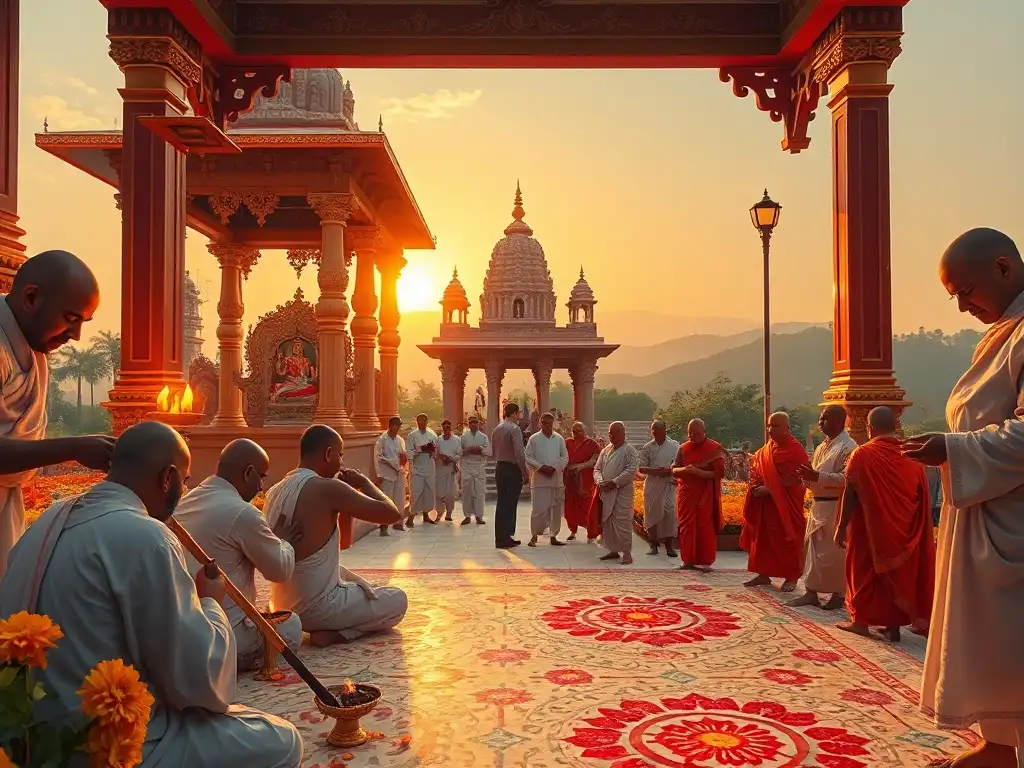
The Gupta Empire, often referred to as the Golden Age of India, spanned from approximately 240 to 550 CE and had a profound impact on the development of Jain rituals. During this era, Jainism achieved significant patronage, which led to a flourishing of religious practices and institutions. The Gupta rulers, known for their embrace of diverse religious traditions, provided substantial support to Jain communities, allowing them to expand their influence.
One of the most notable developments during this period was the establishment of temples dedicated to Tirthankaras, the revered spiritual teachers of Jainism. These temples became centers of worship and ritual practice. The architecture of these temples incorporated intricate carvings and sculptures depicting various Jain motifs, reinforcing the cultural significance of Jain rituals. The influence of Gupta art can be seen in the ornate designs of Jain temples, which not only served as places of worship but also as symbols of the community’s wealth and devotion.
Moreover, the Gupta period saw the codification of several Jain texts, which played a crucial role in shaping the rituals practiced by followers. The Tattvartha Sutra, composed by Acharya Umaswati, emerged as a foundational text during this time, offering guidelines on ethics and rituals. This text emphasized the importance of rituals in attaining spiritual purity and liberation, marking a distinct evolution from earlier practices.
Colonial Era and Its Effect on Jain Practices
The colonial era in India, particularly during the British Raj from the 18th to the mid-20th century, introduced significant changes to Jain rituals. This period was characterized by socio-political upheaval and the introduction of Western ideologies, which posed challenges to traditional practices. The British colonial administration often viewed Indian religions, including Jainism, through a lens of reform, seeking to categorize and standardize religious practices.
As a response to colonial scrutiny, many Jain communities began to reassess and sometimes reformulate their rituals. The emergence of social reform movements aimed at revitalizing Jainism led to a blend of traditional practices with modern sensibilities. For instance, some Jains began to emphasize the ethical dimensions of Jainism over ritualistic elements, focusing on non-violence (ahimsa) and truth (satya) as primary principles.
Additionally, the interactions between Jains and other religious communities during the colonial period fostered a spirit of dialogue and adaptation. This cross-cultural exchange led to the incorporation of certain practices from Hinduism and other religions into Jain rituals, resulting in a more syncretic approach to worship. The establishment of organizations such as the Jain Social Group further facilitated the evolution of rituals by promoting community engagement and social service.
Modern Challenges and Adaptations in Jain Rituals
In contemporary times, Jain rituals continue to evolve in response to various societal changes and challenges. The rapid pace of modernization, urbanization, and globalization has prompted Jain communities to adapt their practices to maintain relevance in today’s world. One of the most significant adaptations has been the simplification of rituals, making them more accessible to younger generations who may feel disconnected from traditional practices.
Digital technology has also played a pivotal role in the transformation of Jain rituals. Online platforms now host virtual ceremonies, allowing Jains around the world to participate in rituals from their homes. This shift has made rituals more inclusive, enabling a global community to engage with their heritage despite geographical barriers.
Moreover, environmental concerns and ethical considerations have prompted Jains to reflect on their rituals. For instance, there is a growing emphasis on eco-friendly practices in religious celebrations, aligning with the Jain principle of non-violence towards all living beings. Rituals that involve the use of natural materials and sustainable practices are being promoted within communities.
The evolution of Jain rituals in modern times reflects a dynamic interplay of tradition and innovation, ensuring that Jainism remains a vibrant and relevant spiritual path in the contemporary landscape. The ongoing dialogue between ancient principles and modern challenges will undoubtedly continue to shape the future of Jain rituals in India.
Conclusion: The Future of Jain Rituals in India
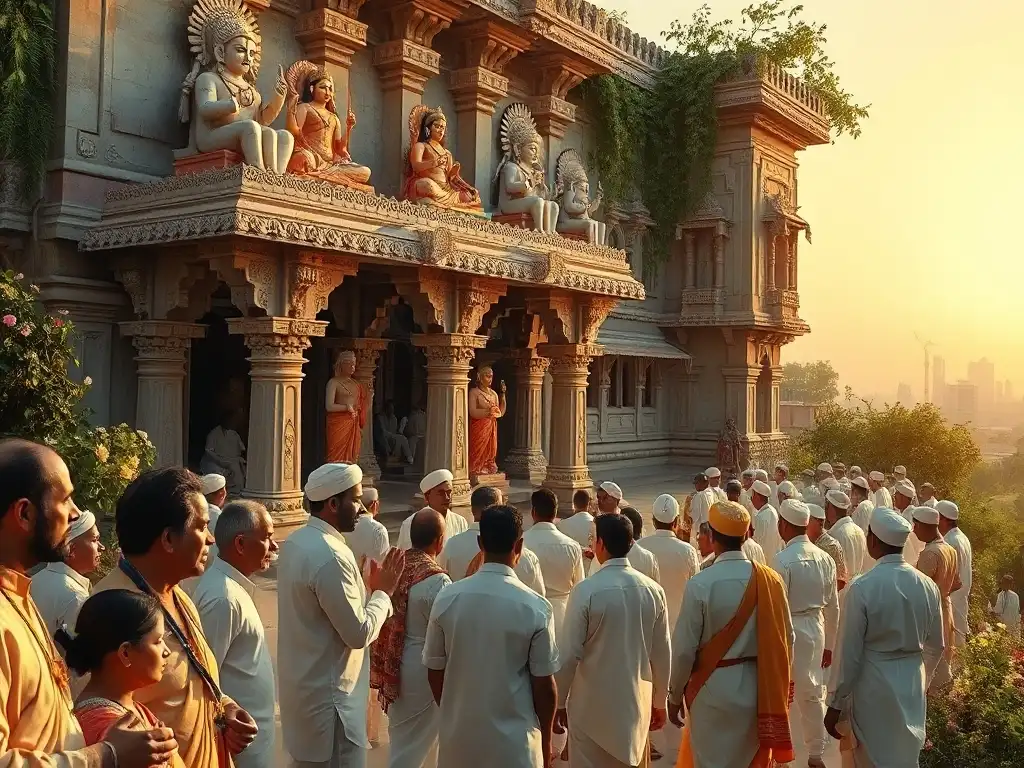
As we reflect on the evolution of Jain rituals in India, it is clear that these practices have undergone significant transformations throughout history. The interplay of tradition and modernity presents both challenges and opportunities for the preservation and adaptation of Jain rituals in contemporary society.
Preservation of Jain Rituals in Contemporary Society
In today's fast-paced world, the preservation of Jain rituals faces several challenges, including the influence of globalization, urbanization, and the changing demographics of the Jain community. However, various initiatives are underway to ensure that these rituals continue to thrive:
- Cultural Organizations: Several Jain organizations are actively working to promote awareness and education regarding Jain rituals. They organize workshops, seminars, and cultural events that highlight the importance of these practices.
- Digital Platforms: The rise of technology has provided new avenues for the dissemination of Jain teachings and rituals. Social media, websites, and online courses allow younger generations to connect with their heritage and engage with rituals from afar.
- Community Engagement: Local Jain communities are increasingly involved in maintaining and revitalizing rituals. This includes hosting traditional celebrations and providing spaces for communal worship, which fosters a sense of belonging and continuity.
Despite these efforts, the challenge remains to strike a balance between maintaining traditional practices and adapting to modern societal changes.
The Ongoing Transformation of Jain Practices
The evolution of Jain rituals is not static; it continues to adapt to the cultural and social dynamics of contemporary India. Several trends can be observed in this ongoing transformation:
- Inclusivity and Adaptation: Modern Jain practices are increasingly inclusive, welcoming broader participation from diverse community members, regardless of age or background. This inclusivity ensures that rituals remain relevant and engaging for all.
- Environmental Consciousness: There is a growing emphasis on eco-friendly practices within Jain rituals, reflecting a broader global trend towards sustainability. For instance, the use of biodegradable materials and the promotion of vegetarianism align with Jain principles of non-violence and respect for all living beings.
- Integration of Technology: The integration of technology into rituals, such as virtual ceremonies and online gatherings, is becoming more commonplace. This shift allows Jains to participate in rituals even when physical attendance is not possible, thus expanding the reach of these practices.
- Interfaith Dialogues: Jain rituals are increasingly being shared in interfaith contexts, fostering understanding and appreciation among different religious communities. This dialogue can enrich the Jain tradition while promoting peace and cooperation.
The evolution of Jain rituals in India reflects the dynamic interplay between tradition and modernity. As these practices continue to transform, they carry forward the rich legacy of Jainism, ensuring its relevance in a rapidly changing world. The future of Jain rituals looks promising, characterized by both preservation and innovation, allowing the teachings of Mahavira to resonate with future generations.
References
The evolution of Jain rituals in India is a complex narrative intertwined with the broader historical context of the region. Understanding this transformation requires a careful examination of various texts, archaeological evidence, and scholarly interpretations. Below are some key references that provide insights into the historical and cultural developments of Jain rituals:
-
Books
-
"Jainism: History, Society, Philosophy and Practice" by Dr. Natubhai Shah
This comprehensive work explores the historical trajectory of Jainism, highlighting the evolution of its rituals and practices through various periods.
-
"The Jains" by Paul Dundas
Dundas offers an in-depth analysis of Jain beliefs, including a detailed discussion of the rituals and their significance within Jain communities.
-
-
Journals and Articles
-
"Ritual and Religion in the Jain Tradition" published in the Journal of Indian Philosophy
This article examines the role of ritual in Jainism, tracing its historical changes and contemporary practices.
-
"The Influence of Bhakti on Jain Rituals: A Historical Perspective" in Religions of South Asia
This piece discusses how the Bhakti movement impacted Jain rituals, leading to significant transformations over time.
-
-
Theses and Dissertations
-
"The Transformation of Jain Rituals: An Historical Analysis" by R. K. Jain
A detailed thesis that explores the chronological changes in Jain rituals and their socio-cultural implications.
-
-
Online Resources
-
The Jainpedia Project
An extensive digital resource dedicated to Jain history and culture, featuring articles, images, and primary texts related to Jain rituals.
-
Suggested Readings on Jain Rituals and History
For those interested in a deeper exploration of Jain rituals and their historical evolution, the following readings are recommended:
-
"The Rituals of Jainism: A Historical Overview"
This book outlines the key rituals practiced in Jainism, providing historical context and explaining their significance within the faith.
-
"Understanding Jain Rituals: Past and Present"
A scholarly article that analyzes how Jain rituals have adapted over centuries, reflecting changes in society and religious thought.
-
"Jain Rituals and the Modern World"
This text explores the adaptation of traditional Jain practices in contemporary contexts, illustrating the ongoing evolution of Jain rituals.
Important Figures in Jainism and Their Contributions
Several key figures have played pivotal roles in shaping Jain rituals and their evolution throughout history. Here are some important personalities:
- Mahavira (c. 599–527 BCE)
- Often regarded as the 24th Tirthankara, Mahavira's teachings form the foundation of Jainism. His emphasis on non-violence (Ahimsa) and truth set the stage for ritual practices that prioritize ethical living.
- Bhadrabahu (c. 4th century BCE)
- A significant figure in early Jainism, Bhadrabahu is credited with the compilation of rituals and texts that guided the Jain community through times of upheaval, particularly during the Mauryan Empire.
- Hemachandra (c. 1088–1173 CE)
- A prominent Jain scholar and poet, Hemachandra contributed to the codification of Jain rituals and ceremonies. His works, including the "Trishashti Shalaka Purusha Charitra," provide insights into the ritual practices of his time.
- Siddharashi (c. 12th century CE)
- An influential reformer, Siddharashi played a crucial role in the revival of Jain rituals during a period of decline. His teachings emphasized the importance of community participation in rituals.
- Modern Influencers
- Contemporary scholars and spiritual leaders continue to shape the understanding and practice of Jain rituals. Figures such as Acharya Tulsi and Acharya Mahashraman advocate for the relevance of traditional rituals in modern society, promoting a synthesis of ancient practices with contemporary needs.
The contributions of these figures illustrate the dynamic nature of Jain rituals, reflecting an ongoing evolution influenced by historical, cultural, and spiritual contexts.
Additional Resources
Online Materials for Further Exploration of Jainism
The evolution of Jain rituals in India is a fascinating subject that can be further explored through various online resources. Below is a curated list of materials that provide insight into the principles, practices, and historical context of Jainism:
- Jainpedia: A comprehensive online resource that offers detailed articles, images, and videos on Jain history, philosophy, and rituals. It's an excellent starting point for those interested in understanding the evolution of Jain practices.
- Digital Library of India: This platform hosts a myriad of texts, including ancient manuscripts and modern interpretations, that delve into the Jain tradition. Users can access documents that highlight the historical changes in Jain rituals over time.
- Academia.edu: Scholars often upload their research papers and articles related to Jainism. Searching for "Jain rituals evolution in India" can yield valuable academic papers discussing various aspects of Jain practices throughout history.
- YouTube Channels: Several channels focus on Indian history and religious studies. Search for keywords like "Jainism rituals" or "history of Jainism" to find lectures and discussions that illustrate the transformation of Jain rituals.
Documentaries and Lectures on Jain Rituals and History
For those who prefer visual learning, there are numerous documentaries and lectures available that provide in-depth analysis and narratives about Jain rituals and their historical evolution:
- "The Eternal Jain": This documentary offers a visual representation of Jain rituals and their significance. It explores the transitions from ancient practices to contemporary interpretations, making it a valuable resource for understanding the evolution of Jainism.
- National Geographic Documentaries: Some documentaries feature segments on Jain festivals, rituals, and the philosophy behind them. These segments provide context and visual insights into how traditional practices have adapted over time.
- TED Talks: Various speakers discuss the impact of Jainism on Indian culture and ethics. Lectures that focus on the principles of non-violence (Ahimsa) and truth (Satya) often touch upon the rituals that embody these values.
- University Lectures: Many universities offer free access to recorded lectures on religious studies. Check platforms like Coursera or edX for courses that include modules on Jainism, providing a structured approach to learning about its rituals and history.
These resources collectively enhance the understanding of Jain rituals evolution in India, providing a comprehensive view of how these practices have adapted and transformed through the ages.
Frequently Asked Questions
What are Jain rituals?
Jain rituals are spiritual practices performed by followers of Jainism, encompassing prayer, meditation, and ceremonies aimed at fostering spiritual growth and adherence to Jain principles.
How have Jain rituals evolved over time?
Jain rituals have undergone significant transformation from ancient times through the medieval period to the modern era, reflecting changes in cultural practices, societal norms, and philosophical understanding.
What is the significance of Jain rituals in ancient India?
In ancient India, Jain rituals played a crucial role in promoting ethical living and spiritual discipline, serving as a means for practitioners to express their devotion and commitment to non-violence and truth.
How do modern Jain rituals differ from ancient ones?
Modern Jain rituals often incorporate contemporary elements and community involvement, whereas ancient rituals were more focused on individual practices and asceticism, emphasizing personal spiritual journeys.
What role do festivals play in Jain rituals?
Festivals in Jainism serve as important occasions for the celebration of faith, community bonding, and the reinforcement of cultural values, showcasing the vibrant ritualistic diversity within the tradition.
Final Reflection: The Evolution of Jain Rituals in India – A Journey Through Time
The transformation of Jain rituals throughout history underscores the profound adaptability and resilience of this ancient tradition in the face of modernity. As we navigate through an increasingly globalized world, the evolution of Jain rituals serves as a testament to the community's ability to preserve its core values while embracing change. This dynamic interplay between tradition and innovation not only enriches the cultural tapestry of India but also highlights the universal quest for spiritual meaning in contemporary society.
The ongoing evolution of Jain rituals reflects a broader cultural dialogue that resonates deeply within and beyond the Jain community. From the intricate ceremonies of ancient times to the more simplified practices of today, these rituals continue to shape the identities of countless individuals. As noted by a prominent scholar, Rituals are not just remnants of the past; they are living expressions of faith that evolve with the times.
This observation emphasizes how the essence of Jainism remains vibrant and relevant, encouraging both practitioners and observers to engage with its teachings in meaningful ways.
As we reflect on the journey of Jain rituals, let us invite ourselves to consider how these lessons of adaptation and resilience can inspire our own lives. How can we embrace change while remaining rooted in our values? In a world that often feels chaotic and fragmented, the evolution of Jain rituals offers a powerful reminder of the importance of tradition, community, and the pursuit of spiritual growth. Let us carry these insights forward, allowing them to guide us as we navigate our own paths in the ever-changing landscape of life.
Unveil the Richness of Jain Rituals Today!
Thank you for exploring the fascinating journey of Jain rituals with us! You've uncovered the incredible transformation of practices that have shaped this ancient tradition. Now, it's time to take that insight and put it into action.
Here’s how you can dive deeper and engage with the world of Jainism:
- Join a local Jain community or attend a cultural event to experience these rituals firsthand and connect with others who share your interest.
- Share this article with friends or family who might be curious about Jainism—invite them to explore these remarkable traditions alongside you.
- Explore lesser-known Jain practices that may not have been covered here, and discover unique insights that can broaden your appreciation of this rich culture.
What aspect of Jain rituals intrigues you the most: their historical significance or their modern adaptations? Let’s spark a conversation!