
Vedic Rituals: A Window into the Spiritual Lives of Ancient Indians

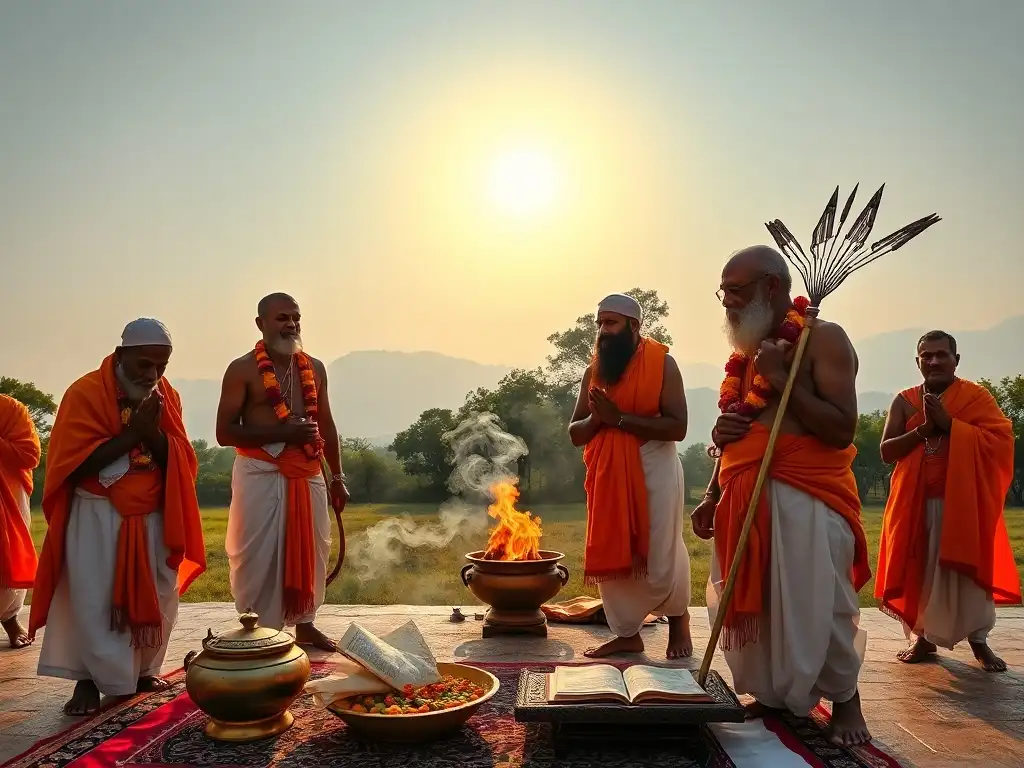
Welcome to Ancient India History, where we invite you to embark on a fascinating journey through the rich tapestry of ancient Indian civilizations. From the sophisticated urban planning of the Indus Valley to the intellectual advancements during the Gupta Empire, our exploration delves deep into the diverse history and culture that shaped a vibrant society.
In our featured article, "Vedic Rituals: A Window into the Spiritual Lives of Ancient Indians," we uncover the profound significance of Vedic rituals, revealing how these ancient practices not only connected people to the divine but also served as a cornerstone of societal structure. Prepare to ignite your curiosity and discover the spiritual framework that guided the lives of millions in ancient India—read on to learn more!
- Introduction to Vedic Rituals in Ancient India
- Historical Context of Vedic Rituals
- Key Components of Vedic Rituals
- Types of Vedic Rituals in Ancient India
- Vedic Texts as Sources of Ritual Knowledge
- Spiritual Significance of Vedic Rituals
- Vedic Rituals in Contemporary Hindu Practices
- Conclusion: The Legacy of Vedic Rituals in Ancient India
- Frequently Asked Questions
- Final Reflection: The Enduring Legacy of Vedic Rituals in Ancient India
- Unveil the Spiritual Wisdom of Ancient India!
Introduction to Vedic Rituals in Ancient India
The ancient Indian civilization, renowned for its rich tapestry of history and spirituality, offers a profound glimpse into the lives of its people through the lens of Vedic rituals. These rituals, deeply embedded within the Vedic texts, played a pivotal role in shaping the spiritual and cultural framework of early Indian society.
As we explore the significance of these practices, we unveil the intricate connections between the Vedic rituals and the overarching philosophies of Hinduism, allowing us to comprehend how they influenced not only religious life but also social structures and community interactions. This exploration into Vedic rituals in ancient India invites us to appreciate the enduring legacy of these spiritual practices and their contributions to the evolution of Indian thought.
Understanding the Importance of Vedic Rituals
Vedic rituals, often referred to as "Yajnas," were central to the spiritual lives of ancient Indians, serving multiple purposes that extended beyond mere religious observance.
-
Spiritual Significance:
These rituals were seen as a means to connect with the divine, facilitating communication between the earthly and the celestial realms. They were believed to invoke the blessings of various deities, ensuring prosperity, health, and harmony in the community.
-
Social Cohesion:
Participating in Vedic rituals fostered a sense of unity among community members. These ceremonies were often communal events, strengthening social bonds and reinforcing a collective identity centered around shared beliefs and practices.
-
Cosmological Understanding:
The rituals encapsulated a profound understanding of the universe and human existence. They reflected the ancient Indians’ worldview, which emphasized the interconnectedness of all beings and the cyclical nature of life, death, and rebirth.
-
Cultural Transmission:
Through the performance of these rituals, knowledge and traditions were passed down through generations. The oral transmission of Vedic hymns and the meticulous execution of rituals ensured the preservation of cultural identity.
Overview of Ancient Indian Spiritual Practices
The spiritual landscape of ancient India was diverse and multifaceted, with Vedic rituals at its core.
-
Vedic Texts:
The foundation of these rituals is found in the Vedas, the oldest sacred scriptures of Hinduism, composed around 1500 BCE. The texts not only detail the rituals themselves but also provide philosophical insights into the purpose and meaning behind them.
-
Types of Rituals:
Vedic rituals encompassed various types, including:
- Soma Yajnas: Rituals involving the consumption of the sacred Soma drink, believed to confer immortality and divine insight.
- Agni Yajnas: Fire rituals that honored Agni, the fire god, and symbolized purification and transformation.
- Nitya Yajnas: Daily rituals that reinforced the connection between the individual and the cosmos.
-
Ritual Instruments:
Specific tools and offerings were integral to these rituals, such as the sacred fire, ritual vessels, and offerings of grains and ghee, each serving a symbolic purpose in facilitating the connection with the divine.
Vedic rituals represent a vital aspect of ancient Indian culture, encapsulating the spiritual, social, and philosophical dimensions of life. By delving into these practices, we gain insight into the spiritual lives of ancient Indians and the enduring impact of their beliefs on subsequent generations.
Historical Context of Vedic Rituals
The Origins of Vedic Rituals in Ancient India
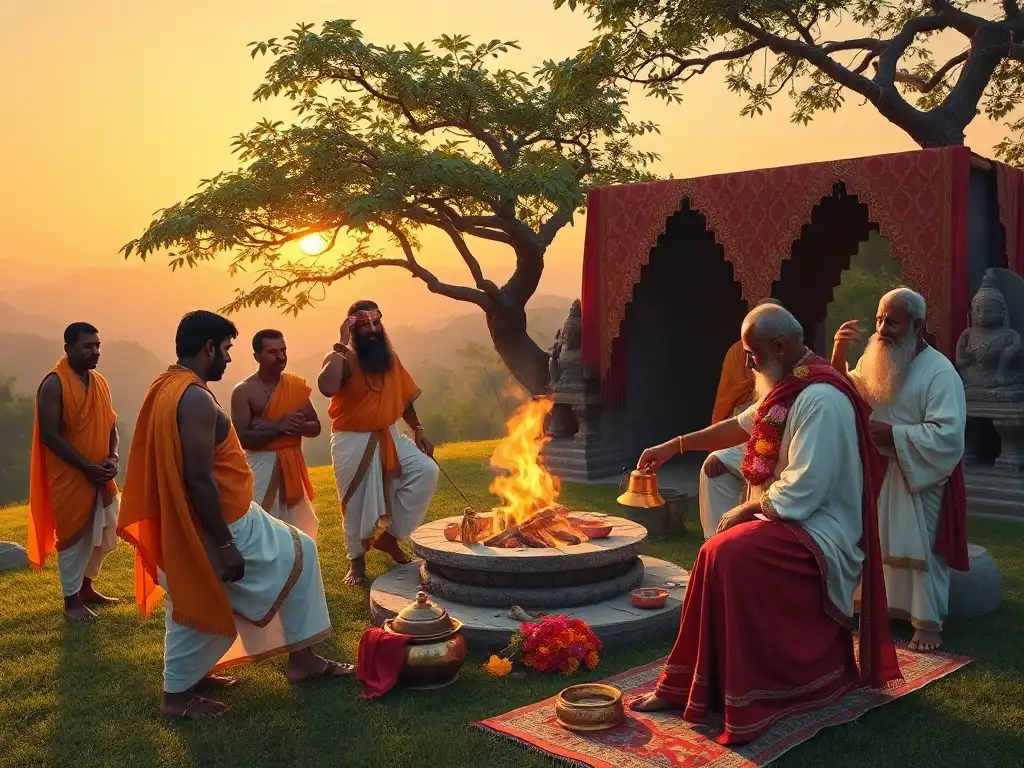
Vedic rituals in ancient India can be traced back to the early Vedic period, approximately between 1500 and 500 BCE. This era witnessed the emergence of the Vedas, the oldest sacred texts of Hinduism, which laid the foundational doctrines and practices that shaped the spiritual landscape of ancient Indian civilization. The term "Veda" translates to "knowledge," and these texts encapsulated a rich tapestry of hymns, prayers, and philosophical discourses that guided the spiritual and social practices of the time.
The origins of these rituals are deeply embedded in the socio-cultural milieu of early Indo-Aryan society. The Rigveda, the oldest of the four Vedas, is replete with hymns that invoke various deities, reflecting the agrarian and pastoral lifestyle of the Vedic people. The rituals were primarily centered around Yajna (sacrificial fire offerings), which were believed to appease the gods and ensure prosperity, health, and protection for the community.
Vedic rituals also incorporated the use of specific mantras (sacred chants) and samskaras (sacraments), which played crucial roles in various life stages, from birth to death. The meticulous performance of these rituals was seen as vital for maintaining Rita, the cosmic order, thus linking the microcosm of human life with the larger universe.
Timeline of Vedic Practices through Different Eras
The evolution of Vedic rituals can be categorized into several key phases that highlight their transformation and adaptation over time:
- Early Vedic Period (1500-1000 BCE)
- Emphasis on Agni (the fire god) as the central figure in rituals.
- Rituals primarily performed by Brahmins, the priestly class, focusing on communal offerings.
- Introduction of Homa, a fire sacrifice that involved offerings to deities.
- Later Vedic Period (1000-600 BCE)
- Development of more complex rituals and ceremonies.
- Emergence of the Yajurveda, which provided detailed instructions for rituals.
- Increased focus on individual spiritual practices alongside communal rituals.
- Post-Vedic Period (600 BCE-300 CE)
- Transition towards philosophical discourses, as seen in the Upanishads.
- Integration of rituals with ascetic practices, emphasizing personal enlightenment.
- Influence of the Bhagavad Gita, which synthesized Vedic thought with new spiritual ideas.
- Gupta Period (300-550 CE)
- Rituals became more institutionalized with the establishment of temples.
- The rise of elaborate temple rituals and festivals, shaping community life.
- Continued emphasis on the performance of Vedic rituals as a means of achieving moksha (liberation).
Understanding the timeline of Vedic practices reveals not only the continuity of these rituals but also their ability to adapt to changing societal norms and philosophical ideas. This dynamic evolution underscores the significance of Vedic rituals in ancient India as a means of connecting the material and spiritual realms, contributing to the rich tapestry of Hindu tradition.
Key Components of Vedic Rituals
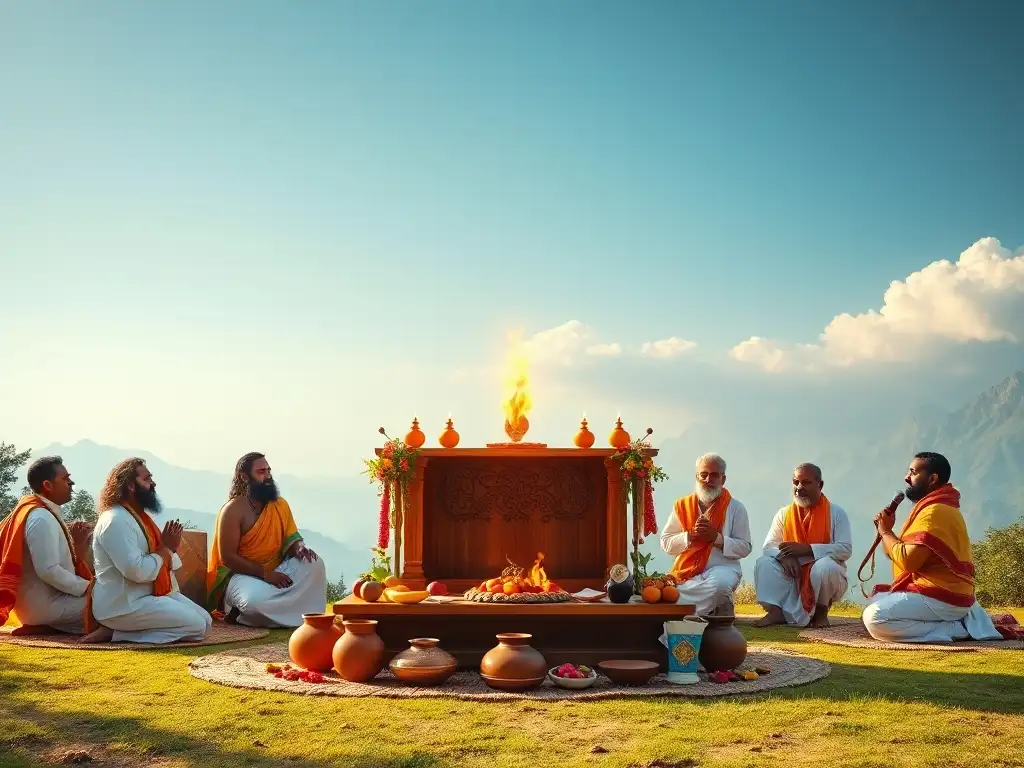
Vedic rituals in ancient India form a central aspect of the spiritual and cultural fabric of early Indian civilization. These rituals were meticulously structured and imbued with deep meaning, serving as a bridge between the physical and spiritual realms. Understanding the key components of these rituals provides crucial insights into the beliefs, practices, and societal norms of ancient Indians.
The Role of Mantras in Vedic Rituals
Mantras, the sacred sounds or phrases recited during Vedic rituals, hold profound significance. These verbal incantations are not merely tools for communication but are believed to possess inherent spiritual power.
- Phonetic Precision: The pronunciation of each mantra is considered critical. The Vedas emphasize exact phonetics, as even slight variations can alter the intended spiritual effect.
- Types of Mantras: Mantras can be grouped into various categories, such as:
- Sama Veda Mantras: Used for melodic recitation.
- Yajur Veda Mantras: Primarily employed during sacrificial rituals.
- Rig Veda Mantras: Focused on hymns and praises to deities.
- Psychological Impact: Reciting mantras is believed to create a meditative state, enhancing the practitioner's focus and connection with the divine. This practice also reflects the understanding of sound vibrations and their role in influencing consciousness.
The intricate use of mantras in Vedic rituals exemplifies a sophisticated approach to spirituality that values both linguistic precision and the transformative power of sound.
Significance of Yajnas (Sacrificial Offerings)
Yajnas, or sacrificial offerings, are a cornerstone of Vedic rituals and symbolize the reciprocal relationship between humans and deities. These offerings are not just acts of devotion but are seen as essential for maintaining cosmic order and harmony.
- Purpose of Yajnas: The primary objectives include:
- Atonement: Seeking forgiveness for sins.
- Prosperity: Invoking blessings for wealth and fertility.
- Protection: Offering safety against malevolent forces.
- Types of Yajnas: Various forms of yajnas were performed, such as:
- Agnihotra: A daily fire ritual aimed at purification.
- Ashvamedha: A royal horse sacrifice that symbolizes sovereignty.
- Community Involvement: Yajnas often involved communal participation, reinforcing social bonds and collective identity. The collective chanting of mantras and the offering of oblations to the sacred fire brought the community together in worship.
The significance of yajnas extends beyond religious observance; they embody the ethos of cooperation and shared beliefs that characterized ancient Indian society.
Use of Ritual Objects and Altars in Vedic Ceremonies
The physical aspects of Vedic rituals, including ritual objects and altars, play a crucial role in facilitating the spiritual experience. These elements are carefully crafted and symbolically rich, reflecting the intricate beliefs of the time.
- Ritual Objects: Various items are used, including:
- Homa Kunda: A fire pit for offerings.
- Spoon (Samidha): Wooden twigs used to offer ghee into the fire.
- Cups and Plates: For holding offerings and receiving blessings.
- Construction of Altars: The altars, or Vedi, are designed with specific measurements and orientations, believed to influence the efficacy of the ritual.
- Symbolism and Geometry: The shapes and layouts of these objects often reflect cosmic principles, aligning with the belief in the sacred geometry that governs the universe.
By examining the use of ritual objects and altars, we gain a clearer understanding of how ancient Indians materialized their spirituality, transforming everyday items into conduits of divine connection.
The key components of Vedic rituals—mantras, yajnas, and ritual objects—are integral to understanding the spiritual lives of ancient Indians. These elements reveal a complex interplay of language, community involvement, and material culture, all contributing to the rich tapestry of Vedic tradition.
Types of Vedic Rituals in Ancient India
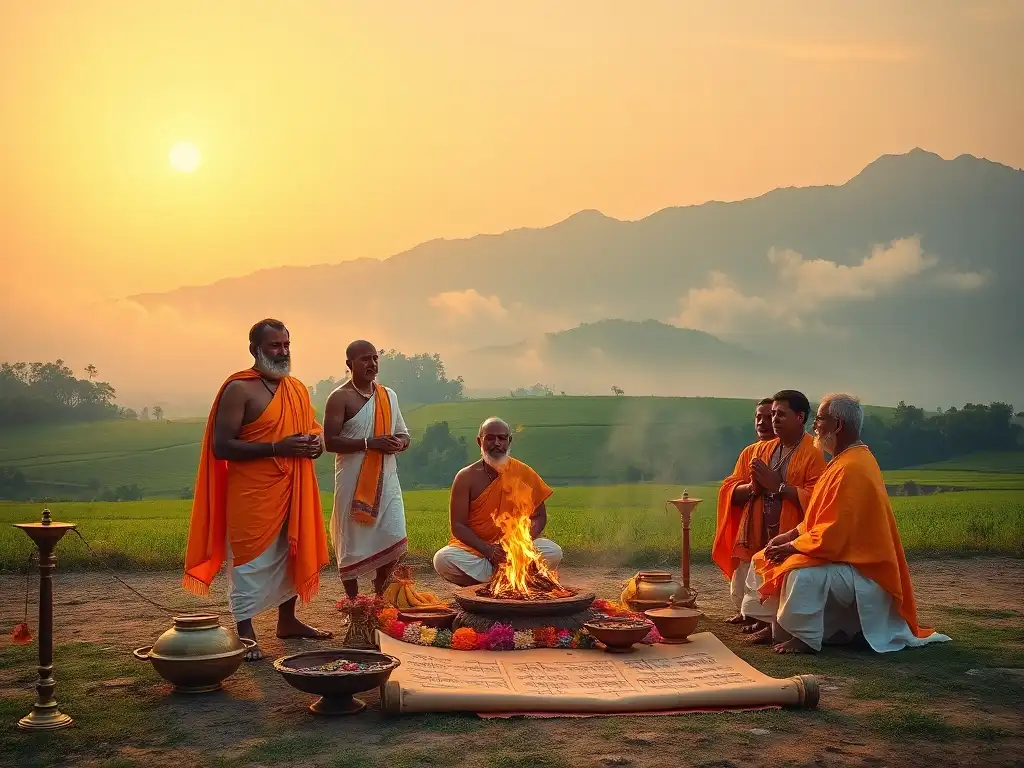
The Vedic period is characterized by a rich tapestry of rituals that not only served spiritual purposes but also reinforced social and community bonds among ancient Indians. These rituals can be broadly classified into three categories: domestic rituals, public rituals, and seasonal rituals. Each type reflects the multifaceted nature of Vedic traditions and their deep connection to daily life, community, and the natural world.
Domestic Rituals: Daily Practices and Their Importance
Domestic rituals in ancient India were integral to the spiritual lives of families and individuals. These practices were often performed at home and were designed to cultivate a sense of sanctity and divine presence in everyday life.
- Agni Sthaapana (Establishment of Fire):
- This ritual involved the consecration of a sacred fire in the household, symbolizing the presence of Agni, the fire god.
- Families would offer oblations (havis) into the fire during daily prayers, fostering a direct connection to the divine.
- Nitya Yajnas (Daily Sacrifices):
- These were regular offerings made to deities, typically conducted in the morning and evening.
- The rituals included chanting of specific mantras, which were believed to maintain cosmic order and bring prosperity to the household.
- Ritual Purity:
- Domestic rituals often emphasized the importance of ritual purity, influencing daily routines such as bathing, dietary restrictions, and the use of sacred texts.
- Maintaining purity was seen as essential for spiritual advancement and familial harmony.
The significance of these rituals extended beyond mere observance; they acted as a means to instill values, ensure protection, and invite blessings into the home.
Public Rituals: Community Involvement in Vedic Traditions
Public rituals played a pivotal role in the social and spiritual fabric of ancient Indian society. These events brought communities together, fostering unity and reinforcing cultural identity.
- Soma Yajna:
- A key public ritual involving the extraction and offering of soma, a sacred plant believed to confer immortality.
- This ritual was often conducted during festivals and included communal chanting and feasting, strengthening social bonds among participants.
- Ashvamedha (Horse Sacrifice):
- This grand ritual was performed by kings to assert their sovereignty and divine right to rule.
- The ritual involved the release of a consecrated horse to roam freely; wherever it wandered, the territory was claimed by the king.
- Prayaschitta (Atonement Rituals):
- Public atonement rituals were conducted to rectify communal wrongdoings and restore harmony.
- These rituals emphasized the collective responsibility of the community towards maintaining dharma (cosmic order).
Public rituals not only facilitated communal participation but also served as a reminder of shared beliefs and values that transcended individual households.
Seasonal Rituals: Celebrating Nature and Time Cycles
Seasonal rituals in ancient India were closely tied to the agricultural calendar and the cycles of nature. These rituals celebrated the changing seasons and honored the deities associated with natural phenomena.
- Makar Sankranti:
- This festival marks the winter solstice and the transition of the sun into the zodiac sign of Capricorn.
- Celebrated with communal feasts, kite flying, and rituals to honor the sun god, it symbolizes the end of winter and the arrival of longer days.
- Vasant Panchami:
- Dedicated to Saraswati, the goddess of knowledge and arts, this festival heralds the arrival of spring.
- Rituals include the worship of books and musical instruments, followed by vibrant celebrations reflecting the joy of renewal.
- Harvest Festivals:
- Various regional harvest festivals, such as Pongal and Baisakhi, involved rituals of gratitude toward deities for a bountiful harvest.
- These celebrations included communal prayers, music, dance, and feasting, reflecting the interconnectedness of agriculture, culture, and spirituality.
Seasonal rituals not only acknowledged the cyclical nature of life but also reinforced the community’s relationship with the environment, emphasizing gratitude and respect for the forces of nature.
The diverse types of Vedic rituals in ancient India—domestic, public, and seasonal—highlight the intricate interplay between spirituality, community, and the natural world. These rituals served as vital expressions of faith and cultural identity, shaping the spiritual lives of ancient Indians and leaving a lasting legacy that continues to influence practices today.
Vedic Texts as Sources of Ritual Knowledge
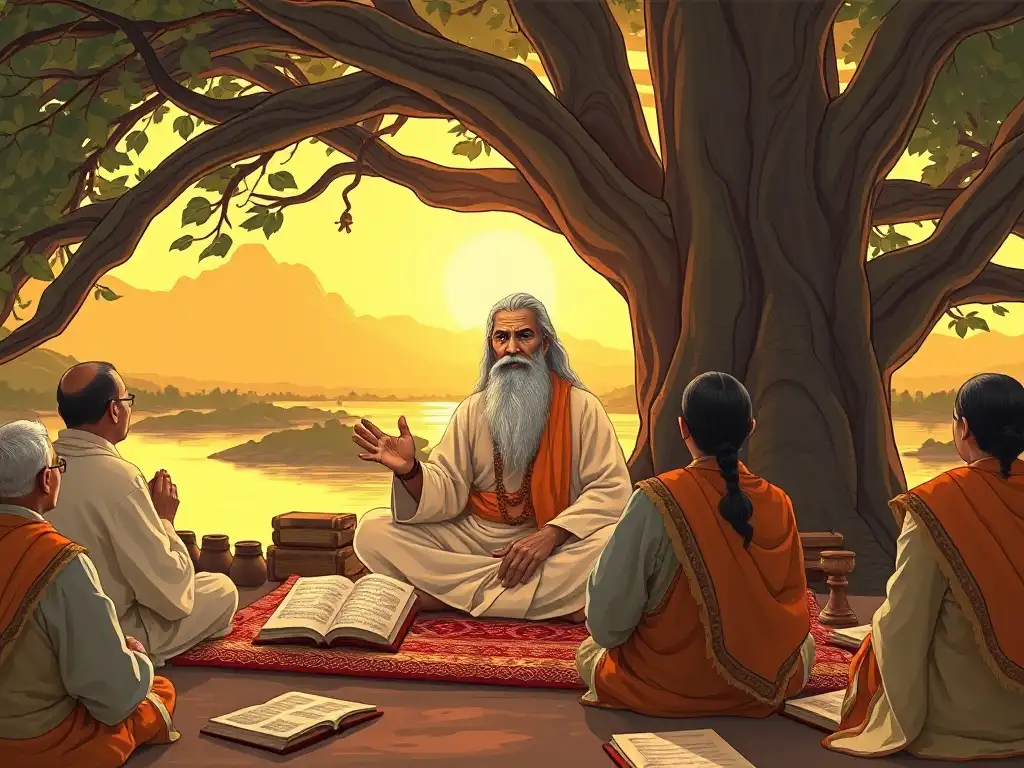
Overview of the Vedas: Rigveda, Samaveda, Yajurveda, and Atharvaveda
The Vedas are a collection of ancient texts that form the foundation of Vedic rituals in ancient India. Composed in Sanskrit, these texts are divided into four main collections: the Rigveda, Samaveda, Yajurveda, and Atharvaveda, each serving a distinct purpose in the ceremonial and spiritual life of ancient Indians.
- Rigveda: The oldest of the four Vedas, the Rigveda consists of 1,028 hymns (suktas) dedicated to various deities. These hymns are primarily used in rituals and are notable for their poetic quality. The Rigveda emphasizes the importance of ritualistic worship, invoking powers such as Agni (fire), Indra (thunder), and Varuna (cosmic order). It lays the groundwork for the understanding of dharma (duty) and the cosmic principles that govern existence.
- Samaveda: Known as the "Veda of Melodies," the Samaveda focuses on the musical aspects of rituals. It contains chants derived mostly from the Rigveda, arranged in a manner suitable for singing. The Samaveda highlights the importance of sound and rhythm in Vedic rituals, illustrating that the correct pronunciation and intonation of mantras are believed to invoke divine favor.
- Yajurveda: This Veda serves as a manual for rituals, providing detailed instructions for performing sacrifices. It is split into two main parts: the Shukla (White) Yajurveda, which contains prose formulas and specific instructions, and the Krishna (Black) Yajurveda, which includes both prose and mantras. The Yajurveda emphasizes the ritual actions (yajnas) performed to please the gods and ensure harmony in the cosmos.
- Atharvaveda: Distinct from the other three Vedas, the Atharvaveda incorporates a broader range of topics, including spells, charms, and practical rituals for daily life. It reflects the spiritual and social concerns of the people, addressing issues like health, prosperity, and protection from evil. The Atharvaveda's emphasis on domestic rituals showcases the integration of spirituality into everyday life.
These four Vedas collectively provide a comprehensive guide to Vedic rituals in ancient India, illustrating the intricate relationship between spirituality, society, and the cosmos.
The Upanishads and Their Influence on Ritual Practices
The Upanishads, a collection of philosophical texts that explore the concepts found in the Vedas, profoundly influenced Vedic rituals in ancient India. Composed later than the Vedas, these texts shift the focus from ritualistic practices to the underlying spiritual principles, emphasizing the pursuit of knowledge (jnana) and the realization of the self (atman).
- Philosophical Shift: The Upanishads introduce the idea that the ultimate goal of life is to achieve moksha, or liberation from the cycle of birth and rebirth (samsara). This shift in focus encourages practitioners to seek understanding rather than merely performing rituals for material gains. The connection between ritual and philosophical inquiry becomes a central theme in the evolution of Hindu thought.
- Rituals as Means of Realization: While the Upanishads critique excessive ritualism, they do not dismiss rituals altogether. Instead, they depict rituals as a means to attain higher knowledge and self-realization. For instance, the sacrificial rites (yajnas) are viewed as a symbolic representation of the cosmic order, where the individual self (atman) is united with the universal spirit (Brahman).
- Meditative Practices: The Upanishads emphasize meditation (dhyana) as a vital practice alongside Vedic rituals. This integration of meditation into spiritual life allows practitioners to internalize the meanings of rituals, making them more personal and introspective. The practice of meditation fosters a deeper connection with the divine, aligning the ritual with inner spiritual growth.
- Influence on Later Traditions: The teachings of the Upanishads laid the groundwork for later philosophical schools and practices within Hinduism, such as Vedanta and Yoga. These traditions further developed the relationship between ritual and spirituality, demonstrating that the essence of Vedic rituals lies not only in their performance but also in their capacity to lead to profound spiritual insights.
The Upanishads play a pivotal role in shaping the understanding and practice of Vedic rituals in ancient India. By emphasizing the importance of knowledge and meditation, they transform ritual practices into pathways for spiritual growth and self-realization.
Spiritual Significance of Vedic Rituals
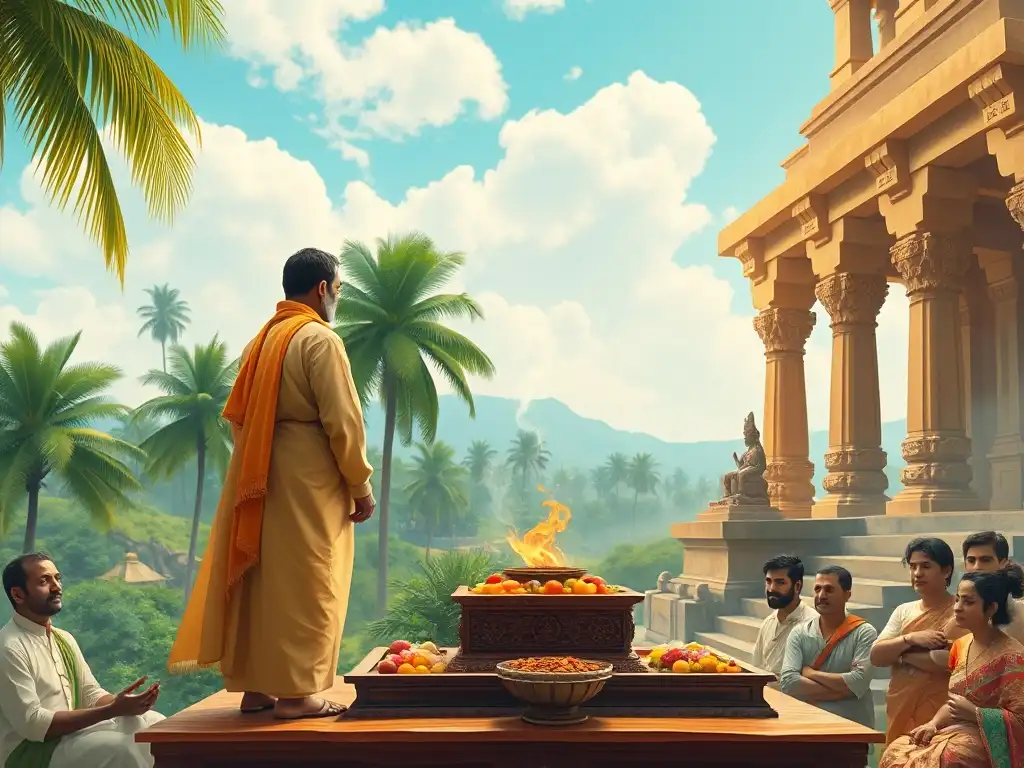
Vedic rituals in ancient India hold profound spiritual significance, acting as a bridge between the material and spiritual realms. These rituals were not merely ceremonial acts; they served as vital practices through which individuals sought to connect with the divine, uphold cosmic order, and foster community ties. In essence, the Vedic ritualistic framework was deeply interwoven with the spiritual fabric of society, reflecting the beliefs and values of ancient Indian civilizations.
The core of Vedic rituals lies in their intention and execution. Each ritual was meticulously designed to invoke specific deities, channeling energy towards particular goals, such as prosperity, health, and spiritual enlightenment. The significance of these rituals can be summarized as follows:
- Sacred Offerings: Rituals often involved offerings (yajna) made to deities, symbolizing gratitude and reverence. These offerings were believed to ensure divine blessings.
- Cosmic Order: The rituals emphasized maintaining Rta, the cosmic order, which was essential for the balance of the universe.
- Community Cohesion: Participating in rituals fostered a sense of community, uniting individuals towards a common spiritual goal.
In this context, Vedic rituals can be seen as a holistic approach to spirituality, integrating individual aspirations with collective responsibilities.
Connection Between Vedic Rituals and Hindu Philosophy
The connection between Vedic rituals and Hindu philosophy is foundational to understanding ancient Indian spirituality. Central to this relationship is the concept that rituals are not isolated events but rather expressions of underlying philosophical principles. The Vedas, as sacred texts, provide the theoretical basis for these practices, articulating the relationship between the spiritual and the material worlds.
Key philosophical concepts linked with Vedic rituals include:
- Brahman and Atman: The Vedic texts emphasize the unity of Brahman (the ultimate reality) and Atman (the individual soul). Rituals serve as a means to realize this connection, allowing practitioners to transcend the physical realm.
- Karma: The principle of karma underscores the belief that every action has consequences. Vedic rituals were viewed as a way to generate positive karma, influencing future lives and spiritual progress.
- Purusharthas: The four aims of human life—Dharma (righteousness), Artha (prosperity), Kama (pleasure), and Moksha (liberation)—are integral to Hindu philosophy. Vedic rituals played a crucial role in pursuing these aims, providing a structured approach to achieving a balanced life.
Through this lens, it becomes clear that Vedic rituals were not merely practices but profound expressions of a deeper philosophical understanding, offering insights into the nature of existence and the path to spiritual fulfillment.
The Role of Rituals in Achieving Dharma, Artha, Kama, and Moksha
The Vedic rituals in ancient India were intricately linked to the four sacred goals of life: Dharma, Artha, Kama, and Moksha. Each of these aims represents a crucial aspect of human experience, and rituals provided a framework for pursuing them.
- Dharma (Righteousness):
- Vedic rituals often reinforced the principles of Dharma, guiding individuals in moral and ethical conduct. Rituals such as Samskaras (sacraments) helped in character formation and societal responsibility.
- Artha (Prosperity):
- Economic well-being was facilitated through rituals that invoked abundance. Agricultural rituals, for instance, aimed to ensure a bountiful harvest, contributing to the welfare of the community.
- Kama (Pleasure):
- While Vedic rituals focused on spiritual advancement, they also acknowledged the importance of pleasure in life. Rituals related to love, family, and personal fulfillment were essential for a balanced existence.
- Moksha (Liberation):
- The ultimate goal of many Vedic rituals was to facilitate the attainment of Moksha. This involved practices aimed at self-realization and liberation from the cycle of birth and rebirth. Rituals such as Antyesti (funeral rites) were designed to aid the soul's transition to the afterlife, embodying the belief in spiritual continuity.
Vedic rituals served as comprehensive practices that not only addressed the spiritual needs of individuals but also provided a structured approach to achieving the goals of life in ancient Indian society. By understanding these connections, one can appreciate the depth and richness of Vedic traditions and their enduring impact on Hindu philosophy.
Vedic Rituals in Contemporary Hindu Practices
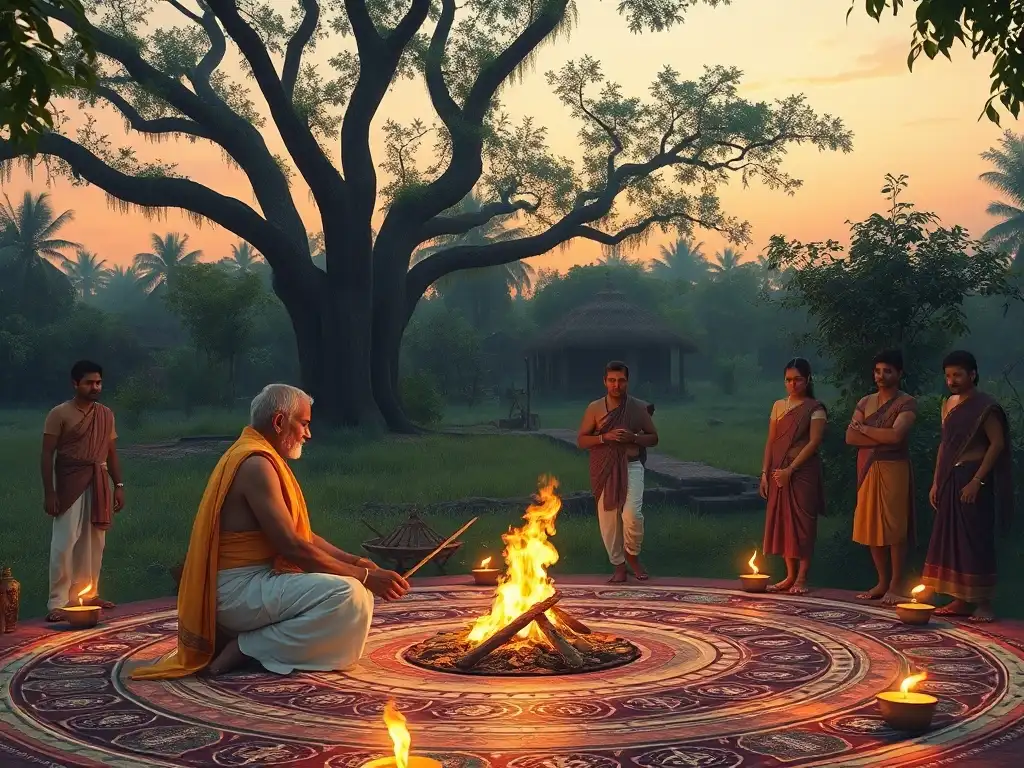
Vedic rituals, deeply embedded in the spiritual fabric of ancient Indian civilization, continue to influence contemporary Hindu practices. These rituals, originating from the Vedas, the oldest sacred texts of Hinduism, were designed to maintain cosmic order and promote harmony between the divine and the earthly realms. Today, many of these ancient practices manifest in various forms across Hindu rituals, ceremonies, and festivals.
Hinduism's rich tradition is characterized by a plethora of rituals, many of which can be traced back to Vedic times. While the core principles of Vedic rituals remain intact, their expressions have evolved. For instance, the fire sacrifice (yajna), a central element of Vedic rituals, is still performed during significant life events such as marriages and housewarmings, albeit with modifications to suit modern contexts.
Evolution of Vedic Rituals Over Time
The evolution of Vedic rituals can be observed through different phases of Indian history, characterized by socio-political changes and cultural shifts:
- Vedic Period (1500 - 500 BCE):
- The earliest Vedic rituals were predominantly performed by priests (Brahmins) and were closely tied to agriculture and seasons.
- Rituals aimed at appeasing nature deities, ensuring bountiful harvests, and invoking blessings for prosperity.
- Post-Vedic Developments (500 BCE - 200 CE):
- The rise of philosophical texts like the Upanishads shifted focus from ritualistic practices to introspection and meditation.
- Some rituals became more symbolic, emphasizing personal spirituality over communal ceremonies.
- Medieval Period (200 CE - 1200 CE):
- The integration of local practices and the emergence of various sects led to the diversification of rituals.
- While many Vedic rituals persisted, they were often adapted to include regional deities and local customs.
- Modern Era (1200 CE - Present):
- The colonial period and subsequent independence introduced new interpretations of Vedic texts and rituals.
- Contemporary Hinduism often blends traditional Vedic practices with modern values, promoting inclusivity and accessibility.
This evolution illustrates how Vedic rituals have been responsive to the changing needs and beliefs of society, demonstrating their enduring relevance.
How Ancient Vedic Rituals Influence Modern Hindu Rituals
Ancient Vedic rituals continue to influence modern Hindu practices in several significant ways:
- Ritual Structure: Many contemporary Hindu rituals mirror the structure of ancient yajnas, including offerings to deities, recitation of mantras, and communal participation. For instance, the practice of lighting a lamp during prayers draws from Vedic fire rituals.
- Community and Family: Vedic rituals emphasized the importance of community. Today, rituals such as pujas (worship ceremonies) often involve family and community members, fostering social bonds and shared spiritual experiences.
- Symbolism and Meaning: The symbolism inherent in Vedic rituals, such as the significance of fire (Agni) as a divine witness, remains a central theme in modern practices. Rituals are imbued with layers of meaning that connect practitioners to their ancestry and spiritual heritage.
- Adaptation to Modern Contexts: Many modern rituals have adapted Vedic elements to resonate with contemporary values. For example, eco-friendly practices during festivals such as Diwali reflect the Vedic principle of respecting nature.
Vedic rituals in ancient India not only laid the foundation for spiritual practices but also evolved over time, adapting to social changes and cultural transformations. Their influence is palpable in contemporary Hindu rituals, demonstrating the resilience and continuity of ancient traditions in modern spiritual life.
Conclusion: The Legacy of Vedic Rituals in Ancient India
The legacy of Vedic rituals in ancient India is profound and multifaceted, encompassing not just spiritual practices but also the very fabric of societal norms and cultural identity. These rituals, rooted in the Vedas, served as a bridge connecting the divine and the mundane, allowing ancient Indians to navigate their spiritual journeys while reinforcing their social structures. The meticulous nature of these rites, often involving elaborate ceremonies and recitations, highlights the importance placed on ritualistic precision and the belief that such practices could influence the cosmos.
Vedic rituals were often performed during crucial life events such as birth, marriage, and death, embedding spiritual significance into the everyday lives of individuals. The rituals' intricate designs were intended to invoke blessings from deities, ensuring prosperity and harmony within the community. As such, the practices were not limited to individual worship but were communal events that reinforced social bonds.
Reflection on the Spiritual Lives of Ancient Indians
The spiritual lives of ancient Indians were deeply intertwined with Vedic rituals, which provided a structured approach to understanding the cosmos and the individual's place within it. These rituals reflected a worldview that emphasized the importance of dharma (duty/righteousness), artha (prosperity), kama (pleasure), and moksha (liberation), guiding individuals toward a balanced and meaningful existence.
- Ritual Significance: Each ritual was imbued with layers of meaning, often symbolizing larger cosmic principles. For instance, the Agnihotra, a fire ritual, not only served as an offering to deities but also represented the element of fire as a purifying force.
- Community and Identity: Participation in Vedic rituals fostered a sense of belonging and identity among participants. The communal nature of these ceremonies reinforced social hierarchies and roles, illustrating the interconnectedness of individual and community spirituality.
- Transmission of Knowledge: The oral transmission of Vedic hymns and rituals ensured the preservation of spiritual knowledge across generations. This tradition of learning underscores how deeply the rituals were embedded in the educational fabric of ancient Indian society.
In essence, Vedic rituals were more than mere ceremonies; they were a manifestation of the ancient Indian ethos, shaping not only individual spiritual lives but also the collective consciousness of society.
The Enduring Impact of Vedic Rituals in Today’s Society
The influence of Vedic rituals extends far beyond ancient times, resonating in contemporary practices and beliefs. Today, elements of these ancient rituals can be observed in various religious ceremonies and cultural traditions, underscoring their enduring relevance.
- Modern Hindu Practices: Many Hindu rituals performed today, such as weddings and festivals, retain elements of Vedic traditions. The recitation of Vedic mantras continues to be integral to religious observances, reflecting a direct lineage to ancient practices.
- Cultural Festivals: Festivals like Diwali and Makar Sankranti incorporate Vedic principles, with rituals aimed at invoking prosperity and harmony, mirroring ancient agricultural and solar cycles.
- Spiritual Movements: Contemporary spiritual movements often draw upon Vedic philosophy, promoting practices such as meditation and yoga that have roots in Vedic thought. These practices emphasize the holistic connection between body, mind, and spirit, echoing the ancient pursuit of moksha.
The legacy of Vedic rituals in ancient India not only shaped the spiritual lives of individuals but also laid the groundwork for many aspects of modern Hindu culture. The reverberations of these ancient practices continue to impact society today, serving as a testament to the rich and enduring heritage of Vedic traditions. As we explore the depths of these rituals, we gain a clearer understanding of the spiritual framework that guided ancient Indians and continues to inspire millions around the world.
Frequently Asked Questions
What are Vedic rituals in ancient India?
Vedic rituals are ceremonial practices derived from the Vedas, the oldest sacred texts of Hinduism. They include offerings, chants, and sacrifices performed to honor deities and seek blessings.
How did Vedic rituals influence ancient Indian culture?
These rituals played a crucial role in shaping social structures, religious beliefs, and daily life in ancient India, integrating spirituality into the lives of individuals and communities.
What was the significance of sacrifices in Vedic rituals?
Sacrifices were performed to appease gods and ensure prosperity. They symbolized the reciprocal relationship between humans and the divine, highlighting the importance of gratitude and harmony.
How are Vedic rituals connected to modern Hindu practices?
Many modern Hindu practices, such as puja and yajna, are rooted in ancient Vedic rituals. This continuity reflects the enduring influence of Vedic traditions in contemporary spiritual life.
Can we find evidence of Vedic rituals in archaeological findings?
Yes, archaeological sites have uncovered artifacts, such as fire altars and ritual objects, that provide insights into the ceremonial practices and spiritual beliefs of ancient Indians.
Final Reflection: The Enduring Legacy of Vedic Rituals in Ancient India
Vedic rituals in ancient India serve as a profound testament to the spiritual and cultural fabric of a civilization that has shaped human thought for millennia. Today, as we navigate a world increasingly driven by technology and materialism, the insights gleaned from these ancient practices remind us of the importance of connection—both to the divine and to each other. The essence of these rituals transcends time, urging us to explore the depths of our own spirituality and the values that bind us as a community.
The influence of Vedic rituals continues to resonate in contemporary society, shaping not only religious practices but also cultural traditions across the globe. These rituals encapsulate a worldview that emphasizes harmony, respect for nature, and the pursuit of knowledge. As we witness a resurgence of interest in holistic living and mindfulness, we can draw parallels to the wisdom embedded in Vedic practices. The Vedas are the foundation of Indian culture, and their teachings are timeless, offering guidance for living a life of purpose and integrity.
This ongoing relevance invites us to reflect on how these ancient teachings can inform our modern lives.
As you ponder the insights shared in this article, I encourage you to embrace the lessons of Vedic rituals in your own journey. Consider how you can integrate mindfulness, reverence for nature, and community connection into your daily life. Let the wisdom of ancient India inspire you to cultivate a deeper spiritual practice and foster a sense of unity with those around you. In doing so, you not only honor the legacy of Vedic rituals but also contribute to a more harmonious and meaningful existence in today's fast-paced world.
Unveil the Spiritual Wisdom of Ancient India!
Thank you for exploring the fascinating world of Vedic rituals with us! You've uncovered insights into the spiritual lives of ancient Indians, which can inspire your own journey towards understanding and mindfulness. Now, let’s take the next steps together to deepen your connection to this rich heritage!
Here’s how you can continue your exploration:
- Dive deeper into Vedic texts: Start reading the Rigveda or the Upanishads to experience firsthand the profound spiritual teachings they offer.
- Share the knowledge: Discuss Vedic rituals with friends or join a community group to explore their significance together.
- Practice mindfulness: Incorporate a simple meditation technique inspired by Vedic traditions into your daily routine to connect with the wisdom of ancient practices.
As you continue your journey, consider what aspect of Vedic rituals resonates with you the most and how you might incorporate it into your life today.