
How Ancient Indian Art Forms Addressed Social Issues

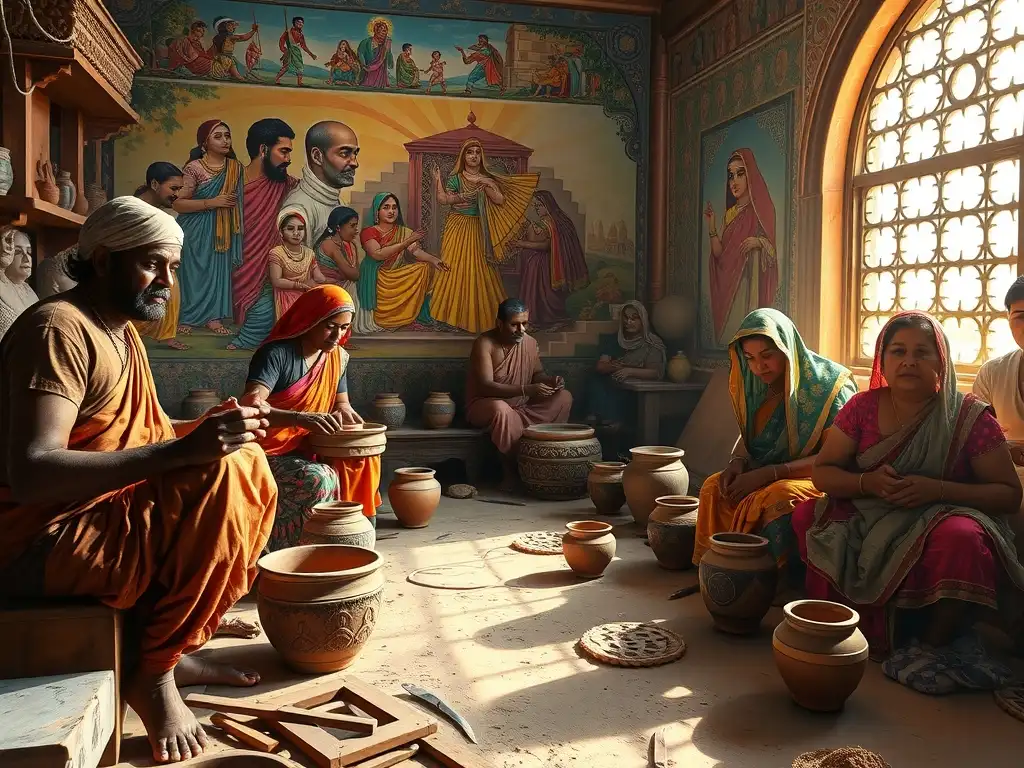
Welcome to Ancient India History, where we embark on a journey through time to uncover the rich tapestry of ancient Indian civilizations. In our featured article, "How Ancient Indian Art Forms Addressed Social Issues," we delve into the fascinating interplay between art and society in ancient India. Discover how creative expressions not only reflected cultural values but also provoked thought and inspired change. Join us as we explore the profound impact of ancient Indian art and its enduring legacy—there's so much more waiting for you beyond this introduction!
- Introduction to Ancient Indian Art and Society
- Historical Background of Ancient Indian Art
- Social Issues Reflected in Ancient Indian Art
- Techniques and Materials Used in Ancient Indian Art
- Case Studies of Specific Art Forms Addressing Social Issues
- The Influence of Ancient Indian Art on Modern Society
- Conclusion: The Legacy of Ancient Indian Art in Addressing Social Issues
-
Frequently Asked Questions
- What are the primary themes of ancient Indian art?
- How did ancient Indian art contribute to social change?
- What role did religion play in ancient Indian art?
- Are there notable ancient Indian art forms that specifically address societal issues?
- How did the Gupta Empire influence ancient Indian art and society?
- Final Reflection: The Enduring Legacy of Ancient Indian Art in Addressing Social Issues
- Unleash the Power of Art for Social Change!
Introduction to Ancient Indian Art and Society
Ancient Indian art is a profound reflection of the rich cultural tapestry and social dynamics that characterized the subcontinent from prehistoric times through the late medieval period. This intricate artistry not only served aesthetic purposes but also played a pivotal role in addressing and reflecting societal issues of the time. From the urban sophistication of the Indus Valley Civilization to the spiritual themes prevalent during the Gupta Empire, ancient Indian art forms encompass a variety of expressions, including sculpture, painting, pottery, and textiles.
This article delves into how these artistic endeavors engaged with and responded to social challenges, beliefs, and aspirations. By examining different art forms, we can gain insights into the values and issues that shaped ancient Indian society and how artists served as both commentators and catalysts for change. Understanding ancient Indian art and society is essential for appreciating the legacy of these civilizations and their enduring influence on contemporary culture.
Overview of Ancient Indian Art Forms
Ancient Indian art is incredibly diverse, spanning various regions, cultures, and periods. Major forms include:
- Sculpture:
- Stone and bronze sculptures depicting deities, animals, and human figures.
- Notable examples include the intricate carvings of the Ajanta and Ellora Caves.
- Painting:
- Frescoes and miniatures that illustrate mythological stories and daily life.
- The Mughal era brought about a unique blend of Persian and Indian styles.
- Pottery:
- Terracotta figures from the Indus Valley, often used in rituals.
- Painted pottery from various regions showcasing local motifs and themes.
- Textiles:
- Weaving techniques that produced colorful fabrics used in both daily life and ceremonial contexts.
- The significance of block printing and embroidered textiles in social and economic spheres.
These art forms not only reflect the aesthetic values of their times but also narrate the social narratives that were central to ancient Indian life.
Art in ancient India was not merely a decorative endeavor; it served as a powerful medium for social commentary and reflection. Some key aspects include:
- Cultural Identity:
- Art forms were instrumental in expressing regional identities, allowing communities to showcase their unique cultural heritage.
- Ritual and Religion:
- Many artworks were created for religious purposes, reinforcing societal norms and values while facilitating communal worship and cohesion.
- Social Justice:
- Artists often addressed social inequalities and injustices through their works, challenging the status quo and advocating for change.
- Education and Moral Lessons:
- Art served as a tool for education, imparting moral lessons and cultural values to the community through storytelling and symbolism.
Through these various roles, ancient Indian art forms not only enriched the cultural landscape but also fostered a dialogue about pressing social issues, showcasing the profound interconnection between art and society.
Historical Background of Ancient Indian Art
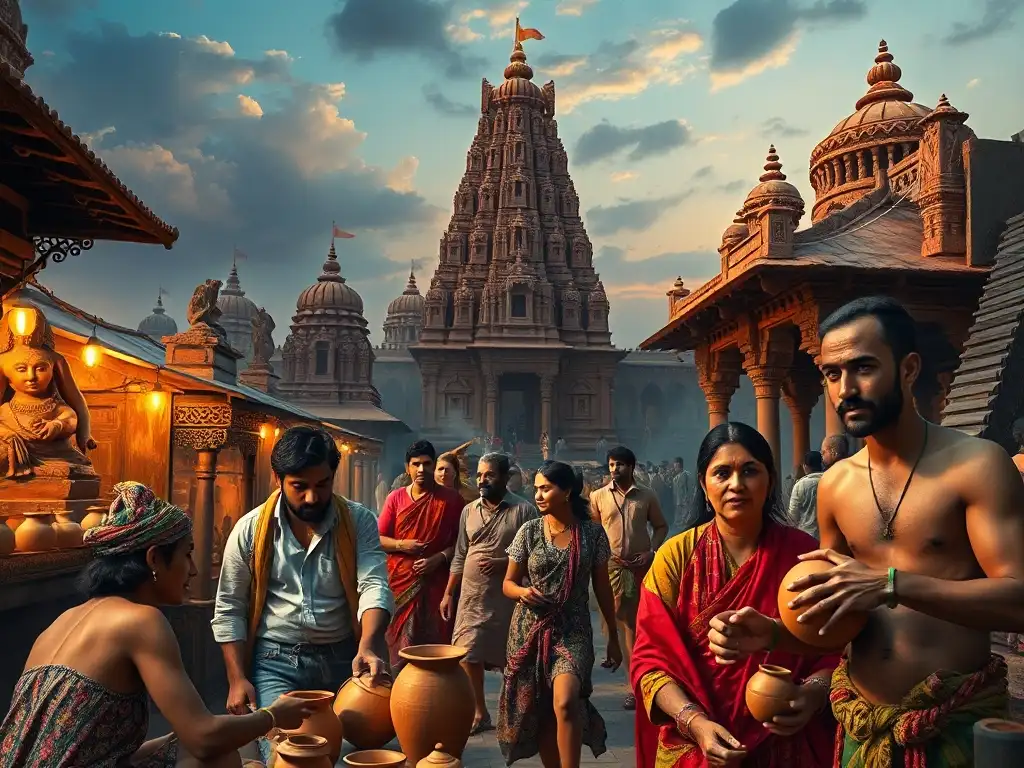
Ancient Indian art is a tapestry woven from the threads of various cultures, religions, and social dynamics that evolved over millennia. This rich heritage reflects not only aesthetic values but also the socio-political realities of the time. From the intricate carvings of the Indus Valley Civilization to the grand frescoes of the Gupta Empire, these art forms serve as a lens through which we can examine the societal issues and cultural narratives of ancient India.
Art in ancient India was deeply intertwined with religion, philosophy, and daily life. It ranged from monumental architecture and sculpture to pottery and textiles, each form providing insight into the values and beliefs of the society that produced it. The patronage of art was often linked to the ruling elite and religious institutions, which played a significant role in shaping the themes and styles of the artwork. As such, ancient Indian art not only served aesthetic purposes but also acted as a medium for social commentary and reflection on contemporary issues.
Evolution of Art Forms in Ancient India
The evolution of art forms in ancient India can be categorized into several key phases, each marked by unique characteristics and influences.
- Indus Valley Civilization (c. 3300–1300 BCE):
- The earliest evidence of artistic expression can be traced back to the Indus Valley, where seals, pottery, and figurines reveal a sophisticated understanding of form and design.
- Notable Features: Terracotta figurines, seals depicting animals and deities, and intricate pottery designs.
- Vedic Period (c. 1500–500 BCE):
- Art during this time was primarily oral and ritualistic, with a focus on music, poetry, and dance.
- Notable Features: The creation of hymns and chants, as well as rudimentary forms of decorative art in pottery.
- Mauryan Empire (c. 322–185 BCE):
- The rise of Buddhism and Jainism led to the proliferation of religious art, including stupas and sculptures.
- Notable Features: The Ashoka Pillars and the Great Stupa at Sanchi, which incorporated intricate carvings depicting Jataka tales.
- Gupta Period (c. 320–550 CE):
- Often referred to as the Golden Age of India, this period saw a flourishing of the arts, particularly in sculpture and painting.
- Notable Features: The exquisite frescoes of Ajanta and the monumental sculptures of Khajuraho, reflecting both religious themes and social narratives.
Major Periods and Their Artistic Contributions
The contributions of different periods in ancient Indian art are significant, each leaving an indelible mark on the cultural landscape.
| Period | Key Contributions | Social Issues Addressed |
|---|---|---|
| Indus Valley Civilization | Seals, pottery, terracotta figurines | Trade relations, urban planning |
| Mauryan Empire | Rock-cut architecture, stupas, and pillar inscriptions | Political power, religious tolerance |
| Gupta Period | Sculpture, literature, and temple architecture | Spirituality, the flourishing of science and philosophy |
The Indus Valley Civilization showcased sophisticated urban planning and trade, hinting at social organization and economic interactions. The Mauryan Empire brought forth monumental architecture that not only demonstrated the power of the state but also served as centers for spiritual gatherings, reflecting a society in which religion played a crucial role in governance. The Gupta Period exemplified a renaissance in art and culture, addressing themes of spirituality and intellectual inquiry, while also portraying social interactions through art that depicted everyday life.
Ancient Indian art forms were not mere representations of beauty but served as vital reflections of society's values, struggles, and aspirations. Their evolution and the contributions of various periods illustrate the dynamic relationship between art and the social issues of the time, making them essential to understanding ancient Indian history and culture.
Representation of Caste and Class in Art
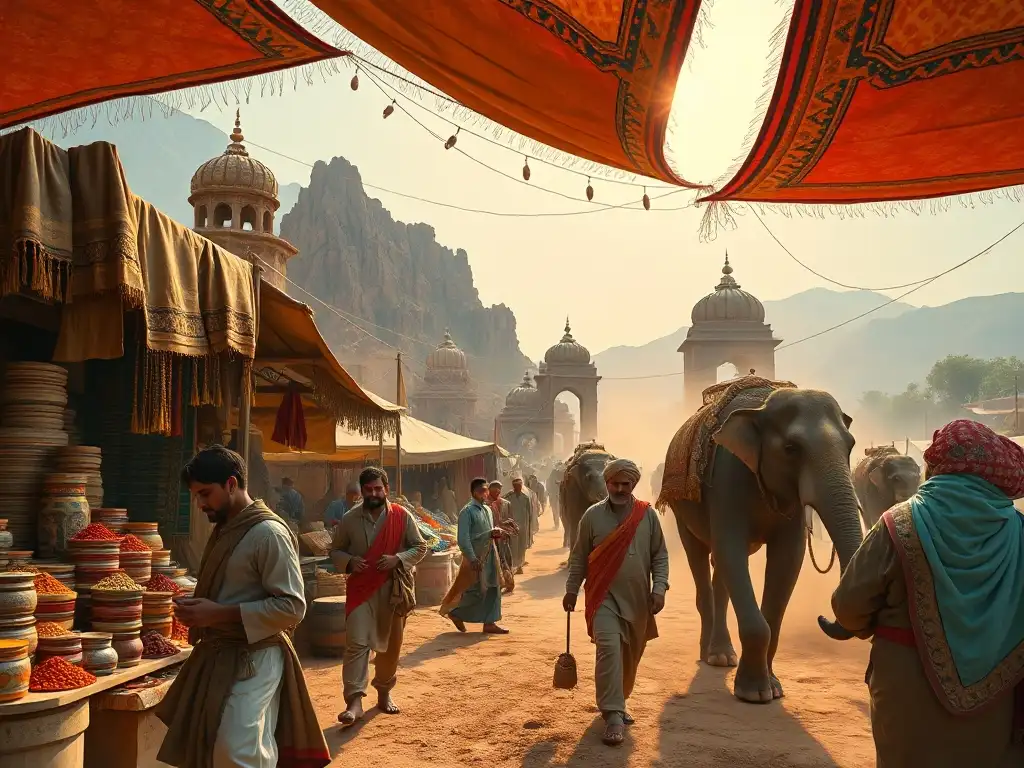
Ancient Indian art serves as a compelling mirror reflecting the nuances of social stratification, particularly the caste system. From the intricate carvings of the Indus Valley Civilization to the frescoes of Ajanta, art forms often depicted the hierarchy and roles distinct to various castes. For instance, sculptures found in temples frequently portrayed figures representing different castes, illustrating their societal roles, from the ruling Kshatriyas to the laboring Shudras.
- Sculptural Art: Temples like those in Khajuraho showcase not only divine figures but also the social classes of the time. The artisans emphasized the differences in attire and ornamentation, signifying status.
- Miniature Paintings: During the Mughal era, these artworks often illustrated court life, highlighting the opulence of the upper classes while contrasting it with the simplicity of the lower classes.
This art not only documented the societal structure but also served as a form of legitimization of the caste system, embedding it deeper into the cultural fabric of ancient Indian society.
Gender Roles and Depictions in Art
The portrayal of gender in ancient Indian art provides insight into the societal norms and expectations of women. Artworks often depicted women in various roles, ranging from the nurturing mother to the skilled artisan.
- Feminine Ideals: The Brahmanical tradition glorified women through deities like Saraswati and Lakshmi, symbolizing knowledge and wealth, respectively. This portrayal reinforced the idea of women as nurturers and spiritual guides.
- Social Commentary: On the other hand, some art forms, particularly in Bhakti poetry and paintings, challenged existing norms. They depicted women as empowered figures who could rise against patriarchal constraints. For example, the Madhubani paintings often illustrated strong female characters from mythology, reflecting a dual narrative of reverence and rebellion.
This duality in gender representation highlights how ancient Indian art was not just a reflection of the times but also a commentary on the evolving roles of women in society.
Religion and spirituality were deeply woven into the fabric of ancient Indian society, and their representation in art often addressed pressing social issues of the time. Temples, sculptures, and paintings became platforms for social commentary, reflecting the interplay between faith and daily life.
- Divine Representation: Deities were often depicted in ways that addressed societal needs, illustrating virtues like compassion and justice. For example, Buddhist art emphasized the principles of equality and humanitarianism, which resonated with the common people.
- Mythological Narratives: Stories from epics like the Mahabharata and Ramayana were illustrated in various forms, often addressing moral dilemmas and societal challenges. These narratives not only entertained but educated the masses on ethical conduct and social responsibilities.
The religious art forms served as a reminder of the higher moral ground and encouraged individuals to reflect on their roles within society, making ancient Indian art a crucial vehicle for social discourse.
Ancient Indian art forms were not merely aesthetic expressions but profound reflections of the social issues of their time. Through the representation of caste, gender roles, and religious narratives, these art forms addressed and shaped societal values, making them a valuable resource for understanding ancient Indian society. The exploration of these themes within the keyword "Ancient Indian art and society" underscores the intricate relationship between art and the evolving dynamics of social issues in ancient India.
Techniques and Materials Used in Ancient Indian Art
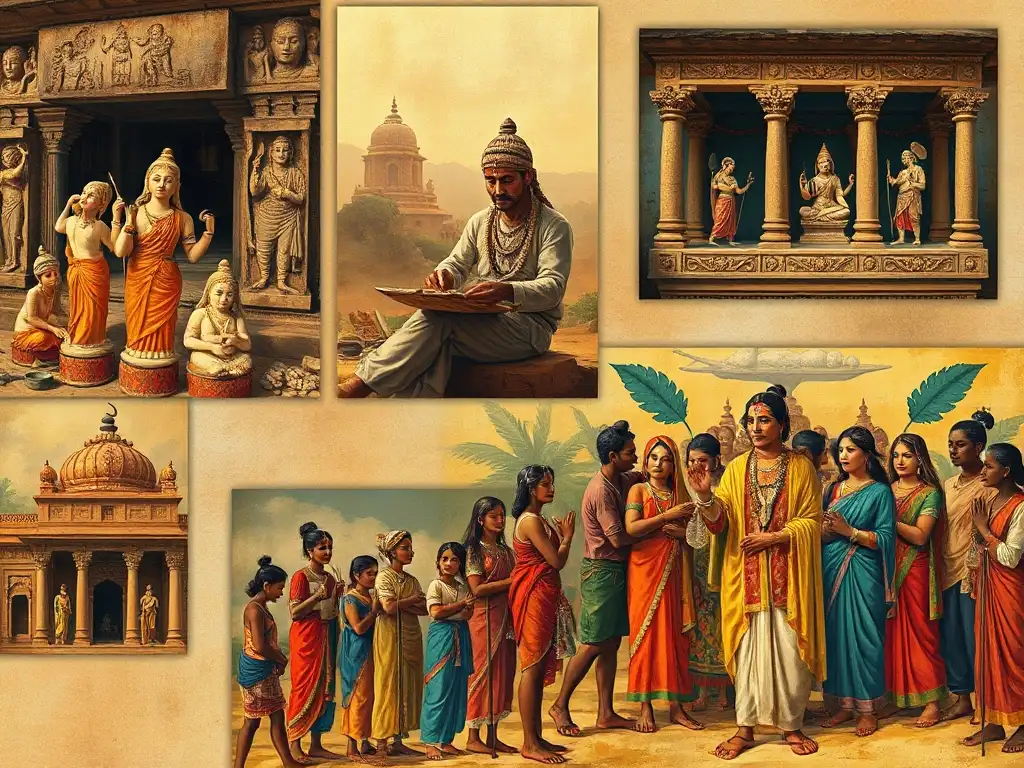
Ancient Indian art is characterized by a rich tapestry of techniques and materials that reflect the diversity of its cultural heritage. As artists explored new methods, they not only created visually stunning works but also addressed various social issues pertinent to their times. Understanding these techniques and materials allows us to appreciate how ancient Indian art engaged with society at multiple levels.
Traditional Techniques in Sculpting and Painting
Ancient Indian artists employed a variety of traditional techniques in both sculpting and painting, each reflecting the socio-cultural context of its creation. Here are some notable methods:
- Sculpting Techniques:
- Chisel and Hammer: Artists primarily used chisels and hammers to carve intricate sculptures from stone. This technique is evident in the grandeur of sculptures found in temples, such as the ones in Khajuraho and Hampi.
- Casting: Bronze casting was significant during the Chola dynasty, where the lost-wax technique produced exquisite sculptures. This method allowed for fine details and was often used to create deities, emphasizing religious and social narratives.
- Painting Techniques:
- Fresco: The technique of fresco painting, where pigments are applied on wet plaster, was prevalent in the Ajanta and Ellora caves. These murals depicted not just religious themes but also social life, including the status of women and community interactions.
- Miniature Painting: Flourishing during the Mughal era, miniature painting combined intricate details with vibrant colors, often highlighting themes of love, nature, and court life, providing a commentary on social hierarchies.
These techniques were not merely artistic choices; they were also reflections of the societal values and issues of the time. Artists often drew inspiration from local traditions, religious beliefs, and social structures, making their art a powerful medium for commentary and change.
Symbolism in Material Choices
Material choices in ancient Indian art were imbued with meaning, serving as a reflection of societal values and beliefs. The symbolism of materials can be categorized as follows:
- Stone:
- Stone was a predominant material in sculptures, symbolizing permanence and durability. Temples built from stone served as enduring testaments to religious devotion and community identity. For instance, the use of locally sourced stone in temple architecture often represented regional pride and cultural heritage.
- Wood:
- Wood was frequently used in sculptures and decorative elements. It symbolized life and nature, connecting the divine with the earthly realm. Wooden carvings often depicted stories from epics like the Mahabharata and Ramayana, addressing moral and ethical dilemmas faced by society.
- Metals:
- Gold and Silver: These precious metals were used in both sculpture and jewelry, symbolizing wealth and divine favor. The use of gold leaf in paintings connoted spiritual illumination and was a means to elevate the subjects of the artwork.
- Bronze: As mentioned earlier, bronze sculptures often represented deities and were used in religious rituals. The choice of bronze indicated a connection to the divine, as well as showcasing the technical mastery of ancient artisans.
The materials used in ancient Indian art were not only functional but also served as vehicles for conveying social messages, reflecting the interconnectedness of art and society. By examining these choices, we gain insight into how ancient Indian art addressed social issues and contributed to the broader narrative of Indian civilization.
The techniques and materials utilized in ancient Indian art reveal a profound relationship between art and society. Artists employed traditional methods and symbolic materials to comment on and engage with the socio-cultural issues of their time, making their works not only aesthetically appealing but also socially significant. Through the lens of "ancient Indian art and society," we can appreciate the depth and richness of this historical legacy.
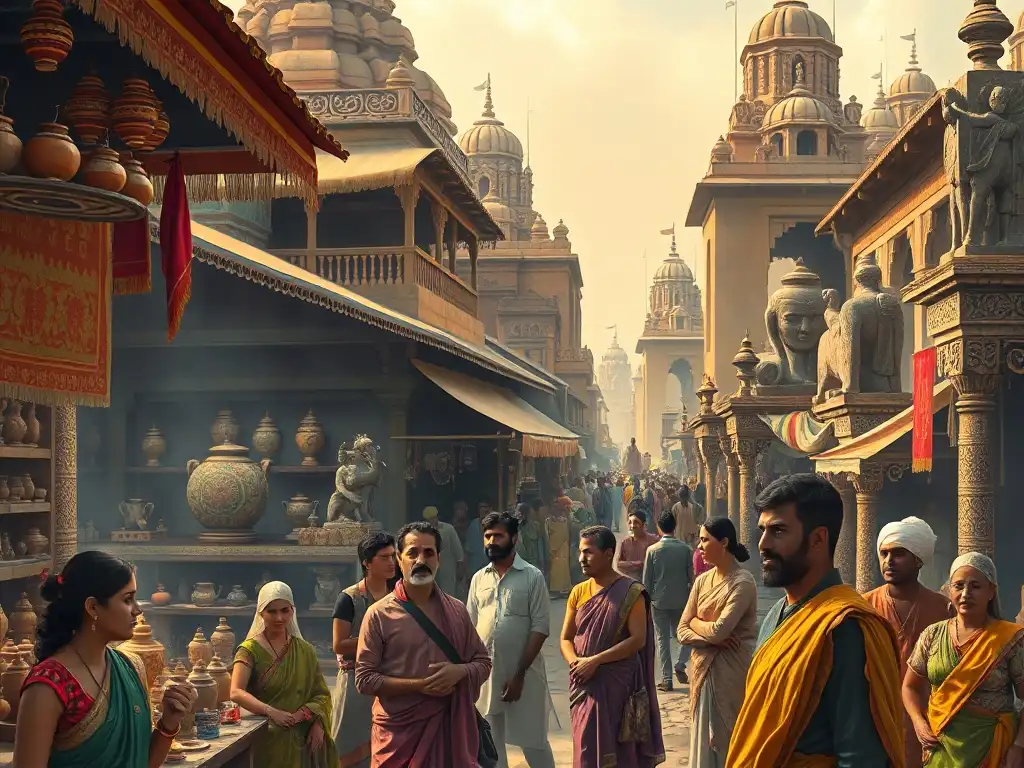
Murals have long been a powerful medium in ancient Indian art, serving not just as decorative elements but as profound commentaries on social issues. These large-scale artworks, often found on the walls of temples, palaces, and public spaces, conveyed narratives that reflected societal values, religious beliefs, and community challenges.
One significant example is the murals found in the Ajanta Caves, dating back to the 2nd century BCE. These murals depict various scenes from the Jataka tales, which narrate the previous lives of the Buddha. The themes often address moral dilemmas and social justice, illustrating the importance of compassion and the consequences of one’s actions. Through vibrant colors and intricate details, these artworks not only beautified the space but also served as educational tools, promoting ethical behavior and societal harmony.
Moreover, in more contemporary settings, murals have been employed as a means of protest and social commentary. For instance, during the colonial period, artists used murals to express dissent against British rule, highlighting issues such as oppression and inequality. These artistic expressions became a visual rallying cry, uniting communities and fostering a sense of identity and resistance.
Sculpture as a Reflection of Societal Norms
Sculpture in ancient India transcended mere aesthetic appeal; it was a potent reflection of societal norms and values. From the majestic stone carvings in temples to the intricate bronze sculptures of deities, the medium served as a mirror to the prevailing cultural ethos.
The famous sculptures of the Gupta period (circa 320-550 CE) exemplify this connection between art and society. These artworks often depicted idealized forms of human beauty and divine attributes, reinforcing the societal ideals of harmony, balance, and spiritual aspiration. For instance, the sculptures of Vishnu and Buddha not only portrayed religious figures but also illustrated concepts of dharma (duty) and karma (action), which were integral to the social fabric.
Additionally, the practice of creating sculptures for funerary purposes highlights the relationship between art and societal beliefs about life and death. The terracotta figurines found in the Indus Valley Civilization (circa 3300-1300 BCE) suggest a rich tradition of ancestor worship, reflecting the importance of lineage and social structure within these communities.
Pottery and Its Societal Implications
Pottery in ancient India was not only utilitarian but also served as a canvas for social expression. The design and decoration of pottery often reflected the cultural practices, beliefs, and social hierarchies of the time.
For example, the painted pottery from the Neolithic period showcases intricate patterns and motifs that provide insight into the daily lives of these early societies. The designs often included geometric shapes and natural elements, which may have held symbolic meanings related to fertility, agriculture, and community life. This emphasis on decoration indicates the significance of pottery in ritualistic practices and social gatherings.
Furthermore, the evolution of pottery styles over time illustrates changing societal norms. The red and black pottery of the Painted Grey Ware culture (circa 1200-600 BCE) marked a shift towards more sophisticated production techniques and reflects the societal transformation during this period. The presence of certain motifs, such as animals and humans, in pottery suggests a connection to social identity and community values, providing archaeologists with crucial insights into the customs and traditions of ancient Indian civilizations.
The diverse art forms of ancient India, including murals, sculpture, and pottery, served as vital channels for addressing social issues and reflecting societal norms. These artistic expressions not only enriched the cultural landscape but also played a crucial role in shaping and communicating the values and beliefs of the time, making them an integral part of the discourse on ancient Indian art and society.
The Influence of Ancient Indian Art on Modern Society
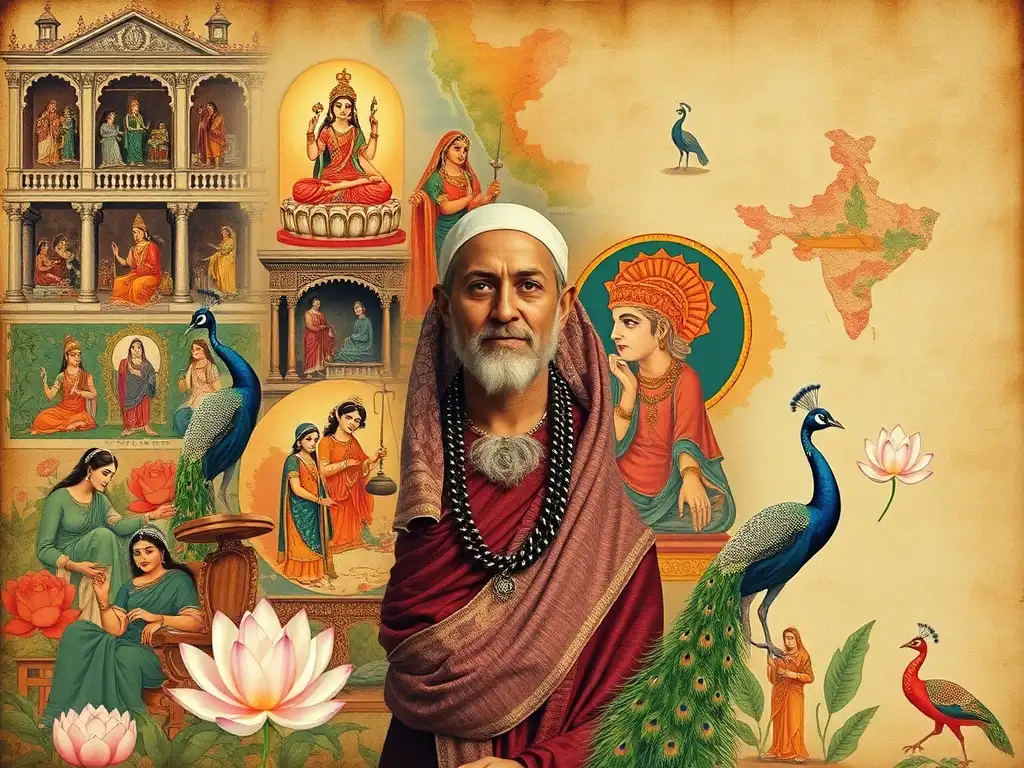
Ancient Indian art has left an indelible mark on the fabric of modern society, influencing various art forms, cultural practices, and social narratives. The rich tapestry of ancient art, encompassing intricate sculptures, vibrant paintings, and mesmerizing dance forms, has continued to resonate through centuries, promoting a deep understanding of social issues.
Continuation of Themes in Contemporary Indian Art
Contemporary Indian artists often draw inspiration from ancient Indian art, weaving themes that reflect societal challenges and aspirations. This continuity can be observed in various art forms:
- Social Commentary: Many modern artists utilize traditional motifs to address current social issues such as gender inequality, caste discrimination, and environmental concerns. For example, the use of Madhubani painting techniques in contemporary works often highlights women's empowerment and ecological awareness.
- Cultural Identity: Artists such as Subodh Gupta and Bharti Kher merge ancient techniques with modern materials to explore the complexities of Indian identity. Their works reflect the diverse cultural heritage of India, echoing the values and struggles depicted in ancient art.
- Performance Arts: Dance forms like Bharatanatyam and Kathak have evolved, yet they retain their ancient narratives that often critique social norms. Contemporary performances frequently reinterpret these stories, making them relevant to modern audiences while preserving their historical significance.
This blending of old and new not only enriches the art scene but also fosters a dialogue on pressing social issues, demonstrating how ancient Indian art continues to shape societal perspectives.
The revival of ancient art techniques plays a crucial role in addressing modern social issues. Artists and artisans are increasingly turning to traditional methods as a means of raising awareness and fostering community engagement:
- Sustainable Practices: Many artisans are reviving ancient techniques that utilize natural materials and sustainable practices. For instance, the revival of block printing and handloom weaving not only preserves traditional craftsmanship but also promotes environmental sustainability and supports local economies.
- Community Involvement: Initiatives that focus on traditional art forms often involve community participation. Workshops on Pattachitra painting or Warli art not only educate participants about their heritage but also encourage discussions around social issues such as education and livelihood.
- Art as Activism: Artists like Gitanjali Rao create works that highlight social injustices, employing ancient styles to bring attention to issues like mental health and women's rights. By using familiar aesthetics, they engage a broader audience, bridging the gap between tradition and contemporary activism.
The interplay between ancient Indian art and modern societal challenges illustrates the enduring relevance of these art forms. By continuing to address social issues through the lens of ancient techniques, contemporary artists ensure that the rich heritage of ancient Indian art remains a powerful tool for social change.
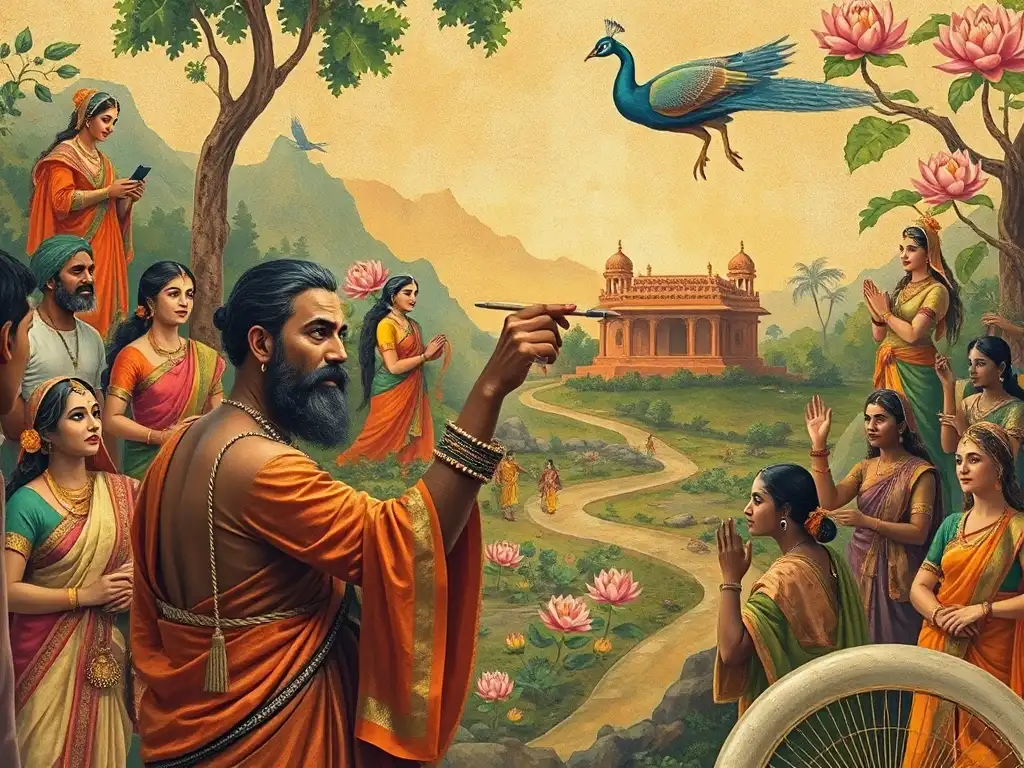
Summary of Key Insights on Ancient Indian Art and Society
The exploration of ancient Indian art forms reveals a profound connection between artistry and societal issues. From the intricate carvings of the Indus Valley civilization to the vibrant murals of the Gupta Empire, each artistic expression served as a reflection of the cultural, social, and political landscapes of the time.
- Narrative of Society:
- Ancient Indian art often depicted social hierarchies, religious beliefs, and daily life, providing a visual narrative that allowed viewers to understand the complexities of their society.
- For instance, the sculptures of the Ajanta and Ellora caves not only showcase the skill of artisans but also convey the spiritual and social narratives that were significant to the communities.
- Addressing Social Issues:
- Many art forms served as a medium to address pressing social issues. For example, temple architecture often included imagery that highlighted moral values and societal norms, encouraging adherence to dharma (duty).
- Folk art, such as Warli painting, often communicated themes of nature, community, and the struggles faced by rural populations, serving as a voice for the marginalized.
- Cultural Preservation:
- The preservation of ancient art forms has allowed modern society to reflect on historical social issues, offering insights into how societies have evolved.
- This continuity is evident in the revival of traditional crafts and art forms that aim to address contemporary social challenges.
The legacy of ancient Indian art is not merely an artifact of the past; it continues to resonate in today's social context. As contemporary society grapples with various issues such as inequality, environmental degradation, and cultural identity, the messages embedded in ancient art offer valuable lessons.
- Cultural Relevance:
- The themes of community, resilience, and moral responsibility found in ancient art forms remain relevant, inspiring modern artists to create works that address current social issues.
- Educational Value:
- Integrating ancient art into educational curricula can foster a deeper understanding of social responsibility among younger generations, encouraging them to engage with their cultural heritage.
The intricate interplay between ancient Indian art and society not only sheds light on historical contexts but also provides a framework for addressing contemporary issues. As we continue to explore these rich artistic traditions, we can draw inspiration for building a more equitable and understanding society today.
Frequently Asked Questions
What are the primary themes of ancient Indian art?
Ancient Indian art often reflects social issues, religious beliefs, and cultural practices. It serves as a medium to express the values and challenges faced by society at different historical periods.
Art forms like sculpture and painting addressed social issues by depicting themes such as caste dynamics, gender roles, and spiritual beliefs, influencing public perception and encouraging societal reflection.
What role did religion play in ancient Indian art?
Religion was a central theme in ancient Indian art, as many artworks were created to honor deities, depict mythological stories, and convey spiritual teachings, thus shaping societal values and norms.
Are there notable ancient Indian art forms that specifically address societal issues?
Yes, forms such as Madhubani painting and Tanjore art often incorporate social narratives, addressing themes like women's empowerment and environmental concerns, thereby intertwining art with societal commentary.
How did the Gupta Empire influence ancient Indian art and society?
The Gupta Empire marked a golden age for art and culture, fostering advancements in sculpture, architecture, and literature. This period heavily influenced societal structures and artistic expressions, showcasing an integration of art and social issues.
The intricate tapestry of ancient Indian art serves as a profound testament to the ways in which creativity can illuminate and challenge societal norms. Today, as we navigate a world rife with social issues, the lessons embedded in these art forms resonate more than ever, reminding us of the power of artistic expression to provoke thought and inspire change. The narratives woven into sculptures, paintings, and performances from centuries past continue to echo in our contemporary struggles, urging us to reflect on our own roles in society.
The influence of ancient Indian art transcends time, shaping cultural dialogues and inspiring movements for social justice. From the vivid depictions of daily life to the poignant representations of marginalized voices, these art forms have always been a mirror reflecting societal challenges. As we engage with these historical works, we recognize their capacity to foster empathy and understanding in our own communities. Art is the most beautiful of all lies.
This quote encapsulates the dual nature of art: it can both reveal harsh truths and offer a vision for a better world, encouraging us to confront the issues we face today.
As we close this exploration, I invite you to reflect on the lessons of ancient Indian art and consider how you can apply its insights to your own life. How can you use your creativity to address social issues in your community? Whether through art, dialogue, or activism, each of us has the potential to contribute to a more just society. Let the legacy of these ancient artists inspire you to take action, fostering a world where art continues to be a powerful catalyst for change.
Thank you for taking the time to explore the profound impact of ancient Indian art forms on contemporary social issues. We hope you’ve gained valuable insights into how creativity can inspire change and provoke thought. Now, it’s your turn to harness that inspiration!
Here are some actionable steps you can take to keep the conversation going and deepen your engagement with this fascinating topic:
- Explore an ancient art form that resonates with you. Consider creating your own piece inspired by its themes and sharing your interpretation!
- Join a discussion group or online forum focused on ancient arts, where you can connect with others and share diverse perspectives.
- Spread the word by sharing this article with friends or on social media. Let’s raise awareness about the power of art in addressing social issues!
What social issue do you believe art should tackle today, and how can you contribute to that conversation?