
The Heritage of Ancient Indian Architecture: Lessons for Future Generations

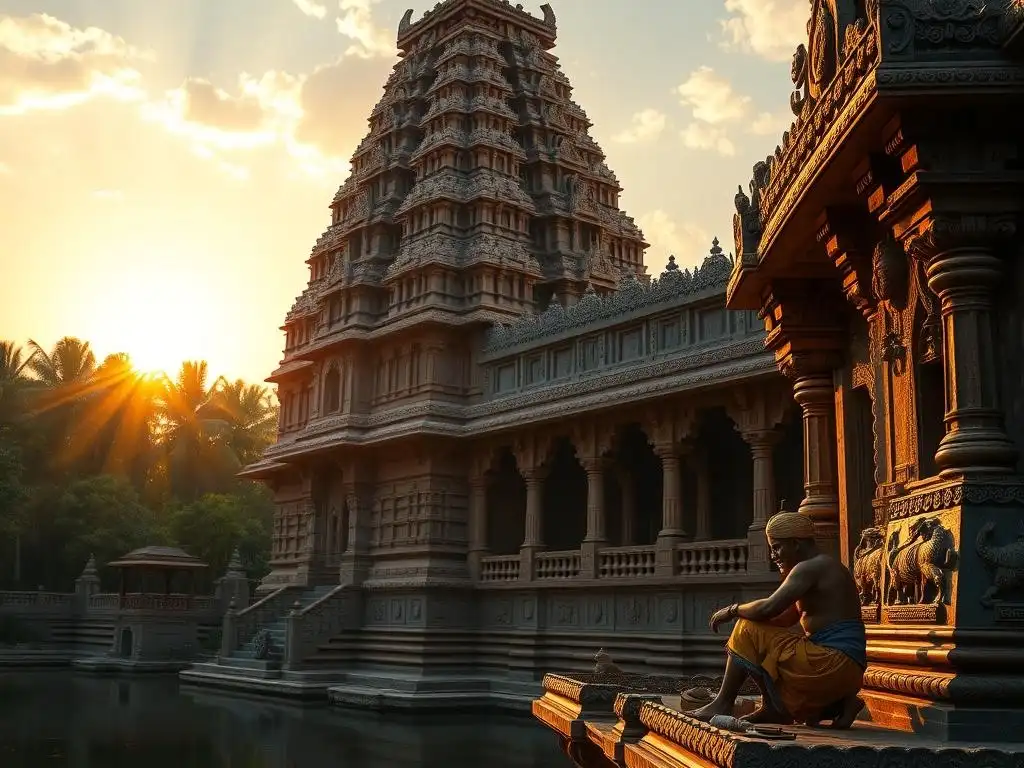
Welcome to Ancient India History, where we delve into the captivating tapestry of ancient Indian civilizations! In our featured article, "The Heritage of Ancient Indian Architecture: Lessons for Future Generations," we invite you to explore the intricate designs, innovative techniques, and profound philosophies that shaped the architectural marvels of the past. Discover how these ancient structures not only reflect the artistic brilliance of their time but also offer invaluable lessons for contemporary society. Prepare to be inspired as you journey through the ages and uncover the lasting legacy of ancient Indian architecture!

Exploring the rich tapestry of ancient Indian architecture reveals a profound narrative that speaks volumes about the ingenuity, cultural values, and artistic expressions of its time. From the intricately carved temples of the Gupta Empire to the urban planning of the Indus Valley Civilization, ancient Indian architecture serves as a testament to the skills and philosophies of its creators.
This article aims to delve into the lessons that modern architects and historians can glean from these remarkable structures, emphasizing the enduring relevance of ancient practices in today's architectural landscape. By understanding the significance and features of ancient Indian architecture, we can appreciate its contributions to our cultural heritage and draw inspiration for contemporary and future architectural endeavors.
Introduction to Ancient Indian Architecture
Ancient Indian architecture is characterized by its diversity and complexity, shaped by the region's varied climates, cultures, and religious beliefs. This architectural heritage spans several millennia, encompassing a wide array of styles and structures, from the urban layouts of Mohenjo-Daro to the grand temples of Khajuraho. Each architectural style reflects not only the technological advancements of its time but also the socio-political dynamics and spiritual beliefs of the civilizations that created them. Through examining these styles, we can uncover insights into how ancient societies lived, worshipped, and interacted with their environment.
Overview of Ancient Indian Architectural Styles
The architectural styles of ancient India can be broadly categorized into several key periods and regional variations. Some notable styles include:
- Indus Valley Civilization: Known for its grid-like cities, advanced drainage systems, and uniform brick sizes.
- Buddhist Architecture: Characterized by stupas, monastic complexes, and rock-cut caves, emphasizing simplicity and spirituality.
- Hindu Temple Architecture: Featuring intricate carvings, towering shikharas (spires), and elaborate mandapas (pillared halls).
- Islamic Architecture: Introduced distinct features like arches, domes, and minarets, exemplified by structures such as the Taj Mahal.
Each style is a reflection of the era's technological capabilities, aesthetic preferences, and spiritual ideologies, showcasing the rich diversity of India's architectural heritage.
Significance of Ancient Indian Architecture in History
The significance of ancient Indian architecture extends beyond mere aesthetics; it forms a crucial part of the historical narrative of India. These structures served as:
- Cultural Symbols: Representing the beliefs and values of ancient civilizations, often linked with religious practices and community life.
- Technological Achievements: Demonstrating advanced understanding of materials and engineering principles that were ahead of their time.
- Historical Records: Offering insights into the socio-political conditions, trade practices, and interactions with neighboring cultures.
Thus, ancient Indian architecture is not only an artistic endeavor but also a vital historical document, preserving the collective memory of a civilization.
Key Features of Ancient Indian Architecture
The architectural marvels of ancient India exhibit several key features that distinguish them from structures in other cultures. These characteristics highlight the ingenuity and creativity of ancient Indian builders.
Innovative Construction Techniques in Ancient India
Ancient Indian architects employed various innovative construction techniques that set them apart. Some notable methods include:
- Monolithic Structures: Carved from a single rock, as seen in the temples of Ellora and Ajanta.
- Interlocking Stone Joints: A technique used in the construction of forts and temples, providing strength without the need for mortar.
- Geometric Precision: The use of intricate geometry in temple layouts, often aligning with celestial events and seasons.
These techniques not only contributed to the durability of the structures but also reflected a deep understanding of engineering principles.
Influence of Religion on Architectural Design
Religion played a pivotal role in shaping ancient Indian architectural design. Each religious tradition contributed unique elements, as seen in:
- Hindu Temples: Often featuring complex iconography, sanctums, and elaborate sculptures depicting deities and myths.
- Buddhist Stupas: Symbolizing the path to enlightenment, designed to house relics and promote meditation.
- Islamic Structures: Highlighting calligraphy and intricate tile work, blending elements of Persian and Indian designs.
This religious influence ensured that architecture served not only as a functional space but also as a means of spiritual expression.
Use of Local Materials in Ancient Indian Structures
The choice of materials in ancient Indian architecture was often dictated by local availability, resulting in a variety of styles. Key materials included:
- Sandstone and Limestone: Commonly used in temples and forts, known for their workability and aesthetic appeal.
- Wood: Utilized in coastal regions for construction, showcasing regional adaptation to available resources.
- Brick: Essential in the Indus Valley Civilization, demonstrating early advancements in building techniques.
The adept use of local materials not only ensured the sustainability of architectural practices but also enhanced the integration of structures within their natural environments.
By understanding these elements, we can appreciate the wisdom embedded in ancient Indian architecture and draw valuable lessons for future generations in sustainable design, cultural preservation, and innovative construction techniques.
Major Architectural Marvels of Ancient India
Ancient India is home to a plethora of architectural marvels that showcase the ingenuity, artistry, and cultural significance of its civilizations. From the meticulously planned cities of the Indus Valley to the grand temples of the Gupta period, each architectural achievement reflects the values and beliefs of its time.
The intricate carvings, innovative engineering, and harmonious integration with nature found in these structures offer valuable lessons that resonate even today. Some of the most notable architectural wonders include the stepwells of Gujarat, the rock-cut caves of Ajanta and Ellora, and the majestic Brihadeeswarar Temple in Thanjavur, each representing a unique aspect of ancient Indian architecture.
The Indus Valley Civilization: Urban Planning and Architecture
The Indus Valley Civilization, one of the earliest urban cultures, flourished around 2500 BCE in present-day Pakistan and northwest India. Renowned for its advanced urban planning, the cities of Harappa and Mohenjo-Daro featured grid layouts, sophisticated drainage systems, and standardized fired-brick construction. Buildings were often two to three stories high and included residential homes, warehouses, and public baths, demonstrating a high level of civic organization.
The Great Bath of Mohenjo-Daro, believed to have had religious significance, exemplifies the architectural prowess of the time. These urban planning principles highlight the importance of functionality and sustainability, showcasing how ancient civilizations prioritized the health and welfare of their inhabitants.
The Maurya Empire: Pillars and Edicts
The Maurya Empire, which thrived from the 4th to 2nd centuries BCE, is celebrated for its monumental pillars and edicts. The most famous of these is the Ashoka Pillar, intricately carved with lion capitals and inscriptions detailing Emperor Ashoka’s policies on morality and governance. These pillars not only served as markers of territorial authority but also as symbols of moral guidance for the populace.
The craftsmanship of the Mauryan period, particularly in stone carving, set a precedent for future architectural developments. The use of inscriptions to communicate with the public underscores the importance of accessibility and education in architecture, promoting a sense of community and shared values.
The Gupta Period: Temples and Sculptural Art
The Gupta period, often referred to as the Golden Age of India, saw a remarkable flourishing of art and architecture from the 4th to 6th centuries CE. Temples constructed during this time, such as the Dashavatara Temple in Deogarh, exhibit exquisite craftsmanship and intricate sculptures that depict deities and mythological scenes. The architecture of this era emphasized verticality and symmetry, with elaborate shikharas (spires) and mandapas (pillared halls).
This period also saw the emergence of rock-cut temples, such as the famous cave temples of Ellora and Ajanta, which showcase not only architectural skill but also the integration of art and spirituality. The Gupta period's emphasis on aesthetic beauty and religious devotion continues to influence modern temple architecture, reflecting the enduring legacy of ancient Indian craftsmanship.
Lessons from Ancient Indian Architecture

The architectural achievements of ancient India offer several lessons that can be applied to contemporary building practices. By examining these historical structures, modern architects and planners can draw inspiration for sustainable and culturally sensitive design solutions.
Sustainability in Ancient Building Practices
Sustainability was a core principle in ancient Indian architecture, as evidenced by the use of locally sourced materials and environmentally conscious construction techniques. Structures were designed to harmonize with the natural landscape, utilizing natural ventilation, sunlight, and water conservation methods. For instance, the stepwells not only served as water storage but also provided a cool respite during hot seasons. Modern architecture can benefit from these principles by prioritizing eco-friendly materials and designs that minimize environmental impact, thus promoting long-term sustainability.
The Importance of Aesthetic Principles in Design
Ancient Indian architecture often reflects a deep understanding of aesthetics, with intricate designs that evoke a sense of harmony and balance. The use of proportion, symmetry, and ornamentation can greatly enhance the visual appeal of structures. For example, the detailed carvings on temple walls are not merely decorative but serve to convey spiritual narratives and cultural significance. Today's architects can learn from these aesthetic principles to create spaces that resonate emotionally with their occupants, fostering a deeper connection to the environment.
Community Involvement in Architectural Projects
Many ancient Indian architectural endeavors involved community participation, reflecting the collective values and aspirations of society. The construction of temples and public buildings often required the collaboration of artisans, laborers, and local communities, fostering a sense of ownership and pride. This approach to architecture not only enhanced the functionality of the structures but also promoted social cohesion. Modern projects can benefit from engaging communities in the design and building processes, ensuring that the resulting spaces meet the needs and desires of those who will use them, thereby enriching the urban fabric.
The Role of Ancient Indian Architecture in Contemporary Society
Ancient Indian architecture serves as a vital bridge connecting the past and present, offering invaluable lessons for contemporary society. This architectural heritage reflects the intricate design principles, cultural narratives, and technological advancements of ancient civilizations. By studying these structures, modern architects and urban planners can draw inspiration from the sustainable practices and aesthetic values that characterized ancient building techniques.
The principles of harmony with nature and the integration of spirituality into design are particularly relevant today. Ancient Indian architecture often emphasized the use of local materials and the importance of natural light and ventilation, elements increasingly recognized for their sustainability in modern architecture. Furthermore, the communal spaces and public buildings of ancient India encourage a sense of community engagement, which is essential in today's urban planning.
Inspiration for Modern Architecture from Ancient Indian Styles
Modern architects frequently look to ancient Indian styles for inspiration, especially in the realm of aesthetics and functionality. The intricate carvings and motifs found in temples and palaces, such as the detailed jali work (lattice screens) and ornate sculptures, serve as a source of artistic inspiration. These elements can be adapted into contemporary designs to create visually striking buildings that pay homage to India's rich cultural history.
Moreover, the principles of vastu shastra, the traditional Indian system of architecture, influence modern designs by advocating for spatial arrangements that promote well-being and harmony. Architects like Charles Correa and B.V. Doshi have successfully integrated these ancient principles into their works, demonstrating that ancient Indian architecture can inform and enrich modern practices while fostering a distinct cultural identity.
The Integration of Cultural Heritage in Current Architectural Practices
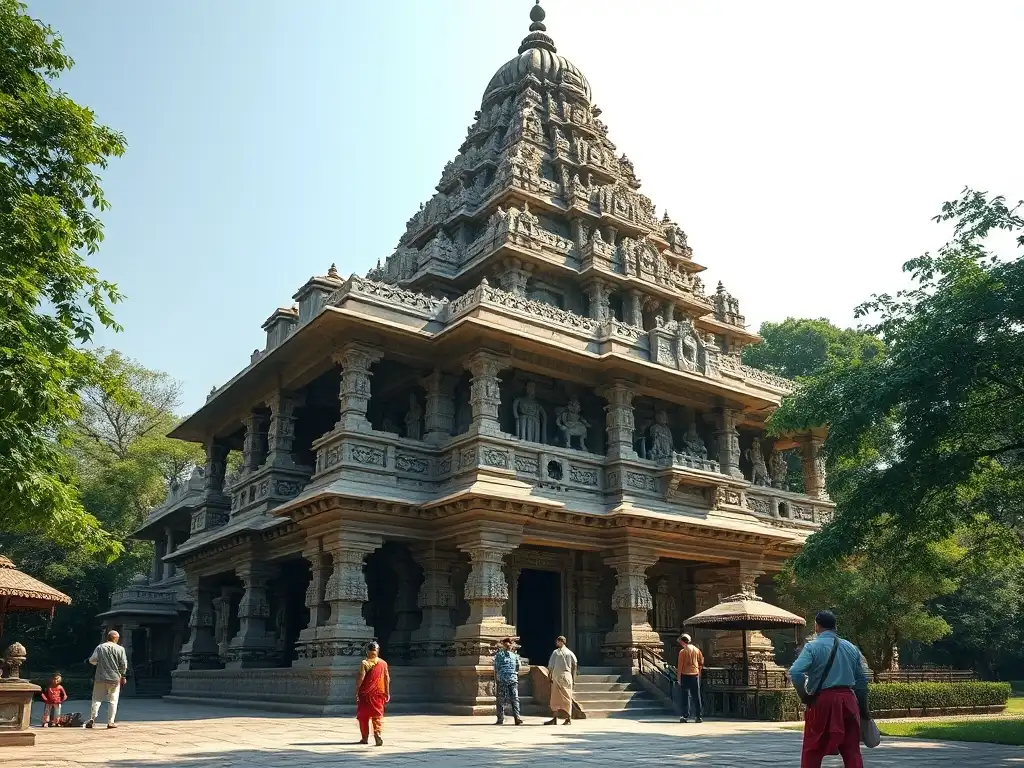
Incorporating cultural heritage into contemporary architectural practices can enhance the aesthetic and functional attributes of modern buildings. By acknowledging ancient Indian architectural styles, contemporary architects can create structures that resonate with local history and traditions. Projects like the Sabarmati Riverfront in Ahmedabad illustrate how modern urban development can harmonize with the historical context of the area, creating spaces that reflect both progress and heritage.
Additionally, community involvement in architectural projects is crucial for integrating cultural heritage. Engaging local artisans and craftspeople ensures that traditional techniques and materials are preserved while allowing modern architects to innovate. This collaboration not only revitalizes ancient skills but also fosters a deeper connection between the community and their shared heritage, cultivating a sense of pride and identity.
Challenges in Preserving Ancient Indian Architectural Heritage
Preserving ancient Indian architectural heritage faces numerous challenges, particularly in the face of rapid urbanization and industrialization. Many ancient structures are at risk due to neglect, lack of funding for maintenance, and the encroachment of modern developments. As cities grow, these historical sites often become overshadowed by contemporary buildings, leading to a loss of cultural context and significance.
Moreover, environmental factors such as pollution and climate change pose significant threats to these structures. Erosion, decay, and damage from natural disasters can compromise the integrity of ancient sites, making preservation efforts increasingly urgent. It is essential for stakeholders, including government bodies and cultural organizations, to recognize the importance of safeguarding this heritage for future generations.
Threats to Ancient Structures in Modern Times
The threats to ancient structures in modern times are multifaceted. Urban development often prioritizes economic growth over heritage conservation, leading to the demolition or alteration of historical sites. Infrastructure projects, such as roads and railways, can encroach upon or destroy ancient architecture, further exacerbating the risk of loss.
Additionally, the lack of awareness and appreciation for ancient architecture among the general public can result in neglect and vandalism. Many historical sites suffer from insufficient funding for maintenance and conservation, leading to deterioration over time. The challenge lies in balancing modern needs with the preservation of these irreplaceable cultural assets.
Strategies for Conservation and Restoration
Effective conservation and restoration strategies are crucial for preserving ancient Indian architectural heritage. One approach is to adopt a multidisciplinary perspective that combines traditional knowledge with modern technology. This can involve the use of advanced materials and techniques that respect the original design and construction methods while ensuring durability and longevity.
Public awareness campaigns play a vital role in conservation efforts. Educating communities about the value of their historical sites fosters a sense of responsibility towards preservation. Involving local stakeholders in restoration projects not only ensures that techniques are culturally appropriate but also strengthens community ties.
Furthermore, establishing legal frameworks and policies that prioritize heritage conservation can significantly enhance preservation efforts. This includes creating heritage management plans that outline specific strategies for maintenance, restoration, and sustainable tourism practices, ensuring that ancient Indian architecture remains a vital part of the cultural landscape for future generations.
Conclusion: The Enduring Legacy of Ancient Indian Architecture
Ancient Indian architecture stands as a testament to the ingenuity, creativity, and spiritual depth of its makers. From the intricate carvings of the temples to the urban planning evident in the Indus Valley Civilization, these architectural marvels reflect a harmonious blend of functionality and aesthetics. The legacy of ancient Indian architecture is not merely historical; it offers invaluable lessons that transcend time and geography.
One significant aspect of this legacy is the emphasis on sustainability and the use of local materials. Structures like the rock-cut caves of Ajanta and Ellora demonstrate how ancient builders utilized the natural landscape to create enduring works of art that have withstood the test of time. Additionally, the principles of vastu shastra reveal a profound understanding of space and energy that can inform modern architectural practices.
Furthermore, the spiritual dimensions of ancient architecture, as seen in the grand temples and stupas, highlight the importance of integrating cultural values into design. This approach not only enriches the aesthetic experience but also fosters a sense of community and belonging. As we reflect on these lessons, it becomes clear that ancient Indian architecture offers a rich repository of knowledge that can inspire contemporary architects and designers.
Final Thoughts on Ancient Indian Architecture Lessons for Future Generations
The lessons derived from ancient Indian architecture are crucial for shaping the future of architectural endeavors. These lessons emphasize the need for designs that respect local culture, utilize sustainable practices, and foster community engagement. By studying the architectural styles, spatial organization, and material choices of ancient India, modern architects can create spaces that resonate with the environment and the people who inhabit them.
Moreover, the intricate artistry found in ancient Indian structures serves as a reminder of the importance of craftsmanship in architecture. The dedication to detail and the pursuit of beauty in construction can lead to the creation of buildings that are not only functional but also inspiring. Future generations of architects are encouraged to draw upon these principles to craft designs that honor the past while meeting contemporary needs.
The wisdom embedded in the practices of ancient Indian architecture holds significant relevance today. By embracing these lessons, we can work towards a harmonious built environment that reflects both our cultural heritage and our aspirations for a sustainable future.
Call to Action: Embracing Heritage in Modern Design
As we navigate the challenges of modern architecture, it is essential to actively incorporate the rich legacy of ancient Indian architecture into our designs. This is not merely a call to replicate old styles but to understand and adapt the underlying principles that made these structures timeless.
- Educate and Inspire: Encourage architectural institutions and professionals to include the study of ancient Indian architecture in their curricula. Workshops, seminars, and exhibitions can highlight the significance of these historical structures and their relevance today.
- Sustainable Practices: Advocate for the use of locally sourced materials and environmentally friendly construction methods that echo the sustainable practices of ancient builders. This can help reduce the carbon footprint of new projects while also celebrating regional craftsmanship.
- Cultural Engagement: Foster community involvement in the design process by integrating local traditions, stories, and aesthetics into modern projects. This engagement not only honors heritage but also strengthens community ties.
- Innovative Adaptations: Challenge architects to innovate by blending ancient design principles with modern technology. This fusion can lead to unique structures that honor the past while serving contemporary needs.
By embracing these actions, we can ensure that the lessons learned from ancient Indian architecture continue to inspire future generations, leading to a built environment that is both beautiful and meaningful.
- Introduction to Ancient Indian Architecture
- Key Features of Ancient Indian Architecture
- Major Architectural Marvels of Ancient India
- Lessons from Ancient Indian Architecture
- The Role of Ancient Indian Architecture in Contemporary Society
- Inspiration for Modern Architecture from Ancient Indian Styles
- The Integration of Cultural Heritage in Current Architectural Practices
- Challenges in Preserving Ancient Indian Architectural Heritage
- Conclusion: The Enduring Legacy of Ancient Indian Architecture
- What are the main features of ancient Indian architecture?
- How did the Indus Valley Civilization influence ancient Indian architecture?
- What lessons can modern architects learn from ancient Indian architecture?
- How did the Gupta Empire contribute to ancient Indian architecture?
- Why is it important to study ancient Indian architecture today?
Frequently Asked Questions
What are the main features of ancient Indian architecture?
Ancient Indian architecture is characterized by intricate carvings, grand temples, and innovative engineering techniques, showcasing a blend of religious and cultural influences.
How did the Indus Valley Civilization influence ancient Indian architecture?
The Indus Valley Civilization established advanced urban planning and drainage systems, which laid the groundwork for future architectural developments in India, emphasizing functionality and aesthetic appeal.
What lessons can modern architects learn from ancient Indian architecture?
Modern architects can draw inspiration from sustainable building practices, local materials, and the integration of nature in design, reflecting a harmonious relationship with the environment.
How did the Gupta Empire contribute to ancient Indian architecture?
The Gupta Empire is known for its monumental temples and exquisite sculptures, which symbolize a peak in artistic and architectural achievement, embodying spiritual and cultural values of the time.
Why is it important to study ancient Indian architecture today?
Studying ancient Indian architecture helps us understand the historical context, cultural heritage, and technological advancements of past civilizations, offering valuable insights for future architectural innovations.
Final Reflection: Embracing the Lessons of Ancient Indian Architecture
The legacy of ancient Indian architecture offers invaluable insights that resonate profoundly in today's world. As we navigate the complexities of modern living, the principles of sustainability, harmony with nature, and cultural expression embodied in these architectural marvels remind us of the importance of grounding our innovations in time-tested wisdom. The intricate designs and thoughtful layouts of ancient structures serve as a striking testament to the ingenuity of our ancestors, urging us to reflect on how we can integrate these lessons into our contemporary practices.
The influence of ancient Indian architecture extends far beyond mere aesthetics; it shapes our cultural identity and social values. The enduring beauty and functionality of these structures inspire a sense of belonging and continuity, reminding us of our roots. As we witness a resurgence of interest in sustainable design and heritage conservation, we can draw from the past to inform our future. Architecture is the learned game, correct and magnificent, of forms assembled in the light.
– Le Corbusier. This quote encapsulates the essence of ancient Indian architecture, where every element is a harmonious part of a greater whole, urging us to consider how our built environments can reflect our values and aspirations.
As you reflect on the lessons of ancient Indian architecture, I invite you to consider how these principles can be woven into your own life and work. How can you embrace sustainability, cultural heritage, and community in your daily choices? By honoring the wisdom of the past, we can create spaces and experiences that not only enrich our lives but also leave a meaningful legacy for future generations. Let us carry forward the lessons of ancient Indian architecture, ensuring that our contributions to the world are as enduring and impactful as those of our forebears.
Unveil the Secrets of Ancient Indian Architecture!
Thank you for taking the time to explore the rich heritage of ancient Indian architecture with us. You’ve gained valuable insights that not only celebrate the beauty of these structures but also offer crucial lessons for future generations. Now, let’s harness this knowledge and take meaningful steps forward!
Here’s how you can embrace the essence of ancient architecture and its teachings:
- Dive deeper: Explore local landmarks or historical sites that showcase architectural styles and practices reminiscent of those from ancient India. Recognize the impact these structures have on our communities today.
- Share your enthusiasm: Discuss the lessons learned with friends or through social media. Start a conversation about how these timeless designs can inspire contemporary architecture.
- Get involved: Participate in community projects aimed at preserving historical structures. Volunteer your time or contribute ideas that combine ancient wisdom with modern needs.
Which aspects of ancient architecture do you think could significantly influence our buildings today?