
How Ancient Indian Art Forms Fostered National Identity

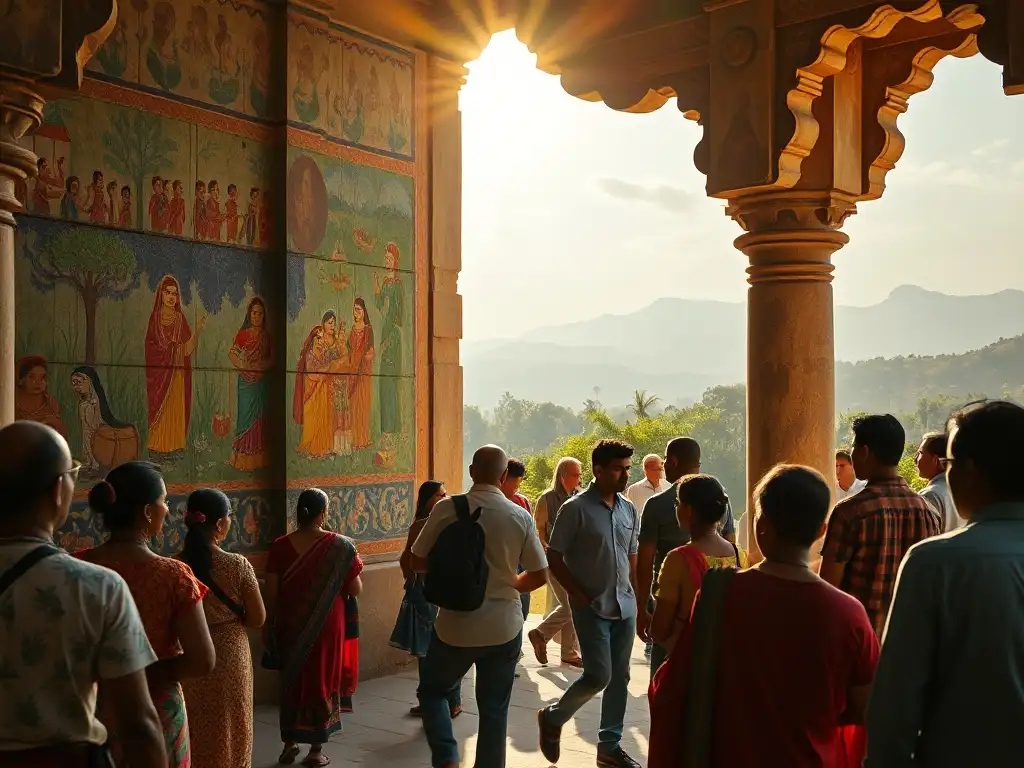
Welcome to Ancient India History, where we embark on a fascinating journey through the tapestry of time, exploring the rich and diverse heritage of ancient Indian civilizations. In our featured article, “How Ancient Indian Art Forms Fostered National Identity,” we delve into the profound connections between art and identity, revealing how creative expressions have shaped the very essence of Indian culture from the majestic Indus Valley to the illustrious Gupta Empire.
Prepare to uncover the secrets of ancient artistry that not only reflect the past but also resonate with the spirit of a nation. Join us as we unveil the intricate narratives woven into the fabric of history—your adventure into the world of ancient Indian art begins here!
- Introduction to Ancient Indian Art and Identity
- Historical Context of Ancient Indian Art
- Key Ancient Indian Art Forms and Their Significance
- The Interconnection of Ancient Indian Art and National Identity
- Case Studies: Art and Identity in Specific Regions
- Modern Perspectives on Ancient Indian Art and National Identity
- Conclusion: The Enduring Legacy of Ancient Indian Art
-
Frequently Asked Questions
- What is the significance of Ancient Indian art in shaping national identity?
- Which art forms are highlighted in the context of Ancient India?
- How did the Indus Valley Civilization influence art and identity?
- In what ways did the Gupta Empire impact Indian art?
- How does the article connect art to the understanding of Indian identity?
- Final Reflection: The Enduring Legacy of Ancient Indian Art and Identity
- Embrace the Vibrancy of Ancient Indian Art Today!
Introduction to Ancient Indian Art and Identity
Ancient Indian art is a vibrant tapestry woven through centuries, reflecting the diverse cultures, beliefs, and traditions that flourished across the subcontinent. From the intricate carvings of the Indus Valley Civilization to the exquisite frescoes of the Gupta Empire, these art forms serve as a testament to the creativity and ingenuity of ancient Indian societies.
More than mere aesthetic expressions, they played a pivotal role in shaping national identity, community values, and spiritual beliefs. This article delves into the complexities of ancient Indian art and identity, examining how these artistic expressions not only captured the essence of their time but also fostered a collective consciousness that resonates to this day.
Overview of Ancient Indian Art Forms
Ancient Indian art encompasses a wide array of forms and mediums, each with its unique characteristics and significance. Here are some prominent art forms that emerged throughout the ages:
- Sculpture:
- Material: Stone, bronze, terracotta
- Example: The stunning Ashoka Pillar and Khajuraho Temples.
- Painting:
- Styles: Frescoes, miniatures, and wall paintings
- Example: Ajanta Caves and Madhubani Art.
- Architecture:
- Influences: Vedic, Buddhist, and Hindu styles
- Example: The intricate designs of the Brihadeeswarar Temple.
- Textiles:
- Techniques: Weaving, dyeing, and embroidery
- Example: The exquisite Banarasi silk sarees.
- Performing Arts:
- Forms: Dance, music, and theater
- Example: Classical dance forms like Bharatanatyam and Kathak.
Each of these art forms not only showcases the artistic prowess of ancient Indian civilizations but also serves as a medium through which cultural narratives and values were expressed and preserved.
The Role of Art in Shaping National Identity
Art has always been a powerful vehicle for cultural expression and identity formation. In ancient India, art played a significant role in fostering a sense of belonging and unity among diverse communities. Here are some key aspects of how art contributed to national identity:
- Cultural Narratives:
- Artworks often depicted mythological stories and historical events, reinforcing shared narratives that connected people to their past and heritage.
- Religious Symbolism:
- Many art forms were deeply intertwined with religious practices, serving as expressions of devotion and communal identity, such as the intricate carvings found in temples.
- Regional Variations:
- Different regions developed their distinct styles, contributing to the mosaic of Indian identity while celebrating local traditions and customs.
- Political Identity:
- Art was used by rulers and empires to legitimize their power and ideology, as seen in the grand monumental architecture commissioned by emperors.
Through these elements, ancient Indian art not only reflected the social and cultural dynamics of its time but also helped to forge a collective identity that transcended individual communities, laying the groundwork for a rich national heritage that continues to be celebrated today.
Historical Context of Ancient Indian Art
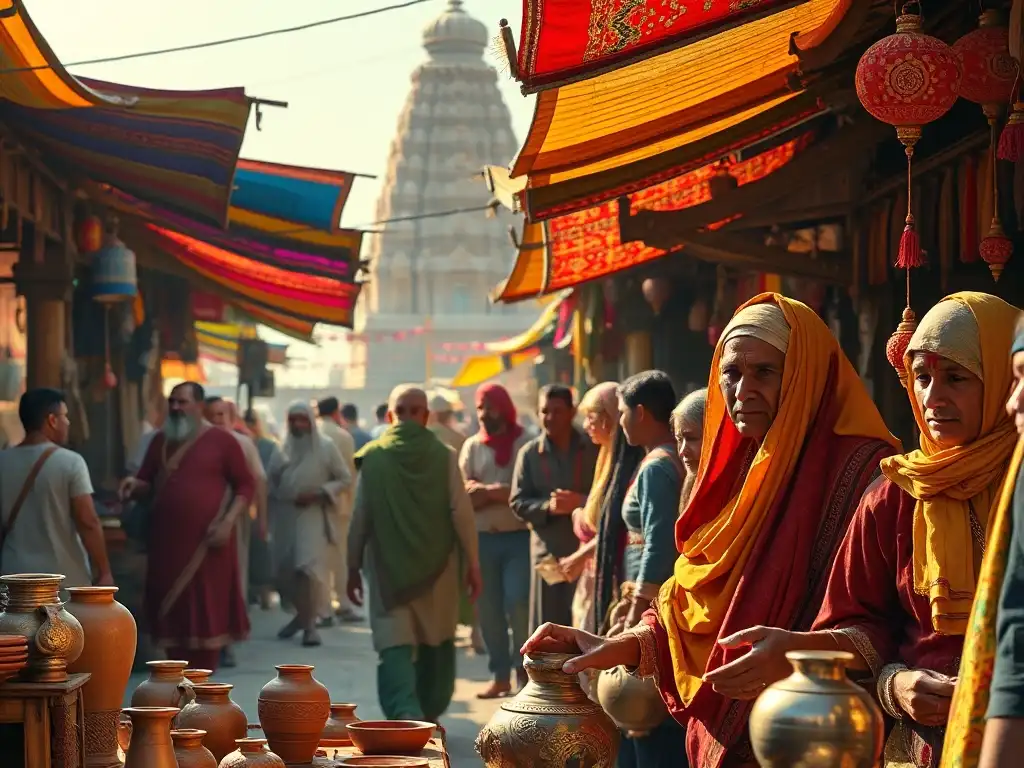
The historical context of ancient Indian art is deeply intertwined with the social, political, and religious dynamics of the time. From the early settlements of the Indus Valley Civilization to the flourishing Gupta Empire, art served as both a reflection and a catalyst of national identity and cultural expression. Ancient Indian art is not merely a collection of aesthetic creations; it is a narrative that reveals the beliefs, lifestyles, and values of the civilizations that produced it.
Evolution of Art Forms from the Indus Valley to the Gupta Empire
The evolution of art forms in ancient India can be categorized into distinct phases, each marked by unique characteristics that correspond to the socio-political environment.
- Indus Valley Civilization (c. 3300–1300 BCE):
- The art of the Indus Valley, characterized by its urban sophistication, is evident in the terracotta figurines, seals, and pottery.
- Key Features: The use of naturalistic forms, intricate designs, and symbolic motifs, such as the famous "Dancing Girl" statue.
- Significance: These artifacts suggest a society that valued craftsmanship and had a complex social structure.
- Maurya Period (c. 322–185 BCE):
- The Mauryan Empire saw the introduction of monumental stone art, particularly under the reign of Ashoka.
- Key Features: The Ashoka Pillars and stupas, adorned with intricate carvings and inscriptions promoting Buddhism.
- Significance: This period marked a shift towards religious art that communicated moral teachings and national unity through shared beliefs.
- Post-Maurya to Gupta Period (c. 200 BCE–550 CE):
- The Gupta era is often referred to as the "Golden Age" of India, where art flourished in various forms, including sculpture, painting, and architecture.
- Key Features: The emergence of classical styles in sculpture, such as the elegant figures of the Udayagiri Caves and the frescoes in Ajanta.
- Significance: Art became a tool for expressing cultural identity and religious devotion, illustrating narratives from Hindu epics like the Ramayana and Mahabharata.
Influence of Religion and Philosophy on Art in Ancient India
Religion and philosophy played a pivotal role in shaping the art of ancient India, serving as both inspiration and framework. The intertwining of art with spiritual beliefs created a unique cultural identity.
- Hinduism:
- Hindu art is characterized by its elaborate sculptures of deities and mythological narratives.
- Example: The intricate carvings at Khajuraho and the Brihadeeswarar Temple, which depict stories from Hindu scriptures, showcasing the divine in everyday life.
- Impact: This art form helped solidify the cultural ethos of Hinduism, fostering a sense of belonging and identity among practitioners.
- Buddhism:
- The advent of Buddhism introduced new artistic paradigms, focusing on the representation of the Buddha and his teachings.
- Example: The Gandhara style, which blended Greek and Indian elements, exemplifies this influence through sculptures that depict the life of the Buddha.
- Impact: Buddhist art not only served religious purposes but also acted as a means of spreading cultural ideas across Asia.
- Jainism:
- Jain art emphasized non-violence and asceticism, reflecting its core philosophies through detailed carvings and paintings.
- Example: The intricate jain temples at Khajuraho and Dilwara, which showcase the dedication to craftsmanship and spiritual ideals.
- Impact: Jain art contributed to the diversity of ancient Indian culture, highlighting the coexistence of multiple religious identities within the same geographical space.
Ancient Indian art forms are not only a testament to the creativity and skill of their creators but also a profound reflection of the evolving national identity shaped by historical, religious, and philosophical contexts. The interplay between art and identity continues to resonate, influencing modern interpretations and appreciation of India's rich heritage.
Key Ancient Indian Art Forms and Their Significance
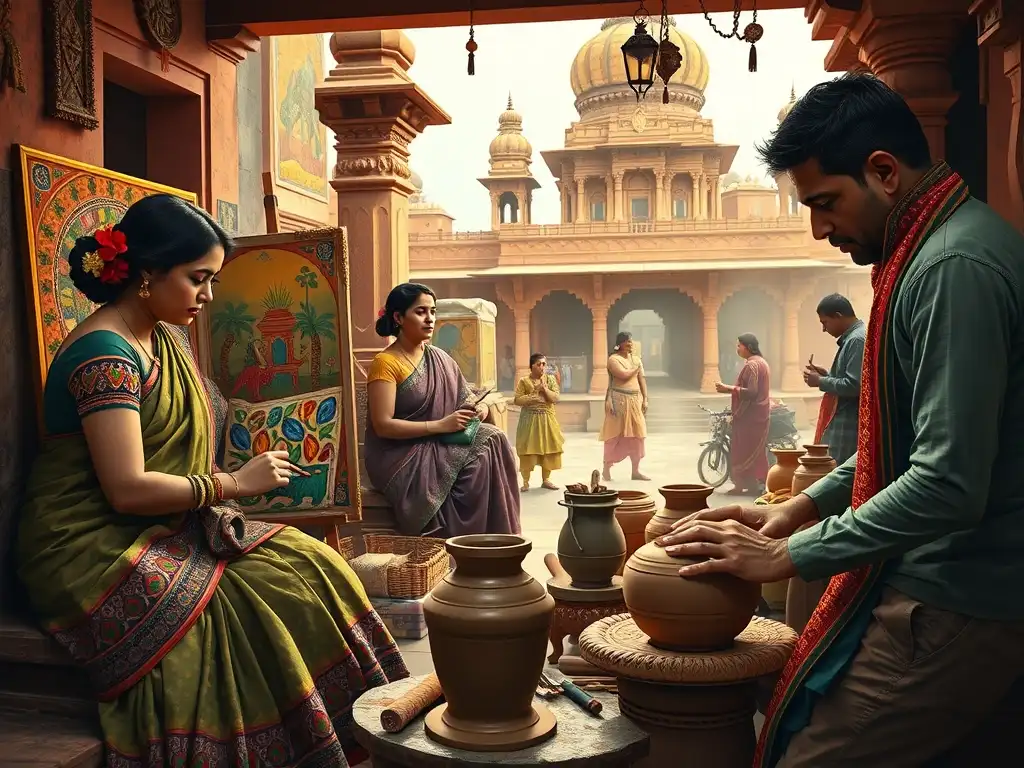
Ancient Indian art forms played a pivotal role in shaping the cultural identity of the subcontinent, serving as a medium through which various civilizations expressed their beliefs, values, and narratives. The significance of these art forms extends beyond mere aesthetics; they encapsulate the philosophies, spiritual practices, and historical contexts of the times in which they were created.
The diverse array of art forms—ranging from sculpture and painting to textiles and architecture—reflects the rich tapestry of India’s past, showcasing a blend of indigenous and external influences that have contributed to a unique national identity. The evolution of these art forms can be traced through major periods such as the Indus Valley Civilization, the Mauryan Empire, and the Gupta Empire, each leaving an indelible mark on the artistic heritage of India.
Sculpture: A Reflection of Cultural Identity
Sculpture in ancient India is not just a representation of physical forms but a profound expression of philosophical and religious ideas. This art form served as a vehicle for storytelling, often depicting deities, mythological figures, and important historical personalities. The intricate details and craftsmanship found in sculptures reflect the socio-political and spiritual ethos of the time, allowing us to glean insights into the cultural identity of ancient Indian societies.
Notable Sculptural Styles in Ancient India
- Indus Valley Sculpture: The earliest known sculptures from this period include the famous "Dancing Girl" and various seals that depict animals and human figures. These artifacts suggest a complex socio-economic structure and a rich cultural life.
- Mauryan Sculpture: Characterized by the use of polished stone, Mauryan sculptures often depicted Buddhist themes. The Ashoka Pillars and the Lion Capital of Ashoka are prime examples, symbolizing the spread of Buddhism and the Mauryan commitment to dharma.
- Gupta Sculpture: Known for its elegance and grace, Gupta sculpture marked a golden age of artistry in India. The sculptures from this period, such as those found in Ajanta and Ellora caves, exhibit a synthesis of spirituality and aesthetics, often portraying Hindu deities with intricate detailing and delicate postures.
These sculptural styles not only illustrate the artistic capabilities of ancient Indian craftsmen but also serve as a testament to the evolving identity of Indian civilization, harmonizing local traditions with broader religious and cultural influences.
Painting: Visual Narratives of Heritage
Painting in ancient India served as a powerful narrative tool, conveying stories, beliefs, and ideals through vibrant visuals. This art form was integral to various religious and cultural practices, often adorning temples, manuscripts, and palaces. Ancient Indian paintings reveal the dynamic interplay between art and identity, highlighting the values and traditions that shaped communities.
Traditional Techniques and Themes in Ancient Indian Painting
- Mural Paintings: Found in the caves of Ajanta and Ellora, these murals depict Buddhist Jataka tales and other narratives. The use of natural pigments and the emphasis on human emotion and movement illustrate the advanced techniques employed by ancient artists.
- Miniature Paintings: Emerging during the Mughal period, these small-scale paintings often depicted court scenes, landscapes, and religious motifs. The intricate detailing and vibrant colors convey the grandeur of the time, reflecting the cultural amalgamation of indigenous and Persian influences.
- Pahari and Rajput Paintings: These regional styles, characterized by their unique color palettes and themes, often depict themes of love, nature, and mythology. The detailed portrayal of flora and fauna not only highlights the artistic skill but also emphasizes the connection between humans and the natural world.
The themes and techniques used in ancient Indian painting contribute significantly to the understanding of cultural identity, as they encapsulate the values and narratives cherished by society. Through these visual narratives, ancient artists fostered a sense of belonging and continuity, binding communities together through shared heritage.
Both sculpture and painting emerged as vital forms of expression in ancient India, fostering a national identity that resonates through centuries. As we explore these art forms, we uncover the layers of cultural richness that define the essence of ancient Indian civilization.
Architecture: Building Identity through Monumental Structures
Ancient Indian architecture serves as a profound testament to the cultural and spiritual ethos of its time, encapsulating the identity and aspirations of its civilizations. From grand temples to intricate palaces, the architectural styles of ancient India reflect the diverse influences of religion, geography, and local traditions. These monumental structures not only served functional purposes but also symbolized the collective identity and values of the communities that built them.
The evolution of ancient Indian architecture can be traced through various dynasties, each leaving an indelible mark on the landscape. For instance, the Mauryan period introduced simple but powerful forms, while the Gupta Empire showcased exquisite craftsmanship and artistic finesse. The integration of local materials, techniques, and motifs resulted in a unique architectural language that spoke to the identity of the people.
Moreover, ancient Indian architecture often embodied the principles of Vastu Shastra, which aligns buildings with cosmic energies. This connection between the built environment and spiritual beliefs further reinforced the sense of identity among communities. Structures like stupas, temples, and forts became not just physical spaces but also cultural symbols, fostering a shared sense of belonging and pride among people.
Iconic Examples of Ancient Indian Architecture
Several iconic examples of ancient Indian architecture encapsulate the essence of cultural identity:
- The Great Stupa at Sanchi:
- Built during the reign of Emperor Ashoka in the 3rd century BCE, this stupa is one of the oldest stone structures in India and a UNESCO World Heritage Site. It signifies the Buddhist architectural style and serves as a pilgrimage site, embodying the spiritual identity of Buddhism in India.
- The Ajanta Caves:
- Dating back to the 2nd century BCE, the Ajanta Caves are renowned for their stunning rock-cut architecture and intricate frescoes. These caves highlight the artistic achievements of ancient India and reflect the cultural narratives of Buddhism, showcasing the identity of the period through art.
- The Brihadeeswarar Temple in Thanjavur:
- Constructed during the Chola dynasty in the 11th century, this temple is a masterpiece of Dravidian architecture. It symbolizes the political power and religious devotion of the Chola rulers, representing a significant aspect of Tamil identity.
- The Red Fort in Delhi:
- Built in the 17th century by Mughal Emperor Shah Jahan, this fort is a prime example of Mughal architecture that blends Persian, Timurid, and Indian styles. It stands as a symbol of India’s rich history and cultural amalgamation.
- Hampi’s Ruins:
- The Vijayanagara empire's capital, Hampi, showcases an array of temples, palaces, and market streets, illustrating the grandeur of ancient Indian civilization. The unique architecture reflects the socio-political and economic identity of the time.
These examples not only highlight the architectural prowess of ancient Indian civilizations but also emphasize how these structures fostered a collective identity that resonates through history, illustrating the deep connection between ancient Indian art and identity.
The Interconnection of Ancient Indian Art and National Identity
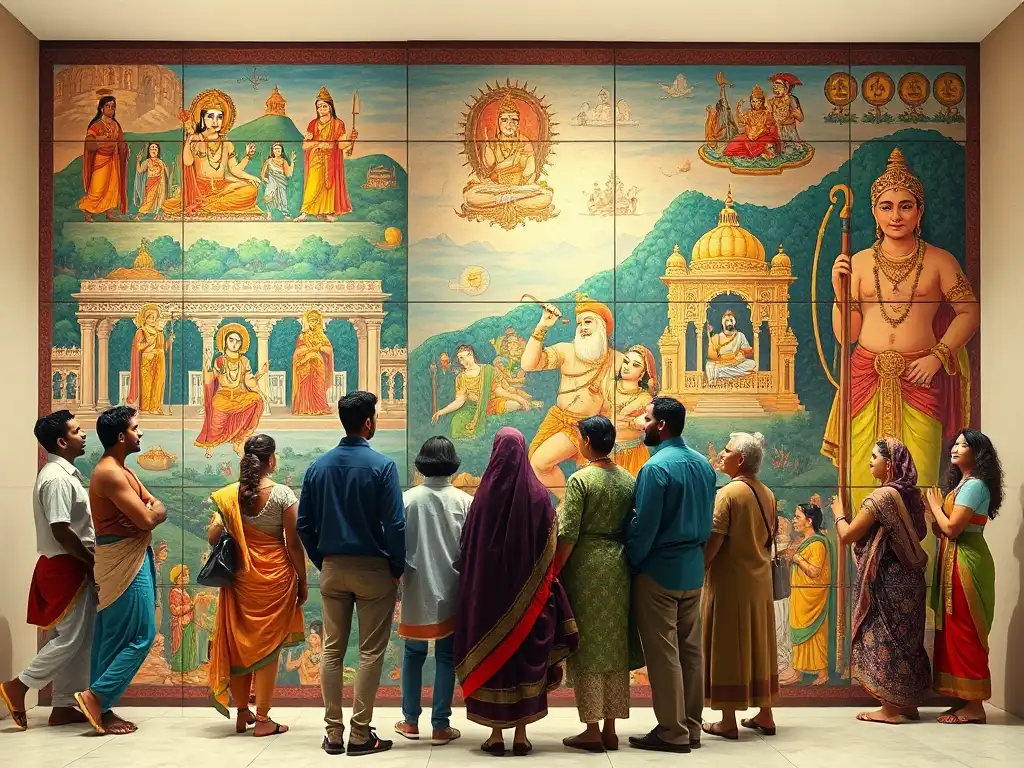
How Art Forms Represent Cultural Diversity
Ancient Indian art is a vibrant tapestry woven from the diverse threads of various cultures, regions, and communities across the subcontinent. From the intricate carvings of the temple architecture in South India to the delicate frescoes of the Ajanta Caves, each art form reflects the unique cultural identity of its origin. This diversity is not merely aesthetic; it plays a crucial role in representing the myriad traditions, languages, and histories that coexist in India.
- Regional Variations:
- Madhubani Paintings: Originating from the Mithila region of Bihar, these paintings are characterized by their elaborate patterns and vibrant colors, often depicting mythological themes and nature.
- Warli Art: This tribal art form from Maharashtra utilizes simple geometric shapes to depict daily life, rituals, and the connection between humans and nature.
- Tantric Art: Found in various regions, particularly in Bengal, this art form is rich in symbolism and often reflects spiritual beliefs, emphasizing the connection between the physical and the divine.
The varied art forms contribute to a collective identity that honors the rich heritage of ancient Indian civilizations while simultaneously celebrating local customs.
- Symbolism and Meaning:
- Each piece of ancient Indian art carries layers of meaning, often intertwined with religious and philosophical beliefs. For instance, the motifs in Kalamkari textiles often narrate stories from Hindu epics, while Gond art encapsulates the relationship with nature and spiritual beliefs of the Gond tribes.
- The use of specific colors, patterns, and themes serves as a visual language that communicates the values and narratives of different communities, fostering a sense of pride and identity among them.
Through these art forms, ancient Indians expressed their unique identities while contributing to a broader narrative of cultural diversity, reinforcing the idea that identity is multifaceted and inclusive.
The Role of Art in Fostering Unity Among Diverse Communities
While ancient Indian art highlights cultural diversity, it also serves as a unifying force that brings together disparate communities. The shared appreciation of these art forms fosters a sense of belonging and collective identity among people from varied backgrounds.
- Common Themes:
- Many ancient Indian art forms revolve around universal themes such as love, spirituality, and nature. This commonality allows individuals from different cultural backgrounds to find resonance and connection. For example, the depiction of divine figures in murals, sculptures, and paintings transcends regional boundaries, fostering a shared spiritual identity.
- Festivals and rituals often showcase various art forms, such as Rangoli during Diwali or Puja Thalis adorned with intricate designs. These practices create a collective experience that reinforces social bonds among communities.
- Cultural Exchange and Influence:
- Ancient India was a melting pot of cultures due to trade, conquests, and migrations. This intercultural exchange enriched the art forms, allowing for the blending of styles and techniques. For instance, the influence of Persian art on Mughal miniature paintings is evident in their intricate details and vibrant colors.
- Collaborative art projects, such as temple constructions that involved artisans from various regions, fostered relationships and mutual respect among communities, breaking down barriers and promoting unity.
In essence, ancient Indian art not only showcased the richness of cultural diversity but also played a pivotal role in fostering unity and a shared national identity among its people. By appreciating and celebrating these art forms, modern society can continue to honor this legacy, reinforcing the notion that diversity and unity are not mutually exclusive but rather complementary aspects of the Indian identity.
Case Studies: Art and Identity in Specific Regions
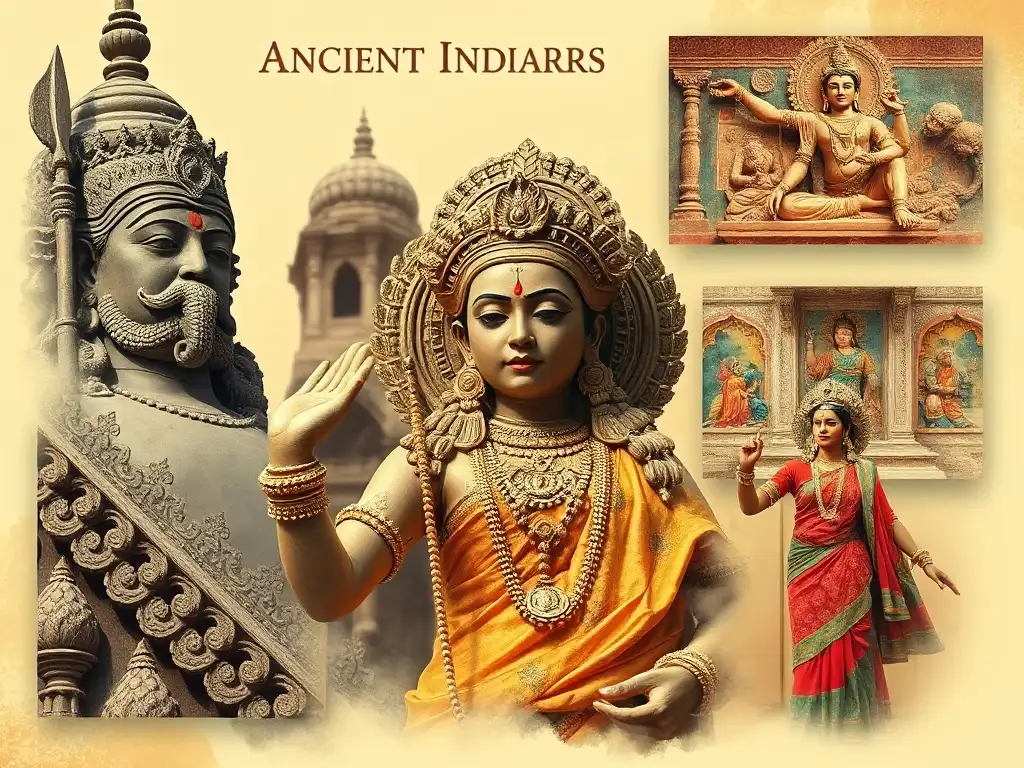
The Influence of Art in the Northern Regions of India
Northern India, often considered the cradle of ancient Indian art, has been instrumental in shaping the national identity through its unique artistic expressions. The region’s rich history, influenced by various dynasties such as the Mauryas, Guptas, and Mughals, has resulted in a diverse tapestry of art forms that reflect both local traditions and broader cultural exchanges.
Key Art Forms
- Mural Paintings:
- The frescoes of Ajanta and Bagh caves showcase intricate narratives from Buddhist texts, revealing the spiritual aspirations of the time.
- The Rajasthani miniature paintings emerged during the Mughal era, blending Persian influences with local themes, depicting royal courts, and daily life.
- Sculpture:
- The stone carvings in Khajuraho are renowned for their exquisite detail and erotic themes, which symbolize the celebration of life and love, integral to Indian culture.
- The Buddhist sculptures from Sarnath are significant for their portrayal of the Buddha’s life and teachings, contributing to a shared identity among followers.
- Textiles:
- Northern India is famous for its handwoven textiles, including Pashmina shawls and Banarasi silk, which not only represent local craftsmanship but also signify the cultural heritage of the region.
These art forms collectively foster a sense of unity among diverse communities, as they share a common cultural narrative that transcends regional boundaries.
Southern Indian Art Forms and Cultural Identity
Southern India presents a distinct artistic landscape that deeply influences the region's cultural identity. Characterized by its classical dance forms, temple architecture, and unique painting styles, southern art plays a vital role in the socio-cultural fabric of the nation.
Prominent Art Forms
- Temple Architecture:
- The intricate carvings and towering gopurams (gateway towers) of temples like Meenakshi and Brihadeeswarar are not merely architectural feats but are imbued with religious significance, representing the divine connection between the people and their gods.
- Classical Dance:
- Dance forms such as Bharatanatyam and Kathakali serve as storytelling mediums that convey ancient epics and moral philosophies, reinforcing cultural values and community bonds.
- Tanjore Paintings:
- These vibrant artworks, characterized by rich colors and gold foil, reflect the spirituality and devotion of the region, often depicting deities and mythological stories.
The diversity of these art forms enhances regional identity while contributing to the broader national identity by showcasing the intricate relationship between culture and art.
Eastern and Western Indian Art: Unique Contributions to National Identity
The eastern and western regions of India offer a wealth of artistic traditions that significantly contribute to the national identity. Each region's distinct styles and themes reflect local histories, beliefs, and socio-political contexts.
Eastern Art Forms
- Bengal School of Art:
- This movement, which emerged in the early 20th century, sought to revive traditional Indian art forms while incorporating modern sensibilities. Artists like Ravi Varma and Nandalal Bose played key roles in redefining Indian art, which fostered a sense of national pride and identity during the colonial era.
- Madhubani Paintings:
- Originating from Bihar, these folk paintings are characterized by their vibrant colors and intricate patterns, often narrating mythological stories and local traditions. They serve as a medium for community expression and cultural continuity.
Western Art Forms
- Gujarat's Textile Traditions:
- The bandhani and block printing techniques are not only traditional crafts but also symbols of regional identity, showcasing the artistry and skill of local artisans.
- Warli Paintings:
- These tribal artworks from Maharashtra depict everyday life and nature, emphasizing harmony with the environment. Warli art embodies the cultural ethos of the region and reinforces a shared identity among tribal communities.
The rich tapestry of ancient Indian art across various regions illustrates how these art forms have fostered a strong sense of national identity. By celebrating local traditions while contributing to a collective heritage, ancient Indian art continues to resonate with contemporary society.
Modern Perspectives on Ancient Indian Art and National Identity
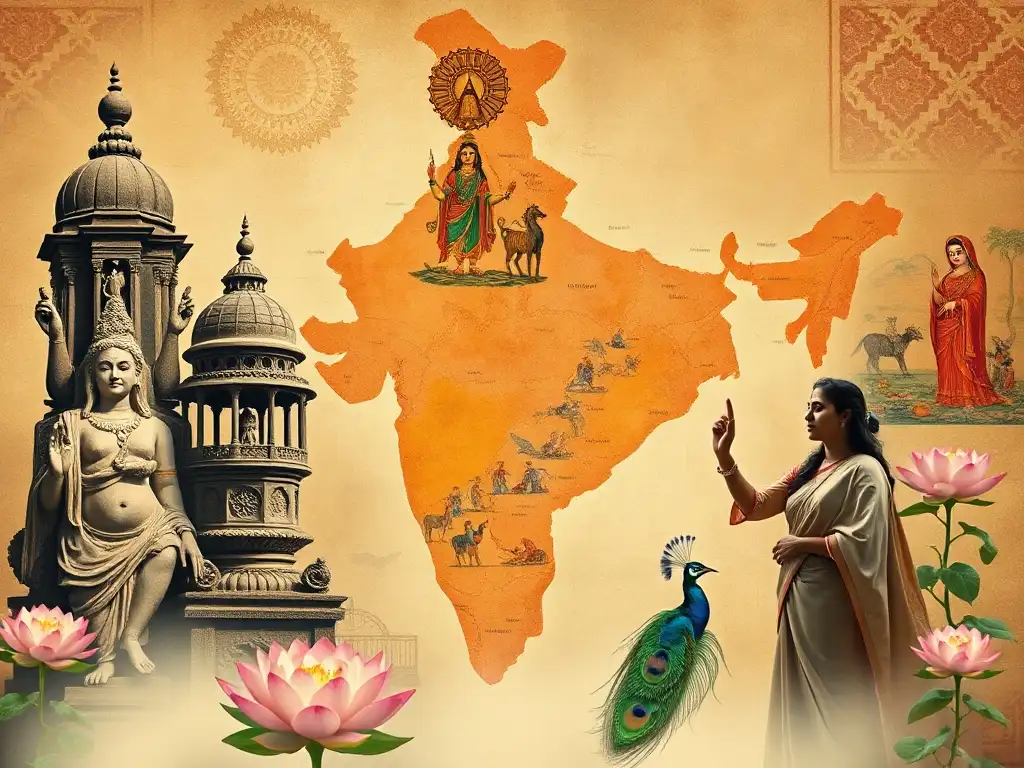
Reviving Ancient Art Forms in Contemporary India
The revival of ancient Indian art forms plays a crucial role in shaping contemporary culture and national identity. In recent years, there has been a significant effort to rediscover and promote traditional art forms such as Madhubani, Warli, and Pattachitra, which not only celebrate India's rich heritage but also foster a sense of unity among diverse communities.
-
Cultural Heritage Initiatives
Various organizations and government bodies are actively working to promote ancient art forms. Programs like the Kala Utsav and Sankalp Se Siddhi encourage young artists to learn and practice traditional methods. This not only preserves these art forms but also integrates them into the modern artistic landscape.
-
Art as a Medium of Expression
Ancient art forms are increasingly being used by contemporary artists to express social and political messages. For example, the use of traditional motifs in modern murals and installations reflects a blend of heritage and contemporary issues, resonating with broader audiences. Such expressions serve to remind society of its roots while addressing current challenges.
-
Educational Workshops and Collaborations
Workshops that focus on ancient techniques are gaining popularity, with artists collaborating with artisans to share knowledge and skills. This not only revitalizes traditional methods but also ensures that these art forms remain relevant in today's context. Educational institutions are increasingly incorporating these art forms into their curricula, enhancing appreciation among younger generations.
The Role of Art in Modern National Identity Formation
Art has always been a powerful tool in shaping national identity, and ancient Indian art is no exception. The interplay between ancient art forms and contemporary national identity can be observed through various dimensions:
-
Symbol of Unity
Ancient Indian art serves as a unifying symbol across diverse cultural and linguistic backgrounds. The use of traditional motifs and themes that resonate with various communities fosters a sense of belonging and collective identity. This is particularly evident in festivals and public celebrations, where art forms are showcased to promote cultural diversity.
-
Cultural Diplomacy
Ancient art forms have gained international recognition, contributing to India's soft power on the global stage. Exhibitions of traditional art and collaborations with international artists promote cultural exchange and enhance India's image as a country with a rich heritage. This helps reinforce the narrative of a united national identity that is proud of its artistic traditions.
-
Political Narratives
In recent years, politicians and political movements have embraced ancient art forms to evoke national pride. By promoting these traditions, leaders tap into a collective memory that resonates with citizens, reinforcing a sense of identity rooted in historical achievements. This strategic use of art can shape public perception and foster nationalistic sentiments.
The modern perspectives on ancient Indian art underscore its pivotal role in shaping national identity. By reviving and integrating these art forms into contemporary society, India not only honors its past but also builds a cohesive and vibrant national identity that resonates with the current generation.
Conclusion: The Enduring Legacy of Ancient Indian Art
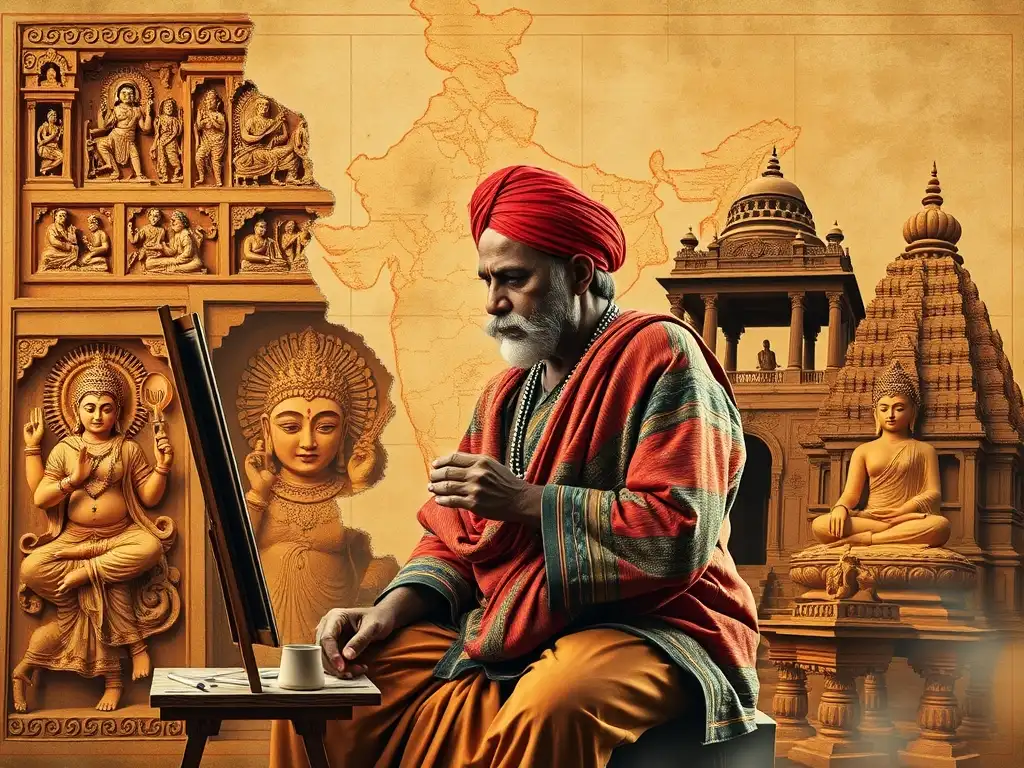
The intricate tapestry of ancient Indian art forms has played a pivotal role in shaping the cultural and national identity of India. From the earliest cave paintings to the elaborate sculptures of temples, these artistic expressions encapsulate the beliefs, values, and traditions of various civilizations throughout history. The enduring legacy of ancient Indian art is not just a reflection of aesthetic brilliance; it is a profound embodiment of the socio-political landscape and spiritual ethos of its time.
Summary of How Ancient Indian Art Shapes Identity Today
Ancient Indian art continues to resonate with contemporary society, serving as a bridge between the past and present. This connection is evident in several ways:
- Cultural Representation: Art forms such as Madhubani painting, Warli art, and traditional dance forms like Bharatanatyam and Kathak encapsulate regional identities while promoting a sense of unity across diverse cultures. These art forms are celebrated in festivals, exhibitions, and educational institutions, fostering pride in India's rich heritage.
- National Symbols: Elements of ancient art have been embraced as national symbols. For instance, the lion capital of Ashoka is a prominent emblem of the Republic of India, reflecting the ideals of strength and courage. Such symbols evoke a shared memory and continuity, linking modern citizens to their ancient roots.
- Art as a Medium of Expression: Contemporary artists draw inspiration from ancient techniques and themes, creating a dialogue between historical and modern contexts. This revival of traditional art forms not only preserves their essence but also reinterprets them to address current societal issues, thus reinforcing a collective identity.
- Global Recognition: Ancient Indian art has garnered international acclaim, contributing to a global appreciation of Indian culture. Exhibitions featuring ancient sculptures, textiles, and paintings have facilitated cross-cultural exchanges, allowing the world to engage with India’s artistic legacy and its influence on identity.
Future Implications for Cultural Preservation and National Identity
As we navigate an increasingly globalized world, the preservation of ancient Indian art forms becomes crucial in maintaining national identity. The implications for the future include:
- Educational Initiatives: Integrating ancient Indian art into educational curricula can cultivate an appreciation for cultural heritage among younger generations. Workshops, art camps, and school programs can promote hands-on learning and encourage creativity rooted in tradition.
- Support for Artisans: Investing in the livelihoods of traditional artisans is essential for the survival of ancient art forms. By creating sustainable markets and providing platforms for artisans to showcase their work, we can ensure that these crafts continue to thrive.
- Digital Preservation: The use of technology to document and archive ancient art forms presents a unique opportunity for preservation. Virtual museums and online exhibitions can make ancient art accessible to a global audience, fostering wider recognition and appreciation.
- Cultural Policies: Governments and organizations must implement policies that prioritize the protection and promotion of ancient art. This includes safeguarding heritage sites, funding art initiatives, and encouraging collaborations between artists and historians.
The interplay between ancient Indian art and national identity is profound and multifaceted. By embracing and preserving this legacy, we not only honor our ancestors but also reinforce a sense of belonging and purpose for future generations. The journey of ancient Indian art is far from over; it continues to evolve, inspire, and unite, shaping the identity of a nation deeply rooted in its artistic heritage.
Frequently Asked Questions
What is the significance of Ancient Indian art in shaping national identity?
Ancient Indian art serves as a cultural reflection, showcasing the values, beliefs, and traditions that have defined the Indian identity through centuries.
Which art forms are highlighted in the context of Ancient India?
The article emphasizes various art forms, including sculpture, painting, and architecture, that have played a crucial role in expressing the diversity and unity of ancient Indian civilization.
How did the Indus Valley Civilization influence art and identity?
The Indus Valley Civilization is known for its advanced urban planning and artifacts, which laid the groundwork for subsequent artistic expressions that contributed to a collective national identity.
In what ways did the Gupta Empire impact Indian art?
The Gupta Empire is often referred to as the Golden Age of Indian art, marked by significant advancements in sculpture and painting that illustrated religious themes and further solidified cultural identity.
How does the article connect art to the understanding of Indian identity?
The article illustrates that art forms are not merely aesthetic; they are vital in expressing and preserving the rich heritage, beliefs, and shared experiences that define Indian identity throughout history.
Final Reflection: The Enduring Legacy of Ancient Indian Art and Identity
The exploration of ancient Indian art forms reveals their profound impact on the formation of national identity, a theme that resonates powerfully in today's globalized world. As we navigate through an era marked by cultural exchanges and hybrid identities, the significance of these ancient art forms becomes increasingly relevant. They serve not only as historical artifacts but as living expressions of a collective consciousness that binds communities together, reminding us of our shared heritage and values.
Cultural identity is a dynamic tapestry woven from the threads of history, art, and tradition. The influence of ancient Indian art extends beyond mere aesthetics; it shapes our understanding of who we are as a society. The intricate designs and narratives embedded in these art forms continue to inspire contemporary artists and thinkers, fostering a sense of belonging and continuity. Art is the most beautiful of all lies.
This sentiment underscores the power of art to transcend time and space, allowing us to connect with our roots while embracing the future.
As you reflect on the themes presented in this article, consider how ancient Indian art can inspire your own sense of identity and belonging. Embrace the lessons of the past and let them guide your journey forward. Whether through engaging with traditional art forms, supporting local artists, or simply exploring the stories behind these creations, each of us has the opportunity to contribute to the ongoing narrative of our cultural heritage. Let us honor the legacy of ancient Indian art as we forge our paths in a rapidly changing world.
Embrace the Vibrancy of Ancient Indian Art Today!
Thank you for exploring the rich tapestry of ancient Indian art forms that nourish our national identity. Your interest is a vital step toward appreciating and preserving this incredible heritage. Now, let's take that passion and channel it into action!
- Explore local art exhibitions or museums that showcase the richness of Indian art to deepen your understanding and appreciation.
- Share this article with friends and family to spark conversations about the significance of art in our cultural history.
- Join an online community or forum dedicated to Indian art forms to exchange insights and inspire others who share a passion for our heritage.
How do you think embracing the stories behind these art forms can strengthen our national identity today?