
The Art of the Indian Epic: Ramayana and Mahabharata in Visual Form

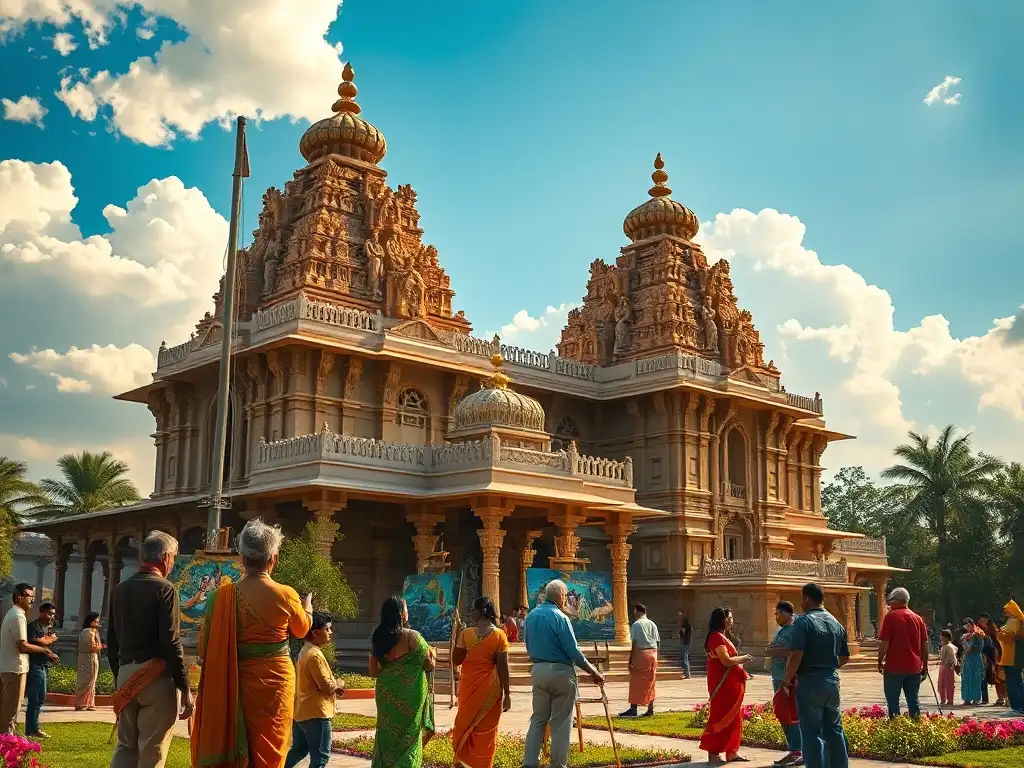
Welcome to Ancient India History, where we embark on a fascinating journey through the vibrant tapestry of India's past. Dive deep into the Indian epic art history as we unravel the intricate visual narratives of the Ramayana and Mahabharata. These monumental epics not only shaped the cultural ethos of ancient civilizations but also left an indelible mark on art and architecture. Are you ready to uncover the stories behind the stunning masterpieces? Join us as we explore the profound connections between art, culture, and philosophy in the rich legacy of ancient India!
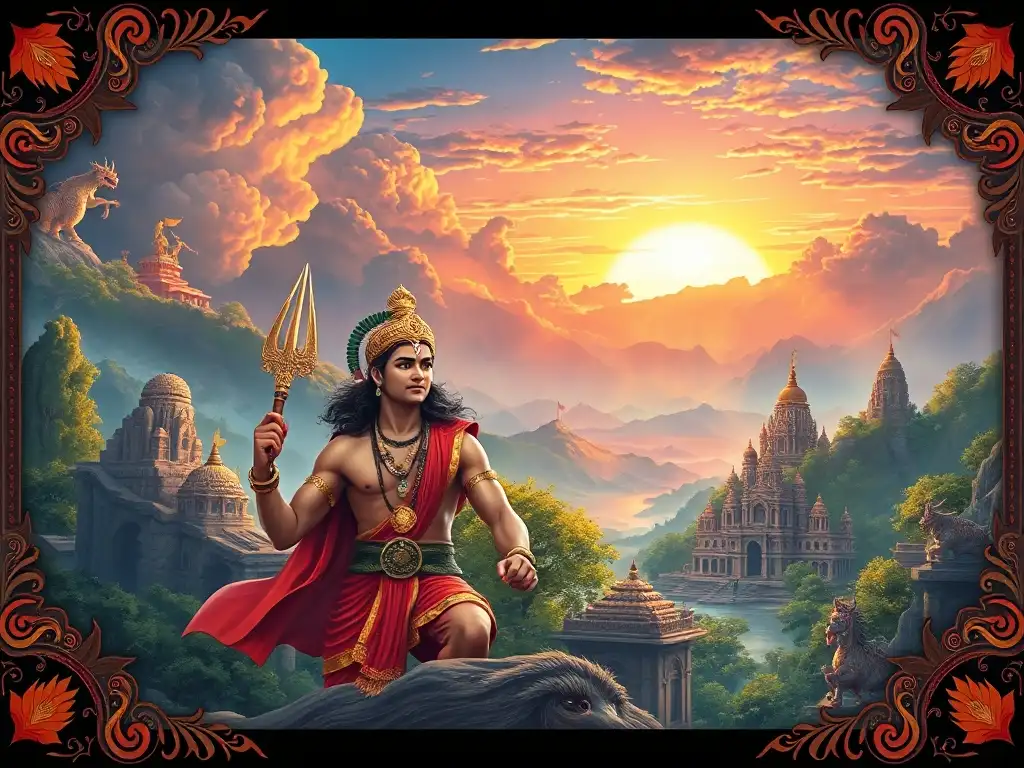
Introduction to Indian Epic Art History
The exploration of Indian epic art history unveils a captivating journey through the rich tapestry of ancient Indian civilization, where stories of valor, morality, and divine play have been intricately depicted through artistic expressions. The Ramayana and Mahabharata, two of the most revered epics in Indian literature, not only encapsulate the essence of human experience but have also profoundly influenced various art forms over centuries.
Through paintings, sculptures, and textiles, these narratives have transcended time, allowing us to appreciate the aesthetic and cultural dimensions of India's artistic heritage. This article delves into the visual representations of these epics, examining their historical roots and the artistic evolution that has shaped them into enduring symbols of India's cultural identity.
Overview of Indian Epics: Ramayana and Mahabharata
The Ramayana, attributed to the sage Valmiki, narrates the life and adventures of Lord Rama, his wife Sita, and his loyal companion Hanuman. This epic emphasizes the ideals of dharma (duty) and the triumph of good over evil. In contrast, the Mahabharata, traditionally attributed to sage Vyasa, is a monumental work that encompasses the story of the Kurukshetra War between the Pandavas and Kauravas, highlighting complex characters and moral dilemmas. Both epics serve as moral compasses and cultural touchstones for millions, inspiring countless artistic representations that interpret their themes and characters.
Importance of Visual Representations in Indian Art
Visual representations of these epics play a crucial role in translating their narratives into tangible forms. Through paintings, sculptures, and performances like Kathakali and Ram Leela, artists convey the emotional depth and philosophical underpinnings of the stories. Such representations not only reflect the cultural ethos of their time but also serve as educational tools, allowing audiences to engage with the stories on multiple levels. The art forms created around these epics often incorporate intricate details, symbolism, and vibrant colors, enhancing the viewer's understanding and appreciation of the narratives.
The Historical Context of Indian Epic Art
Evolution of Art Forms in Ancient India
The evolution of art forms in ancient India can be traced back to the Indus Valley Civilization, where pottery and seals depicted various motifs, possibly hinting at early storytelling traditions. As time progressed, the introduction of techniques like fresco painting and sculpture flourished, particularly during the Maurya and Gupta periods.
The Gupta Empire, often referred to as the "Golden Age of India," saw a significant rise in artistic endeavors, with the emergence of intricate carvings and paintings that illustrated scenes from the Ramayana and Mahabharata on temple walls and manuscripts. This period laid the foundation for a rich artistic legacy that continues to inspire contemporary artists.
Influence of Religion and Philosophy on Epic Art
Religion and philosophy have profoundly influenced the visual representation of Indian epics. The integration of Hindu beliefs and teachings into art has allowed for a deeper exploration of spiritual themes. For instance, the use of iconography in depicting deities and heroes from the epics is not merely decorative but serves to convey philosophical concepts such as karma, dharma, and moksha. Temples adorned with sculptures narrating episodes from the Ramayana and Mahabharata exemplify how art has been utilized as a medium for spiritual expression, inviting devotees to reflect on the moral lessons inherent in these ancient texts.
Through this exploration of Indian epic art history, we gain a deeper understanding of the cultural, spiritual, and artistic significance of the Ramayana and Mahabharata, showcasing their enduring legacy in the world of art.
Key Elements of Indian Epic Art
Indian epic art is characterized by a rich tapestry of visual elements that convey profound narratives from the Ramayana and Mahabharata. These artworks serve not only as aesthetic expressions but also as vehicles for storytelling, morality, and cultural identity. Key elements include:
- Narrative Composition: The artworks often depict specific scenes from the epics, capturing pivotal moments such as battles, divine interventions, and significant dialogues. This narrative style allows viewers to engage with the story at multiple levels.
- Character Representation: Characters are portrayed with distinct attributes that signify their roles and personalities. For example, Lord Rama is often depicted with a bow and arrow, symbolizing his heroic nature, while Draupadi may be illustrated in vibrant clothing to reflect her strength and resilience.
- Use of Color: Vibrant colors play a crucial role in Indian epic art, with each hue carrying symbolic meanings. Red may signify passion or valor, while blue often represents divinity, particularly in depictions of Krishna.
- Spatial Arrangement: The layout of figures and elements within the artwork often follows specific hierarchies, with divine figures depicted larger or more centrally placed to denote their importance in the narrative.
Iconography in Ramayana and Mahabharata
Iconography in the Indian epics is steeped in symbolic meaning and cultural significance. Each character and scene is imbued with layers of interpretation, allowing for a rich visual language that communicates the complexities of the narratives.
- Divine Figures: Deities such as Vishnu, Shiva, and Durga are often depicted in elaborate forms, showcasing their divine attributes. For instance, Vishnu may be shown with multiple arms, each holding a different item that symbolizes his powers.
- Mythological Creatures: Creatures like Garuda (the eagle) and Hanuman (the monkey god) serve as symbols of loyalty and strength. Their depictions often convey their roles within the epic narratives, enhancing the viewer's understanding of their significance.
- Contextual Elements: Background motifs such as forests, palaces, or battlefields are frequently included to provide context to the story being portrayed. These elements not only enrich the visual experience but also anchor the narrative in a geographical setting.
- Facial Expressions and Gestures: The facial expressions and mudras (hand gestures) of characters are meticulously crafted to convey emotions and intentions, allowing viewers to connect with the characters on a deeper level.
Symbolism and Themes in Epic Visuals
The themes depicted in Indian epic art transcend mere representation; they offer insights into the philosophical and moral underpinnings of the stories. Various symbols and recurring themes can be identified:
- Dharma (Righteousness): The concept of dharma is central to both the Ramayana and Mahabharata. Visuals often depict characters making choices that reflect their adherence to this principle, illustrating the moral dilemmas faced by heroes.
- Good vs. Evil: The perpetual struggle between good and evil is a predominant theme. Characters like Rama and Arjuna symbolize righteousness, while figures such as Ravana and Duryodhana embody moral corruption. This duality is portrayed through contrasting visual elements.
- Sacrifice and Duty: Many scenes focus on sacrifice, duty, and the responsibilities of individuals to their families and society. This theme resonates strongly in the illustrations of heroic acts, especially in moments of battle or personal loss.
- Transcendence and Divine Intervention: The presence of divine beings and their interventions in human affairs highlights the belief in higher powers guiding the fate of characters. Such depictions often emphasize the idea that the divine oversees and influences the world.
Techniques and Styles in Indian Epic Art
The techniques and styles employed in Indian epic art reflect the diverse cultural practices across regions and periods. From intricate paintings to grand sculptures, each method contributes to the storytelling tradition.
Traditional Painting Techniques: Miniatures to Frescoes
Traditional painting techniques in Indian epic art vary widely, but they share a commitment to detail and vibrant storytelling.
- Miniature Paintings: Originating in the royal courts, these small-scale artworks are characterized by their intricate details and vibrant colors. They often illustrate scenes from the epics with precision, allowing for a personal engagement with the narratives.
- Frescoes: Found in temples and palaces, frescoes are large wall paintings that depict epic tales in a grand style. These works often cover entire walls or ceilings, immersing viewers in the narrative environment.
- Materials and Tools: Artists traditionally used natural pigments derived from minerals and plants, applying them with fine brushes made from animal hair. This dedication to materials enhances the longevity and vibrancy of the artworks.
- Regional Styles: Different regions of India have developed unique styles, such as Pahari, Mughal, and Rajput styles, each with distinctive characteristics that reflect local cultures and artistic traditions.
Sculptural Representations in Temples and Monuments
Sculptural representations of the epics are prevalent in various temples and monuments across India, showcasing the grandeur of the narratives in three dimensions.
- Temple Carvings: Temples often feature intricate carvings that depict scenes from the Ramayana and Mahabharata, including battle scenes, divine figures, and mythological narratives. These sculptures serve both decorative and devotional purposes.
- Statues and Reliefs: Life-sized statues of key characters, such as Rama, Sita, and Krishna, can be found in many temples. Reliefs, which are carved into stone surfaces, illustrate dynamic scenes that invite contemplation and reverence.
- Cultural Significance: The sculptures not only serve as artistic expressions but also as educational tools, teaching devotees about the epics' moral lessons and cultural heritage.
- Preservation and Legacy: Many of these sculptural works have withstood the test of time, continuing to inspire contemporary artists and scholars. Their preservation reflects the ongoing relevance of the epics in Indian culture.
Regional Variations in Epic Art Depictions
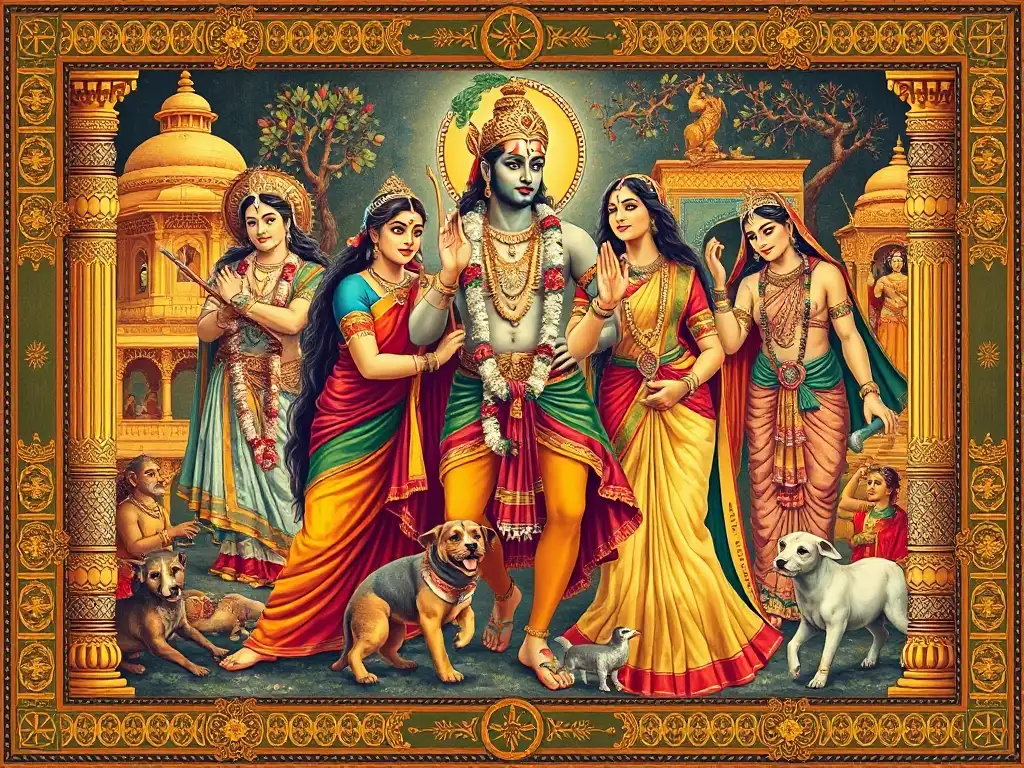
The representation of the Indian epics, Ramayana and Mahabharata, varies significantly across different regions of India, each adapting the narratives to local traditions, beliefs, and artistic styles. These regional variations reflect the cultural diversity and historical contexts that shaped the interpretation of these epics. From the vibrant colors and intricate patterns of South Indian art to the delicate brushwork of North Indian styles, the impact of geography, language, and local customs is evident in the visual storytelling of these ancient texts.
In South India, for instance, the depiction of epic scenes tends to be more dramatic, often characterized by bold outlines and vivid colors. Temples serve as primary sites for these artworks, where frescoes and sculptures narrate episodes from the epics, inviting viewers to engage with the stories in a spiritual context.
Conversely, in the North, especially in the Mughal and Pahari traditions, there is a tendency towards more nuanced expressions, often incorporating softer palettes and intricate detailing. This regional divergence not only showcases the richness of Indian culture but also highlights how each area contributes uniquely to the overarching narrative of Indian epic art history.
South Indian Interpretations of Ramayana and Mahabharata
In South India, the interpretations of the Ramayana and Mahabharata are deeply intertwined with local religious practices and temple architecture. Iconography in this region often features grand depictions of key events, such as the battle between Rama and Ravana or the Kurukshetra war, rendered in vibrant colors that symbolize the emotional intensity of the narratives.
One of the most significant art forms in South India is the Tanjore painting, known for its rich colors and use of gold foil. These paintings often illustrate scenes from the epics, where figures are adorned with intricate jewelry and elaborate costumes, enhancing their divine qualities. Additionally, the narrative tradition is preserved through shadow puppetry, where stories from the epics are performed, bringing characters to life in a unique and engaging manner.
The themes of duty, righteousness, and devotion found in the epics resonate deeply within South Indian culture, leading artists to infuse their work with local legends and mythological references, creating a blend of the universal and the particular.
North Indian Styles: Moghul and Pahari Influences
North Indian representations of the Ramayana and Mahabharata are characterized by the Mughal and Pahari styles, which bring together the influences of Persian artistry with indigenous themes. Mughal art, flourishing under emperors like Akbar and Jahangir, often depicted epic narratives in lavish manuscripts, featuring detailed illustrations that capture the grandeur of the stories. The meticulous attention to detail, coupled with the use of vibrant colors and intricate floral motifs, creates a visually stunning representation of the epics.
Pahari painting, originating from the hilly regions of North India, offers a more intimate portrayal of the epics. These artworks often depict scenes in a serene landscape, emphasizing the emotional and spiritual aspects of the narratives. The use of soft, pastel colors and delicate brushwork in Pahari art invites viewers into the personal experiences of the characters, contrasting with the more grandiose Mughal style.
Both styles reflect the cultural syncretism of North India, showcasing how the narratives of the Ramayana and Mahabharata were adapted to resonate with the local audience, thereby enriching the Indian epic art history.
The Role of Artists and Patrons in Epic Art
The creation of visual representations of the Ramayana and Mahabharata was not solely the work of artists; it was also heavily influenced by the patrons who commissioned these artworks. The relationship between artists and their patrons shaped the themes, styles, and techniques used in epic art, leading to the flourishing of various art forms across India.
Patrons, including kings, temples, and wealthy merchants, played a vital role in the production of epic art. Their support often dictated the scale and complexity of the projects, allowing artists to experiment with new techniques and materials. This patronage system contributed to the preservation and evolution of the narratives of the epics, ensuring that they remained relevant to contemporary audiences.
Notable Artists in Indian Epic Art History
Several artists have made significant contributions to the field of Indian epic art throughout history. Among them, Raja Ravi Varma stands out as a pivotal figure in the 19th century, known for his ability to blend traditional Indian themes with European techniques. His paintings of characters from the Ramayana and Mahabharata became iconic, influencing generations of artists and popularizing the visual representation of these epics.
In the realm of Mughal painting, artists like Mansoor and Abu'l-Hasan are credited with creating exquisite illustrations for manuscript versions of the Mahabharata, showcasing their skill in combining narrative depth with artistic finesse. Their works reflect the cultural vibrancy of the Mughal court and the significance of the epics within that context.
Furthermore, contemporary artists continue to draw inspiration from these ancient texts, blending traditional styles with modern interpretations, ensuring the relevance of Indian epic art history in today's artistic landscape.
Patronage Systems and Their Impact on Art Production
The patronage systems that supported artists throughout Indian history had a profound impact on the production of epic art. In many cases, royal patrons commissioned large-scale murals and temple sculptures that depicted scenes from the Ramayana and Mahabharata, integrating these artworks into the very fabric of religious and cultural life. This patronage not only provided financial support but also fostered an environment where artists could thrive and innovate.
Temples often served as central points for the commissioning of epic art, with patrons seeking to convey devotion and cultural identity through their support of artistic endeavors. The result was a rich tapestry of visual narratives that echoed the moral and philosophical teachings of the epics, reinforcing their significance in society.
Moreover, the decline of royal patronage in certain periods led to shifts in artistic practices, prompting artists to adapt their styles and seek new audiences. This evolution reflects the dynamic nature of Indian epic art history, showcasing how external influences and societal changes continuously shaped its development.
Contemporary Interpretations of Epic Art
The rich tapestry of Indian epic art has not remained static; it has evolved in response to contemporary cultural, social, and technological changes. Modern interpretations of the Ramayana and Mahabharata reflect a blend of traditional motifs with innovative techniques, allowing these ancient narratives to resonate with today’s audience.
Artists are increasingly drawing on the themes of heroism, morality, and the human condition found within these epics, reimagining them through a modern lens. This dynamic engagement fosters a dialogue between the past and present, demonstrating that the narratives of the Ramayana and Mahabharata are not only historical relics but also living stories that continue to inspire creativity.
Modern Artists and Their Connection to Indian Epic Heritage
Contemporary artists like Subodh Gupta, Nalini Malani, and Rameshwar Broota have found profound inspiration in the Ramayana and Mahabharata. They utilize various mediums such as painting, sculpture, and installation art to convey the themes of these epics. For instance, Gupta often incorporates everyday objects into his work, reflecting the socio-political realities of modern India while echoing the moral dilemmas faced by characters in the epics. Similarly, Malani’s multimedia installations challenge viewers to reflect on the stories and their implications in the contemporary world, often addressing issues of gender and violence.
Moreover, traditional art forms such as Pattachitra, Madhubani, and Warli paintings are being revitalized by modern artisans who draw from epic narratives. This revival is not merely an act of preservation but a reinterpretation that incorporates contemporary issues, ensuring that these traditional forms remain relevant and impactful.
The Influence of Digital Media on Epic Art Representations
The advent of digital media has significantly transformed how Indian epic art is created, disseminated, and consumed. Artists are leveraging digital platforms to reach a broader audience, utilizing tools such as animation, graphic design, and virtual reality to bring the stories of the Ramayana and Mahabharata to life in ways that were previously unimaginable.
For example, animated adaptations of these epics have gained immense popularity, allowing younger generations to engage with the narratives in an interactive and entertaining format. Additionally, social media serves as a vital space for artists to showcase their work, fostering a community of enthusiasts and scholars who discuss and critique contemporary representations of epic art. The fusion of technology with traditional storytelling not only preserves these narratives but also reinvents them, making them accessible to a global audience.
Conclusion: The Legacy of Indian Epic Art
The legacy of Indian epic art is both profound and enduring, encapsulating centuries of cultural expression and philosophical inquiry. The Ramayana and Mahabharata have not only shaped artistic practices but have also influenced various aspects of life, including literature, theater, and dance. This interconnectedness highlights the significance of these epics beyond mere storytelling; they serve as a conduit for exploring complex human emotions and moral dilemmas.
Enduring Significance of Ramayana and Mahabharata in Indian Culture
The Ramayana and Mahabharata continue to hold a central place in Indian culture, acting as moral compasses and sources of inspiration. Their themes of duty, righteousness, and the consequences of actions resonate across generations, making them relevant to contemporary society. Festivals, rituals, and performances centered around these epics are integral to cultural continuity, ensuring that the values and lessons they impart are not lost over time.
In addition, the teachings and philosophies embedded within these texts influence various art forms, from classical dance to modern theater, showcasing the versatility and adaptability of epic narratives. The retelling of these stories through diverse mediums ensures their preservation and relevance, inviting ongoing reflection and reinterpretation.
Future Directions in the Study of Indian Epic Art History
As the study of Indian epic art history progresses, future directions may focus on interdisciplinary approaches that explore the intersections of art, literature, and cultural studies. Scholars are encouraged to examine how globalization and digital technologies impact the creation and perception of epic art, as well as the ways in which these narratives are adapted in various cultural contexts.
Moreover, there is a growing interest in the role of marginalized voices in the retelling of the Ramayana and Mahabharata, particularly how different communities interpret these epics to reflect their unique experiences. This inclusivity not only enriches the understanding of Indian epic art but also ensures that the narratives remain dynamic and reflective of contemporary society. As researchers and artists continue to engage with these timeless texts, the art of the Indian epic will undoubtedly evolve, further solidifying its place in the broader tapestry of global art history.
- Introduction to Indian Epic Art History
- The Historical Context of Indian Epic Art
- Key Elements of Indian Epic Art
- Techniques and Styles in Indian Epic Art
- Regional Variations in Epic Art Depictions
- The Role of Artists and Patrons in Epic Art
- Contemporary Interpretations of Epic Art
- Conclusion: The Legacy of Indian Epic Art
- What is the significance of the Ramayana and Mahabharata in Indian epic art history?
- How have Indian epic tales influenced visual art?
- What are some common artistic styles used to represent these epics?
- How did the Indus Valley civilization contribute to Indian epic art history?
- What role did the Gupta Empire play in the development of epic art?
Frequently Asked Questions
What is the significance of the Ramayana and Mahabharata in Indian epic art history?
The Ramayana and Mahabharata are two of the most significant epic narratives in Indian culture, deeply influencing art forms like painting, sculpture, and dance.
How have Indian epic tales influenced visual art?
The themes and characters from these epics have inspired countless artists, leading to the creation of intricate artworks that depict their stories and morals.
What are some common artistic styles used to represent these epics?
Common styles include Madhubani, Pattachitra, and Miniature painting, each showcasing unique techniques and interpretations of the epic narratives.
How did the Indus Valley civilization contribute to Indian epic art history?
The Indus Valley civilization laid the groundwork for early artistic expressions that eventually evolved into the rich visual storytelling found in later epic representations.
What role did the Gupta Empire play in the development of epic art?
The Gupta Empire is often referred to as the "Golden Age" of Indian art, where epic themes flourished through sculpture and temple architecture, enhancing the narrative depth of the Ramayana and Mahabharata.
Final Reflection: The Enduring Legacy of Indian Epic Art
The exploration of Indian epic art, particularly through the lenses of the Ramayana and Mahabharata, remains profoundly relevant today as it bridges the past with contemporary cultural expressions. The intricate narratives and vibrant visuals of these epics not only reflect the rich tapestry of Indian history but also resonate with universal themes of morality, duty, and the human experience. As we navigate a world increasingly dominated by digital media, the timeless stories and artistic representations of these epics remind us of the power of storytelling in shaping our identities and values.
The influence of Indian epic art extends far beyond its historical context; it continues to inspire artists, filmmakers, and storytellers across the globe. The vivid imagery and profound lessons embedded in these narratives invite us to reflect on our own lives and the choices we make. As the renowned art historian, Dr. Vidya Dehejia, once said, Art is a reflection of society, and the epics serve as a mirror to our collective consciousness.
This observation underscores the importance of engaging with these stories, as they not only preserve cultural heritage but also foster a sense of community and shared understanding in an increasingly fragmented world.
As we conclude our journey through the art of the Indian epics, I invite you to reflect on how these narratives can inspire your own life. Consider how the values of courage, honor, and compassion depicted in the Ramayana and Mahabharata can guide your actions and decisions. Let the lessons of these timeless tales encourage you to explore your own creative expressions, whether through art, writing, or simply sharing stories with others. Embrace the legacy of Indian epic art, and allow it to enrich your understanding of the world and your place within it.
Unveil the Richness of Indian Epics Today!
Thank you for joining us on this journey through the visual splendor of the Ramayana and Mahabharata! We hope you discovered the profound impact these epics have had on art and culture. Now, it's your time to dive deeper and connect with these incredible stories.
Here are some steps you can take to enrich your experience:
- Engage with the Art: Visit a local museum or gallery that showcases Indian epic art. Immerse yourself in the histories and interpretations that shape our understanding of these magnificent tales.
- Share Your Insights: Discuss your favorite scenes or characters from the epics on social media. Tag friends or family to spark a conversation and draw in more enthusiasts!
- Create Your Masterpiece: Try your hand at a creative project inspired by the epics. Whether it's painting, writing, or crafting, express what you’ve learned in your own unique way!
How have the Ramayana and Mahabharata influenced your view of art and storytelling in today's world?