
The Cultural Exchange Reflected in Ancient Indian Architectural Styles

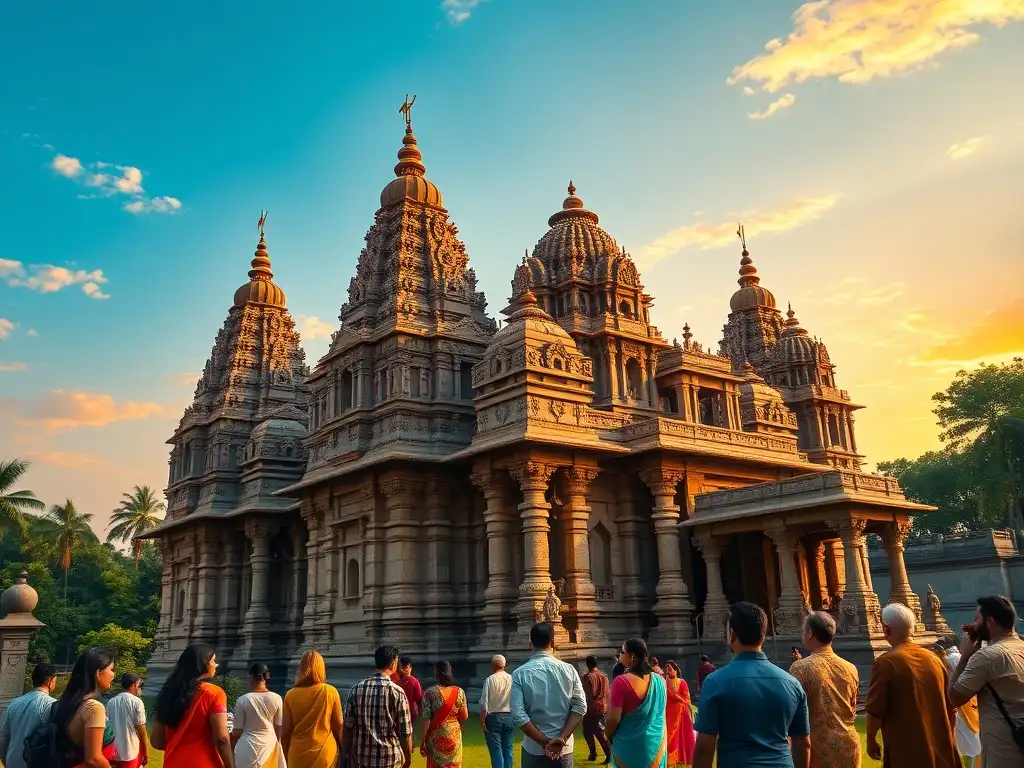
Welcome to Ancient India History, where the echoes of a vibrant past come alive through the exploration of its rich and diverse heritage. In our featured article, "The Cultural Exchange Reflected in Ancient Indian Architectural Styles," we delve into the fascinating world of how ancient Indian civilizations, from the Indus Valley to the Gupta Empire, shaped their architectural identity through cultural interactions.
Discover the intricate designs, monumental structures, and the philosophies that influenced these remarkable styles. Join us on this journey as we uncover the stories behind the stones, and let your curiosity guide you into the depths of a civilization that continues to inspire.
Introduction to Ancient Indian Architectural Styles
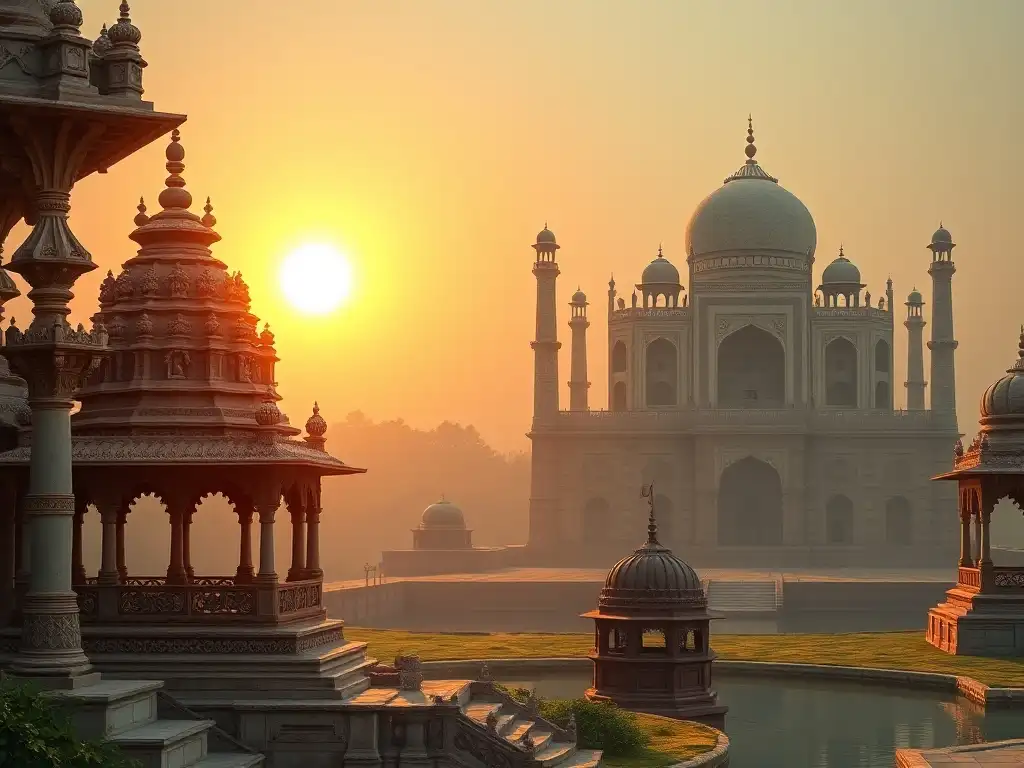
The history of Ancient Indian architectural styles is a captivating narrative that illustrates the rich tapestry of cultural exchanges that shaped one of the world's oldest civilizations. Spanning from the early structures of the Indus Valley Civilization to the grand edifices of the Gupta Empire, these architectural marvels are not only a testament to the ingenuity of ancient builders but also reflect the diverse influences that have permeated Indian society over the millennia.
The evolution of architectural styles in ancient India serves as a mirror to the country’s dynamic history, showcasing how various cultures, religions, and artistic traditions have intermingled to create unique and enduring forms.
Overview of Ancient Indian Architecture
Ancient Indian architecture can be categorized into several distinct phases, each marked by its unique characteristics and influences. The Indus Valley Civilization, known for its advanced urban planning and architecture, laid the foundation for subsequent styles. Structures such as the Great Bath of Mohenjo-Daro illustrate sophisticated drainage systems and brickwork. As time progressed, the architectural landscape evolved with the emergence of monumental rock-cut caves, stupas, temples, and forts, particularly during the Maurya and Gupta periods.
| Period | Key Features |
|---|---|
| Indus Valley Civilization | Urban planning, drainage systems, and baked bricks |
| Maurya Period | Stone architecture, monolithic structures, pillars |
| Gupta Empire | Temples with intricate carvings, intricate sculptures |
The diverse styles of ancient Indian architecture were not confined to structural elements alone; they also encompassed decorative arts, symbolism, and religious significance. Temples dedicated to various deities showcase the intricate carvings and relief work that tell stories from mythology and daily life.
Importance of Architectural Styles in Cultural Exchange
The architectural styles of ancient India are vital in understanding the cultural exchanges that occurred through trade, conquests, and pilgrimages. As different cultures interacted, they exchanged artistic techniques, religious beliefs, and architectural practices, culminating in a rich and varied architectural heritage. For instance, the construction of stupas and temples not only served religious purposes but also acted as centers for community gathering and cultural exchange, fostering a deeper connection among diverse groups.
The significance of these styles extends beyond aesthetics; they embody the philosophical and spiritual ethos of the time. Architectural expressions often reflected the prevailing ideologies, such as Hinduism, Buddhism, and Jainism, and facilitated the spread of these religions throughout Asia.
Key Influences on Ancient Indian Architectural Styles
The development of ancient Indian architectural styles was significantly influenced by both indigenous elements and foreign contributions, creating a fusion that is emblematic of the region's historical narrative.
Indigenous Elements in Ancient Indian Architecture
Indigenous architectural elements such as the use of locally available materials, unique construction techniques, and traditional motifs are foundational to ancient Indian architecture. Structures often incorporated features like:
- Chhatris (elevated dome-shaped pavilions)
- Jharokhas (overhanging enclosed balconies)
- Mandapas (pillared halls)
These elements not only reflect the climate and geography of India but also the socio-cultural practices of its people, emphasizing the harmony between nature and built environments.
Foreign Influences: Persian, Greek, and Buddhist Contributions
The architectural landscape of ancient India was further enriched by foreign influences, particularly during periods of conquest and trade. The Achaemenid Empire introduced Persian elements, evident in the grand gateways and pillars, while Hellenistic influences can be seen in the intricate sculptures and decorative reliefs that adorned temples.
Buddhism played a pivotal role in shaping architectural styles, especially with the construction of stupas, which became essential in Buddhist architecture. The Sanchi Stupa and the Ajanta Caves exemplify this influence, showcasing a blend of local artistic traditions with ideas borrowed from other cultures.
The cultural exchange reflected in ancient Indian architectural styles is a fascinating subject that reveals the interconnectedness of diverse influences over centuries. This interplay of indigenous and foreign elements has resulted in an architectural heritage that continues to inspire and educate future generations about the richness of India's past.
Major Periods of Ancient Indian Architectural Styles
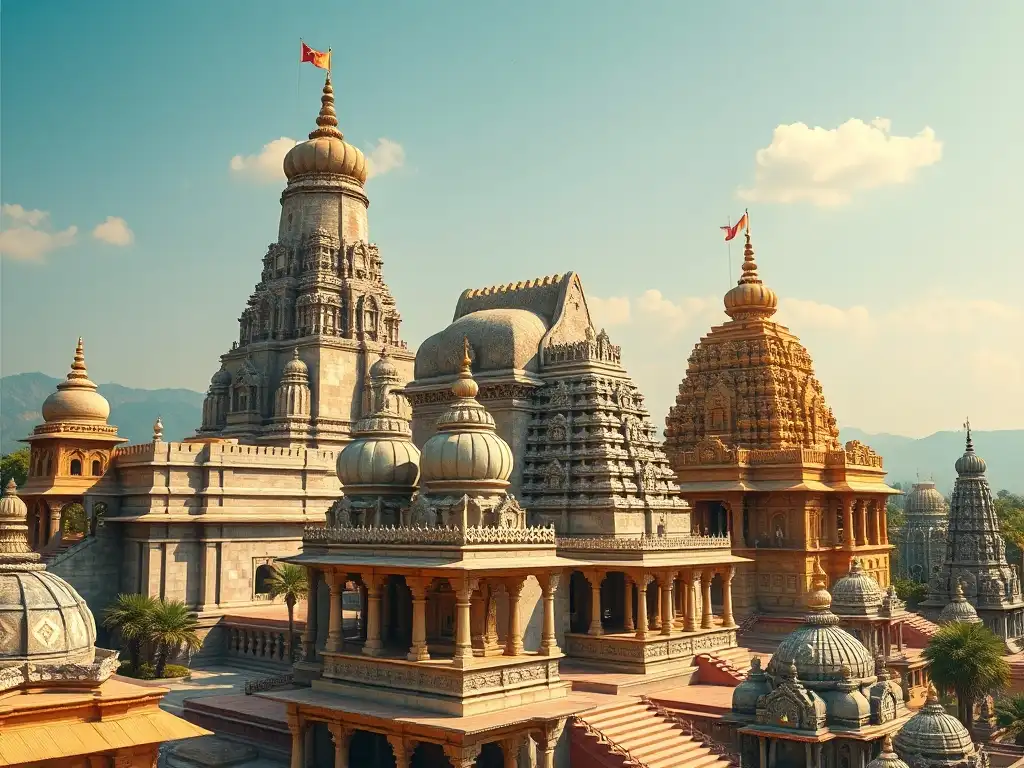
Ancient Indian architectural styles evolved through several key periods, each influenced by cultural exchanges, regional variations, and historical developments. Understanding these major periods allows us to appreciate the richness and diversity of architectural forms that emerged throughout India's history.
- Indus Valley Civilization (c. 2500–1900 BCE): Renowned for its urban planning, the Indus Valley Civilization showcased advanced drainage systems, grid-like city layouts, and standardized bricks. The architecture reflected a high level of civic organization and an understanding of urban infrastructure.
- Mauryan Empire (c. 322–185 BCE): This period marked the emergence of stone architecture, characterized by the use of sandstone and limestone. The Mauryan Emperor Ashoka was notable for constructing stupas, pillars, and monolithic structures that emphasized religious significance.
- Gupta Period (c. 320–550 CE): Often referred to as the Golden Age of India, this period witnessed the flourishing of classical styles. The Gupta architects refined temple architecture, leading to intricate carvings and innovative designs that highlighted the spiritual ethos of the time.
Indus Valley Civilization: Early Architectural Innovations
The Indus Valley Civilization is celebrated for its remarkable urban planning and architectural innovations that laid the groundwork for future Indian styles. Major cities like Harappa and Mohenjo-Daro featured meticulously planned layouts with wide streets, residential blocks, and sophisticated drainage systems. The use of baked bricks, uniform in size, demonstrated advanced construction techniques.
Key Innovations:
- Urban Planning: Cities were organized on a grid system, with streets intersecting at right angles.
- Drainage Systems: One of the earliest examples of urban sanitation, featuring covered drains laid along the streets.
- Public Structures: The Great Bath at Mohenjo-Daro indicates the significance of ritualistic practices and community life.
These innovations not only reflect the technological prowess of the time but also show the importance of communal living and societal organization in early India.
Mauryan Empire: The Emergence of Stone Architecture
The Mauryan Empire marked a significant shift in architectural styles with the transition to stone as a primary building material. This period is particularly noted for the construction of stupas and pillars, which served both religious and political purposes.
Prominent Examples:
- Ashoka's Pillars: Erected throughout the empire, these pillars often bore inscriptions promoting Buddhist teachings and moral edicts.
- Stupa of Sanchi: A significant architectural achievement, the Sanchi Stupa features intricate carvings and embodies the Buddhist architectural style.
- Rock-cut Architecture: The period also saw the emergence of rock-cut caves, such as those at Barabar and Nagarjuni, reflecting advances in excavation techniques.
These architectural advancements not only symbolize the empire's political power but also its role in the propagation of Buddhism across the region.
Gupta Period: Flourishing of Classical Styles
The Gupta Period is often regarded as the pinnacle of ancient Indian architecture due to its innovative designs and artistic excellence. This era saw the construction of numerous temples that became symbols of religious devotion and cultural identity.
Notable Characteristics:
- Temple Architecture: Temples were designed with a sanctum (garbhagriha) for deities, a hall for worshippers (mandapa), and an elaborate tower (shikhara or vimana) that reached toward the heavens.
- Intricate Carvings: Temples from this period, such as the Dashavatara Temple in Deogarh, are adorned with elaborate sculptures depicting mythological narratives and divine beings.
- Integration of Arts: The architectural style reflected a harmonious blend of various art forms, including sculpture, painting, and decorative motifs.
This flourishing of classical styles during the Gupta Period significantly impacted the architectural landscape of India, influencing subsequent styles and regions.
Architectural Features of Ancient Indian Styles
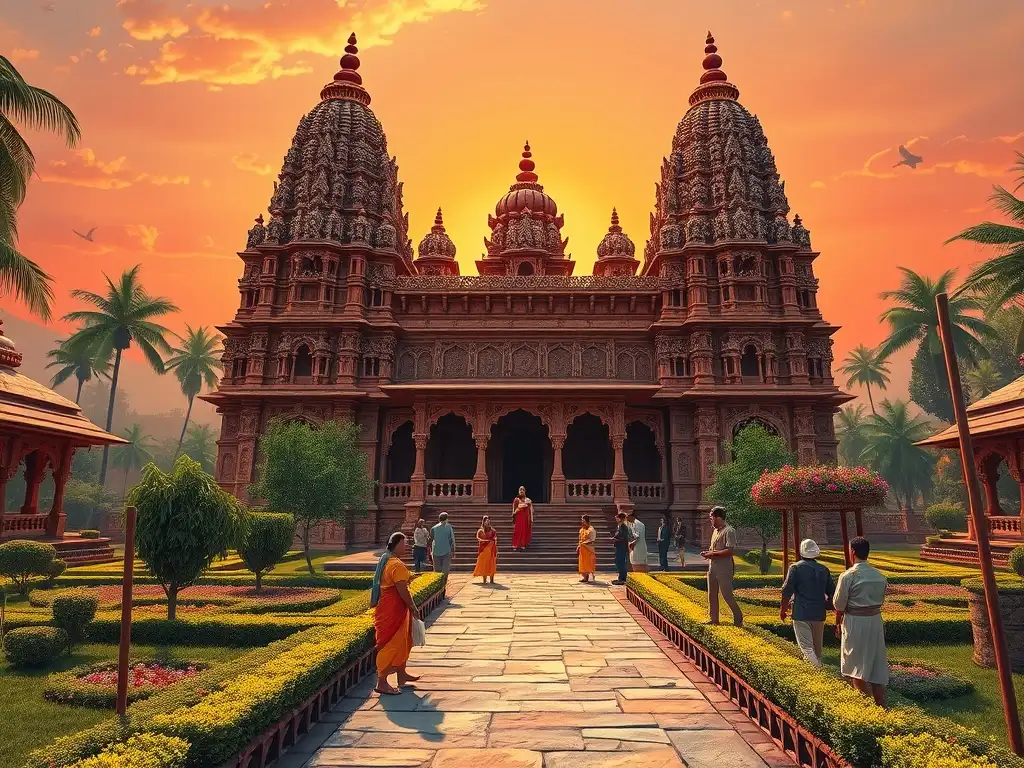
Ancient Indian architectural styles are characterized by distinct features that reflect the cultural, religious, and social values of the time. From grand temples to fortified palaces, each structure tells a story of the civilization that created it.
Temples: Symbolism and Design in Ancient Indian Temples
Temples were central to ancient Indian architecture, serving as both religious sanctuaries and cultural hubs. The design of these temples was deeply symbolic, often reflecting cosmological beliefs and the divine.
Key Elements:
- Garbhagriha: The innermost sanctum where the deity resides, symbolizing the womb of the universe.
- Mandapa: An assembly hall for devotees, often adorned with intricate carvings and sculptures.
- Shikhara: The towering structure above the sanctum, representing the mythical Mount Meru, the axis of the universe.
These features are not just architectural choices; they are imbued with spiritual significance, making temples a focal point of community life.
Forts and Palaces: Reflecting Power and Culture
Forts and palaces played a crucial role in ancient Indian architecture, serving as symbols of power, defense, and royal lifestyle. These structures were designed not only for functionality but also for aesthetic appeal, showcasing the wealth and culture of their inhabitants.
Distinctive Features:
- Defensive Walls: Forts were often built with thick walls and strategic placements to protect against invasions.
- Intricate Designs: Palaces, such as the ones in Rajasthan, feature decorative elements like jharokhas (overhanging enclosed balconies), and elaborate courtyards that reflect the artistic sensibilities of the time.
- Water Management Systems: Many palaces included advanced water systems, such as stepwells and reservoirs, highlighting the importance of water conservation.
These architectural styles serve as reminders of the rich cultural heritage and the socio-political dynamics of ancient Indian civilizations.
Public Buildings: The Role of Community Architecture
Public buildings in ancient India played a significant role in fostering community interactions and civic engagement. They were often designed to accommodate gatherings, celebrations, and administrative functions, reflecting the communal spirit of the society.
Examples of Public Architecture:
- Bathing Ghats: Found along rivers, these structures facilitated communal bathing and were integral to social and religious practices.
- Marketplaces: Open spaces designed for trade and commerce, promoting economic activities and community interactions.
- Assembly Halls: Structures dedicated to public meetings and discussions, emphasizing democratic values in local governance.
The architectural features of these public buildings underscore the importance of community in ancient Indian society, revealing a civilization deeply connected to its social fabric.
Cultural Exchange Through Architecture
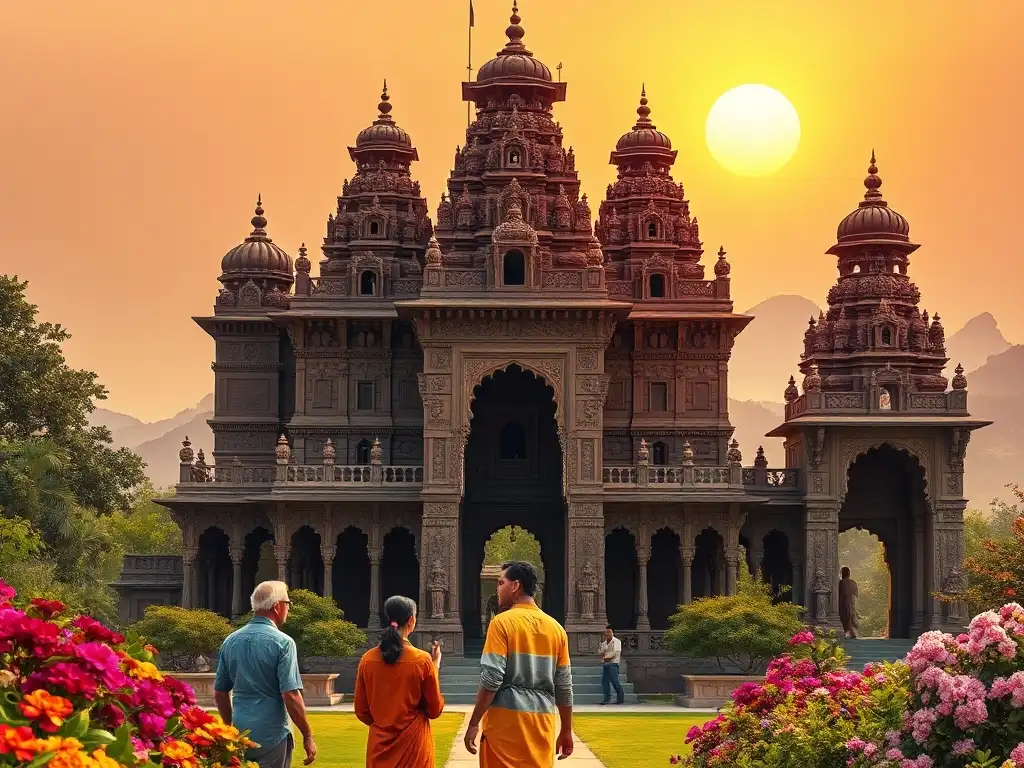
Ancient Indian architectural styles are a vivid tapestry woven from diverse cultural threads, reflecting the rich exchanges that occurred over centuries. The evolution of these styles illustrates how interactions with various civilizations influenced construction techniques, materials, and designs. From the grandeur of temples to the intricacy of fortifications, architecture served as a canvas showcasing the dynamic cultural dialogues between India and neighboring regions. This exchange was driven by factors such as trade, pilgrimage, and religion, which collectively contributed to the creation of distinctive architectural identities that represent ancient Indian civilization.
Trade Routes and Their Impact on Architectural Styles
Trade routes were vital arteries for economic and cultural exchange in ancient India. The Silk Road and maritime routes connected India with Central Asia, the Middle East, and beyond, facilitating the movement of goods, ideas, and artisans. As traders and travelers journeyed through these routes, they brought with them not only commodities but also architectural knowledge and styles.
For instance, the incorporation of domes and arches in Indian architecture can be traced back to interactions with Persian and Central Asian cultures. The use of local materials, such as limestone and sandstone, combined with techniques learned from foreign influences, resulted in unique architectural innovations. The exchange fostered by trade routes allowed for the blending of styles, leading to the emergence of new forms that reflected both indigenous traditions and external inspirations.
Pilgrimage Sites and Cultural Interactions
Pilgrimage sites served as focal points for cultural interactions, attracting devotees from various regions. The journey to these sacred places often involved exchanges between different communities, leading to a cross-pollination of architectural ideas. Notable pilgrimage sites, such as the ancient city of Varanasi and the sacred temple complexes in South India, became melting pots of diverse architectural styles.
Architects and builders from different backgrounds collaborated on projects, infusing local architecture with foreign influences. For example, the intricate carvings and sculptures at temples often showcase motifs and designs that reflect the aesthetics of neighboring cultures. As pilgrims traveled, they not only worshipped but also participated in a cultural dialogue that left a lasting imprint on the architectural landscape.
The Role of Religion in Shaping Architectural Techniques
Religion played a pivotal role in shaping ancient Indian architectural styles, dictating not only the form and function of structures but also the techniques employed in their construction. Temples, stupas, and monasteries were built to honor deities and commemorate significant events, leading to the development of distinct architectural features that catered to spiritual practices.
Hindu, Buddhist, and Jain architectural traditions, for instance, exhibit unique characteristics influenced by their respective religious beliefs. The use of specific symbols, the orientation of structures, and the incorporation of sacred geometry are all reflections of religious principles. Additionally, the patronage of rulers and wealthy merchants, often motivated by religious devotion, led to the commissioning of grand architectural projects that showcased the intersection of faith and artistry.
Case Studies of Cultural Exchange in Ancient Indian Architecture
The Great Stupa at Sanchi: A Blend of Styles
The Great Stupa at Sanchi, a UNESCO World Heritage site, exemplifies the cultural exchange that shaped ancient Indian architecture. Constructed during the Mauryan period, this monumental structure is a key site of Buddhist pilgrimage. It features a hemispherical dome, surrounded by a circular railing known as a harmika, and is adorned with intricate carvings that depict various scenes from the life of Buddha.
The architectural style of the Great Stupa reflects influences from earlier Indian stupas, as well as elements borrowed from Greek and Persian designs. This fusion of styles illustrates how the spread of Buddhism facilitated interactions between different cultures, resulting in a unique architectural form that remains significant in the study of ancient Indian architectural styles.
The Brihadeeswarar Temple: Architectural Synthesis
The Brihadeeswarar Temple in Thanjavur stands as a testament to the synthesis of various architectural styles during the Chola dynasty. Completed in the 11th century, this temple showcases Dravidian architecture, characterized by its towering vimana (temple tower) and intricate sculptures.
However, the temple's design also exhibits influences from earlier South Indian styles and even elements from North Indian architecture. The extensive use of granite and the monumental scale of the temple reflect the technological advancements achieved through cultural exchanges with other regions. As a vital center of worship and art, the Brihadeeswarar Temple encapsulates the rich interplay of local and foreign architectural traditions.
The Red Fort: Mughal Influence on Indian Architecture
The Red Fort in Delhi represents a significant chapter in the narrative of cultural exchange in ancient Indian architecture. Constructed in the mid-17th century by Mughal Emperor Shah Jahan, this fort exemplifies the fusion of Islamic and Indian architectural styles.
The fort's massive red sandstone walls, intricate marble inlay work, and gardens reflect the Mughal aesthetic while incorporating indigenous elements. The use of charbagh (four-part garden layout) and intricate jali (lattice) work demonstrates the synthesis of influences that characterized this period. The Red Fort not only served as a royal residence but also as a symbol of the cultural dialogues that shaped the architectural landscape of India during the Mughal era.
Conclusion: Legacy of Ancient Indian Architectural Styles
The legacy of ancient Indian architectural styles is a testament to the rich cultural tapestry woven through centuries of history. These styles, characterized by their intricate designs, monumental structures, and diverse influences, reflect the confluence of various cultures, religions, and artistic expressions. From the grand temples of South India to the majestic stupas of the North, each architectural marvel tells a unique story of the era it represents.
The architectural innovations and techniques developed during ancient times have not only influenced subsequent generations but have also laid the groundwork for the evolution of regional styles across India. The incorporation of local materials, adaptation to climatic conditions, and spiritual symbolism in these structures continue to inspire modern architects and designers. This enduring legacy underscores the importance of understanding and appreciating the historical context behind these magnificent creations.
Lasting Impact on Modern Indian Architecture
Modern Indian architecture has been significantly shaped by the principles and aesthetics established in ancient times. Elements such as the use of intricate carvings, the incorporation of natural light, and the emphasis on symmetry can be traced back to the architectural styles of ancient India. For instance, contemporary temples often emulate the towering shikharas (spires) and elaborate sculptures of ancient temple architecture, creating a dialogue between the past and present.
Moreover, the fusion of various architectural influences during ancient times has led to a diverse architectural landscape in modern India. The blend of colonial, indigenous, and contemporary styles has resulted in a unique architectural identity that pays homage to its historical roots while also embracing innovation. This impact is evident in urban planning and the construction of public spaces, where ancient design principles are often reinterpreted to meet modern needs.
Importance of Preserving Ancient Architectural Heritage
Preserving ancient architectural heritage is crucial not only for cultural continuity but also for the enrichment of future generations. These structures serve as physical reminders of India's diverse history, showcasing the artistic, religious, and scientific achievements of ancient civilizations. The preservation of such sites can promote a deeper understanding of cultural identity and foster a sense of pride among communities.
Efforts to conserve ancient architectural styles also contribute to tourism, as these sites attract visitors from around the world. Sustainable tourism practices can provide economic benefits while ensuring the protection of these invaluable resources. Furthermore, the preservation of ancient architecture allows for ongoing scholarly research, which can lead to new insights into the social, political, and economic contexts of ancient Indian societies.
Further Reading and Resources
For those interested in delving deeper into the rich legacy of ancient Indian architectural styles, numerous resources are available that offer comprehensive insights, detailed analyses, and visual explorations of these magnificent structures.
Recommended Books on Ancient Indian Architecture
-
"Indian Architecture: Buddhist and Hindu Periods" by Percy Brown
This book provides an in-depth analysis of architectural styles from the Buddhist and Hindu periods, showcasing the evolution of design and construction techniques.
-
"The Hindu Temple: An Introduction to Its Meaning and Forms" by George Michell
A thorough exploration of the symbolism and design of Hindu temples, this book is essential for understanding the cultural significance of these architectural masterpieces.
-
"Architecture of the Indian Subcontinent" by James C. Harle
A comprehensive survey of the architectural history of the Indian subcontinent, covering diverse styles from ancient to modern times.
-
"Temples of India: The Architecture of the Indian Subcontinent" by Michael W. Meister
This work focuses specifically on temple architecture, offering insights into the various regional styles and their historical context.
Online Resources for Exploring Architectural Marvels in Ancient India
- Archaeological Survey of India (ASI): The ASI website provides valuable information on ancient sites, ongoing excavations, and conservation efforts across the country.
- India Heritage Portal: This online platform offers a wealth of resources, including articles, photographs, and virtual tours of significant historical sites and architectural wonders.
- Digital India Initiative: A government initiative aimed at digitizing cultural heritage, this resource includes online databases and archives of ancient architectural styles and heritage sites.
- YouTube Channels: Various channels dedicated to history and architecture, such as "The History Channel" and "National Geographic," often feature documentaries and videos exploring ancient Indian architecture.
By engaging with these resources, readers can gain a deeper appreciation for the extraordinary achievements of ancient Indian civilizations and the architectural styles they left behind.
- Introduction to Ancient Indian Architectural Styles
- Overview of Ancient Indian Architecture
- Importance of Architectural Styles in Cultural Exchange
- Key Influences on Ancient Indian Architectural Styles
- Major Periods of Ancient Indian Architectural Styles
- Indus Valley Civilization: Early Architectural Innovations
- Mauryan Empire: The Emergence of Stone Architecture
- Gupta Period: Flourishing of Classical Styles
- Architectural Features of Ancient Indian Styles
- Temples: Symbolism and Design in Ancient Indian Temples
- Forts and Palaces: Reflecting Power and Culture
- Public Buildings: The Role of Community Architecture
- Cultural Exchange Through Architecture
- Case Studies of Cultural Exchange in Ancient Indian Architecture
- Conclusion: Legacy of Ancient Indian Architectural Styles
- Further Reading and Resources
- What are the main architectural styles of ancient India?
- How did cultural exchange influence ancient Indian architecture?
- What role did religion play in shaping architectural styles in ancient India?
- Can you provide examples of famous architectural works from ancient India?
- How do ancient Indian architectural styles continue to influence modern architecture?
Frequently Asked Questions
What are the main architectural styles of ancient India?
Ancient India showcased a variety of architectural styles, including Indus Valley architecture, Buddhist, Hindu, and Islamic designs, each reflecting the unique cultural influences of their time.
How did cultural exchange influence ancient Indian architecture?
Cultural exchange led to the blending of various architectural elements and styles, resulting in innovative structures that integrated local traditions with foreign influences, enriching the overall aesthetic.
What role did religion play in shaping architectural styles in ancient India?
Religion was a significant factor, as temples and stupas were built to reflect spiritual beliefs and practices, leading to distinctive architectural features that conveyed the essence of different faiths.
Can you provide examples of famous architectural works from ancient India?
Notable examples include the Ajanta Caves, Khajuraho Temples, and the Brihadeeswarar Temple, each showcasing unique designs and techniques that highlight the diverse cultural heritage of ancient India.
How do ancient Indian architectural styles continue to influence modern architecture?
Ancient Indian architectural styles, with their emphasis on symmetry, proportion, and intricate decorations, serve as an inspiration for contemporary architects, blending historical significance with modern aesthetics.
Final Reflection: The Enduring Legacy of Ancient Indian Architectural Styles
The intricate beauty and profound significance of ancient Indian architectural styles continue to resonate in today's global cultural landscape. As we explore the rich tapestry of influences that shaped these remarkable structures, we uncover not only the artistry of the past but also the ongoing dialogue between cultures that persists in our modern world. The architectural marvels of ancient India are not merely relics; they are vibrant testaments to a time when creativity and spirituality intertwined, leaving an indelible mark on the human experience.
The influence of ancient Indian architectural styles extends far beyond their geographic origins, shaping cultural identities and inspiring contemporary design across the globe. From the grandeur of temples to the intricate carvings of palaces, these architectural forms tell stories of a civilization that valued craftsmanship and innovation. As we reflect on this legacy, we are reminded of the words of renowned architect Louis Kahn: A great building must begin with the unmeasurable, must go through measurable means when it is being designed and in the end must be unmeasurable.
This sentiment encapsulates the essence of ancient Indian architecture, where the spiritual and the material coalesce into something transcendent.
As we conclude our exploration of ancient Indian architectural styles, I invite you to reflect on how these timeless principles can inform your own life and creative endeavors. Consider the ways in which cultural exchange enriches our understanding of the world and fosters innovation.
Whether through art, architecture, or personal interactions, let us embrace the lessons of the past and strive to create spaces—both physical and metaphorical—that honor diversity and inspire future generations. The legacy of ancient Indian architecture is not just a chapter in history; it is a call to action for all of us to build a more interconnected and harmonious world.
Unveil the Legacy of Ancient Indian Architecture Today!
Thank you for diving into the fascinating world of ancient Indian architectural styles! By exploring this rich cultural heritage, you've gained insights into how these magnificent structures reflect the diverse influences of their time. Now, it’s time to take your enthusiasm for ancient architecture to the next level!
Here are a few steps you can take right now:
- Visit a local museum or historical site to see artifacts or replicas of ancient Indian architecture and deepen your understanding.
- Join an online forum or community dedicated to ancient history to share what you’ve learned and connect with fellow enthusiasts.
- Consider starting a blog or social media account where you can document your journey through ancient architecture, sharing interesting facts and your personal discoveries.
What aspect of ancient Indian architecture inspires you the most, and how do you think it influences modern design today?