
The Forgotten Ruins of Ancient Indian Cities: What They Reveal


Welcome to Ancient India History, where we take you on an exhilarating journey through the rich tapestry of ancient Indian civilizations. Have you ever wondered about the secrets hidden within the ancient Indian city ruins? In our featured article, "The Forgotten Ruins of Ancient Indian Cities: What They Reveal," we delve into the fascinating remnants of the past that offer profound insights into art, architecture, and philosophy.
Join us as we uncover the stories etched in stone and explore how these ruins not only reflect the ingenuity of their time but also continue to shape the cultural identity of India today. Dive in and let your curiosity lead the way!
Introduction to Ancient Indian City Ruins
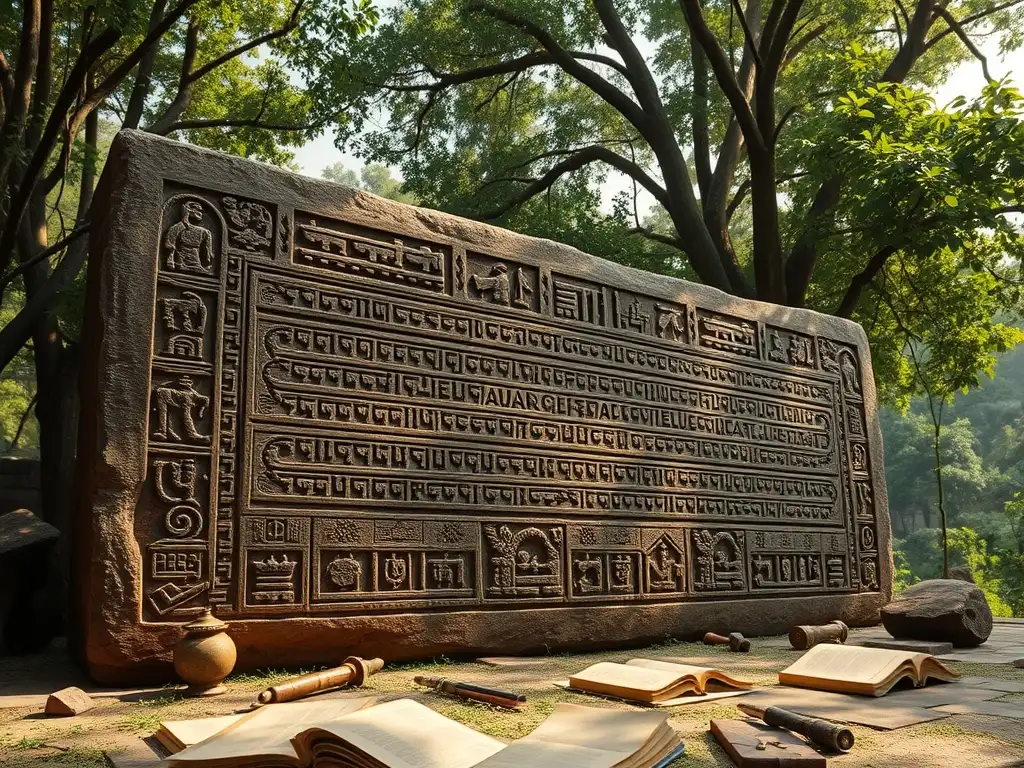
The exploration of ancient Indian city ruins offers a fascinating glimpse into the past, revealing the architectural ingenuity and cultural richness of long-lost civilizations. From the meticulously planned streets of the Indus Valley to the grand palaces of the Gupta Empire, these remnants not only showcase the artistry and skills of ancient builders but also tell stories of societal organization, trade, and daily life.
As we delve into the forgotten ruins of ancient Indian cities, we uncover the layers of history that have shaped the subcontinent and contributed to its diverse cultural heritage. This journey through time highlights the significance of these ruins as both historical artifacts and as symbols of human achievement.
Overview of Ancient Indian Civilizations
Ancient India was home to several influential civilizations, each contributing to the tapestry of its history. The Indus Valley Civilization (c. 3300–1300 BCE) is one of the earliest urban cultures, known for its advanced urban planning, drainage systems, and trade networks. Following this era, the Maurya Empire (c. 322–185 BCE) marked a significant period of political consolidation and expansion, with notable figures like Emperor Ashoka promoting Buddhism and social welfare. The Gupta Empire (c. 320–550 CE) is often referred to as the Golden Age of India, characterized by remarkable achievements in science, literature, and architecture.
These civilizations laid the foundation for future societies and left behind a wealth of archaeological sites that continue to intrigue historians and archaeologists alike.
Importance of Architectural Marvels in Ancient India
Architectural marvels are pivotal in understanding ancient Indian civilizations, as they reflect not only the technological advancements of the time but also the cultural and religious values of society. Structures such as temples, forts, and urban layouts provide insights into social hierarchies and community organization. The intricate carvings and designs found in these ruins exemplify the artistic expression of the era, while their construction techniques offer clues about the materials and tools available to ancient builders.
Moreover, these architectural remnants serve as a connection to the past, enabling us to appreciate the legacy of ancient Indian craftsmanship and the enduring influence it has on contemporary architecture and culture.
The Historical Context of Ancient Indian City Ruins
The historical context of ancient Indian city ruins is critical for understanding their significance and the civilizations that built them. By examining the timelines and key civilizations, we can piece together the story of these remarkable sites and their inhabitants.
Timeline of Major Ancient Indian Cities
- Indus Valley Civilization (c. 3300–1300 BCE)
- Key Cities: Harappa, Mohenjo-Daro
- Maurya Empire (c. 322–185 BCE)
- Notable Sites: Pataliputra (modern Patna), Nalanda
- Gupta Empire (c. 320–550 CE)
- Prominent Cities: Ujjain, Kannauj, and Mathura
Each of these cities played a vital role in the development of trade, culture, and governance in ancient India, reflecting the evolution of urban life over centuries.
Key Civilizations: Indus Valley, Maurya, and Gupta Empires
- Indus Valley Civilization
- Noteworthy for its advanced city planning, featuring grid layouts and sophisticated drainage systems.
- Evidence of trade with neighboring regions, indicating economic complexity.
- Maurya Empire
- Known for its administrative innovations and the promotion of Buddhism under Emperor Ashoka.
- Cultural flourishing, with significant contributions to art, architecture, and literature.
- Gupta Empire
- A period marked by remarkable advancements in science and mathematics, including the concept of zero.
- Architectural achievements include the construction of temples and stupas, which remain iconic symbols of Indian heritage.
The study of these civilizations and their ruins allows us to connect with our past, providing invaluable insights into the life and achievements of ancient Indian societies.
Architectural Features of Ancient Indian City Ruins
The architectural features of ancient Indian city ruins reflect the ingenuity and craftsmanship of the civilizations that once thrived across the subcontinent. These ruins often showcase a blend of functional design and aesthetic beauty, indicative of the advanced understanding of urban planning and construction techniques possessed by ancient builders.
One of the most distinguishing features of these ruins is the use of intricate carvings and sculptures, often depicting religious themes, daily life, and nature. Temples, palaces, and public buildings feature elaborate stonework that speaks to the artistry of the craftsmen. Additionally, the structural layout often includes large courtyards, water tanks, and drainage systems that highlight the emphasis on functionality and community living.
Moreover, the ruins often reveal the presence of fortified walls and elaborate gateways, suggesting a strong focus on security and defense. These architectural elements not only served practical purposes but also conveyed a sense of power and dominance that was paramount in ancient Indian society.
Urban Planning and City Layout in Ancient India
Urban planning in ancient Indian cities was characterized by systematic layouts and advanced infrastructure. Cities such as Harappa and Mohenjo-Daro of the Indus Valley Civilization exemplify meticulous planning, with streets laid out in a grid pattern and buildings constructed using standardized baked bricks. This level of organization facilitated efficient movement and trade within the city.
The layout of these ancient cities typically included designated residential areas, public spaces, and administrative centers. Notably, the presence of sophisticated drainage systems, including covered drains and soak pits, indicates a remarkable understanding of sanitation and public health. These features were not merely functional; they also reflected cultural values centered around cleanliness and community welfare.
Furthermore, religious structures were often strategically placed within the city, symbolizing the central role of spirituality in daily life. The integration of religious, residential, and commercial areas demonstrates a holistic approach to urban living, where every aspect of life was interconnected.
Materials and Techniques Used in Ancient Indian Architecture
Ancient Indian architecture utilized a variety of materials and techniques that varied by region and period. Common materials included locally sourced stones, baked bricks, wood, and mud. The use of durable materials allowed many structures to withstand the test of time, although some have succumbed to natural wear and the elements.
Stone was often favored for monumental structures, such as temples and forts, where intricate carvings and sculptures were a hallmark of craftsmanship. Techniques such as ashlar masonry, where stones are cut and fitted tightly together, created sturdy edifices that have survived for centuries.
In addition to these materials, ancient builders employed advanced construction techniques. The use of arches and vaults, especially in later periods, showcased a sophisticated understanding of engineering principles. Additionally, the incorporation of ventilation and light through strategically placed windows and openings demonstrated an awareness of environmental factors in architectural design.
Notable Ancient Indian City Ruins
Harappa: Insights into the Indus Valley Civilization
Harappa is one of the most significant archaeological sites that offer a glimpse into the Indus Valley Civilization, which flourished around 2500 BCE. The ruins reveal a well-planned city with a grid-like layout, sophisticated drainage systems, and standardized brick sizes, reflecting advanced urban planning and engineering.
Artifacts discovered at Harappa, including pottery, seals, and tools, provide insights into the daily lives and trade practices of its inhabitants. Notably, the presence of weights and measures suggests a regulated economic system, while the intricate seals indicate a complex social structure and possibly a form of written communication.
The city's strategic location along trade routes highlights its importance as a commercial hub, facilitating interactions with neighboring cultures. Harappa's ruins continue to be a focal point for research, shedding light on the technological advancements and cultural practices of one of the world's earliest urban civilizations.
Mohenjo-Daro: Urban Sophistication and Engineering
Mohenjo-Daro, another key site of the Indus Valley Civilization, stands out for its remarkable urban sophistication. The city features a well-defined layout with wide streets and sophisticated drainage systems, demonstrating a high level of civic planning.
The Great Bath, a large public water tank, is one of the most iconic structures of Mohenjo-Daro, believed to have had religious or ritual significance. The construction of such large-scale public works indicates a sophisticated understanding of hydraulics and community needs.
Excavations at Mohenjo-Daro have uncovered a wealth of artifacts, including jewelry, pottery, and tools, which provide insights into the daily life and economic activities of its inhabitants. The uniformity in brick sizes and construction techniques suggests a centralized authority that oversaw urban development, highlighting the advanced governance of this ancient city.
Pataliputra: The Capital of the Mauryan Empire
Pataliputra, the capital of the Mauryan Empire, was a thriving metropolis during its peak in the 3rd century BCE. The ruins of this city reveal a blend of monumental architecture and urban planning that supported a vast population and administrative functions.
The city's layout included wide streets, gardens, and defensive walls, showcasing the strategic thinking of its planners. Notable structures, such as the Mauryan palace and the Ashoka Pillar, exemplify the grandeur of Mauryan architecture, characterized by massive stone constructions and intricate carvings.
Pataliputra was also a center for trade and culture, housing scholars, artisans, and merchants, which contributed to its historical significance. The archaeological remains of Pataliputra provide crucial insights into the political and cultural dynamics of ancient India during one of its most influential periods.
The Ruins of Vijayanagara: A Testament to Cultural Richness
The ruins of Vijayanagara, located in present-day Karnataka, are a testament to the cultural richness of the Vijayanagara Empire, which flourished from the 14th to the 17th century. The city was known for its stunning architecture, featuring a blend of Hindu, Islamic, and Gothic styles, which reflects the empire's diverse influences.
Key structures, such as the Virupaksha Temple and the Vittala Temple complex, showcase intricate carvings and elaborate sculptures that depict mythological themes and daily life. The iconic stone chariot at Vittala Temple stands as a symbol of the architectural brilliance of this period.
Vijayanagara was not only a political and military stronghold but also a hub of trade and culture, attracting scholars, poets, and artists from across the region. The ruins serve as a rich archaeological site that continues to reveal the historical significance and cultural heritage of ancient Indian civilization.
Cultural Significance of Ancient Indian City Ruins
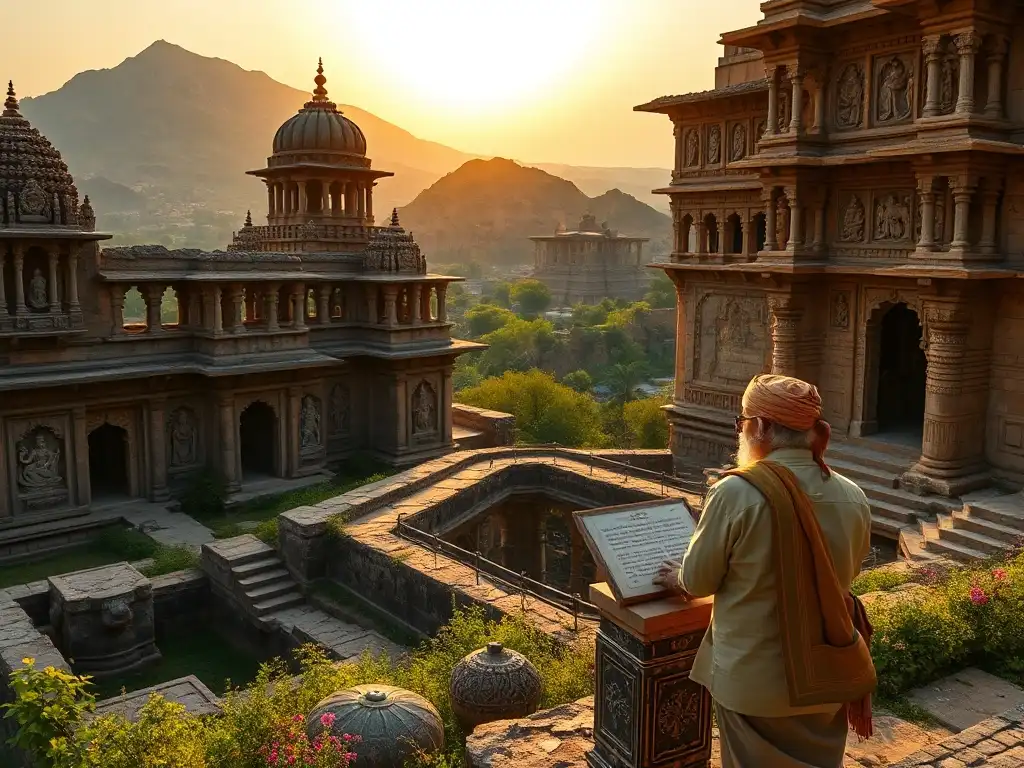
The ruins of ancient Indian cities offer profound insights into the cultural and social dynamics of their time. These remnants serve as a testament to the rich tapestry of life that once flourished within their walls. Each structure, from grand temples to residential quarters, reveals the values, beliefs, and daily lives of the people who inhabited these urban centers. For instance, the intricate carvings and motifs found in sites like Khajuraho highlight the importance of art and symbolism in ancient Indian culture, reflecting societal norms and spiritual beliefs.
Moreover, ancient city ruins often acted as hubs of trade, education, and governance, underscoring their roles in fostering economic and intellectual exchanges. Cities such as Pataliputra and Taxila were not only architectural marvels but also centers of learning that attracted scholars from far and wide. This blend of commerce and education illustrates the multifaceted nature of urban life in ancient India, where architecture was not merely functional but also a reflection of the civilization's aspirations and achievements.
Religious and Spiritual Elements in City Designs
The design and layout of ancient Indian cities were heavily influenced by religious and spiritual beliefs. Sacred geometry and cosmological principles were often employed to ensure that cities aligned with the cosmos and the divine. For instance, the city of Varanasi is renowned for its spiritual significance, with its streets meticulously organized around sacred sites and the Ganges River, which holds profound religious importance.
Temples served as focal points in many ancient cities, reflecting the architectural sophistication and devotional practices of the time. The layout of these cities often included features such as water tanks, gardens, and pathways that facilitated rituals and communal gatherings. This integration of spirituality into urban planning not only highlights the importance of religion in daily life but also illustrates how architecture was imbued with meaning and purpose.
Influence of Ancient Indian Ruins on Modern Architecture
The architectural styles and urban planning concepts originating from ancient Indian cities continue to influence modern architecture. Contemporary architects often draw inspiration from the intricate designs, sustainable practices, and cultural aesthetics found in these ruins. For example, the use of courtyards, jalis (latticework), and ventilation techniques observed in ancient structures has seen a resurgence in modern design, emphasizing harmony with nature and climate responsiveness.
Moreover, the revival of traditional motifs and styles in modern buildings reflects a growing appreciation for heritage and cultural identity. Architects are increasingly incorporating elements such as temple architecture and local materials into new constructions, bridging the gap between ancient wisdom and modern functionality. This synthesis not only honors the past but also enriches the architectural landscape, ensuring that the legacy of ancient Indian city ruins remains alive in contemporary society.
Preservation and Challenges Facing Ancient Indian City Ruins
The preservation of ancient Indian city ruins is crucial for maintaining the cultural heritage and historical narrative of the country. However, these sites face numerous challenges that threaten their integrity and longevity. Urbanization, tourism, and neglect have led to the deterioration of many significant sites, making it essential to implement effective conservation strategies.
Conservation Efforts for Ancient Indian Ruins
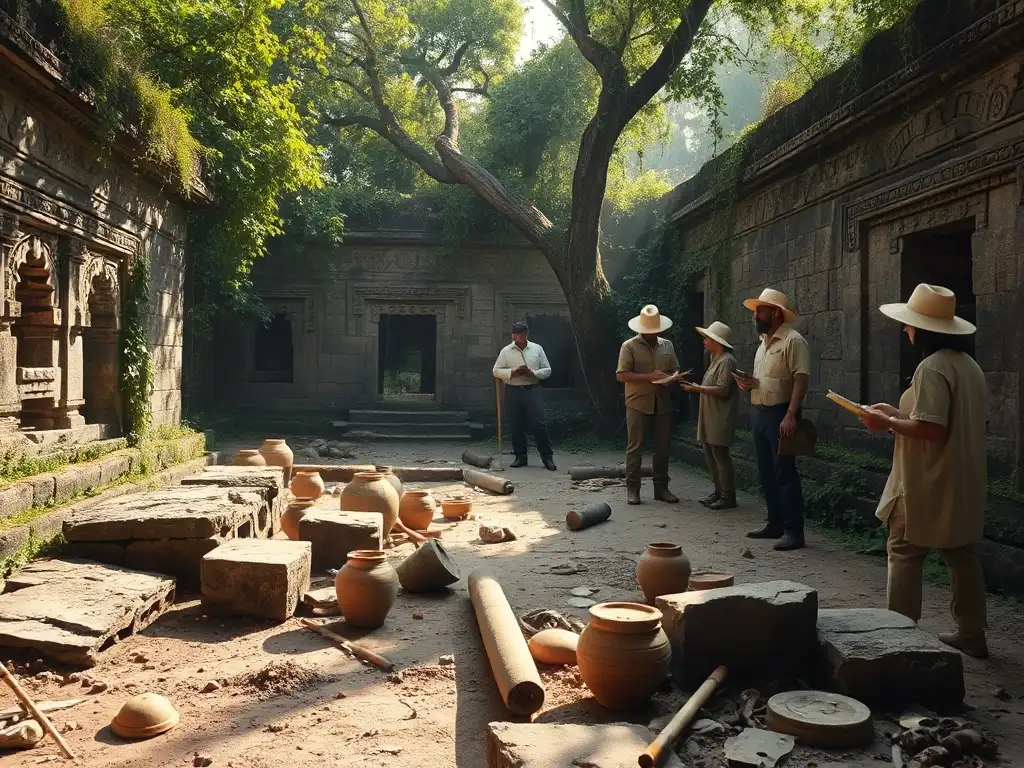
Efforts to conserve ancient Indian city ruins involve a collaborative approach that includes government agencies, non-profit organizations, and local communities. Initiatives such as the Archaeological Survey of India (ASI) work tirelessly to document, restore, and maintain these sites. Techniques such as careful excavation, structural reinforcement, and the use of traditional materials are employed to ensure that restoration respects the original architecture and materials.
Community engagement is also vital in preservation efforts. Local populations often hold valuable knowledge about their heritage and can play a crucial role in safeguarding these sites. Educational programs and awareness campaigns can foster a sense of pride and responsibility, encouraging communities to participate actively in the preservation of their historical landmarks.
Threats to the Integrity of Ancient Sites
Despite ongoing conservation efforts, ancient Indian city ruins face significant threats that jeopardize their survival. Rapid urbanization presents one of the most pressing challenges, as infrastructure development often encroaches upon historical sites, leading to irreversible damage.
Additionally, climate change poses a growing risk, with extreme weather events and rising sea levels threatening the structural integrity of ancient ruins. Pollution, vandalism, and unauthorized excavations further exacerbate the situation, making it imperative to adopt stringent protective measures. Addressing these threats requires a holistic approach that balances development with the need to preserve the invaluable heritage of ancient Indian city ruins for future generations.
What Ancient Indian City Ruins Reveal About Society
The ancient Indian city ruins serve as a significant lens through which historians and archaeologists can explore and understand the complexities of past societies. These remnants offer invaluable insights into the social, economic, and cultural dynamics that shaped ancient Indian civilizations. By studying the layout of these cities, the artifacts discovered, and the architectural styles employed, we can piece together the intricate tapestry of life in ancient India.
The ruins of ancient Indian cities, such as Harappa and Mohenjo-Daro, provide critical information about the social structure of their inhabitants. The urban planning of these sites suggests a well-organized society, with distinct residential areas that likely catered to different social classes. For example, the presence of larger, more elaborately built homes indicates that wealthier individuals occupied specific sections of the city, while simpler dwellings were reserved for the labor class.
Artifacts uncovered from these sites, including pottery, tools, and toys, shed light on daily life and cultural practices. The variety of goods indicates a thriving community engaged in various activities, from agriculture to crafts. Furthermore, the discovery of public bathhouses and granaries points toward the importance of hygiene and food storage, suggesting a society that prioritized health and resource management.
Trade and Economic Activities Evident in Ancient Cities
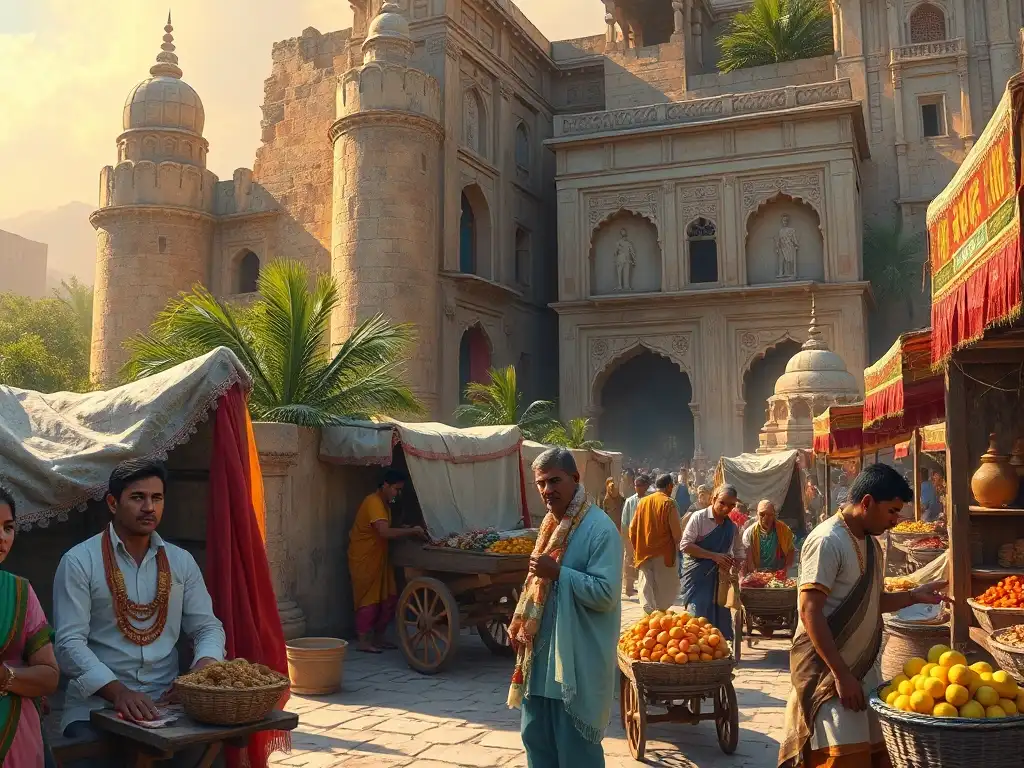
Ancient Indian city ruins also reveal the extent of trade and economic activities that flourished during their time. The presence of well-constructed roads and dockyards in cities like Lothal indicates that these civilizations were not only self-sufficient but also engaged in extensive trade networks, both locally and with distant lands.
Artifacts such as weights and measures found in various ruins suggest a sophisticated economic system, necessary for regulating trade. Additionally, the discovery of seals with inscriptions implies that these cities had a system of commerce that might have extended to the exchange of goods like textiles, spices, and precious stones, reflecting a vibrant marketplace and economic interdependence among regions.
Conclusion: The Legacy of Ancient Indian City Ruins
The legacy of ancient Indian city ruins transcends mere historical artifacts; they are a testament to the ingenuity and resilience of early Indian civilizations. These ruins hold the keys to understanding the foundations upon which modern Indian society is built, revealing patterns of urbanization, social organization, and economic practices that have evolved over millennia.
The Importance of Understanding Ancient Indian History
Understanding ancient Indian history through the study of city ruins is crucial for several reasons. First, it fosters a deeper appreciation of the cultural heritage and achievements of ancient civilizations. By comprehending the complexities of their societies, we can challenge modern misconceptions and recognize the contributions of these early peoples to global civilization.
Moreover, studying these sites contributes to national identity and pride, showcasing the richness of India’s past. It also informs contemporary discussions on urban planning and sustainability, as ancient practices can offer lessons for modern societies grappling with similar challenges.
Future Directions for Research and Preservation of Ancient Ruins
The future of research and preservation of ancient Indian city ruins is vital for maintaining this legacy. Continued archaeological efforts are necessary to uncover lost knowledge, while advancements in technology, such as remote sensing and 3D modeling, can enhance our understanding of these sites.
Preservation initiatives must also prioritize the protection of these ruins from environmental degradation and urban encroachment. Collaborative efforts between the government, local communities, and international organizations can ensure that these historical treasures are safeguarded for future generations to explore and learn from. With a commitment to research and preservation, we can continue to unravel the mysteries of ancient Indian city ruins and their profound significance in our shared history.
- Introduction to Ancient Indian City Ruins
- The Historical Context of Ancient Indian City Ruins
- Architectural Features of Ancient Indian City Ruins
- Notable Ancient Indian City Ruins
- Cultural Significance of Ancient Indian City Ruins
- Religious and Spiritual Elements in City Designs
- Influence of Ancient Indian Ruins on Modern Architecture
- Preservation and Challenges Facing Ancient Indian City Ruins
- Conservation Efforts for Ancient Indian Ruins
- Threats to the Integrity of Ancient Sites
- What Ancient Indian City Ruins Reveal About Society
- Social Structure and Daily Life Reflected in Ruins
- Trade and Economic Activities Evident in Ancient Cities
- Conclusion: The Legacy of Ancient Indian City Ruins
- The Importance of Understanding Ancient Indian History
- Future Directions for Research and Preservation of Ancient Ruins
- What are the most significant ancient Indian city ruins?
- How did the ancient Indian city ruins contribute to our understanding of Indian history?
- What is the importance of the Indus Valley Civilization in the study of ancient Indian city ruins?
- Are there ongoing excavations or research projects related to ancient Indian city ruins?
- How can tourists visit and learn about ancient Indian city ruins?
Frequently Asked Questions
What are the most significant ancient Indian city ruins?
The most significant ruins include cities like Harappa and Mohenjo-Daro from the Indus Valley Civilization, as well as Pataliputra and Nalanda from later periods. These sites reveal advanced urban planning and cultural achievements.
How did the ancient Indian city ruins contribute to our understanding of Indian history?
These ruins provide insights into the social structure, trade practices, and religious beliefs of ancient civilizations. They serve as archaeological evidence of the technological and cultural advancements of their times.
What is the importance of the Indus Valley Civilization in the study of ancient Indian city ruins?
The Indus Valley Civilization is crucial as it represents one of the world's earliest urban cultures, showcasing innovative architecture, drainage systems, and writing systems that highlight the sophistication of ancient Indian cities.
Yes, many sites are under active excavation and study. Researchers aim to uncover more about ancient lifestyles, trade routes, and cultural exchanges through various archaeological projects across India.
How can tourists visit and learn about ancient Indian city ruins?
Tourists can explore these ruins through organized archaeological tours and heritage walks in historical sites. Many locations, like Ajanta and Ellora, offer educational programs to enhance understanding of their cultural significance.
Final Reflection: Rediscovering the Echoes of Ancient Indian City Ruins
As we delve into the forgotten ruins of ancient Indian cities, we uncover not just remnants of stone and architecture, but a profound connection to our shared human history. These sites are not merely archaeological wonders; they are vital narratives that illuminate the complexities of ancient civilizations and their enduring legacies. In a world increasingly focused on the present, the lessons and stories embedded in these ruins remind us of the rich tapestry of cultural heritage that shapes our identity today.
The influence of ancient Indian city ruins extends far beyond their physical remnants; they resonate deeply within our cultural and social consciousness. These ruins serve as a testament to the ingenuity and resilience of past societies, inspiring contemporary discussions about sustainability, community, and identity. As we reflect on their significance, we are reminded of the words of Mahatma Gandhi: A nation's greatness is measured by how it treats its weakest members.
The ruins compel us to consider how we honor our past while striving for a more inclusive future, ensuring that the wisdom of those who came before us informs our actions today.
As we conclude this exploration, I invite you to reflect on the lessons these ancient sites impart. Consider how the stories of resilience, innovation, and community from the past can inspire your own journey. Let the echoes of these forgotten cities guide you in preserving your cultural heritage and fostering connections within your community. Embrace the opportunity to learn from history, for in doing so, we not only honor those who walked before us but also pave the way for future generations to thrive.
Unveil the Mysteries of Ancient India Today!
Thank you for exploring the fascinating world of ancient Indian cities! You've uncovered valuable insights into the forgotten ruins and their significant contributions to our understanding of history. Now, let’s take what you've learned a step further and connect with this incredible heritage.
- Dive deeper into local archaeological sites or museums to experience the richness of ancient culture firsthand.
- Share your discoveries! Discuss your favorite ancient Indian ruins with friends and family to spark their interest in history.
- Join online communities focused on ancient history to exchange ideas, share photographs, and discuss experiences related to these remarkable sites.
Which aspect of ancient Indian history are you most eager to explore further?