
The Role of Symbolism in Ancient Indian Temple Design

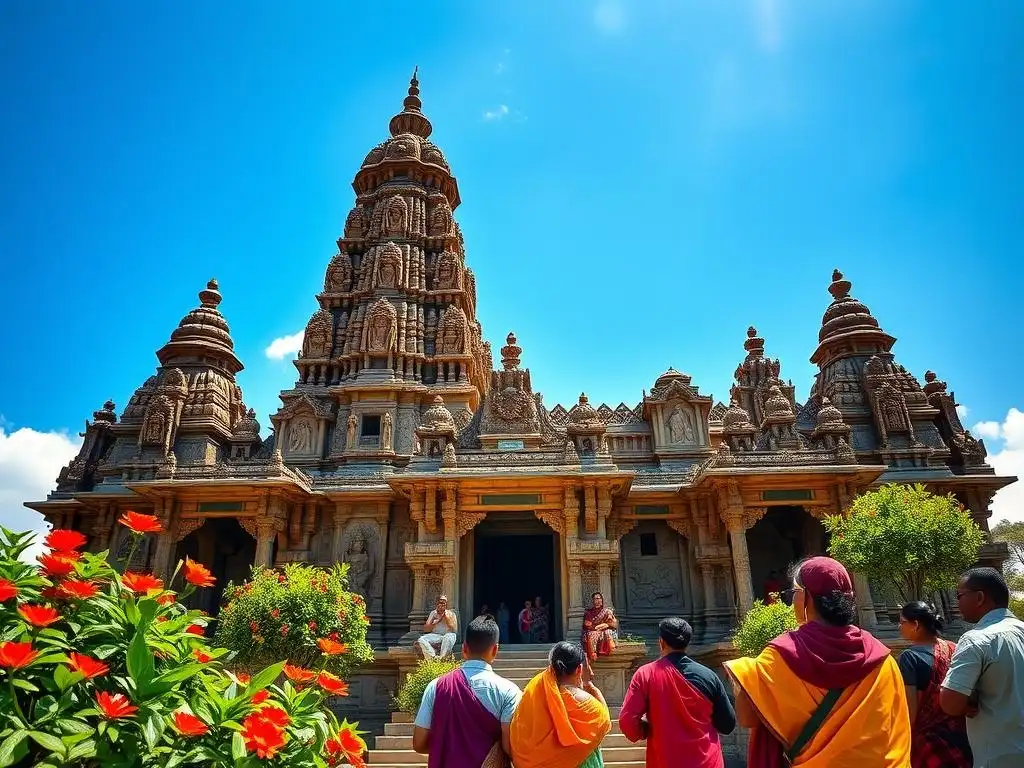
Welcome to Ancient India History, where we embark on a fascinating journey through the rich tapestry of India's past. Here, you'll discover the intricate symbolism that breathes life into ancient Indian temple design, revealing the profound philosophy and artistry that shaped these sacred spaces. What secrets do these symbols hold about the beliefs and values of ancient civilizations? Join us as we delve deeper into the captivating world of art and architecture, and uncover the stories that lie within the stone. Your exploration starts now!
- Introduction to Ancient Indian Temple Symbolism
- Historical Context of Temple Design
- Key Elements of Ancient Indian Temple Symbolism
- The Role of Sacred Geometry in Temple Design
- Case Studies of Prominent Ancient Indian Temples
- Symbolism of Materials Used in Temple Construction
- The Spiritual Dimensions of Temple Symbolism
- Conclusion: The Enduring Legacy of Ancient Indian Temple Symbolism
- Further Reading and Resources on Ancient Indian Temple Symbolism
-
Frequently Asked Questions
- What is the significance of symbolism in ancient Indian temple design?
- How did ancient Indian temples reflect cultural diversity?
- What are some common symbols found in ancient Indian temples?
- How did the Gupta Empire influence temple architecture?
- Why is understanding temple symbolism important for studying ancient India?
- Final Reflection: The Enduring Legacy of Ancient Indian Temple Symbolism
- Unveil the Symbolism Behind Ancient Indian Temple Design!
Introduction to Ancient Indian Temple Symbolism
The intricate designs and elaborate architecture of ancient Indian temples are not merely a feast for the eyes; they are deeply imbued with symbolism that reflects the spiritual, cultural, and philosophical essence of the civilizations that built them. From the meticulously carved stone sculptures to the layout of the temple complexes, every detail serves a purpose, conveying messages that resonate with the beliefs and values of ancient Indian society.
This article delves into the fascinating realm of ancient Indian temple symbolism, exploring how these architectural marvels not only served as places of worship but also as embodiments of the universe's cosmic order and the interconnectedness of life, nature, and the divine.
Understanding Symbolism in Ancient Indian Architecture
Ancient Indian architecture is renowned for its rich symbolism, which can be observed in various elements of temple design. The use of symbols is not arbitrary; rather, it reflects a profound understanding of the cosmos, spirituality, and the human experience.
- Sacred Geometry: Many temples are designed using sacred geometric shapes, such as squares and circles, representing the earth and the cosmos. The square (Prakriti) symbolizes the physical world, while the circle (Purusha) represents the spiritual realm. This interplay signifies the union of the two realms.
- Iconography: The deities represented in temple sculptures often carry specific attributes and symbols. For example, Lord Ganesha, depicted with an elephant head, symbolizes wisdom and the removal of obstacles, while Goddess Durga, shown riding a tiger, represents strength and protection. Each figure tells a story and embodies specific virtues.
- Architectural Elements: The temple's layout, including the sanctum sanctorum (garbhagriha) and the towering shikhara or vimana, is steeped in symbolism. The garbhagriha represents the womb of the universe, while the shikhara symbolizes the spiritual ascent towards the divine.
These symbolic elements serve multiple purposes, enhancing the aesthetic appeal of the temples while also imparting deeper spiritual meanings to devotees and visitors.
Importance of Temples in Ancient Indian Culture
Temples in ancient India were not just religious structures; they played a pivotal role in the social, economic, and cultural fabric of society.
- Spiritual Centers: Temples served as hubs for religious activities, rituals, and festivals, fostering a sense of community among worshippers. They were places where individuals connected with the divine, seeking blessings and guidance.
- Cultural Preservation: Through their art and architecture, temples acted as repositories of cultural heritage. They preserved ancient texts, music, dance, and art forms, ensuring that these traditions were passed down through generations.
- Economic Impact: Temples often became centers of economic activity, attracting artisans, traders, and pilgrims. They provided employment opportunities and contributed to local economies through donations and offerings made by devotees.
- Educational Institutions: Many temples doubled as educational centers, where scholars and students gathered to study philosophy, mathematics, astronomy, and the arts. This intellectual exchange played a crucial role in advancing knowledge and culture.
The role of symbolism in ancient Indian temple design is a testament to the profound spiritual and cultural values of the time. Understanding these symbols not only enriches our appreciation of ancient architecture but also connects us to the timeless legacy of Indian civilization.
Historical Context of Temple Design

Evolution of Temple Architecture in Ancient India
The evolution of temple architecture in ancient India reflects a rich tapestry of cultural, religious, and artistic influences that developed over centuries. The roots of temple design can be traced back to the Indus Valley Civilization (2500–1900 BCE), where early forms of worship are believed to have taken place in open spaces and rudimentary structures. However, the significant advancements in temple architecture began with the Maurya Empire (322–185 BCE), which laid the groundwork for more complex designs.
As we progress through history, the Buddhist stupas emerged as significant architectural forms during the Mauryan period, showcasing the importance of symbolism in their circular designs representing the universe. This was followed by the Gupta period (c. 320–550 CE), known as the Golden Age of India, where temple architecture flourished. The introduction of stone carving techniques enabled intricate sculptures and elaborate motifs that conveyed spiritual narratives.
Key features began to emerge in temple architecture, including:
- Shikhara: The towering spire found in North Indian temples, symbolizing the mythical Mount Meru, the axis of the universe.
- Vimana: The tower above the sanctum in South Indian temples, representing the connection between earthly beings and divine realms.
- Garbhagriha: The innermost sanctum housing the deity, symbolizing the womb of the universe.
These elements evolved over time, incorporating local styles and religious practices, resulting in a diverse range of temple designs across the subcontinent.
Major Dynasties and Their Influence on Temple Symbolism
The influence of various dynasties on temple symbolism is significant, as each contributed unique styles and interpretations that enriched the architectural landscape of ancient India.
- Mauryan Dynasty: Under Emperor Ashoka, Buddhism was propagated, leading to the construction of stupas that emphasized the Four Noble Truths and the Eightfold Path. The Sanchi Stupa is a prime example, adorned with carvings that narrate the life of Buddha.
- Gupta Dynasty: Often referred to as the "Golden Age," the Gupta period saw a resurgence of Hindu temple architecture. Temples such as the Dashavatara Temple in Deogarh showcase intricate carvings of Hindu deities, symbolizing the cosmic functions of creation, preservation, and destruction.
- Chola Dynasty: The Cholas made significant contributions to South Indian temple design, evident in the Brihadeeswarar Temple at Thanjavur. This temple features grand sculptures that reflect the divine order and the omnipresence of the deity.
- Mughal Influence: The arrival of the Mughals introduced new architectural styles, blending Islamic elements with traditional Indian designs. The Taj Mahal, although primarily a mausoleum, showcases the profound use of symmetry and intricate inlay work, emphasizing the theme of eternal love, which can also be seen in temple structures of the period.
Each dynasty not only influenced the aesthetics of temple design but also incorporated symbolic meanings that resonate with the spiritual beliefs of the time.
Regional Variations in Temple Design and Symbolism
Ancient Indian temple design is characterized by regional variations that reflect local customs, beliefs, and cultural influences. The diversity in architectural styles is evident across different regions:
- North India: Temples like the Kandariya Mahadeva Temple in Khajuraho feature ornate sculptures and are characterized by tall shikharas. The symbolism often includes themes of Shiva and Shakti, representing the cosmic balance of creation and destruction.
- South India: The Dravidian style temples, such as the Meenakshi Amman Temple in Madurai, showcase towering gopurams (gateway towers) adorned with colorful sculptures of deities. The symbolism here often emphasizes Bhakti (devotion) and the divine marriage of goddess Meenakshi with Lord Shiva.
- Eastern India: In places like Odisha, temples such as the Konark Sun Temple reflect a unique blend of architectural prowess and astrological symbolism. The temple's design mimics a colossal chariot of the sun god, symbolizing the journey of life and the passage of time.
- Western India: The intricate carvings of the Sun Temple at Modhera and the Jain temples of Ranakpur illustrate the significance of light and enlightenment in Jain philosophy, with elaborate motifs representing the soul’s journey toward liberation.
These regional variations in temple design not only highlight the local artistic styles but also encapsulate the philosophical and spiritual ideas prevalent in the respective cultures, contributing to the rich tapestry of ancient Indian temple symbolism.
Key Elements of Ancient Indian Temple Symbolism
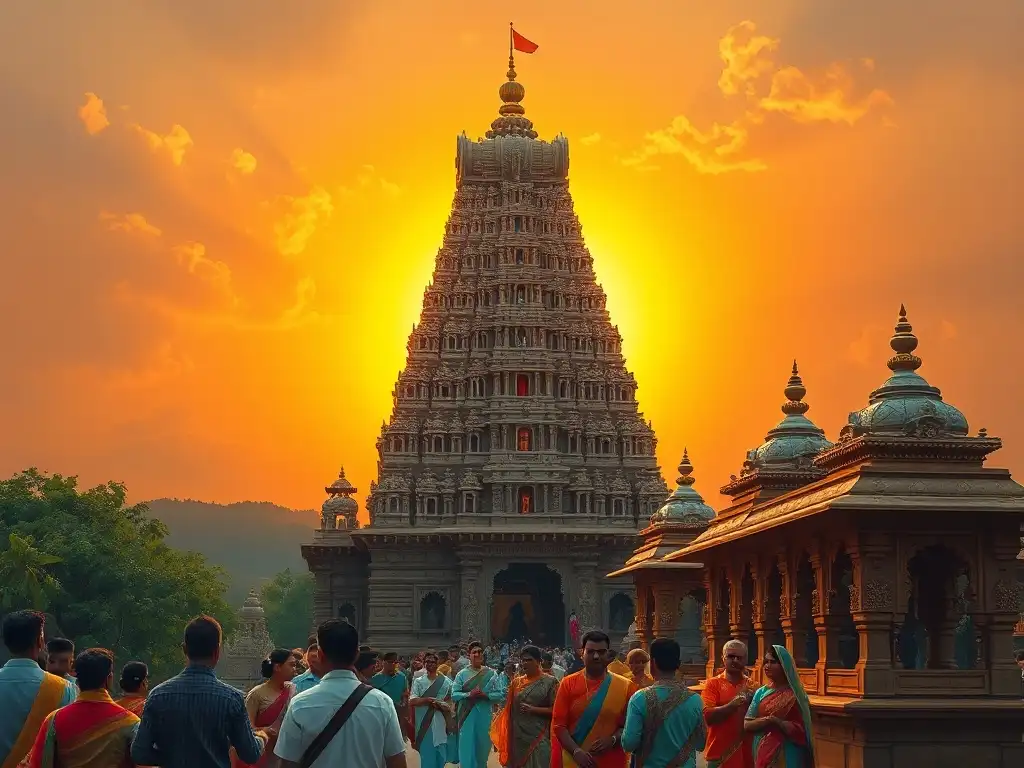
The Significance of Geometric Shapes in Temple Layout
Geometric shapes play a crucial role in ancient Indian temple design, embodying deep philosophical meanings and serving as a means of connecting the earthly realm with the divine. The layout of a temple often follows a sacred geometry that reflects the cosmos, with specific shapes symbolizing various aspects of the universe.
- Square (Prithvi): The square is regarded as a symbol of earth and stability. In many temples, the sanctum sanctorum (garbhagriha) is designed in a square shape, representing the firm foundation of existence.
- Circle (Ananta): The circular designs are often used in the circumambulatory paths (pradakshina) around the sanctum, symbolizing infinity and the cyclical nature of life.
- Triangle (Agni): The triangle signifies fire and transformation. It is often represented in the roof structures, indicating the connection between the earthly realm and the divine.
The careful arrangement of these geometric forms not only serves an aesthetic purpose but also enhances the spiritual experience of devotees, guiding them through a journey of enlightenment as they navigate the temple space.
Iconography: Deities and Divine Representations
Iconography in ancient Indian temples is rich and complex, utilizing various forms of art to depict deities and their attributes. Each representation is laden with symbolism that conveys specific meanings and teachings.
- Deities: Major deities such as Vishnu, Shiva, and Devi are often depicted in intricate sculptures. For instance, the multi-armed forms of deities symbolize their omnipotence and ability to perform multiple tasks simultaneously.
- Attributes: The objects held by the deities—like Shiva's trident or Vishnu's conch—carry their own symbolic significance. For example, the conch signifies the call to righteousness and the sacred sound of creation.
- Mithuna Figures: These are often found in temple reliefs, representing the unity of opposites, such as male and female, and symbolize fertility and the balance of nature.
The use of iconography not only serves as a means of worship but also acts as a visual narrative that conveys moral and philosophical teachings to the devotees, enhancing their spiritual journey.
Ritualistic Symbols in Temple Architecture
Ritualistic symbols are integral to the architecture of ancient Indian temples, providing a framework for worship and spiritual practice. These symbols define the sacred spaces within the temple and guide the rituals performed by devotees.
- Yoni and Linga: The yoni (female principle) and linga (male principle) symbolize the unity of creation and are often placed in the garbhagriha as a representation of fertility and divine energy.
- Lotus: The lotus is a recurring motif in temple architecture, symbolizing purity and enlightenment. It often decorates the ceilings and entranceways, inviting devotees to rise above worldly attachments.
- Mandapa: The pillared hall (mandapa) serves as a gathering space for rituals and is often adorned with symbolic carvings that narrate mythological stories, reinforcing the connection between the divine and the devotees.
These ritualistic symbols create an immersive environment for worship, allowing individuals to connect with the divine and participate in the sacred traditions that have been passed down through generations. By embodying these symbols within the architecture, ancient Indian temples serve as living expressions of spiritual principles and cultural heritage.
The Role of Sacred Geometry in Temple Design
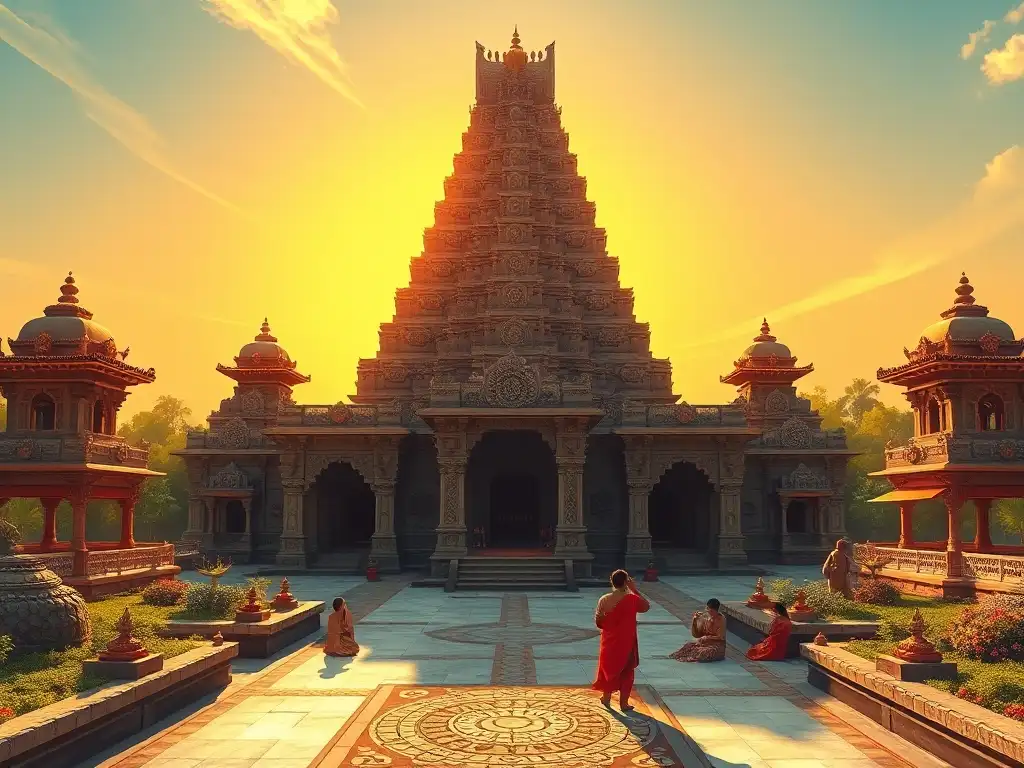
Sacred geometry plays a fundamental role in the design of ancient Indian temples, serving as a bridge between the physical and spiritual realms. This concept embodies the belief that certain geometric shapes and proportions possess intrinsic spiritual significance. The meticulous arrangement of these shapes is not merely aesthetic but is deeply rooted in the cosmological framework of Hindu philosophy.
In ancient Indian temple architecture, geometric patterns are often derived from the principles of Vaastu Shastra, which governs the spatial arrangement of structures. This alignment is believed to enhance the flow of energy, creating a harmonious environment conducive to worship and meditation. The integration of sacred geometry ensures that each temple is not just a place of worship but a representation of the universe itself.
Exploring Mandalas and Their Symbolic Meanings
Mandalas are intricate geometric designs that serve as powerful symbols in ancient Indian culture. Often utilized in temple design, these patterns represent the cosmos metaphysically and are imbued with various meanings. At their core, mandalas symbolize the unity of the universe, reflecting the belief in the interconnectedness of all life.
- Structure of Mandalas:
- Central Point (Bindu): Represents the source of creation and the ultimate reality.
- Surrounding Circles: Symbolize the unfolding of the universe from the center.
- Geometric Patterns: Reflect the balance and harmony in nature, often mirroring the natural world and cosmic order.
- Cultural Significance:
- Mandalas are not only aesthetic elements; they are used in rituals and meditative practices, allowing devotees to connect with the divine.
- The creation of a mandala is often viewed as a meditative act, reinforcing the relationship between art and spirituality in temple design.
- Examples in Architecture:
- Notable temples, such as the Brihadeeswarar Temple in Thanjavur, India, feature mandala patterns in their floor plans, highlighting the importance of sacred geometry in their design.
The deep meanings encapsulated within mandalas illustrate the profound role of ancient Indian temple symbolism in facilitating spiritual experiences and guiding architectural practices.
The Concept of Vastu Shastra in Temple Architecture
Vaastu Shastra is an ancient Indian system of architecture that emphasizes the importance of spatial orientation and geometric alignment in constructing buildings, particularly temples. This traditional science outlines specific guidelines to ensure that structures are in harmony with nature and the cosmos.
- Principles of Vaastu Shastra:
- Orientation: Temples are typically oriented towards the cardinal directions, aligning with the movement of celestial bodies.
- Placement of Deities: The positioning of deities within the temple follows strict guidelines to maximize spiritual energy and benefits to worshippers.
- Materials and Elements: The choice of materials and their arrangement is critical, as each element is believed to influence the energy flow within the temple.
- Spiritual and Practical Benefits:
- Temples designed according to Vaastu Shastra are believed to foster positive energies, enhancing the spiritual experience for devotees.
- The alignment with natural elements such as sunlight and wind contributes to the physical comfort and aesthetic quality of the temple space.
- Integration in Temple Design:
- Temples like the Sun Temple at Konark exemplify the principles of Vaastu Shastra. The temple's layout and orientation are meticulously planned to reflect the sun's trajectory, enhancing its spiritual significance.
The adherence to Vaastu Shastra underlines the intricate relationship between ancient Indian temple symbolism, architectural design, and the broader metaphysical concepts that govern the universe, making these structures not only places of worship but also embodiments of cosmic principles.
Case Studies of Prominent Ancient Indian Temples
The Brihadeeswarar Temple: A Study in Symbolism
The Brihadeeswarar Temple, located in Thanjavur, Tamil Nadu, is an exemplary representation of ancient Indian temple symbolism. Constructed during the Chola dynasty in the 11th century, this temple is dedicated to Lord Shiva and showcases a plethora of symbolic elements that reflect both religious and socio-political aspects of the time.
Architectural Features
The temple's towering vimana (the towering structure above the sanctum) rises to a height of approximately 66 meters (216 feet), symbolizing Mount Meru, the axis of the universe in Hindu cosmology. The grandeur of the temple reflects the power and authority of the Chola rulers, showcasing their devotion to Shiva while also asserting their dominance.
Symbolic Elements
- Sacred Geometry: The layout of the temple follows a precise geometric pattern, aligning with the principles of Vastu Shastra, which emphasizes harmony and balance.
- Nandi Sculpture: At the entrance, a massive statue of Nandi (the bull, vahana of Shiva) serves as a guardian figure, symbolizing strength and fidelity. Its placement facing the sanctum reinforces the link between the devotee and the divine.
- Intricate Carvings: The stone carvings depict various deities and mythological scenes, each telling stories that convey moral and spiritual lessons, thereby enriching the visitor's experience with layers of meaning.
The Brihadeeswarar Temple stands not only as a place of worship but as a living testament to the architectural ingenuity and the deep-seated symbolism prevalent in ancient Indian temple design.
The Sun Temple at Konark: Architectural Symbolism and Its Meaning
The Sun Temple at Konark, Odisha, is another marvel of ancient Indian temple symbolism, constructed in the 13th century. Dedicated to Surya, the Sun God, this temple is designed in the shape of a colossal chariot, drawn by seven horses.
Chariot Symbolism
- The Chariot: The temple's structure symbolizes the chariot of the sun, representing the cyclical nature of time and the journey of the sun across the sky. The twelve pairs of wheels carved into the temple's base symbolize the twelve months of the year, further emphasizing the theme of time and celestial movement.
- Seven Horses: The seven horses represent the seven days of the week, linking the temple to daily life and the passage of time.
Artistic and Symbolic Details
- Intricate Reliefs: The temple is adorned with exquisite sculptures that depict various aspects of life, including dance, music, and nature, symbolizing the harmony between humanity and the cosmos.
- Sunlight Play: The temple's architectural design allows sunlight to illuminate the sanctum at specific times, particularly during the equinoxes, symbolizing divine presence and the life-giving power of the sun.
The Sun Temple at Konark serves as a profound reminder of the intricate relationship between nature, time, and spirituality in ancient Indian culture.
The Meenakshi Amman Temple: Layered Symbolism in Design
The Meenakshi Amman Temple, located in Madurai, Tamil Nadu, is renowned for its stunning architecture and rich symbolism. Dedicated to Goddess Meenakshi and her consort, Lord Sundareswarar, this temple complex is a vibrant representation of ancient Indian temple symbolism.
Architectural Layout
The temple's layout is intricately designed, with multiple shrines, towering gopurams (gateway towers), and a sacred lotus pond, symbolizing purity and divine beauty. Each component of the temple follows a meticulous plan that reflects the cosmos, where the central shrine represents the heart of the universe.
Symbolic Features
- Gopurams: The towering gopurams are adorned with thousands of sculptures that depict various deities, animals, and mythical figures. These serve as visual narratives, symbolizing the divine presence and the multitude of paths leading to enlightenment.
- Lotus Pond: The temple's lotus pond symbolizes fertility, prosperity, and the blooming of spiritual wisdom. It serves as a sacred space for rituals and meditation, emphasizing the connection between nature and spirituality.
- Dancing Pillars: The hall of dancing pillars within the temple is renowned for its acoustic properties, symbolizing the harmony of sound and spirituality. Each pillar is intricately carved and serves as a testament to the artistic prowess of ancient artisans.
The Meenakshi Amman Temple embodies the essence of ancient Indian temple symbolism, offering a profound exploration of spirituality, devotion, and the intricate relationship between the divine and the material world.
Symbolism of Materials Used in Temple Construction
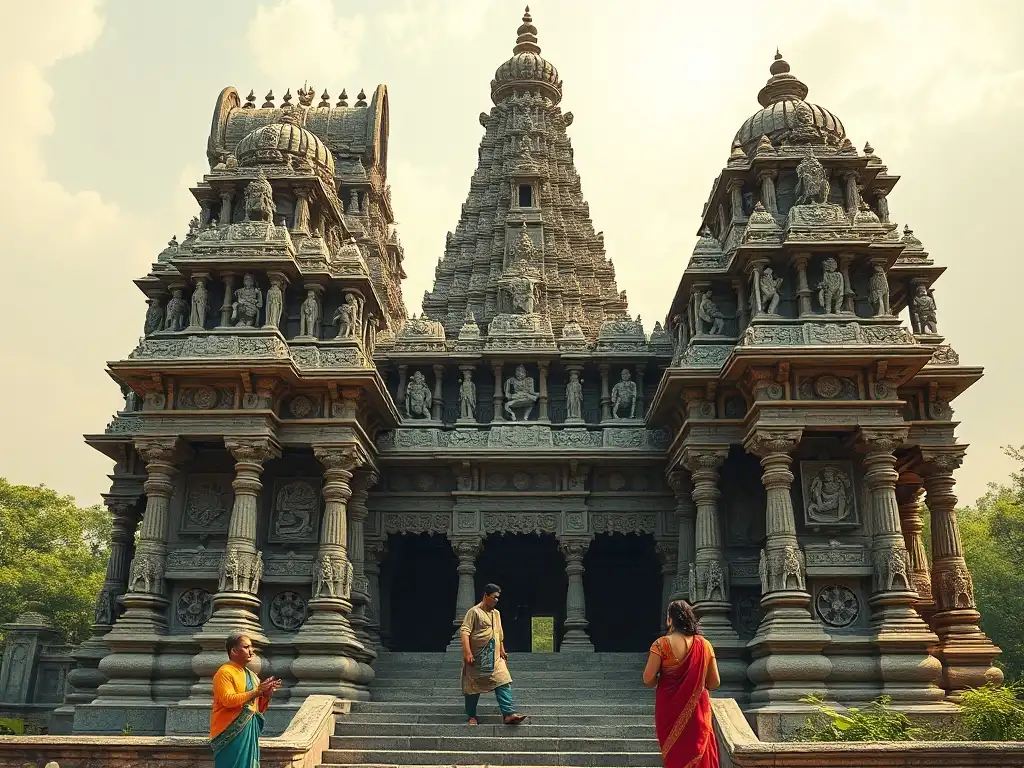
Sacred Stones and Their Significance
In ancient Indian temple architecture, the choice of materials played a pivotal role in conveying spiritual meanings and cultural values. The use of specific stones is not merely functional; it is deeply symbolic. Each type of stone was selected based on its perceived properties and the messages it embodied.
- Granite: Often used in the construction of temples, granite is thought to symbolize strength and permanence. Its durability reflects the eternal nature of the divine, making it a favored choice for the foundational structures of temples. The intricate carvings on granite surfaces also serve as narratives, telling stories of deities and mythological events.
- Marble: Known for its beauty and elegance, marble is frequently used in the interiors of temples. It symbolizes purity and clarity, qualities that are essential for spiritual practices. The polished surfaces of marble reflect light in a way that creates a serene atmosphere, enhancing the spiritual experience for devotees.
- Sandstone: This material is often associated with the earthly realm. Its warm hues connect the temple to the natural world, grounding the spiritual experience in the physical landscape. Sandstone allows for intricate carvings and is often used to depict various deities, enhancing the storytelling aspect of temple design.
The sacred stones not only serve structural purposes but also embody the metaphysical beliefs of ancient Indian civilizations. The careful selection and use of these materials demonstrate a profound understanding of how architecture can express the divine.
Symbolic Use of Colors in Temple Exteriors and Interiors
Color in ancient Indian temple design is rich with symbolism, conveying theological concepts and emotional experiences. Each color embodies specific meanings, deeply rooted in the cultural and spiritual ethos of the time.
- White: Often used for marble and other light-colored stones, white symbolizes purity, peace, and the divine. It reflects the concept of sattva, or the quality of goodness, which is essential in spiritual practices. Temples adorned in white create a calming environment conducive to meditation and worship.
- Red: A color associated with power and energy, red is frequently used in temple exteriors to invoke the protective energy of deities. It represents passion and is often linked to the goddess Shakti, symbolizing strength and femininity. This vibrant color draws attention and invites devotees to engage with the temple’s spiritual essence.
- Gold: Frequently found in temple decorations and idol adornments, gold signifies wealth and divine illumination. It symbolizes the ultimate truth and the richness of spiritual knowledge. The use of gold enhances the grandeur of temples, making them visually striking and spiritually uplifting.
- Green: Symbolizing fertility, nature, and abundance, green is often used in temple gardens and sanctuaries. It represents the connection between the divine and the natural world, emphasizing the importance of harmony in life. Green spaces around temples serve to create a tranquil environment for worshippers.
The strategic use of colors in ancient Indian temple design not only enhances aesthetic beauty but also reflects complex spiritual concepts, making the temples a visual representation of ancient Indian beliefs and philosophies.
The Spiritual Dimensions of Temple Symbolism
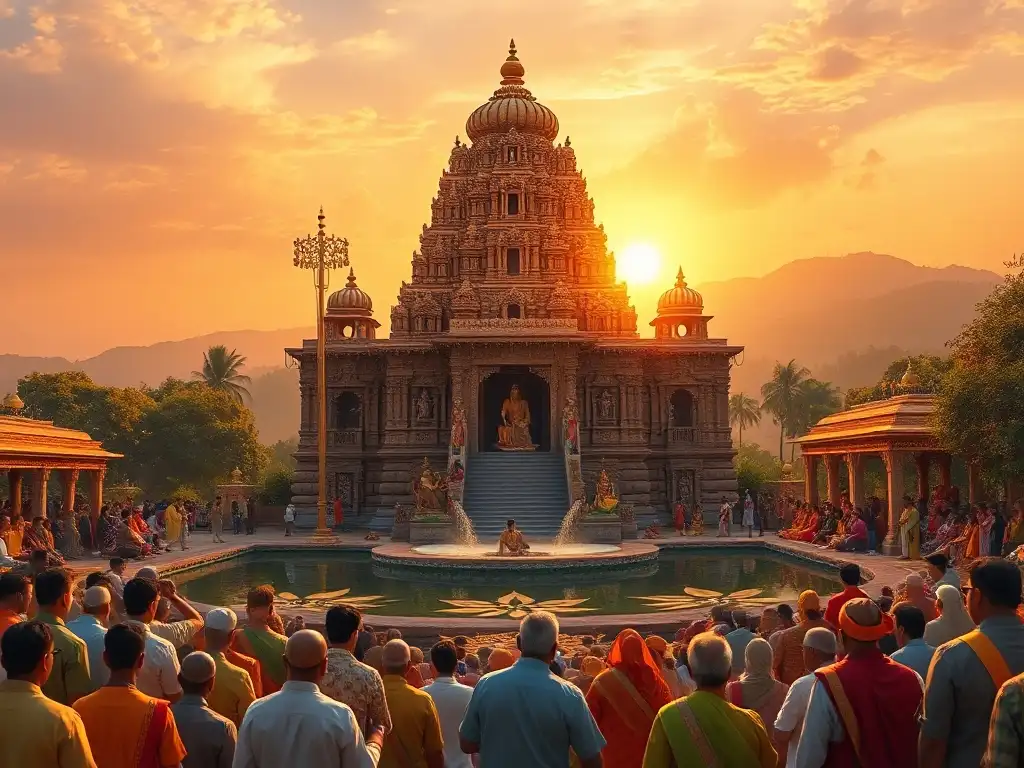
In ancient Indian temple design, symbolism serves as a profound vehicle for spiritual expression, transcending mere architectural aesthetics. Each element of a temple—from its layout to its intricate carvings—embodies deeper meanings and narratives that resonate with the spiritual beliefs of the time.
How Symbolism Enhances the Devotional Experience
Symbolism in ancient Indian temples plays a crucial role in enhancing the devotional experience for worshippers. The use of specific motifs and designs is not arbitrary; rather, it is intentionally crafted to evoke a sense of reverence and connection to the divine. For instance:
- Sacred Geometry: The layout of many temples follows geometric patterns, such as the mandala, which symbolizes the universe and the cosmos. This geometric precision creates a sacred space that invites meditation and reflection.
- Iconography: Deities are represented in various forms, each carrying symbolic attributes. For example, the four arms of Lord Vishnu represent his omnipotence and his ability to protect devotees from all directions. The symbolism associated with these forms deepens the emotional engagement of worshippers.
- Chhatris and Shikharas: These architectural features symbolize the ascent towards the heavens. The verticality of shikharas draws the eyes upward, encouraging worshippers to contemplate the divine.
Moreover, the sensory experiences facilitated by these symbols—such as the sounds of bells, the scents of incense, and the visual splendor of carvings—serve to immerse individuals into a spiritual atmosphere, reinforcing their connection to the divine.
The Connection Between Symbolism and Worship Practices
The integration of symbolism into worship practices is evident in various rituals and ceremonies conducted within ancient Indian temples. Each ritual often incorporates symbolic elements that deepen the spiritual experience:
- Pradakshina (Circumambulation): This act of walking around the sanctum sanctorum symbolizes the cycle of birth and rebirth, as well as the journey towards enlightenment. Worshippers engage in this practice to honor the divine presence within the temple.
- Offerings and Puja: The items used in offerings, such as flowers, fruits, and water, carry symbolic meanings related to purity and devotion. Each item represents a different aspect of life and spirituality, reinforcing the connection between the material and the divine.
- Ritualistic Mandalas: Many temples feature mandalas that are integral to worship practices. These intricate designs guide the flow of spiritual energy and serve as a focal point for meditation and prayer, illustrating the relationship between the worshipper and the cosmos.
The symbolism embedded in ancient Indian temple design is a vital aspect that enhances the spiritual experience and practice of worship. By understanding these symbols, worshippers forge a deeper connection to their faith, allowing them to transcend the physical realm and engage with the sacred.
Ancient Indian temple symbolism is a multifaceted aspect of worship that enriches the spiritual landscape, inviting deeper exploration and reflection on the divine.
Conclusion: The Enduring Legacy of Ancient Indian Temple Symbolism

The architectural marvels of ancient Indian temples reveal a deep and intricate tapestry of symbolism that transcends mere aesthetic appeal. These structures were not only places of worship but also embodiments of the philosophical and spiritual ideals of their time. The use of symbolism in ancient Indian temple design serves as a lens through which we can understand the cultural, religious, and social dynamics of the civilizations that crafted them.
From the intricate carvings depicting deities to the alignment of the temple structures with cosmic elements, each aspect of temple design was meticulously planned to reflect a higher order of existence. The enduring legacy of this symbolism continues to resonate, influencing contemporary architectural practices and spiritual spaces worldwide.
Reflections on the Cultural Significance of Temple Design
The cultural significance of ancient Indian temple symbolism is multi-faceted, reflecting the diverse beliefs and practices of the time. Temples served as microcosms of the universe, designed to represent the cosmic order through their layout and artistic expressions.
- Cosmic Alignment: Many temples were constructed with precise astronomical alignments. For example, the orientation of the sanctum sanctorum (garbhagriha) is often aligned with the cardinal directions, linking the earthly realm with celestial phenomena. This alignment signifies a connection between the divine and the mortal, facilitating a spiritual experience for worshippers.
- Symbolic Carvings: The intricate carvings found on temple walls often depict various narratives from Hindu mythology, such as the stories of the Ramayana and Mahabharata. These carvings not only serve an aesthetic purpose but also act as a didactic tool, conveying moral and ethical lessons through visual storytelling.
- Architectural Elements: Elements like the shikhara (spire) and mandapa (pillared hall) carry significant symbolic meaning. The shikhara, for instance, represents Mount Meru, the axis of the universe in Hindu cosmology, while the mandapa serves as a transitional space between the earthly and the divine.
This thoughtful integration of symbolism into temple design highlights the sophistication of ancient Indian thought and its emphasis on spirituality, community, and harmony with nature.
The Impact of Ancient Indian Temple Symbolism on Modern Architecture
The influence of ancient Indian temple symbolism extends beyond historical analysis; it continues to inspire modern architectural practices and philosophies.
- Revival of Traditional Styles: Architects today are increasingly looking back to ancient designs, incorporating traditional motifs and elements into contemporary structures. For instance, the use of intricate jali work (lattice screens) not only enhances aesthetic appeal but also serves functional purposes, allowing light and air to filter into the space.
- Sustainability and Harmony: The principles of ancient Indian temple design, which emphasize sustainability and a harmonious relationship with the environment, are being revived in modern architecture. The integration of natural materials, open spaces, and an orientation that respects the surrounding landscape are all hallmarks of eco-friendly design that echo the wisdom of ancient practices.
- Spiritual Spaces: In the realm of spiritual architecture, many contemporary buildings—such as meditation centers and yoga studios—draw upon the symbolic elements of ancient temples to create spaces that foster contemplation and connection with the divine. This trend underscores the timeless relevance of ancient Indian temple symbolism in fostering spiritual experiences.
The legacy of ancient Indian temple symbolism is not just a relic of the past; it is a living tradition that continues to inform and inspire modern architectural practices, reflecting an enduring quest for meaning and connection in both the physical and spiritual realms.
Further Reading and Resources on Ancient Indian Temple Symbolism
Recommended Books and Articles
When delving into the intricate world of ancient Indian temple symbolism, numerous scholarly resources provide valuable insights. Here’s a curated list of essential readings that explore various aspects of this fascinating topic:
-
"The Temples of Ancient India" by John C. Huntington
This comprehensive work provides an overview of temple architecture across different regions, highlighting significant symbolic elements and their meanings.
-
"Symbolism in Indian Art and Architecture" by S. K. Sinha
This book offers an in-depth analysis of the symbolic motifs prevalent in ancient Indian temples, discussing how these symbols reflect cultural beliefs and practices.
-
"The Art and Architecture of India: Buddhist, Hindu, Jain" by Benjamin Rowland
A foundational text that examines the religious and cultural contexts of temple designs, making connections between architectural features and their symbolic significance.
-
"Sacred Architecture: The Symbolism of Temples" by Arvind Sharma
This article explores the philosophical underpinnings of temple architecture, focusing on how symbolism serves as a bridge between the material and the spiritual realms in ancient Indian culture.
-
Research Journal: "Ancient Indian Architecture and Its Symbolic Language"
This journal article discusses the linguistic aspects of architectural symbolism, offering a critical perspective on how various elements convey meaning.
Museums and Sites for Exploring Ancient Indian Architecture
Exploring ancient Indian temple symbolism is further enriched by visiting museums and historical sites where these architectural marvels can be appreciated firsthand. Here are some key locations to consider:
- The Indian Museum, Kolkata
- Highlights: Houses a remarkable collection of artifacts, including sculptures and inscriptions from ancient temples.
- Significance: Offers insights into the symbolism behind various artifacts and architectural elements.
- Khajuraho Temples, Madhya Pradesh
- Highlights: A UNESCO World Heritage Site known for its intricate sculptures and carvings that depict various symbolic themes, including love, spirituality, and mythology.
- Significance: Provides a living example of how symbolism was integrated into temple design.
- The Brihadeeswarar Temple, Thanjavur
- Highlights: An architectural masterpiece of the Chola dynasty, showcasing grand sculptures and motifs that symbolize power and divinity.
- Significance: Illustrates the role of temple architecture in ancient Indian society and its symbolic representations.
- The Archaeological Museum, Sarnath
- Highlights: Features artifacts from ancient Buddhist sites, including symbolic representations of the Buddha and other deities.
- Significance: Explores the intersection of architecture and symbolism in Buddhist temple design.
- Meenakshi Temple, Madurai
- Highlights: Renowned for its towering gopurams (gateway towers) adorned with colorful sculptures that encapsulate various deities and mythological narratives.
- Significance: A prime example of how symbolism in architecture fosters devotion and cultural identity.
Visiting these locations not only enhances understanding but also allows for a deeper appreciation of the rich tapestry of ancient Indian temple symbolism embedded in the architectural designs.
Frequently Asked Questions
What is the significance of symbolism in ancient Indian temple design?
Symbolism played a crucial role in ancient Indian temple design, representing spiritual beliefs and the divine. It helped convey philosophical concepts and the interconnectedness of life and the cosmos.
How did ancient Indian temples reflect cultural diversity?
Ancient Indian temples showcased regional styles and traditions, illustrating the cultural diversity of the subcontinent. Each temple often incorporated local motifs and architectural elements unique to its area.
What are some common symbols found in ancient Indian temples?
Common symbols include the lotus, representing purity and spiritual enlightenment, and the Nandi bull, symbolizing strength and devotion. These symbols often reflect deities and their attributes.
How did the Gupta Empire influence temple architecture?
The Gupta Empire is known for its innovative temple architecture, marked by intricate carvings and detailed iconography. This period saw the establishment of classical styles that influenced later temple designs.
Why is understanding temple symbolism important for studying ancient India?
Understanding temple symbolism provides insights into the religious beliefs, values, and social structures of ancient Indian civilizations. It helps scholars and enthusiasts appreciate the cultural heritage and spiritual legacy of the region.
Final Reflection: The Enduring Legacy of Ancient Indian Temple Symbolism
The intricate symbolism found in ancient Indian temple design is not merely a relic of the past; it serves as a profound reminder of the cultural and spiritual values that continue to resonate in our modern world. As we navigate through contemporary challenges, the lessons embedded in these architectural marvels encourage us to seek deeper meanings in our surroundings and to appreciate the interconnectedness of art, spirituality, and community. The rich tapestry of ancient Indian temple symbolism invites us to reflect on our own beliefs and values, urging us to find harmony in diversity.
The influence of ancient Indian temple symbolism extends far beyond the confines of architecture; it permeates our cultural and social landscapes, shaping our understanding of identity and spirituality. The motifs and narratives depicted in these temples not only tell stories of the divine but also foster a sense of belonging and continuity among generations. As noted by art historian John M. Fritz, The temple is a microcosm of the universe, embodying the spiritual journey of humanity.
This perspective highlights how these symbols serve as bridges connecting us to our heritage, reminding us of the wisdom that has been passed down through time.
As we conclude our exploration of ancient Indian temple symbolism, I invite you to reflect on how these timeless lessons can be integrated into your own life. Consider the symbols that resonate with you and how they can inspire a deeper understanding of your own journey. Whether through art, spirituality, or community engagement, let the wisdom of the past guide you in creating a meaningful present and a hopeful future. Embrace the opportunity to explore the layers of meaning in your own life, and allow the legacy of ancient Indian temple symbolism to illuminate your path forward.
Unveil the Symbolism Behind Ancient Indian Temple Design!
Thank you for diving into the fascinating world of ancient Indian temple design! You've explored the intricate ways in which **symbolism** breathes life into these remarkable structures. Now, it’s time to take your newfound knowledge further and engage with the rich cultural heritage of India.
Here’s how you can deepen your understanding and share the wisdom of ancient symbolism:
- Explore local temples: Visit nearby temples and observe their designs. Take note of the symbolism used and how it reflects the culture and beliefs of the time.
- Share your insights: Discuss what you’ve learned with friends or on social media. Start conversations about the significance of temple design in today's context.
- Create art inspired by symbolism: Try your hand at creating artwork or written pieces that showcase the symbols you’ve discovered. You might even inspire others to appreciate this rich heritage!
What symbol resonates with you the most from your exploration of ancient Indian temples, and why do you find it meaningful? Let's spark a discussion in the comments!