
The Intersection of Art and Astronomy in Ancient Indian Temples

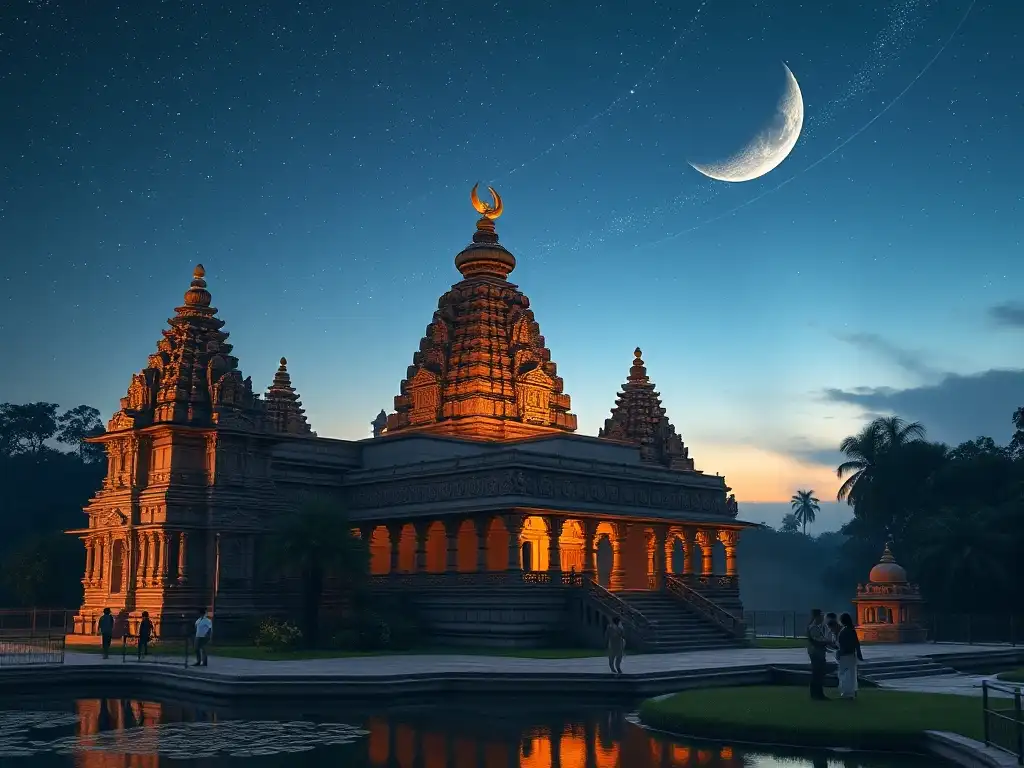
Welcome to Ancient India History, where we embark on a fascinating journey through the rich tapestry of India's past. Here, we delve into the intricate connections between art and astronomy, particularly as they manifest in the stunning temples of ancient India. In our feature article, "The Intersection of Art and Astronomy in Ancient Indian Temples," we invite you to explore how celestial phenomena influenced architectural masterpieces and artistic expressions that have withstood the test of time.
Prepare to be captivated by the brilliance of ancient civilizations as we uncover the secrets that lie within these sacred spaces. Your adventure into the depths of ancient Indian temple art astronomy begins now—read on to discover more!
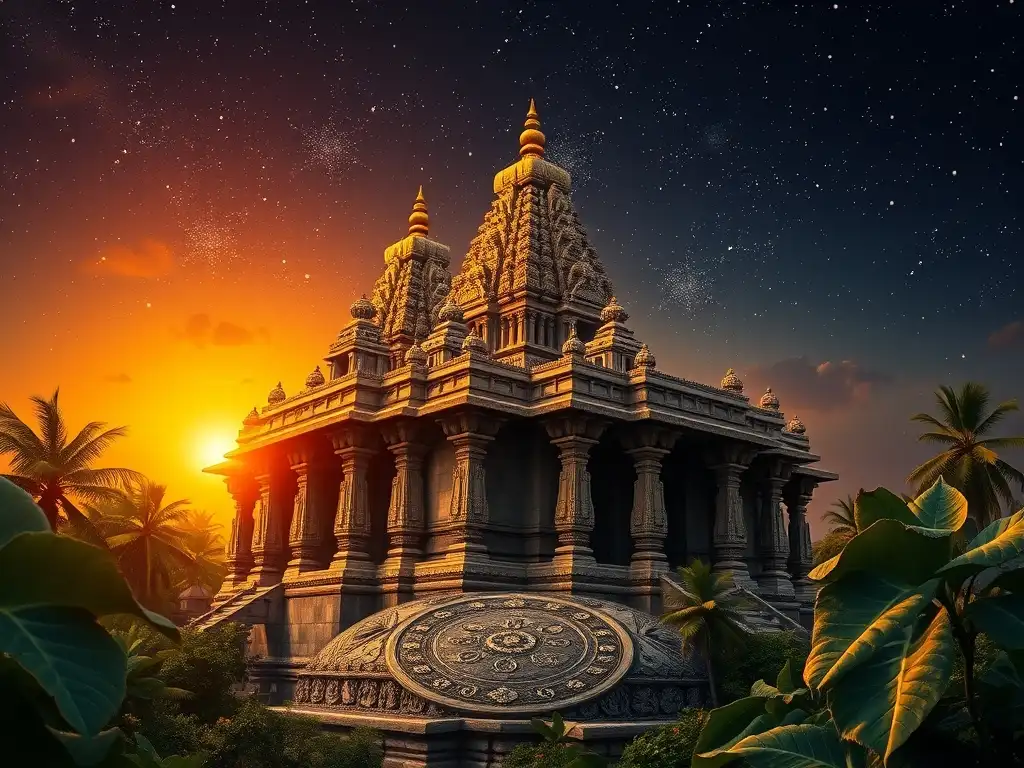
The relationship between art and astronomy in ancient Indian temples is a fascinating exploration of how these two disciplines intertwined to reflect the spiritual and scientific ethos of the time. Ancient Indian temple art is not merely decorative; it serves as a bridge connecting the earthly realm with the celestial, showcasing the profound understanding that ancient civilizations had of the cosmos.
From intricate carvings to elaborate sculptures, these artistic expressions were often infused with astronomical significance, portraying celestial bodies, aligning with cosmic events, and even embodying astronomical concepts within their structure and design. This article delves into the rich tapestry of ancient Indian temple art and its astronomical connections, highlighting the cultural and philosophical implications that resonate through the ages.
Understanding Ancient Indian Temple Art
Definition and Significance of Ancient Indian Temple Art
Ancient Indian temple art refers to the diverse range of artistic expressions manifested in the architecture, sculptures, and reliefs of temples built across various periods in Indian history. Significance is derived from its role in conveying religious narratives, cultural values, and social hierarchies. These art forms were not just for aesthetic pleasure; they served as a medium for storytelling, spiritual education, and the expression of devotion.
- Religious Narratives: Many temple artworks depict scenes from Hindu epics like the Ramayana and Mahabharata, illustrating moral and philosophical lessons.
- Cultural Identity: This art form reflects the regional variations and cultural diversity of ancient India, showcasing local styles and influences.
- Spiritual Experience: The intricate designs and symbolism invite worshippers to engage in a deeper spiritual experience, connecting them to the divine.
Key Features of Ancient Indian Temple Art
The hallmark of ancient Indian temple art lies in its distinctive features that set it apart from other artistic traditions:
- Iconography: Temples are adorned with numerous deities and mythological figures, each symbolizing different aspects of life and spirituality.
- Relief Carvings: Intricate reliefs tell stories and convey cosmic principles, often depicting celestial bodies and astronomical phenomena.
- Architectural Elements: The layout and design of temples often align with cosmic principles, such as cardinal directions, enhancing their astronomical significance.
Historical Context of Astronomy in Ancient India
Overview of Astronomy in Ancient Indian Civilizations
Astronomy in ancient India was a highly developed field, with scholars making significant contributions to the understanding of celestial phenomena. Indian astronomers were not only observers but also theorists who sought to explain the movements of celestial bodies through mathematical models. Key texts, such as the Surya Siddhanta, laid the groundwork for astronomical studies, blending art and science in their approach.
- Early Observations: Ancient Indian astronomers meticulously observed the stars and planets, leading to a calendar system that was deeply rooted in cosmic cycles.
- Mathematical Innovations: The introduction of concepts like zero and positional notation revolutionized mathematical astronomy, allowing for more precise calculations.
Influential Astronomers and Their Contributions
Several prominent figures in ancient Indian astronomy made lasting contributions that shaped both art and science:
- Aryabhata: Known for his groundbreaking work in mathematics and astronomy, Aryabhata's theories on the rotation of the Earth and the heliocentric model were revolutionary.
- Brahmagupta: His writings on mathematical astronomy included methods for calculating the positions of celestial bodies, influencing future generations of scholars.
- Varahamihira: A polymath who blended astronomy with astrology, his texts emphasize the interconnectedness of cosmic phenomena and human life.
Through this exploration of ancient Indian temple art and astronomy, we uncover a legacy that highlights the intellectual and spiritual achievements of ancient civilizations, revealing their profound understanding of the universe and their artistic expressions.
The Role of Astronomy in Ancient Indian Temples
Astronomy played a significant role in the design and function of ancient Indian temples, serving as a bridge between the celestial and terrestrial realms. Temples were not merely places of worship but were also thought to embody cosmic principles, reflecting the belief that the heavens influence life on Earth. The alignment of temples with celestial phenomena such as solstices, equinoxes, and the movements of celestial bodies was a common practice. This integration of astronomy into temple design facilitated a deeper understanding of the universe and its cycles, reinforcing the spiritual connection between the divine and the cosmos.
Moreover, the incorporation of astronomical elements into temple art served as a means of educating the populace about celestial events and their significance. Temples became repositories of knowledge, where astrological and astronomical concepts were visually represented through intricate carvings and sculptures. This blend of art and science highlights the advanced understanding of astronomy possessed by ancient Indian civilizations, as well as their ability to express complex ideas through artistic mediums.
Astronomical Alignments in Temple Architecture
The architectural layout of many ancient Indian temples is meticulously aligned with astronomical phenomena. For instance, several temples are oriented in such a way that the first rays of the sun illuminate the sanctum sanctorum during significant solar events, such as the equinoxes and solstices. This alignment is not merely aesthetic; it serves a functional purpose, symbolizing the connection between the divine and the cosmic order.
Notably, the orientation of the temple often corresponds to the cardinal directions, which was essential in ancient Indian cosmology. The eastern direction, associated with the rising sun, was particularly revered and is often the focal point of many temple designs. This careful consideration of astronomical alignments demonstrates the sophisticated understanding that ancient architects possessed regarding the relationship between architecture, astronomy, and spirituality.
Symbolism of Celestial Bodies in Temple Art
Celestial bodies are prominently featured in the iconography of ancient Indian temple art, serving as symbols of divine attributes and cosmic principles. The sun, moon, and various planets are often depicted in sculptures and carvings, reflecting their importance in religious and cultural narratives. For instance, the sun is frequently associated with various deities, symbolizing life, energy, and illumination.
Additionally, the presence of zodiac signs and astrological symbols within temple art indicates the influence of astrology on religious practices. These representations served dual purposes: they not only adorned the temple but also conveyed deeper philosophical meanings related to the cycles of life, fate, and the interconnectedness of all beings with the universe. The use of celestial symbolism in temple art highlights the belief in a cosmic order, wherein human existence is intertwined with the larger workings of the cosmos.
Examples of Ancient Indian Temples Merging Art and Astronomy
Ancient Indian temples exemplify the intersection of art and astronomy through their architectural features and artistic representations. A few notable examples include the Sun Temple at Konark, the Brihadeeswarar Temple, and the Jantar Mantar. Each of these sites showcases unique aspects of how astronomical knowledge influenced temple design and art.
The Sun Temple at Konark: A Masterpiece of Art and Astronomy
The Sun Temple at Konark, built in the 13th century, is a striking example of how ancient Indian architecture harmonizes with astronomical principles. Designed in the shape of a colossal chariot pulled by seven horses, the temple is oriented to capture the sun’s rays at dawn, particularly during the equinoxes. The intricate carvings on the temple walls depict various celestial phenomena and deities associated with the sun, showcasing the fusion of art and astronomy.
The temple's design reflects a profound understanding of solar movements, and its artistic elements serve both a decorative and educational purpose, illustrating the cultural significance of the sun in ancient Indian society. Konark stands as a testament to the ingenuity of ancient Indian artisans and their ability to merge religious devotion with scientific knowledge.
The Brihadeeswarar Temple: Architectural Wonders and Astronomical Alignments
Constructed in the early 11th century, the Brihadeeswarar Temple in Thanjavur is another remarkable example of the integration of art and astronomy. The temple’s towering vimana (temple tower) is aligned with the sun’s path, allowing sunlight to illuminate the sanctum during specific times of the year. This architectural precision reflects the builders' astronomical knowledge and their intention to create a space that resonates with cosmic rhythms.
The temple is adorned with exquisite sculptures and frescoes that depict celestial themes, including the sun and moon, reinforcing the connection between the divine and the cosmos. The Brihadeeswarar Temple not only serves as a place of worship but also as an architectural marvel that embodies the advanced understanding of astronomy by ancient Indian civilization.
The Jantar Mantar: A Unique Blend of Art and Astronomical Instruments
The Jantar Mantar, a collection of astronomical observatories built in the 18th century, showcases a unique blend of art and astronomy. Located in several cities across India, including Jaipur and Delhi, these observatories feature large-scale instruments designed to measure celestial positions and predict astronomical events. The architectural design of these instruments is not only functional but also artistically significant, reflecting the aesthetics of the time.
Each structure within the Jantar Mantar serves a specific astronomical purpose, such as tracking the movement of celestial bodies or determining the local time based on the position of the sun. The fusion of artistic elements with scientific instruments illustrates the profound relationship between art and astronomy in ancient Indian culture, emphasizing the importance of celestial knowledge in shaping societal practices and beliefs.
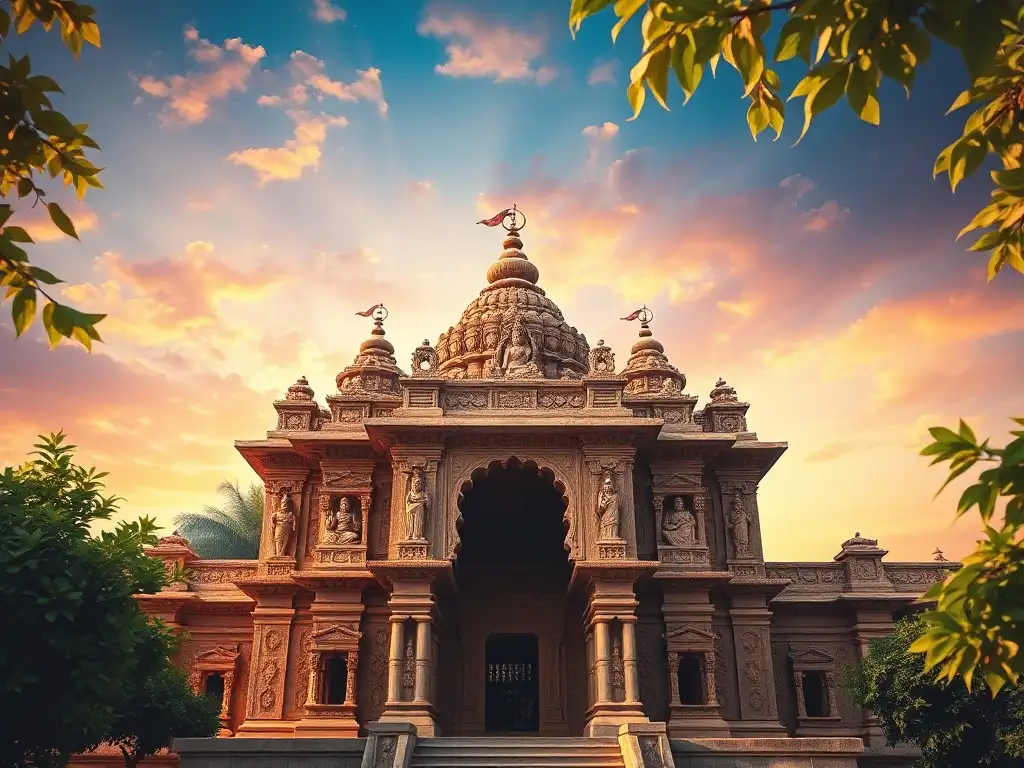
Ancient Indian temple art is a remarkable confluence of artistic expression and astronomical knowledge. Various techniques were employed to incorporate celestial elements into the artwork, reflecting the sophistication of ancient Indian civilization's understanding of the cosmos. These techniques include precise alignment of structures with celestial bodies, intricate carvings, and symbolic motifs that illustrate astronomical phenomena. The careful consideration of astronomical events, such as solstices and equinoxes, in the orientation of temples demonstrates a profound relationship between architecture and celestial dynamics.
Moreover, the use of specific materials and tools allowed artisans to create detailed representations of celestial bodies. The craftsmanship involved in sculpting and carving was not just artistic but also scientific, as it required an understanding of light, shadow, and perspective to depict astronomical themes accurately. This blend of art and astronomy is evident in many ancient temples, making them not only places of worship but also observatories of sorts, where the movements of heavenly bodies could be tracked and celebrated.
Sculptural Techniques Reflecting Astronomical Concepts
Sculptural techniques in ancient Indian temple art often reflect sophisticated astronomical concepts. Sculptors employed various methods, such as relief carving and free-standing sculptures, to represent celestial narratives and astronomical events. For instance, the intricate carvings found on temple walls often depict celestial bodies like the sun, moon, and stars, symbolizing their significance in Hindu cosmology.
One notable example is the Sun Temple in Konark, where the chariot of the sun god Surya is carved with twelve wheels, each representing a month of the year, thus embodying the cyclical nature of time. These wheels are not merely decorative but serve as a symbolic representation of the solar calendar, showcasing the integration of astronomical knowledge into the temple's artistic elements.
Additionally, the use of perspective in sculptural techniques allowed ancient artisans to create a three-dimensional experience that mimics the way celestial bodies appear in the night sky. By skillfully manipulating light and shadow, sculptors were able to evoke a sense of movement, simulating the dynamic nature of the cosmos in their artwork.
Iconography of Astronomical Entities in Temple Art
The iconography of astronomical entities within ancient Indian temple art plays a crucial role in conveying the civilization's understanding of the universe. Deities associated with celestial bodies are often depicted in various forms, embodying the characteristics of the sun, moon, and stars. For example, the sun god Surya is frequently illustrated riding a chariot drawn by seven horses, symbolizing the sun's daily journey across the sky.
Moreover, the moon god Chandra is represented in various artistic forms, often adorned with floral motifs that signify beauty and tranquility. This rich iconography serves not only as a religious symbol but also as a reflection of the scientific observations made by ancient astronomers. The alignment of these deities within the temple architecture often correlates with specific astronomical events, such as solstices, enhancing the temples' functionality as astronomical observatories.
The incorporation of zodiac signs and celestial motifs into temple art further illustrates the importance of astrology in ancient Indian culture. Temples often feature intricate carvings of celestial animals associated with various constellations and zodiac signs, demonstrating the deep-rooted connection between art, astronomy, and daily life in ancient India.
The Cultural Impact of Astronomy on Ancient Indian Art Forms
The cultural impact of astronomy on ancient Indian art forms extends beyond mere representation of celestial bodies; it fundamentally shaped the artistic narrative and the philosophical underpinnings of the time. The exploration of cosmic themes is evident in various art forms, from sculptures and paintings to poetry and dance, highlighting a holistic approach to understanding the universe.
Astronomy influenced not only the aesthetics of art but also the spiritual and cultural practices of ancient Indian society. Temples became centers of astronomical observation, where rituals were often timed according to celestial events, intertwining the cosmos with daily life and worship.
Influence of Celestial Themes on Artistic Expressions
Celestial themes significantly influenced artistic expressions in ancient India, as artists often drew inspiration from the cosmos to create works that resonate with the spiritual and philosophical beliefs of the society. The depiction of celestial bodies, such as the sun and moon, often represents the duality of existence—light and darkness, creation and destruction—central themes in Hindu philosophy.
The vibrant frescoes and murals in temples often illustrate mythological narratives that intertwine with astronomical events. For instance, the depiction of the cosmic dance of Lord Shiva, which represents the cycles of creation and destruction, showcases how celestial themes permeate artistic expressions, reflecting the interconnectedness of art, spirituality, and the cosmos.
Additionally, celestial motifs are prevalent in textiles and pottery, indicating that the influence of astronomy extended beyond monumental architecture to everyday life. These themes resonate with the cultural identity of ancient India and continue to inspire contemporary art forms.
The Intersection of Religion, Art, and Astronomy in Ancient India
The intersection of religion, art, and astronomy in ancient India is a testament to the civilization’s holistic understanding of the universe. Temples served as focal points for worship and astronomical observation, where rituals were often aligned with celestial events. This integration of art and astronomy reflects a deep reverence for the cosmos, which was perceived as a manifestation of the divine.
Religious texts and scriptures, such as the Vedas and Puranas, frequently reference astronomical concepts, providing a framework for understanding the universe's structure and the role of deities within it. The artistic representations found in temple art often narrate these cosmic stories, illustrating the beliefs and practices that were fundamental to ancient Indian culture.
Moreover, the architectural layout of many temples demonstrates a keen awareness of astronomical phenomena. For example, the precise orientation of temple entrances to capture the first rays of the sun during specific solstices indicates a sophisticated understanding of celestial mechanics. This alignment not only enhances the spiritual experience for worshippers but also serves as a reminder of the divine connection between the earth and the cosmos.
The intersection of art and astronomy in ancient Indian temples offers valuable insights into the civilization's worldview, where the cosmos, spirituality, and artistic expression are intricately woven together.
Conclusion: The Lasting Legacy of Ancient Indian Temple Art and Astronomy
The intricate interplay between art and astronomy in ancient Indian temples serves as a testament to the intellectual and cultural richness of Indian civilization. This synergy not only reflects the aesthetic sensibilities of the time but also embodies the philosophical and spiritual values that guided the creation of these architectural marvels.
Temples were not merely places of worship; they were celestial observatories and artistic expressions that illustrated the cosmos's connection to the divine. As we explore the intricate carvings, sculptures, and alignments of these temples, we uncover a narrative that bridges the earthly and the celestial, providing insights into the worldview of ancient Indian societies.
The legacy of this convergence persists, influencing contemporary art and architectural practices. The values and concepts embedded in ancient temple art continue to inspire modern artists and architects, who seek to capture the essence of spirituality and nature in their works. Furthermore, the principles of astronomy evident in temple designs remind us of the importance of understanding our universe, fostering a sense of connection with the natural world. Thus, the intersection of art and astronomy in ancient Indian temples remains a profound source of inspiration and knowledge, inviting future generations to explore and celebrate this rich heritage.
Reflections on the Fusion of Art and Astronomy in Cultural Heritage
The fusion of art and astronomy in ancient Indian temples represents a unique cultural heritage that deserves recognition and appreciation. This integration was not only a reflection of the technological advancements of the time but also an embodiment of the philosophical inquiries that sought to understand the universe and humanity's place within it. The detailed celestial motifs and astronomical alignments found in temple architecture reveal a sophisticated understanding of celestial phenomena, showcasing the intellectual prowess of ancient Indian scholars.
Artistic expressions in these temples often depict celestial bodies, mythological narratives, and cosmic themes, creating a visual language that communicates complex ideas about the universe. This fusion of disciplines highlights the holistic approach of ancient Indian civilization, where art, science, religion, and philosophy coexisted harmoniously. By reflecting on this integration, we gain deeper insights into the values, beliefs, and aspirations of ancient societies, fostering a greater appreciation for their contributions to human knowledge and cultural development.
The Relevance of Ancient Indian Temple Art Astronomy Today
In today’s world, the relevance of ancient Indian temple art and its astronomical significance is more pronounced than ever. As modern society grapples with rapid technological changes and a disconnection from nature, the principles embedded in ancient temple design offer valuable lessons. The meticulous observation of celestial movements and the incorporation of these insights into art and architecture reflect a profound respect for the cosmos, urging contemporary society to reconnect with the natural world.
Moreover, as we advance in fields such as astrophysics and environmental sustainability, the ancient understanding of astronomy can inform modern practices. The alignment of temples to celestial events serves as an example of how architecture can harmonize with the environment, promoting sustainable design principles. By studying these ancient practices, we can draw inspiration for contemporary solutions that respect both cultural heritage and the natural landscape, encouraging a more holistic approach to art and architecture today.
References and Further Reading on Ancient Indian Temple Art and Astronomy
To deepen your understanding of the intersection of art and astronomy in ancient Indian temples, the following references and resources are recommended. These works provide comprehensive insights into the historical, cultural, and scientific aspects of ancient Indian temple art and its astronomical significance.
Suggested Books and Articles on Ancient Indian Art Forms
-
"The Art of Ancient India: Buddhist, Hindu, Jain" by John C. Huntington and Dina Bangdel
This book provides an extensive overview of ancient Indian art, including temple architecture and its symbolic meanings.
-
"Indian Temple Architecture: Form and Transformation" by Adam Hardy
This scholarly work explores the evolution of temple architecture in India, emphasizing the relationship between art, religion, and astronomical alignments.
-
"Cosmic Symbolism in Indian Temples" by Meera Nanda
A detailed exploration of how astronomical concepts influenced the design and decoration of temples across India.
Online Resources for Exploring Ancient Indian Astronomy
-
Digital Library of India
An online repository that offers access to a wealth of texts related to ancient Indian science, including astronomy.
-
NASA's Solar System Exploration
While primarily focused on modern astronomy, this resource includes articles that draw parallels with ancient astronomical practices, enhancing the understanding of how ancient cultures viewed the cosmos.
-
The Indian National Planetarium
This resource provides insights into various aspects of Indian astronomy, including historical contributions from ancient civilizations and their relevance today.
- Understanding Ancient Indian Temple Art
- Historical Context of Astronomy in Ancient India
- The Role of Astronomy in Ancient Indian Temples
- Examples of Ancient Indian Temples Merging Art and Astronomy
- Techniques Used in Ancient Indian Temple Art Related to Astronomy
- The Cultural Impact of Astronomy on Ancient Indian Art Forms
- Conclusion: The Lasting Legacy of Ancient Indian Temple Art and Astronomy
- References and Further Reading on Ancient Indian Temple Art and Astronomy
- What is the significance of ancient Indian temple art in relation to astronomy?
- How did astronomy influence the design of ancient Indian temples?
- What role did art play in conveying astronomical concepts in ancient India?
- Can you provide examples of temples that demonstrate the intersection of art and astronomy?
- Why is the study of ancient Indian temple art astronomy important today?
Frequently Asked Questions
What is the significance of ancient Indian temple art in relation to astronomy?
Ancient Indian temple art often features astronomical themes and cosmological symbols, reflecting the civilization's deep connection with the cosmos and their understanding of celestial bodies.
How did astronomy influence the design of ancient Indian temples?
Many ancient Indian temples were meticulously aligned with astronomical events, such as solstices and equinoxes, showcasing the importance of celestial phenomena in their architectural design.
What role did art play in conveying astronomical concepts in ancient India?
Art served as a medium to represent and convey complex astronomical concepts, using intricate carvings and sculptures that depicted celestial bodies and their movements.
Can you provide examples of temples that demonstrate the intersection of art and astronomy?
Temples like the Sun Temple in Konark and the Brihadeeswarar Temple in Thanjavur are notable for their architectural alignments and artistic representations that celebrate astronomy.
Why is the study of ancient Indian temple art astronomy important today?
Understanding the intersection of art and astronomy in ancient Indian temples enriches our knowledge of historical cultural practices and highlights the advanced scientific understanding of ancient Indian civilizations.
Final Reflection: The Cosmic Harmony of Ancient Indian Temple Art
The intersection of art and astronomy in ancient Indian temples reveals a profound connection that resonates with our contemporary understanding of the universe. Today, as we grapple with the complexities of science and spirituality, the intricate designs and celestial alignments of these temples remind us that art has always been a medium through which humanity seeks to comprehend its place in the cosmos. The legacy of ancient Indian temple art astronomy is not merely a relic of the past; it is a vibrant dialogue between creativity and cosmic inquiry that continues to inspire.
Cultural landscapes are shaped by the stories we tell through our art, and the celestial motifs found in ancient Indian temples serve as a testament to this enduring influence. The meticulous craftsmanship and astronomical precision embedded in these structures reflect a society that revered both the divine and the mysteries of the universe. As the poet Rumi once said, “The wound is the place where the Light enters you.” In this context, the temples stand as a beacon of enlightenment, inviting us to explore the depths of our own understanding and appreciation of the cosmos.
As we conclude this exploration, I invite you to reflect on the lessons embedded within the art and architecture of ancient Indian temples. Consider how you can integrate the wisdom of the past into your own life, fostering a deeper connection with both the artistic and scientific realms. Let the beauty and complexity of these ancient creations inspire you to seek harmony in your own pursuits, reminding you that art and science are not separate entities but rather two sides of the same coin, each illuminating the other in the quest for knowledge and understanding.
Unveil the Mysteries: Connect Art and Astronomy Today!
Thank you for exploring the captivating world of ancient Indian temples and their remarkable integration of art and astronomy! We hope you’ve gained valuable insights into how these magnificent structures reflect celestial wonders and cultural heritage. Now, let’s put that knowledge into action!
- Explore a Local Temple: Visit a historic temple in your area and examine its architectural features that may represent astronomical significance.
- Share Your Discoveries: Engage with fellow history enthusiasts by sharing your insights on social media or in community groups to ignite discussions about the fusion of art and science.
- Create Your Own Art: Inspired by what you’ve learned, try crafting a piece of artwork that merges cosmic themes with architectural elements, and showcase it online!
What unique connections between art and astronomy have you discovered in your community or through your own artistic endeavors?