
The Journey of Artisans: Preserving Ancient Techniques in Modern India

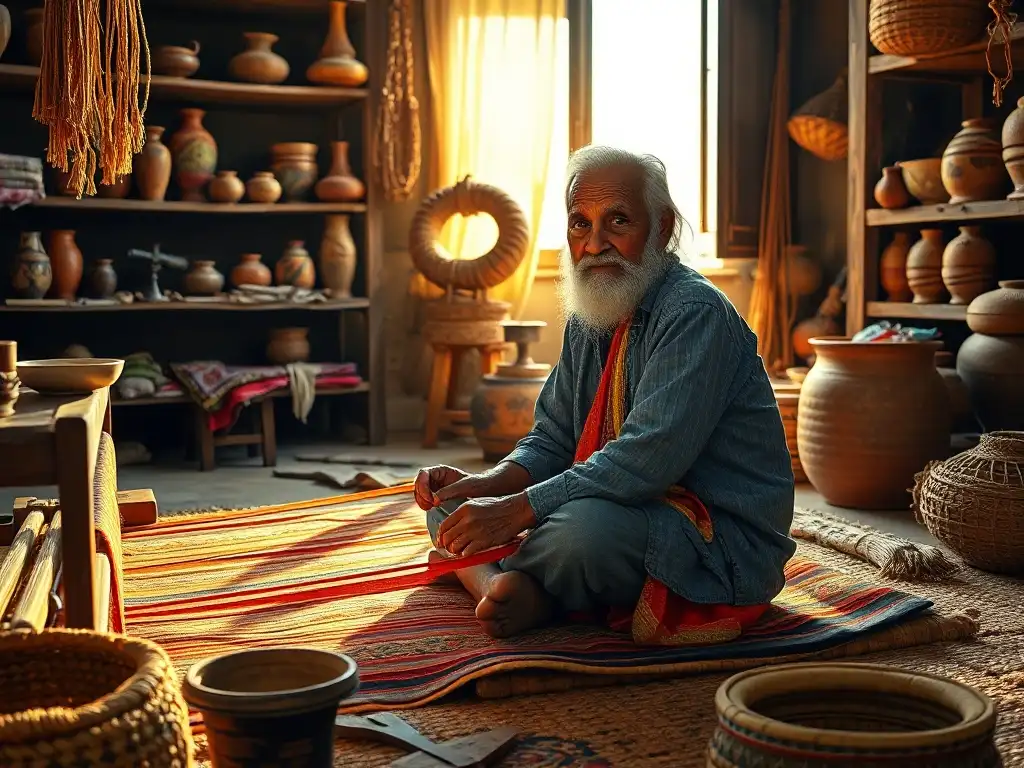
Welcome to Ancient India History, where the echoes of a vibrant past come alive! Dive deep into the fascinating world of Ancient Indian artisan techniques, a subject that weaves together the threads of creativity, craftsmanship, and cultural heritage.
In our featured article, "The Journey of Artisans: Preserving Ancient Techniques in Modern India," we invite you to explore how these time-honored skills have shaped not only the art and architecture of ancient civilizations but also their enduring philosophical beliefs. Prepare to embark on a captivating journey that reveals the artistry and ingenuity of ancient artisans—your adventure into the rich tapestry of history begins here!
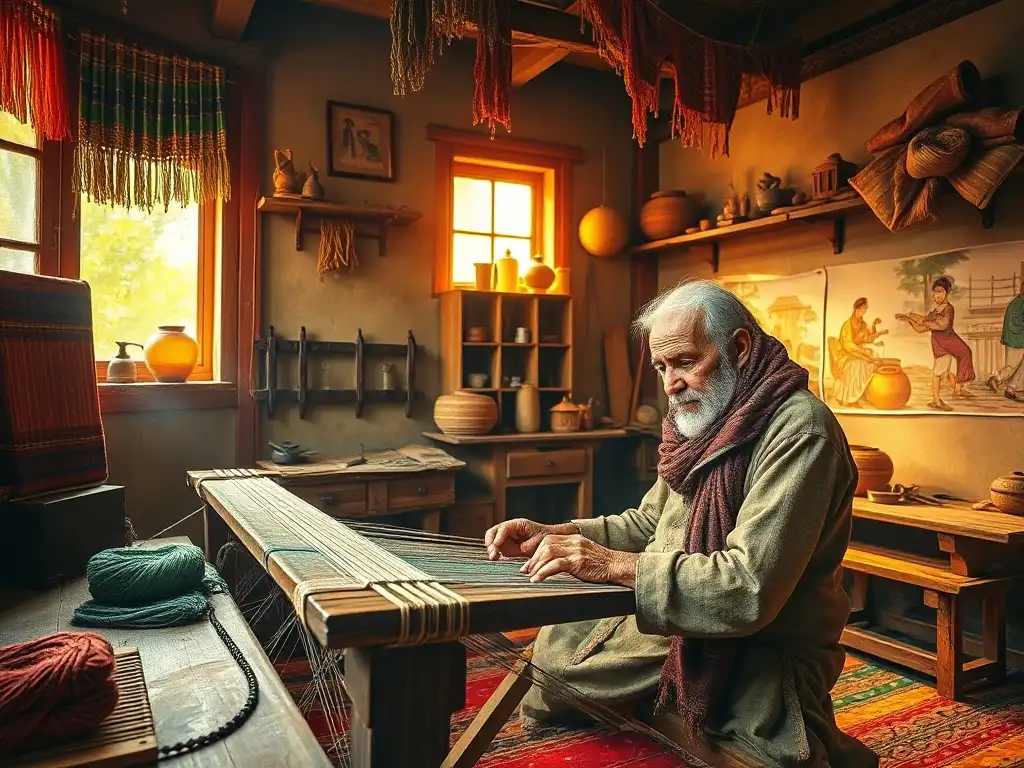
Introduction to Ancient Indian Artisan Techniques
Artisan techniques in ancient India represent a vibrant tapestry of cultural expression and craftsmanship that has woven itself into the fabric of Indian society over millennia. These techniques, honed through generations, not only reflect the artistic prowess of various communities but also embody the philosophical and spiritual ideologies of their times.
As modern India grapples with rapid industrialization and globalization, the preservation of these ancient artisan techniques becomes increasingly critical, serving as a bridge that connects the past to the present. This article embarks on a journey to explore the rich legacy of ancient Indian artisan techniques, highlighting both their historical significance and their relevance in contemporary India.
Definition and Significance of Artisan Techniques in India
Artisan techniques can be defined as the specialized skills and methods employed by craftsmen to create a wide range of products, from textiles and pottery to metalworks and sculptures. These techniques are characterized by their reliance on traditional methods passed down through generations, often incorporating locally sourced materials and age-old practices.
The significance of these techniques extends beyond mere craftsmanship; they serve as a cultural repository that preserves the stories, beliefs, and values of diverse communities. By fostering a sense of identity and belonging, ancient artisan techniques play a vital role in:
- Cultural Preservation: Maintaining the unique traditions and heritage of various regions.
- Economic Empowerment: Providing livelihoods to artisans and preserving their craftsmanship.
- Sustainability: Utilizing eco-friendly practices that promote environmental conservation.
Overview of India's Rich Artisan Heritage
India's artisan heritage is as diverse as its geography, with each region showcasing distinct styles, materials, and techniques. From the intricate block printing of Rajasthan to the exquisite Mysore silk weaving, these art forms reflect the cultural richness of their respective locales.
Key aspects of India's artisan heritage include:
- Diversity of Techniques: Each region has developed its own unique artisan techniques, influenced by local resources and cultural exchanges.
- Community Involvement: Artisan crafts are often community-based, involving collaboration among families and groups.
- Contemporary Adaptations: Many artisans are now blending traditional techniques with modern aesthetics to cater to changing consumer preferences.
Historical Context of Ancient Indian Artisan Techniques
Understanding the historical context of ancient Indian artisan techniques provides insight into their evolution and enduring significance. These techniques have roots that can be traced back to the Indus Valley Civilization, one of the world's earliest urban cultures, where craftsmanship flourished in various forms.
The Origins of Artisanal Crafts in Ancient India
The origins of artisanal crafts in India can be linked to the economic and social structures of early civilizations. The Indus Valley Civilization showcased advanced skills in pottery, bead-making, and metallurgy, laying the groundwork for subsequent artisanal practices. Over centuries, various dynasties and empires, such as the Mauryas and Guptas, further enriched the landscape of Indian craftsmanship through patronage and cultural exchanges.
Influences of Various Civilizations on Indian Artisanship
Throughout history, Indian artisans have been influenced by a plethora of civilizations, resulting in a fusion of styles and techniques. Notable influences include:
- Persian and Mughal Influence: The arrival of the Mughals introduced intricate designs and techniques in textiles and architecture, significantly impacting Indian art.
- Trade Interactions: Trade routes facilitated cultural exchanges with various civilizations, leading to the adoption and adaptation of foreign techniques.
- Colonial Impact: The British colonial period brought about both challenges and opportunities for artisans, influencing their techniques and market accessibility.
This rich historical context not only highlights the resilience of ancient Indian artisan techniques but also underscores their adaptability, paving the way for their continued relevance in modern India.
Key Ancient Indian Artisan Techniques
Ancient Indian artisan techniques represent a rich tapestry of skills and crafts that have been passed down through generations. These techniques not only showcase the creativity and ingenuity of artisans but also reflect the cultural and historical contexts of their time. From textile weaving to metalwork, each craft has its unique processes, materials, and significance, contributing to the vibrant heritage of India. Understanding these ancient techniques provides valuable insights into the craftsmanship that has shaped Indian society and its artistic expressions over the centuries.
Textile Weaving: Techniques and Traditions
Textile weaving in ancient India is an intricate art form characterized by diverse techniques and patterns. The use of natural fibers such as cotton, silk, and wool became prevalent, with each region developing its distinctive styles. For instance, the Banarasi silk sarees from Varanasi are renowned for their gold brocade, while Kanchipuram sarees are famous for their vibrant colors and traditional motifs.
The techniques involved in weaving include:
- Jacquard Weaving: This method uses a special loom to create intricate patterns, which can be traced back to ancient practices.
- Tie-Dye: Known as bandhani, this technique involves tying sections of fabric before dyeing, resulting in unique patterns.
- Block Printing: Artisans carve designs onto wooden blocks, which are then stamped onto fabric, a method still widely used today.
These weaving traditions not only highlight the technical skills of artisans but also play a crucial role in the social and economic fabric of ancient Indian society.
Pottery and Terracotta Craftsmanship in Ancient India
Pottery and terracotta craftsmanship have ancient roots in India, dating back to the Indus Valley Civilization around 2500 BCE. This craft evolved over centuries, with artisans employing various techniques to create both functional and decorative items.
Key aspects of ancient pottery include:
- Hand-building Techniques: This includes coiling and pinching methods, allowing artisans to craft unique shapes.
- Wheel Throwing: The potter's wheel, introduced later, revolutionized pottery-making, enabling uniform shaping and design.
- Glazing and Painting: Many ancient Indian pots were adorned with intricate designs and glazes, often depicting scenes from daily life or mythological narratives.
Terracotta figurines, often used in rituals and as toys, showcase the artistic flair of ancient craftsmen. The craftsmanship in pottery and terracotta reflects not only the utilitarian needs of society but also its cultural expressions and spiritual beliefs.
Metalwork: The Art of Sculpting and Tool Making
Metalwork in ancient India was marked by exceptional skill and innovation, particularly in the crafting of tools, weapons, and sculptures. Artisans utilized various metals, including bronze, copper, and gold, to create intricate designs and functional objects.
Prominent techniques include:
- Lost-Wax Casting: This ancient method allows for the creation of detailed sculptures by forming a wax model, which is then encased in clay and heated to remove the wax.
- Chasing and Repoussé: These techniques involve hammering metal from the back to create designs on the front, commonly used in jewelry and decorative items.
- Inlay Work: Artisans often inlaid precious stones or other metals into a base metal to enhance aesthetic appeal, a technique that can be seen in royal artifacts.
The significance of metalwork extends beyond artistry; it played a vital role in trade and warfare, contributing to the economic and military strength of ancient Indian kingdoms.
Woodcraft: Techniques in Carving and Furniture Making
Woodcraft is another prominent artisan technique that flourished in ancient India, showcasing the skillful craftsmanship of artisans in creating both functional and decorative wooden items.
Key techniques in woodcraft include:
- Intricate Carving: Artisans employed chisels and other tools to create detailed carvings on temple pillars, doors, and furniture, often depicting mythological scenes or floral motifs.
- Joinery Techniques: Advanced joinery methods allowed for the construction of sturdy and aesthetically pleasing furniture without the use of nails, showcasing the ingenuity of ancient woodworkers.
- Lacquering: This technique involved applying layers of lacquer to wooden items, enhancing durability and beauty, often found in decorative boxes and utensils.
The craftsmanship in woodwork not only served practical purposes but also played a significant role in the artistic expression of cultural narratives and religious beliefs.
Stone Carving: Preserving Architectural Heritage
Stone carving is one of the most enduring forms of ancient Indian artisan techniques, contributing significantly to the architectural heritage of the country. This craft is exemplified in the intricate carvings found in temples, monuments, and sculptures across India.
Key elements of stone carving include:
- Religious and Mythological Themes: Many stone carvings depict deities, mythological stories, and symbols, reflecting the spiritual beliefs of ancient society.
- Architectural Elements: Carvings were integral to temple architecture, with artisans meticulously detailing columns, brackets, and facades to enhance visual appeal.
- Tools and Techniques: Artisans utilized various chisels and hammers to shape stone, employing techniques like direct carving and relief to create depth and detail.
The legacy of stone carving endures, as many ancient structures still stand today, serving as a testament to the skill and artistry of ancient Indian artisans.
The Role of Artisans in Indian Society
In ancient India, artisans held a significant place in society, contributing to both the economy and cultural life. Their work not only provided essential goods and services but also enriched the social fabric of communities.
Social Status and Community of Artisans in Ancient India
Artisans were often organized into guilds, which played a critical role in regulating their trades and protecting their interests. These guilds fostered a sense of community, providing support and resources for artisans to share techniques and innovations.
The social status of artisans varied by region and craft. While some skilled artisans, such as goldsmiths and textile weavers, enjoyed higher status, others, like potters, faced more challenges. Nonetheless, their contributions were essential, and many artisans were respected for their craftsmanship.
Community events, festivals, and markets served as platforms for artisans to showcase their work, facilitating social interactions and cultural exchange. This interconnectedness helped preserve traditional techniques and fostered a sense of identity among artisans.
Economic Contributions of Artisans to Ancient Civilizations
Artisans played a pivotal role in the economic landscape of ancient India, contributing significantly to trade and commerce. Their crafts were not only vital for local consumption but also formed an integral part of trade networks that spanned across regions and beyond.
Key economic contributions include:
- Trade Goods: Artisanal products such as textiles, pottery, jewelry, and metalwork were highly sought after in both local and international markets, enhancing economic exchanges.
- Employment Generation: The artisan community provided employment opportunities, supporting the livelihoods of many families and contributing to the overall prosperity of villages and towns.
- Cultural Exchange: Through trade, artisans facilitated cultural exchanges that influenced styles, techniques, and materials, enriching the artistic landscape of ancient civilizations.
The economic impact of artisans extended beyond mere production; their work fostered innovation, cultural identity, and community development, laying a foundation for the vibrant heritage that continues to inspire modern India.
Modern Challenges Facing Ancient Indian Artisan Techniques
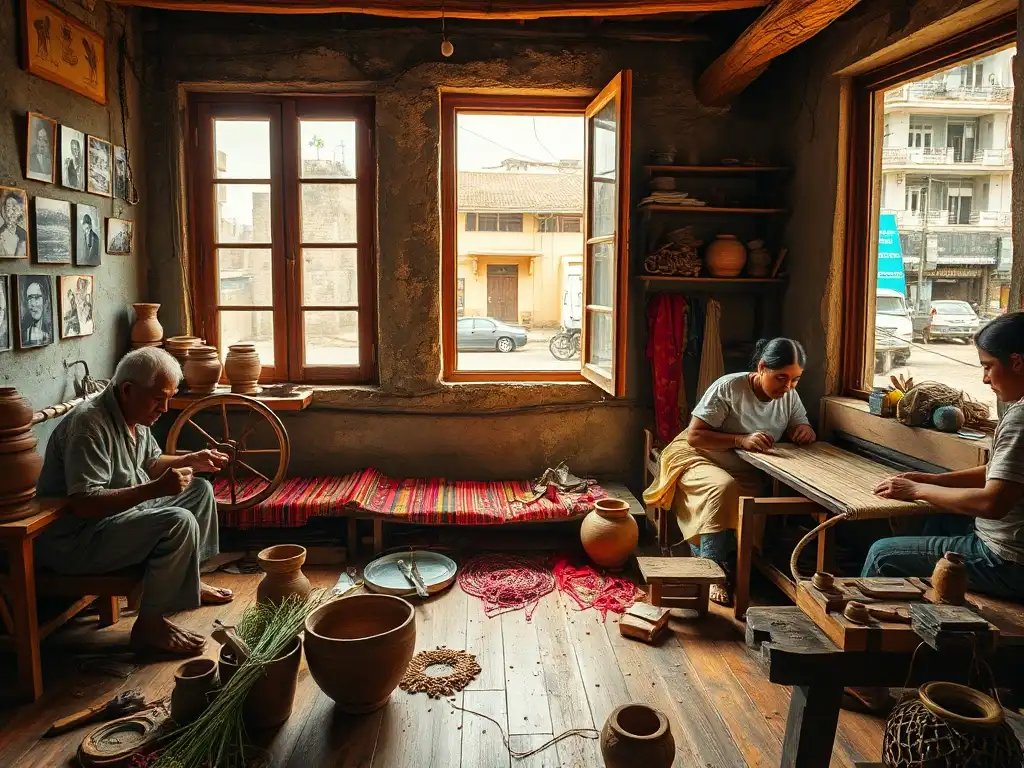
The landscape of ancient Indian artisan techniques is rich and varied, yet it faces numerous modern challenges threatening its preservation. These challenges stem from several socio-economic factors that have evolved over time, affecting the livelihood and practice of artisans across the country. Understanding these challenges is crucial for developing effective strategies to safeguard these invaluable skills and cultural heritage.
Impact of Industrialization on Traditional Crafts
Industrialization has significantly transformed the production landscape in India. The rise of factories and mass production methods has led to a decline in the demand for handmade products, which are often seen as less efficient and more costly. Traditional crafts, which require time and artistry, struggle to compete with the speed and lower prices of industrial products.
Moreover, the mechanization of processes has led to a loss of artisanal jobs. Many artisans, who traditionally relied on their craft as their primary source of income, find it difficult to sustain their livelihoods in an industrial market that prioritizes quantity over quality. The unique skills and intricate techniques that define ancient Indian crafts risk being overshadowed as a result.
Urbanization and the Decline of Artisan Communities
Urbanization has led to significant demographic shifts, with many artisans relocating from rural areas to cities in search of better employment opportunities. This migration often results in the disintegration of traditional artisan communities, which thrive on collective knowledge sharing and collaboration.
As artisans move to urban centers, they frequently abandon their age-old crafts for more stable or lucrative employment. This decline in community support not only impacts the livelihood of individual artisans but also endangers the transmission of traditional techniques to future generations. The younger population, influenced by urban consumerism and modern lifestyles, may lose interest in preserving these ancient skills.
Globalization and the Competition from Mass Production
Globalization has opened up markets but also increased competition from mass-produced goods available at lower prices. The influx of foreign products can undermine local artisanal crafts, as consumers often opt for inexpensive alternatives. This trend is particularly pronounced in the textile and handicraft sectors, where traditional techniques struggle to maintain their relevance in a globalized market.
Furthermore, globalization can dilute the identity of traditional crafts, as artisans may feel pressured to conform to international tastes rather than preserving indigenous styles and methods. The result is a homogenization of crafts, where unique cultural expressions risk being lost in favor of mainstream appeal.
Efforts to Preserve Ancient Indian Artisan Techniques
Despite the challenges faced by ancient Indian artisan techniques, numerous initiatives are underway to preserve and revive these invaluable skills. These efforts involve collaboration between the government, non-governmental organizations (NGOs), and educational institutions, aiming to ensure that the rich heritage of Indian craftsmanship continues to thrive.
Government Initiatives and Policies for Artisan Preservation
The Indian government has implemented various initiatives aimed at the preservation of traditional crafts. Programs such as the Geographical Indications of Goods (GI) registration protect unique products and ensure artisans receive recognition and fair compensation for their work. Additionally, schemes like the Market Development Assistance program help artisans access markets and promote their crafts.
Support for artisan cooperatives and clusters is also a focus, providing artisans with resources and training to enhance their skills and improve their marketability. These government-led efforts play a crucial role in sustaining ancient techniques and ensuring that artisans can continue to thrive in a modern economy.
Role of NGOs and Cultural Organizations in Supporting Artisans
Non-governmental organizations and cultural institutions are vital in preserving ancient Indian artisan techniques. They often provide artisans with training programs, workshops, and resources to enhance their skills and adapt to modern market demands. NGOs like Dastkar and The Crafts Council of India work tirelessly to promote traditional crafts through exhibitions, fairs, and online platforms, connecting artisans with broader audiences.
Additionally, these organizations focus on raising awareness about the importance of preserving traditional crafts, encouraging consumers to value handmade products over mass-produced alternatives. This advocacy helps create a sustainable ecosystem where artisans can thrive while keeping their ancient techniques alive.
Revival of Traditional Techniques through Education and Workshops
Education plays a pivotal role in the revival of ancient Indian artisan techniques. Workshops and training programs focused on traditional crafts are essential for passing down skills to younger generations. Educational institutions are increasingly incorporating traditional arts into their curricula, fostering a sense of pride and interest among students.
Programs that encourage hands-on learning and direct interaction with master artisans not only preserve techniques but also inspire innovation within traditional frameworks. By bridging the gap between ancient methods and contemporary design, these educational efforts help ensure that artisan techniques remain relevant and appreciated in today's world.
Through these collective efforts, there is hope for a vibrant future for ancient Indian artisan techniques, ensuring they continue to be celebrated and preserved for generations to come.
The Future of Ancient Indian Artisan Techniques
The future of ancient Indian artisan techniques hinges on a delicate balance between tradition and innovation. As the world increasingly leans towards modernity, the artisans of India face the challenge of preserving their rich heritage while adapting to contemporary demands. The fusion of ancient techniques with modern aesthetics can create a unique niche in the global market, allowing artisans to sustain their livelihoods and keep their crafts alive.
The emergence of new technologies, such as digital marketing and e-commerce platforms, has enabled artisans to reach a broader audience. This not only helps in showcasing their work but also in educating consumers about the significance of ancient techniques. Such awareness is crucial for the survival of these crafts, as it fosters appreciation and support from a global community.
Contemporary Adaptations of Ancient Techniques in Modern Art
Artisans across India are finding innovative ways to adapt ancient techniques into modern art forms. For instance, traditional block printing and weaving methods are being employed to create contemporary fashion items and home decor. Designers are collaborating with artisans to infuse traditional craftsmanship into modern designs, blending functionality with artistry.
Moreover, the revival of ancient pottery techniques is evident in contemporary ceramics that emphasize both historical relevance and modern aesthetics. Artists are experimenting with traditional motifs and materials, thus maintaining the essence of ancient methods while appealing to a modern audience. This melding of old and new not only preserves these techniques but also revitalizes them for future generations.
The Importance of Sustainable Practices in Artisan Crafts
Sustainability is becoming an essential aspect of artisan crafts, particularly in the context of ancient Indian techniques. Many traditional crafts utilize natural materials and methods that are environmentally friendly. By emphasizing sustainable practices, artisans can contribute to ecological preservation while maintaining their cultural heritage.
The use of organic dyes in textiles, for example, is a sustainable practice that has been passed down through generations. This method not only reduces chemical waste but also supports biodiversity. Educating artisans about sustainable practices ensures that they can adapt to modern environmental standards while preserving their unique techniques, thus ensuring the longevity of their crafts in an eco-conscious marketplace.
Promoting Ancient Techniques through Art and Culture Festivals
Art and culture festivals serve as vital platforms for promoting ancient Indian artisan techniques. These events celebrate the diversity of Indian crafts and provide artisans with opportunities to showcase their work, engage with the public, and network with potential buyers.
Festivals such as the Surajkund International Crafts Mela and the Dastkar Nature Bazaar highlight the richness of traditional crafts while allowing artisans to demonstrate their skills. Such interactions foster appreciation among visitors, who gain insight into the stories and techniques behind the crafts. This not only helps in preserving the techniques but also in encouraging a new generation of artisans to take up these age-old practices.
Conclusion: The Importance of Preserving Ancient Indian Artisan Techniques
Preserving ancient Indian artisan techniques is crucial for maintaining the cultural identity and heritage of India. These techniques are not just skills; they embody the history, traditions, and stories of generations. By recognizing their significance, society can ensure that these artisan skills are passed down, allowing future generations to connect with their roots.
The Cultural Legacy of Indian Artisans
The cultural legacy of Indian artisans is rich and multifaceted, encompassing a wide range of crafts from pottery to textiles. Each artisan group carries a unique history that reflects the regional diversity and artistic expressions of their communities. This legacy is vital not only for cultural preservation but also for promoting diversity within the global art scene.
Supporting artisans in their craft fosters a sense of pride in their heritage and encourages them to continue their traditions. As these techniques are passed down, they contribute to a vibrant cultural tapestry that enriches the world.
Call to Action: Supporting Artisans and Their Craft in Modern India
To ensure the survival of ancient Indian artisan techniques, it is imperative that individuals and communities take action to support artisans. This can be achieved through various means, such as purchasing handmade products, participating in workshops, or promoting artisans' work through social media.
Additionally, advocating for policies that protect artisan rights and promote fair trade practices can significantly impact their livelihoods. By choosing to support local artisans, we collectively contribute to preserving these invaluable techniques, ensuring that they continue to thrive in modern India and beyond.
- Introduction to Ancient Indian Artisan Techniques
- Historical Context of Ancient Indian Artisan Techniques
- Key Ancient Indian Artisan Techniques
- The Role of Artisans in Indian Society
- Modern Challenges Facing Ancient Indian Artisan Techniques
- Efforts to Preserve Ancient Indian Artisan Techniques
- The Future of Ancient Indian Artisan Techniques
- Conclusion: The Importance of Preserving Ancient Indian Artisan Techniques
Frequently Asked Questions
What are ancient Indian artisan techniques?
Ancient Indian artisan techniques refer to traditional skills and methods used by craftsmen to create art, textiles, pottery, and metalwork that reflect the rich cultural heritage of India.
How have these techniques been preserved over time?
Many artisans and communities continue to practice these techniques through generational knowledge transfer, workshops, and cultural festivals, ensuring that these skills are not lost.
What role do artisans play in modern India?
In modern India, artisans contribute significantly to the economy and cultural identity by producing unique handicrafts that appeal to both local and global markets, thereby enhancing the sustainability of their crafts.
Are there any specific regions known for their artisan techniques?
Yes, regions like Rajasthan, Gujarat, and Kerala are famous for their specialized artisan techniques, including block printing, pottery, and weaving, each showcasing the diverse artistic traditions of India.
How can individuals support ancient artisan techniques today?
Individuals can support these techniques by purchasing handcrafted goods, participating in workshops, and promoting awareness about the importance of preserving traditional crafts in a rapidly changing world.
Final Reflection: The Enduring Legacy of Ancient Indian Artisan Techniques
In today's rapidly changing world, the relevance of ancient Indian artisan techniques is more pronounced than ever. As globalization threatens to overshadow local craftsmanship, the importance of preserving these time-honored skills becomes a rallying cry for cultural identity and sustainability. The journey of artisans in India serves as a powerful reminder that the past is not merely a relic but a living, breathing part of our present and future. Their stories are not just about survival; they are about thriving amidst modernity, showcasing how tradition can coexist with innovation.
The influence of these ancient techniques extends far beyond the realm of art; they are woven into the very fabric of our cultural and social identity. Each artisan carries with them a legacy that transcends generations, embodying the rich tapestry of India's heritage.
The revival of these techniques has sparked a renewed appreciation for craftsmanship, fostering a sense of pride in local communities. As Mahatma Gandhi once said, “The true measure of any society can be found in how it treats its most vulnerable members.” This sentiment rings true as we witness artisans reclaiming their place in society, reminding us of the value of preserving our cultural heritage.
As we reflect on the journey of these artisans, let us be inspired to take action in our own lives. Consider how you can support local artisans in your community, whether through purchasing handmade goods, sharing their stories, or advocating for their rights. The preservation of ancient techniques is not just the responsibility of artisans; it is a collective endeavor that requires our engagement and commitment. Together, we can ensure that the beauty and wisdom of these traditions continue to flourish for generations to come.
Embrace the Legacy: Take Action Today!
Thank you for diving into the captivating journey of artisans and their remarkable craftsmanship! Understanding their stories enriches our appreciation of art and helps preserve these endangered techniques for future generations. Now, it's time for you to play a part in this beautiful legacy.
Here are a few ways you can get involved:
- Support local artisans by purchasing handmade products from markets or online platforms, ensuring their skills are honored and sustained.
- Share your favorite artisan story with friends on social media to raise awareness and inspire others to seek out the beauty of traditional crafts.
- Visit workshops or exhibits that showcase these ancient techniques, allowing you to connect and learn directly from the masters.
How do you plan to contribute to the preservation of these time-honored crafts in your own community? Let's start a conversation!