
The Role of Community in the Construction of Ancient Indian Structures

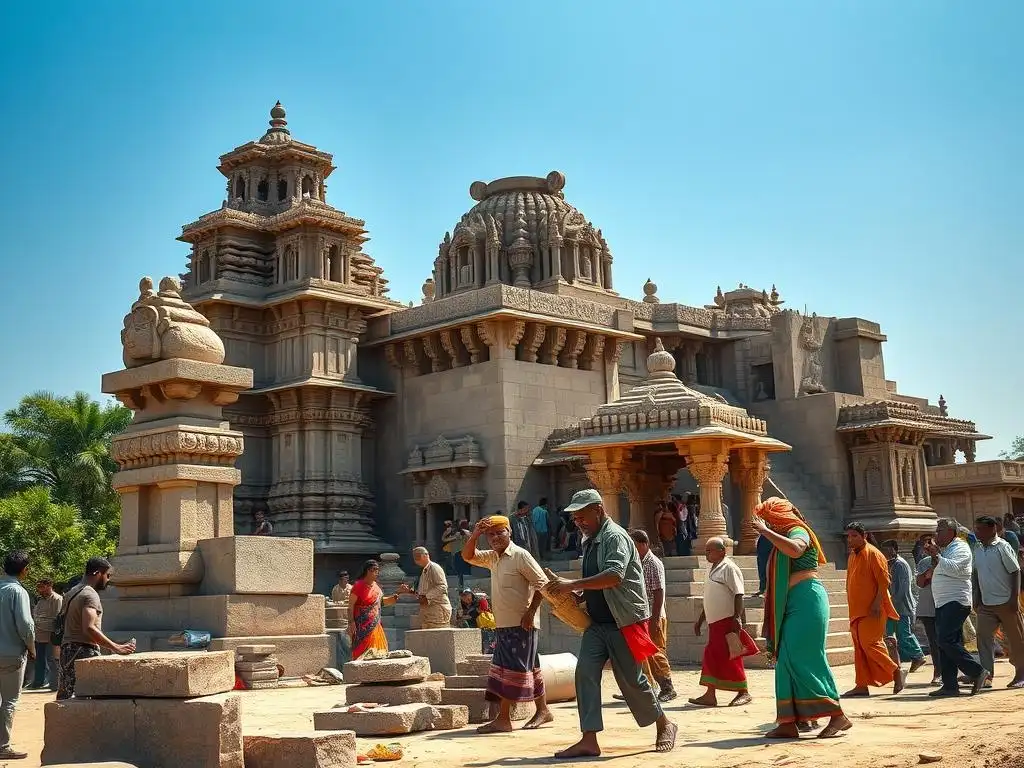
Welcome to Ancient India History, where we embark on a fascinating journey through the tapestry of time that has shaped one of the world's most vibrant civilizations. In this exploration, we delve into the intricate connections between community and craftsmanship in our latest article, "The Role of Community in the Construction of Ancient Indian Structures."
Discover how collective collaboration and cultural ethos breathed life into the remarkable architecture that stands as a testament to ancient Indian ingenuity. Join us as we unlock the secrets of these monumental edifices and the communities that built them, inviting you to dive deeper into the rich narrative of art, architecture, and philosophy that defines ancient India.

The construction of ancient Indian structures is a testament to the ingenuity and collaborative spirit of its communities. From the grand temples of South India to the intricate urban planning of the Indus Valley Civilization, the role of community in shaping these architectural marvels cannot be overstated. This article delves into how communal efforts, social structures, and specialized guilds contributed to the rich tapestry of ancient Indian architecture. By examining these aspects, we will uncover the profound connection between community and the monumental edifices that continue to capture the world's imagination.
Introduction to Ancient Indian Architecture
The architectural heritage of ancient India reflects a unique blend of artistic expression, religious belief, and societal values. Spanning over millennia, this architecture evolved through various phases, each characterized by distinctive styles and techniques. The Indus Valley Civilization (c. 3300–1300 BCE) laid the groundwork with its advanced urban planning, while subsequent eras, such as the Maurya and Gupta periods, witnessed the emergence of magnificent stupas and temples.
Overview of Ancient Indian Architecture
Ancient Indian architecture can be broadly classified into several categories:
- Religious Structures: Temples and stupas, often adorned with intricate carvings and sculptures, served as centers of worship.
- Urban Planning: Cities like Mohenjo-Daro and Harappa showcased sophisticated layouts with drainage systems and public baths.
- Fortifications: The construction of forts and palaces illustrates the military and administrative prowess of ancient kingdoms.
Each structure not only served a functional purpose but also embodied the cultural and spiritual ethos of its time.
Importance of Community in Architectural Development
The richness of ancient Indian architecture is deeply intertwined with the communities that built them. The collaborative efforts of local populations—craftsmen, laborers, and patrons—played a critical role in the realization of architectural projects. This community involvement can be seen in several ways:
- Collective Resource Mobilization: Communities often pooled resources for large-scale constructions, ensuring the availability of materials and labor.
- Cultural Transmission: Knowledge and techniques were shared among artisans, fostering innovation and continuity in architectural practices.
- Social Cohesion: The construction projects served as communal activities that strengthened social ties and collective identity.
The communal approach not only facilitated the construction of impressive structures but also reinforced the cultural and spiritual significance of these edifices.
Historical Context of Community Involvement
To fully appreciate the role of community in ancient Indian architecture, it is essential to understand the historical context within which these societies operated. The social structure and organization of artisans were pivotal in shaping architectural endeavors.
Social Structure of Ancient Indian Societies
Ancient Indian societies were typically organized into complex hierarchies, where social stratification influenced community involvement in architecture. Key aspects include:
- Caste System: The caste system defined the roles and responsibilities of different groups, with specific castes dedicated to construction and craftsmanship.
- Patron-Client Relationships: Wealthy patrons, often from the ruling class, commissioned large projects, while local communities provided the labor and expertise.
- Religious Patronage: Temples were often built under the auspices of religious institutions, engaging the community in both funding and construction.
This structured approach ensured that various stakeholders contributed to the architectural landscape, resulting in a rich diversity of styles and forms.
Role of Guilds and Artisans in Architectural Projects
Specialized guilds of artisans emerged as significant players in the construction of ancient Indian structures. These guilds, known as shrenis, were composed of skilled craftsmen who shared expertise and resources. Their contributions included:
- Technical Expertise: Guild members possessed specialized knowledge of materials, tools, and construction techniques, ensuring high-quality workmanship.
- Quality Control: The guild system enabled the establishment of standards, which regulated the quality of work and materials used in architecture.
- Cultural Preservation: Artisans maintained traditional methods while adapting to new influences, ensuring continuity in architectural practices across generations.
The collaborative efforts of communities, supported by structured social hierarchies and skilled guilds, played an indispensable role in the creation of ancient Indian architecture, leaving a legacy that continues to inspire awe and admiration today.
Community Contributions to Architectural Techniques
The role of community in ancient Indian architecture is pivotal, as it directly influenced the techniques and methodologies employed in the construction of various structures. From the early days of the Indus Valley Civilization to the grandeur of the Gupta Empire, communities not only provided the labor force but also contributed significantly to the innovation and refinement of building techniques. The collaborative efforts of artisans, laborers, and local leaders ensured that the architectural practices were not only efficient but also culturally resonant.
Communities often possessed specialized knowledge, passed down through generations, which played a crucial role in shaping architectural styles. This collective knowledge facilitated the development of enduring structures that reflected the social, religious, and environmental contexts of the time. As a result, ancient Indian architecture is characterized by its diversity and adaptability, a testament to the strong community ties that existed.
Traditional Building Methods Used in Ancient India
Ancient Indian builders employed a variety of traditional methods that showcased the community's ingenuity and resourcefulness. Among these methods was the use of locally sourced materials, such as clay, stone, and wood, which not only provided structural integrity but also harmonized with the surrounding environment.
- Mud and Brick Construction:
- Indus Valley Civilization: The use of baked bricks and mud was prominent, particularly in urban planning, where grid patterns were observed.
- Traditional Villages: Many villages continued this practice, utilizing mud for walls and roofs, showcasing a sustainable approach to building.
- Carpentry and Joinery:
- Timber Structures: In forested regions, wooden beams were skillfully joined using intricate joinery techniques, allowing for flexibility and strength.
- Stone Masonry:
- Granite and Sandstone: In regions like South India, communities developed sophisticated stone-cutting techniques that enabled the creation of grand temples and forts.
Collectively, these methods not only provided functional buildings but also created a sense of identity and belonging among community members, as they worked together to construct their shared spaces.
Knowledge Transfer and Innovation in Construction
The transmission of knowledge and skills within communities was essential for the evolution of ancient Indian architecture. This transfer occurred through informal apprenticeships and communal gatherings, where experienced craftsmen taught younger generations the intricacies of construction.
- Guilds and Craftsmen: Specialized guilds emerged, consisting of masons, carpenters, and metalworkers, who shared knowledge and techniques. These guilds played a crucial role in preserving architectural wisdom and fostering innovation.
- Cultural Exchange: The interactions between different regions and cultures led to the incorporation of diverse architectural elements. For instance, the influence of Persian architecture during the Mughal period introduced new styles and building techniques.
- Rituals and Community Involvement: Construction projects often involved rituals that reinforced community bonds. These gatherings served as opportunities for knowledge sharing, ensuring that both traditional and innovative practices were maintained.
Through these processes, communities were not only participants but also custodians of architectural heritage, ensuring its continuity and evolution over time.
Case Studies of Community-Driven Architectural Projects
The impact of community involvement in architectural projects can be seen through several notable case studies that highlight collaborative efforts in ancient Indian architecture.
The Indus Valley Civilization: A Model of Urban Planning
The Indus Valley Civilization (c. 2600–1900 BCE) is one of the earliest examples of organized urban planning in the world. Cities like Harappa and Mohenjo-Daro feature sophisticated layouts, including grid patterns, drainage systems, and public baths, all indicative of extensive community collaboration.
- Collective Decision-Making: The planning of these cities required a communal approach, where local leaders and residents likely engaged in discussions about resource allocation and spatial organization.
- Infrastructure Development: The construction of advanced drainage systems and public amenities reflects not only technical expertise but also a shared commitment to public welfare, showcasing how community needs shaped architectural decisions.
This collaborative spirit laid the groundwork for future urban centers in India, illustrating the integral role of community in shaping architectural landscapes.
Temples of South India: Community Participation in Sacred Spaces
The temples of South India, particularly during the Chola and Pandya dynasties, exemplify the profound connection between community and architecture. These sacred spaces were not merely places of worship but served as social and cultural hubs.
- Community Funding and Labor: Local communities often pooled resources to fund temple construction, demonstrating their investment in these spiritual centers. Furthermore, community members participated in the labor, fostering a sense of ownership.
- Cultural Events and Festivals: The temples became the focal point for festivals and rituals, reinforcing community bonds and cultural identity. This communal engagement in temple activities highlighted the significance of shared spaces in fostering social cohesion.
The temples stand as enduring testaments to the collaborative spirit of ancient Indian society, where collective efforts resulted in architectural marvels that continue to inspire.
The Construction of Forts: Collective Efforts and Strategies
The construction of forts in ancient India, particularly during the medieval period, reflects the strategic and communal nature of architectural endeavors. Forts served not only as military strongholds but also as symbols of community resilience.
- Collaborative Defense Mechanisms: Local communities contributed to fort construction, employing labor and resources to enhance their security. The design of forts often incorporated local geographical features, showcasing a collective understanding of the environment.
- Skill Sharing and Innovation: The construction process brought together various craftsmen, leading to the exchange of skills and techniques. This collaboration resulted in the development of unique architectural styles, as seen in forts like Chittorgarh and Gwalior.
These forts are a testament to the collective efforts of communities, illustrating how architecture served both functional and symbolic purposes, reinforcing the role of community in shaping the physical landscape of ancient India.
The Spiritual and Cultural Significance of Community in Architecture
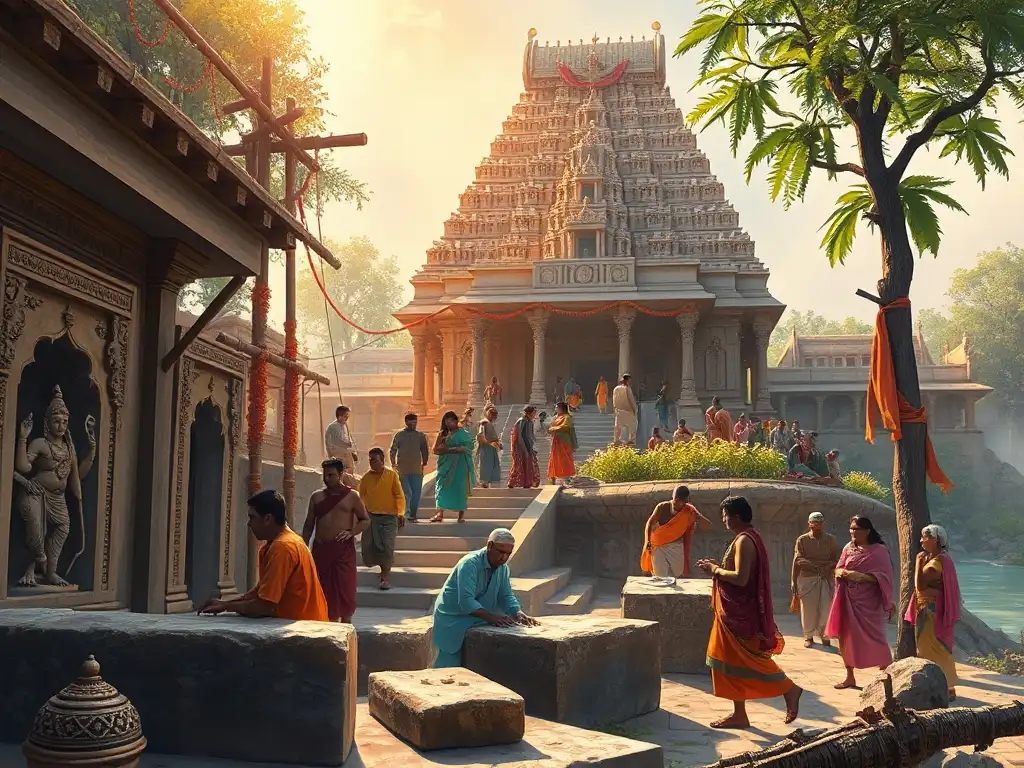
In ancient India, architecture was not just a means of constructing buildings; it was an expression of the community's spiritual and cultural identity. The act of building was often seen as a communal endeavor that brought people together, fostering a sense of belonging and shared purpose. The structures erected—be they temples, stupas, or palaces—were imbued with the community's values, beliefs, and aspirations.
The design and orientation of these structures were deeply intertwined with local customs and religious practices. For example, temples were often aligned with celestial bodies, reflecting the community's understanding of cosmology and spirituality. This alignment not only enhanced the aesthetic appeal but also served as a reminder of the divine presence within the community. Thus, the architectural marvels of ancient India symbolize the collective spiritual journey of the society that created them.
Furthermore, community involvement in architectural projects often extended beyond mere participation in construction. It encompassed the sharing of knowledge, skills, and traditions passed down through generations. This collaborative effort not only contributed to the physical landscape but also strengthened the cultural fabric of the community, creating a legacy that could be appreciated by future generations.
Religious Influences on Community Building Practices
Religious beliefs played a pivotal role in shaping the architectural practices of ancient Indian communities. Temples and other religious structures were often the focal points of community life, acting as hubs for spiritual gatherings and rituals. The construction of these edifices was typically a communal effort, with local artisans, laborers, and community members coming together to contribute their skills and resources.
The choice of materials, architectural styles, and even the locations of these structures were influenced by religious tenets. For instance, many temples were built in accordance with the principles of Vastu Shastra, a traditional Indian system of architecture that emphasizes harmony and balance with nature. This not only reflected the community's spiritual beliefs but also promoted a sense of environmental stewardship.
Moreover, the presence of sacred symbols and motifs in architecture served to reinforce the community's religious identity. The intricate carvings and sculptures adorning temples often depicted stories from Hindu epics, embodying the community's collective memory and moral values. Such practices fostered a strong sense of unity and purpose among community members, emphasizing their shared devotion and commitment to their faith.
Festivals and Celebrations: Community Engagement in Architecture
Festivals and celebrations in ancient India often had a profound impact on the community's engagement with architecture. These events provided opportunities for collective participation in the construction and decoration of structures, transforming them into vibrant centers of social and cultural interaction.
During significant festivals, such as Diwali or Navratri, communities would come together to adorn temples and public spaces with lights, flowers, and other decorations. This communal effort not only enhanced the aesthetic beauty of the architecture but also fostered a sense of pride and ownership among community members. The engagement in these activities created bonds that extended beyond the physical act of decorating; they were expressions of shared values and cultural heritage.
Furthermore, many architectural structures were specifically built or modified for festivals. Temporary structures, such as stages for performances or platforms for rituals, showcased the community's creativity and adaptability. These practices highlighted the dynamic relationship between architecture and community life, demonstrating how architectural spaces could be transformed to meet the needs of communal celebrations.
Challenges Faced by Communities in Architectural Practices
While community involvement in the construction of ancient Indian structures was significant, it was not without its challenges. Various factors influenced the ability of communities to engage effectively in architectural practices, shaping the outcomes of their efforts.
Environmental and Resource Constraints
Communities often faced significant environmental and resource constraints that impacted their architectural capabilities. The availability of materials such as stone, wood, and clay varied greatly depending on the geographical context. For instance, regions with abundant natural resources could support larger and more elaborate structures, while those with limited resources had to adapt their designs to be more practical and sustainable.
Additionally, local climate conditions played a crucial role in determining the architectural choices made by communities. In areas prone to flooding or extreme weather, buildings had to be designed not only for aesthetics but also for resilience. This necessitated a collaborative approach, where community members shared knowledge and strategies to overcome environmental challenges, fostering innovation and creativity in architectural practices.
Political and Economic Factors Influencing Community Roles
Political and economic factors also significantly influenced the role of communities in architectural practices. The patronage of local rulers or wealthy individuals often shaped the scale and style of construction. In some cases, communities were compelled to align their architectural efforts with the political agendas of those in power, which could lead to the marginalization of local traditions and practices.
Economic conditions, such as trade routes and agricultural productivity, also affected the resources available for architectural projects. Communities with thriving economies could afford to invest in larger and more intricate structures, whereas those facing economic hardships might struggle to maintain existing buildings or undertake new projects. Such disparities highlighted the interconnectedness of community roles, politics, and economics, illustrating how these factors collectively influenced the architectural landscape of ancient India.
While ancient Indian communities played a vital role in the construction of architectural marvels, they navigated a complex web of challenges that shaped their contributions. Understanding these dynamics provides valuable insights into the rich tapestry of ancient Indian architecture and the communal spirit that fueled its creation.
Conclusion: The Lasting Impact of Community on Ancient Indian Architecture
The role of community in the construction of ancient Indian structures is profound and multifaceted. Communities were not merely spectators in the architectural process; they were integral to the planning, design, and execution of these monumental projects.
From the meticulous craftsmanship seen in the temples of Khajuraho to the urban planning of the Indus Valley Civilization, the collaborative efforts of skilled artisans, laborers, and local residents brought forth architectural marvels that have withstood the test of time. The shared labor and collective vision fostered a sense of belonging and identity, which resonated through generations, leaving a lasting imprint on the cultural landscape of India.
In essence, ancient Indian architecture was a communal endeavor that reflected the values, beliefs, and aspirations of the society that created it. The communal participation not only facilitated the construction of impressive structures but also reinforced social bonds and cultural continuity. These architectural feats serve as a testament to the strength of community cooperation and the innovative spirit of ancient civilizations.
Reflection on Community's Legacy in Architectural Marvels
The architectural legacies of ancient India are deeply intertwined with the communities that constructed them. Structures such as the grand stupas of Sanchi or the intricate carvings of the Ajanta and Ellora caves exemplify how collective effort and shared religious or cultural objectives shaped the built environment. Each stone, each carving, and each layout is not just a reflection of architectural prowess but also a narrative of the community's values and beliefs.
Moreover, these architectural marvels continue to inspire contemporary society, reminding us of the importance of collaboration in achieving common goals. The principles of community involvement and shared responsibility are as relevant today as they were in ancient times. By reflecting on the past, we can appreciate the enduring legacy of community in shaping our cultural identity and architectural heritage.
Implications for Understanding Ancient Indian Cultural Identity
Understanding the role of community in ancient Indian architecture is crucial for grasping the complexities of cultural identity in the subcontinent. These structures are not merely relics of the past; they are symbols of collective identity, spirituality, and artistic expression. The communal construction processes fostered a sense of ownership and pride among the inhabitants, reinforcing their cultural narratives.
As we analyze ancient architectural styles, we uncover the regional variations influenced by local customs, materials, and communal practices. This diversity highlights how different communities contributed uniquely to the tapestry of Indian architecture, reflecting their distinct identities while simultaneously enriching the broader cultural milieu. Thus, the study of ancient Indian architecture through the lens of community involvement provides invaluable insights into the region's historical and cultural evolution.
References
Key Texts and Resources on Ancient Indian Architecture and Community Roles
- "The Architecture of Ancient India" by Adam Hardy: This comprehensive work delves into the architectural styles and community involvement in ancient Indian structures, providing a scholarly perspective on their significance.
- "Indian Architecture: Buddhist and Hindu Periods" by James Fergusson: A classic text that explores the architectural achievements during the early periods of Indian civilization, emphasizing communal aspects.
- "The Indus Valley Civilization" by Gregory Possehl: This book investigates the urban planning and community roles in the construction of the Indus Valley cities.
Recommended Further Reading on Architectural Marvels in Ancient India
- "Temples of India: A Comprehensive Guide" by G. D. Sharma: An exploration of various temples across India, detailing the community efforts behind their construction.
- "The Great Stupa at Sanchi" by John C. Huntington and Dina Bangdel: This work focuses on the Sanchi Stupa, highlighting the communal legacy tied to its creation and preservation.
- "Indian Architecture: Islamic Period" by Catherine B. Asher: A focused study on the Islamic architectural contributions and the role of communities in these developments, offering a broader view of India's architectural landscape.
- Introduction to Ancient Indian Architecture
- Historical Context of Community Involvement
- Community Contributions to Architectural Techniques
- Case Studies of Community-Driven Architectural Projects
- The Spiritual and Cultural Significance of Community in Architecture
- Challenges Faced by Communities in Architectural Practices
- Conclusion: The Lasting Impact of Community on Ancient Indian Architecture
- References
- What is the significance of community involvement in ancient Indian architecture?
- How did social hierarchies influence architectural projects in ancient India?
- What are some notable architectural examples that reflect community efforts?
- How did religion impact community roles in construction?
- What materials were commonly used by communities in ancient Indian architecture?
Frequently Asked Questions
What is the significance of community involvement in ancient Indian architecture?
Community involvement played a crucial role in the design and construction of ancient Indian structures, fostering a sense of collective identity and purpose among the people.
In ancient India, social hierarchies dictated the allocation of resources and labor, often leading to the participation of various community members based on their caste or societal role in architectural projects.
What are some notable architectural examples that reflect community efforts?
Structures like the Ajanta Caves and Hampi's temples showcase the collaborative efforts of local communities, highlighting their skills and cultural significance in ancient Indian architecture.
How did religion impact community roles in construction?
Religion deeply influenced community roles, as many temples and monuments were built for spiritual purposes, encouraging collective participation in their design and construction as acts of devotion.
What materials were commonly used by communities in ancient Indian architecture?
Communities primarily used locally sourced materials such as stone, brick, and wood in construction, reflecting the resource availability and environmental conditions of their specific regions.
Final Reflection: The Enduring Legacy of Community in Ancient Indian Architecture
The intricate relationship between community and ancient Indian architecture remains profoundly relevant today, as it underscores the importance of collective effort in creating enduring legacies. The collaborative spirit that shaped these magnificent structures serves as a reminder that the most significant achievements often arise from the unity of purpose and shared vision among individuals. In a world increasingly marked by individualism, the lessons drawn from ancient practices invite us to reconsider how we can harness community strength to address contemporary challenges.
The influence of community in the construction of ancient Indian structures is a testament to the power of collaboration and shared identity. This collective effort not only resulted in remarkable architectural feats but also fostered a sense of belonging and cultural pride among the people. As we navigate the complexities of modern society, it is essential to recognize that the values of cooperation and mutual support remain vital. Alone we can do so little; together we can do so much.
– Helen Keller. This sentiment echoes the essence of ancient Indian architecture, where the community's role was central to the creation of spaces that transcended mere functionality and became symbols of cultural heritage.
As we reflect on the lessons of the past, I invite you to consider how you can foster a sense of community in your own life. Engage with those around you, collaborate on projects that matter, and contribute to the collective good. By embracing the spirit of togetherness that defined ancient Indian architecture, we can build not only structures but also relationships and communities that stand the test of time. Let us honor the legacy of our ancestors by nurturing the bonds that unite us, ensuring that the spirit of collaboration continues to thrive in our modern world.
Unveil the Power of Community in Ancient Indian Architecture!
Thank you for diving into the fascinating world of ancient Indian structures and their community-driven creation. You've uncovered the remarkable impact of collective efforts in shaping our historical landscape. Now, let’s take that knowledge a step further and put it into action!
Here’s how you can engage with this vital aspect of our heritage:
- Join a local historical society or archaeology group to learn more about your area's architectural history and participate in preservation efforts.
- Share your insights with friends or on social media to spark conversations about the importance of community in our built environment.
- Consider volunteering for a local project that seeks to honor or restore historical sites, allowing you to actively participate in preserving our shared history.
What role do you believe community plays in shaping our modern architectural landscape? Let’s discuss your thoughts in the comments below!