
Vaisheshika’s Ethical Implications: Atomism and Moral Considerations


Welcome to Ancient India History, where we embark on a captivating journey through the rich tapestry of India's past. Here, we delve into the fascinating world of Vaisheshika philosophy and ethics, exploring its profound implications on atomism and moral considerations. As you navigate through the depths of ancient Indian civilizations, from the innovative thinkers of the Indus Valley to the intellectual heights of the Gupta Empire, prepare to uncover how these philosophies have shaped not only the cultural landscape but also the ethical frameworks that continue to resonate today.
Are you ready to unlock the secrets of ancient wisdom? Let's dive in!
- Introduction to Vaisheshika Philosophy and Ethics
- The Foundations of Vaisheshika Atomism
- Ethical Implications of Atomism in Vaisheshika Philosophy
- The Moral Framework of Vaisheshika Philosophy
- Vaisheshika’s Contribution to Ethical Thought in Ancient India
- Contemporary Relevance of Vaisheshika Philosophy and Ethics
- Conclusion: The Enduring Legacy of Vaisheshika Philosophy and Ethics
- Frequently Asked Questions
- Final Reflection: The Enduring Relevance of Vaisheshika Philosophy and Ethics
- Explore the Intersection of Ethics and Atomism!
Introduction to Vaisheshika Philosophy and Ethics
The Vaisheshika philosophy, rooted in ancient Indian thought, presents a profound exploration of the nature of reality and ethics. Formulated by the sage Kanada around the 2nd century BCE, Vaisheshika is often associated with the concept of atomism, positing that all matter is composed of indivisible particles or 'anu.' This philosophical framework not only delves into the fundamental aspects of existence but also intricately weaves ethical considerations into its fabric.
The ethical implications of Vaisheshika philosophy are significant, as they provide insights into moral conduct and the pursuit of truth, reflecting the broader philosophical discourse in ancient India. Understanding Vaisheshika's approach to ethics enriches our appreciation of its contributions to Indian philosophy and highlights the relevance of its ideas in contemporary discussions on morality and ethics.
Overview of Vaisheshika Philosophy
Vaisheshika philosophy is characterized by its unique ontology, which categorizes reality into distinct categories known as 'padarthas.' These categories include substance, quality, action, generality, particularity, and inherence. The concept of atomism in Vaisheshika revolves around the belief that everything in the universe is composed of these indivisible particles. This perception of reality encourages a nuanced understanding of the material world, as well as the interconnectedness of various entities.
The philosophy also emphasizes the importance of perception and inference as means of acquiring knowledge, aligning with the broader epistemological frameworks found in ancient Indian thought. By integrating these aspects, Vaisheshika provides a comprehensive understanding of the physical universe while simultaneously engaging with metaphysical questions about existence.
Key tenets of Vaisheshika philosophy include:
- Atomism: The belief that matter consists of tiny, indivisible particles.
- Categories of Reality: The classification of reality into defined categories.
- Epistemology: The study of knowledge and its acquisition through perception and reasoning.
Importance of Ethics in Ancient Indian Philosophy
Ethics in ancient Indian philosophy is not merely an abstract discussion but is deeply intertwined with the practical realities of life. In the context of Vaisheshika, ethical considerations emerge from its metaphysical assertions and epistemological insights. The moral implications of understanding the nature of reality are profound, as they guide individuals towards righteous living and harmony within society.
Vaisheshika ethics stresses the significance of dharma (righteousness) and the moral responsibilities of individuals. It advocates for a way of life that aligns with the natural order and the inherent principles governing the universe. The ethical framework in Vaisheshika can be summarized through the following principles:
- Righteous Action: Engaging in actions that promote the welfare of oneself and others.
- Truthfulness: Upholding truth as a fundamental virtue in thought and action.
- Non-violence: Advocating for ahimsa (non-harm) as a core ethical principle.
By understanding the ethical dimensions of Vaisheshika philosophy, we gain valuable insights into the moral fabric of ancient Indian civilization and its enduring relevance in today's ethical discourse. The synthesis of philosophy and ethics in this school of thought reflects a holistic approach to understanding human existence and our responsibilities within it.
The Foundations of Vaisheshika Atomism
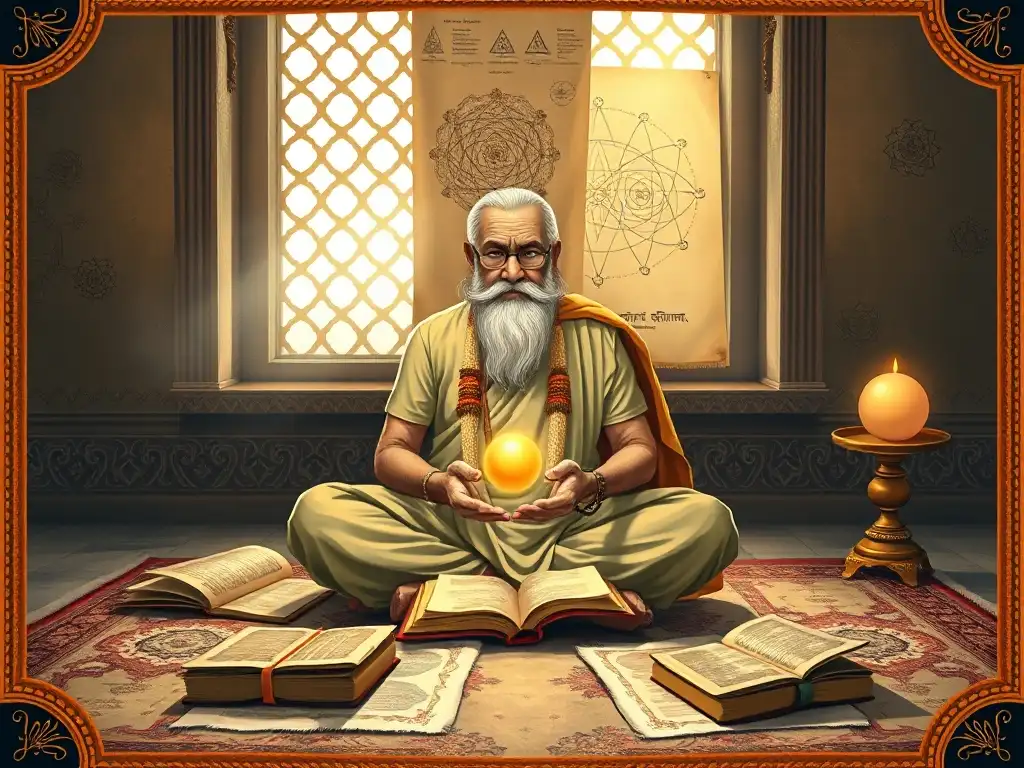
The Vaisheshika school of philosophy, founded by the ancient sage Kanada, is one of the six orthodox schools of Indian philosophy. This philosophical tradition is particularly renowned for its systematic exploration of atomism, which posits that all matter is composed of indivisible particles called "paramanu" or atoms. This perspective not only revolutionized the understanding of the physical world but also laid the groundwork for ethical considerations within the framework of Vaisheshika philosophy and ethics.
Central to Vaisheshika's atomism is the belief that atoms are the fundamental building blocks of all substances, including those of the material and immaterial realms. This atomic theory serves as a foundation for a broader metaphysical system that seeks to explain the nature of reality itself. The implications of this philosophy extend beyond mere physical descriptions; they touch upon moral and ethical dimensions that arise from the understanding of the interconnectedness of all things.
Key Concepts of Atomism in Vaisheshika
The Vaisheshika philosophy delineates several key concepts regarding atomism that are pivotal to its ethical implications:
- Paramanu (Atoms): The indivisible units of matter that are eternal and unchanging. They exist independently and combine to form larger substances.
- Dharma (Moral Duty): The ethical framework that governs the behavior of individuals. The understanding of the universe as composed of atoms influences how one perceives their moral responsibilities toward others and the environment.
- Dravya (Substance): Substance is categorized into different types, including earth, water, fire, air, and space. Each of these is constituted by varying combinations of atoms, suggesting a diversity of existence that must be respected in ethical considerations.
- Guna (Qualities): The attributes or qualities that arise from the combination of atoms. Recognizing the qualities of substances encourages a nuanced approach to moral actions, as individuals must consider the impact of their actions on the qualities of both themselves and others.
- Samsara (Cycle of Rebirth): The belief in the cycle of birth, death, and rebirth is essential in understanding the ethical implications of one's actions. The law of karma, which dictates that every action has an equal and opposite reaction, is deeply rooted in the atomistic view of the universe.
These concepts illustrate how Vaisheshika atomism is not merely a physical theory but also a comprehensive ethical framework that emphasizes responsibility and interconnectedness.
The Role of Atoms in Understanding Reality
In Vaisheshika philosophy, atoms play a crucial role in understanding the nature of reality. The belief that all material objects are composed of atoms leads to several important insights:
- Interconnectedness: Since all substances are made up of atoms, there is an intrinsic connection among all forms of matter. This interconnectedness fosters a sense of responsibility towards all living beings and the environment, aligning with ethical principles that advocate for compassion and non-harm.
- Change and Permanence: While atoms themselves are permanent and indestructible, the combinations they form are subject to change. This duality emphasizes the transient nature of physical existence, encouraging individuals to pursue ethical living that transcends material desires.
- Perception of Reality: The Vaisheshika school posits that knowledge arises from the interaction between the senses and the external world, which is ultimately composed of atoms. Recognizing that our perceptions are influenced by the atomic structure of reality urges individuals to reflect on the ethical implications of their perceptions and judgments.
- Moral Consequences of Actions: Understanding the atomic basis of reality reinforces the idea that every action has consequences. The ethical principles derived from this understanding encourage individuals to act mindfully and consider the broader impact of their choices on the world around them.
The foundations of Vaisheshika atomism provide a rich and intricate framework for exploring both the physical and ethical dimensions of existence. By recognizing the interplay between atoms and moral considerations, Vaisheshika philosophy and ethics invite individuals to engage with the world in a thoughtful and responsible manner.
Ethical Implications of Atomism in Vaisheshika Philosophy

Connection Between Atomism and Moral Considerations
The Vaisheshika philosophy, founded by Kanada in the 2nd century BCE, is primarily known for its atomic theory, positing that the universe is composed of indivisible particles, or "anu" (atoms). This atomistic view does not only serve as a metaphysical framework but also intricately connects to ethical implications, shaping the moral landscape of ancient Indian thought.
At its core, Vaisheshika atomism asserts that every object in the universe is formed from combinations of these atoms, which possess specific qualities. This belief leads to a nuanced understanding of the nature of existence and, consequently, the moral responsibilities of individuals. The ethical considerations arise from the recognition of the interconnectedness of all beings and the impact of one's actions on the broader cosmic order.
The ethical implications of atomism can be seen in several key areas:
- Interdependence of Life: By acknowledging that all entities are composed of atoms, Vaisheshika underscores the interdependence of life. This suggests that harming one aspect of existence can disrupt the harmony of the whole.
- Consequentialism: The atomistic perspective encourages a consequentialist approach to ethics, where individuals are urged to consider the outcomes of their actions. The notion that actions have repercussions aligns closely with the broader ethical teachings found in other Indian philosophical systems, promoting a sense of responsibility.
- Reverence for Life: The atomistic view fosters a deep respect for all forms of life, as each being is seen as a combination of atoms with intrinsic value. This is reflective of the principle of Ahimsa (non-violence), which is central to many Indian philosophies.
How Atomism Influences Ethical Behavior
The ethical behavior influenced by Vaisheshika's atomism can be understood through several dimensions that reflect its philosophical foundations:
- Moral Agency: The belief in atomic individuality grants moral agency to each individual. This suggests that every person is responsible for their actions, as they have the power to influence the atomic composition of the universe through their choices.
- Virtue Ethics: Vaisheshika philosophy promotes the cultivation of virtues such as truthfulness, non-attachment, and self-control. These virtues are seen as essential for maintaining the balance of the universe, aligning personal ethics with cosmic order.
- Practical Applications: The principles derived from atomism encourage individuals to engage in ethical practices in everyday life, such as:
- Sustainable Living: Understanding the interconnectedness of all beings can lead to more sustainable practices that honor the environment.
- Compassionate Interactions: Recognizing the shared atomic nature of existence fosters compassion, encouraging individuals to act kindly towards others.
- Community and Social Ethics: Vaisheshika ethics also extends to the community level, emphasizing the importance of collective well-being. The notion that individual actions impact the greater whole encourages a sense of duty towards society.
The ethical implications of Vaisheshika atomism extend beyond mere metaphysical claims, inviting deeper reflections on moral responsibility, interdependence, and the cultivation of virtues. This philosophy not only informs individual conduct but also shapes societal norms, fostering a richer understanding of ethics in the context of ancient Indian civilization.
The Moral Framework of Vaisheshika Philosophy

The Vaisheshika philosophy, one of the foundational schools of Indian philosophy, offers a unique perspective on ethics, intertwining metaphysics with moral considerations. Rooted in the concept of atomism, the moral framework of Vaisheshika is built upon its understanding of the nature of reality, the self, and the ultimate goal of life. This framework emphasizes the importance of ethical living as a means to achieve moksha, or liberation, through the right understanding of the world and one's place in it.
Core Ethical Principles in Vaisheshika
At the heart of Vaisheshika ethics lies several core principles that guide moral behavior and decision-making. These include:
- Dharma (Righteousness): Central to Vaisheshika ethical thought, dharma represents the moral duty of individuals. It is context-dependent, varying with one's social position, age, and circumstances. Adhering to one's dharma facilitates harmony in society and personal growth.
- Ahimsa (Non-violence): This principle emphasizes the importance of non-harming, not just towards humans but towards all living beings. Ahimsa is considered essential for maintaining the balance of the universe and is a reflection of the interconnectedness of all life.
- Satyam (Truthfulness): Satyam is the commitment to truth and honesty in thoughts, words, and actions. In Vaisheshika, truth is seen as a pathway to understanding reality; thus, ethical conduct must align with the pursuit of knowledge.
- Santosh (Contentment): This principle encourages individuals to cultivate satisfaction with what they possess, reducing desires and attachments. Contentment is viewed as a means of achieving inner peace and stability, which are crucial for ethical living.
- Karma (Action and Consequence): In Vaisheshika, every action has consequences. This principle underscores the importance of intentionality in actions, as individuals must be aware of the moral implications of their choices.
The interplay of these principles creates a comprehensive ethical system that not only guides personal conduct but also informs the broader social and cosmic order.
The Relationship Between Knowledge and Ethics
In Vaisheshika philosophy, the acquisition of knowledge is intrinsically linked to ethical behavior. The school posits that true knowledge leads to an understanding of the nature of reality, which in turn shapes moral conduct. This relationship can be explored through several dimensions:
- Epistemological Foundations: Vaisheshika emphasizes the importance of pramanas (means of knowledge), such as perception, inference, and testimony. Knowledge gained through these means informs ethical decision-making, as individuals learn to discern right from wrong based on a clear understanding of the world.
- Moral Development: The pursuit of knowledge is seen as a path to moral development. As individuals gain insight into the nature of existence and their interconnectedness with others, they become more attuned to the ethical implications of their actions. This moral evolution is necessary for achieving liberation (moksha).
- Practical Application: Vaisheshika ethics is not merely theoretical; it is meant to be applied in daily life. Knowledge about the principles of dharma, ahimsa, and satyam empowers individuals to act ethically in various situations. The application of knowledge is viewed as a moral obligation.
- Consequential Awareness: Understanding the law of karma highlights the significance of actions and their consequences. By recognizing that every choice has ethical repercussions, individuals are motivated to make decisions that align with virtuous principles.
The relationship between knowledge and ethics in Vaisheshika philosophy illustrates that ethical living stems from a deep understanding of reality. By cultivating knowledge, individuals can navigate their moral landscape, leading to a more harmonious existence in alignment with their ethical obligations.
Vaisheshika’s Contribution to Ethical Thought in Ancient India

The Vaisheshika philosophy, rooted in the works of sage Kanada, is primarily known for its atomistic theory of the universe. However, its contributions extend beyond metaphysics to include significant ethical implications. Vaisheshika posits that understanding the nature of reality is essential for ethical living. The philosophy emphasizes the importance of dharma (righteousness) and its alignment with the inherent nature of atoms and substances in the world.
Influence on Other Philosophical Schools
Vaisheshika’s ethical considerations have profoundly influenced other philosophical traditions in ancient India, particularly the Nyaya and Sankhya schools. The interplay between these philosophies illustrates a rich tapestry of thought where ethics and metaphysics converge.
- Nyaya Philosophy: The Nyaya school, which emphasizes logic and epistemology, drew upon Vaisheshika's ontological categories. Both schools share an understanding of dharma as central to ethical life. Nyaya philosophers integrated Vaisheshika’s atomistic approach into their arguments about the nature of knowledge, truth, and justice, emphasizing that ethical action arises from sound reasoning and knowledge.
- Sankhya Philosophy: Sankhya, with its dualistic view of purusha (consciousness) and prakriti (matter), also aligns with Vaisheshika’s focus on the material world. The ethical implications of Sankhya’s principles of detachment and self-realization resonate with Vaisheshika's understanding of moral responsibility. Both philosophies advocate for a life of moderation and the pursuit of knowledge, viewing ethical conduct as essential for spiritual progress.
The ethical dialogues initiated by Vaisheshika have thus laid foundational ideas that resonate through these schools, emphasizing a coherent framework for understanding morality that is intertwined with the nature of existence.
Comparison with Nyaya and Sankhya Philosophies
When comparing Vaisheshika with Nyaya and Sankhya, several distinctions and similarities in their approaches to ethics emerge:
| Aspect | Vaisheshika | Nyaya | Sankhya |
|---|---|---|---|
| Core Focus | Atomism and substance theory | Logic and epistemology | Dualism of consciousness and matter |
| View of Ethics | Ethics derived from understanding nature | Ethics grounded in logical reasoning | Ethics through detachment and self-knowledge |
| Nature of Dharma | Inherent in the nature of reality and substances | A system of rules and laws for social conduct | Adherence to natural laws of existence |
| Moral Responsibility | Emphasizes responsibility based on knowledge | Responsibility in the pursuit of truth | Encourages personal growth and liberation |
The Vaisheshika’s ethical framework emphasizes the significance of knowledge and understanding in maintaining dharma. In contrast, Nyaya places greater emphasis on the logical processes involved in ethical decision-making, while Sankhya focuses on the internal journey towards realization and detachment from material desires.
Vaisheshika philosophy and ethics play a crucial role in shaping ethical thought in ancient India. Its influence on Nyaya and Sankhya illustrates the interconnectedness of these philosophical schools, highlighting a shared commitment to exploring the moral dimensions of existence and the significance of knowledge in ethical living.
Contemporary Relevance of Vaisheshika Philosophy and Ethics

Modern Interpretations of Vaisheshika Ethical Principles
The Vaisheshika philosophy, rooted in ancient Indian atomism, has profound implications on ethics, which continue to resonate in contemporary discussions. At its core, Vaisheshika posits that the universe is composed of indivisible atoms (parmanu) and that understanding these fundamental elements leads to a deeper comprehension of the nature of reality. This metaphysical framework inevitably spills into ethical considerations, influencing modern interpretations in several ways.
-
Individuality and Moral Agency:
The Vaisheshika's emphasis on the uniqueness of each atom translates into a recognition of individual moral agency. Modern interpretations suggest that just as every atom has a distinct nature and function, so too does every individual possess unique capacities for moral reasoning and ethical behavior. This perspective fosters a sense of personal responsibility in ethical decision-making.
-
Interconnectedness:
The atomistic view of the universe implies a complex interrelation among all entities. Contemporary thinkers draw from this to advocate for a holistic approach to ethics, emphasizing the interconnectedness of humans, nature, and the cosmos. This belief encourages ethical principles that promote harmony and balance in societal interactions, reminiscent of the ancient Vaisheshika ethos.
-
Pragmatism in Ethics:
Vaisheshika philosophy is inherently pragmatic, as it seeks to understand how ethical principles can be applied in daily life. Modern interpretations often focus on the utility of ethical actions, paralleling utilitarian thought. This aspect of Vaisheshika ethics encourages individuals to consider the consequences of their actions on both personal and communal levels.
-
Moral Realism:
The Vaisheshika perspective asserts the existence of objective moral truths, akin to the existence of atoms. This stance aligns with contemporary moral realism, which posits that ethical statements can be objectively true or false. This connection provides a philosophical grounding for discussions on moral absolutes in modern ethics.
Application of Vaisheshika Ethics in Today’s World
The ethical implications of Vaisheshika philosophy are not merely theoretical; they find practical applications in various contemporary contexts. These applications can be observed across multiple spheres:
-
Environmental Ethics:
In an era where environmental concerns dominate global discourse, the Vaisheshika principle of interconnectedness supports sustainable practices. By recognizing that all entities, including non-human ones, have intrinsic value, individuals are encouraged to adopt ethical stances that prioritize ecological preservation and responsible resource management.
-
Bioethics:
The notion of moral agency inherent in Vaisheshika leads to important discussions in bioethics, particularly regarding medical practices and the treatment of individuals. The philosophy’s emphasis on individual dignity and the ethical treatment of all beings guides modern debates on healthcare, genetic engineering, and the right to life.
-
Social Justice:
The principle that every individual possesses unique moral value can be a cornerstone in the fight for social justice. Vaisheshika ethics inspire movements advocating for equality, human rights, and the recognition of marginalized groups, reinforcing the idea that every person’s well-being is vital to the moral fabric of society.
-
Business Ethics:
In the realm of commerce, the pragmatic nature of Vaisheshika ethics encourages businesses to adopt fair practices that consider the welfare of all stakeholders. This approach advocates for corporate social responsibility, where companies recognize their impact on society and the environment, aligning their operations with ethical standards that benefit the greater good.
The ethical implications of Vaisheshika philosophy are not only relevant but also essential in addressing contemporary moral dilemmas. By integrating ancient insights into modern ethical frameworks, individuals and societies can navigate the complexities of today’s world with a grounded sense of responsibility and interconnectedness.
Conclusion: The Enduring Legacy of Vaisheshika Philosophy and Ethics

Summary of Key Points
The Vaisheshika philosophy, rooted in ancient Indian thought, presents a unique perspective on atomism and ethics. Key elements include:
- Atomism: Vaisheshika posits that all substances are composed of indivisible atoms (paramanu). This understanding not only laid the groundwork for later scientific inquiry but also emphasized the material basis of existence.
- Categories of Reality: The philosophy delineates seven categories (padarthas) including substance, quality, action, generality, particularity, inherence, and non-existence, which help in understanding the nature of the universe.
- Ethical Implications: The moral considerations derived from Vaisheshika emphasize non-violence (ahimsa) and the interconnectedness of all beings, which align with broader ethical frameworks within Indian philosophy.
These principles highlight how Vaisheshika philosophy intertwines metaphysical concepts with ethical implications, demonstrating a comprehensive approach to understanding existence and morality.
Final Thoughts on Atomism and Moral Considerations
The Vaisheshika philosophy and ethics offer profound insights that remain relevant in contemporary discussions on science and morality. By advocating for a framework that connects the physical with the ethical, it encourages a holistic view where moral behavior is informed by an understanding of the universe's composition.
- Interconnectedness: The acknowledgment of atoms as the building blocks of matter instills a sense of responsibility towards the environment and fellow beings. This ethical stance fosters a culture of respect and care, which is crucial in today’s context of environmental degradation and social injustice.
- Moral Framework: The principles derived from Vaisheshika promote ethical living through the pursuit of knowledge and the application of reason, advocating for a balanced approach to personal and societal conduct.
In essence, Vaisheshika philosophy and ethics not only provide a foundational understanding of reality but also challenge individuals to reflect on their moral choices in light of the intricate web of existence. As such, its teachings continue to resonate, encouraging a dialogue between ancient wisdom and modern ethical dilemmas.
Frequently Asked Questions
What is Vaisheshika philosophy?
Vaisheshika philosophy is an ancient Indian school of thought that emphasizes atomism and the nature of reality. It proposes that everything in the universe is composed of indivisible particles called atoms.
How does Vaisheshika relate to ethics?
The ethical implications of Vaisheshika philosophy arise from its understanding of the moral consequences of actions based on the nature of reality. It encourages individuals to act in ways that align with truth and justice.
What are the main contributions of Vaisheshika to Indian philosophy?
Vaisheshika has significantly contributed to Indian philosophy by introducing concepts of categorization of substances and the theory of knowledge, influencing later philosophical systems and discussions on ethics.
How does atomism influence moral considerations in Vaisheshika?
Atomism in Vaisheshika suggests that all actions can be analyzed at a fundamental level, which leads to a deeper understanding of moral responsibilities and the consequences of individual actions on the universe.
What is the significance of Vaisheshika in the context of ancient Indian civilizations?
The significance of Vaisheshika lies in its role in shaping the intellectual discourse of ancient Indian civilizations, influencing not only philosophy but also areas like science, logic, and ethics throughout history.
Final Reflection: The Enduring Relevance of Vaisheshika Philosophy and Ethics
Vaisheshika philosophy and ethics remain profoundly relevant today, as they challenge us to reconsider the fundamental nature of reality and our moral responsibilities within it. In an era where scientific advancements and ethical dilemmas often collide, the insights from Vaisheshika can guide us in navigating the complexities of modern life. The atomistic view of the universe not only reshapes our understanding of existence but also compels us to reflect on the ethical implications of our actions in a world where every atom—every individual—matters.
The influence of Vaisheshika extends beyond ancient texts; it resonates in contemporary discussions about the environment, technology, and interpersonal relationships. The philosophy invites us to recognize the interconnectedness of all things and the moral weight of our choices. As we grapple with issues like climate change and social justice, the teachings of Vaisheshika remind us that our ethical considerations must evolve alongside our understanding of the universe. The greatest moral challenge of our time is to recognize the dignity and worth of every individual, just as Vaisheshika teaches us to appreciate the significance of every atom.
As we conclude this exploration of Vaisheshika’s ethical implications, I invite you to reflect on how these ancient principles can inform your own life. Consider the impact of your actions, both big and small, on the world around you. Let the wisdom of Vaisheshika inspire you to cultivate a deeper sense of responsibility and compassion in your daily interactions. Together, we can create a more ethical and harmonious existence, grounded in the understanding that every choice we make contributes to the greater whole.
Explore the Intersection of Ethics and Atomism!
Thank you for delving into the ethical implications of Vaisheshika and discovering the fascinating interplay between atomism and moral considerations. Your engagement with these concepts not only enriches your knowledge but also contributes to a greater understanding of ancient philosophical thought.
Now, let's take your insights a step further! Here are some actionable steps you can take:
- Reflect on your own ethical beliefs: Consider how atomic theory might influence your views on morality in today’s world. Starting a journal can help you explore these thoughts further!
- Engage with our community: Share your insights or questions in the comments below or connect with fellow philosophy enthusiasts on our social media platforms. Let’s build a richer dialogue!
- Uncover more: Dive into related topics by exploring additional articles on our site. You might find it interesting to read about other ancient philosophies that have shaped contemporary ethics.
What ethical dilemmas do you think would benefit from a perspective grounded in atomism? Let's ignite a conversation!