
The Artistic Legacy of Ancient Indian Temples: A Closer Look at Their Intricate Designs

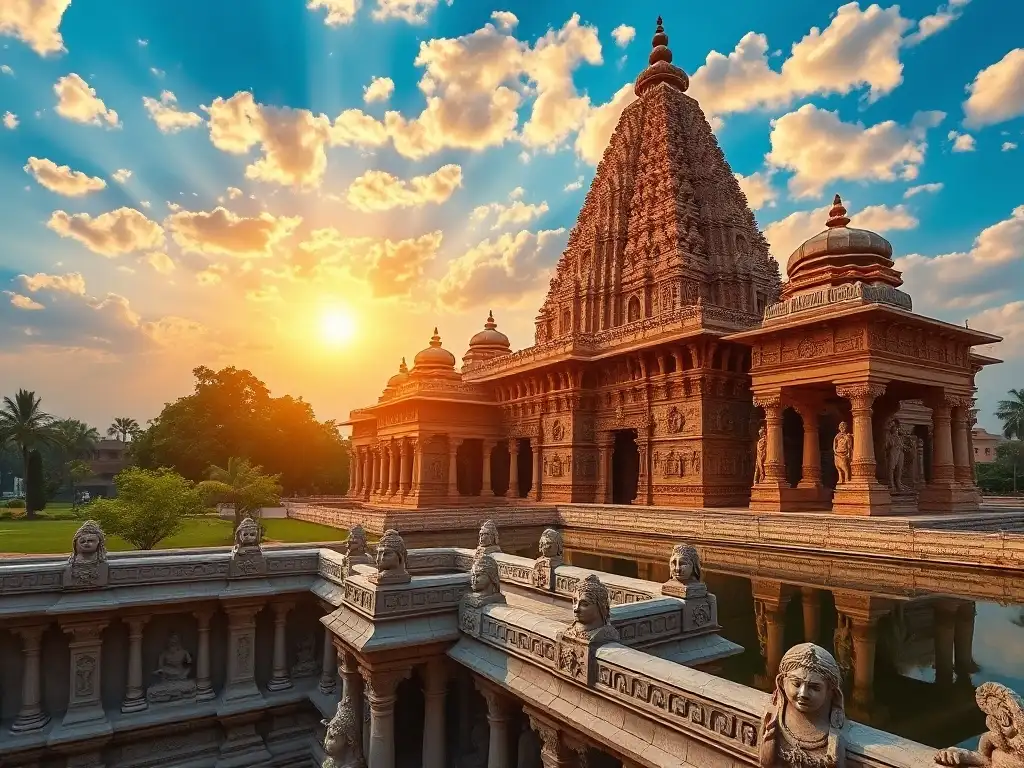
Welcome to Ancient India History, where we delve into the vibrant tapestry of India's past! Here, we invite you to embark on a fascinating journey through time, exploring the artistic legacy of ancient Indian temple architecture. From the majestic intricacies of the Indus Valley to the awe-inspiring designs of the Gupta Empire, discover how these architectural marvels reflect the rich cultural heritage and spiritual depth of their era.
Are you ready to unlock the secrets behind these stunning structures and their significance in ancient Indian civilization? Continue reading to uncover the artistry and innovation that define this remarkable aspect of our history!
Introduction to Ancient Indian Temple Architecture
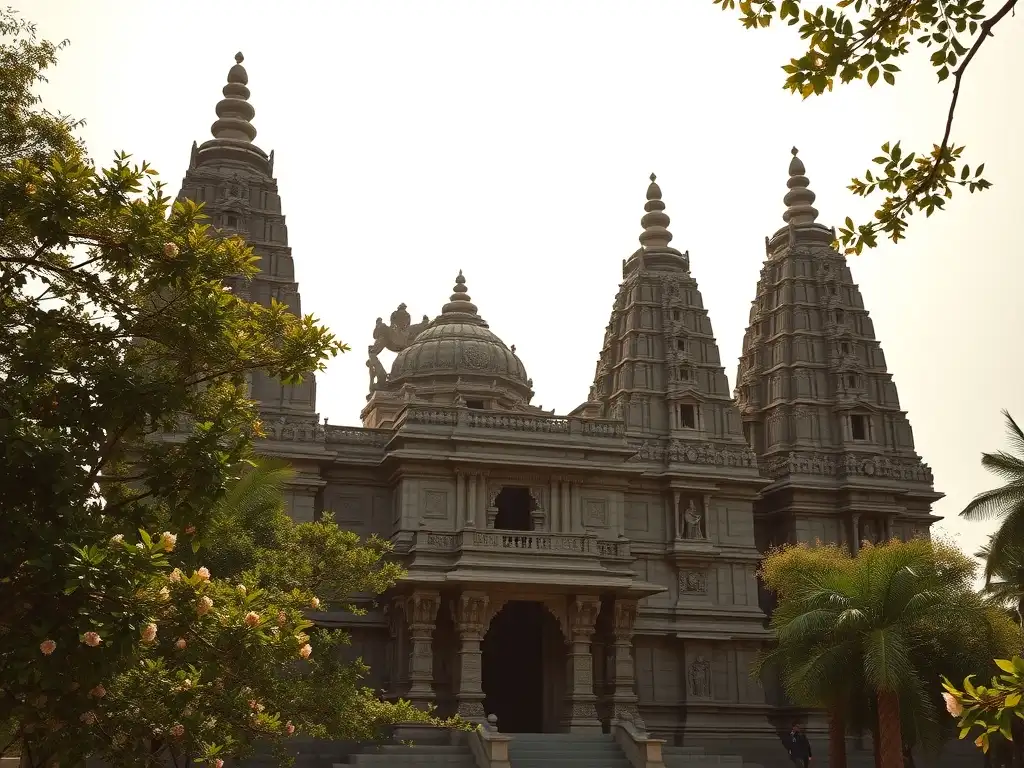
The architectural splendor of ancient Indian temples stands as a testament to the rich cultural and artistic heritage of the subcontinent. From the intricate carvings to the grandiose structures, ancient Indian temple architecture not only reflects the religious devotion of the time but also showcases the advanced engineering and artistic skills possessed by the craftsmen of ancient India.
These temples served as focal points for religious activities, community gatherings, and artistic expression, making them integral to the social and spiritual fabric of ancient Indian civilizations. This article delves into the artistic legacy left by these temples, exploring their intricate designs and the profound impact they had on subsequent architectural styles.
Overview of Ancient Indian Architecture
Ancient Indian architecture is characterized by its diversity and regional variations, reflecting the myriad influences that shaped the subcontinent over centuries. The primary styles can be broadly categorized into:
- Hindu Temple Architecture:
- Nagara style: Predominantly found in Northern India, featuring beehive-shaped towers (Shikharas).
- Dravidian style: Common in Southern India, characterized by towering Gopurams (gateway towers) and intricate sculptures.
- Buddhist Architecture:
- Known for stupas and monastic complexes, emphasizing simplicity and spiritual symbolism.
- Jain Architecture:
- Renowned for its elaborate temples adorned with exquisite carvings, often depicting Tirthankaras.
The artistry in these forms not only served religious purposes but also communicated philosophical and cultural narratives, making ancient Indian architecture a rich tapestry of history.
Significance of Temples in Ancient Indian Culture
Temples in ancient India were much more than mere places of worship; they were the heart of the community. The significance of these structures can be understood through various dimensions:
- Religious: Temples were dedicated to deities, serving as sites for rituals, festivals, and pilgrimages, fostering a deep sense of spirituality among devotees.
- Social: They acted as multifunctional spaces for community gatherings, education, and cultural exchanges, thus reinforcing societal bonds.
- Economic: Many temples functioned as economic centers, facilitating trade and commerce, and often served as patrons for artists and craftsmen.
- Political: Temples were instrumental in projecting the power and piety of rulers, often funded and built by dynasties to legitimize their authority.
Historical Context of Ancient Indian Temples
Understanding the evolution of ancient Indian temples requires a look into their historical context. The development of temple architecture is closely linked to the sociopolitical dynamics and cultural shifts that occurred throughout ancient Indian history.
Evolution of Temple Architecture in Ancient India
The roots of temple architecture can be traced back to the Vedic period, where simple altars were constructed for rituals. As the centuries progressed, this evolved into more complex structures:
- Early Temples (c. 3rd century BCE): Simple rock-cut caves and monolithic structures like the Ajanta Caves and Ellora Caves.
- Gupta Period (c. 4th to 6th century CE): Marked a golden age in temple architecture, showcasing intricate carvings and the establishment of the Nagara and Dravidian styles.
- Medieval Period (c. 7th to 12th century CE): A flourishing of temple building under various dynasties, with an emphasis on scale and ornamentation.
This evolution reflects not only advancements in architectural techniques but also the changing religious and cultural paradigms of ancient India.
Major Dynasties and Their Contributions to Temple Design
Various dynasties played pivotal roles in the development of ancient Indian temple architecture, each leaving a unique imprint:
- Maurya Dynasty: Established early monumental architecture, influencing the construction of stupas.
- Gupta Empire: Renowned for the construction of ornate temples, such as the Dashavatara Temple at Deogarh, illustrating early forms of Hindu iconography.
- Chola Dynasty: Known for the grand Brihadeeswarar Temple, exemplifying Dravidian architecture with towering Gopurams and intricate sculptures.
- Mughal Empire: Although primarily Islamic, the Mughals influenced Hindu temple architecture, blending styles and motifs.
These dynasties collectively contributed to the rich tapestry of ancient Indian temple architecture, ensuring that their artistic legacy endures to this day.
Key Features of Ancient Indian Temple Architecture
Ancient Indian temple architecture is characterized by a variety of distinctive features that reflect the religious, cultural, and artistic values of the time. One of the most notable aspects is the shikhara or vimana, which is the towering spire that crowns the sanctum sanctorum (garbhagriha). This architectural element not only serves a symbolic purpose, representing the mythical Mount Meru, but also enhances the temple's visibility, making it a landmark within its surroundings.
Another key feature is the mandapa, a pillared hall that serves as a gathering space for devotees. Mandapas are often elaborately decorated, showcasing intricate carvings and sculptures that depict various mythological themes. The plinth or base of the temple is designed to elevate the structure, symbolizing the transition from the earthly realm to the divine.
Moreover, ancient temples often exhibit a symmetrical layout, with precise measurements and alignments that reflect astronomical considerations. This meticulous planning indicates a deep understanding of geometry and spatial design, which were essential in creating harmonious structures. The use of material variety, such as stone, brick, and wood, also plays a crucial role in the durability and aesthetic appeal of these temples.
Distinct Styles of Temple Architecture
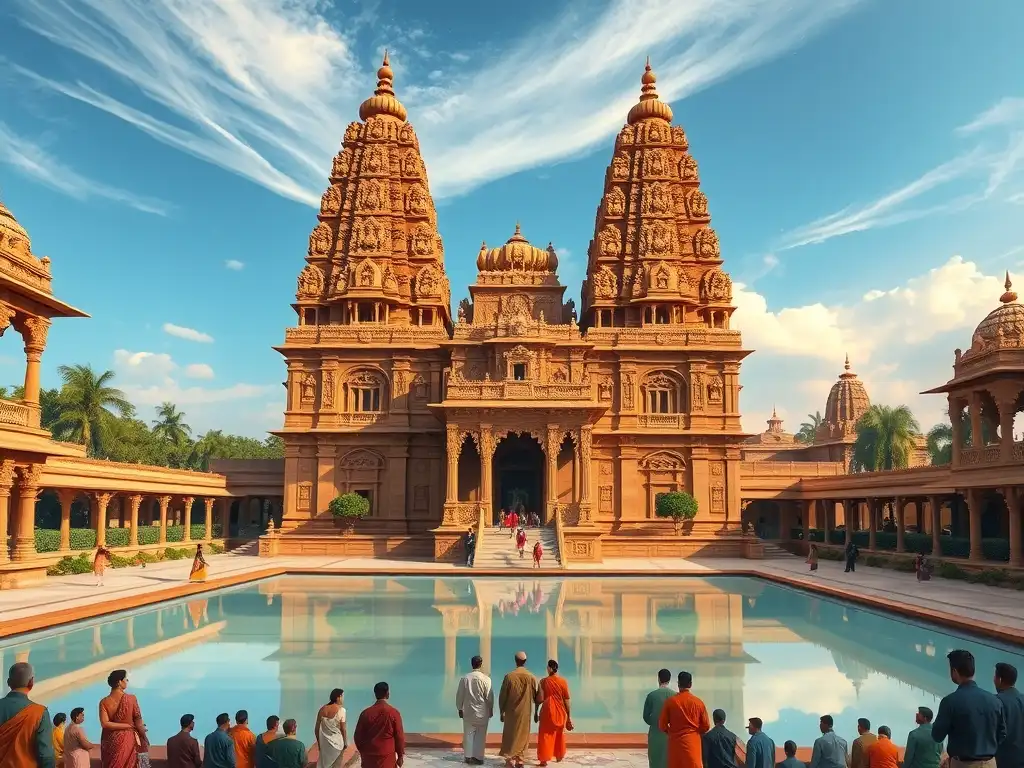
Ancient Indian temple architecture can be broadly classified into several distinct styles, each reflecting regional variations and influences.
- Nagara Style: Predominantly found in northern India, this style is characterized by its beehive-shaped shikharas and intricate carvings, often depicting floral motifs and deities. Notable examples include the temples at Khajuraho and the Sun Temple at Konark.
- Dravidian Style: Common in southern India, Dravidian temples feature towering gopurams (gateway towers) adorned with vibrant sculptures. The temple complex often includes multiple shrines and large courtyards. The Brihadeeswarar Temple in Thanjavur is a prominent example of this style.
- Vesara Style: A blend of Nagara and Dravidian styles, Vesara architecture is mainly found in the Deccan region. It showcases a mix of curved and angular elements, as seen in the temples at Badami and Aihole.
- Kalinga Style: Originating in the eastern part of India, Kalinga architecture is known for its unique sculptural richness and intricate designs. The temples of Odisha, such as the Lingaraja Temple, exemplify this style with their elaborate carvings and detailed iconography.
Intricate Designs and Symbolism in Temple Architecture
The intricate designs of ancient Indian temples are not merely decorative; they are imbued with profound symbolism and meaning. Each element, from the carvings to the layout, serves a purpose that transcends aesthetic appeal. The use of geometric patterns often symbolizes cosmic order and harmony, reflecting the ancient Indian belief in the interconnectedness of the universe.
The artistic motifs found in the temple architecture, including lotus flowers and celestial beings, convey deeper spiritual meanings. For instance, the lotus represents purity and enlightenment, while the presence of divine figures illustrates the divine connection between the gods and the devotees.
Moreover, many temples are oriented in specific directions, aligning with cardinal points or celestial events. This alignment not only enhances the temple's spiritual significance but also showcases the ancient architects' advanced understanding of astronomy and its relationship to religious practices.
Iconography in Ancient Indian Temples
Iconography plays a pivotal role in ancient Indian temple architecture, serving as a visual language that communicates religious beliefs and narratives. The depictions of deities, mythological stories, and symbols are meticulously crafted to convey moral and spiritual lessons.
For example, the presence of Ganesha, the remover of obstacles, is commonly found at temple entrances, inviting devotees to seek blessings before entering. Similarly, sculptures of Lakshmi, the goddess of wealth, adorn many temples, symbolizing prosperity and abundance.
The ashtadikpalas, or guardians of the eight directions, are often represented in the temple's outer walls, emphasizing the protection offered by the divine. Each iconographic element is rich with meaning, reflecting the cultural values and religious practices of ancient Indian society.
The Role of Sculpture in Temple Design
Sculpture is an integral aspect of ancient Indian temple architecture, serving both decorative and narrative purposes. The exterior and interior spaces of temples are adorned with intricate relief carvings and statues that narrate stories from Hindu epics, such as the Ramayana and Mahabharata.
The craftsmanship involved in creating these sculptures is remarkable, showcasing the skill and artistry of ancient artisans. Each figure is often depicted in dynamic poses, conveying movement and emotion, which enhances the overall aesthetic of the temple.
Additionally, sculptures serve as a form of didactic art, educating devotees about religious concepts and values. The incorporation of narrative scenes allows worshippers to engage with the stories of the gods and their teachings directly, fostering a deeper spiritual connection.
Overall, the role of sculpture in temple design is multifaceted, merging artistry with devotion, and creating a visually stunning representation of ancient Indian spirituality.
Regional Variations in Temple Architecture
Ancient Indian temple architecture is marked by a rich tapestry of regional styles, each reflecting the cultural, religious, and historical contexts of its surroundings. These regional variations contribute to the diversity and complexity of temple designs across the subcontinent. By analyzing the distinctive features of North, South, East, and West Indian temples, we can appreciate the unique artistic expressions of each area, as well as their shared spiritual significance.
North Indian Temples: Unique Elements and Styles
North Indian temples, particularly those from the Nagara style, exhibit a distinctive architectural language characterized by their towering shikharas (spire-like structures). These temples often feature intricate carvings and sculptures that narrate mythological stories and divine attributes. Prominent examples include the temples at Khajuraho and the Sun Temple at Konark.
The temple layouts often incorporate a sanctum sanctorum (garbhagriha) surrounded by a mandapa (hall) and a pradakshina patha (circumambulatory path). The use of intricate stone work, along with colorful frescoes, adds to the visual appeal. The overall aesthetic aims to create a connection between the earthly and the divine, inviting devotees to engage in worship within these sacred spaces.
South Indian Temples: Distinct Features and Cultural Significance
South Indian temples are primarily noted for their Dravidian architecture, which is characterized by majestic gopurams (gateway towers) adorned with vibrant stucco sculptures of deities and mythological figures. The Brihadeeswarar Temple in Thanjavur is a quintessential example, showcasing grand proportions and elaborate carvings.
These temples often feature a rectangular layout, with a central shrine surrounded by a series of enclosed walls. Pillared halls, or mandapas, are essential components, serving as spaces for rituals and gatherings. The cultural significance of these temples extends beyond their religious function; they often serve as centers of community life, hosting festivals and social activities that strengthen cultural bonds.
Eastern and Western Indian Temples: Influences and Innovations
The temple architecture of Eastern and Western India reflects a blend of regional influences and innovations. In the East, particularly in Odisha, temples like the Mukteshwar and Lingaraja exhibit intricate carvings and a unique curvilinear roof structure known as the vimana. These temples often emphasize the relationship between the natural environment and divine worship, integrating the landscape into their designs.
In Western India, the influence of Jainism is prominent, as seen in the exquisite marble temples of Ranakpur and the intricately carved structures of Gujarat. These temples often feature detailed reliefs and elaborate jali (lattice) work that enhance the play of light and shadow, creating a serene atmosphere. The architectural styles in these regions also showcase the impact of trade and cultural exchanges, leading to innovative designs that resonate with a diverse audience.
Preservation and Restoration of Ancient Indian Temples
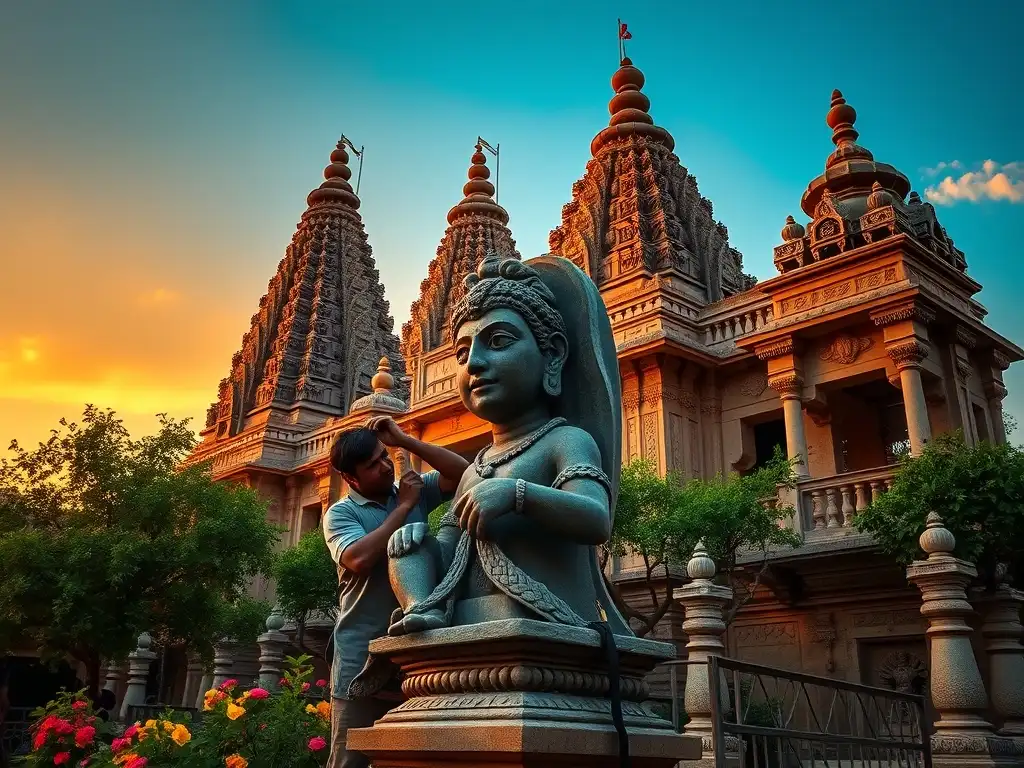
The preservation and restoration of ancient Indian temples are crucial for maintaining the cultural heritage and historical significance of these architectural marvels. However, this process is often fraught with challenges, requiring a delicate balance between conserving authenticity and accommodating modern needs.
Challenges in Maintaining Ancient Temples
One of the primary challenges in maintaining ancient temples is environmental degradation. Factors such as pollution, weathering, and natural disasters can significantly impact the structural integrity and aesthetics of these sites. Additionally, the lack of adequate funding and resources for preservation efforts poses a significant hurdle, often leading to neglect of important sites.
Moreover, the increasing commercialization of tourism can lead to overcrowding, which may strain the physical structures and the surrounding environment. Efforts to maintain these temples must also contend with the complexities of bureaucratic processes and varying levels of public interest in heritage conservation.
Efforts in Restoration and Conservation
In response to these challenges, various organizations and government initiatives have been launched to promote the restoration and conservation of ancient Indian temples. These efforts encompass a wide range of activities, from detailed documentation and research to the implementation of specialized restoration techniques.
Many temples undergo systematic conservation programs that involve skilled artisans and architects who specialize in traditional methods. This approach not only ensures the authenticity of the restoration but also fosters a renewed appreciation for ancient craftsmanship. Educational programs aimed at raising awareness about the importance of preserving cultural heritage are also essential in mobilizing community support and involvement in these initiatives.
Through these concerted efforts, the artistic legacy of ancient Indian temples can continue to inspire future generations, preserving their intricate designs and cultural significance for years to come.
Conclusion: The Enduring Legacy of Ancient Indian Temple Architecture
The intricate designs of ancient Indian temple architecture represent more than just aesthetic grandeur; they embody the spiritual, cultural, and social ethos of the civilizations that created them. Temples served as centers of worship, community gathering, and artistic expression, influencing various aspects of life in ancient India. The legacy of these architectural marvels continues to resonate today, inspiring modern architecture and cultural practices while providing invaluable insights into the beliefs and values of ancient societies.
The enduring legacy is evident not only in the physical structures that have withstood the test of time but also in the ongoing rituals, festivals, and art forms that have evolved around these sacred sites. As contemporary society grapples with rapid modernization, the timeless beauty and significance of ancient Indian temple architecture serve as a reminder of the rich cultural heritage that continues to shape the identity of India.
Reflection on the Cultural Impact of Temples
The cultural impact of ancient Indian temples extends far beyond their architectural splendor. These structures were often built to reflect the divine and connect the earthly realm with the spiritual. The intricate carvings and sculptures that adorn temple walls depict various deities, mythological stories, and daily life, serving as visual narratives that educate and inspire the faithful.
Moreover, temples were pivotal in promoting various art forms, including dance and music, which were often integral to worship practices. For example, the classical dance forms of Bharatanatyam and Odissi have their roots in temple rituals, showcasing how architecture and performing arts are intertwined in India’s cultural fabric. Additionally, temples fostered a sense of community, as they were not only places of worship but also venues for social interaction, education, and economic activity, thus playing a vital role in shaping local cultures.
Future of Ancient Indian Temple Architecture Studies
The study of ancient Indian temple architecture is at a fascinating crossroads, where traditional methodologies meet modern technology. As scholars delve deeper into the intricate details of temple designs, there's an increasing use of technology such as 3D modeling, digital imaging, and archaeological techniques to uncover hidden aspects of these structures. This innovative approach allows for a more comprehensive understanding of construction methods, materials used, and the socio-cultural contexts in which these temples were built.
Future research is likely to focus on the preservation and restoration of these architectural wonders. With many temples facing threats from urbanization, pollution, and natural disasters, interdisciplinary efforts involving historians, architects, and conservationists will be crucial. Furthermore, comparative studies with other ancient architectural styles worldwide could reveal shared influences and unique developments in temple architecture, enriching our overall understanding of global heritage.
References
Suggested Reading and Resources for Further Exploration
- Books:
- "The Architecture of Ancient India: Truth and Tradition" by Adam Hardy
- "Temples of India: A Comprehensive Guide" by S. P. Gupta
- "Indian Temple Architecture: Form and Transformation" by Michael W. Meister
- Journals:
- Journal of Asian Architecture and Building Engineering
- Journal of the Society of Architectural Historians
- Online Resources:
- Digital archives of temple architecture studies
- Virtual tours of famous ancient Indian temples
- Documentaries on the history and significance of temple architecture in India
These resources provide a foundation for anyone interested in exploring the intricate designs and cultural significance of ancient Indian temple architecture in greater depth.
- Introduction to Ancient Indian Temple Architecture
- Historical Context of Ancient Indian Temples
- Key Features of Ancient Indian Temple Architecture
- Distinct Styles of Temple Architecture
- Intricate Designs and Symbolism in Temple Architecture
- Regional Variations in Temple Architecture
- Preservation and Restoration of Ancient Indian Temples
- Conclusion: The Enduring Legacy of Ancient Indian Temple Architecture
- References
- What is the significance of ancient Indian temple architecture?
- What are the main architectural styles of ancient Indian temples?
- How did the Indus Valley civilization influence temple architecture?
- What role did religion play in the design of ancient Indian temples?
- How can one identify the artistic legacy of ancient Indian temples today?
Frequently Asked Questions
What is the significance of ancient Indian temple architecture?
Ancient Indian temple architecture represents the cultural, religious, and artistic values of the time, showcasing diverse styles and intricate designs that reflect the spiritual beliefs of ancient civilizations.
What are the main architectural styles of ancient Indian temples?
The main styles include Nagara, Dravidian, and Vesara, each characterized by distinct structural elements, ornamentation, and regional influences, contributing to the rich tapestry of ancient Indian architecture.
How did the Indus Valley civilization influence temple architecture?
The Indus Valley civilization laid the groundwork for urban planning and architectural techniques, including the use of brick and drainage systems, which later influenced the design of temples in subsequent periods.
What role did religion play in the design of ancient Indian temples?
Religion was central to the design of ancient Indian temples, as they were constructed to serve as places of worship, often reflecting mythological themes and featuring deities prominently in their intricate carvings.
How can one identify the artistic legacy of ancient Indian temples today?
The artistic legacy is evident in the elaborate carvings, sculptures, and symbolic motifs found in ancient temples, which continue to inspire modern architecture and serve as a testament to the craftsmanship of ancient artisans.
Final Reflection: The Enduring Legacy of Ancient Indian Temple Architecture
The intricate designs of ancient Indian temples serve as a testament to the rich cultural heritage and artistic prowess of a civilization that continues to inspire contemporary architecture and spirituality. Today, as we navigate a world increasingly disconnected from its roots, the architectural marvels of ancient India remind us of the profound relationship between art, faith, and community. These temples are not merely structures; they are living narratives that encapsulate the values, beliefs, and aspirations of a society that revered the divine through creativity.
The influence of ancient Indian temple architecture extends far beyond its physical form, shaping the cultural and social landscape of India and beyond. The intricate carvings, towering spires, and sacred spaces invite us to reflect on our own spiritual journeys and the ways in which art can elevate the human experience. As we admire these masterpieces, we are reminded of the words of the renowned architect Charles Correa: Architecture is the art of reconciliation between ourselves and the world, and this is what the ancient temples achieved.
The legacy of these temples continues to resonate, encouraging a dialogue between the past and present, and inspiring future generations to explore the intersection of art and spirituality.
As we conclude our exploration of ancient Indian temple architecture, I invite you to reflect on how these timeless designs can influence your own life. Consider how the principles of harmony, balance, and devotion found in these structures can be applied to your personal journey.
Let the beauty and intricacy of these temples inspire you to create spaces in your life that foster connection, creativity, and contemplation. Embrace the lessons of the past as you forge your own path, and remember that the legacy of ancient Indian temples is not just in their stones, but in the spirit they evoke within us all.
Unveil the Beauty of Ancient Indian Temples!
Thank you for exploring the intricate artistry of ancient Indian temples with us! We hope you’ve gained a deeper appreciation for the remarkable details that reflect the creativity and spirituality of our heritage. Now, it’s time to connect further with this rich legacy.
Here are some actionable steps you can take to dive deeper into this captivating world:
- Visit a Local Temple: Experience the artistry in person. Find a nearby temple, immerse yourself in its history, and reflect on its unique design elements.
- Start a Creative Project: Try replicating some of the stunning designs or themes from ancient temples in your own artwork or crafts! Share your creations on social media to inspire others.
- Join a Community Group: Engage with others who share your passion. Seek out local or online groups focused on ancient art, architecture, or culture, and exchange insights and experiences.
As you reflect on the artistic splendor of these temples, consider what aspect of their design inspires you the most. How can you incorporate that inspiration into your own life?