
The Intersection of Mythology and Theater in Ancient Indian Narratives

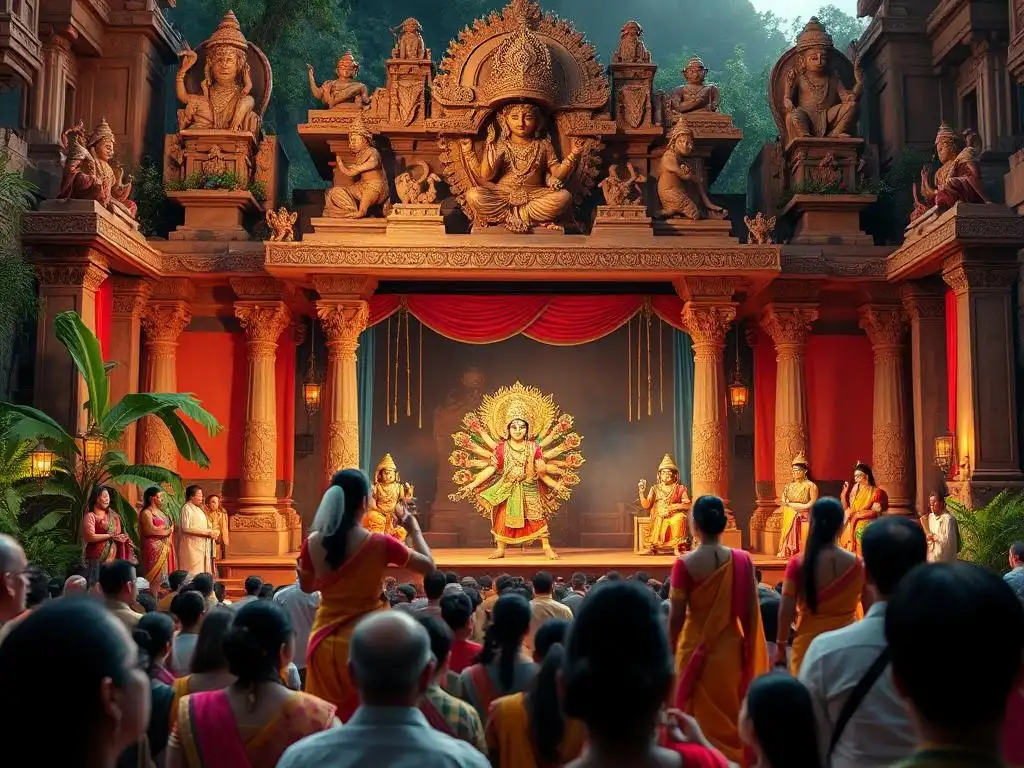
Welcome to Ancient India History, where we embark on a captivating journey through the rich tapestry of India’s past. In this exploration, we delve into the intricate world of Ancient Indian mythology and theater, revealing how these art forms intertwined to shape narratives that resonate even today. What secrets lie within the tales of gods and heroes?
How did the stage become a canvas for culture and belief? Join us as we uncover the profound connections between mythology and performance in ancient Indian civilizations, and ignite your curiosity to learn more about this fascinating intersection in our latest article, The Intersection of Mythology and Theater in Ancient Indian Narratives.
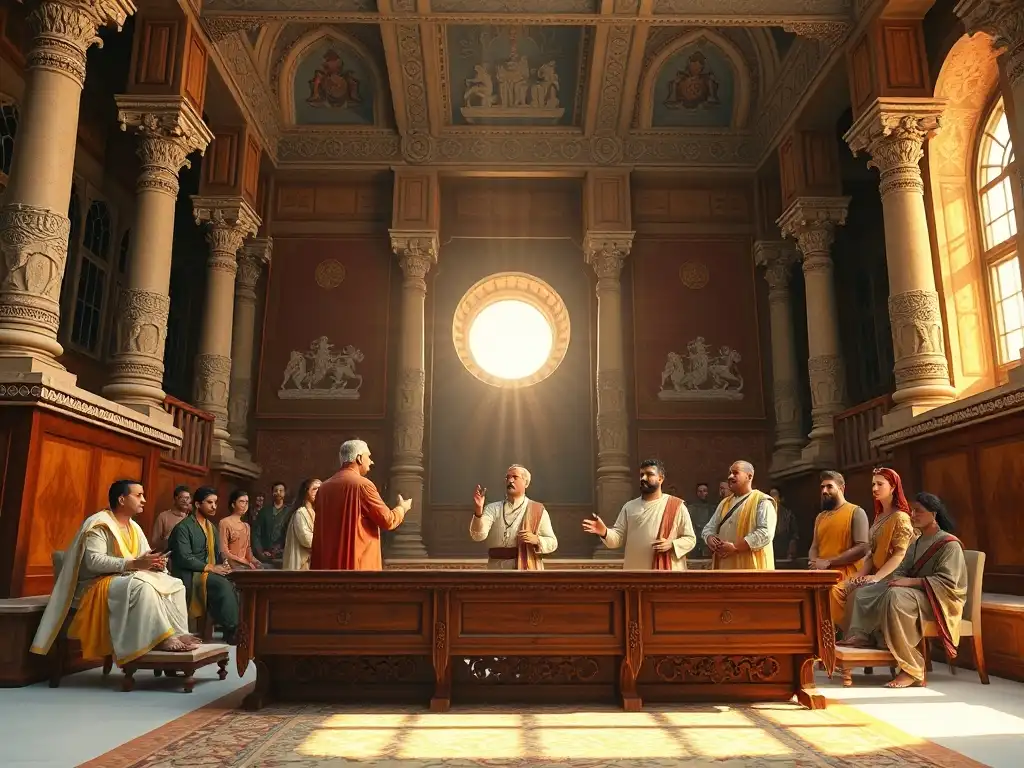
Exploring the intricate relationship between mythology and theater in ancient India reveals a vibrant tapestry of cultural expression that has significantly shaped the subcontinent's artistic landscape. Ancient Indian mythology, with its rich narratives and divine characters, provides a foundation for theatrical performance, creating a unique intersection where stories of gods, heroes, and cosmic battles come to life on stage.
This article delves into the multifaceted dimensions of ancient Indian mythology and theater, examining how these art forms intertwine to convey moral lessons, entertain audiences, and preserve cultural heritage. By understanding the historical context and the various theatrical forms that emerged from mythological narratives, we can appreciate the profound impact they have had on the evolution of performance arts in ancient India.
Understanding Ancient Indian Mythology
Definition and Significance of Ancient Indian Mythology
Ancient Indian mythology encompasses a vast collection of stories, legends, and beliefs that originated from the diverse cultures and traditions across the Indian subcontinent. These narratives often articulate fundamental truths about existence, morality, and the human condition, serving not only as entertainment but also as a means of spiritual guidance. The significance of these myths lies in their ability to connect individuals with their cultural identity and philosophical inquiries, providing a shared understanding of the universe and the divine.
Key Figures and Deities in Ancient Indian Mythology
The pantheon of ancient Indian mythology is replete with a multitude of deities and figures, each representing various aspects of life and nature. Prominent among them are:
- Brahma: The creator god, often depicted with four heads representing the four Vedas.
- Vishnu: The preserver, known for his ten avatars, including Rama and Krishna, who play crucial roles in various epics.
- Shiva: The destroyer and transformer, embodying both asceticism and sensuality.
These deities are not mere characters but embodiments of cosmic principles, often engaged in narratives that explore themes of duty (dharma), righteousness, and the cyclical nature of life and death.
Major Texts and Epics of Ancient Indian Mythology
Key texts and epics form the backbone of ancient Indian mythology, providing rich narratives that have inspired countless adaptations in theater and other art forms. Notable works include:
- The Rigveda: One of the oldest sacred texts, composed of hymns to various deities.
- The Mahabharata: An epic narrative that encompasses the story of the Kurukshetra War and the moral dilemmas faced by its characters.
- The Ramayana: A tale of love, duty, and righteousness, chronicling the journey of Lord Rama in his quest to rescue Sita.
These texts not only serve as sources of inspiration for theatrical performances but also reflect the moral and ethical dilemmas that continue to resonate with audiences today.
The Role of Theater in Ancient Indian Culture
Historical Context of Theater in Ancient India
Theater in ancient India has roots that trace back to the Vedic period, evolving through various cultural influences over centuries. The Natya Shastra, attributed to Bharata Muni, is a seminal text that codifies the principles of drama, dance, and music. It outlines the various elements of performance, including stagecraft, acting techniques, and the emotional expression of characters. This foundational work established theater as a crucial art form in society, often performed during religious and cultural festivals.
Types of Theater Forms in Ancient India
Ancient Indian theater is characterized by diverse forms, each with its distinctive style and purpose. Some of the prominent types include:
- Natya: Traditional dance-dramas that combine storytelling with intricate choreography.
- Tamasha: A folk theater form from Maharashtra known for its lively performances and social themes.
- Ramlila: A theatrical retelling of the Ramayana, performed during festivals, highlighting the life and virtues of Lord Rama.
These forms reflect the regional diversity and adaptability of theater in conveying mythological narratives, often incorporating local traditions and languages.
Influence of Religion on Ancient Indian Theater
Religion played a pivotal role in shaping ancient Indian theater, as performances were often intertwined with spiritual practices and rituals. Theatrical performances served as a means of worship and storytelling, enabling audiences to engage with divine narratives on a personal level. Festivals and religious ceremonies often featured dramatizations of mythological events, fostering a sense of community and shared cultural identity among participants. The blending of sacred and secular elements in these performances underscores the profound impact of mythology on the evolution of theater in ancient India.
Connection Between Ancient Indian Mythology and Theater
The connection between ancient Indian mythology and theater is a profound and intricate one, rooted deeply in the cultural fabric of the subcontinent. Ancient Indian theater, exemplified by forms like Sanskrit drama, often drew upon mythological narratives, providing a rich tapestry of stories that resonated with audiences. These narratives not only served as entertainment but also conveyed moral lessons and philosophical insights, embodying the spiritual and ethical values of the time.
Mythological characters and themes became the cornerstone of theatrical productions, allowing playwrights to explore complex human emotions and societal issues through the lens of divine stories. The use of mythological content offered a dual purpose: it not only engaged the audience with familiar tales but also elevated the performances to a sacred level, infusing them with a sense of reverence and cultural significance.
Furthermore, the interplay between mythology and theater fostered a unique form of storytelling that combined dialogue, music, dance, and visual arts, making performances a multisensory experience. Theatrical representations of mythological tales thus became a vital medium for preserving and propagating ancient Indian culture.
How Mythological Stories Shaped Ancient Indian Theater
Mythological stories significantly shaped ancient Indian theater by providing a wealth of material for playwrights who sought to explore the human condition through divine narratives. These stories, often derived from epic texts like the Mahabharata and Ramayana, allowed for the exploration of themes such as duty (dharma), righteousness, love, and sacrifice.
Playwrights like Kalidasa and Shudraka adeptly wove these narratives into their works, crafting characters who embodied the virtues and flaws found in mythology. For instance, the tragic love story of Shakuntala, taken from the Mahabharata, showcases themes of love and loss, while also reflecting the societal norms of the time. The characters became archetypes that the audience could relate to, ensuring that the performances resonated on multiple levels.
Moreover, the adaptation of mythological stories into theater allowed for a dynamic interplay of tradition and innovation. As these narratives were retold through various performances, they evolved, incorporating contemporary issues and moral dilemmas, thereby keeping the ancient stories relevant for new generations. This adaptability is a hallmark of ancient Indian theater, illustrating how mythology served as both a foundation and a catalyst for artistic expression.
Themes of Ancient Indian Mythology in Theater Productions
Ancient Indian theater productions often encapsulated a variety of themes derived from mythology, reflecting the complexity of human emotions and societal values. The predominant themes included:
- Dharma (Righteousness): Many plays focused on the moral dilemmas faced by characters, showcasing their struggles to fulfill their duties. The concept of dharma is exemplified in narratives like the Mahabharata, where characters grapple with ethical choices in times of conflict.
- Love and Sacrifice: The theme of love, often intertwined with sacrifice, is prevalent in many theatrical works. In "Shakuntala," the love between Shakuntala and King Dushyanta exemplifies devotion and the trials that love can endure.
- Fate and Destiny: The influence of fate is a recurring theme in ancient Indian mythology, where characters often find themselves caught in the web of destiny. This theme resonates deeply in plays like "Vikramorvasiyam," where the protagonist faces challenges set forth by divine forces.
- Cosmic Order: The balance between good and evil, as well as the cyclical nature of life, is frequently portrayed in theater, reflecting the philosophical underpinnings of ancient Indian thought.
These themes not only enriched the narrative tapestry of ancient Indian theater but also provided audiences with profound insights into their own lives, echoing the timeless struggles of humanity.
Iconic Plays and Performances Based on Ancient Indian Myths
Several iconic plays and performances stand out for their deep-rooted connections to ancient Indian myths. These works have left an indelible mark on the theatrical landscape and continue to be celebrated for their artistic brilliance:
- "Shakuntala" by Kalidasa: This play is a poignant adaptation of the love story between Shakuntala and King Dushyanta, highlighting themes of love, loss, and destiny. Kalidasa's poetic language and rich character development have made it a timeless classic.
- "Mrichchhakatika" by Shudraka: Also known as "The Little Clay Cart," this play interweaves elements of romance and social commentary, showcasing the lives of both the noble and the downtrodden. It explores themes of love and justice, making it a multifaceted work.
- "Vikramorvasiyam" by Kalidasa: This play narrates the love story between King Vikrama and the celestial nymph Urvashi, delving into themes of desire, separation, and reconciliation. Its exploration of divine love versus earthly attachments adds complexity to its narrative.
These plays not only entertained but also educated audiences about the moral and ethical dilemmas faced by their mythological counterparts, ensuring the preservation and relevance of ancient Indian mythology through the performing arts.
Case Studies of Notable Ancient Indian Theatrical Works
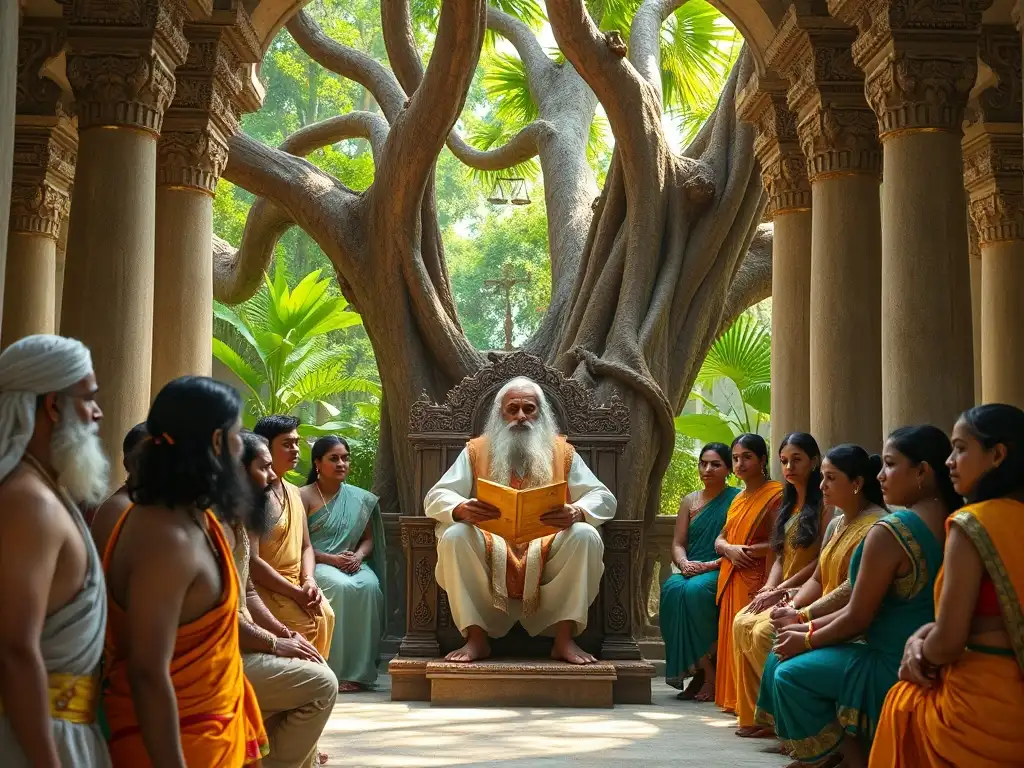
Analysis of "Shakuntala" by Kalidasa
"Shakuntala" stands as one of the most celebrated works of ancient Indian theater, composed by the renowned playwright Kalidasa. The narrative revolves around the beautiful Shakuntala, who falls in love with King Dushyanta, only to face trials that test their bond. The play intricately weaves themes of love, memory, and fate, showcasing Shakuntala's journey from joy to despair and eventually to reunion.
Kalidasa's use of vivid imagery and lyrical poetry enhances the emotional depth of the characters, while the play's structure, with its five acts, allows for the gradual unfolding of the story. The curse that leads to Dushyanta's forgetfulness of Shakuntala serves as a poignant reminder of the fragility of human relationships, making it a powerful exploration of love's endurance against the odds.
The play's impact on theater is profound, influencing countless adaptations and performances across centuries, solidifying its status as a cornerstone of ancient Indian theatrical tradition.
Analysis of "Mrichchhakatika" by Shudraka
"Mrichchhakatika," or "The Little Clay Cart," by Shudraka is a remarkable play that blends romance and social commentary. The story follows the love affair between the noble hero Charudatta and the courtesan Vasantika, highlighting the complexities of love across social classes.
This play is notable for its portrayal of both the elite and the marginalized, offering a nuanced perspective on ancient Indian society. The characters are richly developed, with Charudatta embodying virtue and integrity, while Vasantika showcases resilience and agency. The interplay of humor, pathos, and drama makes "Mrichchhakatika" a multifaceted work that continues to resonate with audiences today.
The themes of justice and moral ambiguity explored in the play reflect the societal issues of the time, making it not just a story of love but also a commentary on the ethical dilemmas faced by individuals in a stratified society.
Analysis of "Vikramorvasiyam" by Kalidasa
"Vikramorvasiyam" is another masterpiece by Kalidasa that delves into the theme of divine love. The narrative follows King Vikrama's quest to win the affection of Urvashi, a celestial nymph, exploring the tensions between earthly desires and divine interventions.
The play intricately portrays the emotional struggles of Vikrama as he navigates the challenges posed by fate and divine beings, highlighting the theme of separation and longing. Kalidasa's poetic brilliance shines through in the dialogues, rich with metaphors and lyrical expressions that elevate the narrative.
Moreover, the interplay of humor and tragedy in "Vikramorvasiyam" adds layers to the story, making it a captivating exploration of love that transcends the mortal realm. Its enduring popularity is a testament to the timeless themes and artistic excellence that characterize ancient Indian theater.
The Impact of Ancient Indian Mythology and Theater on Contemporary Arts
The influence of ancient Indian mythology and theater has permeated various aspects of contemporary arts, shaping the narratives, aesthetics, and performance techniques seen today. This profound impact can be observed through the integration of mythological themes into modern storytelling, the revival of traditional performance styles, and the adaptation of ancient tales for contemporary audiences. The rich tapestry of characters, morals, and cultural significance found in ancient Indian mythology provides a deep wellspring from which contemporary artists draw inspiration.
In theater, the narrative techniques and dramatic structures established in ancient performances continue to resonate. The use of allegory and symbolism, prevalent in ancient texts, is mirrored in modern plays and films that explore similar themes of morality, heroism, and the human condition. As a result, contemporary artists not only pay homage to these ancient traditions but also find innovative ways to reinterpret them, creating a bridge between the past and present.
Legacy of Ancient Indian Theater in Modern Performances
The legacy of ancient Indian theater, particularly forms such as Natya Shastra and classical dance-drama traditions like Kathakali and Bharatanatyam, has significantly shaped modern performances. These art forms are known for their intricate storytelling, elaborate costumes, and expressive movements, all of which have influenced contemporary theatrical practices in India and beyond.
Many modern theater practitioners incorporate techniques from ancient Indian theater, such as the use of mudras (hand gestures) and facial expressions to convey emotions and narrative. This is evident in contemporary productions that seek to blend traditional elements with modern storytelling, creating a unique fusion that appeals to diverse audiences. Additionally, the revival of traditional plays and the exploration of classical texts in contemporary settings demonstrate the enduring relevance of ancient theatrical legacies.
Influence of Ancient Indian Mythology on Current Artistic Expressions
Ancient Indian mythology continues to inspire a multitude of artistic expressions across various mediums, including visual arts, literature, and film. The themes of creation, destruction, love, and righteousness found in texts like the Mahabharata and Ramayana resonate with modern audiences, allowing artists to explore complex social and personal issues through the lens of mythological narratives.
In literature, contemporary authors often draw upon mythological characters and stories to address modern dilemmas, weaving ancient wisdom into their narratives. Similarly, filmmakers utilize mythological themes to craft engaging stories that reflect current societal challenges, often reimagining ancient tales within modern contexts. This blending of old and new not only enriches the artistic landscape but also fosters a deeper understanding of cultural heritage.
Revivals and Adaptations of Ancient Indian Mythological Themes in Today’s Theater
The revival and adaptation of ancient Indian mythological themes in contemporary theater manifest in various forms, including experimental plays, fusion performances, and adaptations of classical texts. Theater companies and artists are increasingly drawn to the rich narratives of ancient mythology, often reinterpreting them to resonate with today’s societal issues and cultural dynamics.
For instance, adaptations of the Ramayana often explore themes of justice and morality, while performances based on the Mahabharata address conflict and the complexities of human relationships. These adaptations are characterized by innovative staging, modern dialogue, and the incorporation of contemporary issues, making ancient stories accessible and relevant to modern audiences. The result is a vibrant theater scene that honors tradition while embracing change.
Conclusion: The Enduring Influence of Ancient Indian Mythology and Theater
The enduring influence of ancient Indian mythology and theater is evident in the ways they continue to inspire and shape contemporary artistic expressions. As artists explore and reinterpret these rich narratives, they not only preserve the cultural heritage of ancient India but also contribute to the evolution of modern art forms.
Summary of Key Insights
Ancient Indian mythology and theater have left an indelible mark on contemporary arts. The legacy of traditional performance styles, the integration of mythological themes into modern narratives, and the revival of classical texts all demonstrate the dynamic relationship between the past and present. This ongoing dialogue enriches the artistic landscape, fostering creativity and cultural appreciation.
Future Directions for Research and Performance in Ancient Indian Theater and Mythology
Future research and performance in ancient Indian theater and mythology should focus on exploring new interpretations and adaptations that reflect contemporary values and issues. Scholars and artists alike are encouraged to investigate the intersections of ancient narratives with modern themes, fostering a deeper understanding of their relevance today. Additionally, interdisciplinary approaches that combine theater with other art forms, such as dance, music, and visual arts, can further enhance the exploration of ancient Indian mythology, ensuring its continued vitality in the contemporary cultural milieu.
- Understanding Ancient Indian Mythology
- The Role of Theater in Ancient Indian Culture
- Connection Between Ancient Indian Mythology and Theater
- Case Studies of Notable Ancient Indian Theatrical Works
- The Impact of Ancient Indian Mythology and Theater on Contemporary Arts
- Conclusion: The Enduring Influence of Ancient Indian Mythology and Theater
- What is the significance of mythology in ancient Indian theater?
- How did ancient Indian theater incorporate mythological themes?
- What are some key theatrical forms that emerged from ancient Indian mythology?
- How did the Gupta Empire influence the evolution of theater in ancient India?
- What role did religion play in shaping ancient Indian theater?
Frequently Asked Questions
What is the significance of mythology in ancient Indian theater?
Ancient Indian mythology plays a crucial role in shaping theatrical narratives, providing rich stories that convey moral lessons and cultural values to audiences.
How did ancient Indian theater incorporate mythological themes?
Ancient Indian theater often featured mythological themes by adapting stories from epics like the Mahabharata and Ramayana, weaving them into performances that resonated with cultural traditions.
What are some key theatrical forms that emerged from ancient Indian mythology?
Key theatrical forms include Natya Shastra, a foundational text for drama, and various regional forms such as Kathakali and Nautanki, which are deeply rooted in mythological storytelling.
How did the Gupta Empire influence the evolution of theater in ancient India?
The Gupta Empire is often considered a golden age for arts, promoting theater as a form of entertainment and encouraging the integration of mythological elements into performances.
What role did religion play in shaping ancient Indian theater?
Religion significantly influenced ancient Indian theater, as many performances were conducted during rituals and festivals, reinforcing the connection between mythology and public entertainment.
Final Reflection: The Enduring Legacy of Ancient Indian Mythology and Theater
The intersection of mythology and theater in ancient Indian narratives remains profoundly relevant today, as it continues to shape our understanding of culture, identity, and storytelling. In a world increasingly driven by technology and rapid change, the timeless themes and moral lessons embedded within these ancient tales resonate with contemporary audiences, reminding us of our shared human experience. The ability of these narratives to transcend time and space is a testament to their power and significance.
The influence of ancient Indian mythology and theater is palpable in modern artistic expressions, literature, and even social movements. The rich tapestry of characters and stories not only enriches our cultural heritage but also serves as a mirror reflecting our current societal values and struggles. As noted by scholar A.K. Ramanujan, “Myth is a way of thinking, a way of seeing the world.” This perspective invites us to explore how these ancient narratives inform our contemporary lives and inspire new interpretations and adaptations.
As we reflect on the lessons drawn from ancient Indian mythology and theater, let us embrace the opportunity to weave these narratives into our own lives. Consider how the themes of love, duty, and morality can guide your actions and decisions in today’s complex world. Engage with these stories, not just as relics of the past, but as living texts that can inspire personal growth and cultural understanding. By doing so, we honor the legacy of our ancestors while contributing to the ongoing dialogue between past and present.
Ignite Your Imagination: Dive Deeper into Ancient Indian Myths!
Thank you for exploring the fascinating world of mythology and theater in ancient Indian narratives with us! You've unlocked the profound connections that shape our understanding of storytelling. Now, it’s time to take the next steps in your journey!
- Join a local theater group to explore the vibrant art of performance inspired by ancient tales.
- Share this article with friends who appreciate mythology and engage in discussions about the impact of these timeless stories on modern culture.
- Discover more by reading classic texts or attending workshops that delve into the interplay of mythology and performance art.
What aspect of ancient Indian mythology captivates you the most, and how do you believe it influences today’s theater?