
Classical Poetry and Prose

Classical Poetry and Prose
40 articles in this topic
Read more about this topic
Classical Poetry and Prose offers a captivating journey through ancient India’s literary heritage, where elegant verse, philosophical insight, romance, drama, and storytelling preserve the imagination of bygone civilizations. Explore timeless Sanskrit and regional works, celebrated poets, influential authors, and enduring themes that illuminate ancient Indian culture, society, spirituality, and intellectual traditions. 📜✨ Discover the masterpieces that continue to shape Indian literature and history.
More in Classical Poetry and Prose
Classical Poetry and Prose
The Rhetoric of Persuasion in Classical Indian Prose: A Guide for Writers
Classical Poetry and Prose
Indian Aesthetics in Poetry: How Rasa and Dhvani Shaped Literary Expressions
Classical Poetry and Prose
The Journey of Classical Literary Criticism in Ancient India: From Bhartrhari to Anandavardhana
Classical Poetry and Prose
The Transition from Oral to Written Traditions in Ancient Indian Poetry
Classical Poetry and Prose
The Artistic Fusion of Form and Content in Classical Indian Poetry
Classical Poetry and Prose
The Symbolism of Love in Ancient Indian Prose: A Closer Look
Classical Poetry and Prose
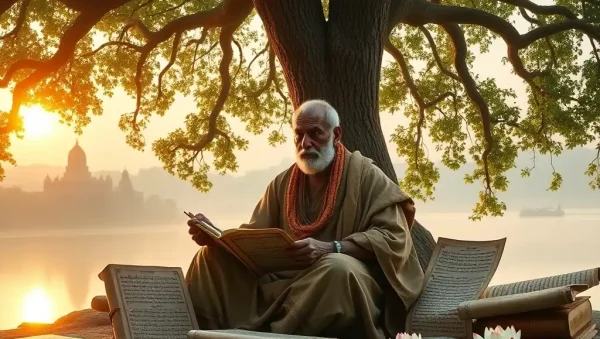
The Interplay of Religion and Literature in Ancient Indian Prose
Classical Poetry and Prose
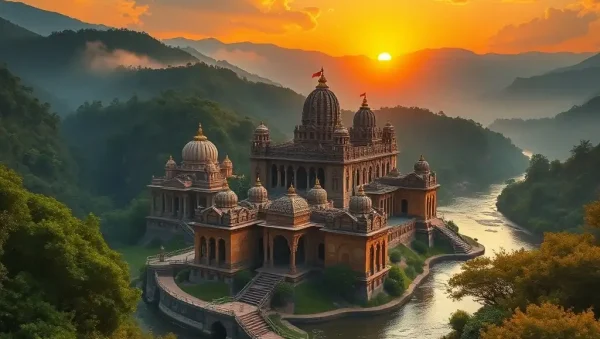
The Poetics of Space: How Geography Influenced Ancient Indian Literature
📜 Classical Poetry and Prose in Ancient Indian Literature
Discover the refined world of Classical Poetry and Prose within Literature Beyond Epics at Ancient India History. This subcategory explores the literary traditions that developed alongside India’s celebrated epics, including Sanskrit poetry, courtly literature, philosophical prose, lyrical compositions, drama, fables, and scholarly writing. Readers can learn how ancient Indian authors used language, imagery, storytelling, and literary theory to express ideas about society, religion, love, nature, politics, ethics, and human experience.
🌺 Sanskrit Poetry and Classical Literary Traditions
Explore the beauty and sophistication of ancient Indian poetry, especially the Sanskrit works that shaped classical literature. Articles may examine lyrical poems, descriptive verses, devotional compositions, love poetry, nature imagery, and court poetry associated with influential literary traditions. Readers will discover how poets employed rasa, metaphor, rhythm, alliteration, symbolism, and carefully structured language to create emotionally powerful works.
This section also explains the historical background of classical Sanskrit poetry and its relationship to ancient Indian society. Learn how poetry reflected royal courts, religious beliefs, philosophical thought, seasonal festivals, urban life, education, and ideals of beauty and virtue. The content is designed for students, researchers, history enthusiasts, and anyone interested in Indian literary history beyond the major epics.
✍️ Classical Prose, Narratives, and Storytelling
Discover the varied forms of classical Indian prose, including narrative literature, philosophical discussions, political writing, biographies, fables, romances, and instructional stories. Ancient prose authors combined entertainment with education, using memorable characters and carefully developed plots to communicate ethical lessons, social observations, and reflections on human behavior.
Readers can expect accessible explanations of how prose developed in ancient India and how it differed from poetic composition. Articles may explore narrative structure, dialogue, characterization, literary themes, manuscript traditions, and the preservation of early Indian texts. These resources reveal the intellectual depth of ancient Indian storytelling and its lasting influence on South Asian literature.
🎭 Drama, Dialogue, and Literary Performance
Classical Indian literature often connected poetry and prose with performance. This section examines ancient drama, dramatic dialogue, stage traditions, character types, music, dance, gesture, and the theory of emotional expression. Readers can learn how literary works were designed not only to be read or recited but also experienced through theatrical performance.
Special attention is given to the relationship between dramatic literature and Indian aesthetics. Topics may include rasa theory, dramatic conventions, comic and heroic moods, women’s roles in literature, royal patronage, and the cultural settings in which plays were performed. This provides a deeper understanding of how classical texts connected literature, religion, entertainment, and society.
🪷 Literary Theory, Rasa, and Poetic Style
Ancient Indian scholars developed sophisticated theories to explain how literature creates meaning and emotion. Explore important concepts such as rasa, dhvani, alamkara, poetic suggestion, figures of speech, meter, style, and aesthetic experience. These ideas help readers understand why classical poems and prose works were considered powerful, beautiful, or intellectually significant.
This section makes complex literary concepts easier to understand by connecting them with examples from ancient Indian writing. Readers can learn how authors selected words, organized scenes, created emotional moods, and used symbolism to engage their audiences. Such discussions are valuable for understanding Sanskrit literary criticism, Indian poetics, and the development of literary studies in ancient India.
🏛️ Major Authors, Texts, and Historical Context
Learn about influential authors and works connected with classical Indian literature, including poets, dramatists, storytellers, philosophers, and scholars. Content may introduce major literary figures, explain their historical settings, and discuss the themes, language, style, and cultural importance of their writings.
Understanding historical context is essential for interpreting classical poetry and prose. Articles examine the influence of the Indus Valley heritage, Vedic culture, Mahajanapadas, Mauryan period, post-Mauryan kingdoms, and Gupta-era intellectual life on literary development. Readers will see how patronage, education, religion, trade, political change, and regional traditions shaped the evolution of ancient Indian writing.
🌿 Themes of Love, Nature, Ethics, and Society
Classical poetry and prose addressed a wide range of themes beyond heroic narratives. Explore literary treatments of love, friendship, separation, nature, seasons, morality, duty, wisdom, political conduct, family life, and spiritual reflection. Ancient authors frequently connected personal emotions with wider social and philosophical questions.
These works also provide valuable insight into ancient Indian culture and everyday ideas. Through literary interpretation, readers can investigate attitudes toward kingship, social relationships, education, women, religion, urban life, rural landscapes, and ethical behavior. The literature offers both artistic pleasure and an important source for studying the intellectual history of ancient India.
🔎 Frequently Asked Questions About Classical Poetry and Prose
What is classical poetry and prose in ancient Indian literature?
Classical poetry and prose refer to refined literary works created in ancient and early classical India, particularly in Sanskrit and other historical languages. They include lyric poetry, court literature, drama, fables, philosophical prose, romances, essays, and scholarly texts that explore artistic, ethical, religious, and social themes.
How is this literature different from the Indian epics?
While the epics focus largely on expansive heroic narratives and legendary conflicts, classical poetry and prose cover a broader range of forms and subjects. They include short lyrical poems, literary descriptions, dramatic works, philosophical discussions, political advice, fables, love poetry, and aesthetic theory, making them an important part of literature beyond epics.
Which languages were important in classical Indian literature?
Sanskrit played a central role in classical Indian poetry, drama, philosophy, and scholarly writing. Prakrits, Pali, Tamil, and other regional languages also made major contributions to ancient Indian literary culture. Together, these languages reflect the diversity and intellectual richness of early South Asian civilization.
Why is rasa important in classical Indian poetry and drama?
Rasa describes the emotional experience created by a literary or dramatic work. Classical Indian theorists identified moods such as love, heroism, compassion, humor, anger, fear, wonder, and peace. The concept helps explain how writers and performers shaped emotion through language, characterization, music, gesture, and dramatic action.
Why should students study classical Indian poetry and prose?
Studying these works provides insight into ancient Indian history, culture, philosophy, aesthetics, religion, society, and education. It also reveals the creativity of early authors and the development of literary forms that influenced South Asian writing for centuries. This subcategory offers useful resources for academic research, exam preparation, cultural studies, and personal exploration.