
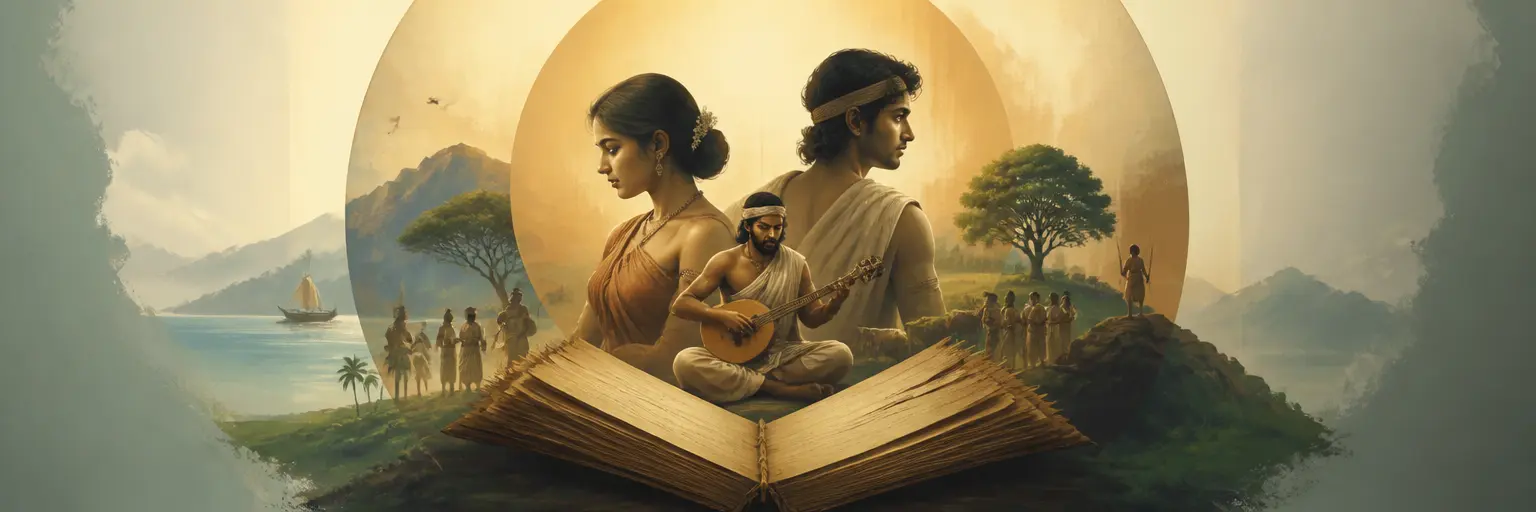

Sangam Literature
Read more about this topic
Explore the timeless world of Sangam Literature, a remarkable treasure of ancient Tamil culture and one of India’s earliest literary traditions. Discover celebrated poems, heroic narratives, love poetry, social values, and vivid insights into the society, landscapes, rulers, and daily life of early South India. 📜✨ Dive into this essential chapter of ancient Indian history and experience the enduring legacy of classical Tamil literature.
More in Sangam Literature
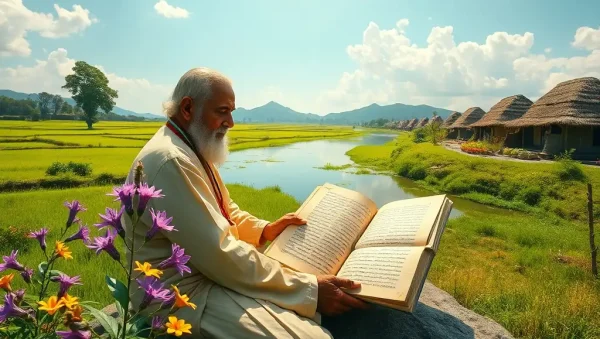
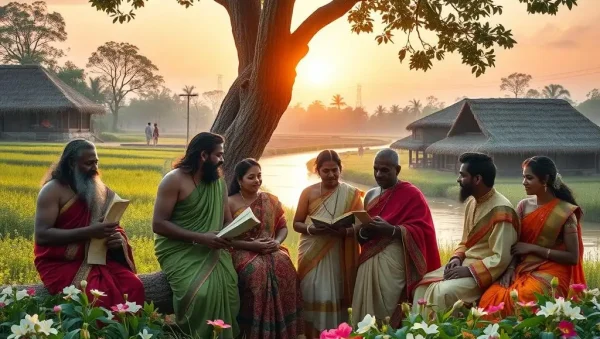
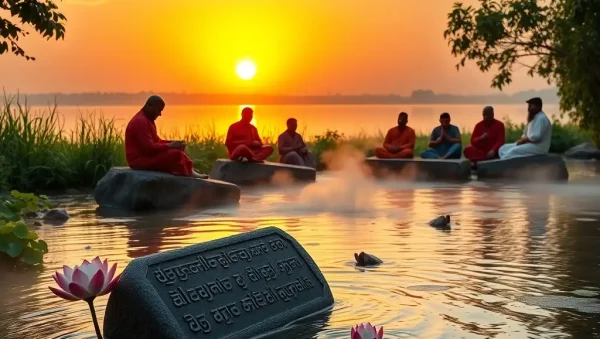
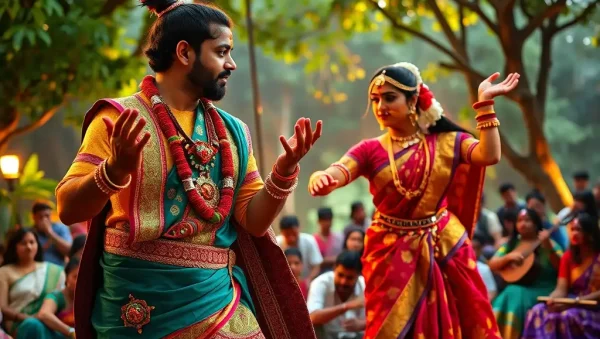
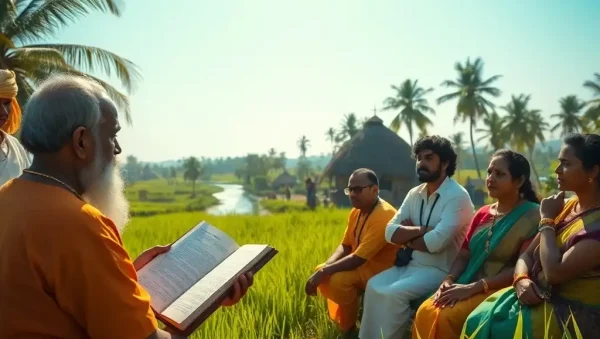
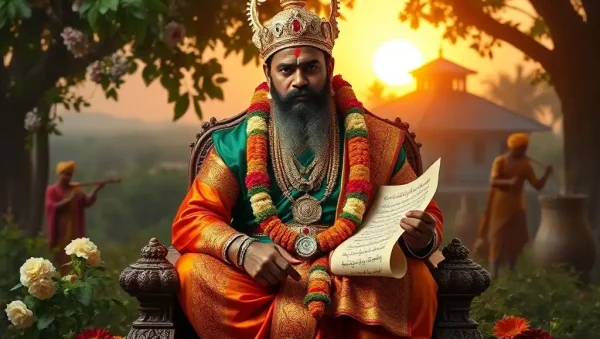
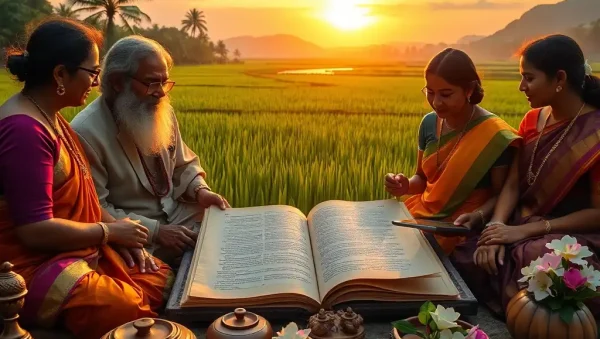
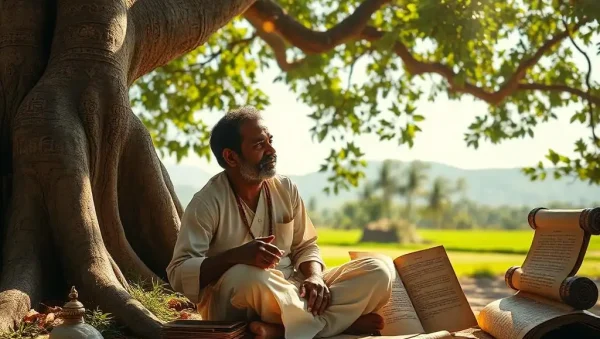
Sangam Literature 📜: Voices of Ancient Tamil India
Sangam Literature is one of the most important bodies of classical writing from ancient India and a remarkable part of the Literature Beyond Epics tradition. Originating in the Tamil region during the early historic period, these poems provide valuable insights into ancient Tamil society, culture, politics, trade, religion, warfare, love, and everyday life. On Ancient India History, this subcategory explores the origins, themes, authors, texts, and historical importance of Sangam poetry in an accessible and research-focused way.
🌺 Origins and Historical Background
Readers can discover how Sangam Literature developed in ancient Tamilakam and why it is associated with the legendary Tamil literary academies known as the Sangams. Articles examine the approximate chronology of Sangam works, the historical landscape of the early Chera, Chola, and Pandya kingdoms, and the relationship between literary tradition and archaeological evidence.
This section also explains the importance of inscriptions, Tamil-Brahmi writing, trade contacts, and references to Roman commerce in understanding early Tamil history. Historical context helps readers connect classical poems with the wider story of ancient Indian civilization, including political formation, urban growth, maritime exchange, and regional cultural development.
📚 Major Sangam Texts and Anthologies
Explore the principal collections of Sangam poetry, including the Ettuthokai, or Eight Anthologies, and the Pattuppattu, or Ten Idylls. Readers can learn about influential works such as the Purananuru, Akananuru, Kuruntokai, Natrinai, Paripadal, and Pathitrupathu, along with their literary forms and historical value.
The subcategory also introduces important grammatical and literary works such as the Tolkappiyam, one of the earliest surviving Tamil grammatical texts. Detailed explanations of Sangam anthologies make complex classical literature easier to understand while showing how these texts preserve information about language, geography, social customs, kingship, and ethical ideals.
💞 Akam and Puram: Love and Public Life
A central feature of Sangam poetry is the distinction between akam and puram. Akam poems focus on inner or personal experiences, especially love, separation, marriage, longing, and emotional relationships. Puram poems address public life, including warfare, heroism, generosity, kingship, diplomacy, death, and reputation.
Readers will learn how these two literary categories organize the themes of classical Tamil poetry. Akam and puram reveal both the emotional world and the public values of ancient Tamil society, offering a sophisticated view of gender roles, social expectations, personal honor, political authority, and community identity.
🌿 The Five Landscapes of Sangam Poetry
Sangam poets connected human emotions and social situations with five symbolic landscapes, known as tinai: kurinji, the mountains; mullai, the forests and pastoral lands; marutham, the agricultural plains; neithal, the seashore; and palai, the arid wilderness. Each landscape carried its own atmosphere, occupations, plants, animals, deities, and emotional associations.
This subcategory explains how geography functions as a powerful literary language in Sangam poetry. The tinai system shows the close relationship between environment, economy, culture, and emotion, helping readers understand ancient Tamil ecological knowledge, farming communities, pastoral life, fishing settlements, merchants, travelers, and warriors.
⚔️ Kings, Warriors, and Ancient Tamil Society
Sangam poems offer vivid descriptions of rulers, chieftains, battles, political alliances, heroic death, and the values associated with honor. Discussions of the Chera, Chola, and Pandya dynasties provide insights into early Tamil kingdoms, while poems about poets and patrons reveal the importance of gift-giving and royal generosity.
Readers can also explore social groups, occupations, family life, women poets, religious practices, musicians, hunters, farmers, traders, and seafarers. Sangam Literature is a crucial source for reconstructing the social history of ancient South India, although every poetic description must be studied carefully alongside archaeology, inscriptions, and other historical evidence.
🚢 Trade, Ports, and Cultural Exchange
Many Sangam poems refer to coastal settlements, ships, merchants, foreign goods, and prosperous port cities. This section explores ancient Tamil maritime trade with the Mediterranean world, Sri Lanka, Southeast Asia, and other parts of the Indian subcontinent. It also examines references to Yavanas, a term often associated with foreign traders in early Indian sources.
By studying ports, pearls, spices, textiles, gold, horses, and overseas commerce, readers can understand the economic importance of Tamilakam in the ancient Indian Ocean network. Sangam texts provide valuable evidence of early globalization, maritime technology, commercial communities, and cultural interaction beyond the boundaries of the Tamil region.
🕉️ Religion, Ethics, and Worldview
Sangam Literature reflects a diverse religious and cultural environment. Poems refer to deities and traditions associated with Murugan, Korravai, Mayon, sea worship, ancestor remembrance, hero stones, and local sacred landscapes. Later works also show interactions with Jain, Buddhist, and broader Hindu intellectual traditions.
The literature emphasizes values such as courage, hospitality, generosity, loyalty, love, compassion, impermanence, and moral conduct. These ethical themes make Sangam poetry relevant to the study of ancient Indian philosophy and social values, while also revealing the distinctive cultural identity of early Tamil communities.
✍️ Poets, Women Writers, and Literary Style
Readers can learn about celebrated poets traditionally associated with Sangam Literature, including Kapilar, Paranar, Nakkirar, Avvaiyar, and numerous other voices preserved in the anthologies. Women poets are especially important because their poems offer perspectives on love, family, social experience, grief, and public life.
The section explores poetic imagery, symbolism, landscape description, meters, oral traditions, and the relationship between individual poems and larger literary conventions. The diversity of Sangam poets demonstrates the richness, sophistication, and inclusiveness of early Tamil literary culture, making these works essential for students of Indian literature and comparative world literature.
🔎 Historical Importance and Modern Relevance
Sangam Literature is valuable not only as poetry but also as a historical source for ancient South India. Its references to political authority, social organization, agriculture, commerce, warfare, urban centers, and cultural practices complement evidence from archaeology, coins, inscriptions, and foreign accounts.
Modern scholarship continues to debate the dates, layers, transmission, and historical interpretation of Sangam texts. Readers will find balanced explanations that distinguish literary tradition from firmly established historical evidence, encouraging a thoughtful understanding of Tamil heritage, Dravidian cultural history, and the wider development of ancient Indian civilization.
❓ Frequently Asked Questions About Sangam Literature
What is Sangam Literature?
Sangam Literature is a collection of ancient Tamil poems and related works composed during the early historic period of South India. It includes poems about love, war, kingship, trade, nature, ethics, society, and everyday life, making it an important source for the study of ancient Tamil culture and Indian literary history.
Why is Sangam Literature important in ancient Indian history?
It preserves detailed information about early Tamil kingdoms, social groups, occupations, maritime trade, religious practices, landscapes, and political ideals. When studied with archaeology and inscriptions, Sangam texts help historians understand the development of South Indian society and its connections with the wider Indian Ocean world.
What are the main collections of Sangam poetry?
The principal collections are the Ettuthokai, or Eight Anthologies, and the Pattuppattu, or Ten Idylls. Important works include the Purananuru, Akananuru, Kuruntokai, Natrinai, Paripadal, and Pathitrupathu. The Tolkappiyam is also significant for Tamil grammar and literary theory.
What is the difference between akam and puram poetry?
Akam poetry deals with private and emotional subjects, especially love, longing, separation, and relationships. Puram poetry focuses on public themes such as warfare, kingship, heroism, generosity, death, fame, and social responsibility. Together, they present a broad picture of ancient Tamil life.
How does Sangam Literature describe nature?
Sangam poets use the five landscapes, or tinai, to connect geography with human experience. Mountains, forests, farmlands, seashores, and arid lands represent different occupations, cultural settings, deities, seasons, and emotions. This makes nature an essential part of Sangam literary structure and meaning.