

Miscellaneous Philosophical Contributions

Miscellaneous Philosophical Contributions
30 articles in this topic
Start here
- Miscellaneous Philosophical ContributionsThe Essence of Dharma: Understanding Ancient Indian Philosophy
- Miscellaneous Philosophical ContributionsThe Influence of Ancient Indian Philosophers on Educational Systems
- Miscellaneous Philosophical ContributionsThe Role of Ethics in Indian Philosophy: From Vedic Teachings to Modern Implications
Read more about this topic
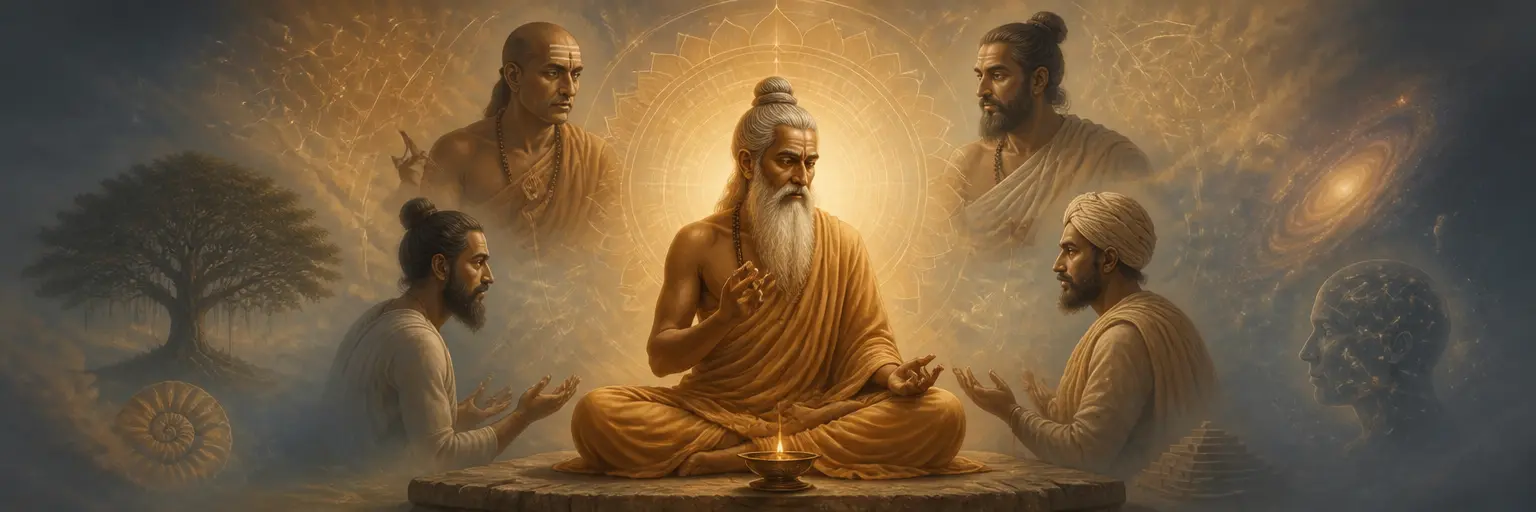
Explore Miscellaneous Philosophical Contributions from ancient India, where profound ideas shaped ethics, spirituality, logic, science, and everyday life. Discover insightful teachings, influential thinkers, and enduring concepts that reveal how Indian philosophy enriched civilization from the Indus Valley to the Gupta Empire. 🌿📚 Dive into timeless wisdom and uncover the intellectual heritage that continues to inspire the world.
More in Miscellaneous Philosophical Contributions
Miscellaneous Philosophical Contributions
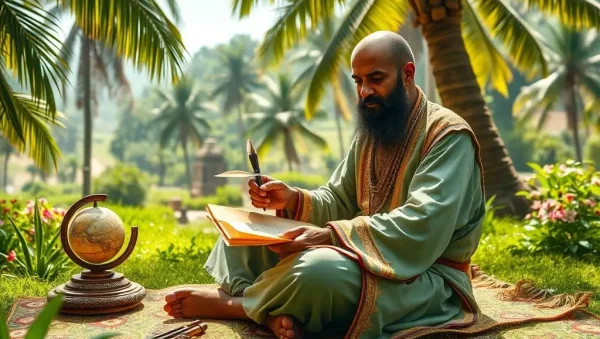
The Interplay of Philosophy and Science in Ancient Indian Texts

Miscellaneous Philosophical Contributions
Exploring the Duality of Atman and Brahman in Upanishadic Philosophy

Miscellaneous Philosophical Contributions
The Role of Karma in Shaping Ethical DecisionMaking in Ancient India

Miscellaneous Philosophical Contributions
The Influence of Ancient Indian Philosophy on Modern Western Thought
Miscellaneous Philosophical Contributions
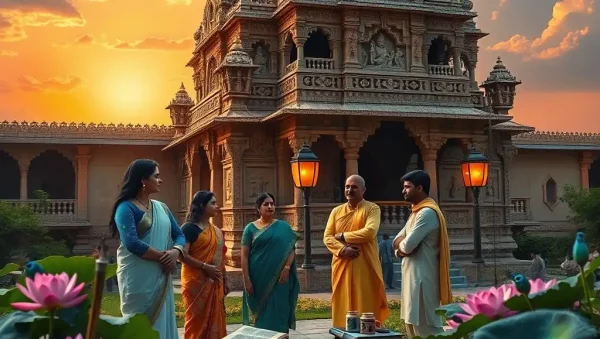
The Philosophical Significance of Aesthetics in Indian Art and Culture

Miscellaneous Philosophical Contributions
The Philosophical Legacy of Sankhya: The Path to Enlightenment
Miscellaneous Philosophical Contributions
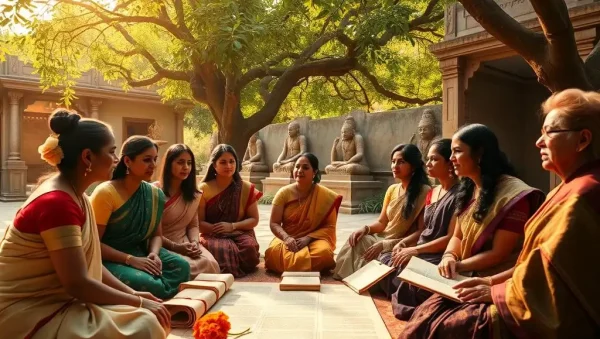
The Contributions of Ancient Indian Women Philosophers to the Discourse

Miscellaneous Philosophical Contributions
The Philosophical Foundations of Ayurveda: Health and Holistic Living
📚 Miscellaneous Philosophical Contributions in Ancient India
Explore the wide-ranging ideas, debates, and intellectual achievements featured in Miscellaneous Philosophical Contributions, a specialized subcategory within the Philosophy section of Ancient India History. This collection examines lesser-known and interdisciplinary aspects of ancient Indian philosophy, including ethical thought, metaphysics, logic, spirituality, education, society, language, and the relationship between human beings and the natural world. Discover how thinkers from the Indus Valley cultural sphere through the Gupta period and beyond shaped enduring traditions of Indian philosophy and influenced Asian intellectual history.
🧠 Diverse Schools and Intellectual Traditions
Readers can expect accessible discussions of the many philosophical traditions that developed in ancient India. Alongside major systems such as Hindu, Buddhist, and Jain philosophy, this subcategory considers broader ideas associated with the Āstika and Nāstika schools, including approaches to knowledge, reality, consciousness, liberation, and moral conduct.
Articles may explore philosophical contributions that do not fit neatly into one school or text. By comparing different perspectives, readers can better understand how debate, disagreement, and dialogue encouraged the growth of ancient Indian intellectual thought.
⚖️ Ethics, Dharma, and Everyday Life
This section highlights how philosophical ideas influenced practical life in ancient Indian society. Topics may include dharma, karma, non-violence, compassion, duty, truth, self-discipline, and social responsibility, showing how ethical principles were connected to family life, governance, education, religion, and personal development.
Expect explanations of how ancient philosophers addressed timeless questions: What makes an action right? How should individuals behave toward others? Can spiritual progress be achieved through knowledge, devotion, meditation, or responsible action? These perspectives provide valuable insight into ancient Indian ethics and moral philosophy.
🔍 Logic, Knowledge, and Debate
Ancient Indian thinkers made significant contributions to logic, epistemology, reasoning, and methods of debate. Articles in this subcategory may examine concepts such as valid knowledge, inference, testimony, perception, skepticism, and the rules used in philosophical discussions.
Readers will discover how scholars developed sophisticated ways to test arguments and distinguish reliable knowledge from error. These contributions are essential for understanding the history of Indian logic, critical thinking, philosophical debate, and scientific reasoning.
🌌 Metaphysics, Consciousness, and Reality
Explore ancient Indian reflections on existence, the self, the universe, time, causation, and ultimate reality. This subcategory may discuss ideas such as ātman, Brahman, śūnyatā, puruṣa, prakṛti, rebirth, liberation, and the nature of consciousness.
Rather than presenting one single answer, these traditions reveal a rich spectrum of philosophical possibilities. Readers can compare spiritual and materialist interpretations while learning how ancient Indian metaphysics addressed questions that remain important in modern philosophy and consciousness studies.
🧘 Yoga, Meditation, and Spiritual Practice
Many philosophical contributions from ancient India connect intellectual inquiry with personal transformation. Expect content about yoga, meditation, mindfulness, ascetic practice, self-knowledge, mental discipline, and spiritual liberation, as well as the philosophical foundations behind these practices.
Articles may explain how different traditions understood the mind, suffering, desire, concentration, and freedom. This provides historical context for the development of Indian spiritual philosophy and helps readers distinguish ancient teachings from modern interpretations.
🪷 Buddhist and Jain Philosophical Contributions
This section includes important Buddhist and Jain contributions to ancient Indian philosophy, particularly their approaches to ethics, causation, knowledge, non-violence, impermanence, and liberation. Readers may encounter discussions of the Middle Way, dependent origination, anekāntavāda, aparigraha, karma, and asceticism.
These traditions played a major role in shaping philosophical debate across ancient India and Asia. Their emphasis on compassion, disciplined conduct, critical inquiry, and freedom from attachment continues to influence religious philosophy, comparative philosophy, and global intellectual history.
📜 Texts, Teachers, and Transmission of Ideas
Discover how philosophical knowledge was preserved and transmitted through Vedic literature, Upanishads, epics, sutras, commentaries, monastic institutions, oral traditions, and teacher-student lineages. The subcategory may also examine the role of debate halls, learning centers, and scholarly communities.
Readers can learn how ideas changed as they moved between regions, languages, religious communities, and generations. This historical approach offers a deeper understanding of ancient Indian scriptures, philosophical texts, education, and intellectual transmission.
🌏 Philosophy, Society, Science, and Culture
Ancient Indian philosophy was closely connected with medicine, astronomy, mathematics, linguistics, politics, literature, art, and social organization. Articles may explore these connections and explain how philosophical assumptions shaped the interpretation of nature, language, health, justice, and human society.
This interdisciplinary perspective shows that philosophy was not limited to abstract speculation. It was part of a broader system of ancient Indian knowledge, offering readers a more complete view of the cultural achievements of civilizations from the Indus Valley to the Gupta Empire and later periods.
❓ Frequently Asked Questions About Miscellaneous Philosophical Contributions
What does “Miscellaneous Philosophical Contributions” mean?
It refers to philosophical ideas, thinkers, texts, and debates that cover diverse or interdisciplinary subjects. The subcategory includes topics that may not belong exclusively to one major school, such as ethics, logic, spirituality, society, language, science, and cultural exchange.
Why is ancient Indian philosophy important?
Ancient Indian philosophy made lasting contributions to ethics, logic, metaphysics, meditation, consciousness studies, and theories of knowledge. Its diverse traditions continue to influence religious studies, comparative philosophy, psychology, and modern discussions about well-being and liberation.
Which periods of Indian history are covered?
Content may focus on the broad development of Indian thought from the early cultural traditions associated with the Indus Valley through the Vedic and Upanishadic periods, the rise of Buddhism and Jainism, and the intellectual flourishing of the Gupta era and later classical traditions.
Does this subcategory discuss Buddhism and Jainism?
Yes. Buddhist and Jain philosophical contributions are important parts of ancient Indian intellectual history. Topics may include non-violence, compassion, impermanence, dependent origination, karma, liberation, pluralism, and disciplined spiritual practice.
Is this content suitable for beginners?
Yes. The articles are designed to introduce complex subjects in a clear and historical way while providing useful context for students, researchers, history enthusiasts, and anyone interested in ancient India, Indian philosophy, spirituality, culture, and intellectual history.