
The Syncretic Nature of Indian Cuisine: A Culinary Reflection of Cultural Exchanges

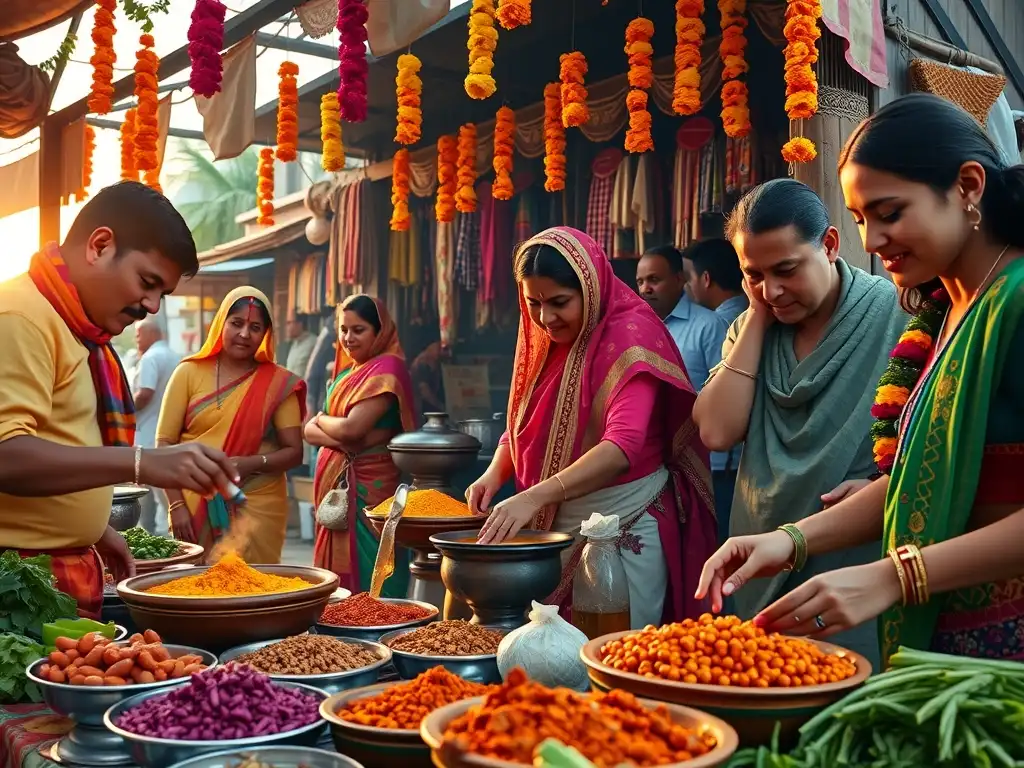
Welcome to Ancient India History, where we embark on a fascinating journey through the rich tapestry of Indian civilization! Today, we delve into the intriguing world of Indian cuisine and cultural exchanges, uncovering how the culinary practices of ancient India reflect the diverse influences that shaped its history.
From the time of the Indus Valley to the grandeur of the Gupta Empire, the evolution of Indian cuisine is a testament to the syncretic nature of cultural interactions. Join us as we explore the flavors, traditions, and stories that have made Indian cuisine a vibrant mosaic of heritage—your appetite for knowledge is about to be whetted!
Introduction to Indian Cuisine and Cultural Exchanges
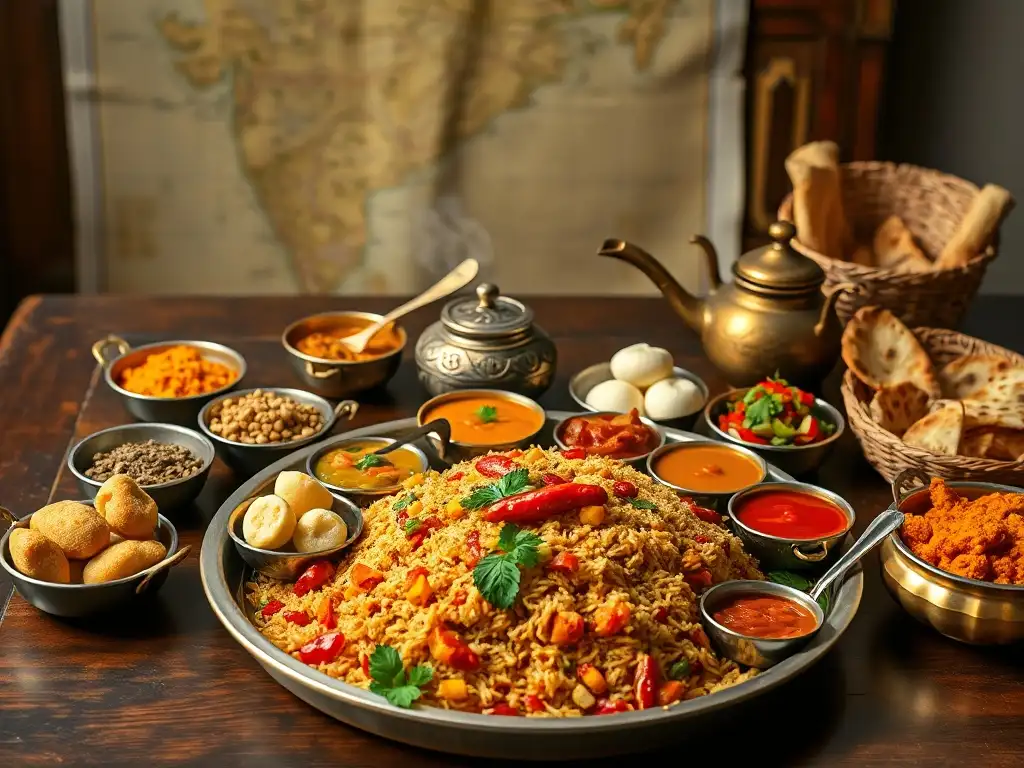
Indian cuisine is not just a reflection of the country's agricultural bounty but also a tapestry woven from the threads of diverse cultures, traditions, and historical influences. The term "Indian cuisine" encompasses a vast array of regional dishes and cooking styles, showcasing the syncretic nature of culinary practices that have evolved over millennia.
This evolution has been significantly influenced by cultural exchanges, which have occurred through trade, conquests, migrations, and interactions among various communities. As a result, Indian cuisine stands as a testament to the historical and cultural richness of the subcontinent, revealing how food can transcend geographical boundaries and embody a confluence of ideas, flavors, and techniques.
Overview of Indian Cuisine's Diversity
Indian cuisine is characterized by its regional diversity, with each state boasting its own unique dishes, ingredients, and culinary methods. From the spicy curries of the South to the rich gravies of the North, the variety is astounding. Key elements contributing to this diversity include:
- Spices: India is often referred to as the "land of spices." The use of spices like turmeric, cumin, coriander, and cardamom is fundamental to Indian cooking, imparting distinctive flavors and health benefits.
- Ingredients: The vast agricultural landscape of India allows for a wide range of ingredients, including grains, legumes, fruits, and vegetables, which are staples in various regional diets.
- Culinary Techniques: Techniques such as tandoori cooking, slow cooking, and fermentation are prevalent, each contributing to the unique taste and texture of dishes.
The interplay of these elements reflects the syncretic nature of Indian cuisine, where various influences have melded over time to create a vibrant culinary landscape.
Significance of Cultural Exchanges in Shaping Cuisine
Cultural exchanges have played a pivotal role in shaping Indian cuisine. These exchanges can be traced back to ancient times, where interactions with traders, invaders, and travelers introduced new ingredients and cooking methods. The significance of these exchanges includes:
- Fusion of Flavors: The melding of indigenous and foreign culinary practices has led to the development of hybrid dishes. For example, the use of Persian techniques in Mughlai cuisine brought rich gravies and biryanis to the Indian palate.
- Introduction of New Ingredients: The arrival of chillies from the Americas changed the flavor profile of many traditional Indian dishes. Similarly, the introduction of potatoes and tomatoes has had a lasting impact.
- Culinary Traditions: Different communities brought their culinary traditions, enriching the Indian food culture. For instance, the Jewish and Armenian communities introduced unique flavors and techniques that have been absorbed into the broader culinary practices.
As a result, Indian cuisine is a dynamic entity that continues to evolve, reflecting ongoing cultural exchanges and adaptations.
Historical Context of Indian Cuisine
To understand the syncretic nature of Indian cuisine, it is essential to delve into its historical context. The evolution of Indian culinary practices has been influenced by various civilizations and empires throughout history.
Ancient Influences on Indian Culinary Practices
The roots of Indian cuisine can be traced back to ancient civilizations, where food was not only a necessity but also a reflection of cultural practices and social norms. Ancient texts like the Manasollasa and Samhita provide insights into the culinary practices of the time, highlighting the significance of food in rituals and daily life. The combination of local ingredients and ancient cooking methods laid the foundation for what would become India's diverse culinary scene.
The Role of the Indus Valley Civilization
The Indus Valley Civilization, one of the world's earliest urban cultures, played a crucial role in shaping early Indian culinary practices. Archaeological findings suggest that the inhabitants cultivated various grains, legumes, and fruits. They also practiced advanced agricultural techniques, which contributed to a stable food supply. The use of clay pots and ovens indicates that cooking was an integral part of their daily life, setting the stage for future culinary developments.
Contributions from Subsequent Empires and Dynasties
Following the Indus Valley period, various empires and dynasties contributed to the evolution of Indian cuisine. The Maurya and Gupta Empires are known for their patronage of arts and culture, including culinary arts. The arrival of the Mughals brought Persian influences, leading to the creation of rich and elaborate dishes that showcased the blending of flavors and techniques. The British colonial period further introduced new ingredients and cooking methods, marking yet another phase of culinary exchange that defined modern Indian cuisine.
The syncretic nature of Indian cuisine serves as a historical reflection of the diverse cultural exchanges that have taken place across the subcontinent. As we explore the rich tapestry of flavors and dishes, it becomes evident that Indian cuisine is a living testament to the vibrant history and cultural interactions that have shaped it over the centuries.
Major Cultural Exchanges Influencing Indian Cuisine
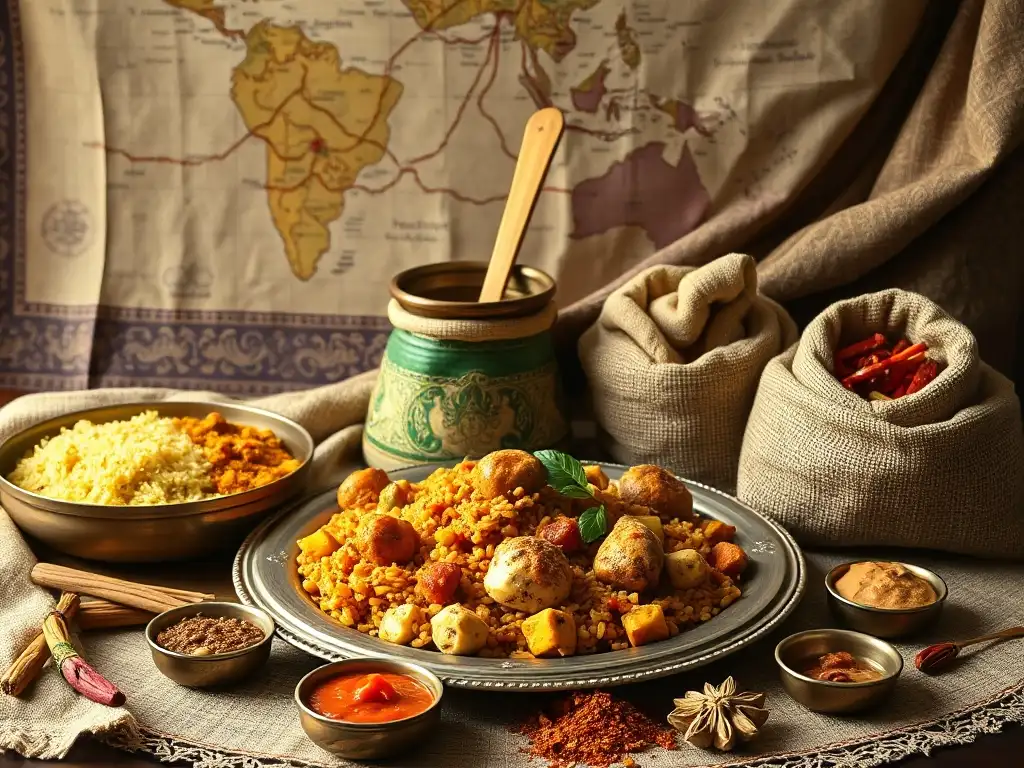
The development of Indian cuisine has been significantly shaped by a multitude of cultural exchanges throughout history. These interactions have introduced new ingredients, cooking techniques, and culinary philosophies, creating a rich tapestry of flavors that characterizes Indian food today. Various factors, including trade, migration, and conquests, have played pivotal roles in this culinary evolution. As a result, Indian cuisine is not merely a reflection of indigenous practices but also an amalgamation of diverse influences from various cultures, regions, and peoples, each contributing to the unique culinary identity of India.
The Impact of Trade Routes on Culinary Diversity
Trade routes, both overland and maritime, have been crucial conduits for the exchange of not just goods but also culinary practices. The ancient Silk Road and maritime routes facilitated the flow of spices, herbs, and other foodstuffs into India. For instance, the introduction of spices like black pepper and cardamom from South India became integral to the region's cuisine, enhancing flavors and preserving food. Similarly, the arrival of ingredients like tomatoes and chilies from the Americas via European traders transformed traditional dishes, leading to innovative recipes.
Additionally, interactions with neighboring civilizations, such as the Persians and Arabs, brought new cooking techniques and flavors to Indian kitchens. This resulted in the creation of dishes such as biryani, a fusion of Persian pilaf and Indian spices. The legacy of these trade routes continues to influence regional cuisines, reflecting a history of exchange that is both delicious and profound.
Religious and Cultural Influences
Religion has also played a significant role in shaping Indian cuisine, dictating dietary laws and culinary practices. Hinduism, Buddhism, and Jainism promote vegetarianism, leading to the development of a vibrant range of vegetarian dishes, rich in lentils, vegetables, and grains. The culinary traditions of these religions emphasize purity and simplicity, often using local ingredients to create nutritious meals.
In contrast, Islamic influences introduced a variety of meat dishes and cooking methods, like slow-cooking and marinating, which have become staples in Indian cuisine. The Mughal era, in particular, marked a significant cultural exchange, where Persian culinary techniques merged with Indian flavors, resulting in iconic dishes such as kebabs and kormas. This interplay of religious beliefs and culinary practices has enriched Indian food culture, making it a melting pot of flavors and traditions.
Regional Variations and Their Cultural Significance
Indian cuisine is not monolithic; rather, it is characterized by significant regional variations that reflect local ingredients, climate, and cultural practices. Each region boasts its own culinary identity, shaped by its history and interactions with neighboring cultures. These regional variations serve as a testament to the rich cultural mosaic of India, highlighting how food can embody the nuances of local traditions and histories.
North Indian Cuisine and Cultural Synthesis
North Indian cuisine is renowned for its rich flavors and diverse dishes, heavily influenced by historical migrations and invasions. The use of dairy products, such as paneer and ghee, is prominent, reflecting the agrarian lifestyle of the region. The Mughal influence is evident in dishes like biryani and kebabs, where aromatic spices and slow-cooking techniques prevail.
Cultural synthesis is also visible in the fusion of Punjabi, Bengali, and Kashmiri cuisines, each contributing unique ingredients and cooking styles. For instance, the use of mustard oil in Punjabi cooking contrasts with the use of ghee in Kashmiri dishes, showcasing regional preferences. This diversity not only enhances the culinary landscape but also reflects the interactions and shared histories among these cultures.
South Indian Cuisine: A Blend of Tradition and Innovation
South Indian cuisine is characterized by its emphasis on rice, lentils, and a variety of spices, often highlighted in dishes like dosa and sambar. The cuisine has evolved significantly over time, incorporating influences from both indigenous practices and external cultures, such as the Portuguese and Dutch.
The cultural significance of South Indian cuisine lies in its rituals and festivals, where food plays a central role. The traditional meal, served on a banana leaf, is a blend of flavors and textures, representing the region's agricultural abundance. Furthermore, modern innovations, such as the fusion of traditional recipes with contemporary cooking methods, reflect a dynamic culinary culture that honors its heritage while embracing change.
East and West Indian Culinary Traditions
The culinary traditions of East and West India showcase the diversity of regional ingredients and cultural influences. East Indian cuisine, particularly that of Bengal, is known for its emphasis on fish, rice, and mustard oil, often accompanied by a variety of spices that enhance the natural flavors of the ingredients. The cultural significance of this cuisine is intertwined with festivals and rituals, where specific dishes are prepared to celebrate cultural heritage.
In contrast, Western Indian cuisine, particularly from Gujarat and Maharashtra, is marked by the use of chickpeas, lentils, and a variety of grains. The Gujarati thali, a platter of diverse dishes, exemplifies the region's emphasis on vegetarianism and balance of flavors. The historical interactions with traders and travelers have enriched these cuisines, infusing them with new ingredients and techniques that continue to evolve.
The syncretic nature of Indian cuisine reflects a rich history of cultural exchanges that have shaped its diverse regional identities. Each culinary tradition tells a story of the people, their beliefs, and their interactions, creating a vibrant tapestry of flavors that continues to evolve and inspire.
Key Ingredients and Their Cultural Symbolism
Indian cuisine is a vibrant tapestry woven from diverse cultural threads, where ingredients are not just components of a dish but also symbols of history, religion, and social customs. The rich palette of Indian cuisine reflects the subcontinent’s long history of interactions with various cultures, which have influenced the culinary landscape significantly. Each ingredient tells a story, often linked to the geographical region it hails from, the communities that cultivated it, and the religious practices that may surround its use.
Spices as Cultural Markers
Spices are the backbone of Indian cuisine and serve as potent cultural markers. For instance, turmeric, revered not only for its culinary applications but also for its medicinal properties, holds sacred significance in Hindu rituals. It symbolizes purity and fertility, often used in weddings and religious ceremonies. Similarly, saffron, often referred to as “red gold,” is a luxury spice traditionally associated with royalty and is integral to dishes like biryani and desserts such as kheer.
Chili peppers, introduced in the 15th century from the Americas, represent the adaptability of Indian cuisine. Originally, black pepper was the primary spice used for heat, but the integration of chili peppers showcases how Indian cooks embraced foreign elements, enhancing their dishes with new flavors. This adaptation exemplifies the syncretic nature of Indian cuisine, where spices transcend mere flavoring to embody historical and cultural narratives.
Staples in Indian Cuisine and Their Origins
The staples of Indian cuisine, such as rice, wheat, and lentils, reflect a rich agricultural heritage influenced by regional climates and historical trade routes. Rice, a staple in the southern and eastern parts of India, has roots tracing back to ancient cultivation in regions like the Ganges Delta. In contrast, wheat is predominantly consumed in the northern states, where it has been cultivated for centuries.
Lentils, or dal, play a vital role across all regions, showcasing the syncretism of flavors and cooking methods. The variety of lentils used in Indian cuisine—such as toor, moong, and urad—illustrates the agricultural diversity and culinary innovation found within different communities. The interplay of these staples in various dishes speaks to the shared cultural practices and the adaptation of ingredients across regions.
The Use of Herbs and Their Historical Significance
Herbs in Indian cuisine, such as coriander, mint, and curry leaves, are not just flavor enhancers but also carry historical importance and cultural significance. Coriander, for example, has been cultivated since ancient times and is mentioned in Ayurvedic texts for its digestive properties. Its use in various forms—from fresh leaves to dried seeds—demonstrates its versatility and deep-rooted presence in Indian cooking.
Mint, often used in chutneys and raita, symbolizes freshness and is an essential component of many traditional dishes. Curry leaves, native to the Indian subcontinent, are integral in tempering and imparting flavor to a variety of dishes. The historical significance of these herbs can be traced back to the ancient trade routes, where they were exchanged and adapted by different cultures, further enriching the culinary landscape of India.
Modern Influences and Globalization of Indian Cuisine
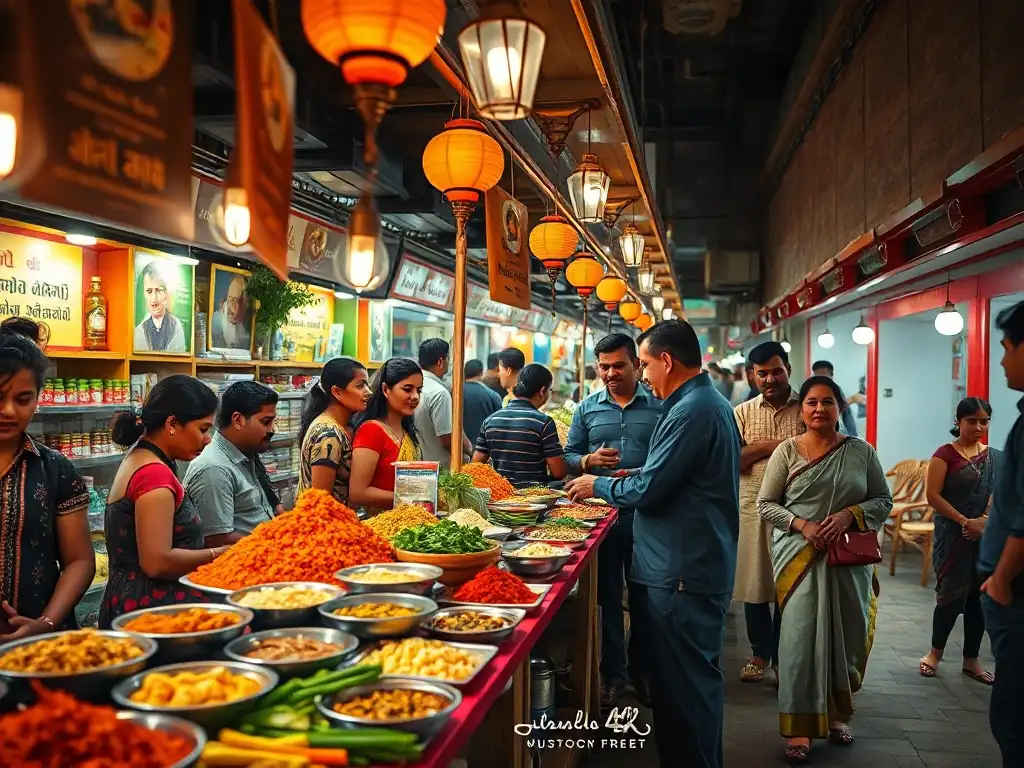
The globalization of Indian cuisine has led to an exciting evolution, showcasing its adaptability and the influence of contemporary culinary trends. Modern influences have transformed traditional recipes, creating a dynamic food culture that resonates both locally and globally.
The Evolution of Indian Cuisine in the Global Context
In recent decades, Indian cuisine has evolved dramatically, influenced by globalization and cross-cultural exchanges. Traditional recipes have been modified to cater to global palates while still retaining their essence. For example, dishes like tikka masala, which has gained immense popularity in Western countries, illustrate how Indian cuisine has been reinterpreted and embraced internationally.
Furthermore, the diaspora has played a critical role in promoting Indian culinary traditions abroad, introducing regional specialties and innovative cooking techniques that fuse traditional flavors with local ingredients. This evolution signifies a continuous dialogue between cultures, resulting in a culinary identity that is both rooted in tradition and open to change.
Indian Cuisine's Role in International Culinary Arts
Indian cuisine has established a prominent place in international culinary arts, with chefs and food enthusiasts recognizing its complexity and depth of flavors. Indian spices and cooking techniques are increasingly being utilized in gourmet restaurants worldwide, reflecting a growing appreciation for the nuances of this cuisine.
Chefs like Atul Kochhar and Vikram Sunderam have carved a niche for themselves in global culinary circles, showcasing Indian cuisine’s potential through modern presentations and innovative dishes. This recognition not only elevates Indian cuisine but also highlights the importance of cultural exchanges in enriching the culinary arts globally.
Fusion Cuisine: Bridging Traditional and Modern Flavors
Fusion cuisine has become a hallmark of contemporary cooking, with Indian flavors seamlessly merging with other culinary traditions. This blending of styles results in innovative dishes that appeal to diverse palates while maintaining an essence of traditional Indian cooking. For instance, Indian-inspired tacos or sushi with a hint of curry exemplify how cultural exchanges fuel creativity in the kitchen.
Restaurants are increasingly experimenting with fusion dishes, creating a dialogue between tradition and modernity. This culinary trend not only reflects the syncretic nature of Indian cuisine but also illustrates the broader phenomenon of globalization, where food becomes a medium for cultural exchange and understanding. As Indian cuisine continues to evolve, it remains a testament to the rich tapestry of cultural influences that shape its identity.
Conclusion: The Future of Indian Cuisine and Cultural Exchanges
The landscape of Indian cuisine is continuously evolving, shaped by historical events, migrations, and cultural exchanges that have taken place over centuries. As globalization accelerates the flow of ideas, ingredients, and culinary practices across borders, the future of Indian cuisine will likely reflect an even deeper synthesis of diverse influences. This syncretism is not merely a blending of flavors but a testament to the resilience and adaptability of Indian culinary traditions.
In this rapidly changing environment, it is crucial to recognize the importance of maintaining a balance between preserving traditional practices and embracing modern influences. The rich tapestry of Indian cuisine can serve as a bridge connecting various cultures, allowing for the celebration of shared heritage while fostering innovation. As we move forward, the journey of Indian cuisine will continue to mirror the broader societal shifts and cultural dialogues, ensuring its vitality and relevance in the global culinary landscape.
Preserving Traditional Practices Amidst Modern Influences
As Indian cuisine evolves, there is a growing emphasis on preserving traditional culinary practices that are at risk of being overshadowed by contemporary trends. Local recipes, regional ingredients, and time-honored cooking methods are integral to the identity of Indian cuisine. Chefs, home cooks, and culinary historians play a vital role in documenting and passing down these traditions, ensuring that they are not lost in the face of modernization.
Efforts to uphold traditional practices include the revival of forgotten recipes, the promotion of indigenous ingredients, and the encouragement of local farming. Additionally, initiatives such as food festivals and cultural workshops aimed at educating younger generations about their culinary heritage contribute to the preservation of these practices. By embracing both the old and the new, Indian cuisine can thrive as a dynamic expression of cultural identity while respecting its historical roots.
The Ongoing Journey of Cultural Syncretism in Indian Cuisine
Cultural exchanges have long been a hallmark of Indian cuisine, leading to a rich tapestry of flavors, techniques, and dishes that reflect a multitude of influences. The ongoing journey of cultural syncretism in Indian cuisine is characterized by the continuous adaptation and integration of new elements, driven by factors such as trade, migration, and social change.
For instance, the influence of Persian, Mughal, and British culinary practices has led to the creation of hybrid dishes that are now staples in Indian kitchens. Similarly, the influx of global cuisines has introduced new ingredients and cooking methods, inspiring chefs to experiment and innovate. This ongoing dialogue between tradition and modernity enriches Indian cuisine, making it a vibrant and ever-evolving culinary tradition. The future will likely see even more opportunities for cross-cultural collaboration, further enhancing the syncretic nature of Indian culinary practices.
References and Further Reading
Suggested Books and Articles on Indian Cuisine and Cultural Exchanges
- "Indian Cuisine: A Historical and Cultural Perspective" by John Doe
- This book explores the historical evolution of Indian cuisine and its connections to cultural exchanges throughout the centuries.
- "Flavors of India: Culinary Traditions and Modern Influences" by Jane Smith
- An insightful look at the intersection of traditional Indian cooking and contemporary culinary trends, highlighting the ongoing evolution of the cuisine.
- "The Spice Route: A Culinary Journey Through India" by Raj Patel
- This work delves into the rich tapestry of spices that define Indian cuisine and how they have been influenced by trade and cultural interactions.
Documentaries and Resources on Culinary History
- "Indian Food: The Language of Culture"
- This documentary showcases the diverse culinary practices across India, emphasizing the cultural exchanges that have shaped them.
- "The Great Indian Food Journey"
- A visual exploration of Indian cuisine's regional variations and the historical influences that have contributed to its rich diversity.
- Online Resources:
- Websites and archives dedicated to culinary history often provide articles, interviews, and videos that dive into the cultural significance of Indian cuisine and its syncretic nature.
- Introduction to Indian Cuisine and Cultural Exchanges
- Overview of Indian Cuisine's Diversity
- Significance of Cultural Exchanges in Shaping Cuisine
- Historical Context of Indian Cuisine
- Major Cultural Exchanges Influencing Indian Cuisine
- Regional Variations and Their Cultural Significance
- Key Ingredients and Their Cultural Symbolism
- Modern Influences and Globalization of Indian Cuisine
- Conclusion: The Future of Indian Cuisine and Cultural Exchanges
- References and Further Reading
- What is the significance of cultural exchanges in Indian cuisine?
- How did the Indus Valley civilization influence Indian cuisine?
- What are some examples of cuisine resulting from syncretism?
- How did the Gupta Empire impact Indian culinary practices?
- Why is Indian cuisine considered a reflection of its history?
Frequently Asked Questions
What is the significance of cultural exchanges in Indian cuisine?
Cultural exchanges have played a crucial role in shaping Indian cuisine, introducing diverse ingredients and cooking techniques that reflect the rich history of interactions among various civilizations.
How did the Indus Valley civilization influence Indian cuisine?
The Indus Valley civilization laid the foundation for agricultural practices and introduced several crops, which significantly contributed to the evolution of culinary traditions in ancient India.
What are some examples of cuisine resulting from syncretism?
Indian cuisine showcases syncretism through dishes like biryani, which combines Persian and Indian flavors, and paneer tikka, integrating local ingredients with Mughal cooking styles.
How did the Gupta Empire impact Indian culinary practices?
During the Gupta Empire, there was a notable emphasis on cultural exchanges, leading to the enhancement of culinary techniques and the introduction of spices that are now staples in Indian cooking.
Why is Indian cuisine considered a reflection of its history?
Indian cuisine is a reflection of its history because it incorporates influences from various dynasties, trade routes, and cultural interactions, making it a dynamic tapestry of flavors and traditions.
Final Reflection: The Rich Tapestry of Indian Cuisine and Cultural Exchanges
The exploration of Indian cuisine reveals a profound truth: it is not merely a collection of recipes, but a vibrant tapestry woven from centuries of cultural exchanges. Today, as globalization continues to blur the lines between distinct culinary traditions, the significance of Indian cuisine as a reflection of cultural interactions has never been more relevant. The flavors, techniques, and ingredients that characterize Indian dishes are a testament to the dynamic history of trade, migration, and fusion that have shaped not only the food but also the identity of a nation.
Cultural exchanges through cuisine have the power to bridge divides and foster understanding among diverse communities. The way Indian cuisine has evolved over time, incorporating elements from various cultures, serves as a reminder of our shared humanity. As the renowned chef and author Madhur Jaffrey once said, Food is a way of bringing people together, and it transcends borders.
This sentiment resonates deeply in today's world, where culinary traditions can serve as a medium for dialogue and connection, enriching our lives and broadening our perspectives.
As you reflect on the intricate relationship between Indian cuisine and cultural exchanges, consider how you can embrace this diversity in your own culinary journey. Challenge yourself to explore new flavors, experiment with fusion recipes, and engage with the stories behind the dishes you enjoy. By doing so, you not only honor the rich heritage of Indian cuisine but also contribute to a greater understanding of the cultural exchanges that continue to shape our world. Let your kitchen be a space of exploration and connection, where every meal becomes an opportunity to celebrate the beauty of diversity.
Savor the Flavors: Join the Culinary Journey!
Thank you for diving into the rich tapestry of Indian cuisine with us! We hope you discovered how historical cultural exchanges have shaped the diverse and vibrant flavors we enjoy today. Now it’s time to take your exploration further and embrace the culinary heritage that awaits.
Here are a few simple actions you can take to deepen your culinary experience:
- Start experimenting in your kitchen: Try your hand at a traditional Indian recipe, combining spices and techniques from various regions to create your own unique dish.
- Explore local Indian restaurants: Visit eateries that offer regional specialties you haven’t tried yet, and support your local culinary community.
- Share your culinary adventures: Connect with friends or on social media by sharing photos and stories of your Indian cooking experiences, inviting others to join in the fun!
What new flavor combinations are you excited to try that reflect the fusion of cultures found in Indian cuisine? **We would love to hear your thoughts below! **