
Iconography in Ancient Indian Art: A Symbolic Language of Cultural Synthesis

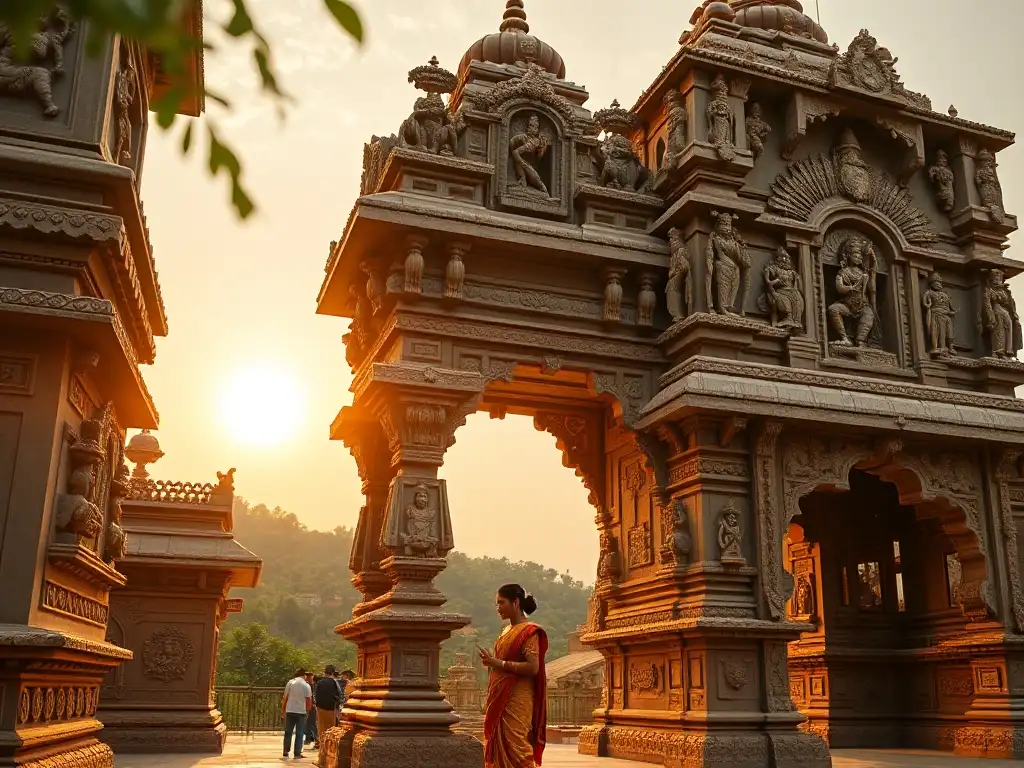
Welcome to Ancient India History, where we embark on a captivating journey through the rich tapestry of ancient Indian civilizations. Here, you will uncover the profound symbolism in ancient Indian art, a fascinating language that speaks volumes about cultural exchanges and influences throughout history. What secrets do these artistic expressions hold?
Dive into our featured article, "Iconography in Ancient Indian Art: A Symbolic Language of Cultural Synthesis," and discover how the intricate designs and motifs not only reflect the beliefs of their time but also tell a story of unity and diversity that continues to inspire. Your exploration of this vibrant past begins now—let's unlock the mysteries together!
- Introduction to Ancient Indian Art Symbolism
- Historical Context of Ancient Indian Art
- Key Symbols in Ancient Indian Art
- Thematic Elements in Ancient Indian Art
- Artistic Techniques Reflecting Symbolism
- Cultural Syncretism in Ancient Indian Art
- Conclusion: The Legacy of Symbolism in Ancient Indian Art
- References for Further Reading on Ancient Indian Art Symbolism
-
Frequently Asked Questions
- What is the significance of iconography in ancient Indian art?
- How does cultural synthesis manifest in ancient Indian art?
- What are some key symbols commonly found in ancient Indian art?
- How did the Indus Valley Civilization contribute to ancient Indian art?
- What role did the Gupta Empire play in the evolution of ancient Indian art?
- Final Reflection: The Enduring Legacy of Ancient Indian Art Symbolism
- Unlock the Secrets of Ancient Iconography!
Introduction to Ancient Indian Art Symbolism
Ancient Indian art is a profound testament to the rich tapestry of cultural exchanges and influences that shaped the subcontinent over millennia. The symbolism embedded within this art is not merely decorative; it serves as a powerful language conveying complex ideas, beliefs, and narratives intrinsic to the ancient Indian civilizations.
From the intricate carvings of the Indus Valley to the exquisite sculptures of the Gupta Empire, ancient Indian art symbolism reflects a synthesis of diverse cultural elements, religious beliefs, and philosophical concepts. This article delves into the various dimensions of iconography in ancient Indian art, highlighting its significance as a medium of expression and communication that transcends time and geography.
Understanding the Importance of Symbolism in Ancient Indian Art
Symbolism in ancient Indian art is foundational to understanding the multifaceted narratives that these artworks convey. Each symbol—whether it be a deity, an animal, or a geometric pattern—carries specific meanings rooted in mythology, spirituality, and everyday life.
- Religious Significance: Many symbols are deeply connected to the various religions that flourished in ancient India, such as Hinduism, Buddhism, and Jainism. For instance:
- The lotus flower symbolizes purity and spiritual awakening.
- The swastika represents auspiciousness and good fortune.
- Cultural Narratives: Symbols also narrate stories that are central to Indian culture. The depiction of animals, like the elephant or tiger, often signifies strength and wisdom, while mythical creatures, such as the Garuda, convey themes of protection and divinity.
- Philosophical Concepts: Ancient Indian art also encapsulates philosophical ideas, with symbols representing concepts like the cycle of life and death (samsara) or the ultimate goal of liberation (moksha).
Through these symbols, artists communicated their worldview, offering viewers a glimpse into the values, beliefs, and aspirations of their societies. The layers of meaning embedded in these artworks invite ongoing exploration and interpretation, making ancient Indian art a dynamic field of study.
Overview of Cultural Synthesis in Ancient India
Cultural synthesis in ancient India is a remarkable phenomenon that illustrates how diverse influences converged to create a unique artistic language. This synthesis can be observed across various epochs and regions, where local traditions intertwined with external elements, resulting in a rich and diverse artistic heritage.
- Indus Valley Civilization: The earliest examples of artistic expression in India can be traced back to the Indus Valley, where seals and terracotta figurines reflected a blend of indigenous themes and possible influences from Mesopotamia.
- Buddhist Art: The advent of Buddhism marked a significant phase of cultural exchange. The art of the Maurya and post-Maurya periods, characterized by stupas and intricate sculptures, synthesized local artistic traditions with Hellenistic influences, particularly in regions like Gandhara.
- Gupta Period: Often referred to as the Golden Age of India, the Gupta period saw the flourishing of Hindu art that incorporated elements from earlier Buddhist styles while also innovating new forms, such as the iconic images of Vishnu and Shiva that symbolize divine energy and cosmic order.
This cultural synthesis not only enriched the visual vocabulary of ancient Indian art but also fostered a sense of shared identity among the various communities that inhabited the subcontinent. The layers of historical and cultural influences present in these artworks underscore their role as a symbolic language, reflecting the continuity and evolution of Indian civilization.
Historical Context of Ancient Indian Art
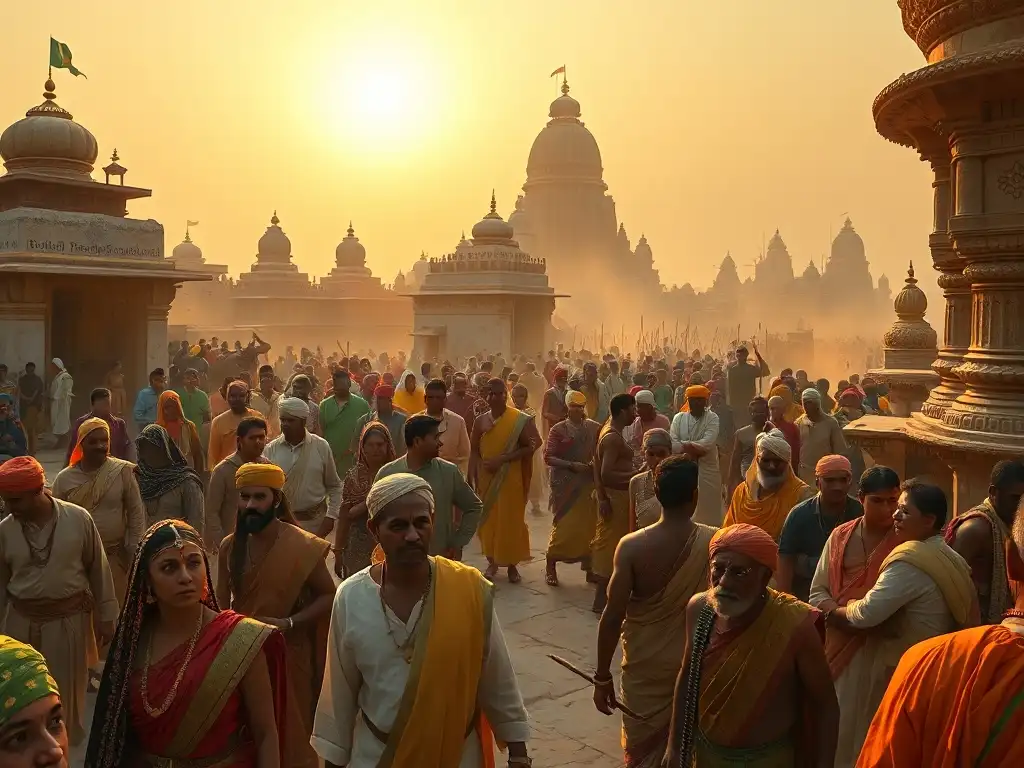
Ancient Indian art represents a profound tapestry of cultural, religious, and social influences that have evolved over millennia. Its symbolism is not merely decorative but serves as a narrative device, conveying the spiritual and philosophical tenets of the time. Understanding this context is crucial for appreciating how ancient Indian art symbolism reflects the complex interactions among various civilizations, ideologies, and artistic traditions.
From the early days of the Indus Valley Civilization (circa 2500–1900 BCE), which showcased advanced urban planning and craftsmanship, to the flourishing of the Maurya and Gupta Empires (circa 322 BCE–550 CE), ancient Indian art underwent significant transformations. The historical context encompasses a multitude of influences, including indigenous practices, trade interactions with neighboring cultures, and the advent of major religious movements.
Early Influences on Ancient Indian Art Symbolism
The roots of ancient Indian art symbolism can be traced back to the Indus Valley Civilization, where artifacts such as seals, terracotta figurines, and pottery exhibited a blend of geometric patterns and natural motifs. These early symbols likely held religious or social significance, reflecting the beliefs and practices of the time.
- Indigenous Aesthetics:
- The use of geometric designs and motifs in pottery and textiles is indicative of a deep connection with nature and daily life.
- Seals from this era often depict animals, which may symbolize strength, fertility, or protection.
- Cultural Exchanges:
- As trade routes expanded, particularly with Mesopotamia and Persia, new artistic influences began to permeate Indian art.
- The introduction of new materials and techniques enhanced the symbolic repertoire available to ancient Indian artists.
- Evolution of Iconography:
- By the time of the Mauryan Empire, complex symbolism began to emerge in sculptures and reliefs.
- The lion, the lotus, and other motifs became prominent, each carrying deep philosophical meanings associated with power, purity, and enlightenment.
The Role of Religion and Philosophy in Artistic Expression
Religion and philosophy profoundly influenced ancient Indian art, with each artistic expression often serving as a visual embodiment of spiritual concepts and beliefs.
- Buddhism and Jainism:
- The rise of Buddhism in the 5th century BCE introduced new iconographic elements, such as the stupa and the Bodhi tree, which symbolize the path to enlightenment.
- Jain art emphasizes non-violence and asceticism, using symbols like the hand (ahimsa) and the lotus to express core principles.
- Hindu Mythology:
- Hinduism's pantheon of deities provided a rich source of inspiration for artists. Icons like Vishnu, Shiva, and Devi are depicted with specific attributes that symbolize their divine powers and roles in cosmology.
- The use of mudras (hand gestures) in sculptures conveys complex spiritual messages, embodying themes of protection, blessing, and teaching.
- Philosophical Concepts:
- Philosophical texts like the Vedas and Upanishads influenced the symbolic language of art, particularly through concepts such as dharma (duty), karma (action), and moksha (liberation).
- The interplay between art and philosophy demonstrates how ancient Indian art symbolism served as a medium for conveying profound ideas, fostering a deeper understanding of existence and the universe.
The historical context of ancient Indian art reveals a rich interplay of influences, where symbolism acted as a vital language of cultural synthesis. Understanding these early influences and the pivotal role of religion and philosophy enriches our appreciation of ancient Indian art symbolism as a reflection of its time's spiritual and cultural dynamics.
Key Symbols in Ancient Indian Art
Iconographic Symbols in Hindu Art
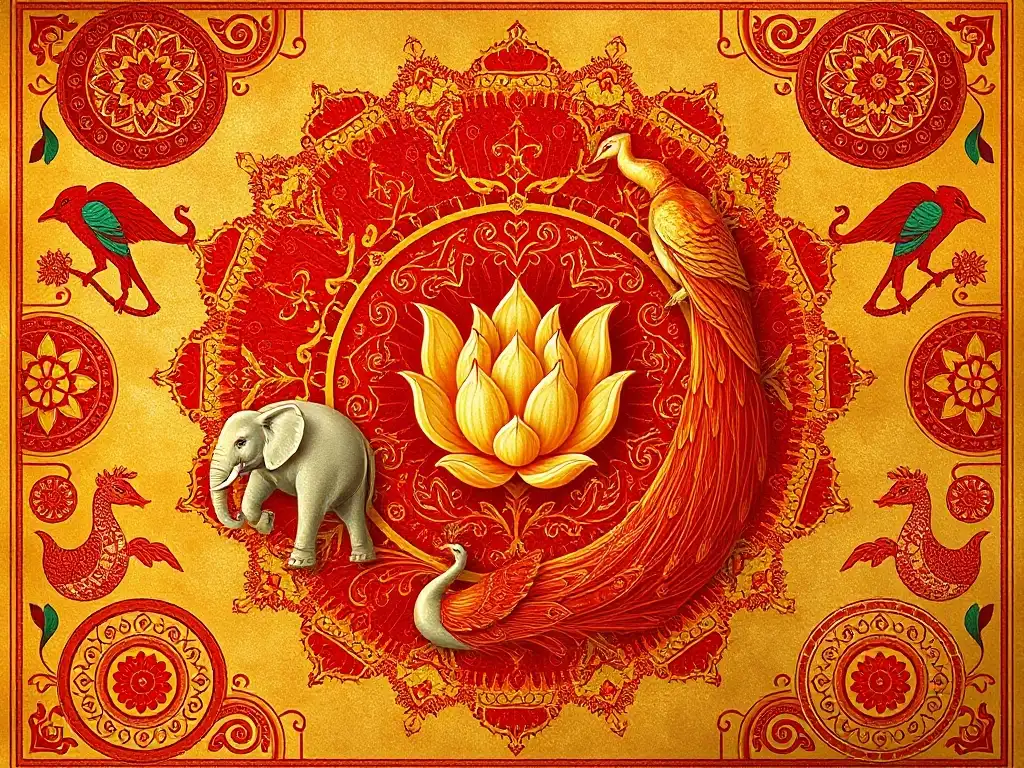
Hindu art is replete with iconographic symbols that serve as a rich tapestry of religious and philosophical meanings. These symbols often encapsulate complex ideas and narratives, allowing viewers to engage with the deeper spiritual essence of the artwork. Some key symbols include:
- Lotus Flower: Representing purity and enlightenment, the lotus emerges from muddy waters, symbolizing the potential for spiritual awakening amidst worldly distractions.
- Om Symbol: The sacred sound and spiritual icon, Om signifies the essence of the ultimate reality or consciousness. Its presence in art often indicates a connection to the divine.
- Trishula (Trident): Associated with Lord Shiva, the trident symbolizes the three fundamental aspects of existence: creation, preservation, and destruction, which reflect the cyclical nature of life.
- Kundalini: Represented by a coiled serpent, Kundalini signifies the dormant spiritual energy within every individual, awaiting awakening through meditation and yoga practices.
These symbols not only convey religious themes but also embody the cultural values of ancient Indian society, emphasizing the interconnectedness of life, spirituality, and nature.
Buddhist Symbolism in Ancient Indian Art
Buddhist art is characterized by its profound symbolism, reflecting the core tenets of Buddhism and the life of the Buddha. Iconography plays a critical role in conveying teachings and guiding devotees. Important symbols in Buddhist art include:
- Dharma Wheel (Dharmachakra): Representing the teachings of the Buddha, the Dharma Wheel symbolizes the path to enlightenment. Its eight spokes correspond to the Noble Eightfold Path, which outlines the way to liberation from suffering.
- Bodhi Tree: The tree under which Siddhartha Gautama attained enlightenment, the Bodhi Tree symbolizes wisdom and the quest for spiritual awakening. Its depiction in art often serves as a reminder of the potential for enlightenment inherent in all beings.
- Lotus Position: The seated position of meditation symbolizes tranquility and focus. The lotus, often depicted in conjunction with the Buddha, reinforces the idea of purity arising from the murky waters of ignorance.
- Stupas: These architectural forms symbolize the presence of the Buddha and serve as reliquaries for sacred objects. The stupa's shape represents the cosmos and serves as a focal point for meditation and devotion.
Through these symbols, Buddhist art encapsulates the essence of Buddhist philosophy, inviting viewers to reflect on the nature of existence and the pursuit of inner peace.
Jain Art and Its Unique Symbolic Language
Jain art is distinguished by its unique set of symbols that reflect the principles of Jain philosophy, particularly the concepts of non-violence (ahimsa) and truth (satya). The following symbols are central to Jain artistic expression:
- Hand with a Wheel (Ahimsa): This symbol, often depicted in Jain iconography, emphasizes the principle of non-violence. The hand signifies protection and the wheel represents the cycle of life, urging followers to practice compassion in all actions.
- Jina (Conqueror): The term "Jina" refers to a liberated soul. In Jain art, the Jinas are often shown in meditative poses, symbolizing their triumph over worldly attachments and desires.
- Swastika: In Jain culture, the swastika symbolizes the four states of existence: heavenly beings, human beings, animal and plant life, and hellish beings. This symbol underscores the interconnectedness of all life forms and the importance of ethical living.
- Parshvanatha: One of the most revered Jinas, Parshvanatha is often depicted with a serpent hood, symbolizing protection and spiritual awakening. His iconography highlights the significance of renunciation and asceticism in Jain beliefs.
These symbols serve as a linguistic framework for conveying Jain teachings and ideals, fostering a deep connection between art, philosophy, and ethical living.
The study of ancient Indian art symbolism across these three major traditions—Hinduism, Buddhism, and Jainism—reveals a rich interplay of ideas and cultural values that have shaped the spiritual landscape of ancient India. Each tradition employs its own symbolic language, yet all converge in their celebration of the divine, the quest for enlightenment, and the pursuit of moral integrity.
Thematic Elements in Ancient Indian Art
Nature and Its Symbolism in Ancient Indian Artistic Expressions
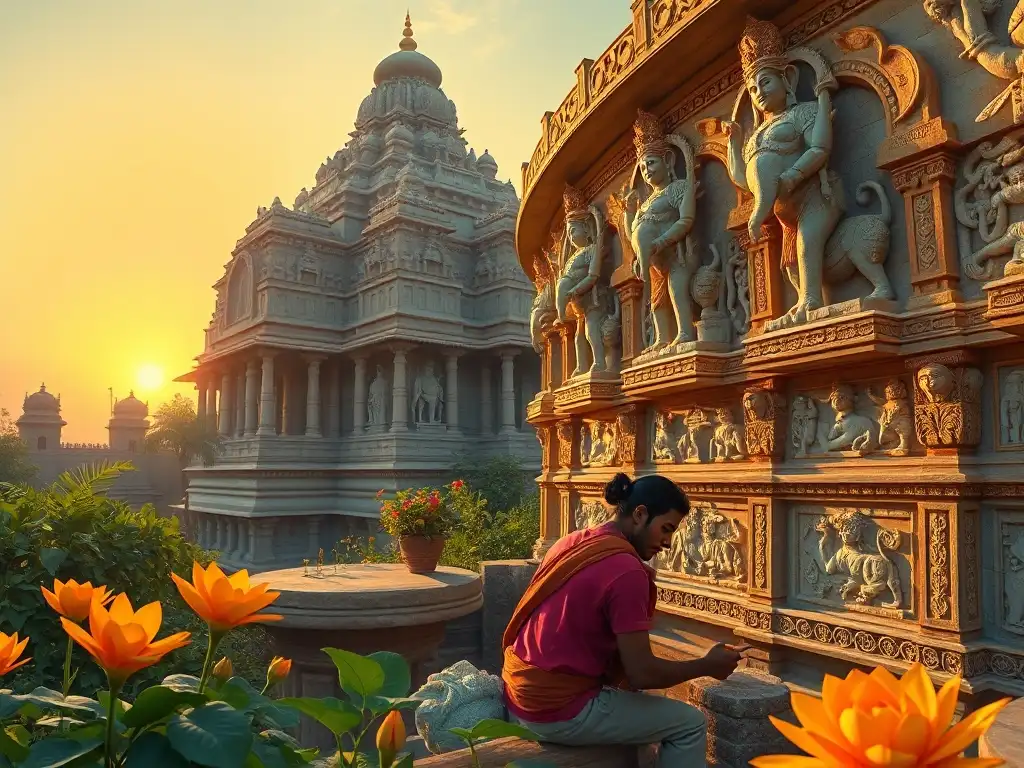
Nature has played a pivotal role in shaping ancient Indian art, often serving as a profound source of inspiration and symbolism. The representation of natural elements—such as flora, fauna, and landscapes—carries deep meanings that reflect the philosophies and beliefs of ancient Indian civilizations.
- Floral Motifs: Flowers, particularly the lotus, are prevalent in ancient Indian art. Symbolizing purity, beauty, and spiritual awakening, the lotus emerges from muddy waters, signifying the journey of the soul towards enlightenment. Artists frequently depicted lotuses in sculptures and paintings, imbuing their works with layers of meaning.
- Landscape Depictions: The portrayal of natural landscapes, including mountains, rivers, and forests, often signifies the divine presence in the natural world. For instance, the depiction of the Himalayas in art symbolizes the abode of gods and serves as a representation of spiritual elevation.
- Seasonal Symbolism: Different seasons were represented in art, each associated with specific emotions and cultural practices. The arrival of spring, for example, is often depicted with vibrant colors and joyous scenes, celebrating rebirth and renewal. This seasonal representation not only reflects the cyclical nature of life but also connects human emotions with the natural world.
The Representation of Deities and Their Symbolic Meanings
The portrayal of deities in ancient Indian art serves not only as a visual representation of the divine but also as a complex language of symbolism that conveys deeper philosophical ideas. Each deity is typically associated with specific attributes, iconography, and narratives that reflect the cultural values of the time.
- Iconography of Key Deities: Major deities such as Vishnu, Shiva, and Devi are represented with distinct attributes. For instance, Vishnu is often depicted with a conch shell, discus, and mace, symbolizing his roles as protector and preserver of the universe. Each element contributes to a narrative that embodies the moral and ethical teachings of Hindu philosophy.
- Use of Colors and Forms: Colors in ancient Indian art are laden with meaning. Blue, for example, is often used to represent Vishnu and signifies infinity and the heavens. The forms in which deities are depicted also carry significance; for instance, a four-armed figure often symbolizes power and omnipresence.
- Narrative Scenes: Many artworks incorporate narrative scenes from epics such as the Ramayana and Mahabharata. These scenes not only convey the stories of the deities but also serve as moral lessons, illustrating the triumph of good over evil, duty, and righteousness.
The Significance of Animal Motifs in Ancient Indian Art
Animals frequently appear in ancient Indian art, each carrying symbolic meanings that reflect the culture's values, beliefs, and connections to nature. The incorporation of animal motifs serves to bridge the gap between the divine and the earthly.
- Sacred Animals: Certain animals are revered in ancient Indian culture, such as cows and elephants. The cow represents abundance and motherhood, while the elephant, particularly in the form of Ganesha, symbolizes wisdom and the removal of obstacles. These representations highlight the integral role animals play in spiritual and everyday life.
- Mythological Creatures: Mythical beings, such as the griffin and the kinnaras, embody the fusion of human and animal traits, symbolizing the interconnectedness of all life forms. These creatures often appear in temple sculptures and serve as guardians, representing the divine's protective nature.
- Symbolism of Specific Animals: Different animals convey various virtues; for instance, the tiger symbolizes power and ferocity, while the peacock represents grace and beauty. Artists skillfully integrate these motifs into their works, using them to communicate complex ideas about human nature and the universe.
By examining these thematic elements, we gain insight into the profound layers of meaning embedded in ancient Indian art symbolism. Each motif, color, and representation serves as a thread in the rich tapestry of cultural synthesis, reflecting the intricate relationship between humans, nature, and the divine.
Artistic Techniques Reflecting Symbolism
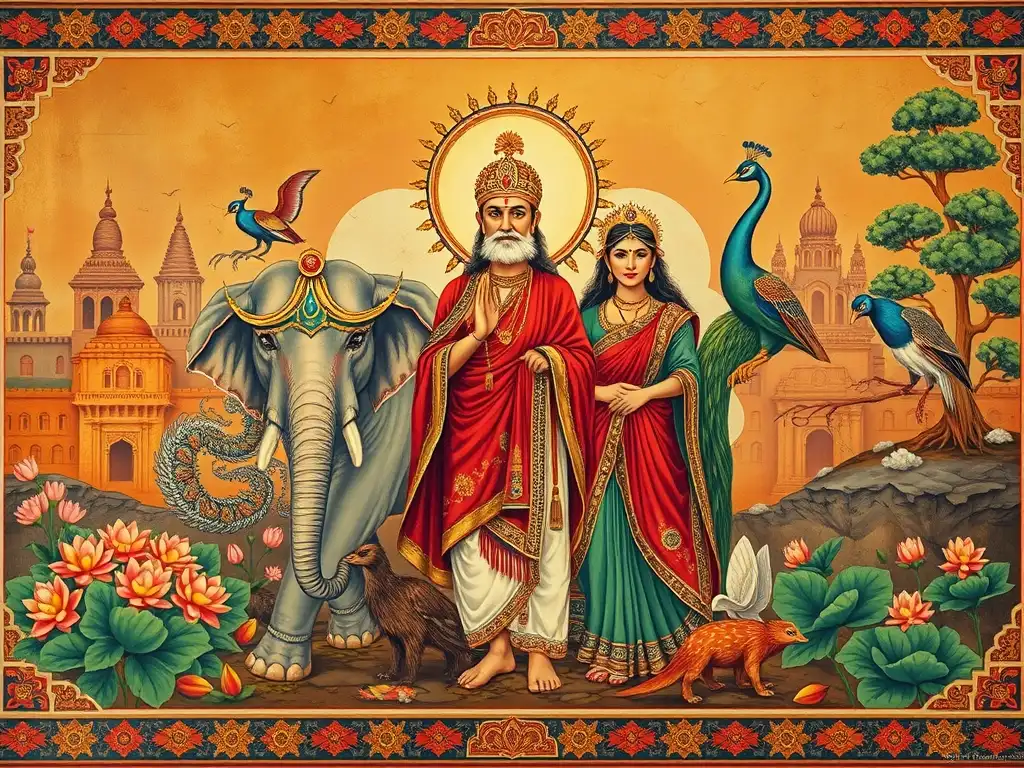
Ancient Indian art is not just a mere representation of aesthetic beauty; it serves as a profound narrative tool that communicates complex ideas, beliefs, and cultural values through various artistic techniques. This section delves into the methods utilized by ancient artists to convey symbolism, particularly through the strategic use of color, materials, and architectural design.
Use of Color and Its Symbolic Significance in Ancient Indian Art
Color in ancient Indian art was not simply a means of decoration; it was imbued with deep symbolic meaning. Each color carried its own significance and was carefully chosen to convey specific emotions and ideas.
- Red: Often associated with power, passion, and fertility, red is prevalent in various artworks, from temple sculptures to paintings. It symbolizes both the divine and earthly love.
- Blue: Frequently linked to divinity, blue represents the infinite and the cosmic. The depictions of deities such as Krishna, who is often portrayed with blue skin, emphasize the divine nature and supernatural qualities attributed to them.
- Yellow: This color symbolizes knowledge, learning, and enlightenment. It is commonly seen in depictions of wisdom figures and is associated with the sun, which in itself is a powerful symbol of illumination.
- Green: A symbol of nature and fertility, green in ancient Indian art signifies growth, renewal, and vitality, often represented in scenes of lush landscapes or divine figures in nature.
The interplay of these colors creates a rich tapestry of meanings, allowing viewers to engage with the artwork on a deeper, more interpretive level. The thoughtful application of color not only enhances the visual impact but also reinforces the underlying narratives and spiritual connections intrinsic to ancient Indian art.
Materials and Methods: How They Convey Symbolism
The choice of materials and the methods used in creating ancient Indian art also played a crucial role in conveying symbolism. Artists selected specific substances based on their availability, cultural significance, and the messages they wished to impart.
- Stone Carving: Stone was a predominant medium, particularly in temples and sculptures. The durability of stone symbolizes permanence and eternity, reflecting the timeless nature of the divine. Intricate carvings often depicted mythical narratives, emphasizing the connection between the material and spiritual worlds.
- Bronze Casting: The process of lost-wax casting allowed for the creation of intricate bronze sculptures, which often depicted deities and important figures. The lustrous quality of bronze symbolizes wealth and divine radiance, enhancing the perceived importance of the figures represented.
- Textiles and Dyeing: The art of dyeing fabrics was another significant method through which symbolism was conveyed. The use of natural dyes not only provided vibrant colors but also represented the connection to nature and the environment. Textiles adorned with symbolic motifs, such as lotus flowers and peacocks, conveyed messages of purity, beauty, and regal associations.
Through these materials and methods, ancient Indian artists were able to embed layers of meaning within their works, creating a language of symbolism that spoke to the spiritual and cultural ethos of the time.
Architectural Symbolism in Ancient Indian Temples
Temples in ancient India serve as prime examples of architectural symbolism, reflecting the philosophical and spiritual beliefs of the civilization. The design and layout of these sacred spaces were meticulously planned to embody various symbolic elements.
- Mandapas and Garbhagriha: The mandapa (pillared hall) and garbhagriha (sanctum sanctorum) represent the cosmos and the divine presence, respectively. The transition from the external mandapa to the internal garbhagriha symbolizes the journey from the material world to the spiritual realm.
- Shikhara and Vimana: The towering shikhara (spire) symbolizes the connection between the earthly and the celestial, representing the ascent towards the divine. The vimana, the structure above the garbhagriha, further emphasizes this connection, often adorned with intricate carvings that narrate stories of deities and celestial events.
- Sacred Geometry: Many temples are designed following specific geometric patterns, such as the square, which is viewed as a symbol of stability and the earthly plane. The use of geometric ratios and proportions reflects the ancient Indian understanding of harmony and balance in the universe.
The architectural features of ancient temples not only served practical functions but also conveyed profound spiritual meanings, creating spaces that were intended to inspire awe and reverence among devotees.
Through these artistic techniques, ancient Indian art symbolism offers a glimpse into the rich cultural tapestry and spiritual depth of India's past, inviting viewers to explore the intricate connections between art, belief, and identity in this remarkable civilization.
Cultural Syncretism in Ancient Indian Art
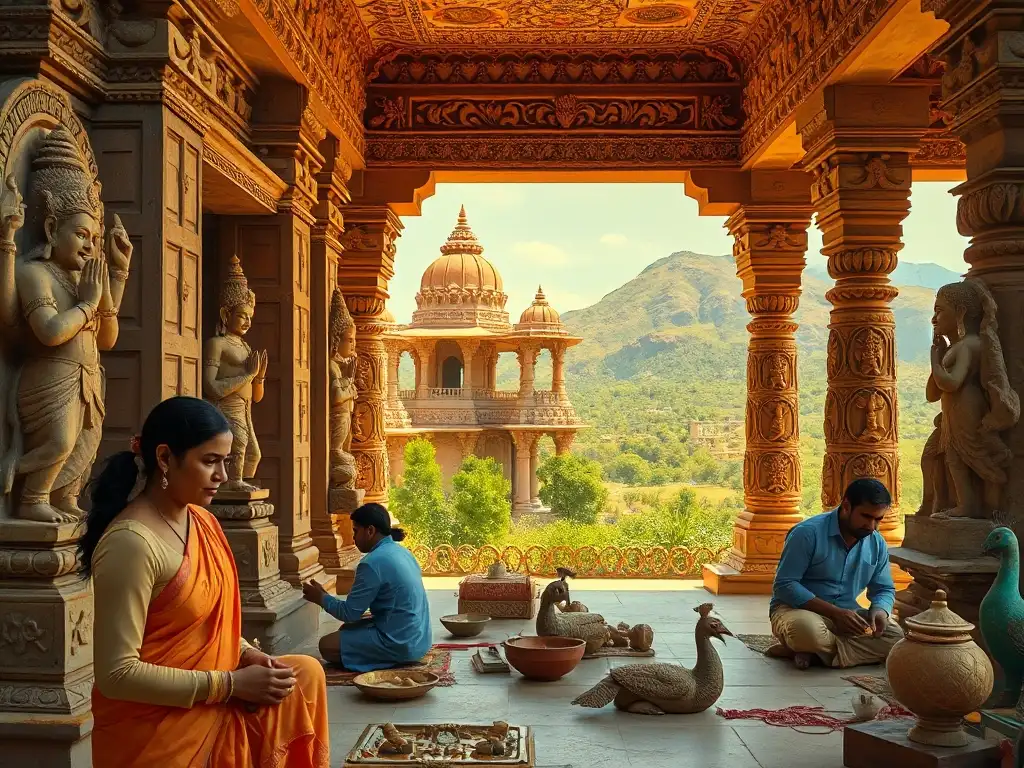
Cultural syncretism in ancient Indian art represents the convergence of various influences that shaped the artistic expressions of the subcontinent. This phenomenon is not merely a melding of styles; rather, it signifies a profound dialogue between indigenous traditions and external cultures, which ultimately enriched the visual vocabulary of ancient Indian art. The resulting symbolic language reflects a complex interplay of ideas, beliefs, and practices that transcended regional boundaries.
The syncretic nature of ancient Indian art can be traced back to the early interactions with neighboring civilizations, including the Persians, Greeks, and later, the Central Asian tribes. Each of these cultures contributed distinct elements that were absorbed and transformed within the Indian artistic milieu. This synthesis is particularly evident in iconography, where symbols and motifs from different traditions coalesce to create new meanings.
The Influence of Foreign Cultures on Ancient Indian Art Symbolism
The influence of foreign cultures on ancient Indian art symbolism is a testament to the dynamic exchanges that occurred throughout history. As trade routes expanded and empires grew, artists encountered a variety of styles and iconographic traditions.
- Persian Influence: The Achaemenid Empire's expansion into the Indian subcontinent facilitated the exchange of artistic ideas. Persian motifs, such as the use of intricate floral patterns and stylized animal forms, found their way into the iconography of Indian sculpture. This synthesis is particularly visible in the art of the Mauryan period, where elements like the lion capital of Ashoka exhibit a blend of local and Persian aesthetics.
- Greco-Buddhist Art: The arrival of Greek artists following Alexander the Great's conquests introduced Hellenistic styles to the Indian subcontinent. This is most prominently seen in the Gandhara art tradition, where Buddhist iconography was infused with Greek elements. The depiction of the Buddha in human form, characterized by realistic drapery and anatomical precision, illustrates the merging of Indian spiritual themes with Greek artistic techniques.
- Central Asian Influences: The Silk Road served as a conduit for cultural exchange, allowing Central Asian motifs and styles to permeate Indian art. The use of vibrant colors and dynamic compositions in paintings and sculptures from the Kushan period reflects this influence. The incorporation of celestial beings and mythological creatures in Buddhist art showcases how these diverse elements were harmonized to convey spiritual narratives.
- South Indian Temples: The architectural and sculptural traditions of ancient South India also reveal syncretic influences. The Dravidian style, with its towering gopurams (gateway towers) and intricate carvings, showcases the amalgamation of indigenous practices with ideas brought in through trade and conquest. The incorporation of Hindu, Jain, and Buddhist themes into temple iconography further exemplifies this blending of cultural motifs.
Case Studies of Syncretic Artistic Styles in Ancient India
Several case studies exemplify the rich tapestry of syncretic artistic styles in ancient India, highlighting the diverse influences that shaped its visual culture.
- The Ajanta Caves: Dating back to the 2nd century BCE to 6th century CE, the Ajanta Caves are renowned for their exquisite frescoes and sculptures. These artworks reflect a synthesis of indigenous Buddhist themes with Hellenistic techniques, particularly in the portrayal of figures and narrative depth. The vibrant colors and elaborate compositions demonstrate how artists absorbed and adapted foreign influences to enhance their storytelling.
- Sarnath Pillar: The Lion Capital of Ashoka, originally erected in Sarnath around 250 BCE, serves as another example of syncretism. The pillar, adorned with four lions facing different directions, combines indigenous symbolism of strength and protection with Persian grandeur. Its intricate carvings and the use of the lotus motif underscore the blending of cultural narratives that articulate both spiritual and royal authority.
- Khajuraho Temples: The temples of Khajuraho, built during the Chandela dynasty between 950 and 1050 CE, showcase a remarkable fusion of artistic styles. The intricate carvings depict a variety of deities, erotic scenes, and daily life, reflecting a synthesis of Hindu, Jain, and Buddhist motifs. The temples' architectural design incorporates elements from both North and South Indian styles, demonstrating the cultural dialogues that shaped their creation.
- The Brihadeeswarar Temple: This UNESCO World Heritage site in Thanjavur, constructed during the Chola dynasty in the 11th century, exemplifies the syncretic nature of South Indian temple architecture. The temple's towering vimana (tower) and elaborate sculptures combine local Dravidian elements with influences from the North, illustrating how the Cholas integrated diverse artistic traditions to create a unified sacred space.
The exploration of cultural syncretism in ancient Indian art reveals a vibrant tapestry of influences that shaped its symbolic language. The interactions between indigenous traditions and foreign cultures fostered a rich artistic heritage, where motifs and styles coalesced to convey complex narratives and spiritual themes. The study of these artistic expressions not only enhances our understanding of ancient Indian art symbolism but also underscores the importance of cultural exchanges in shaping human creativity.
Conclusion: The Legacy of Symbolism in Ancient Indian Art
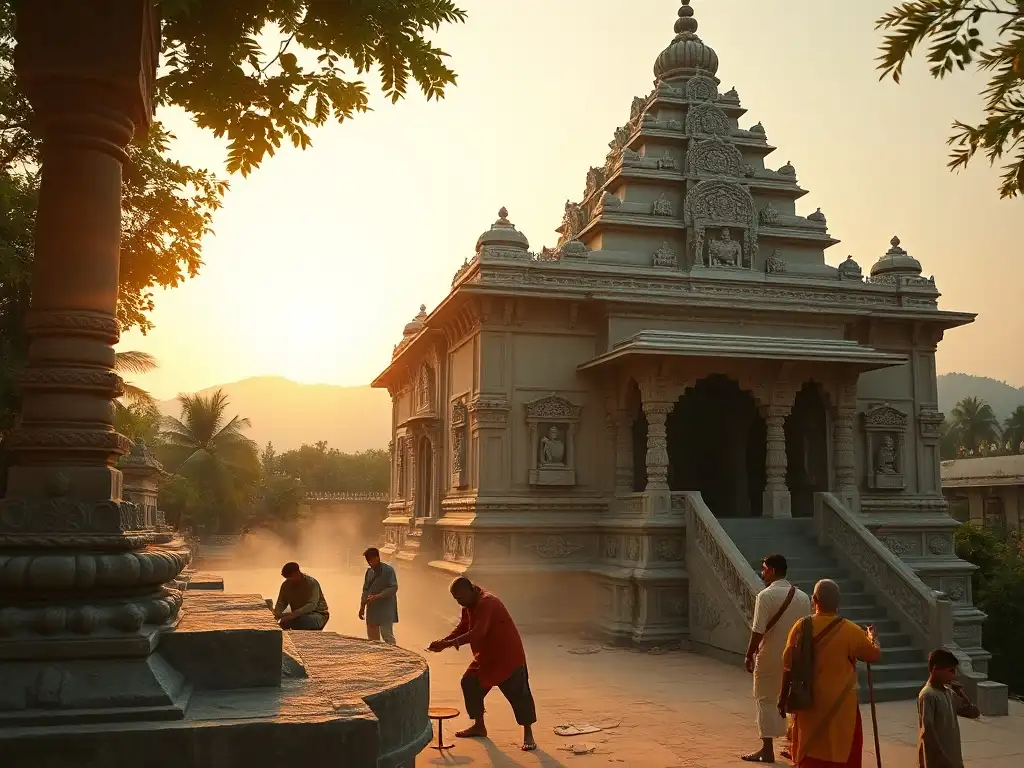
The legacy of symbolism in ancient Indian art is profound and multifaceted, representing a rich tapestry woven from various cultural influences, religious beliefs, and philosophical ideas. This symbolism served not only as an artistic expression but also as a means of communication that transcended the barriers of language and time. The intricate iconography found in sculptures, paintings, and textiles embodies the spiritual and social ethos of ancient Indian civilizations, illustrating how art acted as a vehicle for conveying complex narratives and ideas.
The Continuing Influence of Ancient Indian Art Symbolism Today
The influence of ancient Indian art symbolism persists in modern Indian culture and beyond, impacting various artistic expressions, including contemporary art, fashion, and architecture. Many artists draw inspiration from the rich iconographic traditions of ancient India, reinterpreting symbols such as the lotus, which signifies purity and enlightenment, or the peacock, representing beauty and grace.
In contemporary spirituality, ancient symbols continue to play a role in practices such as yoga and meditation, where the imagery associated with deities and nature serves to enhance spiritual experiences. For instance, the use of mandalas in meditation is deeply rooted in ancient symbolism, facilitating a connection to the cosmos and promoting inner peace.
In popular culture, elements of ancient Indian art can be seen in Bollywood films, where traditional motifs are often infused into costume design and set decoration, illustrating the continued relevance of these symbols in storytelling. Additionally, the resurgence of interest in traditional crafts, like Madhubani and Warli painting, showcases how ancient techniques and symbols are being preserved and adapted for modern audiences.
Reflection on the Importance of Cultural Synthesis in Art
The importance of cultural synthesis in art cannot be overstated, particularly in the context of ancient Indian art symbolism. This synthesis reflects the dynamic interactions between various cultures, religions, and philosophies that shaped the Indian subcontinent over millennia. The amalgamation of indigenous traditions with influences from neighboring civilizations, such as Persian, Greek, and later, Mughal, resulted in a unique artistic language that conveyed both local and universal themes.
Artworks from different periods, such as the intricate carvings of the Gupta period or the vibrant frescoes of Ajanta, serve as testament to the creative dialogues that occurred across cultures. These artworks encapsulate stories of both indigenous traditions and foreign elements, leading to a rich iconographic lexicon that speaks to the human experience.
Moreover, cultural synthesis in art fosters a sense of unity and shared identity among diverse communities. By embracing and celebrating various influences, ancient Indian art symbolizes a broader narrative of coexistence and collaboration. This legacy of synthesis continues to inspire contemporary artists, encouraging them to seek connections across cultures and create works that reflect a globalized world.
The symbolism embedded in ancient Indian art remains a powerful testament to the cultural exchanges that have shaped India's artistic heritage. It serves as a reminder of the importance of embracing diversity, fostering creativity, and recognizing the shared human experience through the lens of art.
References for Further Reading on Ancient Indian Art Symbolism
Suggested Books and Articles on Ancient Indian Art and Symbolism
-
"The Art of Ancient India: Buddhist, Hindu, Jain" by Benjamin Rowland
This comprehensive volume explores the various forms of art that emerged in ancient Indian civilizations, detailing the symbolic meanings behind sculptures and paintings, and their cultural significance.
-
"Indian Art" by Partha Mitter
Mitter’s book delves into the evolution of Indian art through the ages, offering insights into the symbolism present in ancient artworks and how they reflected societal values and beliefs.
-
"The Symbolism of Indian Art" by John M. Rosenfield
This article examines the intricate symbols used in ancient Indian art, focusing on their meanings and interpretations in the context of religious and cultural narratives.
-
"Hindu Iconography in Tantric Art" by David Kinsley
Focusing on the specific realm of Tantric art, Kinsley discusses the rich symbolism associated with deities and rituals, providing a nuanced understanding of their representation in ancient Indian art.
-
"The Language of the Goddess: The Goddess in Indian Art" by Vidya Dehejia
Dehejia’s work highlights the portrayal of feminine divine figures in ancient Indian art, analyzing the symbolism behind their depictions and their cultural impact across different periods.
Online Resources for Exploring Ancient Indian Artistic Traditions
-
The Metropolitan Museum of Art: Timeline of Art History
This online resource provides extensive articles and images related to ancient Indian art, with a focus on the symbolism and historical context of various pieces.
-
The British Museum: Ancient India
The British Museum's collection features artifacts from ancient India, with detailed descriptions that explain the cultural and symbolic significance of each piece.
-
Digital South Asia Library
A valuable resource for researchers, this library offers access to a variety of texts and images related to ancient Indian art, including discussions on symbolism and artistic practices.
-
Google Arts & Culture: Ancient Indian Art
This platform allows users to explore high-resolution images of ancient artworks along with descriptions that highlight their symbolism and cultural relevance.
-
National Museum of India: Online Exhibitions
The National Museum offers virtual exhibitions showcasing ancient Indian art, providing an insightful look into the symbolism embedded in various art forms.
These resources can enhance your understanding of ancient Indian art symbolism, providing both scholarly insights and visual examples that illustrate the depth and richness of this artistic tradition.
Frequently Asked Questions
What is the significance of iconography in ancient Indian art?
Iconography serves as a symbolic language that conveys complex cultural narratives and spiritual beliefs, allowing viewers to interpret deeper meanings within the artwork.
How does cultural synthesis manifest in ancient Indian art?
Cultural synthesis in ancient Indian art is evident through the blending of various artistic styles and motifs, reflecting the diverse influences from different regions and periods throughout history.
What are some key symbols commonly found in ancient Indian art?
Common symbols include the lotus, representing purity and enlightenment, and the swastika, symbolizing good fortune and well-being, both of which hold significant cultural and religious meanings.
How did the Indus Valley Civilization contribute to ancient Indian art?
The Indus Valley Civilization laid the groundwork for later artistic expressions by developing intricate designs, pottery, and seals that exhibit early forms of symbolism and craftsmanship.
What role did the Gupta Empire play in the evolution of ancient Indian art?
The Gupta Empire is often referred to as the Golden Age of ancient Indian art, characterized by advancements in sculpture, cave paintings, and the establishment of iconographic traditions that influenced subsequent generations.
Final Reflection: The Enduring Legacy of Ancient Indian Art Symbolism
The intricate tapestry of Ancient Indian art symbolism continues to resonate profoundly in today's world, reminding us of the rich cultural synthesis that shaped our collective heritage. As we navigate an increasingly globalized society, the symbols and narratives embedded in this art form serve as a bridge connecting diverse cultures and fostering a deeper understanding of our shared human experience. The timeless relevance of these symbols highlights their power to transcend geographical and temporal boundaries, inviting us to explore the depths of our cultural identities.
The influence of Ancient Indian art symbolism extends far beyond the confines of art history; it permeates contemporary culture, spirituality, and social discourse. The motifs and narratives found in ancient artworks inspire modern artists, spiritual seekers, and cultural enthusiasts alike, urging us to reflect on the values and beliefs that shape our lives today. Art is the most beautiful of all lies.
This quote encapsulates the essence of how ancient symbols, while rooted in specific historical contexts, continue to evoke emotions and provoke thoughts in our modern consciousness, urging us to seek meaning in our own lives.
As you contemplate the themes presented in this article, I invite you to explore the symbols that resonate with you personally. Consider how the rich heritage of Ancient Indian art can inspire your own journey of cultural exploration and self-discovery. Let the stories and meanings behind these symbols guide you in fostering a deeper appreciation for the diverse tapestry of human expression, encouraging you to engage with the world around you in a more meaningful way. Embrace the lessons of the past, and allow them to illuminate your path toward a more connected and enriched future.
Unlock the Secrets of Ancient Iconography!
Thank you for diving into the fascinating world of Ancient Indian art! Through this article, you've uncovered the intricate ways in which symbolism expresses and preserves cultural heritage. Now, it's time to put this knowledge into action and deepen your understanding.
Here are some engaging steps you can take next:
- Explore Local Museums: Visit a local museum or cultural center to experience ancient Indian art firsthand. Pay close attention to the iconography and reflect on the meanings these symbols hold.
- Engage with Art Communities: Join online forums or social media groups focused on ancient art. Share your insights from this article and learn from fellow enthusiasts about their interpretations and discoveries.
- Create Your Own Artwork: Inspired by the symbols discussed? Try crafting your own piece that incorporates ancient iconography, merging your creativity with historical significance!
What aspect of ancient iconography resonates with you the most, and how do you think it reflects cultural values in today’s world?