
The Language of Colors: Exploring the Palette of Ancient Indian Artists

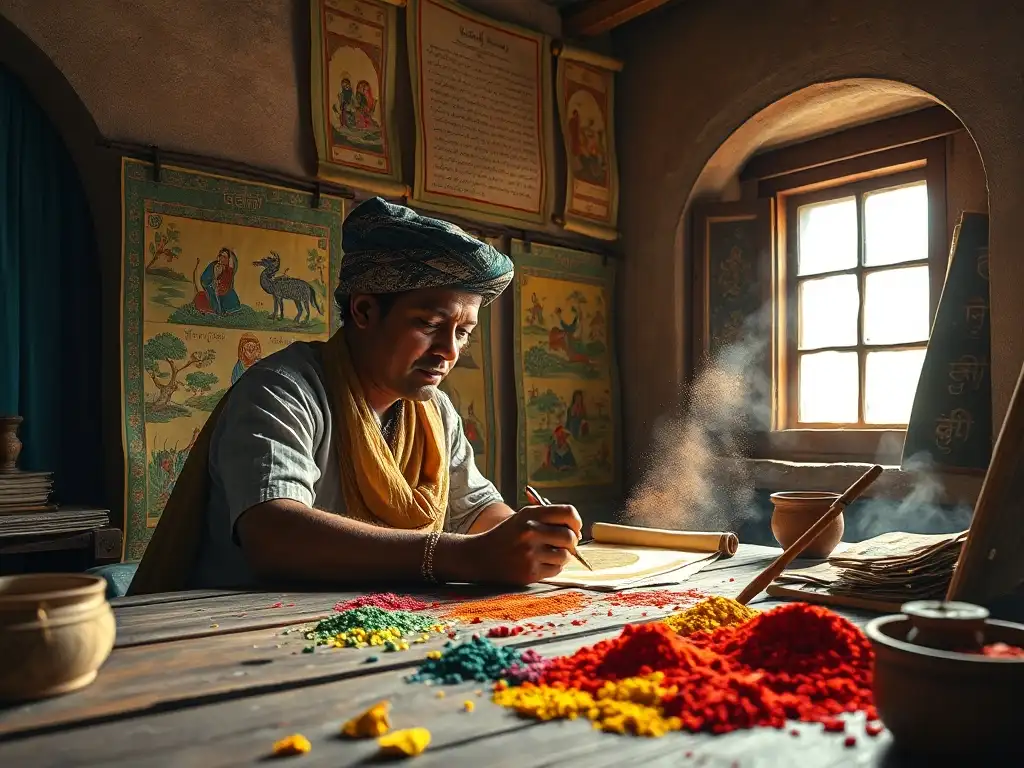
Welcome to Ancient India History, where we invite you to embark on a journey through time and explore the rich and diverse heritage of ancient Indian civilizations. Our featured article, "The Language of Colors: Exploring the Palette of Ancient Indian Artists," delves into the captivating world of ancient Indian art and culture, revealing how vibrant hues and intricate designs not only reflect aesthetic beauty but also the profound cultural exchanges that shaped a civilization.
Prepare to be intrigued as we uncover the stories behind the masterpieces, inspiring you to delve deeper into the legacy left by these remarkable artists. Let the exploration begin!
Introduction to Ancient Indian Art and Culture
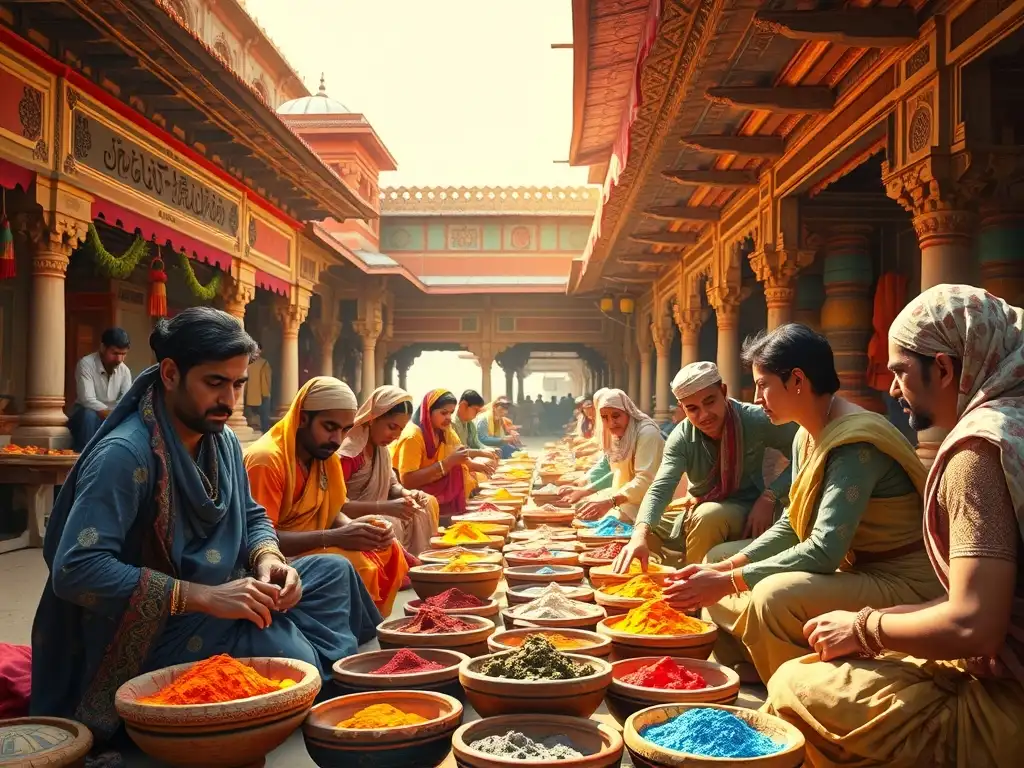
Ancient Indian art and culture represent a vibrant tapestry woven from a multitude of influences, traditions, and innovations that have flourished over millennia. From the intricate carvings of the Indus Valley Civilization to the exquisite murals of the Gupta Empire, the expression of artistic creativity in ancient India is both profound and diverse.
The use of color in this artistry is not merely decorative; it resonates deeply with cultural significance, spiritual beliefs, and the rich symbolism inherent in the daily lives of people. This exploration of the palette utilized by ancient Indian artists highlights how colors were not just aesthetic choices but also carriers of meaning, emotion, and identity.
Overview of Ancient Indian Art Forms
Ancient Indian art encompasses a wide range of forms, including sculpture, painting, pottery, and textile arts. Each form is characterized by its unique styles, techniques, and themes, often reflecting the socio-political dynamics and religious fervor of the times.
- Sculpture: Renowned for its intricate details and lifelike representations, ancient Indian sculptures often depicted deities, mythological figures, and everyday life scenes.
- Painting: Vibrant frescoes and miniatures showcase elaborate narratives, often drawn from religious texts like the Mahabharata and Ramayana.
- Pottery: The pottery of ancient civilizations, such as that from Harappa, featured sophisticated designs and colors that indicated both utility and artistry.
- Textiles: The art of weaving and dyeing textiles, particularly in the context of ritual and ceremonial use, played a significant role in cultural expression.
Importance of Color in Ancient Indian Art
Color played a pivotal role in ancient Indian art, serving not only as a visual tool but also as a means of conveying deeper meanings and emotions. Each hue was carefully chosen to represent various themes, emotions, and spiritual concepts, creating a rich visual language that communicated with viewers on multiple levels. The psychological effects of color were well-understood by ancient artists, who harnessed these effects to evoke specific responses from the audience.
The Symbolism of Colors in Ancient Indian Culture
Red: Significance and Usage in Art
Red is a color that holds immense significance in ancient Indian culture, symbolizing power, passion, and auspiciousness. It is often associated with deities and is prominently featured in religious ceremonies and art forms. In sculptures and paintings, the use of red can denote vitality and strength, frequently seen in depictions of goddesses and warriors.
Blue: Representations and Cultural Context
Blue, often linked to the divine, is prominently associated with Lord Krishna and other deities. In artworks, blue represents both the infinite nature of the sky and the depth of the ocean, evoking spiritual transcendence. The shade is frequently used to illustrate the mystical and otherworldly qualities of divine figures, making it a vital component of ancient Indian iconography.
Yellow and Gold: Associations with Divinity and Wealth
Yellow and gold are colors that symbolize purity, wealth, and divinity in ancient Indian art. Gold, in particular, is reflective of opulence and is often used in the adornment of deities and royal figures. Yellow, being associated with knowledge and learning, is frequently depicted in the attire of sages and scholars, reinforcing the cultural importance of wisdom.
Green: Nature and Fertility in Artistic Expressions
Green symbolizes nature, fertility, and growth within ancient Indian art. This color is often used to depict lush landscapes, agricultural scenes, and the vibrancy of life. It reflects the connection between nature and spirituality, emphasizing the importance of the earth's bounty in sustaining life and culture.
Black and White: Contrasts and Their Meanings
Black and white are used in ancient Indian art to create contrasts that convey deeper meanings. Black can symbolize the unknown, the night, and sometimes, the divine mystery, while white represents purity, peace, and clarity. The interplay of these colors in artworks often serves to highlight themes of duality, balance, and the complexities of existence.
By examining the language of colors within the context of ancient Indian art, we gain valuable insights into the culture's artistic expressions and the profound significance of color in conveying messages beyond mere aesthetics.
Techniques and Materials Used in Ancient Indian Art
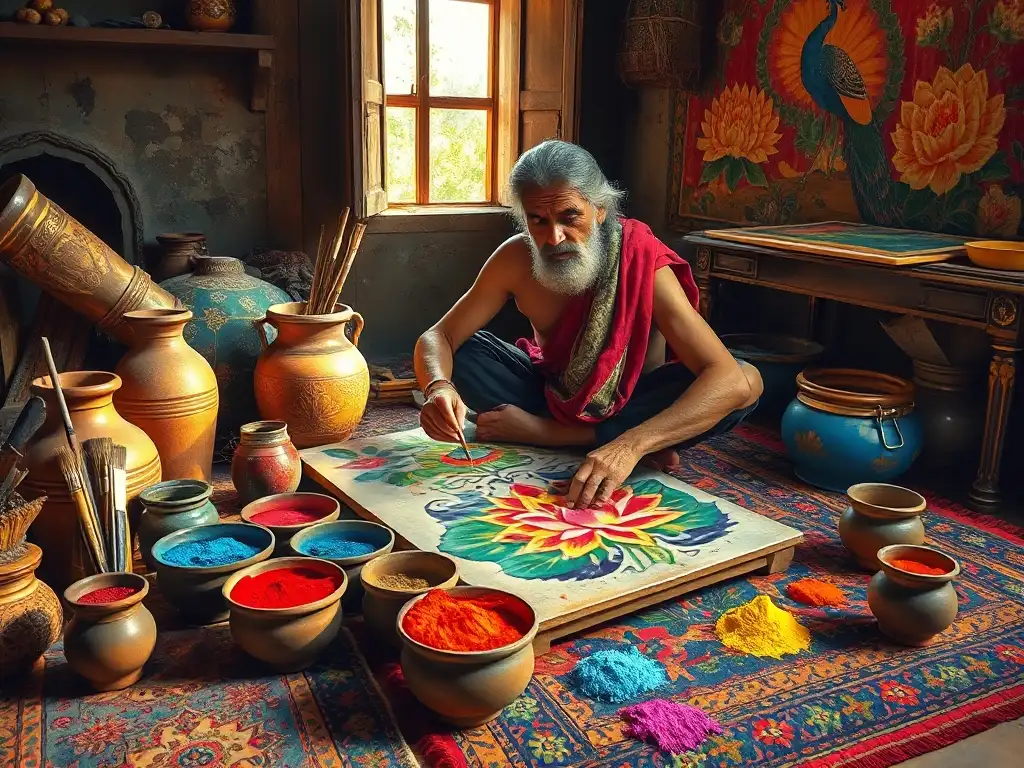
The artistry of ancient India is characterized by a rich tapestry of techniques and materials that reflect the civilization's deep connection with nature and spirituality. Artists meticulously selected pigments and dyes derived from natural sources, which played a vital role in the vibrancy and symbolism of their works. These materials were often combined with various application techniques, allowing for a diverse range of artistic expressions across different periods and regions.
Traditional Pigments and Dyes in Ancient India
In ancient India, pigments and dyes were predominantly sourced from natural materials. Common pigments included:
- Mineral-based pigments: Such as ochre (yellow and red hues), azurite (blue), and vermilion (red), which were ground to create powders for painting.
- Plant-based dyes: Extracted from leaves, roots, and flowers, producing shades like indigo for blue, turmeric for yellow, and madder for red.
These natural pigments not only provided a rich array of colors but also imbued the artworks with cultural significance, as colors often symbolized various emotions, spiritual beliefs, and social statuses. For instance, saffron was associated with purity and was frequently used in religious art.
Application Techniques in Murals and Textiles
The application techniques employed by ancient Indian artists varied widely, showcasing their ingenuity and skill. Key techniques included:
- Fresco Painting: Applied on wet plaster, allowing pigments to bond with the wall surface, resulting in durable images. This technique was prominently used in temple murals and cave paintings.
- Block Printing: A technique utilized in textiles, where carved wooden blocks were inked and pressed onto fabric, creating intricate patterns that often featured vibrant colors derived from natural dyes.
- Embroidery: In textiles, artists used colored threads to create elaborate designs, often depicting narratives from mythology or nature, further enhancing the visual appeal with texture and dimension.
These techniques not only reflect the artistic skill but also the cultural narratives and traditions that were integral to ancient Indian life.
Influence of Natural Elements on Color Choice
Natural elements profoundly influenced the color choices in ancient Indian art. The environment provided a palette of colors that artists incorporated into their work. For example:
- Flora and Fauna: The vibrant colors of flowers, fruits, and animals inspired artists to use similar hues in their creations. The lush landscapes of India contributed to a vivid color spectrum.
- Seasonal Changes: Different seasons brought variations in color, influencing artists to depict themes of nature's cycles in their work, such as the bright greens of monsoon or the earthy tones of winter.
- Cultural Significance: Colors were often chosen based on their symbolic meanings. For instance, red represented fertility and strength, while white symbolized purity and peace.
This intrinsic relationship between natural elements and color choices highlights the holistic approach of ancient Indian artists, merging art with the world around them.
Historical Context of Color Use in Ancient Indian Art
The historical context of color use in ancient Indian art reflects the evolution of techniques, materials, and cultural influences throughout different periods. Each era contributed uniquely to the development and sophistication of artistic expression, enriching the cultural heritage of India.
The Indus Valley Civilization: Early Color Practices
The Indus Valley Civilization, one of the earliest urban cultures (c. 3300–1300 BCE), showcased an initial exploration of color through terracotta figurines and seals. Artists used natural pigments to create simple yet expressive designs.
Key features included:
- Use of Red and Black: Common colors for pottery, with intricate designs often incised into the clay, showcasing early artistic endeavors.
- Symbolism in Seals: The seals featured animals and motifs that were colored using natural dyes, reflecting the civilization's beliefs and trade practices.
These early practices laid the groundwork for the more complex artistic traditions that would follow in subsequent eras.
The Mauryan Empire: Advancements in Artistic Techniques
During the Mauryan Empire (c. 322–185 BCE), significant advancements in artistic techniques and materials emerged. The period is marked by the influence of Buddhism, which inspired a new wave of artistic expression.
Notable contributions included:
- Polychrome Sculpture: Artists began creating life-sized sculptures with vibrant colors, often depicting Buddhist narratives, adorned with intricate details.
- The Great Stupa at Sanchi: This architectural marvel featured brightly painted frescoes that illustrated scenes from the life of Buddha, highlighting the sophisticated application of color and composition.
The Mauryan period marked a turning point in the complexity of color use, as artists began to explore more intricate designs and storytelling through their work.
Gupta Empire: A Golden Age of Color and Form
The Gupta Empire (c. 320–550 CE) is often regarded as the golden age of ancient Indian art and culture, where color and form reached new heights of sophistication. This era saw the flourishing of various artistic forms, including sculpture, painting, and textile arts.
Key highlights included:
- Cave Paintings of Ajanta: Renowned for their vivid colors and intricate details, these murals depicted Buddhist themes and were created using advanced techniques that preserved the vibrancy of the pigments.
- Sculptural Innovations: Gupta artists excelled in creating dynamic forms with nuanced color applications, showcasing an understanding of human anatomy and expressive poses.
The Gupta Empire's emphasis on artistic excellence and the integration of color into spiritual narratives solidified ancient India's reputation as a center of cultural and artistic achievement.
Regional Variations in Color Use
The use of color in ancient Indian art is not monolithic; it varies significantly across different regions, influenced by local traditions, materials, and cultural narratives. These regional variations reflect the unique identities and histories of the diverse communities that contributed to India's rich artistic heritage. The palette employed by artists often serves as a visual language, conveying meanings that are specific to the cultural context. Understanding these regional distinctions is essential to appreciate the full spectrum of ancient Indian art and culture.
South Indian Temples: Vibrant Colors and Symbolism
In South India, temple architecture and sculpture are characterized by their vibrant colors and elaborate designs. Temples like the Brihadeeswarar Temple in Thanjavur showcase intricate carvings adorned with bright hues, symbolizing various deities and cosmic elements. The use of red, yellow, and green is prevalent, each color carrying specific connotations. For instance, red often symbolizes fertility and power, while yellow represents sanctity and purity. The vibrant color schemes serve not only to beautify the sacred spaces but also to enhance the spiritual experience of worshippers, embodying the divine presence in a visually stimulating manner.
Mughal Influence: Blending Persian and Indian Colors
The Mughal Empire marked a significant period in Indian history, renowned for its artistic achievements that blended Persian and Indian aesthetics. Mughal artists incorporated a rich palette that included deep blues, lush greens, and striking reds, often seen in miniature paintings and architectural embellishments. This synthesis of color not only reflects the Mughal appreciation for Persian artistry but also signifies the cultural exchange that occurred during their reign. The intricate use of color in Mughal art often conveys themes of love, nature, and the divine, with each hue carefully chosen to enhance the narrative being depicted.
Folk Art: Local Palettes and Cultural Narratives
Folk art in India is often deeply rooted in local traditions and reflects the everyday life of communities. Each region boasts its unique color palette, influenced by available natural materials, local flora, and cultural stories. For example, the use of bright reds and yellows in Madhubani paintings symbolizes prosperity and joy, while earthy tones in Warli art reflect a connection to nature and the agrarian lifestyle. These local palettes not only serve aesthetic purposes but also convey cultural narratives, beliefs, and social values, making folk art a vital component of India's artistic landscape.
The Role of Religion in Shaping Color Preferences
Religious beliefs and practices have profoundly influenced color preferences in ancient Indian art. Different religions have their unique interpretations of color symbolism, which is often reflected in artistic expressions. Colors are employed not just for decoration but as a means of communicating spiritual truths and enhancing the religious experience. The interplay of color with religious narratives creates a complex tapestry that enriches the understanding of ancient Indian culture.
Hinduism: Colors in Mythology and Rituals
In Hinduism, colors are imbued with deep symbolic meanings, often linked to mythology and rituals. Each color corresponds to specific deities and festivals; for instance, saffron represents purity and sacrifice, often associated with Lord Vishnu, while green symbolizes prosperity and is linked to Lord Ganesh. During festivals like Holi, vibrant colors are used to celebrate the triumph of good over evil, reflecting the joyful spirit of the religion. The integration of colors in religious practices serves to deepen the connection between the divine and the devotees, making color an essential aspect of Hindu cultural expression.
Buddhism: Spiritual Significance of Color
Buddhism also attributes significant spiritual meanings to colors, which are often reflected in art and iconography. For example, the color white symbolizes purity and enlightenment, while blue represents the infinite nature of the sky and the sea. In Buddhist thangka paintings, colors are meticulously chosen to represent various virtues and aspects of the Buddha's teachings. This careful selection of colors not only enhances the visual appeal of the art but also serves as a tool for meditation and reflection, guiding practitioners toward spiritual awakening.
Jainism: A Unique Perspective on Color Usage
Jainism presents a distinctive perspective on the use of color in art, emphasizing non-violence and truth. Colors in Jain art often reflect these principles, with a preference for softer, more muted tones that symbolize peace and tranquility. The use of gold and white is prevalent in Jain temples, representing purity and the pursuit of spiritual liberation. Jain artists focus on depicting intricate details and narratives that convey ethical teachings, using color as a means to reinforce the core values of their faith. This unique approach to color usage further enriches the diverse tapestry of ancient Indian art and culture.
Legacy of Ancient Indian Color Techniques in Modern Art
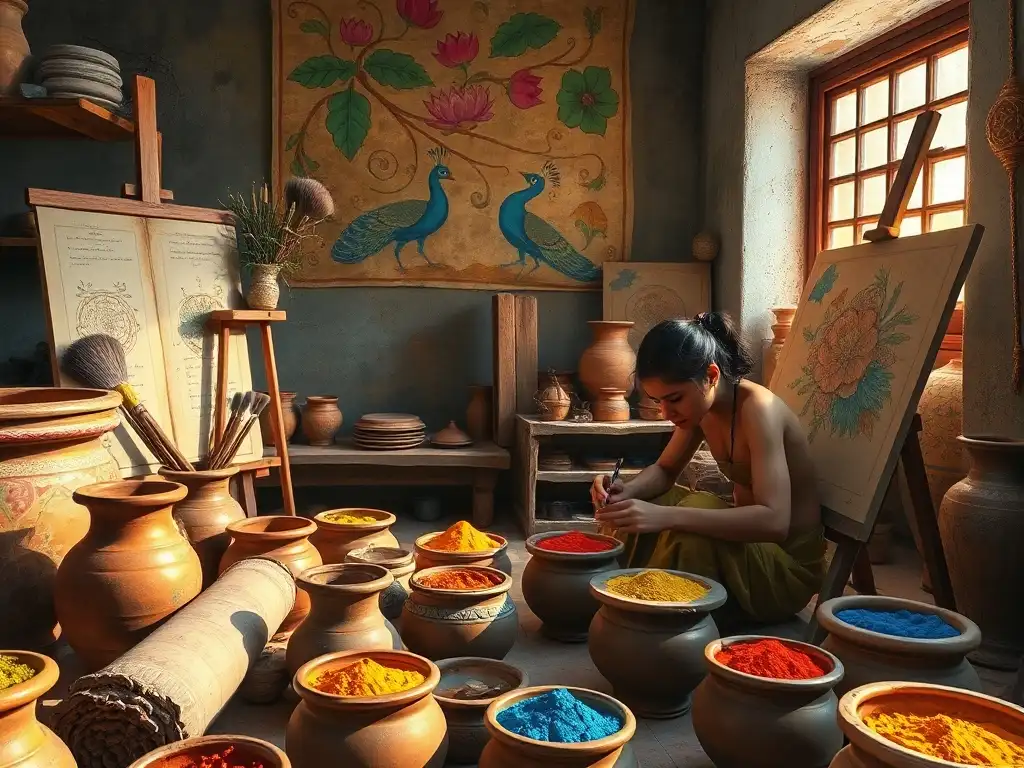
The legacy of ancient Indian color techniques is vividly reflected in modern artistic practices, where traditional methods continue to inspire contemporary artists. Ancient Indian art, characterized by its vibrant use of natural pigments derived from plants, minerals, and other organic materials, has laid a foundational framework that resonates in today's art world. Techniques such as the use of tempera and watercolor have seen a revival, as artists seek to reconnect with the authentic practices of their ancestors.
Notably, the intricate process of creating Madhubani paintings, which utilize natural dyes and pigments, showcases how ancient techniques have become a vital aspect of modern art education. Artists are increasingly adopting these traditional methods, blending them with contemporary styles to create a unique artistic expression. This synthesis not only honors the past but also revitalizes interest in ancient Indian art forms, ensuring their survival and relevance in today's cultural landscape.
Continuation of Traditional Practices in Contemporary Art
Many contemporary artists in India and abroad are consciously integrating traditional color techniques into their works. For instance, the resurgence of Pattachitra painting, with its elaborate designs and vibrant colors, exemplifies how ancient methodologies are being preserved and adapted. Artists like Jogen Chowdhury and Subodh Gupta draw inspiration from these traditional practices, incorporating them into their modern canvases to explore themes of identity and cultural heritage.
Moreover, art collectives and workshops are emerging that focus on teaching these age-old techniques. By fostering a deeper understanding of traditional color practices, they not only keep the techniques alive but also encourage a new generation of artists to explore and innovate within the framework of ancient Indian art. This continuation highlights an ongoing dialogue between the past and present, reinforcing the importance of color as a cultural narrative in artistic expression.
Influence on Global Artistic Movements
The influence of ancient Indian color techniques extends beyond regional boundaries, impacting global artistic movements. The vibrant palettes and unique methods have inspired artists worldwide, contributing to the broader narrative of post-colonial art and the exploration of identity. The use of bright, bold colors can be seen as a reaction against the monochromatic tendencies of Western modernism, offering a fresh perspective that celebrates diversity.
Additionally, exhibitions showcasing ancient Indian art have prompted international artists to incorporate Indian color techniques into their work. The integration of traditional motifs and color schemes has enriched global art scenes, leading to collaborations that transcend cultural barriers. This exchange fosters a deeper appreciation for the complexity and beauty of ancient Indian art and culture, demonstrating how color serves as a universal language that connects diverse artistic traditions.
Conclusion: The Enduring Impact of Colors in Ancient Indian Art and Culture
The significance of color in ancient Indian art cannot be understated; it is a powerful tool that conveys emotions, narratives, and cultural values. From the earthy tones of the Indus Valley civilization to the bright hues of Rajasthani miniatures, colors have played a crucial role in the artistic expression of Indian culture. This lasting impact is evident not only in traditional art forms but also in the modern practices that continue to draw from this rich heritage.
Summary of Key Points
- Legacy: Ancient Indian color techniques inspire modern artists, leading to a revival of traditional methods.
- Continuation: Contemporary practices often integrate ancient techniques, showcasing their relevance in today's art world.
- Global Influence: Ancient color methods have influenced international art movements, enriching global artistic expressions.
Reflection on the Importance of Color in Cultural Heritage
Color is more than just a visual element in art; it embodies cultural significance and historical context. In ancient India, colors were often symbolic, representing various deities, emotions, and societal values. This deep-rooted connection between color and culture continues to resonate today, as artists explore and reinterpret these meanings in their work. The preservation and revival of ancient color techniques not only honor the artistic legacy of India but also highlight the importance of color as a vital component of cultural heritage that transcends time and geography.
References
Key Texts and Resources on Ancient Indian Art and Culture
-
"Indian Art" by Partha Mitter
This comprehensive book delves into the evolution of art across various periods in Indian history. Mitter explores themes, styles, and the socio-political contexts that shaped ancient Indian art and culture, providing valuable insights into the significance of color in artistic expression.
-
"The Art of Ancient India: Buddhist, Hindu, Jain" by John C. Huntington and Dina Bangdel
This work offers an in-depth examination of the diverse artistic expressions from ancient India, focusing on the rich traditions of Buddhist, Hindu, and Jain art. The authors highlight the symbolism of colors used in various artworks, connecting them to religious and cultural narratives.
-
"A History of Indian Painting: The Modern Period" by K. M. Suresh
While primarily focused on modern developments, this text reflects on the historical roots of Indian painting, including the usage of colors and techniques that can be traced back to ancient practices. Suresh elucidates how ancient methods influenced later styles.
-
"The Colors of India: A Cultural History" by Sudha Gopalakrishnan
This book explores the significance of colors in various aspects of Indian culture, including art, textiles, and rituals. Gopalakrishnan discusses how ancient traditions of color usage continue to resonate in contemporary practices.
Suggested Further Reading on Color Symbolism in Art
-
"Color and Meaning: Art, Science, and Symbolism" by John Gage
Gage’s exploration provides an extensive analysis of how color conveys meaning across different cultures, including a section dedicated to Indian art. This resource helps contextualize the color palette within the broader spectrum of art history.
-
"Symbolism in Indian Art and Literature" by R. S. Sharma
This scholarly work investigates the intricate relationship between color symbolism and narrative in Indian art and literature. Sharma presents case studies that highlight the meanings attributed to specific colors in various ancient artworks.
-
"The Psychology of Color in Indian Art" by Neelam K. Joshi
Joshi’s book examines the psychological implications of color choices in Indian art, focusing on how these decisions impact perception and emotional response. It offers a unique perspective on the artists' motivations behind their color palettes.
-
"Color and Culture: Practice and Meaning from Antiquity to Abstraction" by David B. G. Heller
This text presents a broader view of color usage throughout history, including ancient Indian contexts. Heller discusses how cultural influences shape the interpretation of colors in art, making it a valuable addition for understanding ancient Indian color symbolism.
- Introduction to Ancient Indian Art and Culture
- Overview of Ancient Indian Art Forms
- Importance of Color in Ancient Indian Art
- The Symbolism of Colors in Ancient Indian Culture
- Techniques and Materials Used in Ancient Indian Art
- Historical Context of Color Use in Ancient Indian Art
- Regional Variations in Color Use
- The Role of Religion in Shaping Color Preferences
- Legacy of Ancient Indian Color Techniques in Modern Art
- Conclusion: The Enduring Impact of Colors in Ancient Indian Art and Culture
- References
- What is the significance of colors in ancient Indian art?
- How did ancient Indian artists utilize natural pigments?
- What are some examples of ancient Indian art forms that showcase colors?
- How did ancient Indian culture influence the use of colors in art?
- What role did trade play in the development of ancient Indian art and color palettes?
Frequently Asked Questions
What is the significance of colors in ancient Indian art?
Colors in ancient Indian art held symbolic meanings that conveyed emotions, spirituality, and cultural narratives. Each hue was deliberately chosen to enhance the narrative and aesthetic appeal of the artwork.
How did ancient Indian artists utilize natural pigments?
Ancient Indian artists sourced natural pigments from minerals, plants, and other organic materials, which allowed them to create a vibrant palette. This use of eco-friendly materials reflects their deep connection to nature.
What are some examples of ancient Indian art forms that showcase colors?
Art forms such as Madhubani, Warli, and Pattachitra are prime examples where vivid colors play a crucial role. Each of these forms features unique techniques and styles that highlight their cultural heritage.
How did ancient Indian culture influence the use of colors in art?
Ancient Indian culture deeply influenced color usage through its religious and cultural practices. Colors were associated with deities, festivals, and rituals, thus enriching the artistic expression of the time.
What role did trade play in the development of ancient Indian art and color palettes?
Trade routes facilitated the exchange of pigments and art techniques, enhancing the diversity of color palettes in ancient Indian art. This exchange contributed to the evolution of styles and the incorporation of foreign influences.
Final Reflection: The Timeless Palette of Ancient Indian Art
The exploration of ancient Indian art and culture reveals a profound connection between color and emotion that resonates deeply in today's world. In a time when visual communication dominates our lives, understanding the significance of colors used by ancient Indian artists allows us to appreciate the layers of meaning and intention behind their work. The vibrant hues and intricate patterns not only tell stories of the past but also inspire contemporary artists and enthusiasts to delve into their own creative expressions.
The impact of ancient Indian art extends far beyond its historical context; it continues to shape our cultural landscape in myriad ways. From the revival of traditional crafts to the integration of ancient motifs in modern design, the legacy of these artists is alive and thriving. As we navigate a world filled with visual stimuli, we can draw wisdom from the past. Art is the most beautiful of all lies.
This sentiment captures the essence of how ancient Indian artists used color to convey deeper truths, inviting us to reflect on our own interpretations of beauty and meaning.
As you ponder the lessons of ancient Indian art and culture, consider how you can incorporate the vibrancy and depth of this rich heritage into your own life. Embrace the colors around you, both literally and metaphorically, and let them inspire your journey. Whether through art, fashion, or personal expression, allow the palette of ancient Indian artists to guide your creativity and self-discovery. The colors of the past can illuminate the path to a more vibrant future.
Unveil the Vibrant Legacy of Ancient Indian Colors!
Thank you for exploring the captivating world of ancient Indian artists and their colorful palette. We hope you’ve gained valuable insights into how colors defined cultural expressions and narratives throughout history. Now, let's turn that inspiration into action!
- Dive deeper: Research your favorite ancient artwork and analyze its use of color; what story does it convey?
- Explore: Visit a local museum or gallery that showcases Indian art, and observe the colors used along with their cultural significance.
- Share your findings: Discuss your insights with friends or in online art communities to celebrate the beauty of ancient Indian artistry.
What color resonates with your own artistic expression, and how would you incorporate it into your work or life? We encourage you to share your thoughts below!