
Festivals and Rituals: How Ancient Indian Culture Enriched Southeast Asian Celebrations

Welcome to Ancient India History, where we embark on a fascinating journey through the rich tapestry of ancient Indian civilization. Here, we delve into the vibrant influence of ancient Indian festivals that has shaped cultural celebrations across Southeast Asia. From the colorful rituals of the Indus Valley to the grandeur of the Gupta Empire, discover how these age-old traditions continue to resonate in modern festivities. Are you ready to uncover the profound connections and cultural exchanges that have enriched our world? Let’s dive into the enchanting realm of ancient festivals and their enduring legacy!
- Introduction to Ancient Indian Festivals Influence on Southeast Asian Celebrations
- Historical Context of Cultural Exchanges Between Ancient India and Southeast Asia
- Key Ancient Indian Festivals and Their Influence on Southeast Asian Celebrations
- Rituals and Practices Derived from Ancient Indian Festivals
- The Role of Religion in Shaping Festivals in Southeast Asia
- Conclusion: The Lasting Impact of Ancient Indian Festivals on Southeast Asian Culture
-
Frequently Asked Questions
- What are the main festivals celebrated in ancient India?
- How did ancient Indian festivals influence Southeast Asian cultures?
- What role did rituals play in ancient Indian festivals?
- How are ancient Indian festivals relevant today?
- What contributions did the Gupta Empire make to festival celebrations?
- Final Reflection: The Enduring Legacy of Ancient Indian Festivals
- Celebrate and Embrace Cultural Heritage!
Introduction to Ancient Indian Festivals Influence on Southeast Asian Celebrations
The rich tapestry of ancient Indian culture has played a pivotal role in shaping the social and spiritual landscape of Southeast Asia. From the early days of the Indus Valley Civilization to the flourishing Gupta Empire, ancient Indian festivals and rituals not only served as a form of celebration but also acted as a conduit for cultural exchange.
This article delves into the profound influence of ancient Indian festivals on Southeast Asian celebrations, exploring how these vibrant traditions were assimilated, adapted, and celebrated across the region. By examining the historical context and significance of these festivals, we can gain a deeper understanding of the cultural bonds that link India to its Southeast Asian neighbors and appreciate the shared heritage that continues to thrive today.
Overview of Ancient Indian Culture and Its Global Impact
Ancient Indian culture is characterized by its diversity and richness, encompassing a wide range of philosophies, art forms, and religious practices. The influence of this culture extended far beyond the Indian subcontinent, reaching various parts of Asia, particularly Southeast Asia. Key elements of ancient Indian culture that significantly impacted Southeast Asia include:
- Religious Beliefs: The introduction of Hinduism and Buddhism played a crucial role in shaping the spiritual practices of Southeast Asian societies. Temples such as Angkor Wat in Cambodia and Borobudur in Indonesia are testaments to this influence.
- Art and Architecture: The intricate carvings and architectural styles found in ancient Indian temples inspired the design and construction of religious structures in Southeast Asia. This can be seen in the similarities between Indian and Southeast Asian temple architecture.
- Language and Literature: The Sanskrit language and Indian literary texts influenced local languages and literature in Southeast Asia, leading to the emergence of unique literary traditions that blended Indian and indigenous elements.
The intermingling of these cultural aspects not only enriched the local traditions but also fostered a sense of shared identity among the diverse ethnic groups in Southeast Asia.
Significance of Festivals in Ancient Indian Society
Festivals in ancient India were much more than mere celebrations; they were integral to the social fabric and spiritual life of the people. Here are some key aspects of their significance:
- Community Bonding: Festivals provided an opportunity for communities to come together, reinforcing social ties and fostering a sense of belonging. They served as platforms for collective celebration, shared rituals, and communal prayers.
- Religious Expression: Many festivals were dedicated to deities, reflecting the deep religious sentiments of the people. These occasions often involved elaborate rituals, offerings, and ceremonies aimed at seeking blessings and prosperity.
- Agricultural Cycles: Several festivals were linked to the agricultural calendar, marking important seasonal changes such as harvests. They celebrated the bounty of nature and expressed gratitude to the gods for sustenance.
- Cultural Preservation: Festivals acted as a means to preserve and transmit cultural values, traditions, and stories from one generation to the next. They played a crucial role in maintaining the cultural heritage of ancient Indian civilizations.
As these festivals found their way into Southeast Asia, they transformed local celebrations, creating a unique blend of traditions that reflect the cultural exchanges between the two regions. This exploration of ancient Indian festivals and their influence on Southeast Asian celebrations unveils a vibrant narrative of interconnectedness and shared heritage that continues to resonate today.
Historical Context of Cultural Exchanges Between Ancient India and Southeast Asia
The historical relationship between ancient India and Southeast Asia is characterized by profound cultural exchanges that shaped the social, religious, and artistic landscapes of both regions. This exchange can be traced back to as early as the 1st century CE, driven by trade, migration, and the spread of ideas. Ancient Indian civilizations, notably the Indus Valley Civilization and later the Mauryan and Gupta Empires, established extensive trade networks that reached Southeast Asia. These interactions facilitated not only the exchange of goods but also of cultural practices, including festivals and rituals, that would influence local customs in Southeast Asia.
In addition to trade, the Indian Ocean trade routes served as critical conduits for cultural transmission. These maritime passages enabled merchants and travelers to share ideas, art, and religious beliefs, thus laying the groundwork for the rich tapestry of cultural intermingling that characterized the region. This historical context is essential to understanding the influence of ancient Indian festivals on Southeast Asian celebrations, as it highlights the dynamic interplay of commerce and culture that defined their interactions.
Early Trade Routes and Their Role in Cultural Transmission
The early trade routes between ancient India and Southeast Asia were pivotal in facilitating cultural exchanges. The Maritime Silk Road, which connected the Indian subcontinent to the islands of Southeast Asia, emerged as a significant pathway for merchants and traders. Key ports such as Tamralipta (current-day Tamluk in India) and Suvannabhumi (believed to be in Southeast Asia) became bustling hubs of commerce where goods, ideas, and cultural practices were exchanged.
- Goods Traded: The trade encompassed a variety of items, including:
- Spices (e.g., pepper, cardamom)
- Textiles (e.g., silk, cotton)
- Precious metals and gems
This exchange not only enriched the economies of both regions but also allowed for the cross-pollination of traditions and rituals. For instance, the Hindu festival of Makar Sankranti, which celebrates the harvest season, found resonance in Southeast Asian harvest festivals, where similar themes of gratitude and abundance are celebrated.
The role of Indian traders and travelers cannot be understated. They often settled in Southeast Asia, bringing with them their customs and rituals. These settlers contributed to the establishment of early Hindu and Buddhist kingdoms, such as Srivijaya and Majapahit, which served as cultural melting pots. The blending of indigenous beliefs with Indian cultural practices led to the creation of unique festivals that incorporated elements from both traditions.
Spread of Indian Religions and Philosophies in Southeast Asia
The influence of ancient Indian festivals on Southeast Asian celebrations is closely tied to the spread of Indian religions, particularly Hinduism and Buddhism. These religions, along with their accompanying rituals and festivals, were introduced to Southeast Asia through both trade and missionary activities.
- Hinduism: Hindu festivals such as Diwali and Holi found their way into Southeast Asian cultures, albeit with local adaptations. For instance, in Bali, Indonesia, the celebration of Galungan embodies themes of victory and renewal, similar to the essence of Diwali, albeit with distinct local flavors.
- Buddhism: The arrival of Buddhism in Southeast Asia during the 1st century CE brought with it numerous festivals associated with the life of the Buddha. The celebration of Vesak, which commemorates the birth, enlightenment, and death of the Buddha, is observed in various forms across Southeast Asia, demonstrating the enduring legacy of Indian cultural influence.
Moreover, Indian philosophies such as Dharma and Karma became foundational concepts in the moral and ethical frameworks of Southeast Asian societies, influencing their local customs and festivals. The integration of these philosophies into the cultural fabric of Southeast Asia has resulted in a rich blend of traditions, where ancient Indian festivals and rituals continue to thrive, albeit transformed by local contexts.
The historical context of cultural exchanges between ancient India and Southeast Asia reveals a dynamic interplay of trade, migration, and shared philosophies. The influence of ancient Indian festivals is evident in the diverse celebrations that characterize Southeast Asian cultures today, enriching their traditions and fostering a sense of shared heritage.
Key Ancient Indian Festivals and Their Influence on Southeast Asian Celebrations
Diwali: The Festival of Lights and Its Regional Variations
Diwali, also known as the Festival of Lights, is one of the most significant festivals in ancient Indian culture, celebrated primarily by Hindus. Its origins can be traced back to the ancient Indian texts, where it symbolizes the victory of light over darkness and good over evil. The festival typically involves lighting oil lamps, fireworks, and the exchange of sweets, which signify joy and prosperity.
Influence on Southeast Asian Celebrations
The influence of Diwali can be prominently observed in various Southeast Asian countries, particularly in Indonesia, Malaysia, and Singapore.
- In Indonesia, the Hindu community celebrates Diwali known as Deepavali. The festivities closely mirror those in India, with families lighting lamps, performing rituals, and enjoying traditional sweets. The festival has been embraced by the local cultures, with unique adaptations that reflect Indonesian traditions.
- In Malaysia, Diwali is a public holiday, and the vibrant celebrations showcase a blend of Indian and Malaysian customs. Streets are adorned with lights, and various cultural performances are held, highlighting the multicultural aspect of the festival.
- In Singapore, Diwali is celebrated with great enthusiasm, particularly in areas like Little India. The city organizes grand light displays and street fairs, which attract locals and tourists alike. The festival here emphasizes community spirit and inclusivity, reflecting the multicultural fabric of the country.
Holi: The Festival of Colors and Its Adaptations in Southeast Asia
Holi, known as the Festival of Colors, is another major festival that traces its roots to ancient Indian traditions. Celebrated primarily in March, Holi signifies the arrival of spring and the victory of good over evil, often associated with the legend of Prahlada and Holika. The celebration is characterized by throwing colored powders, water festivities, and vibrant social gatherings.
Influence on Southeast Asian Celebrations
The exuberance of Holi has transcended borders, finding a place in various Southeast Asian cultures.
- In Nepal, Holi is celebrated with the same zeal as in India, known as Fagu Purnima. The festival involves playful water fights and the throwing of colors, deeply rooted in local traditions that emphasize community bonding and revelry.
- Sri Lanka also observes a form of Holi, particularly among the Tamil population, where it is known as Puthandu. The festival incorporates local customs, blending traditional Indian practices with Sri Lankan cultural elements, such as special foods and community gatherings.
- In Thailand, while not directly celebrated as Holi, the water festival Songkran shares similarities. Celebrated in mid-April, it involves water pouring, symbolizing purification and the washing away of sins, which resonates with the spirit of Holi.
Makar Sankranti: Harvest Celebrations and Local Practices
Makar Sankranti is an ancient Indian festival that marks the transition of the sun into the zodiac sign of Capricorn. Celebrated in mid-January, it is primarily a harvest festival, signifying the end of the winter solstice and the beginning of longer days. It is marked by various rituals, including kite flying, feasting, and community gatherings.
Influence on Southeast Asian Celebrations
The traditions of Makar Sankranti have influenced harvest celebrations across Southeast Asia.
- In Thailand, the festival of Loy Krathong occurs during the full moon of the twelfth month in the traditional Thai lunar calendar, often aligning with Makar Sankranti. While it celebrates water and the lunar cycle, it incorporates elements of harvest gratitude and community festivities that reflect similar values.
- In Cambodia, the Pchum Ben festival, although distinct, shares thematic elements with Makar Sankranti, focusing on the harvest and honoring ancestors. The blending of agricultural practices and rituals showcases the cultural exchange between ancient Indian and Khmer traditions.
- In Vietnam, the Tết Nguyên Đán (Vietnamese Lunar New Year) coincides with the harvest season, emphasizing family reunions, offerings to ancestors, and the welcoming of new beginnings, mirroring the spirit of Makar Sankranti's agricultural significance.
The celebrations of these festivals across Southeast Asia illustrate the profound influence of ancient Indian festivals, enriching the cultural tapestry of the region and highlighting the interconnectedness of traditions that transcend geographical boundaries.
Rituals and Practices Derived from Ancient Indian Festivals
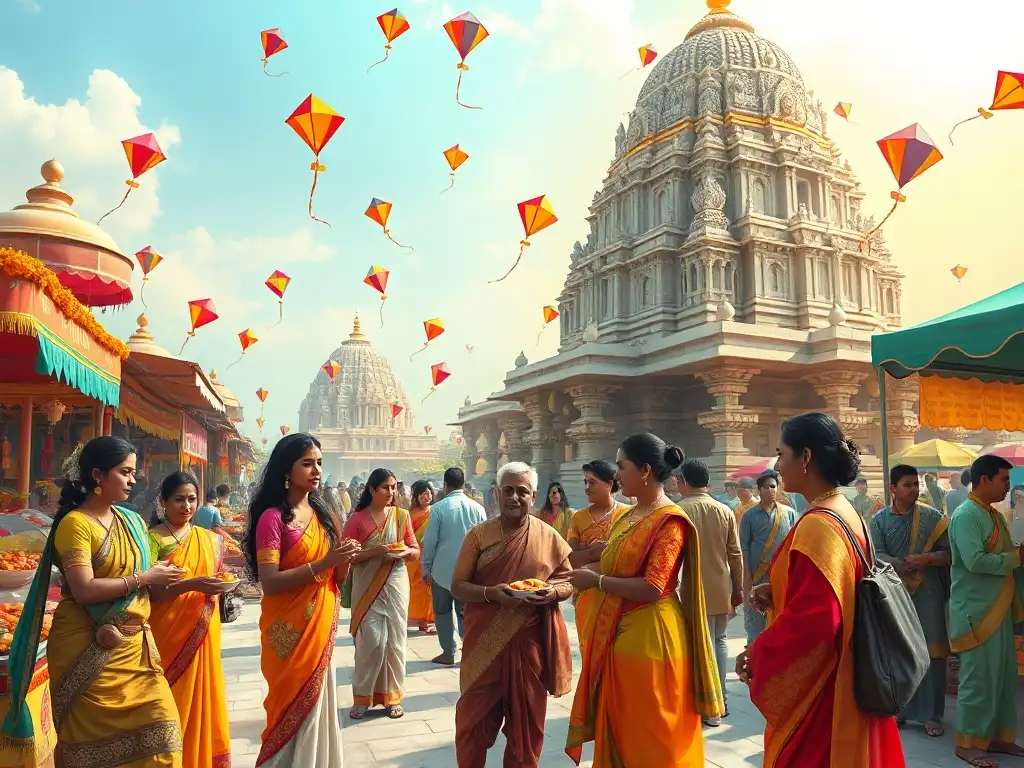
Common Rituals Influenced by Indian Traditions
Ancient Indian festivals have left a profound impact on the rituals and practices observed in various Southeast Asian cultures. These influences can be observed in several key areas:
-
Ceremonial Offerings
Many Southeast Asian celebrations incorporate ceremonial offerings, a practice rooted in ancient Indian traditions. For instance, during the Hindu festival of Diwali, offerings of sweets, flowers, and incense are common. This has been mirrored in festivals like Hari Raya in Malaysia and Sak Yant ceremonies in Thailand, where offerings are made to honor deities.
-
Ritualistic Dances
Dance forms that emerged from ancient Indian traditions, particularly classical dances such as Bharatanatyam and Kathak, have been adapted and incorporated into Southeast Asian festivals. For example, the khon dance in Thailand, which narrates mythological stories, shows clear stylistic connections to Indian dance forms.
-
Processions and Pilgrimages
Processions characterized by vibrant displays and communal participation are a hallmark of many Indian festivals. This influence is evident in Southeast Asian festivals such as the Vesak celebration in Indonesia, where large processions commemorate the birth of Buddha, echoing the grand processions seen during Indian festivals like Jagannath Puri Rath Yatra.
-
Ritualistic Puja
The practice of conducting puja (worship) has been adopted across Southeast Asia, particularly in Bali. The Balinese conduct elaborate pujas during their festivals, mirroring the intricate rituals seen in Indian celebrations.
Adaptation of Indian Festival Practices in Southeast Asian Cultures
The adaptation of Indian festival practices in Southeast Asia illustrates the dynamic nature of cultural exchanges. Here are some notable examples:
-
Songkran (Thailand)
The Thai New Year festival, Songkran, incorporates water rituals resembling ancient Indian practices of purification and renewal, akin to the significance of water in festivals like the Ganga Dussehra in India. The act of pouring water symbolizes cleansing oneself from sins, a theme prevalent in many Indian festivals.
-
Tet (Vietnam)
The Vietnamese Tet festival shares similarities with ancient Indian harvest festivals. The practice of honoring ancestors during Tet reflects the influence of the Indian festival Makar Sankranti, where the harvest is celebrated with offerings to ancestors and deities.
-
Deepavali Celebrations in Malaysia
The Malaysian celebration of Deepavali showcases the influence of Indian cultural elements, including the lighting of oil lamps and the preparation of traditional sweets. The joyous atmosphere mirrors the vibrant celebrations seen in India during Diwali.
-
Chinese New Year in Indonesia
In Indonesia, Chinese New Year celebrations incorporate Indian elements, such as the use of vibrant colors and the presence of rituals to ward off evil spirits, similar to the practices during Dussehra in India. The blending of these traditions highlights the shared cultural heritage.
These adaptations underline how ancient Indian festivals have shaped the cultural landscape of Southeast Asia, creating a rich tapestry of celebrations that honor both local traditions and Indian influences. The continuing evolution of these festivals demonstrates the enduring legacy of ancient Indian festivals on the rituals and practices of Southeast Asian cultures.
The Role of Religion in Shaping Festivals in Southeast Asia
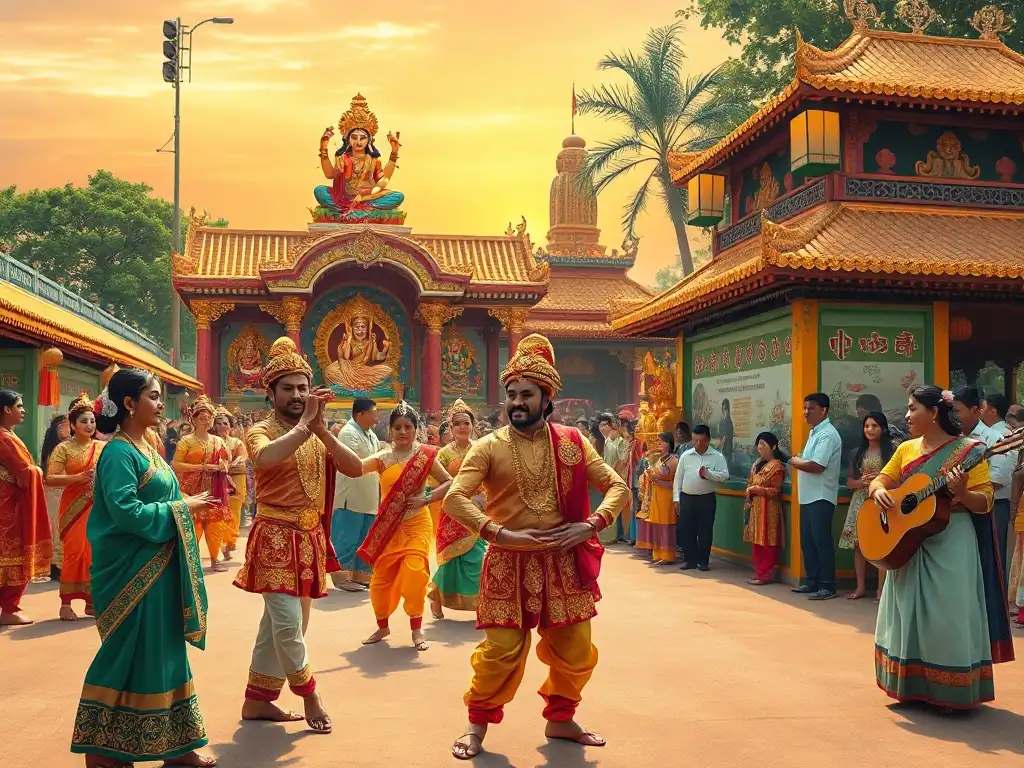
Hinduism and Buddhism: Their Influence on Local Celebrations
Hinduism and Buddhism, two of the most significant religions originating from ancient India, have played a crucial role in shaping the cultural landscape of Southeast Asia. The spread of these religions, along with their associated festivals, has deeply influenced local traditions, rituals, and celebrations.
- Hindu Festivals:
- The influence of Hinduism can be seen prominently in festivals like Diwali. Celebrated in various forms across Southeast Asia, this festival symbolizes the victory of light over darkness and good over evil. In countries such as Indonesia, Diwali is celebrated as Hari Raya Deepavali, showcasing local interpretations while retaining core Hindu elements.
- Holi, the festival of colors, is another example where Hindu traditions have merged with local customs. In places like Bali, the vibrant festivities of Holi have been adapted to include local dances and rituals, resulting in a unique blend of Indian and Indonesian cultures.
- Buddhist Festivals:
- Buddhism, which also has its roots in ancient India, has significantly influenced Southeast Asian cultures, especially in Thailand, Myanmar, and Cambodia. The celebration of Vesak, marking the birth, enlightenment, and death of the Buddha, showcases how Indian religious traditions have been integrated into local practices. The rituals associated with Vesak, such as candlelight processions and temple decorations, reflect a deep reverence for Buddhist teachings, echoing the original Indian customs.
- Asalha Puja, which commemorates the Buddha's first sermon, is another festival that has its origins in Indian culture. In countries like Laos and Thailand, this day is marked by various ceremonies, including the offering of food to monks and the decoration of temples, illustrating the continued significance of Indian influences.
Case Studies of Religious Festivals with Indian Roots in Southeast Asia
The rich tapestry of festivals in Southeast Asia is woven with threads of ancient Indian traditions. Several case studies highlight how these influences manifest in the region's celebrations.
- Songkran in Thailand:
- Originally tied to the Hindu festival of Maha Shivaratri, Songkran celebrates the traditional Thai New Year. It incorporates elements of water rituals that symbolize purification and renewal, akin to the practices in Indian festivals. The iconic water fights, while distinctly Thai, have roots in ancient Indian customs of using water in religious ceremonies.
- Pchum Ben in Cambodia:
- This festival, which honors deceased ancestors, has been influenced by ancient Indian beliefs surrounding death and the afterlife. The rituals performed during Pchum Ben, such as making offerings of food to spirits, echo similar practices found in Hindu traditions, showcasing a blend of local beliefs with Indian roots.
- Thaipusam in Malaysia:
- Thaipusam, celebrated by the Tamil community, is a testament to the enduring influence of Hindu festivals in Southeast Asia. The festival commemorates the goddess Parvati's gift of a spear to her son Murugan. The elaborate processions, kavadi (burden) performances, and rituals of penance reflect deep Indian cultural influences that have been embraced and adapted by local devotees.
- Deepavali in Singapore:
- Celebrated widely by the Indian diaspora, Deepavali in Singapore has transformed into a multicultural celebration that includes various ethnic groups. The festival lights up the streets with colorful decorations and cultural performances, blending traditional Indian customs with local flavors, demonstrating the ongoing impact of ancient Indian festivals.
Through these case studies, it becomes evident that the ancient Indian festivals influence has not only enriched the cultural practices of Southeast Asia but has also fostered a unique identity that showcases the region's diversity and historical connections. The shared heritage continues to thrive, illustrating the powerful legacy of ancient Indian civilizations in shaping contemporary celebrations.
Conclusion: The Lasting Impact of Ancient Indian Festivals on Southeast Asian Culture
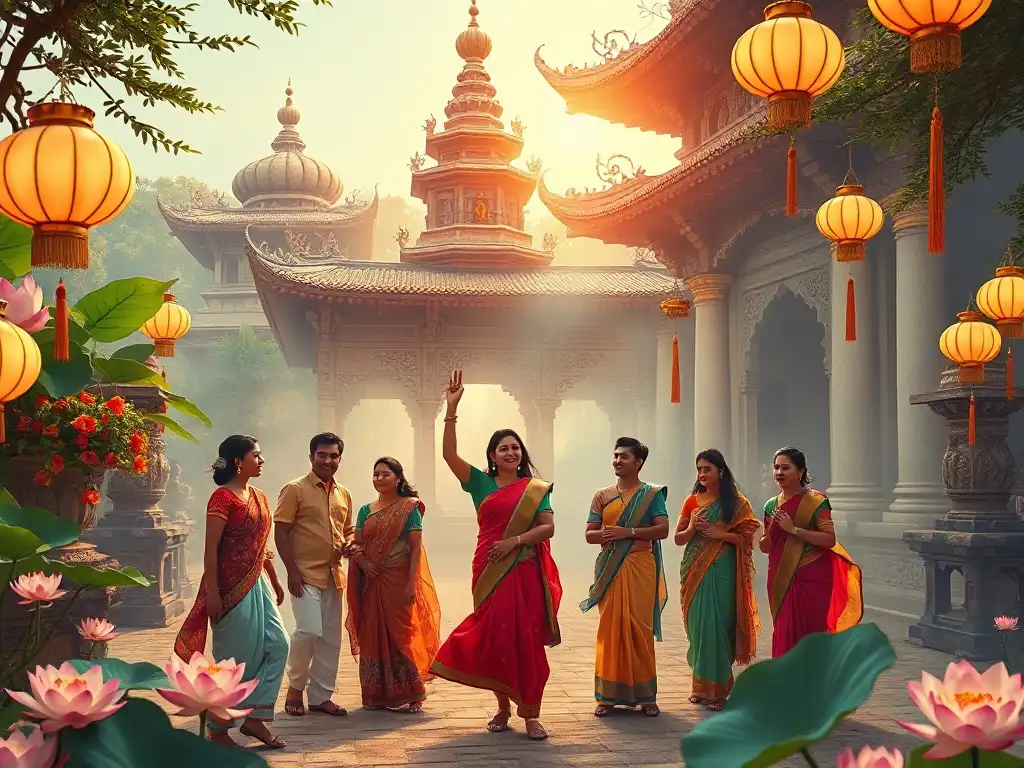
Summary of Key Influences and Their Significance
The influence of ancient Indian festivals on Southeast Asian culture is profound and multifaceted. From the early interactions facilitated by trade routes to the spread of religious beliefs, the festivals of ancient India left an indelible mark on the cultural landscape of Southeast Asia. Here are some key influences:
- Hindu Festivals: The celebration of festivals such as Diwali and Holi can be observed in various forms across Southeast Asia. For instance:
- In Bali, the Balinese New Year (Nyepi) incorporates elements of purification and renewal reminiscent of Holi.
- The vibrant festivities of Diwali have inspired local celebrations in countries like Malaysia and Singapore, where Hindu communities celebrate with lights and fireworks.
- Buddhist Rituals: With the spread of Buddhism from India to Southeast Asia, many festivals adopted Buddhist principles. For example:
- The Vesak festival, commemorating the birth, enlightenment, and death of Buddha, is celebrated with processions and rituals that highlight its Indian roots.
- In Thailand, the Loy Krathong festival, while distinct, showcases the influence of Buddhist customs in its reverence for water and nature.
- Cultural Synthesis: The interplay of local traditions with ancient Indian rituals led to unique festivals that embody a blend of cultural elements. For instance:
- The Songkran festival in Thailand, while rooted in local practices, incorporates the Indian tradition of celebrating the new year with water rituals, symbolizing purification and renewal.
These influences underscore the significance of ancient Indian festivals not only as celebrations but also as vehicles for cultural exchange and integration, shaping the identities of various Southeast Asian communities.
Reflection on the Cultural Legacy of Ancient Indian Festivals in Modern Celebrations
The legacy of ancient Indian festivals continues to resonate in contemporary Southeast Asian societies, where traditional celebrations have evolved yet retain their historical significance. Reflecting on this cultural heritage reveals several key aspects:
- Preservation of Traditions: Many modern celebrations pay homage to their ancient origins. Festivals like Deepavali in Malaysia and Diwali in Singapore showcase a vibrant blend of ancient practices and modern expressions, emphasizing community bonding and cultural pride.
- Cultural Education: Current generations are increasingly recognizing the importance of understanding their cultural roots. Many educational programs focus on the historical context of festivals, fostering a sense of identity and continuity.
- Tourism and Globalization: The popularity of ancient Indian festivals has also contributed to tourism in Southeast Asia, attracting visitors eager to experience the rich tapestry of cultural celebrations. Events like the Thai New Year (Songkran) have gained international attention, showcasing the enduring appeal of these ancient traditions.
- Interfaith Celebrations: The inclusive nature of many festivals allows for interfaith participation, promoting unity and understanding among diverse communities. For example, the celebration of Vesak often brings together Buddhists and Hindus, reflecting the shared cultural heritage stemming from ancient India.
The influence of ancient Indian festivals on Southeast Asian culture is a testament to the power of cultural exchange. By examining the roots and transformations of these celebrations, we gain a deeper appreciation for the interconnectedness of human experiences across time and geography. The ancient Indian festivals influence continues to enrich modern celebrations, fostering both continuity and innovation in the cultural practices of Southeast Asia.
Frequently Asked Questions
What are the main festivals celebrated in ancient India?
Ancient India celebrated a variety of festivals, such as Diwali, Holi, and Makar Sankranti, which were deeply tied to agricultural cycles, religious beliefs, and seasonal changes.
How did ancient Indian festivals influence Southeast Asian cultures?
The trade routes and cultural exchanges facilitated the spread of ancient Indian festivals, leading to the incorporation of similar rituals and celebrations in Southeast Asian societies.
What role did rituals play in ancient Indian festivals?
Rituals in ancient Indian festivals served as a means to connect with the divine, reinforce community bonds, and pass down cultural traditions through generations.
How are ancient Indian festivals relevant today?
Many ancient Indian festivals continue to be celebrated, showcasing their enduring significance and influence on modern celebrations both in India and across Southeast Asia.
What contributions did the Gupta Empire make to festival celebrations?
The Gupta Empire is known for its patronage of arts, literature, and festivals, enriching the cultural landscape and leading to the evolution of celebrations that incorporated various regional customs and traditions.
Final Reflection: The Enduring Legacy of Ancient Indian Festivals
The influence of ancient Indian festivals on Southeast Asian celebrations is not just a historical curiosity; it is a vibrant testament to the interconnectedness of cultures. As we explore the rich tapestry woven by these rituals, we recognize that their impact resonates in contemporary society, reminding us of the shared values and traditions that transcend geographical boundaries. The echoes of these ancient celebrations continue to shape our modern festivities, illustrating the profound ways in which culture evolves while retaining its core essence.
Cultural exchange is a powerful force that shapes our identities and enriches our experiences. The festivals and rituals rooted in ancient Indian traditions have not only influenced the way Southeast Asians celebrate but have also fostered a sense of unity and belonging among diverse communities. As we witness the blending of customs and practices, we are reminded of the words of Mahatma Gandhi: Our ability to reach unity in diversity will be the beauty and the test of our civilization.
This ongoing influence highlights the importance of embracing our shared heritage while celebrating our unique identities.
As we reflect on the lessons drawn from the ancient festivals discussed in this article, I invite you to consider how you can incorporate these timeless traditions into your own life. Embrace the spirit of celebration, community, and cultural appreciation that these rituals embody. Whether it's participating in local festivities or exploring the deeper meanings behind your own cultural practices, let us honor the legacy of ancient Indian festivals by fostering connections that enrich our lives and the lives of those around us.
Celebrate and Embrace Cultural Heritage!
Thank you for diving into the fascinating world of ancient Indian culture and its rich influence on Southeast Asian celebrations. Your curiosity has unlocked the door to a deeper understanding of how traditions connect us across time and space. Now, it's time to take that newfound knowledge and put it into action!
Here’s how you can further explore and celebrate these vibrant cultures:
- Embrace a Festival: Participate in a local festival or cultural event that honors Southeast Asian traditions. Immerse yourself in the music, food, and rituals that make these celebrations so unique.
- Share the Knowledge: Spread the word! Share what you've learned with friends and family, or post on social media to encourage discussions about cultural heritage.
- Discover More: Explore a book or documentary focused on ancient Indian culture or Southeast Asian traditions to deepen your understanding even further.
What’s a festival or ritual that has ignited your interest, and how do you plan to incorporate it into your life?