
The Impact of Islam on Hindu Art: A Study of Cultural Interactions

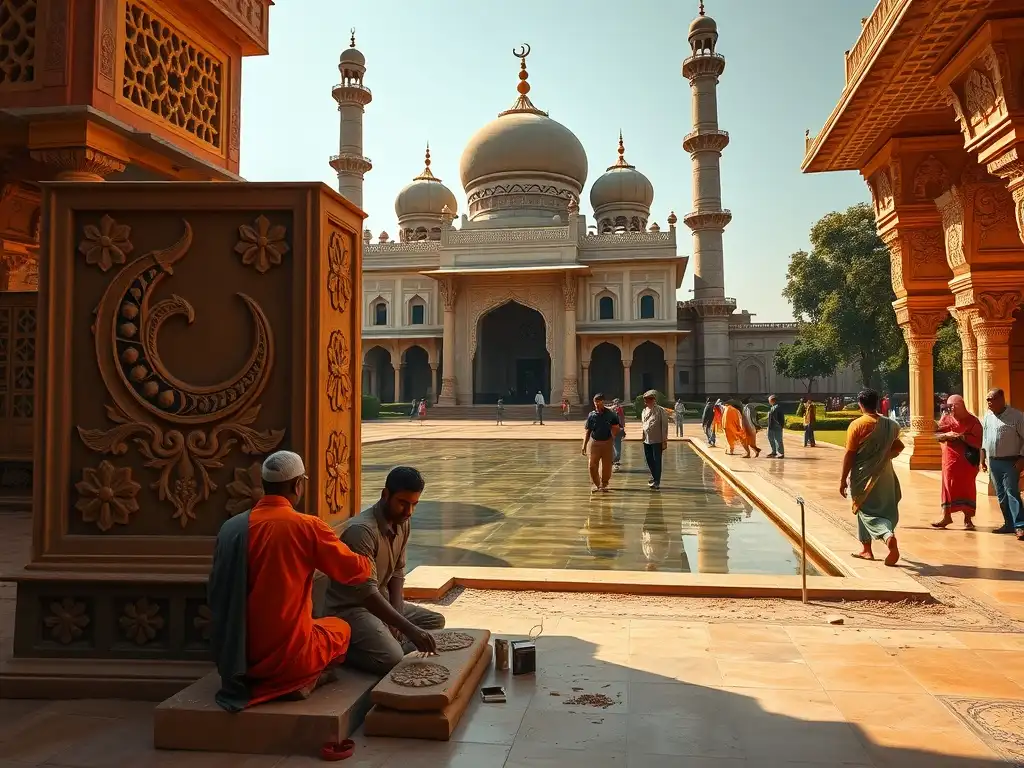
Welcome to Ancient India History, where we embark on a fascinating journey through time to uncover the rich tapestry of civilizations that shaped the Indian subcontinent. Today, we delve into the intricate interplay between cultures as we explore the Islamic influence on Hindu art. This captivating article, "The Impact of Islam on Hindu Art: A Study of Cultural Interactions," invites you to discover how these two vibrant traditions intertwined, creating a unique artistic legacy that continues to resonate today. Prepare to be intrigued as we unravel the stories behind the masterpieces and the cultural exchanges that defined an era!
Introduction to Islamic Influence on Hindu Art
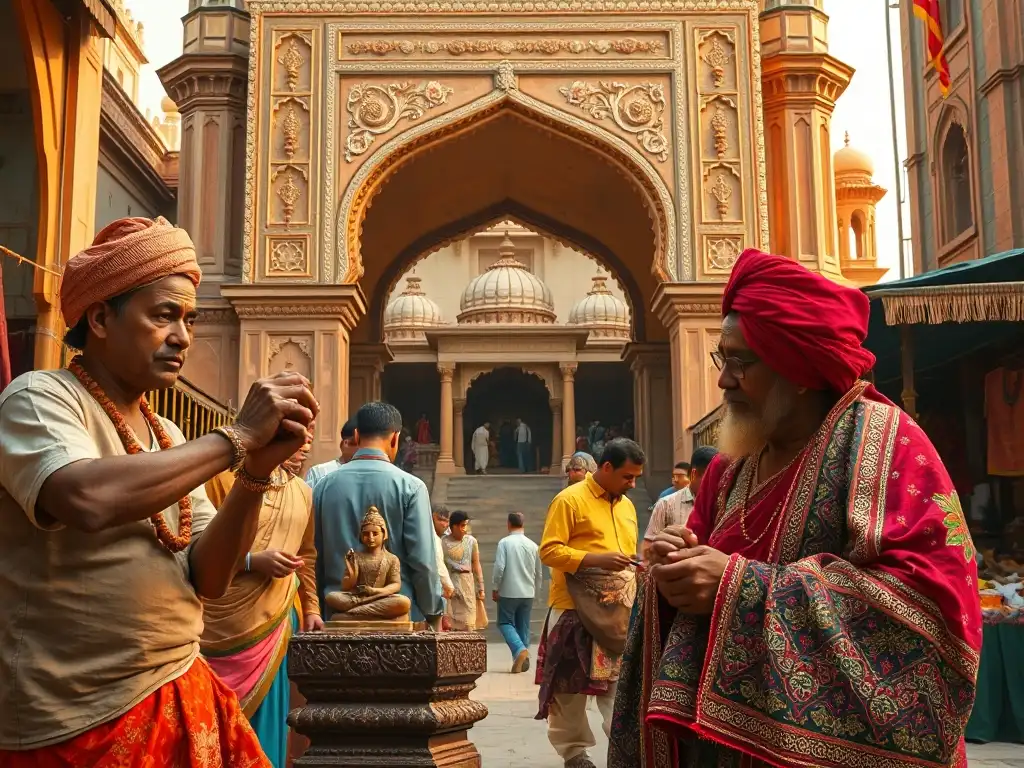
The intersection of Islamic and Hindu artistic traditions represents a fascinating chapter in the history of ancient India, illuminating the profound cultural exchanges that occurred over centuries. As Islam spread across the Indian subcontinent, it encountered the rich tapestry of Hindu traditions, leading to a unique melding of artistic expressions.
This article delves into the Islamic influence on Hindu art, exploring how this interaction shaped visual culture, architecture, and craftsmanship, ultimately enriching both traditions. By analyzing the nuances of this syncretism, we can appreciate the ways in which these two distinct cultural spheres not only coexisted but also influenced one another, resulting in a vibrant artistic legacy that continues to resonate today.
Overview of Cultural Interactions between Islam and Hinduism
The cultural interactions between Islam and Hinduism are marked by a complex history of coexistence, conflict, and collaboration. Initially, the arrival of Islamic traders and travelers set the stage for cultural exchanges that would unfold over the following centuries. Many aspects of Hindu art, including themes, motifs, and techniques, began to incorporate Islamic elements, leading to a dialogue that transcended religious boundaries.
Key points of interaction include:
- Trade Routes: Facilitated the exchange of ideas and techniques.
- Royal Patronage: Mughal emperors and local rulers commissioned a variety of art forms that integrated both Islamic and Hindu aesthetics.
- Religious Coexistence: Places of worship often showcased a blend of architectural styles, illustrating the shared heritage.
Importance of Studying Artistic Syncretism in Ancient India
Understanding the artistic syncretism between Islam and Hinduism is crucial for several reasons:
- Cultural Identity: It reveals how identities were constructed and transformed through artistic expressions.
- Historical Insight: Offers a lens through which to view the socio-political dynamics of the time.
- Preservation of Heritage: Highlights the importance of preserving and appreciating diverse cultural narratives in the context of globalization.
Historical Context of Islamic Influence on Hindu Art
The historical context surrounding the Islamic influence on Hindu art is rich and multifaceted, rooted in the early encounters between these two cultures and further shaped by the establishment of Islamic dynasties in India.
Early Encounters between Islamic and Hindu Cultures
The early encounters between Islamic and Hindu cultures can be traced back to the 7th century, primarily through trade and the movement of people. These interactions laid the groundwork for future exchanges, as artisans from both traditions began to influence one another in various ways. The introduction of new materials, techniques, and motifs marked a significant shift in artistic practices across the subcontinent.
Key aspects include:
- Initial Trade Contacts: Early Muslim traders brought Persian and Arab influences to Indian artisans.
- Artistic Techniques: The use of intricate floral patterns and calligraphy became more prevalent in Hindu art.
- Fusion of Styles: The blending of Islamic geometric designs with traditional Hindu iconography.
The Role of Islamic Dynasties in India
The establishment of Islamic dynasties, such as the Delhi Sultanate and the Mughal Empire, played a pivotal role in facilitating artistic exchanges. These rulers not only patronized the arts but also encouraged the fusion of diverse artistic traditions, resulting in a distinctive style that reflected both Islamic and Hindu influences.
Key contributions include:
- Mughal Architecture: Structures like the Taj Mahal exemplify the harmonious blend of Islamic and Hindu architectural elements.
- Miniature Paintings: The emergence of Indo-Persian miniatures showcased a unique synthesis of artistic techniques.
- Cultural Institutions: The creation of schools and workshops where artists from different backgrounds collaborated.
Key Historical Periods of Artistic Exchange
Several key historical periods marked significant artistic exchanges between Islamic and Hindu cultures:
- Delhi Sultanate (1206–1526): The establishment of Islamic rule in northern India initiated the first major wave of artistic interaction.
- Mughal Empire (1526–1857): A pinnacle of cultural synthesis, this era saw prolific artistic output that merged Islamic and Hindu aesthetics.
- Regional Kingdoms: Various local kingdoms contributed to the ongoing dialogue between these cultures, further enriching the artistic landscape.
The Islamic influence on Hindu art is a testament to the power of cultural interactions, showcasing how diverse traditions can coexist and thrive through mutual appreciation and exchange. By examining this rich history, we gain deeper insights into the complexities of ancient Indian culture and its enduring legacy.
Features of Islamic Influence on Hindu Art
The Islamic influence on Hindu art is characterized by a remarkable blend of aesthetics, techniques, and themes that emerged from centuries of cultural interactions. This amalgamation not only enriched the artistic landscape but also reflected the syncretic nature of Indian society. Key features of this influence include the integration of geometric patterns, intricate calligraphy, and themes that showcase a fusion of religious and cultural narratives.
One of the most profound impacts is seen in the use of architectural styles, where Islamic elements were incorporated into Hindu temple designs, resulting in unique structures that exhibited the grandeur of both traditions. Additionally, the decorative arts flourished with the introduction of new motifs and materials, leading to the creation of exquisite textiles, ceramics, and metalwork infused with Islamic design principles.
The blending of iconography is another significant feature. Traditional Hindu deities began to be represented with attributes and styles influenced by Islamic artistry, showcasing a dialogue between the two cultures. This cross-pollination of ideas not only enriched Hindu art but also served as a testament to the shared heritage of the Indian subcontinent.
Architectural Innovations: Merging Styles and Techniques
Architectural innovations stemming from Islamic influence on Hindu art are best exemplified in the construction of temples and palaces that reflect a synthesis of styles. The incorporation of domes, arches, and minarets into Hindu temple architecture signifies a departure from traditional designs, showcasing a willingness to adopt and adapt new techniques.
One notable example is the Golkonda Fort in Hyderabad, where the fusion of Islamic and Hindu architectural elements is evident. The fort exhibits intricate carvings alongside Islamic motifs, creating a harmonious blend that tells the story of cultural interactions. Moreover, the Jami Masjid in Mandu showcases the use of Hindu architectural elements, such as the ornate pillars and detailed carvings, integrated into its Islamic structure.
The Mughal architecture, characterized by its grandiosity and intricate detailing, also left a lasting impact on Hindu temple design. The use of red sandstone and marble, along with inlay work, became prominent in later Hindu architecture, illustrating the adoption of Islamic techniques while retaining essential Hindu motifs. This merging of styles led to a distinctive architectural language that enriched the cultural fabric of India.
Decorative Arts: Patterns, Motifs, and Symbolism
The decorative arts during the period of Islamic influence on Hindu art saw the introduction of complex patterns and motifs that transformed traditional Hindu aesthetics. Geometric patterns, which are a hallmark of Islamic art, began to coexist with floral designs and naturalistic themes prevalent in Hindu art. This synthesis is evident in textiles, pottery, and metalwork.
One of the most striking examples is the bandhani or tie-dye textiles from Gujarat, which incorporated Islamic patterns alongside traditional Hindu designs, creating a unique textile heritage. Similarly, blue and white pottery, influenced by Persian techniques, began to feature Hindu themes and narratives, showcasing an artistic dialogue between the two cultures.
The use of calligraphy also gained prominence during this period. While Islamic calligraphy was primarily religious, it began to be employed in decorative contexts in Hindu artworks, often inscribing verses from Hindu texts alongside Arabic scripts. This not only enriched the visual appeal of the art but also served as a medium for cultural expression and religious syncretism.
Sculpture and Iconography: A Blend of Traditions
The impact of Islamic influence on Hindu sculpture and iconography is evident in the reinterpretation of traditional themes. Sculptures that once strictly adhered to Hindu iconographic rules began to incorporate stylistic elements from Islamic art. This resulted in a fascinating blend where Hindu deities were depicted with features and styles reminiscent of Islamic artistry.
A significant example can be seen in the sculptures of the Khajuraho temples, where intricate carvings exhibit a melding of Hindu and Islamic motifs. The depiction of figures with flowing garments and elaborate headdresses reflects the influence of Islamic aesthetics while retaining the essence of Hindu iconography.
Furthermore, the influence of Mughal art introduced new narratives and subjects into Hindu sculpture, portraying not only deities but also scenes from everyday life infused with Islamic themes. This blend of traditions not only expanded the scope of sculpture in Hindu art but also illustrated the cultural exchange that characterized the period.
Regional Variations of Islamic Influence on Hindu Art
The regional variations of Islamic influence on Hindu art reflect the diverse interactions across different parts of India. Each region developed its unique blend of styles, showcasing how local cultures adapted and integrated Islamic aesthetics into their artistic expressions.
The Deccan Sultanates: A Case Study
The Deccan Sultanates, which emerged in the 16th century, serve as a fascinating case study of Islamic influence on Hindu art. The rulers of these sultanates patronized a unique blend of Persian and indigenous styles, resulting in distinctive artistic expressions.
Temples constructed during this period often featured intricate carvings and motifs that combined Hindu themes with Islamic architectural elements. The Gol Gumbaz in Bijapur exemplifies this fusion, where the structure showcases not only Islamic architectural techniques but also incorporates Hindu decorative motifs, resulting in a harmonious blend of influences.
Moreover, the miniature paintings produced during this era reflect a synthesis of styles, with Hindu themes depicted through the lens of Persian artistry. These artworks often illustrated religious narratives, portraying gods and goddesses with intricate details that highlighted the merging of cultural influences.
Mughal Influence on Hindu Artistic Expression
The Mughal Empire had a profound and lasting impact on Hindu artistic expression. The Mughals, known for their patronage of the arts, introduced new styles and techniques that greatly influenced Hindu art forms. Their architectural projects, such as the Taj Mahal and Red Fort, set a precedent for grandeur and intricate craftsmanship that Hindu artists began to emulate.
In painting, the Mughal technique of naturalism and attention to detail significantly influenced Hindu artists. The adoption of vibrant colors and intricate backgrounds became prominent in Hindu paintings, where deities were depicted in a manner that reflected Mughal aesthetics. The integration of Mughal motifs, such as flowers and birds, into Hindu art exemplified the syncretic nature of this cultural exchange.
Sculpture also saw a transformation, with Hindu artisans incorporating Mughal styles into their works. The depiction of Hindu gods with Mughal-inspired attire and attributes is a testament to the deep cultural interactions that took place during this period.
Regional Styles: Punjab, Bengal, and Gujarat
Regional styles of Hindu art under Islamic influence varied significantly across Punjab, Bengal, and Gujarat, each exhibiting unique characteristics shaped by local traditions and interactions.
In Punjab, the fusion of Islamic and Hindu art is particularly evident in the architecture of gurdwaras, which often incorporate Islamic elements such as domes and arches while maintaining Hindu motifs in their decorative arts. The Harmandir Sahib, or Golden Temple, stands as a symbol of this synthesis, showcasing stunning artistry that reflects both traditions.
In Bengal, the influence is seen in the intricate Patachitra paintings that blend Islamic motifs with traditional Hindu narratives. The use of vibrant colors and elaborate designs in these scroll paintings speaks to the region's rich cultural exchanges, as artists incorporated elements from both Islamic and Hindu iconography.
Gujarat is renowned for its textiles and decorative arts, where Islamic influence is apparent in the intricate patterns of bandhani and the use of mirror work. The Ajrakh textile tradition reflects a blend of techniques and motifs that highlight the syncretic nature of the region's artistic expression, combining local styles with Islamic designs.
The regional variations of Islamic influence on Hindu art illustrate a rich tapestry of cultural interactions, showcasing how diverse traditions coalesce to create unique artistic expressions.
Theoretical Perspectives on Cultural Exchange
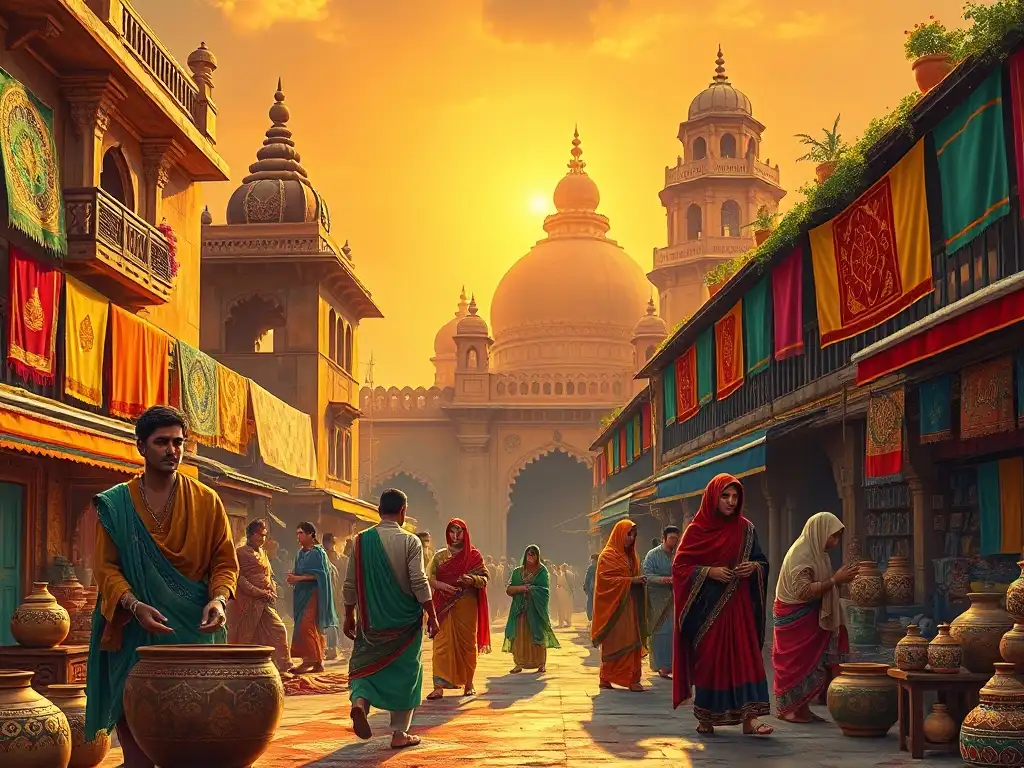
Cultural exchange is a multifaceted process that involves the interaction between different cultures, leading to the sharing and adaptation of ideas, beliefs, and artistic expressions. In the context of Islamic influence on Hindu art, several theoretical perspectives can be applied to understand how these two rich traditions interacted over time.
One significant perspective is that of cultural syncretism, which posits that when cultures meet, they do not simply coexist but instead blend and transform, giving rise to new forms of expression. This blending can often be seen in artistic styles, motifs, and techniques that emerge from the fusion of Islamic and Hindu influences.
Moreover, the theory of cultural diffusion emphasizes the importance of trade, migration, and conquest in the spread of artistic ideas. This perspective is particularly relevant in the Indian subcontinent, where the movement of peoples and the establishment of Islamic rule facilitated the introduction of new artistic traditions that were subsequently adapted by local artisans. Lastly, the post-colonial theory offers insights into the power dynamics inherent in cultural exchanges, highlighting how colonial narratives have shaped our understanding of the Islamic impact on Hindu art as part of a broader dialogue about identity and heritage.
The Concept of Cultural Syncretism
Cultural syncretism refers to the merging of different cultural elements, resulting in new, hybrid forms of expression. In the context of Islamic influence on Hindu art, this concept is crucial for understanding how the two traditions influenced each other. The arrival of Islamic rulers in India, particularly during the Delhi Sultanate and Mughal Empire periods, led to the integration of Persian artistic techniques, architectural styles, and decorative motifs into the existing Hindu artistic landscape.
Examples of this syncretism are evident in architectural marvels such as the Taj Mahal, which showcases elements of both Islamic and Hindu design through intricate carvings, gardens, and symmetrical layouts. Similarly, the use of calligraphy and geometric patterns in Hindu temple art reflects the Islamic aesthetic, demonstrating how artists from both backgrounds drew inspiration from one another. This blending not only enriched the visual language of both traditions but also fostered a sense of shared cultural heritage.
Impact on Identity: Hindu and Muslim Artistic Identities
The interaction between Islamic and Hindu art has significantly influenced the identities of both communities. For Hindus, the incorporation of Islamic elements into their artistic practices has often been viewed as a means of adapting and responding to changing cultural landscapes. This adaptation can be seen as a form of resilience, where traditional Hindu motifs were reinterpreted within new artistic frameworks, allowing for continuity amidst transformation.
On the other hand, Muslim artists in India also navigated their identity by engaging with local traditions. This engagement often led to a unique artistic identity that was distinctly Indian yet rooted in Islamic aesthetics. The resulting artworks, whether in painting, sculpture, or architecture, often reflect a dialogue between the two cultures, highlighting the complexities of identity formation in a multi-religious society. Such interactions have contributed to a unique artistic legacy that defies simple categorizations and showcases the rich tapestry of Indian cultural history.
Modern Interpretations of Historical Interactions
In contemporary discourse, the historical interactions between Islamic and Hindu art are often re-evaluated through various lenses, including post-colonialism, globalization, and cultural nationalism. Modern scholars emphasize the importance of understanding these historical exchanges not merely as instances of influence but as dynamic processes that shaped the identities of both communities over centuries.
Art historians and cultural critics are increasingly exploring how these interactions can inform current artistic practices and foster intercultural dialogue. For instance, contemporary artists may draw upon both Islamic and Hindu motifs to create works that reflect their personal identities or address social issues, thereby continuing the legacy of syncretism in modern art. This re-engagement with history encourages a deeper appreciation of the complexities of cultural interactions and highlights the ongoing relevance of these exchanges in today's world.
Conclusion: The Lasting Legacy of Islamic Influence on Hindu Art
The intersection of Islamic and Hindu artistic traditions has produced a rich legacy that continues to shape the cultural landscape of India. This legacy is not only evident in the physical artworks that adorn temples, palaces, and public spaces but also in the ongoing dialogue between different cultural identities.
Summary of Key Findings
- Cultural Syncretism: The merging of Islamic and Hindu artistic elements has led to the creation of unique hybrid styles.
- Identity Formation: Both Hindu and Muslim artists have navigated their identities through the incorporation of each other's artistic traditions.
- Modern Reinterpretations: Contemporary artists continue to draw inspiration from historical interactions, fostering new dialogues about culture and identity.
Reflections on the Importance of Cultural Interactions in Art
The study of Islamic influence on Hindu art underscores the significance of cultural interactions in shaping artistic traditions. These exchanges highlight the fluidity of cultural boundaries and the potential for creativity that arises when different traditions come into contact. Understanding these interactions enriches our appreciation of art as a living dialogue that reflects the complexities of human experience. As we move forward, it is essential to recognize the value of cultural syncretism in promoting inclusivity and mutual respect in an increasingly interconnected world.
Further Reading and References
The exploration of the Islamic influence on Hindu art is a rich field that invites further inquiry and deeper understanding. Below is a curated list of recommended literature and important archaeological sites that provide valuable insights into this fascinating cultural interaction.
Recommended Literature on Islamic and Hindu Artistic Interactions
-
"The Indian Islamic Architecture: Form and Transformation" by R. Nath
This book delves into the architectural styles that emerged from the confluence of Islamic and Hindu traditions, highlighting key examples and the transformation of traditional forms.
-
"Art and Architecture of the Indian Subcontinent" by J. C. Harle
A comprehensive overview of the art and architecture of India, this work addresses the period of Islamic rule and its significant impact on local artistic expressions.
-
"Hindu Art and Architecture" by Michael W. Meister
This text provides an extensive account of Hindu art, with particular attention to the influences and adaptations that occurred during Islamic dominance.
-
"The Mughal Empire and the Culture of the Book" by Andrew Topsfield
This work focuses on the Mughal period, exploring how Persian influences shaped Hindu art forms, especially in manuscript production and painting.
-
"Islamic Influence on Indian Culture" by Asim Roy
An insightful examination of the broader cultural exchanges between Islamic and Hindu traditions, this book discusses various artistic forms, including sculpture and textiles.
Important Archaeological Sites and Artworks to Explore
-
Fatehpur Sikri
This UNESCO World Heritage site showcases the fusion of Persian and indigenous styles in its architecture, particularly in the Buland Darwaza and the Diwan-i-Khas.
-
The Qutb Minar Complex
Located in Delhi, this site features intricate carvings and inscriptions that highlight the interaction between Islamic and Hindu artistic motifs, notably present in the Quwwat-ul-Islam Mosque.
-
The Hampi Ruins
Once the capital of the Vijayanagara Empire, Hampi exhibits a unique blend of Islamic and Hindu architectural elements, particularly in its palaces and temples.
-
The Indo-Saracenic Architecture of Victoria Terminus
This railway station in Mumbai showcases a blend of Gothic Revival and Indian architectural styles, illustrating the syncretism of Islamic and Hindu artistic traditions.
-
Miniature Paintings from the Mughal Era
These artworks, which often incorporate Hindu themes and subjects, exemplify the blending of Islamic and Hindu aesthetics, revealing a complex narrative of cultural interaction.
Exploring these recommended readings and archaeological sites will provide a deeper understanding of the intricate dynamics between Islamic and Hindu art, showcasing the enduring legacy of their interactions throughout history.
- Introduction to Islamic Influence on Hindu Art
- Historical Context of Islamic Influence on Hindu Art
- Features of Islamic Influence on Hindu Art
- Regional Variations of Islamic Influence on Hindu Art
- Theoretical Perspectives on Cultural Exchange
- Conclusion: The Lasting Legacy of Islamic Influence on Hindu Art
- Further Reading and References
Frequently Asked Questions
What is the Islamic influence on Hindu art?
The Islamic influence on Hindu art refers to the artistic exchanges and adaptations that occurred as a result of cultural interactions between Islamic and Hindu traditions, particularly during the medieval period in India.
How did the Mughal Empire impact Hindu art?
The Mughal Empire significantly impacted Hindu art by introducing Persian styles and techniques, leading to the fusion of Islamic motifs with traditional Hindu themes, creating a unique artistic expression.
What are some examples of Hindu art influenced by Islamic styles?
Examples include miniature paintings, intricate jali work, and the incorporation of calligraphic elements in Hindu temples, showcasing a blend of Islamic and Hindu aesthetics.
Did the Islamic influence affect sculpture in Hindu art?
Yes, the Islamic influence did affect sculpture, particularly in the decorative details and themes, where Islamic motifs were often integrated into traditional Hindu sculptures and carvings.
How can one study the cultural interactions between Islam and Hinduism in art?
One can study these cultural interactions through art history courses, visiting museums with relevant collections, or by exploring academic texts that analyze the historical context of Islamic influence on Hindu art.
Final Reflection: Embracing the Harmony of Cultures
In exploring the Islamic influence on Hindu art, we uncover a rich tapestry of cultural interactions that continue to resonate in our contemporary world. The blending of these two artistic traditions not only highlights the beauty of diversity but also serves as a reminder of the profound connections that can arise from shared histories. Today, as societies grapple with issues of identity and coexistence, the lessons drawn from this artistic dialogue are more relevant than ever. The intricate designs and motifs that emerged from this synthesis stand as a testament to the power of collaboration and mutual respect.
The impact of Islamic influence on Hindu art is not merely a historical footnote; it is a vibrant part of our cultural landscape that shapes our understanding of art and identity. This ongoing dialogue between cultures fosters a sense of unity, encouraging us to appreciate the nuances of each tradition. As noted by art historian Dr. Amina Khan, Art transcends boundaries, and in its essence, it tells the story of humanity's shared journey.
This perspective invites us to reflect on how the confluence of different artistic expressions can lead to a richer, more inclusive narrative that honors both heritage and innovation.
As we conclude this exploration, I invite you to reflect on the ways in which you can embrace and celebrate cultural interactions in your own life. Consider how the lessons of collaboration and appreciation for diversity can enrich your personal experiences and relationships. Let the beauty of Islamic influence on Hindu art inspire you to seek connections across cultural divides, fostering a spirit of understanding and creativity that transcends boundaries. Together, we can cultivate a world where art serves as a bridge, uniting us in our shared humanity.
Unleash Creativity: Explore the Fusion of Cultures!
Thank you for delving into the fascinating intersection between Islamic and Hindu art! Your interest in this rich tapestry of cultural interaction opens the door to a deeper understanding of our shared history. Now it’s time to bring that insight to life!
Here are some engaging ways to deepen your connection:
- Dive deeper into the art! Visit a local museum or an online gallery that showcases the beauty of Islamic and Hindu art, and seek out stunning pieces that highlight their dynamic interplay.
- Share the knowledge! Discuss your newfound insights with friends or on social media. Use a dedicated hashtag to connect with others who are passionate about this topic.
- Engage with your community! Attend or host a workshop focused on cultural art forms, promoting collaboration and creativity across various traditions.
What aspect of the cultural exchange between Islam and Hinduism inspires you the most, and how might you incorporate it into your own creative work?