
Indian Epics in Southeast Asia: The Ramayana and Mahabharata's Lasting Legacy


Welcome to Ancient India History, where we embark on an exciting journey through the rich tapestry of ancient Indian civilizations. In this exploration, we delve into the profound impact of Indian epics on cultures far beyond their origin. Our featured article, "Indian Epics in Southeast Asia: The Ramayana and Mahabharata's Lasting Legacy," uncovers the intricate ways these timeless tales have shaped societies, art, and traditions across Southeast Asia.
Prepare to be captivated as we reveal the threads of influence that connect these epic narratives to the vibrant cultures of the region. Dive in and discover how the echoes of ancient India continue to resonate today!
-
Indian Epics Influence in Southeast Asia: The Ramayana and Mahabharata's Lasting Legacy
- Introduction to Indian Epics and Their Global Significance
- Overview of Indian Epics: Ramayana and Mahabharata
- Cultural Significance of Indian Epics in Ancient Civilizations
- The Historical Context of Indian Epics in Southeast Asia
- Ramayana's Influence in Southeast Asia
- Mahabharata's Presence in Southeast Asia
- The Lasting Legacy of Indian Epics in Southeast Asia
- Conclusion: The Timeless Influence of Indian Epics in Southeast Asia
-
Frequently Asked Questions
- What are the main Indian epics discussed in the article?
- How did Indian epics influence Southeast Asian cultures?
- What role did trade routes play in the spread of Indian epics?
- Are there specific regions in Southeast Asia where these epics had a notable impact?
- What is the significance of studying the influence of Indian epics in Southeast Asia today?
- Final Reflection: The Enduring Influence of Indian Epics in Southeast Asia
- Uncover the Timeless Legacy of Indian Epics!
Indian Epics Influence in Southeast Asia: The Ramayana and Mahabharata's Lasting Legacy
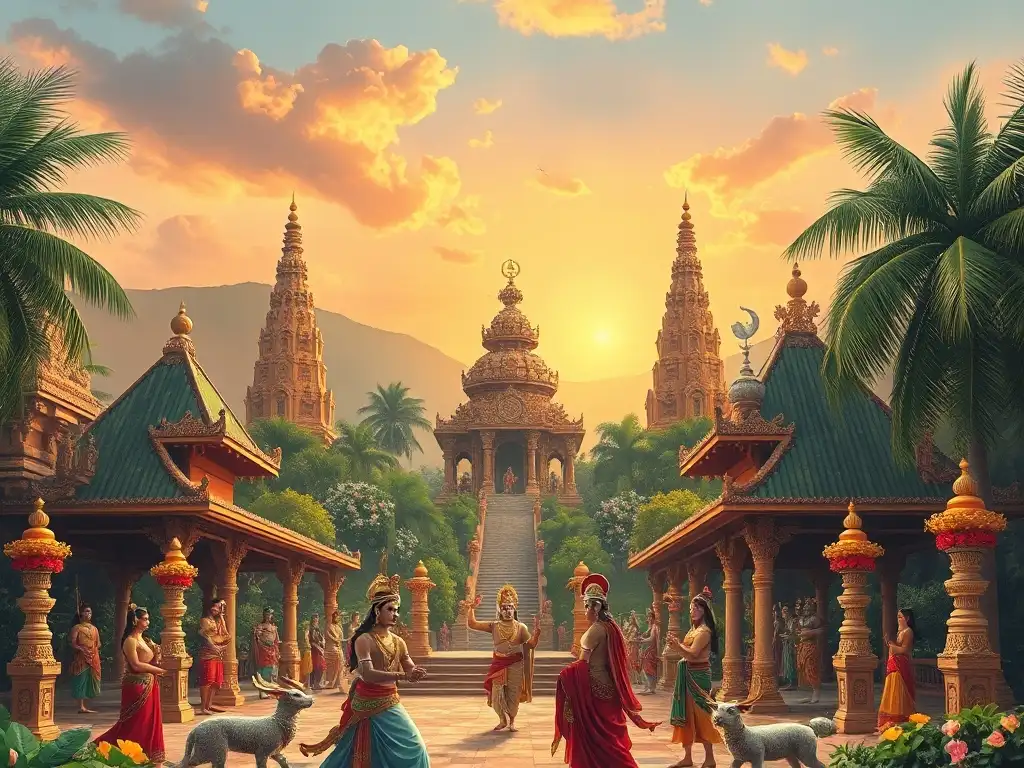
Introduction to Indian Epics and Their Global Significance
The influence of Indian epics, particularly the Ramayana and the Mahabharata, extends far beyond the subcontinent, shaping cultures and societies across Asia. These ancient texts are not merely stories but are rich repositories of moral, philosophical, and cultural wisdom that have been adapted and transformed throughout history.
Their narratives and characters resonate deeply with diverse audiences, reflecting universal themes of duty, righteousness, and the complexities of human relationships. This article delves into the profound impact these epics have had on Southeast Asia, exploring how they have woven themselves into the fabric of local cultures and traditions, influencing art, literature, and religious practices.
Overview of Indian Epics: Ramayana and Mahabharata
The Ramayana, attributed to the sage Valmiki, narrates the life of Lord Rama, his quest to rescue his wife Sita from the demon king Ravana, and the moral dilemmas faced along the way. This epic is not just a tale of heroism and adventure; it embodies core values of dharma (righteousness) and devotion.
On the other hand, the Mahabharata, one of the longest epics in the world, explores the story of the Kurukshetra war between the Pandavas and the Kauravas. It encompasses various sub-stories, philosophical discussions, and the famed Bhagavad Gita, a dialogue between Prince Arjuna and Lord Krishna that addresses the moral complexities of life and duty.
Both epics serve as foundational texts that offer insights into the cultural and ethical dilemmas faced by individuals and societies, making them timeless in their relevance.
Cultural Significance of Indian Epics in Ancient Civilizations
The cultural significance of the Ramayana and Mahabharata in ancient civilizations cannot be overstated. These epics have transcended their origins to become integral to the cultural identity of numerous Southeast Asian nations.
- Literature and Performing Arts: The narratives have inspired a wealth of literature, dance forms, and theatrical performances across countries like Indonesia, Thailand, and Cambodia. The way these stories are retold reflects local customs and values while retaining their core themes.
- Religion and Spirituality: The epics have also influenced religious practices, with various characters being venerated in local traditions. For example, the figure of Rama is celebrated in the form of festivals like Ramayana Ballet in Indonesia, showcasing the integration of these tales into spiritual life.
The Historical Context of Indian Epics in Southeast Asia
The introduction and adaptation of Indian epics in Southeast Asia can be traced back to a complex web of trade routes and cultural exchanges that flourished between India and this vibrant region.
Trade Routes and Cultural Exchanges Between India and Southeast Asia
Historically, maritime trade routes such as the Silk Road facilitated not just the exchange of goods but also ideas, beliefs, and cultural practices. Indian traders and sailors played a crucial role in establishing connections with Southeast Asia, bringing with them stories of the Ramayana and Mahabharata.
- Cultural Diffusion: The spread of these epics was facilitated by the migration of Indian communities and the establishment of Hindu and Buddhist kingdoms in Southeast Asia. As these stories traveled, they adapted to the local contexts, creating unique interpretations that resonated with regional cultures.
The Role of Indian Merchants and Scholars in Cultural Transmission
Indian merchants and scholars acted as cultural ambassadors, introducing Southeast Asians to Indian philosophies and narratives. Their influence can be seen in various aspects:
- Literary Adaptations: Scholars translated and adapted these epics into local languages, ensuring their accessibility and relevance. For instance, the Ramayana has many versions in Southeast Asia, each with distinct local flavors.
- Educational Influence: Indian educational institutions, like the Nalanda University, played a pivotal role in disseminating knowledge. The scholars who traveled to Southeast Asia brought with them not only texts but also the ideas and teachings encapsulated within them.
Through these avenues of exchange, the epics have left an indelible mark on Southeast Asian culture, reflecting a rich tapestry of cultural influences that continue to thrive today.
Ramayana's Influence in Southeast Asia
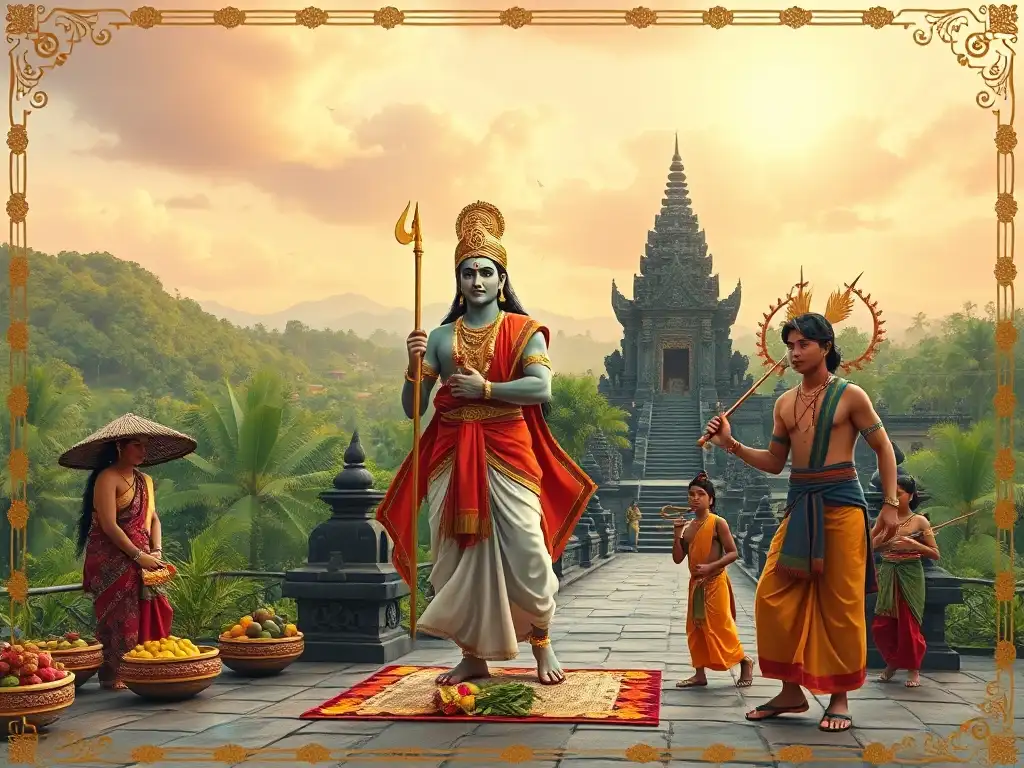
The Ramayana, one of the two major Sanskrit epics of ancient Indian literature, has left an indelible mark on the cultures, literature, and artistic expressions of Southeast Asia. This epic, attributed to the sage Valmiki, narrates the life of Prince Rama, his wife Sita, and his loyal companion Hanuman as they embark on a quest to rescue Sita from the demon king Ravana. The story's core themes of duty, honor, and the struggle between good and evil resonate deeply across diverse cultures, fostering a shared narrative that transcends geographical boundaries.
Southeast Asian countries such as Indonesia, Thailand, Malaysia, and Cambodia have not only adopted the Ramayana's storyline but have also infused it with local customs, beliefs, and artistic styles. The epic serves as a framework for exploring social values, moral dilemmas, and communal identities, illustrating how narratives can evolve while retaining their foundational essence. The celebration of the Ramayana in festivals, performances, and visual arts showcases its enduring relevance and adaptability in the region.
Adaptations of the Ramayana Across Southeast Asian Cultures
The adaptations of the Ramayana in Southeast Asia are as diverse as the cultures that embrace them. In Indonesia, the Wayang Kulit (shadow puppetry) performances depict the Ramayana with intricate puppets and elaborate storytelling techniques, blending local folklore with the epic's themes. The Ramayana Ballet in Bali is another captivating adaptation, where dancers enact the epic’s pivotal moments, showcasing the island's rich cultural heritage.
In Thailand, the Ramakien, a national epic derived from the Ramayana, presents a unique interpretation of the tale. Here, characters' names and certain plot elements differ, reflecting local traditions and values. The Ramakien is celebrated in dance, literature, and theater, emphasizing the importance of the epic in Thai culture.
Similarly, in Cambodia, the Reamker is the Cambodian version of the Ramayana, featuring local deities and historical figures. This adaptation highlights the cultural integration of the epic into Cambodian society, where it plays a crucial role in religious and royal ceremonies.
Thematic Elements of the Ramayana in Southeast Asian Literature and Art
The thematic elements of the Ramayana resonate deeply in Southeast Asian literature and art, emphasizing universal values such as loyalty, righteousness, and the triumph of good over evil. These themes are often explored in various artistic forms, from traditional dance to visual arts.
In literature, Southeast Asian authors have drawn upon the Ramayana's narrative structure to address contemporary issues, weaving themes of heroism and sacrifice into their works. The interplay of fate and free will, a central theme in the Ramayana, is frequently examined to reflect societal challenges faced by these cultures.
In visual arts, the Ramayana's stories are vividly depicted in murals, sculptures, and textiles, often infused with local artistic styles. For instance, the bas-reliefs at Angkor Wat in Cambodia illustrate scenes from the Ramayana, showcasing the epic's integration into religious architecture. These artistic expressions serve not only as a means of storytelling but also as a reflection of cultural identity and historical continuity.
Mahabharata's Presence in Southeast Asia
The Mahabharata, another monumental epic of ancient Indian literature, has also significantly influenced the cultural landscape of Southeast Asia. This epic tells the tale of the Kurukshetra war between the Pandavas and Kauravas, exploring complex themes of duty, justice, and the moral dilemmas faced by its characters. The Mahabharata's rich narrative and philosophical depth resonate with Southeast Asian societies, fostering a profound connection through shared values and ethical questions.
Throughout the region, the Mahabharata has been adapted in various forms, including literature, theater, and dance. These adaptations serve as a canvas for exploring local traditions and social issues, illustrating how the epic continues to inspire creativity and moral contemplation.
Variations of the Mahabharata in Southeast Asian Countries
The variations of the Mahabharata across Southeast Asian countries are characterized by localized interpretations that reflect the distinct cultures and histories of each region. In Indonesia, the Mahabharata is often performed through Wayang Kulit and Wayang Golek, where shadow puppets and wooden puppets bring the epic to life, showcasing its characters and moral lessons.
In Thailand, the Mahabharata is adapted into the Phra Lak Phra Ram, a traditional performance that intertwines elements of the Mahabharata with local folklore. This adaptation highlights the significance of the epic in Thai culture, demonstrating how it has been tailored to resonate with the Thai audience.
In Malaysia, the Mahabharata is integrated into local storytelling traditions, often presented during cultural festivals and rituals. The epic's themes of kinship and conflict are particularly relevant, providing a framework for discussing contemporary societal issues.
Philosophical and Moral Lessons Derived from the Mahabharata in Southeast Asian Cultures
The philosophical and moral lessons derived from the Mahabharata are profoundly embedded in Southeast Asian cultures. The epic's exploration of dharma (duty/righteousness) and the complexities of ethical decision-making offer valuable insights that resonate with various cultural contexts.
In many Southeast Asian societies, the Mahabharata serves as a source of moral guidance, encouraging individuals to reflect on their responsibilities and the implications of their choices. The character of Yudhishthira, known for his unwavering adherence to truth and righteousness, is often invoked in discussions about ethics and governance, illustrating the epic's continued relevance in contemporary discourse.
Additionally, the Mahabharata's depiction of the consequences of war and conflict serves as a poignant reminder of the importance of peace and reconciliation. These themes are particularly significant in regions grappling with historical tensions and societal divisions. By engaging with the Mahabharata's lessons, Southeast Asian cultures find pathways to address their challenges while honoring their rich cultural heritage.
The Lasting Legacy of Indian Epics in Southeast Asia
The influence of Indian epics, particularly the Ramayana and Mahabharata, is deeply embedded in the cultural and social fabric of Southeast Asia. These texts have transcended their geographical origins, infusing various aspects of life across the region with themes of morality, duty, and heroism. From the architectural grandeur of temples adorned with epic narratives to the enduring traditions of storytelling, Indian epics have played a crucial role in shaping cultural identities in countries such as Indonesia, Malaysia, Thailand, and the Philippines.
In many Southeast Asian countries, the Ramayana and Mahabharata are not merely tales of gods and heroes; they serve as ethical frameworks that guide societal norms and personal conduct. The values encapsulated in these epics, such as loyalty, righteousness, and the significance of familial bonds, resonate with local cultures, making them relevant even in the modern context. The art forms derived from these stories—such as shadow puppetry, dance, and theater—continue to be performed and celebrated, showcasing their enduring legacy in the region.
Continued Relevance of Indian Epics in Modern Southeast Asian Society
In contemporary Southeast Asia, the teachings and values of the Ramayana and Mahabharata remain significant. The narratives often serve as a reference point in discussions about ethics, governance, and personal conduct. For instance, many leaders and public figures invoke the lessons from these epics to emphasize the importance of dharma (duty) in public service. This reflects a societal reverence for the wisdom embedded in these ancient texts.
Moreover, educational institutions in several Southeast Asian nations incorporate lessons from these epics into their curricula. This helps instill a sense of cultural pride and continuity among younger generations, ensuring that the teachings of the Ramayana and Mahabharata remain relevant. Events that commemorate these epics, such as readings and discussions, further foster community engagement and cultural identity, reinforcing their place in modern society.
Indian Epics in Contemporary Southeast Asian Literature and Performing Arts
The impact of Indian epics on contemporary literature and performing arts in Southeast Asia is profound. Writers and poets often draw inspiration from the complex characters and moral dilemmas presented in the Ramayana and Mahabharata. This can be seen in the works of modern authors who reimagine these tales, blending traditional themes with contemporary issues, thus attracting a diverse readership.
Performing arts, particularly dance and theater, have also embraced these epics, with traditional forms like Wayang Kulit in Indonesia and Khmer Ramayana performances in Cambodia showcasing the intricate narratives and character dynamics. Such performances not only entertain but also serve as a medium for cultural education, allowing audiences to connect with their heritage while also exploring universal themes found in these timeless stories.
The Role of Festivals Celebrating Indian Epics in Southeast Asian Communities
Festivals celebrating the Ramayana and Mahabharata play a vital role in Southeast Asian communities, providing a platform for cultural expression and social cohesion. Events like the Ramayana Ballet in Indonesia and the Mahabharata Festival in Malaysia highlight the vibrancy of these narratives through elaborate performances that attract audiences from all walks of life.
These festivals often involve community participation, fostering a sense of belonging and shared identity among attendees. They not only celebrate the epics but also serve as a reminder of the historical connections between India and Southeast Asia, reinforcing the idea of cultural exchange. Through these celebrations, the stories of ancient heroes are kept alive, bridging generations and promoting intergenerational dialogue.
Conclusion: The Timeless Influence of Indian Epics in Southeast Asia
The lasting influence of Indian epics in Southeast Asia cannot be overstated. They have not only shaped cultural narratives but also contributed to the moral and ethical framework of societies across the region. The Ramayana and Mahabharata continue to resonate, adapting to modern contexts while retaining their core messages of duty, righteousness, and the complexities of human relationships.
Summary of Key Points on Indian Epics and Their Impact
The impact of Indian epics in Southeast Asia is multi-faceted. Key points include:
- The rich cultural integration of Indian epics in various Southeast Asian societies.
- The relevance of epic teachings in modern social and ethical discussions.
- The inspiration drawn by contemporary literature and performing arts from these ancient narratives.
- The communal spirit fostered through festivals celebrating the epics.
Future Prospects for Cultural Exchange Between India and Southeast Asia
Looking ahead, the prospects for cultural exchange between India and Southeast Asia remain promising. As globalization continues to bridge cultures, there is potential for even deeper connections through collaborative art projects, academic exchanges, and cultural dialogues.
Initiatives that celebrate the shared heritage of Indian epics could foster greater understanding and appreciation of the intertwined histories of these regions, paving the way for a vibrant future of cultural exchange. The exploration of these themes in new mediums, such as digital storytelling and interactive performances, will likely enhance the relevance and reach of Indian epics in Southeast Asia, ensuring their legacy endures for generations to come.
Frequently Asked Questions
What are the main Indian epics discussed in the article?
The article primarily focuses on the Ramayana and Mahabharata, exploring their cultural significance and influence in various regions, particularly Southeast Asia.
How did Indian epics influence Southeast Asian cultures?
The Ramayana and Mahabharata shaped literature, art, and religion in Southeast Asia, leading to the development of local adaptations and performances that reflect these narratives.
What role did trade routes play in the spread of Indian epics?
Trade routes facilitated cultural exchanges, allowing merchants and travelers to introduce Indian epics to Southeast Asia, which helped in their integration into local traditions.
Are there specific regions in Southeast Asia where these epics had a notable impact?
Yes, regions like Indonesia, Thailand, and Cambodia have significant historical ties to the Ramayana and Mahabharata, evident in their art, dance, and temple architecture.
What is the significance of studying the influence of Indian epics in Southeast Asia today?
Understanding this influence highlights the interconnectedness of cultures and provides insights into how historical narratives continue to shape modern identities and cultural practices in the region.
Final Reflection: The Enduring Influence of Indian Epics in Southeast Asia
The profound impact of Indian epics like the Ramayana and Mahabharata in Southeast Asia continues to resonate in contemporary culture, highlighting the timeless nature of these narratives. These ancient texts have transcended geographical boundaries, weaving themselves into the fabric of Southeast Asian societies, influencing art, literature, and even spiritual practices. Their themes of heroism, morality, and the complexity of human relationships remain relevant, reminding us that stories have the power to shape identities and cultures across generations.
The legacy of these epics is not merely historical; it is a living testament to the interconnectedness of cultures. The way these stories have been adapted and reinterpreted in various Southeast Asian countries showcases a rich tapestry of cultural exchange and mutual influence. As noted by scholar R. S. Sharma, “The Ramayana and Mahabharata are not just texts; they are cultural phenomena that continue to inspire and unite diverse communities.” This ongoing dialogue between the past and present emphasizes the importance of understanding and appreciating the shared heritage that binds us.
As we reflect on the lessons embedded within these epics, let us consider how we can apply their timeless wisdom in our own lives. I invite you to explore the narratives that shape your identity and community, embracing the shared stories that connect us all. By recognizing the influence of Indian epics in Southeast Asia, we can foster a deeper appreciation for cultural diversity and the power of storytelling to bridge divides and inspire unity. Let us carry forward this legacy, ensuring that the lessons of the past continue to illuminate our paths into the future.
Uncover the Timeless Legacy of Indian Epics!
Thank you for diving into the captivating world of the Ramayana and Mahabharata with us! You've gained insights into how these ancient texts have shaped cultures across Southeast Asia. Now, it’s time to take your newfound knowledge further!
Here’s how you can connect deeper and share the richness of these epics with others:
- Immerse yourself in a local performance of either the Ramayana or Mahabharata and witness the stories come to life!
- Join online forums or social media groups that celebrate Indian arts and literature, where you can exchange thoughts and discoveries with fellow enthusiasts.
- Explore unique adaptations of these epics in various cultures—delve into resources that highlight their distinct interpretations around the world.
How have the themes of the Ramayana and Mahabharata influenced your own perspectives or experiences? We invite you to share your insights with us in the comments below!