
Indian Influence on Southeast Asian Martial Arts: A Historical Exploration

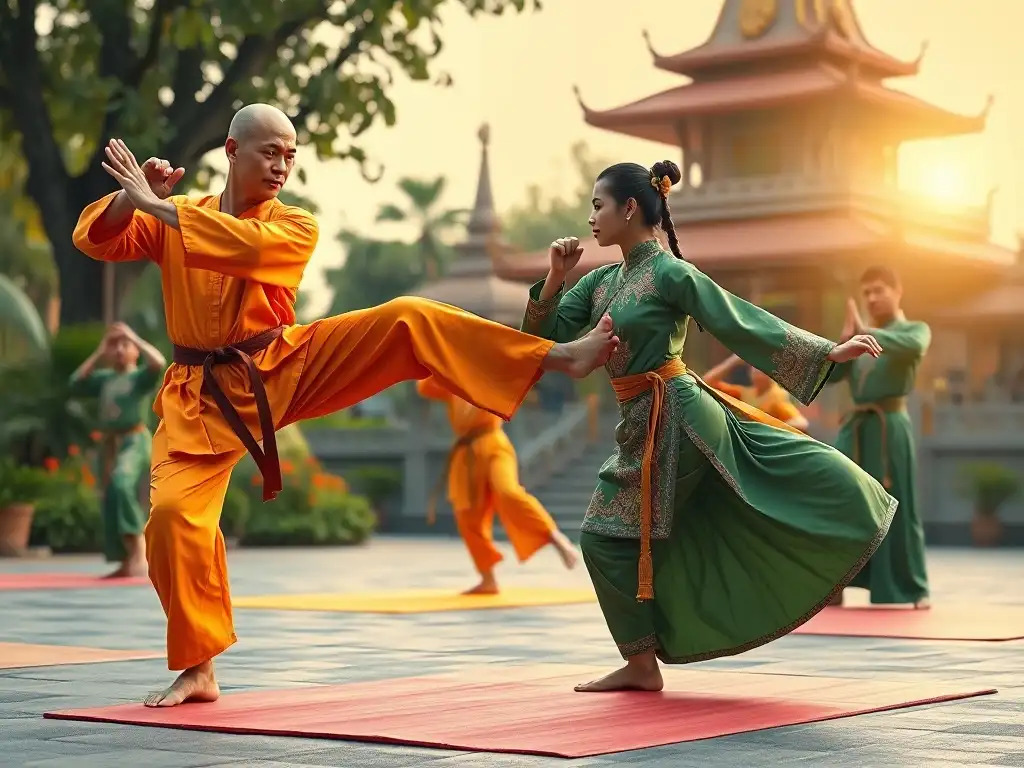
Welcome to Ancient India History, where we embark on a captivating journey through the rich tapestry of ancient Indian civilizations. From the enigmatic Indus Valley to the illustrious Gupta Empire, we delve into the profound cultural exchanges that shaped the world. In our featured article, "Indian Influence on Southeast Asian Martial Arts: A Historical Exploration," we unveil the fascinating connections between Indian martial arts and their impact on Southeast Asian traditions. Prepare to uncover the hidden stories of influence and transformation that have endured through the ages—your exploration begins here!
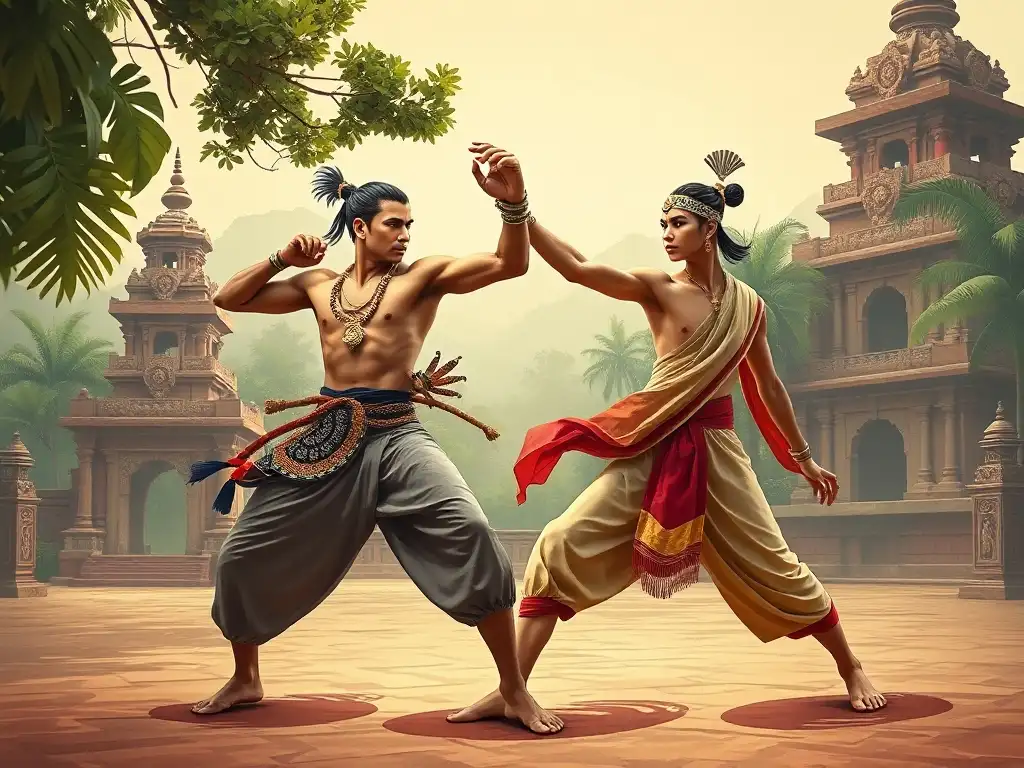
Introduction to Indian Martial Arts Influence in Southeast Asia
The rich tapestry of ancient Indian history is woven with threads of cultural exchanges that transcended geographical boundaries. Among these exchanges, the influence of Indian martial arts on the martial traditions of Southeast Asia stands out as a significant testament to the interconnectedness of civilizations.
As ancient Indian warriors and scholars traveled across lands, they not only spread their philosophies and religions but also imparted their knowledge of combat techniques and physical training. This article delves into the profound impact of Indian martial arts on Southeast Asian cultures, tracing its historical roots, examining its evolution, and highlighting its enduring legacy in various martial arts practices across the region.
Historical Background of Indian Martial Arts
Indian martial arts, known collectively as Kalaripayattu, Gatka, and Silambam, among others, have a storied history dating back thousands of years. Each discipline embodies unique techniques and philosophies, often influenced by regional needs and cultural contexts. The significance of martial arts in ancient Indian society was paramount, serving not only as a means of defense and warfare but also as a discipline for mental and physical development.
Key Influences and Historical Context
- Cultural Exchanges: Trade routes such as the Silk Road facilitated the movement of goods, ideas, and practices between India and Southeast Asia. This interaction paved the way for the exchange of martial knowledge, which would later be adapted to local contexts.
- Indian Empires and Influence: The spread of powerful Indian empires, particularly during the Maurya and Gupta periods (approximately 322 BCE to 550 CE), saw the migration of Indian warriors and scholars to Southeast Asia, where they established political and cultural ties.
- Religious Connections: The spread of Hinduism and Buddhism into Southeast Asia also played a crucial role in the dissemination of Indian martial traditions. Temples often served as training grounds for warriors, who learned combat skills alongside spiritual teachings.
The synthesis of these influences created a unique martial landscape in Southeast Asia, where Indian techniques merged with local practices, resulting in distinct martial arts forms that continue to thrive today. Understanding this historical context is essential to appreciate the depth of the Indian martial arts influence on Southeast Asian cultures.
The Spread of Indian Martial Arts to Southeast Asia
The influence of Indian martial arts on Southeast Asia can be traced back to the early centuries of the Common Era, during which extensive trade and cultural exchanges flourished between the Indian subcontinent and various Southeast Asian kingdoms. This interaction was facilitated by maritime trade routes that connected the coastal cities of India with those of Southeast Asia, allowing for the movement of not only goods but also ideas, practices, and philosophies.
As Indian traders and travelers ventured into Southeast Asia, they brought with them various forms of martial arts, which were often integrated into the local cultures. This exchange was not one-sided; Southeast Asian societies also contributed their unique fighting techniques, creating a rich tapestry of martial arts that drew from both Indian and indigenous traditions. Historical texts and archaeological findings indicate that Indian forms of combat, particularly those emphasizing the use of weapons and hand-to-hand techniques, began to gain prominence in regions such as present-day Indonesia, Thailand, and Malaysia.
The spread was further aided by the establishment of Indianized kingdoms, such as the Khmer Empire and Srivijaya, where Indian culture, including its martial arts, was embraced and adapted. Over time, these influences evolved, resulting in distinct martial arts styles that retained elements of their Indian origins while also reflecting local customs, beliefs, and fighting philosophies.
Key Southeast Asian Martial Arts Influenced by Indian Practices
Several martial arts in Southeast Asia exhibit clear influences from Indian martial traditions. Each of these arts carries with it a unique blend of history and cultural significance, illustrating the profound impact of Indian martial arts on the region.
Silambam: The Traditional Indian Influence
Silambam is a traditional martial art originating from Tamil Nadu in South India, characterized by its intricate footwork and the use of a long bamboo staff. Its techniques and forms were disseminated to Southeast Asia, particularly to Malaysia and Indonesia, where practitioners adopted and adapted them into their own martial arts practices. The fundamental principles of Silambam emphasize agility, coordination, and the importance of rhythm in combat.
In Southeast Asia, variations of Silambam can be observed in local fighting styles, where the use of sticks and other weapons has been integrated into cultural performances and martial competitions. The art has not only been preserved through generations but also serves as a means of cultural expression, showcasing the deep-rooted connections between India and Southeast Asian martial traditions.
Muay Thai: The Thai Boxing Connection
Muay Thai, often referred to as "The Art of Eight Limbs," is a striking martial art from Thailand that utilizes punches, kicks, elbows, and knee strikes. While Muay Thai has its own indigenous roots, it has been significantly influenced by Indian martial arts, particularly through the dissemination of techniques and combat philosophies.
Historical records indicate that the Indian martial art of "Mardani Khel," known for its emphasis on striking and combat techniques, may have influenced the development of Muay Thai during the interactions between Indian and Thai warriors. The incorporation of clinching techniques and the strategic use of limbs in Muay Thai reflects a synthesis of Indian martial practices with local combat traditions, showcasing a legacy of cross-cultural influence.
Pencak Silat: The Fusion of Cultures
Pencak Silat is a collective term for a variety of martial arts from Indonesia and Malaysia that have been shaped by a multitude of influences, including Indian, Chinese, and indigenous practices. The art is characterized by its fluid movements, dynamic footwork, and the use of both armed and unarmed combat techniques.
The Indian influence on Pencak Silat is evident in its emphasis on spiritual and philosophical aspects of combat, drawing parallels to the Indian concepts of discipline and respect in martial training. Additionally, the incorporation of specific techniques, such as the use of curved blades, can be traced back to Indian weaponry practices. Pencak Silat has flourished into a significant cultural expression in Southeast Asia, often showcased in traditional performances and competitions, highlighting the enduring legacy of Indian martial arts in the region.
The Role of Religion and Philosophy in Martial Arts Transmission
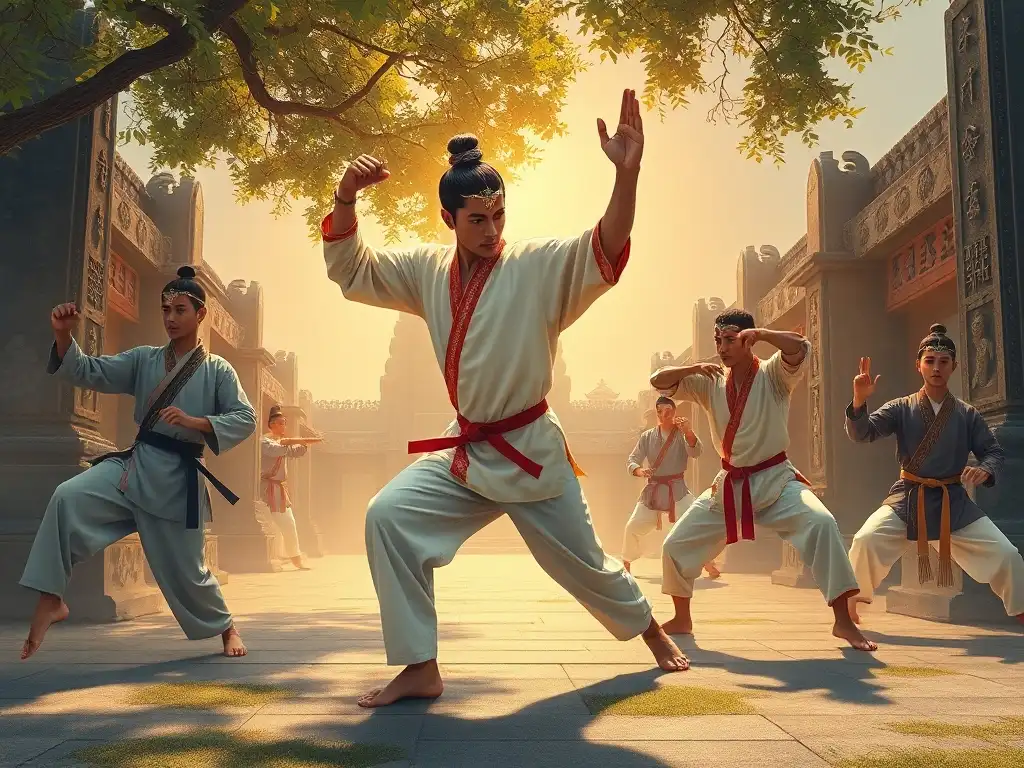
The transmission of martial arts from India to Southeast Asia was significantly influenced by the region's religious and philosophical frameworks. Buddhism and Hinduism, two major religions originating from India, played a crucial role in the spread of both physical and spiritual practices that became intertwined with martial arts.
Buddhism, in particular, emphasized mental discipline, mindfulness, and ethical living, which were essential components of combat training. Monastic communities often practiced martial arts as a means of self-defense while also promoting the ideals of compassion and non-violence. The famous Buddhist monk Bodhidharma, who is credited with founding the Shaolin Temple martial arts, is an example of how Indian religious figures contributed to martial arts traditions in Asia. His teachings integrated meditation and physical training, influencing not only Chinese martial arts but also those in Southeast Asia.
Similarly, Hindu philosophies such as the concepts of Karma and Dharma influenced martial arts practices by instilling a sense of responsibility and righteous conduct in practitioners. The martial art of Kalaripayattu, for example, incorporates elements of yoga and meditation, which reflect the deep connection between physical combat and spiritual awareness rooted in Hinduism.
As these philosophies spread through trade, migration, and cultural exchanges, they carried with them the principles of martial arts, leading to a synthesis of Indian and local practices in various Southeast Asian cultures. This blending created unique martial arts forms that retained the foundational influences of Indian spirituality and philosophy.
Modern-Day Legacy of Indian Martial Arts in Southeast Asia
The legacy of Indian martial arts in Southeast Asia is evident in various contemporary martial arts forms practiced across the region. While many of these practices have evolved over time, their origins can often be traced back to ancient Indian traditions.
One notable example is Silat, a martial art practiced in countries like Indonesia and Malaysia. Silat exemplifies a blend of local and Indian influences, incorporating techniques that emphasize agility, speed, and fluid movements reminiscent of Kalaripayattu. The philosophical underpinnings of Silat often reflect the teachings of Hinduism and Islam, showcasing how cultural exchanges have shaped its evolution.
In Thailand, the martial art of Muay Thai also exhibits influences from Indian martial arts. The historical connections between Indian warriors and Thai fighters are evident in the use of similar stances and strikes. Additionally, the integration of Indian cultural elements, such as the use of traditional music during training and competitions, highlights the ongoing legacy of Indian martial arts in the region.
Furthermore, contemporary martial arts schools and academies in Southeast Asia increasingly include Indian martial arts techniques in their curricula, recognizing the historical significance and effectiveness of these practices. Workshops and seminars featuring Indian martial arts masters are becoming more common, promoting a revival of interest in the roots of Southeast Asian martial arts among younger generations.
Conclusion: The Enduring Impact of Indian Martial Arts on Southeast Asian Cultures
The influence of Indian martial arts on Southeast Asian cultures is profound and enduring. From the ancient exchanges facilitated by trade routes to the modern adaptations and fusions of martial arts techniques, the legacy of Indian martial arts continues to resonate across the region.
The historical connections forged through the transmission of religious and philosophical ideas have not only enriched the martial arts practices of Southeast Asia but have also fostered a deeper cultural understanding among nations. This cross-pollination of ideas has resulted in a diverse range of martial arts styles that reflect the unique identities of Southeast Asian countries while honoring their Indian heritage.
As Southeast Asia continues to embrace its martial arts traditions, the roots of these practices remind practitioners of the shared history and cultural exchanges that have shaped their identities. The enduring impact of Indian martial arts serves as a testament to the rich tapestry of human experience that transcends borders, fostering unity through shared heritage and practices.
References
The historical influence of Indian martial arts on Southeast Asia is well-documented through various scholarly works, texts, and archaeological findings. Here are some key references that provide a comprehensive overview of this fascinating topic:
- Books and Theses
- "The Martial Arts of Ancient India" by Dr. Suresh Gupta: This book delves into the origins and development of martial arts in ancient India, highlighting their techniques and philosophies that influenced neighboring regions.
- "Cultural Exchanges Between India and Southeast Asia" by Prof. Anjali Sharma: A thorough examination of the cultural interactions between India and Southeast Asia, this book discusses the transmission of martial arts alongside other cultural elements.
- "The Influence of Indian Culture on Southeast Asia" by Dr. Ramesh Vasan: This thesis explores various aspects of Indian culture, including martial arts, and their assimilation into Southeast Asian societies.
- Journal Articles
- "Martial Arts as a Cultural Bridge: The Indian Influence on Southeast Asia": - Journal of Southeast Asian Studies: This article analyzes the historical connections and adaptations of Indian martial arts in Southeast Asian countries.
- "The Role of Indian Trade Routes in the Spread of Martial Arts" - International Journal of Asian Martial Arts: This paper discusses how trade routes facilitated the exchange of martial techniques and philosophies between India and Southeast Asia.
- Archaeological Studies
- Excavations in regions like Cambodia and Indonesia have uncovered artifacts that suggest the presence of Indian martial arts techniques. Scholarly reports on these findings can be found in:
- "Archaeology and the Indian Influence in Southeast Asia" - Journal of Archaeological Science, providing insights into how physical evidence supports historical narratives.
- Excavations in regions like Cambodia and Indonesia have uncovered artifacts that suggest the presence of Indian martial arts techniques. Scholarly reports on these findings can be found in:
- Cultural Texts
- The Mahabharata and Ramayana: These ancient Indian epics not only narrate stories of valor and combat but also reflect the martial traditions that may have influenced Southeast Asian interpretations of warfare and combat styles.
- Online Resources
- Various digital archives and academic databases such as JSTOR and Google Scholar provide access to peer-reviewed articles and research papers on the subject, useful for further exploration of the topic.
These references serve as a foundation for understanding the profound impact of Indian martial arts on Southeast Asian cultures, illustrating the intricate web of historical interactions that shaped the martial landscape of the region.
- Introduction to Indian Martial Arts Influence in Southeast Asia
- Historical Background of Indian Martial Arts
- The Spread of Indian Martial Arts to Southeast Asia
- Key Southeast Asian Martial Arts Influenced by Indian Practices
- The Role of Religion and Philosophy in Martial Arts Transmission
- Modern-Day Legacy of Indian Martial Arts in Southeast Asia
- Conclusion: The Enduring Impact of Indian Martial Arts on Southeast Asian Cultures
- References
- What is the significance of Indian martial arts in Southeast Asia?
- How did Indian culture affect Southeast Asian societies?
- Which Indian martial arts have had the most impact on Southeast Asia?
- What role did trade routes play in the transmission of martial arts?
- Are there any modern martial arts in Southeast Asia that trace their roots back to India?
Frequently Asked Questions
What is the significance of Indian martial arts in Southeast Asia?
Indian martial arts have greatly influenced Southeast Asian combat techniques, introducing key principles and philosophies that shaped local martial traditions.
How did Indian culture affect Southeast Asian societies?
The cultural exchange between India and Southeast Asia included the spread of religion, art, and martial practices, fostering a rich tapestry of shared heritage.
Which Indian martial arts have had the most impact on Southeast Asia?
Several Indian martial arts, such as Kalaripayattu and Silambam, laid the groundwork for the development of various Southeast Asian martial arts.
What role did trade routes play in the transmission of martial arts?
Trade routes not only facilitated the exchange of goods but also acted as conduits for ideas and techniques, allowing Indian martial arts to permeate Southeast Asian cultures.
Are there any modern martial arts in Southeast Asia that trace their roots back to India?
Yes, many modern Southeast Asian martial arts exhibit elements of Indian martial arts, showcasing a blend of historical influences and contemporary practices.
Final Reflection: The Enduring Legacy of Indian Martial Arts in Southeast Asia
The historical exploration of Indian martial arts and their influence on Southeast Asia underscores a vital connection that transcends time and geography. Today, as we witness a resurgence of interest in traditional practices and cultural exchanges, the impact of Indian martial arts on Southeast Asian fighting styles remains profoundly relevant. This connection not only enriches our understanding of martial arts but also highlights the shared heritage that binds diverse cultures together.
Cultural exchanges have always shaped societies, and the influence of Indian martial arts on Southeast Asia is a testament to this dynamic relationship. The blending of techniques, philosophies, and training methods has created a rich tapestry of martial traditions that continue to thrive today. As the renowned martial artist Bruce Lee once said, “Absorb what is useful, discard what is not, add what is uniquely your own.” This quote encapsulates the essence of how martial arts evolve through cultural interactions, fostering innovation while honoring their roots.
As we reflect on the historical significance of Indian martial arts in Southeast Asia, I invite you to consider how these lessons can be applied in your own life. Embrace the diversity of influences that shape your identity and practice the art of adaptation. Whether through martial arts or other aspects of culture, let us honor the past while forging our unique paths forward. Engage with the rich traditions around you, and contribute to the ongoing dialogue that celebrates our shared human experience.
Embrace the Legacy: Explore Indian Martial Arts Today!
Thank you for diving into the fascinating world of Indian influence on Southeast Asian martial arts! Your interest in this rich historical tapestry not only highlights the remarkable connections between cultures but also opens the door to a deeper appreciation of martial arts as a living tradition.
Now, let's take your newfound knowledge to the next level. Here’s how you can engage further with this vibrant heritage:
- Join a local martial arts class that focuses on Indian or Southeast Asian styles. Experience firsthand the techniques and philosophies that have shaped these disciplines for centuries.
- Share your insights! Discuss this article with friends or on social media, helping to spread awareness of the profound impact of Indian martial arts.
- Explore unique online resources or documentaries that delve deeper into the practices and histories of these art forms, discovering even more about their evolution.
What aspect of Indian martial arts intrigues you the most, and how do you see its influence manifesting in your own life or practice?