
The Legacy of Indian Festivals in Southeast Asian Calendar Celebrations

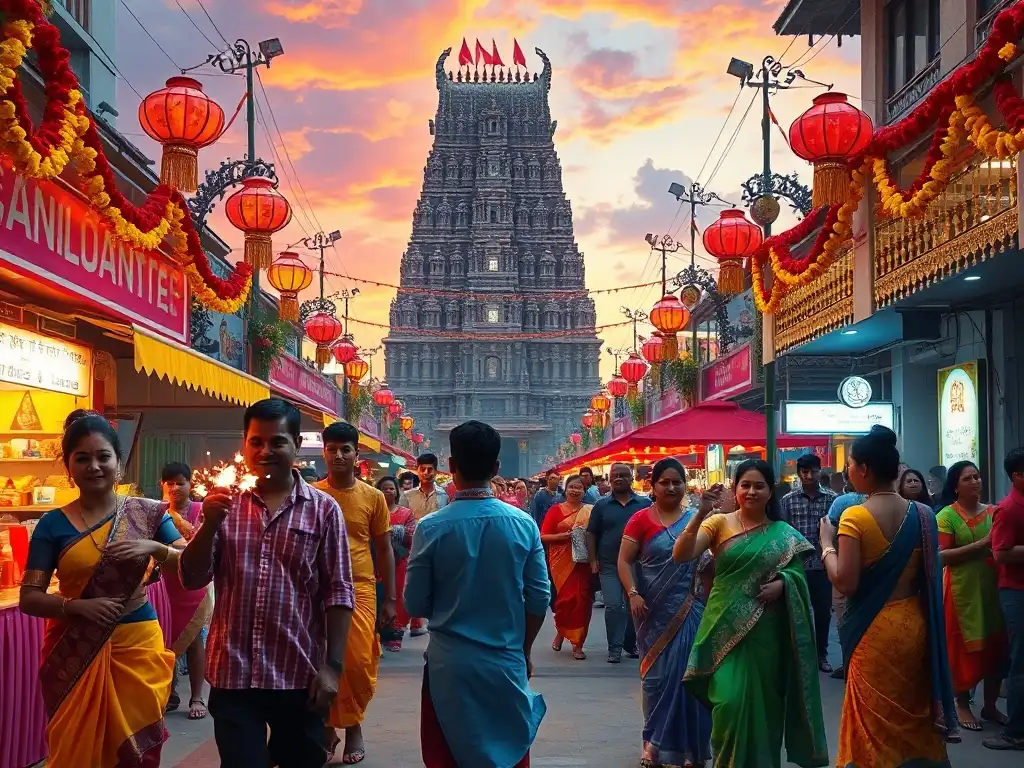
Welcome to Ancient India History, where we embark on an enlightening journey through the rich tapestry of India's past. Dive deep into the fascinating realm of cultural exchanges as we unveil the profound influence of Indian festivals on Southeast Asian calendar celebrations. From the vibrant rituals of the Indus Valley to the grand festivities of the Gupta Empire, discover how these age-old traditions have shaped the cultural landscape across the seas. Are you ready to explore the vibrant legacies that continue to resonate today? Let’s uncover the stories that connect us all!
Introduction to Indian Festivals and Their Cultural Significance
The influence of Indian festivals on Southeast Asian calendar celebrations is a fascinating testament to the rich tapestry of cultural exchanges that have shaped the region's heritage. From the ancient times of the Indus Valley civilization to the flourishing Gupta Empire, festivals in India have not only served as a means of social cohesion but have also played a pivotal role in the cultural fabric of neighboring regions. This article delves into the significance of Indian festivals, exploring their impact on Southeast Asian societies, where they have been adapted and integrated into local traditions.
Overview of Indian Festivals
Indian festivals are vibrant celebrations that reflect the diversity of the subcontinent's cultural, religious, and social milieu. Some of the most prominent festivals include:
- Diwali: The Festival of Lights, symbolizing the victory of light over darkness.
- Holi: The Festival of Colors, celebrating the arrival of spring and the triumph of good over evil.
- Navratri: A nine-night festival honoring the divine feminine, culminating in Dussehra.
- Makar Sankranti: A harvest festival celebrating the transition of the sun.
These festivals are characterized by elaborate rituals, communal gatherings, and a spirit of joy, showcasing the rich traditions of Indian mythology and spirituality.
Importance of Festivals in Ancient Indian Society
In ancient India, festivals were more than mere celebrations; they were essential to the social and agricultural calendar. Festivals provided opportunities for:
- Community bonding: They fostered a sense of unity and belonging among people.
- Religious observance: They facilitated the worship of deities and adherence to cultural practices.
- Agricultural cycles: Many festivals were linked to harvests, marking crucial times in the agrarian calendar.
The celebration of festivals allowed communities to connect with their history and heritage, ensuring the transmission of cultural values and practices across generations.
Introduction to Southeast Asian Calendar Celebrations
Southeast Asia, with its rich mosaic of cultures and traditions, has a calendar filled with vibrant celebrations that reflect both indigenous practices and external influences. Festivals such as Songkran in Thailand, Tet in Vietnam, and Waisak in Indonesia are deeply rooted in the region's historical context and often exhibit elements derived from Indian traditions. The interplay between local customs and Indian festival elements illustrates a unique cultural synthesis that has enriched the celebrations in these countries.
Historical Context of Indian Influence in Southeast Asia
The historical connection between India and Southeast Asia is marked by profound interactions that have shaped the cultural landscape of both regions. Understanding this historical context is crucial to appreciating the legacy of Indian festivals in Southeast Asian celebrations.
Trade Routes and Cultural Exchanges
The ancient maritime trade routes, often referred to as the Maritime Silk Road, facilitated not just the exchange of goods but also of ideas, culture, and religious beliefs. Indian merchants, sailors, and travelers played a significant role in forging connections between the Indian subcontinent and Southeast Asia. This exchange led to:
- The introduction of Indian art forms, literature, and religious practices.
- The establishment of cultural hubs where Indian festivals began to influence local traditions.
- The spread of agricultural practices aligned with Indian seasonal festivals.
Early Indian Settlements in Southeast Asia
The establishment of Indianized kingdoms, such as Srivijaya and Majapahit, during the early centuries CE marked significant waves of Indian influence. As Indian traders settled in these regions, they brought with them their cultural and religious practices, including festivals. Notable impacts include:
- The adaptation of Hindu and Buddhist festivals by local populations.
- The blending of local customs with Indian festive traditions, creating unique celebrations.
- The development of architectural styles and artistic expressions influenced by Indian aesthetics.
The Spread of Hinduism and Buddhism
The dissemination of Hinduism and Buddhism throughout Southeast Asia, often accompanied by festival practices, played an instrumental role in shaping cultural identities. Festivals celebrating deities and significant religious events became integral to local cultures, leading to:
- The establishment of temples and monuments reflecting Indian architectural styles.
- The incorporation of Indian mythological narratives into local folklore.
- The enduring legacy of Indian festivals in contemporary Southeast Asian celebrations.
The intricate tapestry of Indian festivals and their influence on Southeast Asian calendar celebrations highlights the profound cultural exchanges that have occurred over centuries. Understanding these connections is essential to appreciating the shared heritage and enduring legacy that continues to thrive in the region today.
Key Indian Festivals and Their Adaptations in Southeast Asia
The influence of Indian festivals on Southeast Asia is profound, with many traditional celebrations reflecting the cultural and religious practices that originated in ancient India. The adaptation of these festivals has been shaped by local customs, beliefs, and historical interactions between Indian and Southeast Asian societies. Among the most significant festivals that have made their mark in the region are Diwali, Holi, and several others that resonate with the local populace in unique ways.
Diwali: The Festival of Lights
Diwali, known as the Festival of Lights, is one of the most celebrated Indian festivals, symbolizing the victory of light over darkness and good over evil. In Southeast Asia, particularly in countries like Malaysia and Indonesia, Diwali is marked with great enthusiasm. The festival is celebrated by the Indian communities with vibrant decorations, colorful rangoli designs, and the lighting of oil lamps (diyas).
In Malaysia, the festival is known as Deepavali and is a public holiday, showcasing a blend of Indian and Malay traditions. The celebration includes traditional Indian music and dance performances, feasting on sweets and savory dishes, and visiting temples. The inclusion of local customs, such as the preparation of specific dishes unique to Malay cuisine, illustrates the festival's adaptation while retaining its core significance.
Holi: The Festival of Colors
Holi, the vibrant and joyous Festival of Colors, marks the arrival of spring and celebrates love, forgiveness, and the triumph of good over evil. In Southeast Asia, Holi is celebrated with spirited enthusiasm, particularly in countries like Nepal and Thailand, where it is known as Phagwah or Songkran, respectively.
In Thailand, the celebration coincides with the traditional New Year, and while it incorporates elements from Holi, such as throwing colored powders, it has also evolved into a water festival. The festivities not only involve splashing water and colors but also include parades and cultural performances reflecting a blend of Indian and local traditions. This adaptation highlights how Holi has transcended its origins, becoming a symbol of joy and community celebration in Southeast Asia.
Other Notable Indian Festivals
In addition to Diwali and Holi, several other Indian festivals have influenced Southeast Asian celebrations. Festivals such as Makar Sankranti and Pongal have found their way into the cultural calendars of nations like Indonesia and Malaysia, often linked with agricultural practices and harvest celebrations.
In Indonesia, for instance, the Balinese celebration of Galungan, which honors ancestral spirits, shares similarities with the Indian festival of Makar Sankranti. It reflects a syncretism where local beliefs intertwine with Indian cultural elements, showcasing the adaptability of Indian festivals in the Southeast Asian context. Similarly, the Thai festival of Loy Krathong, although primarily a Buddhist celebration, exhibits some influences from Indian traditions related to water rituals.
The Influence of Indian Festivals on Southeast Asian Cultures
The impact of Indian festivals extends beyond mere celebrations; they have deeply influenced the cultural fabric of Southeast Asian societies. The integration of Indian traditions has led to significant changes in local customs, community interactions, and artistic expressions.
Integration of Indian Rituals into Local Customs
The integration of Indian rituals into Southeast Asian customs is evident in various religious and cultural practices. Many local festivals have adopted elements of Hindu rituals, such as prayers, offerings, and ceremonies that echo Indian traditions.
For instance, the practice of making offerings to deities during temple festivals in Thailand and Malaysia often includes Indian-inspired elements like the use of flowers and fruits, reflecting a shared reverence for nature and the divine. This blending demonstrates how Indian rituals have been assimilated into local practices, enriching the cultural landscape of Southeast Asia.
The Role of Indian Festivals in Community Bonding
Indian festivals play a crucial role in fostering community bonding within Southeast Asian societies. These celebrations often serve as occasions for families and communities to come together, reinforcing social ties and a sense of belonging.
During festivals like Diwali and Holi, communities engage in shared activities, such as communal prayers, feasting, and cultural performances. These gatherings not only celebrate the festivals but also strengthen interpersonal relationships, promote cultural continuity, and enhance the social cohesion of diverse ethnic groups.
Artistic Expressions: Dance, Music, and Art Influenced by Indian Festivals
The influence of Indian festivals on artistic expressions in Southeast Asia is notable, with many forms of dance, music, and visual arts drawing inspiration from Indian traditions. Classical dance forms, such as Bharatanatyam and Kathak, have found their way into regional performances, often adapted to reflect local themes and narratives.
Additionally, the vibrant music associated with Indian festivals has inspired local genres, resulting in unique musical fusions that celebrate both Indian heritage and Southeast Asian culture. Visual arts, such as traditional painting and sculpture, often depict scenes from Indian mythology and festivals, illustrating the deep-rooted connections between these cultures.
The legacy of Indian festivals in Southeast Asian calendar celebrations is a testament to the enduring influence of Indian culture and its adaptability in diverse contexts. Through the integration of rituals, community bonding, and artistic expressions, these festivals continue to thrive, enriching the cultural tapestry of Southeast Asia.
Comparative Analysis: Indian Festivals vs. Southeast Asian Celebrations
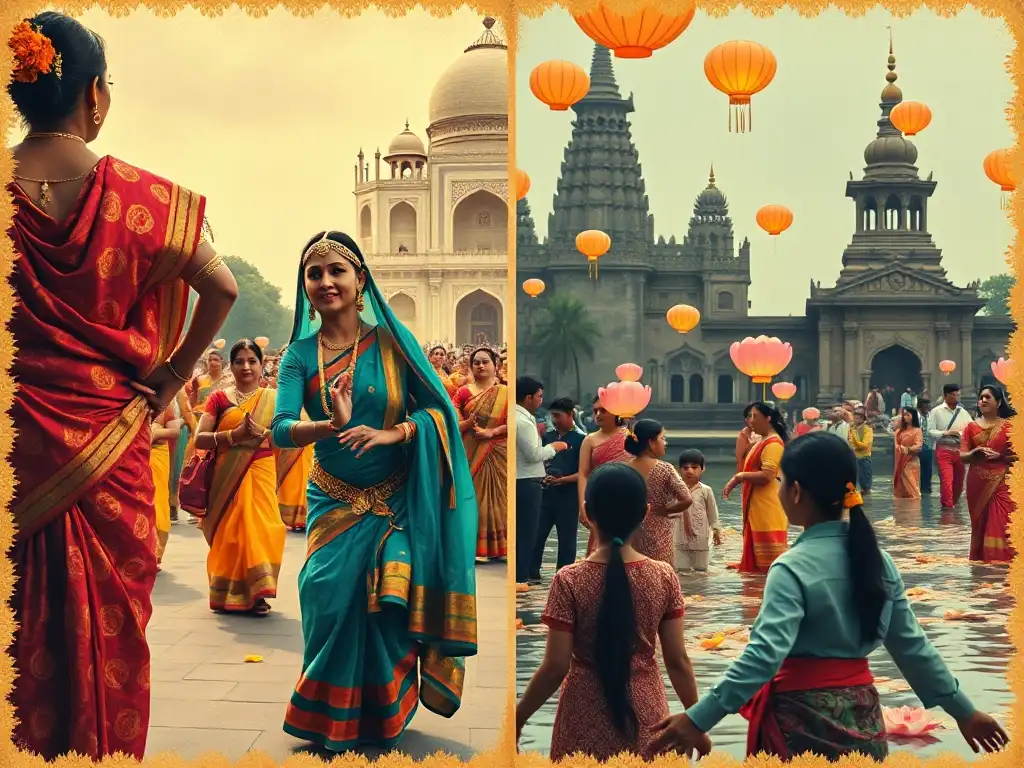
The influence of Indian festivals on Southeast Asian celebrations showcases a fascinating tapestry of cultural intermingling that has evolved over centuries. Indian festivals, characterized by their rich traditions, rituals, and spiritual significance, have significantly shaped the festive landscape of several Southeast Asian countries. This comparative analysis delves into the similarities and differences between Indian festivals and their Southeast Asian counterparts, illustrating the depth of this cultural exchange.
Similarities in Festive Themes and Celebrations
Indian festivals and Southeast Asian celebrations share several thematic elements that highlight their interconnectedness.
- Agricultural Roots: Both regions celebrate festivals that mark agricultural cycles, such as harvest festivals. For instance, the Indian festival of Pongal and the Thai festival of Songkran both celebrate the harvest season, emphasizing gratitude towards nature and the bounty of crops.
- Religious Significance: Many festivals in both cultures are tied to religious beliefs. Diwali, the festival of lights in India, has its parallels in the Balinese Hindu celebration of Nyepi, which also emphasizes purification and renewal.
- Community Involvement: Festivals in both regions often foster a sense of community. Celebrations like Holi in India and the Lunar New Year in Vietnam involve gatherings, feasting, and communal participation, reinforcing social bonds and cultural identity.
- Ritualistic Practices: Both Indian and Southeast Asian festivals incorporate rituals such as prayers, offerings, and traditional dances. The use of traditional attire and vibrant decorations is also a hallmark of celebrations in both cultures.
Differences in Cultural Interpretations and Practices
While similarities abound, there are also distinct differences in how Indian festivals are interpreted and celebrated in Southeast Asia.
- Cultural Context: The context in which festivals are celebrated can differ significantly. For example, while Diwali is celebrated in India with a focus on lighting lamps and fireworks, in countries like Malaysia, it is observed as a public holiday with various communal events that may not strictly adhere to the traditional Indian practices.
- Local Adaptations: Southeast Asian countries often adapt Indian festivals to fit their local customs and traditions. The Cambodian celebration of Bon Om Touk, while influenced by the Indian festival of Kartik Purnima, incorporates local legends and practices unique to Khmer culture.
- Diverse Religious Influences: The religious landscape in Southeast Asia is more diverse, encompassing Buddhism, Islam, and indigenous beliefs alongside Hindu influences. As a result, the celebration of Indian festivals may be infused with local religious elements, leading to a unique blend that differs from the original practices in India.
Conclusion: The Enduring Legacy of Indian Festivals in Southeast Asia
The legacy of Indian festivals in Southeast Asia is a testament to the enduring cultural exchange that has shaped the region's identity. As these festivals continue to evolve, they reflect both historical connections and contemporary adaptations.
Summary of Key Influences
Indian festivals have left a profound impact on Southeast Asian cultural practices, evident in the following key areas:
- Cultural Integration: The integration of Indian festivals into the local calendar has enriched Southeast Asian cultures, enabling them to celebrate shared themes of agriculture, spirituality, and community.
- Artistic Expressions: Traditional dances, music, and art forms associated with Indian festivals have influenced local artistic expressions, fostering a vibrant cultural scene that honors both Indian and indigenous traditions.
- Tourism and Globalization: The increasing popularity of festivals like Diwali and Holi in Southeast Asia has attracted tourism, showcasing the region's diverse cultural heritage and promoting intercultural dialogue.
Future of Indian Festivals in Southeast Asian Cultural Practices
Looking ahead, the future of Indian festivals in Southeast Asia appears promising, with several trends emerging:
- Continued Adaptation: As global cultural dynamics evolve, Indian festivals will likely continue to adapt, integrating new elements while preserving their core significance.
- Youth Engagement: Younger generations in Southeast Asia are increasingly interested in exploring their cultural roots, which may lead to a revival and reinterpretation of traditional Indian festivals.
- Interfaith Celebrations: The blending of different religious and cultural practices may foster interfaith celebrations that honor both Indian and local customs, promoting unity and understanding among diverse communities.
The influence of Indian festivals on Southeast Asia is not just a historical phenomenon but a living legacy that continues to thrive, reflecting the dynamic interplay of cultures in this vibrant region.
References and Further Reading on Indian Influence in Southeast Asia
The influence of Indian festivals and cultural practices on Southeast Asia is a rich and complex subject. To gain a deeper understanding of this fascinating interplay, the following resources provide valuable insights and detailed analyses.
Suggested Books and Articles
-
"The Indianization of Southeast Asia" by G. Coedès
This seminal work explores the process through which Indian culture, religion, and festivals spread throughout Southeast Asia, shaping local practices and traditions.
-
"Southeast Asia: A Historical Encyclopedia, From Angkor Wat to the Present" edited by Susan E. Keefe
This encyclopedia offers a comprehensive overview of Southeast Asian history, including sections dedicated to the cultural exchanges influenced by Indian festivals.
-
"Cultural Encounters in the Himalayas: Indian and Southeast Asian Perspectives" by Daniel J. Adams
This book examines the cross-cultural influences between Indian and Southeast Asian traditions, focusing on festivals and rituals.
-
"Hindu-Buddhist Influence on Southeast Asian Art and Culture" by J. M. F. de Jong
A detailed analysis of how Hindu and Buddhist festivals have shaped artistic and cultural expressions in Southeast Asia.
-
"The Ramayana in Southeast Asia" by R. L. H. Tan
This article explores the adaptations and influences of the Ramayana, particularly during festivals, across various Southeast Asian cultures.
Relevant Historical Texts and Resources
-
"The Mahabharata"
This ancient Indian epic not only serves as a pivotal cultural text in India but has also influenced festivals and cultural narratives in Southeast Asia, with various adaptations found in countries like Indonesia and Thailand.
-
"The Puranas"
These ancient texts are crucial for understanding the mythological aspects of Indian festivals and their spread, providing context for how these narratives have been integrated into Southeast Asian traditions.
-
"Indian Influence on the Culture of Southeast Asia" (Journal Article)
This scholarly article provides an overview of the various aspects of Indian culture, including festivals, that have permeated Southeast Asian societies, detailing specific examples and case studies.
-
"Ancient Indian Trade Networks and Their Impact on Southeast Asia"
This resource outlines how trade routes facilitated the exchange of cultural practices, including festivals, leading to their integration into local customs.
These texts and resources serve as a foundational starting point for anyone interested in exploring the profound legacy of Indian festivals in Southeast Asian cultures and the broader implications of these exchanges.
- Introduction to Indian Festivals and Their Cultural Significance
- Historical Context of Indian Influence in Southeast Asia
- Key Indian Festivals and Their Adaptations in Southeast Asia
- The Influence of Indian Festivals on Southeast Asian Cultures
- Comparative Analysis: Indian Festivals vs. Southeast Asian Celebrations
- Conclusion: The Enduring Legacy of Indian Festivals in Southeast Asia
- References and Further Reading on Indian Influence in Southeast Asia
- What is the significance of Indian festivals in Southeast Asia?
- How did ancient Indian civilizations affect Southeast Asian traditions?
- Which Indian festivals are most celebrated in Southeast Asia?
- Are there any unique adaptations of Indian festivals in Southeast Asia?
- How do Indian festivals contribute to the cultural identity of Southeast Asian countries?
Frequently Asked Questions
What is the significance of Indian festivals in Southeast Asia?
Indian festivals, such as Diwali and Holi, significantly influence Southeast Asian cultural celebrations, reflecting the deep-rooted historical and cultural exchanges between the regions.
How did ancient Indian civilizations affect Southeast Asian traditions?
The spread of Indian culture through trade and migration introduced various festivals and rituals, which were integrated into local traditions, shaping the cultural landscape of Southeast Asia.
Which Indian festivals are most celebrated in Southeast Asia?
Festivals like Diwali, Holi, and Vesak (Buddha's birthday) are widely celebrated, showcasing the intertwined cultural heritage and the continued influence of Indian traditions on Southeast Asian societies.
Are there any unique adaptations of Indian festivals in Southeast Asia?
Yes, many Southeast Asian countries have adapted Indian festivals to fit their local customs, often adding unique elements and local flavors, which create a diverse celebration experience.
How do Indian festivals contribute to the cultural identity of Southeast Asian countries?
These festivals serve as a reminder of shared history and cultural ties, fostering a sense of community and a collective identity, while enhancing mutual respect and understanding among diverse populations.
Final Reflection: The Enduring Influence of Indian Festivals in Southeast Asia
The legacy of Indian festivals in Southeast Asia is not just a historical footnote; it is a vibrant tapestry that continues to shape cultural identities and communal celebrations today. As we explore the rich interplay between Indian traditions and Southeast Asian festivities, we recognize that these influences are not merely remnants of the past but living traditions that resonate deeply within contemporary society. The colorful parades, the rhythmic dances, and the shared rituals serve as a testament to the enduring bonds forged through centuries of cultural exchange.
Cultural celebrations are the heartbeats of communities, and the influence of Indian festivals has woven itself into the very fabric of Southeast Asian life. From Diwali lights illuminating the streets of Bali to the joyous Holi colors splashed across the faces of Malaysians, these festivals foster a sense of unity and shared identity among diverse populations. As the renowned scholar R. S. Sharma once said, Cultural exchanges are the bridges that connect civilizations, allowing them to thrive in diversity.
This ongoing influence not only enriches local traditions but also encourages a deeper understanding and appreciation of multiculturalism in the region.
As we reflect on the significance of these shared celebrations, I invite you to consider how you can embrace and honor the diverse cultural influences in your own life. Take a moment to celebrate the festivals that resonate with you, whether they are rooted in your heritage or inspired by the rich traditions of others.
By participating in these celebrations, we not only honor the past but also contribute to a future where cultural diversity is celebrated and cherished. Let us carry forward the legacy of Indian festivals in Southeast Asia, fostering connections that transcend borders and unite us in our shared humanity.
Embrace the Joy: Celebrate Southeast Asian Festivals Inspired by Indian Traditions
Thank you for exploring the fascinating legacy of Indian festivals in Southeast Asia! You’ve uncovered how rich cultural exchanges have shaped vibrant celebration practices throughout the region. Now, it's time to take that inspiration and bring the spirit of these festivals into your own life!
Here are some actionable steps to fully embrace this cultural heritage:
- Join a local festival: Look for upcoming celebrations in your area that highlight Southeast Asian or Indian traditions. Participating will create a deep connection with the culture and its festivities.
- Host a themed gathering: Invite friends to experience the joy of Indian festival traditions by organizing a potluck featuring dishes inspired by popular celebrations such as Diwali or Pongal.
- Explore cultural exchanges: Connect with local communities or organizations that celebrate these festivals to deepen your understanding and share your experiences through storytelling, traditional crafts, and performances.
How has learning about these festivals changed your perspective on cultural celebrations, and which festival will you celebrate next?