
The Indus Valley Civilization: Evidence of Early Trade with Mesopotamia

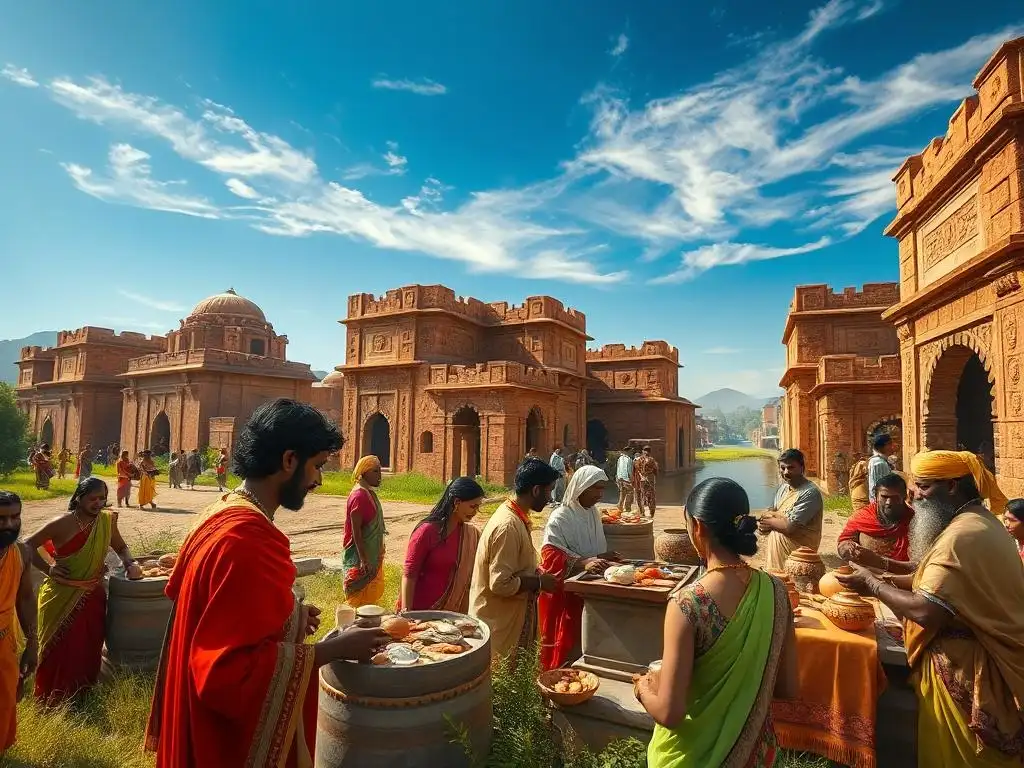
Welcome to Ancient India History, where we embark on a fascinating journey through the rich tapestry of ancient Indian civilizations. From the remarkable achievements of the Indus Valley to the influential Gupta Empire, each era offers a treasure trove of cultural exchanges and innovations. In our featured article, we delve into the intriguing evidence of early trade between the Indus Valley and Mesopotamia, unraveling the connections that shaped these ancient worlds.
What secrets lie within these ancient trade routes? Join us as we explore the depths of history and discover how these civilizations influenced one another, sparking curiosity and a deeper understanding of our shared past.
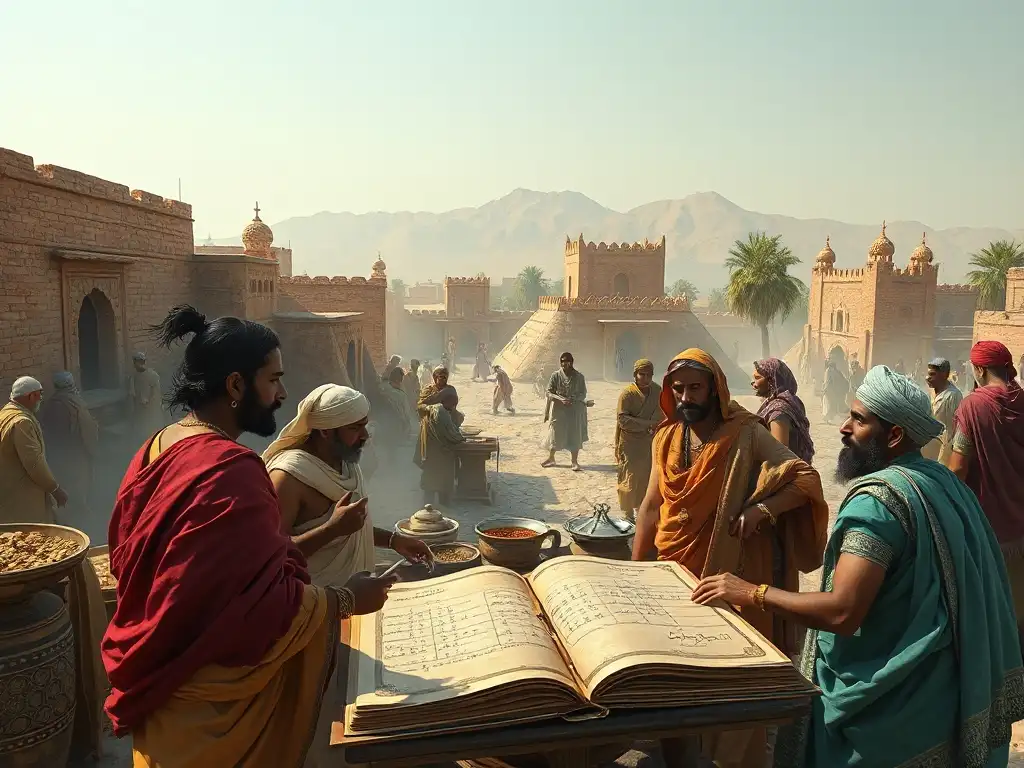
The Indus Valley Civilization (IVC), flourishing between 3300 and 1300 BCE, represents one of the earliest urban cultures in South Asia, showcasing remarkable advancements in city planning, architecture, and social organization. Among the most intriguing aspects of this civilization is its extensive trade network, particularly with neighboring regions such as Mesopotamia.
This article delves into the compelling Indus Valley Mesopotamia trade evidence, exploring how these two ancient civilizations engaged in economic exchanges that not only fostered trade but also facilitated cultural interactions. By examining archaeological findings and historical records, we aim to shed light on the significance of these trade routes and their impact on both societies.
Introduction to the Indus Valley Civilization
Overview of the Indus Valley Civilization
The Indus Valley Civilization, also known as the Harappan Civilization, covered a vast area stretching from modern-day Pakistan to northwest India. Characterized by its sophisticated urban centers such as Harappa and Mohenjo-Daro, the IVC was remarkable for its advanced drainage systems, grid-patterned streets, and standardized brick sizes. The civilization thrived due to its strategic location near the Indus River, which provided fertile soil for agriculture and facilitated trade.
Key features of the IVC include:
- Urban Planning: Cities were meticulously planned with wide streets and residential blocks.
- Agriculture: The civilization mainly relied on crops like wheat, barley, and cotton.
- Art and Craftsmanship: The IVC produced intricate beadwork, pottery, and metallurgy, which were sought after in trade.
Importance of Trade in Ancient Civilizations
Trade played a pivotal role in the development of ancient civilizations, acting as a catalyst for economic growth and cultural exchange. In the case of the Indus Valley Civilization, trade was not merely a means of economic sustenance but also a conduit for the dissemination of ideas, technologies, and cultural practices.
The significance of trade in ancient civilizations can be summarized as follows:
- Economic Prosperity: Trade allowed civilizations to acquire resources not locally available, enhancing economic stability.
- Cultural Exchange: Interactions through trade facilitated the sharing of cultural practices, religious beliefs, and technologies.
- Political Alliances: Trade networks often led to the establishment of diplomatic relations between different states and regions.
The Concept of Trade in Mesopotamia and the Indus Valley
Trade Networks in Ancient Times
Both the Indus Valley and Mesopotamian civilizations developed extensive trade networks that connected them with various regions. The Mesopotamians, located between the Tigris and Euphrates rivers, were known for their trade in luxury goods, textiles, and agricultural products. Similarly, the IVC exported items such as cotton textiles, beads, and pottery.
Some of the most significant trade routes included:
- Land Routes: Overland pathways facilitated the movement of goods between the IVC and Mesopotamia, often involving caravans.
- Maritime Trade: Coastal trade routes complemented overland routes, allowing for the exchange of goods via the Arabian Sea.
Understanding Trade as a Cultural Exchange
Trade between the Indus Valley and Mesopotamia was not solely an economic transaction but also a profound cultural exchange. The interaction resulted in the sharing of artistic styles, technologies, and even religious beliefs. For instance, archaeological findings indicate that certain seals and artifacts from the IVC display characteristics that resemble those found in Mesopotamia, suggesting a blend of cultural influences.
Key aspects of this cultural exchange include:
- Artistic Influence: Similarities in motifs and designs on pottery and seals point to a shared artistic heritage.
- Technological Advancements: The exchange of knowledge regarding metallurgy and pottery techniques enriched both civilizations.
- Religious Exchange: Elements of belief systems and practices may have been transmitted through trade interactions, influencing societal norms.
The evidence of trade between the Indus Valley Civilization and Mesopotamia highlights the intricate web of interactions that shaped ancient societies. Understanding these connections not only enriches our knowledge of the IVC but also underscores the importance of trade as a vehicle for cultural exchange in ancient history.
Indus Valley Mesopotamia Trade Evidence
The evidence of trade between the Indus Valley Civilization and Mesopotamia is a significant aspect of ancient economic interactions. Archaeological discoveries, inscriptions, and artifacts illustrate a complex trading network that facilitated the exchange of goods, ideas, and cultural practices. This trade is believed to have flourished during the mature phase of the Indus Valley Civilization, around 2500–1900 BCE, coinciding with the rise of urban centers in Mesopotamia. The trade routes established during this period highlight the sophistication of both civilizations and their ability to engage in long-distance commerce.
Archaeological Findings Supporting Trade Evidence
Various archaeological findings reinforce the notion of trade between the Indus Valley and Mesopotamia. Excavations in sites such as Harappa and Mohenjo-Daro have uncovered seals, weights, and inscriptions that suggest a standardized system of trade.
- Seals and Inscriptions: Indus seals, often made of steatite, bear motifs and script that remain undeciphered but are thought to have facilitated commercial transactions. Some seals have been found in Mesopotamian sites, indicating their use in trade.
- Weights and Measures: The discovery of standardized weights suggests an organized trade system. Weights made of stone have been discovered in both civilizations, hinting at a mutual understanding of measurement in trade practices.
- Artifacts: Pottery, beads, and other goods have been unearthed in both regions, showcasing a blend of cultural influences. Notably, certain pottery styles and decorative techniques found in Mesopotamia appear to have originated from the Indus Valley.
These findings collectively support the hypothesis of a vibrant trade network that facilitated cultural exchanges and economic cooperation.
Trade Goods Exchanged Between the Indus Valley and Mesopotamia
The trade between the Indus Valley and Mesopotamia involved a variety of goods, each reflecting the unique resources and craftsmanship of these civilizations.
- From the Indus Valley:
- Cotton Textiles: The Indus Valley was known for its advanced cotton weaving techniques, producing high-quality textiles that were highly sought after in Mesopotamia.
- Semi-Precious Stones: The crafting of jewelry from lapis lazuli, carnelian, and other stones was prevalent in the Indus Valley, which were traded for use in Mesopotamian adornments.
- Metalwork: Bronze tools and artifacts signify the advanced metallurgical skills of the Indus people, which were valuable for trade.
- From Mesopotamia:
- Grain and Agricultural Products: Mesopotamia, with its fertile lands, provided grains such as barley and wheat, essential for the sustenance of the Indus Valley populace.
- Crafted Goods: Advanced pottery, tools, and weapons from Mesopotamia were exchanged, showcasing the technological prowess of the Mesopotamian civilization.
These trade goods highlight the interdependence of both cultures and their ability to meet each other's needs through commerce.
Geographic and Cultural Context of Trade
The geographic and cultural contexts of the Indus Valley and Mesopotamia played a crucial role in shaping the trade dynamics between the two civilizations. Their unique locations and cultural practices facilitated not only trade but also significant cultural exchanges.
Location of the Indus Valley Civilization
The Indus Valley Civilization was primarily located in the northwestern regions of the Indian subcontinent, encompassing parts of present-day Pakistan and northwest India. It centered around the fertile plains of the Indus River and its tributaries, providing ample resources for agriculture and trade. The strategic location of the Indus Valley, adjacent to the Arabian Sea, allowed for maritime trade routes that connected it to Mesopotamia and beyond. Major urban centers like Harappa and Mohenjo-Daro served as bustling trade hubs, enabling the exchange of goods with neighboring civilizations, including those in Mesopotamia.
Mesopotamian Civilization Overview
Mesopotamia, often referred to as the cradle of civilization, is situated between the Tigris and Euphrates rivers in modern-day Iraq and parts of Syria and Turkey. This region was characterized by its rich agricultural land, which supported the growth of city-states like Ur, Uruk, and Babylon. Mesopotamia was known for its advancements in writing, law, and architecture, creating a cultural and economic powerhouse in the ancient world. The development of trade centers in Mesopotamia encouraged the exchange of goods and ideas, making it a significant player in regional trade networks.
Proximity and Accessibility Between Civilizations
The proximity of the Indus Valley to Mesopotamia facilitated trade through established land and maritime routes. The geographical layout allowed merchants to travel overland through the mountainous regions of Iran or via the Arabian Sea, utilizing boats to transport goods.
- Land Routes: Caravan trade was common, with merchants traversing the arid terrains, exchanging goods at various points along the way.
- Maritime Trade: The Arabian Sea provided a direct route for shipping goods between the coastal cities of the Indus Valley and the ports of Mesopotamia, enriching both cultures through the exchange of diverse products and ideas.
This accessibility not only enhanced trade but also fostered cultural interactions, shaping the development of both civilizations in profound ways.
The Impacts of Trade on Both Civilizations
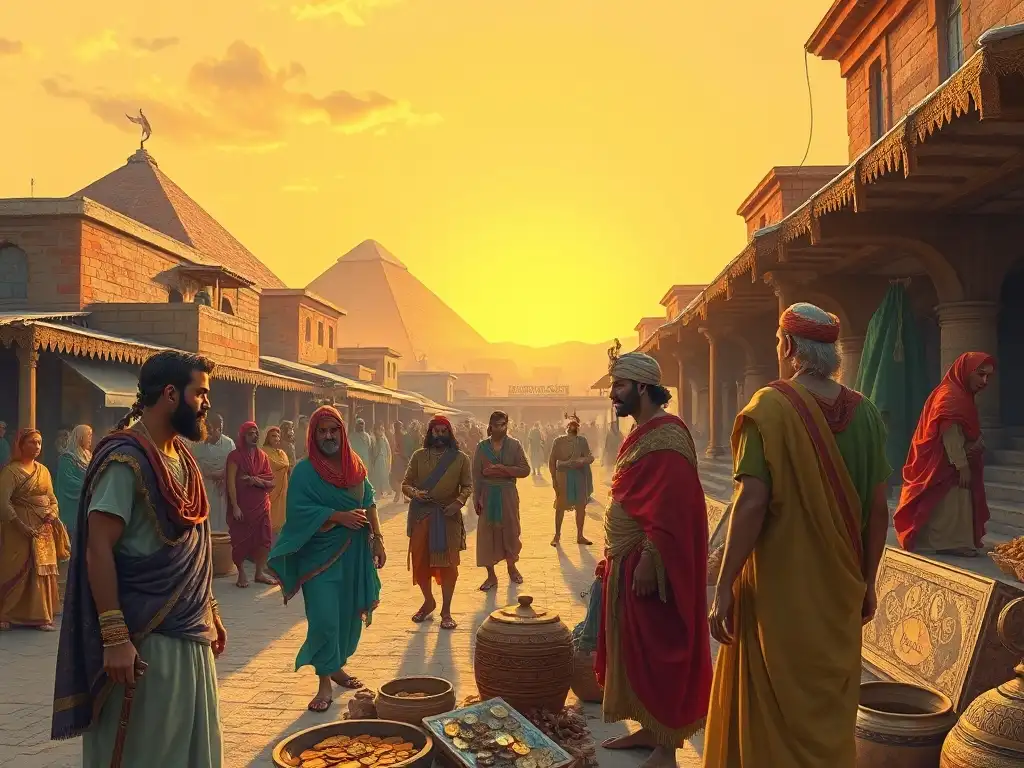
The trade between the Indus Valley Civilization and Mesopotamia had profound impacts on both societies, influencing their economies, cultures, and technological advancements. This interaction facilitated the exchange of goods, ideas, and practices that enriched both civilizations. As trade routes developed, they not only connected distant markets but also fostered a sense of shared identity and purpose among merchants and traders. The resulting economic interdependence led to innovations and adaptations that were essential for their growth.
Economic Influence of Trade on the Indus Valley
Trade significantly bolstered the economy of the Indus Valley Civilization, characterized by the exchange of a variety of goods. Artifacts indicate that they exported cotton textiles, precious stones, and metalwork to Mesopotamia, while importing items such as tin, copper, and luxury goods like silver and gold from the west. This exchange not only increased the wealth of the Indus Valley but also led to the establishment of more complex trading networks.
The presence of standardized weights and measures in the Indus Valley suggests a sophisticated understanding of trade practices, enabling efficient transactions. Additionally, the influx of foreign goods may have spurred local industries, leading to increased production capabilities within the Indus Valley. The economic interactions with Mesopotamia helped lay the groundwork for a more interconnected and vibrant economy, fostering development in urban centers like Harappa and Mohenjo-Daro.
Cultural Exchanges Facilitated by Trade
Trade between the Indus Valley and Mesopotamia was not merely an economic transaction but also a conduit for cultural exchange. The movement of merchants and traders facilitated the transfer of ideas, beliefs, art, and religious practices between the two civilizations. This cross-cultural interaction is evidenced by the similarities found in seals, pottery styles, and architectural elements.
For instance, both societies utilized seals for trade and communication, which not only served practical purposes but also carried symbolic meanings. The motifs and inscriptions found on these seals often reflect a blend of artistic styles, indicating a shared aesthetic influenced by trade. Moreover, the exchange of motifs in art and sculpture highlights how trade acted as a vehicle for cultural diffusion, enriching the artistic landscapes of both civilizations.
Technological Innovations Resulting from Interactions
The trade interactions between the Indus Valley and Mesopotamia also spurred technological innovations. The need for efficient transportation and storage of goods led to advancements in shipbuilding and navigation. The Indus Valley Civilization developed a network of rivers and canals that facilitated trade, showcasing their ingenuity in utilizing available resources.
Moreover, the introduction of new materials, such as bronze from Mesopotamia, influenced local metallurgy in the Indus Valley. This access to diverse resources prompted advancements in tools and weaponry, enhancing their capabilities in agriculture and defense. The collaboration fostered by trade interactions ultimately led to a technological exchange that benefited both civilizations, setting the stage for future innovations.
Comparisons of Trade Practices
Understanding the trade practices of the Indus Valley and Mesopotamia reveals both similarities and differences shaped by their respective environments, economies, and cultural contexts. These interactions illustrate how trade practices evolved in response to regional needs and opportunities.
Similarities in Trade Practices of the Indus Valley and Mesopotamia
Both the Indus Valley and Mesopotamia shared notable similarities in their trade practices, reflecting their advanced economic structures. Both civilizations employed standardized weights and measures, facilitating equitable trade transactions. This commonality indicates a level of sophistication in their trade systems, allowing merchants from both cultures to engage in commerce with confidence.
Furthermore, both societies relied heavily on riverine transport for trade. The Indus River and the Tigris-Euphrates River systems provided essential pathways for the movement of goods. The use of boats and rafts was prevalent, enabling the transport of bulk items such as grain, pottery, and textiles across long distances. This shared reliance on water routes underscores not only their geographical connectivity but also their mutual dependence on trade for economic prosperity.
Differences in Trade Approaches and Goods
Despite the similarities, there were distinct differences in the trade approaches and the types of goods exchanged between the two civilizations. The Mesopotamian economy was more heavily reliant on agriculture and livestock, leading to a trade focus on grain, wool, and livestock products. In contrast, the Indus Valley was known for its advanced craftsmanship, exporting high-quality textiles, jewelry, and pottery.
Additionally, the Indus Valley's trade network was more decentralized, with various city-states engaging independently in trade. Conversely, Mesopotamia exhibited a more centralized system, with larger city-states like Ur and Babylon playing dominant roles in trade and commerce. This difference in organization and control influenced the dynamics of their trade interactions, impacting how goods were exchanged and valued.
The trade between the Indus Valley and Mesopotamia not only facilitated economic prosperity but also fostered rich cultural exchanges and technological innovations. Understanding these dynamics provides valuable insights into the interconnectedness of ancient civilizations and their shared histories.
Conclusion
The Indus Valley Civilization (IVC) represents one of the earliest examples of urban society, demonstrating advanced planning, architecture, and social organization. Evidence of trade interactions between the Indus Valley and Mesopotamia unveils a complex web of cultural and economic exchanges that shaped both regions.
Through the analysis of archaeological findings, including seals, weights, and artifacts, we gain insight into how these two great civilizations engaged in commerce, thereby enhancing their technological and cultural developments. The implications of these trade relationships extend beyond mere economic transactions; they fostered a mutual exchange of ideas and technologies that contributed to the richness of ancient societies.
Summary of Key Findings on Indus Valley Mesopotamia Trade Evidence
Research has unveiled multiple lines of evidence highlighting the trade between the Indus Valley and Mesopotamia. Key findings include:
- Seals and Inscriptions: Numerous seals found in both regions, featuring similar motifs and script, suggest a shared or influenced trade language. These seals were likely used for marking goods and establishing trade agreements.
- Artifacts and Materials: Archaeological excavations have uncovered materials such as lapis lazuli, carnelian, and other semi-precious stones in Mesopotamia that are believed to have originated in the Indus Valley. Conversely, items such as pottery and metals from Mesopotamia appeared in Indus sites, indicating a reciprocal exchange of goods.
- Weights and Measurements: Standardized weights found in both civilizations demonstrate the establishment of a common trading framework, facilitating more efficient commerce. This uniformity is crucial for understanding the scale and organization of trade activities.
- Trade Routes: The discovery of ancient trade routes connecting these two regions underscores the logistical capabilities of the Indus Valley traders, suggesting a well-organized system for transporting goods across great distances.
The Legacy of Trade in Shaping Ancient Civilizations
The trade between the Indus Valley and Mesopotamia was instrumental in shaping the social, economic, and cultural landscapes of both civilizations. This interaction led to:
- Cultural Exchange: The flow of ideas, religious beliefs, and artistic traditions between the two regions enriched their respective cultures. The adoption of new technologies and artistic styles can be traced back to these exchanges.
- Economic Development: Trade propelled economic growth, leading to urbanization and the rise of complex societies in both regions. The wealth generated from trade allowed for advancements in infrastructure and public works.
- Diplomatic Relations: Interactions through trade often fostered diplomatic ties, leading to alliances and mutual agreements that influenced regional stability and cooperation.
Thus, the legacy of trade between the Indus Valley and Mesopotamia not only reflects the economic interdependence of ancient civilizations but also illustrates the foundational role of commerce in cultural and technological evolution.
References and Further Reading
For those interested in a deeper understanding of the trade dynamics between the Indus Valley Civilization and Mesopotamia, the following resources provide valuable insights:
Suggested Resources for In-depth Study on Indus Valley and Mesopotamia Trade
- Books:
- "The Indus Valley Civilization: A Contemporary Perspective" by Jonathan Mark Kenoyer. This book provides an in-depth analysis of the IVC, including trade systems and interactions with neighboring civilizations.
- "Trade in the Ancient Mediterranean: The Role of Economic Interactions in Cultural Exchange" by Peter van Dommelen. This text discusses trade routes and their impact on ancient societies, including the Indus Valley and Mesopotamia.
- Research Articles:
- "Evidence of Trade Between the Indus Valley and Mesopotamia: A Review of Archaeological Findings" published in the Journal of Ancient Civilizations. This article summarizes recent discoveries and interpretations regarding trade evidence.
- Online Resources:
- The Archaeological Survey of India (ASI) website offers extensive resources on excavations and findings related to the Indus Valley Civilization.
- The British Museum's online collection features artifacts from both the Indus Valley and Mesopotamia, along with contextual information regarding their historical significance.
These resources serve as a gateway to further explore the intricate trade relations that shaped the ancient world, highlighting the importance of the Indus Valley and its interactions with Mesopotamia.
- Introduction to the Indus Valley Civilization
- The Concept of Trade in Mesopotamia and the Indus Valley
- Indus Valley Mesopotamia Trade Evidence
- Geographic and Cultural Context of Trade
- The Impacts of Trade on Both Civilizations
- Comparisons of Trade Practices
- Conclusion
- References and Further Reading
- What is the significance of the Indus Valley Civilization in ancient history?
- How did the Indus Valley Civilization engage in trade with Mesopotamia?
- What types of trade evidence have been found between the Indus Valley and Mesopotamia?
- Were there any specific goods that were commonly traded between the two regions?
- How did the trade between the Indus Valley and Mesopotamia influence their respective cultures?
Frequently Asked Questions
What is the significance of the Indus Valley Civilization in ancient history?
The Indus Valley Civilization is significant as one of the world's earliest urban cultures, known for its advanced city planning, sophisticated drainage systems, and trade networks.
How did the Indus Valley Civilization engage in trade with Mesopotamia?
Evidence shows that the Indus Valley Civilization traded goods like cotton textiles, beads, and metals with Mesopotamia, indicating a complex commercial relationship.
What types of trade evidence have been found between the Indus Valley and Mesopotamia?
Archaeological findings include seals, pottery, and other artifacts that demonstrate connections in trade practices and cultural exchanges between the two civilizations.
Were there any specific goods that were commonly traded between the two regions?
Yes, cotton, metals, and jewelry were commonly traded from the Indus Valley, while Mesopotamia exported goods like grain and textiles.
How did the trade between the Indus Valley and Mesopotamia influence their respective cultures?
The trade fostered cultural exchanges, leading to the spread of ideas, technologies, and artistic styles, which enriched both civilizations significantly.
Final Reflection: Unveiling the Threads of Ancient Trade
The exploration of the Indus Valley Civilization's trade with Mesopotamia reveals a profound connection that resonates with our understanding of cultural exchange today. The evidence of early trade not only highlights the sophistication of these ancient societies but also underscores the importance of commerce in fostering relationships across vast distances. In an era where globalization is a defining characteristic of our world, the intricate trade networks established by the Indus Valley and Mesopotamia serve as a reminder of humanity's enduring quest for connection and collaboration.
Cultural and social landscapes have been deeply influenced by the exchanges that took place between these two remarkable civilizations. The artifacts and trade goods unearthed from archaeological sites tell a story of shared knowledge, innovation, and mutual influence that shaped the development of both regions. As historian David Wengrow aptly stated, Trade is not merely an economic transaction; it is a bridge that connects different worlds.
This bridge, built on the foundations of trust and mutual benefit, continues to inspire modern societies as we navigate the complexities of our interconnected world.
As we reflect on the lessons from the Indus Valley and Mesopotamia, let us consider how we can apply these insights to our lives today. Embrace the spirit of collaboration and openness that characterized these ancient traders. Whether in our personal relationships, professional endeavors, or community engagements, we have the opportunity to build bridges that foster understanding and cooperation. Take a moment to reflect on how you can contribute to a more connected and harmonious world, just as the traders of the past did, ensuring that the legacy of their exchange lives on in our actions.
Uncover the Mysteries of Ancient Trade!
Thank you for exploring the rich tapestry of the Indus Valley Civilization with us! We hope you gained fascinating insights into their early trade practices with Mesopotamia. Now, let’s transform that knowledge into action!
Here are a few ways you can deepen your understanding and appreciation of ancient cultures:
- Dive Deeper: Research trade routes between the Indus Valley and Mesopotamia using archaeological reports or documentaries—uncover stories hidden in the earth!
- Engage with the Community: Participate in online forums or local history groups where you can discuss and share ideas with fellow enthusiasts—let’s learn together!
- Spread the Knowledge: Share this article with your friends or on social media to enlighten others about the incredible achievements of ancient civilizations.
What aspect of ancient trade fascinates you the most, and how do you think it shaped the cultures involved? We’d love to hear your thoughts!