
The Influence of Ancient Indian Political Philosophy on Neighboring Regions

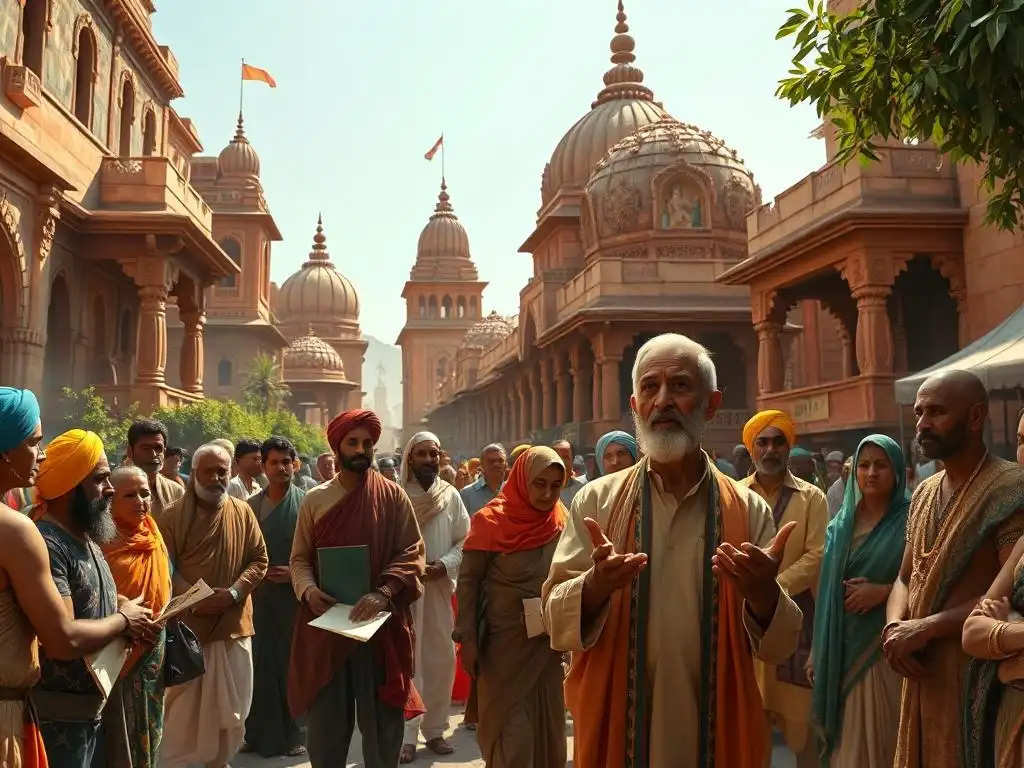
Welcome to Ancient India History, where we embark on a fascinating journey through the rich tapestry of India's ancient civilizations. As you delve into our latest article on ancient Indian political philosophy, you'll uncover how the profound ideas and principles developed in India have not only shaped its own society but also left an indelible mark on neighboring regions. What were the philosophical tenets that guided these civilizations, and how did they influence political thought beyond their borders?
Prepare to expand your understanding of history as you explore the cultural exchanges that continue to resonate today. Join us in unraveling the stories that have forged the political landscape of the past and present!
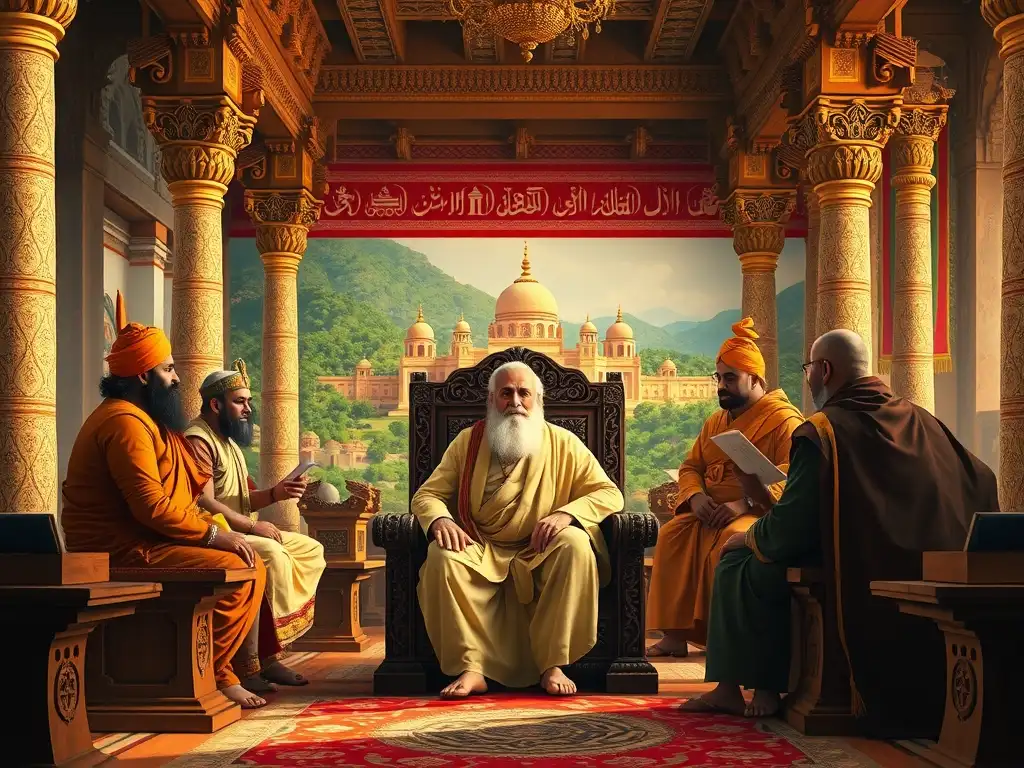
Introduction to Ancient Indian Political Philosophy
Ancient Indian political philosophy represents a rich tapestry of ideas, beliefs, and practices that have significantly influenced not only the subcontinent but also neighboring regions. Rooted in a complex interplay of religion, ethics, and governance, this philosophy encompasses a variety of texts and traditions that have shaped the political landscape of ancient India. From the governance models of the Indus Valley Civilization to the profound treatises of the Gupta Empire, the evolution of political thought in ancient India offers insights into how societies organized themselves, maintained order, and interacted with each other.
As we delve deeper into the nuances of ancient Indian political philosophy, it becomes evident that its principles extended far beyond the borders of India. The concepts of Dharma (duty/righteousness), Artha (prosperity), and Kama (pleasure) form the bedrock of this philosophical discourse, influencing not only Indian rulers but also political thinkers in regions such as Southeast Asia and the Middle East. This article aims to explore these influences and trace the impact of ancient Indian political thought on neighboring civilizations.
Overview of Political Philosophy in Ancient India
The political philosophy of ancient India is characterized by its multifaceted nature, integrating ethical considerations with practical governance. Central to this philosophy is the idea that rulers should govern in accordance with the principles of Dharma, ensuring justice and moral integrity within society. This emphasis on ethical governance is articulated in various texts, such as the Arthashastra by Kautilya, which combines pragmatic statecraft with moral imperatives.
Key Concepts in Ancient Indian Political Philosophy:
- Dharma: The moral and ethical duties that govern individual and collective behavior.
- Artha: The pursuit of wealth and prosperity, viewed as essential for a stable society.
- Kama: The pursuit of pleasure and personal fulfillment, balanced with ethical considerations.
These key concepts highlight the integrated approach of ancient Indian political thought, where the welfare of the state was seen as intertwined with the moral development of its citizens.
Key Figures and Texts in Indian Political Thought
Several key figures and texts have shaped the landscape of ancient Indian political philosophy:
- Kautilya (Chanakya): Author of the Arthashastra, Kautilya's work is a seminal text that outlines strategies for statecraft, diplomacy, and military tactics, emphasizing the importance of realpolitik.
- Buddhism and Jainism: Both philosophies introduced alternative perspectives on governance, advocating for non-violence (Ahimsa) and ethical leadership. These principles influenced rulers across various regions.
- Manusmriti: This ancient legal text offers insights into governance, social order, and the responsibilities of rulers, reflecting the socio-political norms of its time.
Historical Context of Ancient Indian Political Philosophy
To fully appreciate the influence of ancient Indian political philosophy, it is essential to understand the historical context in which these ideas developed. Political thought in ancient India evolved through various phases, reflecting the changing dynamics of society, culture, and governance.
The Evolution of Political Ideas in Ancient India
Political ideas in ancient India underwent significant transformations, influenced by factors such as invasions, trade, and cultural exchanges. The early Vedic period laid the groundwork for political thought, characterized by tribal governance and the concept of kingship. As society evolved, so did the complexity of political structures, leading to the establishment of powerful empires.
Key milestones in the evolution of political ideas include:
- The Vedic Period: Introduction of concepts such as kingship and governance based on social order (Varna system).
- Mauryan Empire: The consolidation of political authority and the articulation of statecraft in Kautilya's Arthashastra.
- Gupta Empire: Flourishing of literature and philosophy, reinforcing the importance of Dharma in governance.
Major Dynasties and Their Political Philosophies
Several dynasties played pivotal roles in shaping ancient Indian political philosophy, each contributing unique perspectives and ideas:
| Dynasty | Key Contributions |
|---|---|
| Mauryan | Centralized governance, Kautilya's Arthashastra |
| Gupta | Promotion of arts and sciences, ethical governance |
| Chola | Maritime trade, administrative innovations |
The interplay of these dynasties not only enriched Indian political thought but also facilitated cultural exchanges and interactions with neighboring regions, leaving a lasting legacy that would influence various civilizations throughout history.
As we continue to explore the intricacies of ancient Indian political philosophy, it is essential to examine how these ideas traveled across borders and shaped political landscapes beyond India.
Core Concepts of Ancient Indian Political Philosophy
Ancient Indian political philosophy is characterized by a rich tapestry of ideas that have shaped governance and societal structures not only within India but also in neighboring regions. At its core, ancient Indian political thought revolves around concepts of Dharma, Artha, and Raja Dharma, each of which plays a crucial role in the formulation of political ethics, economic policies, and the responsibilities of rulers. These concepts reflect a unique blend of moral, ethical, and practical considerations in governance, aiming to create a just and prosperous society.
The teachings of revered texts like the Bhagavad Gita, Arthashastra, and Manusmriti serve as foundational pillars, influencing rulers and philosophers alike. They emphasize the importance of aligning governance with ethical principles and the welfare of the people, thus establishing a framework that transcends mere political power, advocating for a holistic approach to leadership that incorporates spirituality, morality, and pragmatism.
Dharma: The Principle of Righteousness in Governance
Dharma, often translated as "righteousness" or "duty," serves as a fundamental principle in ancient Indian political philosophy. It encompasses the moral and ethical responsibilities of individuals and rulers, guiding their actions and decisions. In governance, Dharma emphasizes the importance of justice, integrity, and the well-being of the populace.
Ancient texts assert that a ruler must uphold Dharma to maintain order and ensure the prosperity of the state. This principle extends to the concept of Rajadharma, which outlines the moral obligations of kings, including the protection of subjects, the administration of justice, and the promotion of welfare. The idea of Dharma is not static; it adapts to the changing circumstances and needs of society, highlighting the dynamic nature of governance in ancient India.
In practical terms, Dharma influences laws and policies, encouraging leaders to consider the ethical implications of their actions. This principle also fosters a sense of accountability, as rulers are expected to act in the best interest of their subjects, thereby creating a trust-based relationship between the government and the governed.
Artha: The Role of Economics in Political Philosophy
Artha, meaning "wealth" or "material prosperity," plays a critical role in ancient Indian political philosophy by emphasizing the significance of economic stability and growth in governance. While Dharma focuses on moral values, Artha underscores the practical aspects of governance, advocating for the prosperity of the state as a means to achieve social harmony.
According to the Arthashastra, penned by Kautilya (Chanakya), the pursuit of Artha is essential for a ruler to effectively govern. It outlines strategies for resource management, trade, taxation, and statecraft, illustrating how economic prosperity is intricately linked to political stability. The text argues that a ruler must possess wisdom in economic matters to ensure the welfare of the state and its citizens.
Moreover, Artha is not pursued for its own sake but is viewed as a tool to fulfill Dharma. The accumulation of wealth should serve the greater good, supporting social initiatives, welfare programs, and infrastructure development. This interdependence between Artha and Dharma reflects a holistic view of governance where economic power is wielded responsibly to promote justice and equity.
Raja Dharma: The Duties of a Ruler According to Ancient Texts
Raja Dharma refers to the specific duties and responsibilities of a ruler as outlined in ancient Indian texts. This concept is crucial in understanding the ethical framework that guided kingship and governance in ancient India. Raja Dharma emphasizes that a ruler must act as a guardian of Dharma, ensuring justice, security, and welfare for all subjects.
Key responsibilities under Raja Dharma include:
- Protection of the People: A ruler must safeguard the lives and property of citizens, providing a secure environment for them to flourish.
- Administration of Justice: Fair and impartial justice is a cornerstone of Raja Dharma, with rulers expected to uphold legal frameworks that reflect moral principles.
- Promotion of Welfare: Rulers are tasked with implementing policies that promote the common good, addressing the needs of various social strata, and ensuring economic prosperity.
Ancient texts like the Manusmriti and Mahabharata elaborate on these responsibilities, illustrating the expectation that rulers should embody qualities such as wisdom, compassion, and integrity. By adhering to Raja Dharma, rulers are seen as legitimate authorities, earning the loyalty and respect of their subjects.
Influence on Neighboring Regions
The influence of ancient Indian political philosophy extended far beyond its borders, impacting neighboring civilizations and shaping their governance structures. The principles of Dharma, Artha, and Raja Dharma found resonance in various cultures, fostering a shared understanding of ethical governance and social responsibility.
The Spread of Political Ideas Across Borders
The dissemination of ancient Indian political philosophy can be attributed to several factors, including trade, cultural exchanges, and the movement of scholars. As Indian traders traversed vast regions, they brought with them not just goods but also ideas, including the principles of governance articulated in texts like the Arthashastra.
Neighboring regions, such as Southeast Asia, experienced significant political and cultural influence from ancient India. The establishment of Indianized kingdoms in places like modern-day Thailand, Cambodia, and Indonesia showcased the adoption of Indian political concepts, where rulers integrated Dharma into their governance and legal systems.
Moreover, the spread of Buddhism, which emphasizes ethical governance and social harmony, further facilitated the acceptance of Indian political philosophy in various cultures. The teachings of Buddhist rulers often reflected the principles of Dharma and Raja Dharma, promoting just governance and the welfare of the populace.
The impact of ancient Indian political philosophy on neighboring regions illustrates the enduring legacy of these ideas, highlighting their relevance in shaping political thought and governance practices across cultures.
Comparative Analysis of Ancient Indian Political Philosophy and Neighboring Philosophies

Ancient Indian political philosophy is characterized by its unique blend of ethics, governance, and societal duties, which influenced various neighboring regions. A comparative analysis reveals both similarities and contrasts with political philosophies of other civilizations, particularly those of China and Greece. This examination helps to understand the broader implications of ancient Indian political thought beyond its borders and the ways in which it shaped the governance systems of neighboring cultures.
Similarities with Chinese Political Philosophy
Both ancient Indian and Chinese political philosophies share a common emphasis on moral integrity and the role of virtuous leadership. In India, texts like the Arthashastra and the Mahabharata highlight the importance of dharma (duty) and the ruler's responsibility to uphold justice and morality. Similarly, Confucianism in China stresses the significance of virtue and moral governance, advocating for a ruler who is both wise and benevolent.
Moreover, both traditions recognize the importance of social harmony. In India, the concept of Rajadharma underscores the ruler’s obligation to maintain societal balance, akin to the Confucian ideal of a harmonious society. This alignment suggests a shared understanding of the ruler's role as a custodian of public welfare and stability, reflecting the values prevalent in both cultures.
Contrasts with Greek Political Thought
Contrastingly, ancient Indian political philosophy diverges significantly from Greek political thought, particularly in its approach to governance and the nature of the state. Greek philosophers, such as Plato and Aristotle, often emphasized individualism and the role of the citizen in the political process, advocating for democracy and civic engagement. In contrast, ancient Indian thought tends to focus more on the central authority of the ruler and the hierarchical structure of society.
While Greek philosophy often debates the ideal forms of government, such as democracy or oligarchy, Indian political philosophy places greater emphasis on the ethical responsibilities of the ruler and the importance of adherence to dharma. The Indian perspective prioritizes moral duties over political ideologies, suggesting that the legitimacy of power derives from ethical governance rather than from popular consent.
Case Studies of Political Philosophy Influence in Neighboring Regions
Ancient Indian political philosophy not only shaped the governance structures within India but also exerted considerable influence in neighboring regions through cultural exchanges and interactions. This section explores specific case studies that illustrate the adoption and adaptation of Indian political concepts by other civilizations.
The Adoption of Indian Political Concepts in Southeast Asia
Southeast Asia serves as a significant region where ancient Indian political philosophy left a lasting mark. The spread of Hinduism and Buddhism facilitated the introduction of Indian political ideas, particularly during the early centuries of the Common Era. Kingdoms such as Srivijaya and Majapahit adopted the Indian model of kingship, which emphasized the divine right of rulers and the importance of maintaining dharma.
The influence of texts like the Mahabharata and the Ramayana can be seen in Southeast Asian political narratives, where rulers were often portrayed as incarnations of deities, tasked with maintaining cosmic order. This syncretism of Indian political thought with local traditions led to the establishment of centralized monarchies that drew upon both Indian and indigenous governance practices, creating a unique political landscape in the region.
Historical Examples of Political Exchanges Between India and Persia
The historical exchanges between India and Persia further illustrate the influence of ancient Indian political philosophy. During the Mauryan Empire, particularly under Emperor Ashoka, there was significant interaction with Persian political practices. Ashoka’s principles of non-violence and ethical governance resonated with the Persian concept of Asha, which emphasizes order, truth, and righteousness.
Moreover, the Persian Empire’s administrative practices were influenced by Indian systems of governance. The establishment of a bureaucratic framework in Persia, which incorporated elements of Indian political philosophy, highlights a mutual exchange of ideas. The translation of Indian texts into Persian further facilitated this exchange, allowing for a cross-pollination of political ideas that enriched both civilizations.
The influence of ancient Indian political philosophy on neighboring regions is multifaceted, with notable similarities and contrasts with other philosophical traditions. Through specific case studies, the profound impact of these ideas on Southeast Asia and Persia underscores the importance of cultural exchanges in shaping political landscapes across civilizations.
Conclusion
The exploration of ancient Indian political philosophy reveals a rich tapestry of thoughts and ideas that significantly influenced not only the Indian subcontinent but also its neighboring regions. The principles of governance, social order, and ethical leadership articulated by ancient Indian thinkers have left an indelible mark on the political landscapes of various cultures. From the edicts of Ashoka to the teachings of Chanakya, the political doctrines established in ancient India provided foundational ideas that were adapted and integrated into the political systems of neighboring civilizations.
Summary of the Influence of Ancient Indian Political Philosophy
Ancient Indian political philosophy introduced concepts such as Dharma (righteousness), Artha (wealth), and the role of the ruler in maintaining societal harmony. These ideas were not confined to the Indian subcontinent but resonated across borders. Neighboring regions, particularly those influenced by trade, cultural exchanges, and migrations, adopted and adapted these philosophies in various ways. For instance:
- Southeast Asia: The spread of Hinduism and Buddhism facilitated the incorporation of Indian political thought into local governance structures, influencing kingdoms like Funan and Srivijaya.
- Central Asia: The Silk Road served as a conduit for philosophical exchange, where Indian ideas on statecraft and morality influenced Persian and later Islamic political thought.
- Tibet: The integration of Buddhist principles into Tibetan governance mirrored the ethical frameworks outlined in ancient Indian texts.
This pervasive influence illustrates the dynamic nature of political philosophy as it transcended geographic and cultural barriers, leading to a synthesis of ideas that enriched the governance of neighboring civilizations.
The Legacy of Ancient Indian Political Thought in Modern Governance
The legacy of ancient Indian political philosophy continues to resonate in contemporary governance. Modern leaders and scholars often draw parallels between ancient principles and current political practices. Key aspects of this influence include:
- Ethical Leadership: The emphasis on Dharma as a guiding principle for leaders is echoed in modern discussions about ethical governance and accountability.
- Collective Well-being: The focus on the welfare of the community informs contemporary debates around social justice and public policy.
- Civic Responsibility: The ancient notion of citizens’ roles in governance encourages active participation in democratic processes today.
Moreover, the adaptability of these ancient ideas allows them to remain relevant, as societies grapple with challenges that demand a return to foundational ethical and philosophical principles in governance.
References
Key Texts and Sources on Ancient Indian Political Philosophy
- Arthashastra by Kautilya (Chanakya) - A comprehensive treatise on statecraft, economic policy, and military strategy.
- The Mahabharata - An epic text that delves into the moral dilemmas of governance, particularly through the Bhagavad Gita.
- Dharma Shastras - Texts that outline the principles of Dharma and provide insights into social and political ethics.
Further Reading on Cultural Exchanges and Influence
- The Spread of Indian Culture in Southeast Asia by G. Coedès - An exploration of the impact of Indian culture, including political philosophy, in Southeast Asia.
- Ancient Indian Political Thought and Practice by R. N. Sharma - An analytical overview of ancient Indian political ideas and their implications.
- Cultural Interactions in Central Asia by H. P. Ray - A study of how Indian political philosophies intertwined with Central Asian cultures through trade and migration.
- Introduction to Ancient Indian Political Philosophy
- Historical Context of Ancient Indian Political Philosophy
- Core Concepts of Ancient Indian Political Philosophy
- Influence on Neighboring Regions
- Comparative Analysis of Ancient Indian Political Philosophy and Neighboring Philosophies
- Case Studies of Political Philosophy Influence in Neighboring Regions
- Conclusion
- References
- What is ancient Indian political philosophy?
- How did ancient Indian political philosophy influence neighboring regions?
- What are some key texts that shape ancient Indian political philosophy?
- How does ancient Indian political philosophy differ from Western political thought?
- What lasting impacts can be seen from ancient Indian political philosophy today?
Frequently Asked Questions
What is ancient Indian political philosophy?
Ancient Indian political philosophy refers to the theoretical frameworks and ideas about governance, authority, and justice that emerged from ancient Indian texts, including the Arthashastra and Mahabharata.
How did ancient Indian political philosophy influence neighboring regions?
The principles and ideas from ancient Indian political philosophy were absorbed and adapted by neighboring cultures, impacting their governance and administrative practices.
What are some key texts that shape ancient Indian political philosophy?
Key texts include the Arthashastra, authored by Kautilya, and the Bhagavad Gita, both of which discuss statecraft, ethics, and the responsibilities of rulers.
How does ancient Indian political philosophy differ from Western political thought?
Ancient Indian political philosophy often emphasizes moral duty (dharma) and social harmony, whereas Western thought may focus more on individual rights and liberty.
What lasting impacts can be seen from ancient Indian political philosophy today?
Modern political systems in South Asia still reflect elements of ancient Indian political thought, particularly in areas like governance, law, and the role of ethical leadership.
Final Reflection: The Enduring Legacy of Ancient Indian Political Philosophy
The exploration of ancient Indian political philosophy reveals its profound relevance in today’s global discourse on governance and ethics. As we navigate complex political landscapes, the timeless principles derived from ancient texts resonate with contemporary challenges, reminding us that wisdom from the past can illuminate our paths forward. The echoes of these philosophies are not just historical artifacts; they are vital frameworks that can guide modern societies in their quest for justice and harmony.
Cultural and social landscapes across neighboring regions have been significantly shaped by the tenets of ancient Indian political philosophy. From the concepts of dharma to the emphasis on ethical leadership, these ideas have transcended borders, influencing governance systems and societal norms far beyond their origin. As Mahatma Gandhi once said, “A ‘No’ uttered from the deepest conviction is better than a ‘Yes’ merely uttered to please, or worse, to avoid trouble.” This quote encapsulates the essence of integrity and conviction that ancient Indian political thought imparts, reminding us of the importance of principled leadership in any era.
As you reflect on the insights shared in this article, consider how the lessons of ancient Indian political philosophy can be woven into your own life and community. Embrace the opportunity to engage with these enduring ideas, allowing them to inspire your actions and decisions. Whether it’s fostering ethical dialogue, advocating for justice, or nurturing a sense of duty towards your community, let the wisdom of the ancients guide you in creating a more equitable and compassionate world.
Embrace the Legacy of Ancient Wisdom!
Thank you for exploring the rich history of ancient Indian political philosophy with us. Your interest in this profound topic unveils timeless lessons that can guide contemporary governance and societal interactions. Now, it’s time to internalize these insights and apply them to your own journey.
Here are a few powerful steps you can take to deepen your understanding and appreciation:
- Start a Discussion: Engage your friends or family in a conversation about the values of ancient Indian political philosophy. Which lessons resonate most with you?
- Explore Further: Select a significant text or philosopher from this era and delve deeper. Discover how their ideas can influence modern thought.
- Share Your Insights: Consider writing a brief blog post or social media update about what you learned and its applications in today's world. Inspire others to reflect on these teachings!
What aspect of ancient Indian political philosophy do you believe holds the most relevance today? Let's ignite a discussion in the comments!